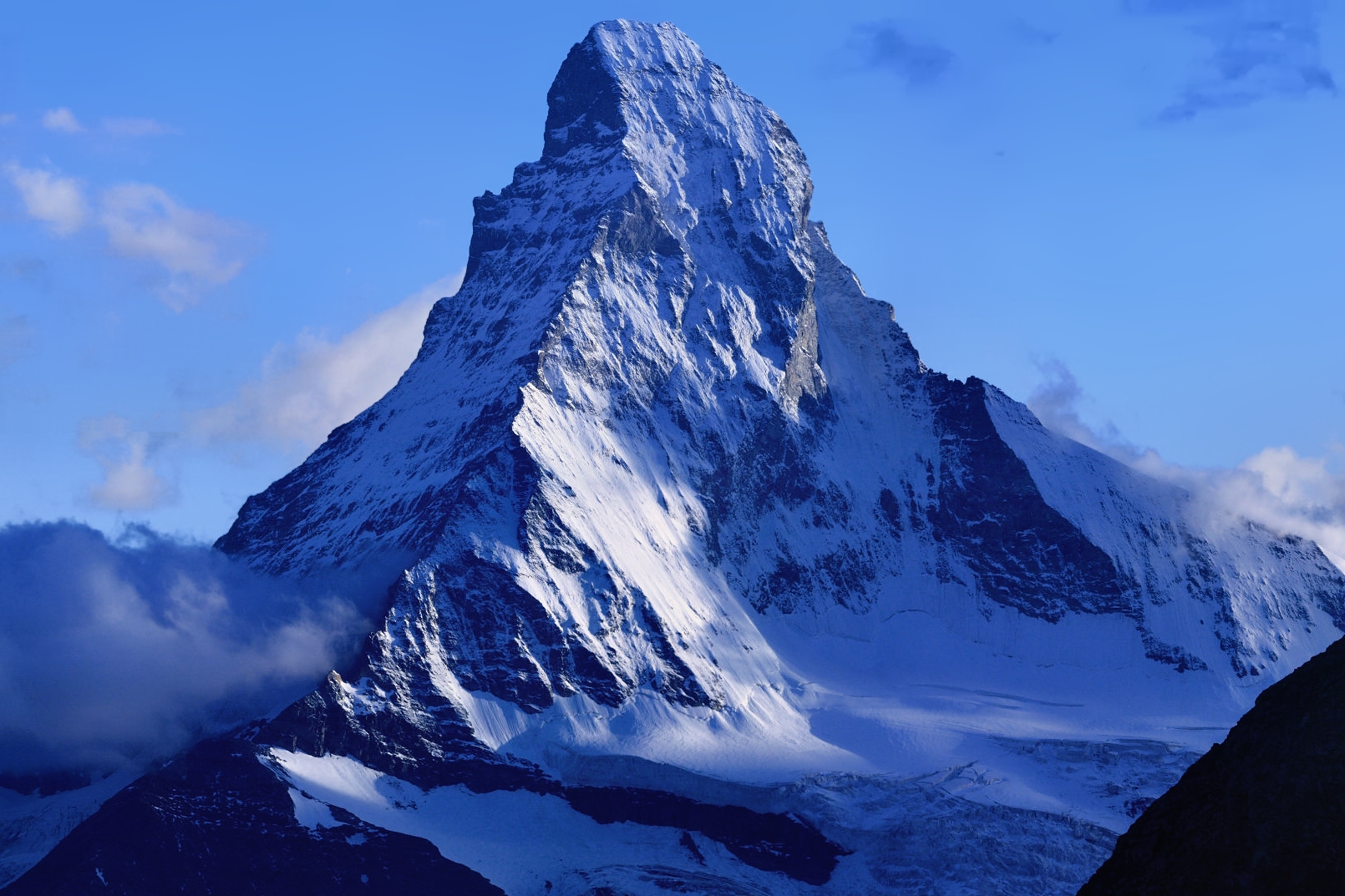

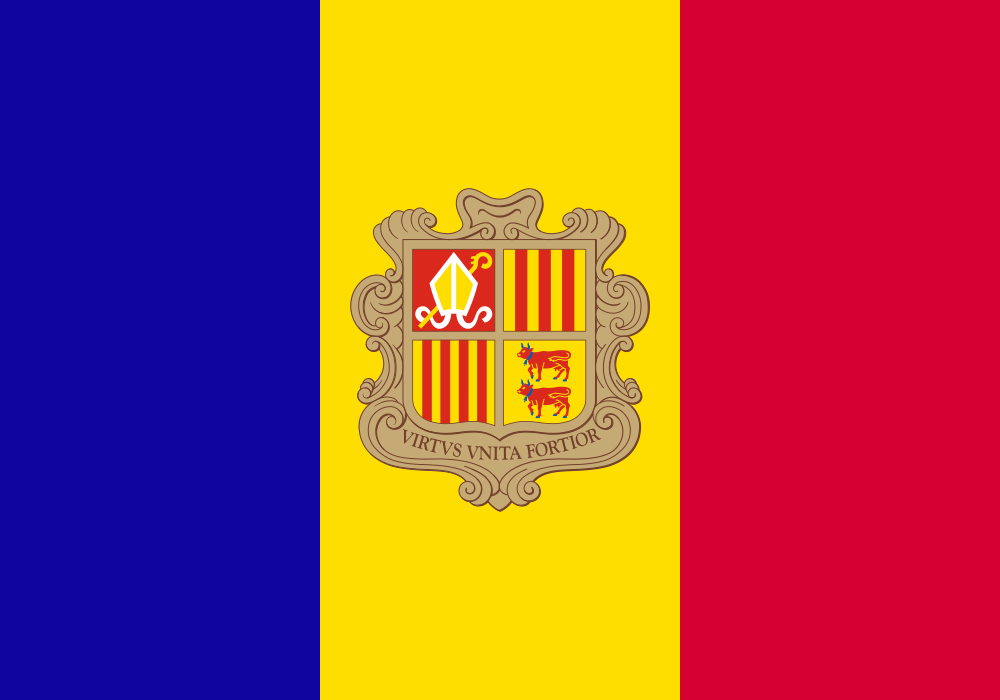
A tiny principality high in the Pyrenees between France and Spain — a skiers' paradise in winter, a hikers' one in summer. Grandvalira is the largest ski area in the Pyrenees and the Caldea thermal complex the biggest spa in southern Europe. Andorra is a low-tax, duty-free zone where shopping stands alongside the mountains and the spa. The country is small enough to drive across in an hour.
どこへ行く
#Andorra la Vella
The capital and the heart of the country, and where to go if you came for the duty-free shopping that runs the whole length of Avinguda Meritxell. Between purchases you can wander the stone lanes of the Barri Antic and look in at Casa de la Vall, the old parliament building. The town is wedged between mountains, so the views open up straight from the shopping streets.
Escaldes-Engordany
Effectively fused with the capital, and worth a trip for Caldea, the largest thermal complex in southern Europe. Natural hot springs surface right in the middle of town, and modern malls sit alongside pleasant riverside walks. It is the obvious place for an evening stroll after a hard day on the slopes.
Pas de la Casa
The highest and rowdiest village, right on the French border, where you can ski all day and still make the bars. In winter it never really stops, and the duty-free shops here have the best prices on perfume and spirits. In summer it goes quiet and becomes a launch point for serious mountain hiking.
Ordino
If you want to see the authentic side, this quiet parish is the one, thanks to its stone architecture and small museums. There is no capital-city bustle, just greenery and hiking routes heading up towards the lovely Vall de Sorteny park. Travellers value Ordino for its old-Europe feel and its family-run guesthouses.
La Massana
The base for anyone skiing the Pal-Arinsal sector or riding mountain bikes in summer. The lift from here lands you in alpine meadow within minutes of leaving the street. It is a more intimate spot than Grandvalira and suits independent travellers well.
Encamp
A good choice if you want to save on a room but still reach the best pistes fast, via the huge Funicamp cable car. The town has old churches and a genuinely interesting motor museum. Life runs slowly here and the capital is ten minutes away on an ordinary bus.
見どころ
#Where to go first: Caldea in Escaldes, to soak in thermal pools under the famous glass pyramid.
It is overhyped if you were hoping for solitude, but the architecture and the mountain view from the jacuzzi settle that.
What to see: Grandvalira is a vast ski area where you can spend several days without repeating a run.
If you do not ski, ride the Funicamp up anyway for the panorama across the Pyrenees.
Worth a trip: The village of Ordino and the Vall de Sorteny nature park show you the wild side, with no shopping centres involved.
The best hiking trails and the clearest mountain lakes are up here.
Can you do it in a day: Walk the old centre of the capital, the Barri Antic, and step into Casa de la Vall.
This sixteenth-century parliament building holds the story of the keys to the chests of the country's seven parishes.
Romanesque churches: Tiny eleventh-century stone chapels are scattered across the whole country, Santa Coloma among them.
They look like film sets and are often open to walk into for free.
The shopping run: Walk from the capital to Escaldes along Avinguda Meritxell.
It is kilometres of bright windows where electronics and brand-name goods cost noticeably less than in neighbouring Spain.
Winter alternatives: Beyond skiing, Pas de la Casa offers ice karting and snowshoe walks.
Good options for anyone who wants a day off the pistes without leaving the snow.
物価
#Currency: The euro is the official currency, even though Andorra is not in the EU. You can change money locally, but it is simpler to arrive with cash already in hand for small purchases.
Cards: Visa and Mastercard are accepted almost everywhere, from ski schools to supermarkets, while Amex is patchier outside the bigger hotels. Bring some cash anyway, as a few small mountain restaurants and parking machines still prefer it.
Withdrawals: ATMs are plentiful in the capital and along the shopping avenue, and fees are modest by European standards. A Wise or Revolut card avoids your home bank's conversion markup on ski passes and hotel bills, which add up fast.
Tax: Andorra is the famous low-VAT zone, at just 4.5 percent. That is exactly why electronics, perfume and alcohol are among the cheapest in Europe here.
Tipping: Five to ten percent in restaurants if you liked the service. It is not obligatory, but it is always well received.
| Item | Price (USD) |
|---|---|
| Lunch in a cheap cafe | 15.00 |
| Dinner for two | 60.00 |
| Cappuccino | 3.00 |
| Glass of beer | 4.50 |
| Bottle of water, 0.5 l | 0.80 |
| Bus ride | 2.00 |
| Taxi per kilometre | 1.20 |
| Day ski pass | 72.00 |
| Entry to Caldea | 45.00 |
| Hostel bed per night | 45.00 |
| Three-star hotel per night | 85.00 |
| Ski hire per day | 25.00 |
| Litre of petrol | 1.50 |
| Pack of cigarettes | 4.00 |
| Bottle of decent wine | 13.00 |
移動手段
#Getting in: Andorra has no airport, so you fly into Barcelona or Toulouse and take a bus, roughly three and a half hours through spectacular switchbacks. Barcelona is the better bet from London, Amsterdam, Frankfurt and the US east coast, while Toulouse suits anyone already in southern France.
Bus companies: DirectBus and Andbus run from central Barcelona and El Prat airport every couple of hours. Book online in advance, especially at the peak of the ski season.
Local buses: Seven regular routes link every settlement in the country. You pay the driver, and the timetable is genuinely kept from early morning to late evening.
Taxis: Metered cars wait at ranks outside the malls and hotels. A hop between towns averages fifteen to twenty-five euros, which is reasonable split between a few people.
On foot: The capital and Escaldes run into one another and you can cross both in half an hour. It is the best way to browse the windows and find the quieter cafes down the side streets.
Car hire: Only really worth it for the remote chapels and the back valleys. Bear in mind that town-centre parking is paid and not cheap by the hour.
Ski buses: In winter, many hotels run free shuttles down to the lift stations. That saves both your legs and the parking charges at the popular sectors.
宿泊
#Where to base yourself: Independent travellers do best in the capital or in Encamp, where you can reach everything. City hotels offer decent service and usually a substantial breakfast.
Budget options: Small family-run pensions and guesthouses in Ordino or La Massana undercut the big complexes. You get a homely room and useful advice from owners who actually live here.
Dorm beds: The choice is extremely limited, literally a couple of places in the whole country. If money is tight, find and book them well ahead.
Apartments: For three or more people, a flat with a kitchen is markedly cheaper. Shopping in the local supermarkets will take a serious bite out of your food budget.
Ski villages: Rooms in Pas de la Casa cost more because of the slope access and the nightlife. If you want to sleep, pick something away from the central bars.
Seasons: Summer rates are close to half what February commands. It is the ideal window for anyone who wants the mountains without the crowds or the price.
Practicalities: Check-in usually means handing over a passport for registration, and some hotels take a small deposit. In winter, confirm there is somewhere secure to store skis.
食事
#Mountain cooking: Try escudella, a thick, long-simmered soup of meat and vegetables. It is exactly what you want after a day out in cold Pyrenean air.
Traditional dishes: Trinxat is a hearty cake of cabbage and potato with fried bacon through it. Simple peasant food that has become the calling card of the country's restaurants.
Meat: Carn a la brasa is a mixed grill cooked over open flame. Andorrans take their grilling seriously and use only fresh farm produce.
Where to eat: Look for places signed Borda, old stone farm buildings converted into restaurants. Be warned that portions are enormous and one bowl of soup often feeds two.
Dessert: Order crema catalana, a soft custard under a brittle caramel crust. It resembles crème brûlée but carries its own citrus note.
Local specialities: Tupí cheese is aged in clay pots with a splash of liqueur. The flavour is sharp and divisive, but worth one attempt.
Drinks: Local wine or a herbal digestif goes well with the grilled meat. Good imported spirits are notably cheap in the shops, which is part of the point of coming.
治安
#Overall: One of the safest countries in the world, with almost no street crime. The only realistic threat is pickpocketing in the crowded malls of the capital.
On the mountain: Watch the piste markings and stay inside the prepared areas. Avalanches and sudden weather changes are normal in winter and spring.
Driving: Take the switchbacks seriously, especially in ice or heavy fog. Snow chains in the boot are legally required in winter.
Health: Healthcare is private and expensive, so insurance covering winter sports is genuinely necessary. If you are injured, you will be taken to the country's single central hospital.
Water: Tap water in the towns is clean and safe to drink, straight from mountain sources. That alone saves a fair amount on plastic bottles.
Police: Patrols are frequent, polite and happy to point a visitor in the right direction. Behave reasonably and you will never have any dealings with the law.
After dark: You can walk the capital or the resort villages at any hour. The lighting is good and the chance of trouble for a visitor is close to zero.
マナーと文化
#The state: This is a co-principality, jointly headed by two rulers from neighbouring countries. The arrangement has held since the thirteenth century, which makes Andorran politics genuinely strange.
Language: Catalan is official, but almost everyone is fluent in Spanish and French too. In tourist businesses the staff speak good working English, and menus and signs are usually multilingual.
Shopping as culture: For visitors, shopping tends to replace the museum circuit. Sunday is a full trading day for the malls, which is unusual for this part of Europe.
Religious holidays: People keep the Catholic calendar and mark the feast days as a country. On Christmas or Constitution Day everything closes, pharmacies included.
Architecture: Mountain culture shows up in stone buildings under black slate roofs. Even new construction follows the same style to keep the towns coherent.
Pace: Nobody hurries, except onto the first lift of the morning. Respect the siesta in the smaller shops, when everything stops for a few hours at midday.
National feeling: Andorrans are proud of their independence and their mountain roots. For all the influence of their large neighbours, they have kept their own dances, music and cooking.
通信・インターネット
#Operator: There is exactly one, Andorra Telecom. No competition means prices stay stubbornly high for everyone.
SIM cards: Buy one at the operator's office in the capital with your passport. A data bundle starts around fifteen euros for a few gigabytes.
Roaming: Andorra sits outside the EU roaming agreements, so your Spanish or French SIM flips to an expensive rate the moment you cross. Check with your provider before you drive up, because bills here surprise people.
eSIM: If your phone takes a virtual SIM, arrange it online before you travel. It works out cheaper and saves hunting for the telecom office.
Wi-Fi: Free in almost every hotel, cafe and shopping centre, and generally quick enough for maps and messaging. Do not count on it high on the mountain.
Apps: Install the Grandvalira app to navigate the slopes and keep Google Maps for town. The DirectBus app is handy for buying your return ticket to Barcelona from your phone.
会話集
#| English | Catalan | Pronunciation |
|---|---|---|
| Hello | Hola | OH-lah |
| Good morning | Bon dia | Bon DEE-ah |
| Thank you | Gràcies | GRAH-see-es |
| Please | Si us plau | See oos PLOW |
| How much is it? | Quant costa? | Kwan KOS-tah? |
| Where is the toilet? | On és el bany? | On es el BAN? |
| The bill, please | El compte, si us plau | El KOM-teh, see oos PLOW |
| Very good | Molt bo | Molt BOH |
| Beer | Cervesa | Ser-VEH-zah |
| Wine | Vi | Bee |
| Water | Aigua | EYE-gwah |
| Skis | Esquís | Es-KEES |
| Mountain | Muntanya | Moon-TAN-yah |
| Snow | Neu | NEH-oo |
| Fine / well | Bé | Beh |
| Help | Ajuda | Ah-ZHOO-dah |
| Sorry | Perdoni | Per-DOH-nee |
| Bye | Adéu | Ah-DEH-oo |
| Cool! (slang) | Mola! | MOH-lah |
| Friend | Amic | Ah-MEEK |
| Let's go (slang) | Som-hi | SOM-ee |
役立つ情報
#Customs: Remember the strict limits on what you can carry back into Spain or France. Without declaring it, you may take out no more than one and a half litres of spirits and up to three hundred cigarettes.
Ski hire: Book equipment online through the local agencies for discounts of up to thirty percent. Collection points are usually right at the lifts or attached to the larger hotels.
Lift passes: Pricing is dynamic, so buy your pass in advance on the resort website. That saves up to fifteen percent and the queue at the window.
Weather: The mountain climate turns fast, and it can be snowing here while Barcelona sits at twenty degrees. Pack warm layers and good sun cream for face and hands.
Shopping tip: The best deals land mid-sale, in January or July. Electronics are cheaper in the specialist shops than in the general supermarkets.
Thermal spas: Caldea is best in the evening when the lighting comes on, though you will share it with everyone else. For a quiet soak, book the adults-only Inuu zone.
Consular help: No country keeps an embassy in Andorra itself, and most maintain consulates in Barcelona instead. Note the nearest one before you travel, since the drive back down takes half a day.
よくある質問
#Andorra has no airport and no immigration controls of its own, so in practice you enter through France or Spain and need to be able to enter the Schengen area. If you require a Schengen visa, get a multiple-entry one, because leaving Andorra counts as a fresh entry to the zone, and check your own passport's rules before booking.
Direct coaches run by DirectBus and Andbus leave from El Prat airport and from Sants station. The trip takes about three hours and costs roughly 35 euros one way.
Yes, Visa and Mastercard are taken almost everywhere, including ski schools and lift ticket offices. Carry a little cash for small mountain restaurants and parking machines, and use a Wise or Revolut card to avoid conversion charges.
If the pistes are the whole point, pick Pas de la Casa for ski-in access or Encamp for the Funicamp cable car. To combine skiing with shopping and evenings out, stay in Andorra la Vella.
Lunch in an inexpensive cafe runs 15 to 20 euros a head, and dinner with wine in a good restaurant lands around 60 euros for two. Supermarket prices at Carrefour or Mercadona are comparable with Spain thanks to the low tax rate.
Ski equipment, branded clothing and perfume are typically 20 to 30 percent cheaper here than elsewhere in Europe. Local mountain cheeses and good optics also sell well.
The pistes normally open in the first days of December and run to mid-April. February and the first half of March give the most reliable snow cover.
Catalan is the official language, but essentially everyone also speaks Spanish and French. Across the tourist infrastructure, hotels and malls you will manage perfectly well in English.
Yes, but with restrictions. Registration is mandatory for drones from 250 g — lighter models can fly without it. Third-party liability insurance is mandatory. Since 2025 (Decree 316/2025) the rules follow the EU model: open-category flights need no permit, but drones over 250 g must be registered with the ministry and insured. The e-tramits procedure still asks for an Andorran NIA number, and it is unclear how a non-resident gets through it, so a drone under 250 g is the simpler option. The Sorteny, Comapedrosa and Madriu natural parks, heliports and border posts are no-fly zones. Rules for other countries are in the drone ranking by country.
更新日
The data on this page goes out of date. Visa rules and permitted stays, border requirements, prices and budgets, transport and local conditions all change fast, and we do not re-check every page every day. We show the date of our last check where we have one, but before you travel, verify with official sources: the country’s consulate, its immigration service, its e-visa portal and your carrier.