
Bulgaria
One of the most affordable countries in Europe, with a layered heritage: Thracian tombs, medieval fortresses, Ottoman mosques and Soviet-era monuments all in one place. There is a sandy Black Sea coast, the ski resorts of Bansko and Borovets, and the Rila mountains with their famous monastery. Bulgarians are warm hosts, and a cuisine of grilled meat, brine cheese and rakia wins over any carnivore. The country adopted the euro in 2026, but prices remain well below western Europe.
どこへ行く
#
Sofia
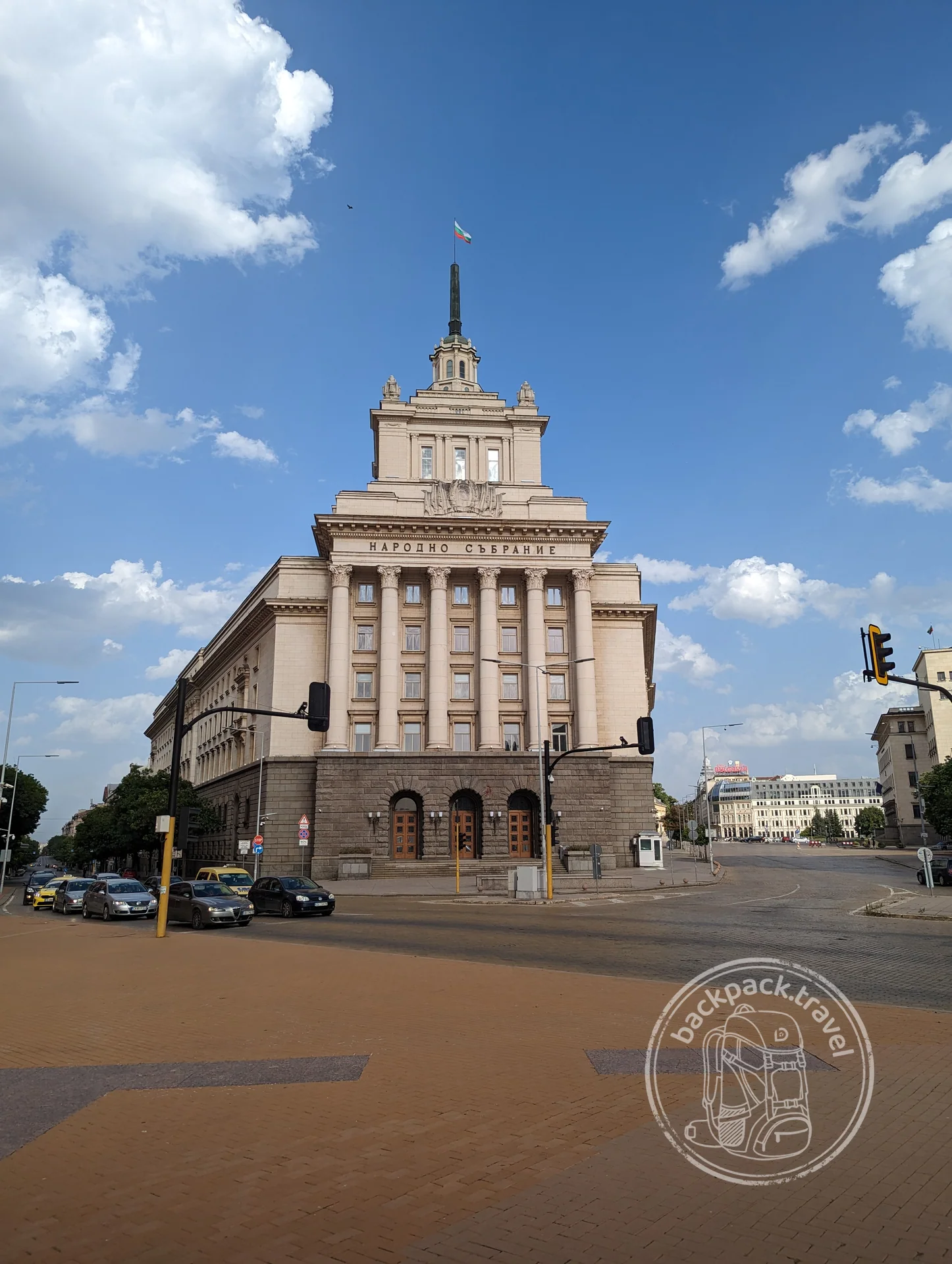
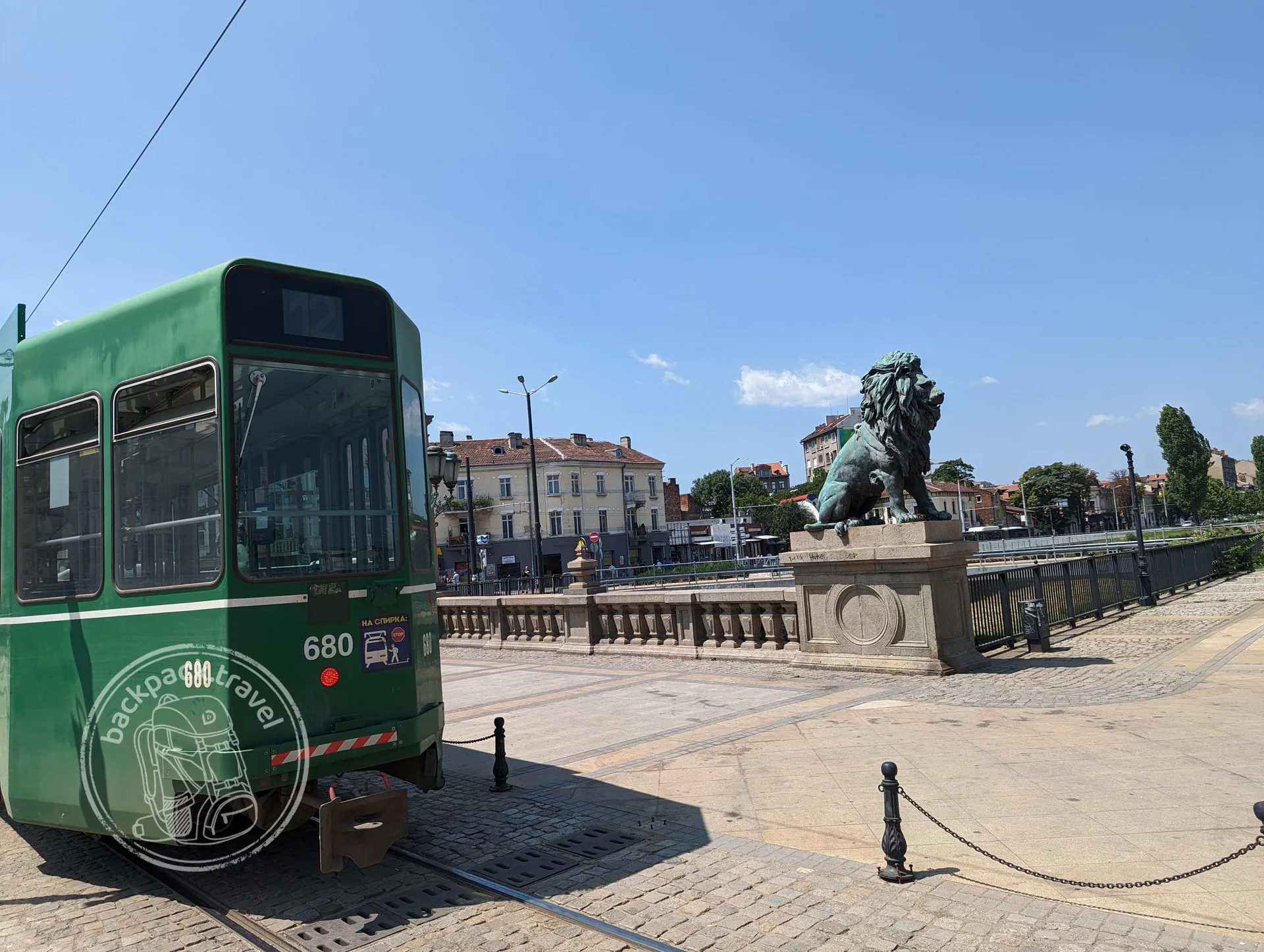
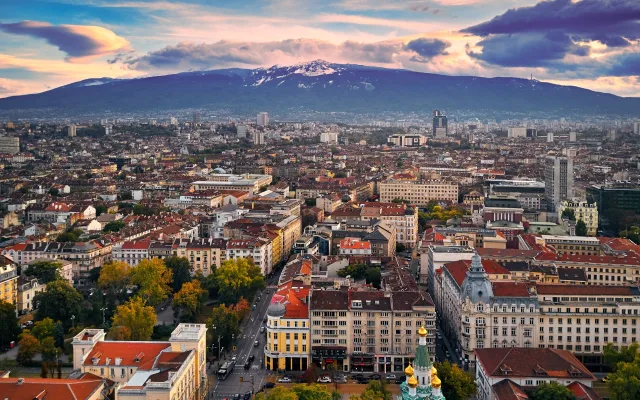
Sofia is one of Europe's oldest capital cities, set at the foot of Mount Vitosha. Home to the Alexander Nevsky Cathedral and an authentically Balkan atmosphere.
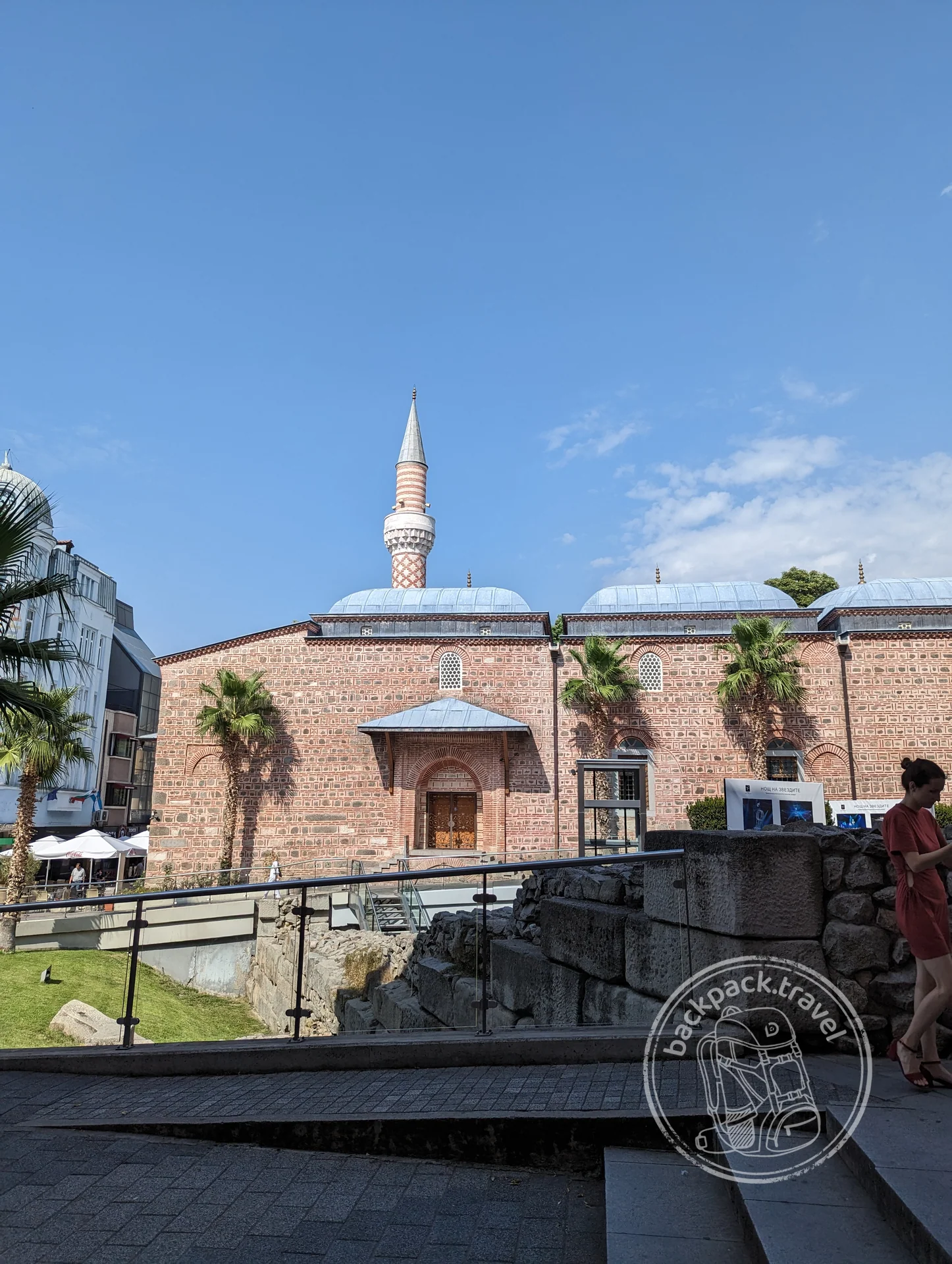
Plovdiv
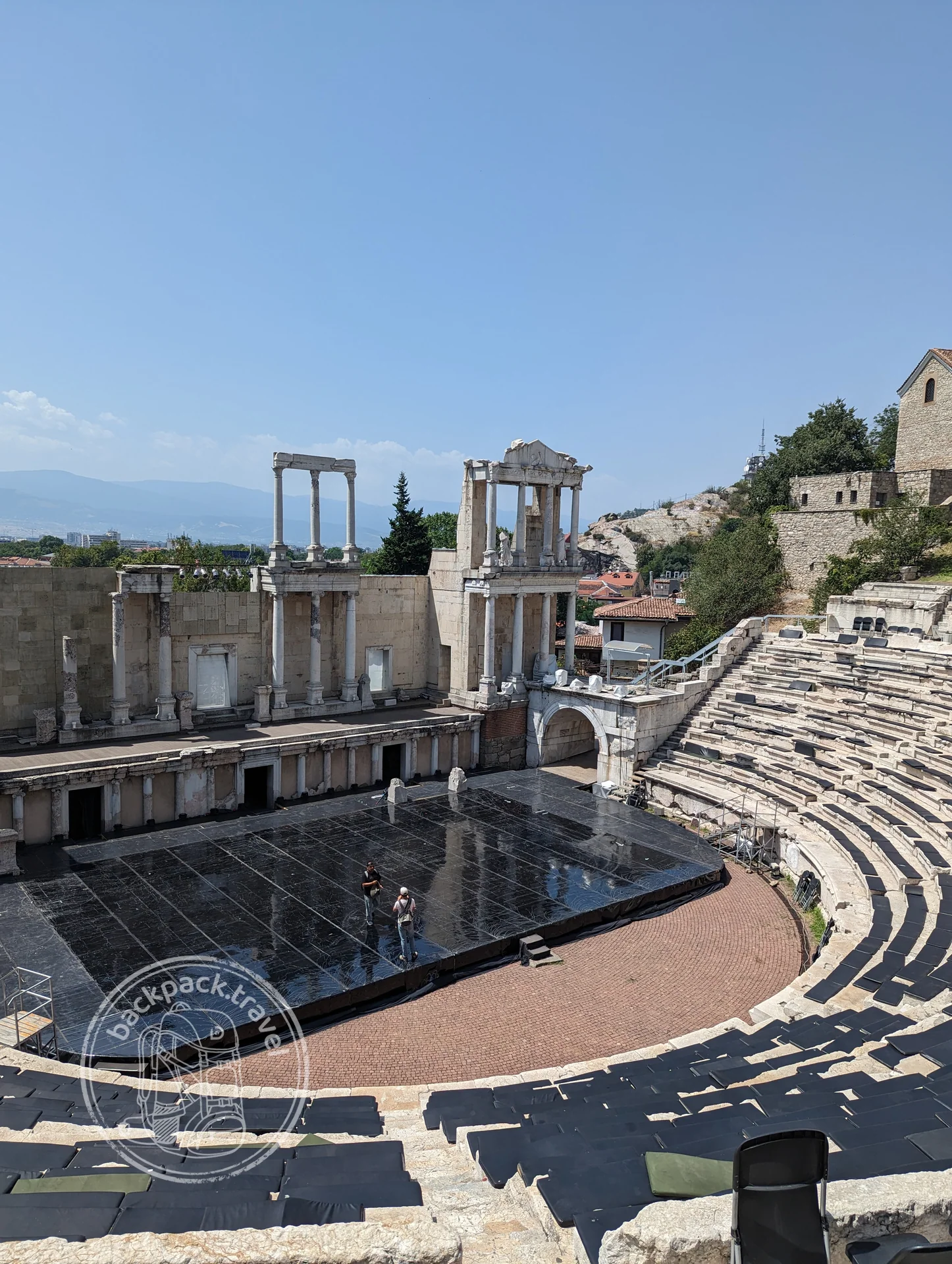
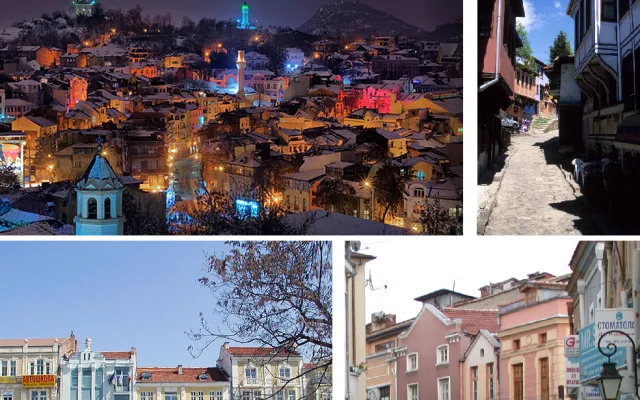
Bulgaria's second-largest city and one of the oldest in the world, with a Roman theatre, the bohemian Kapana quarter, and a colourful Old Town.
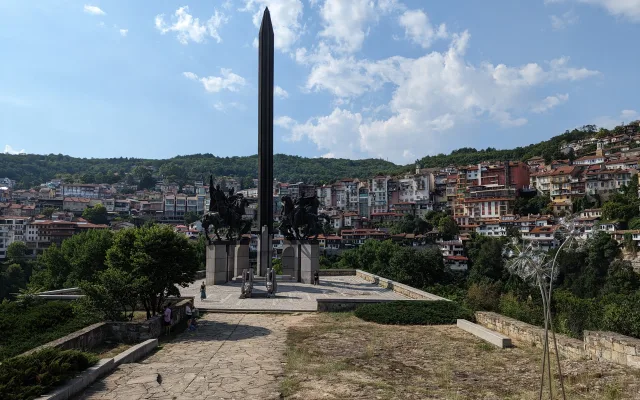
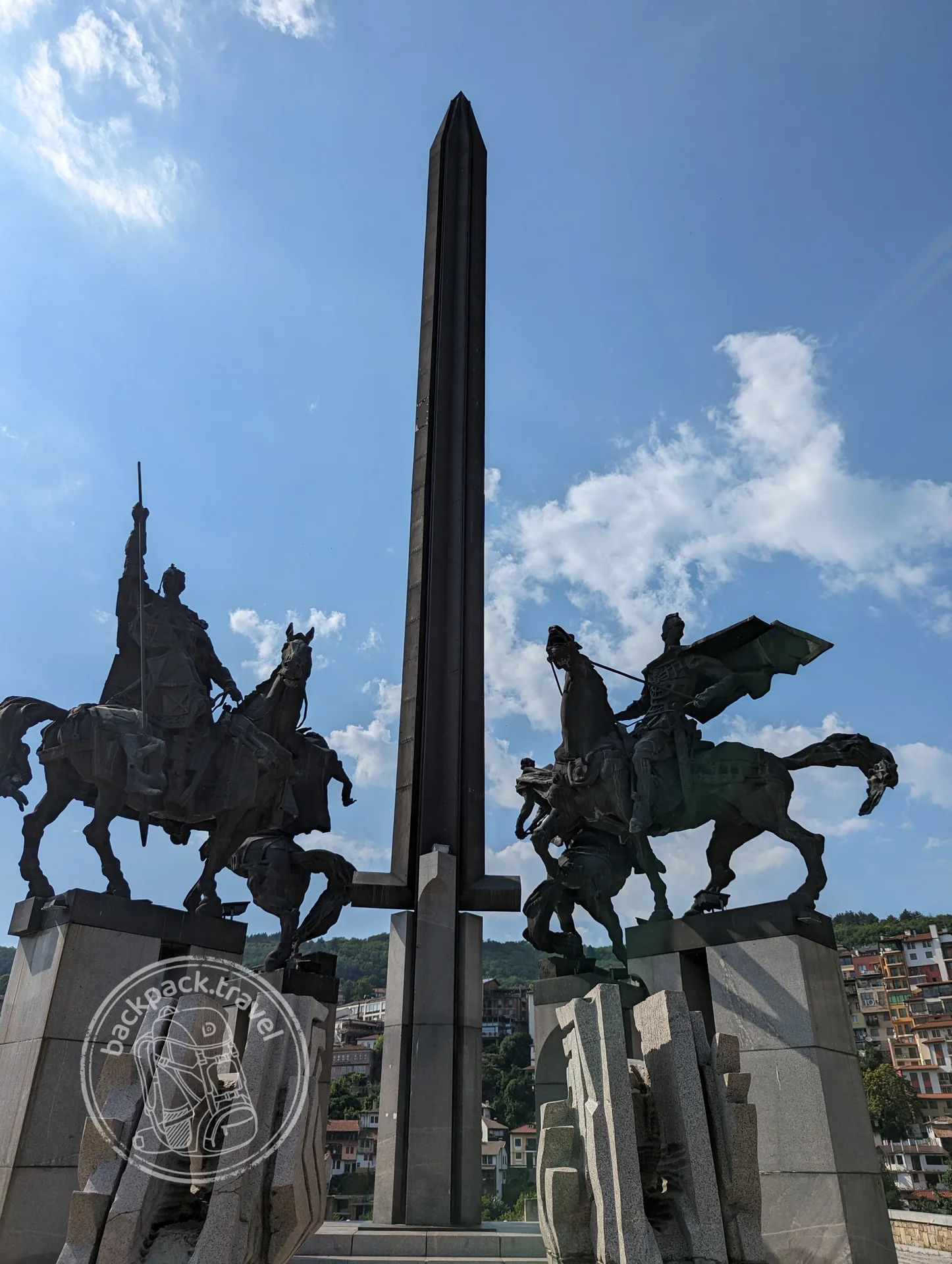
Veliko Tarnovo
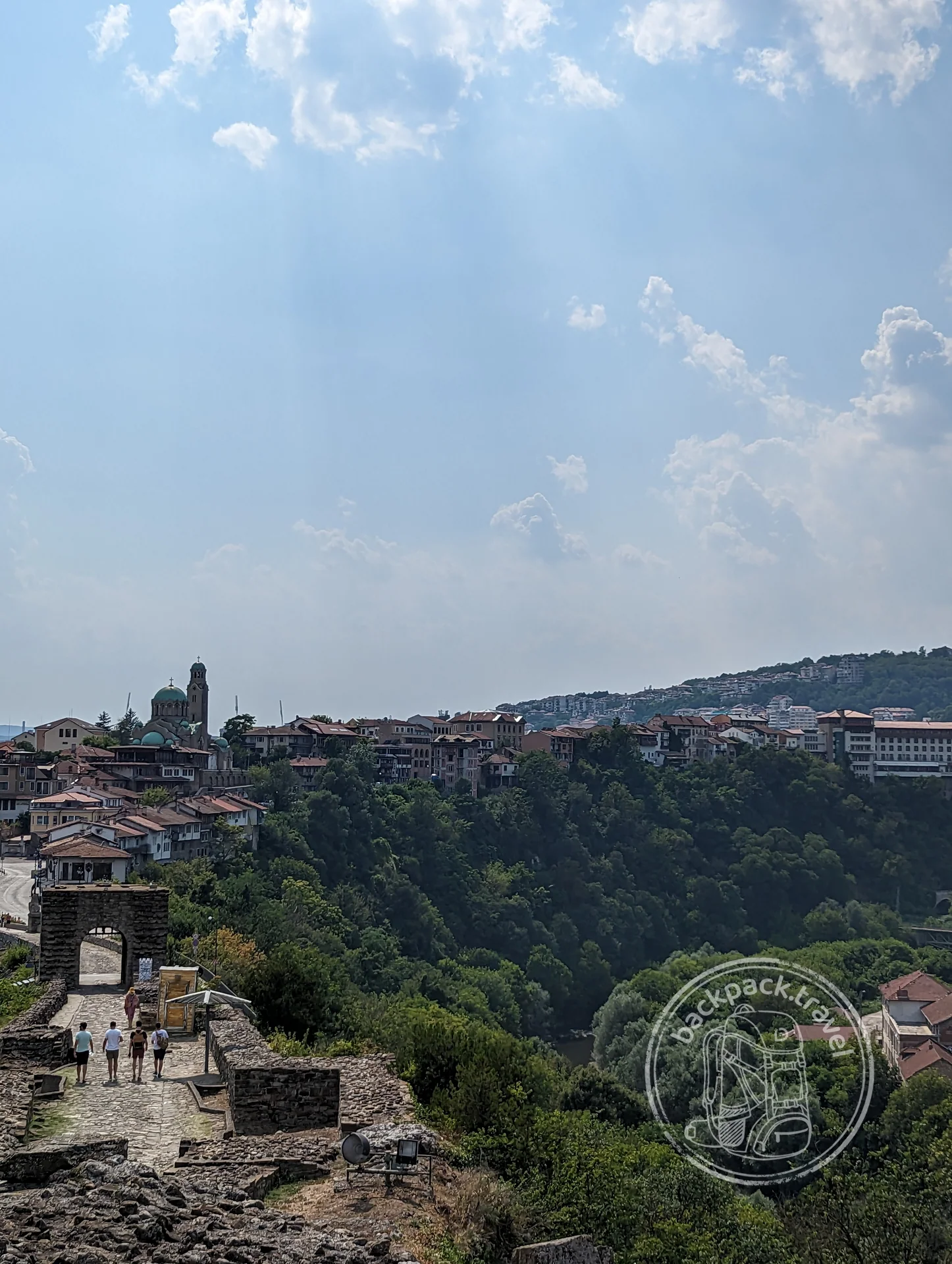
Veliko Tarnovo — a city where you can see Tsarevets Fortress rising above a bend in the Yantra River, and the historic craftsmen's quarter alongside the village of Arbanasi.
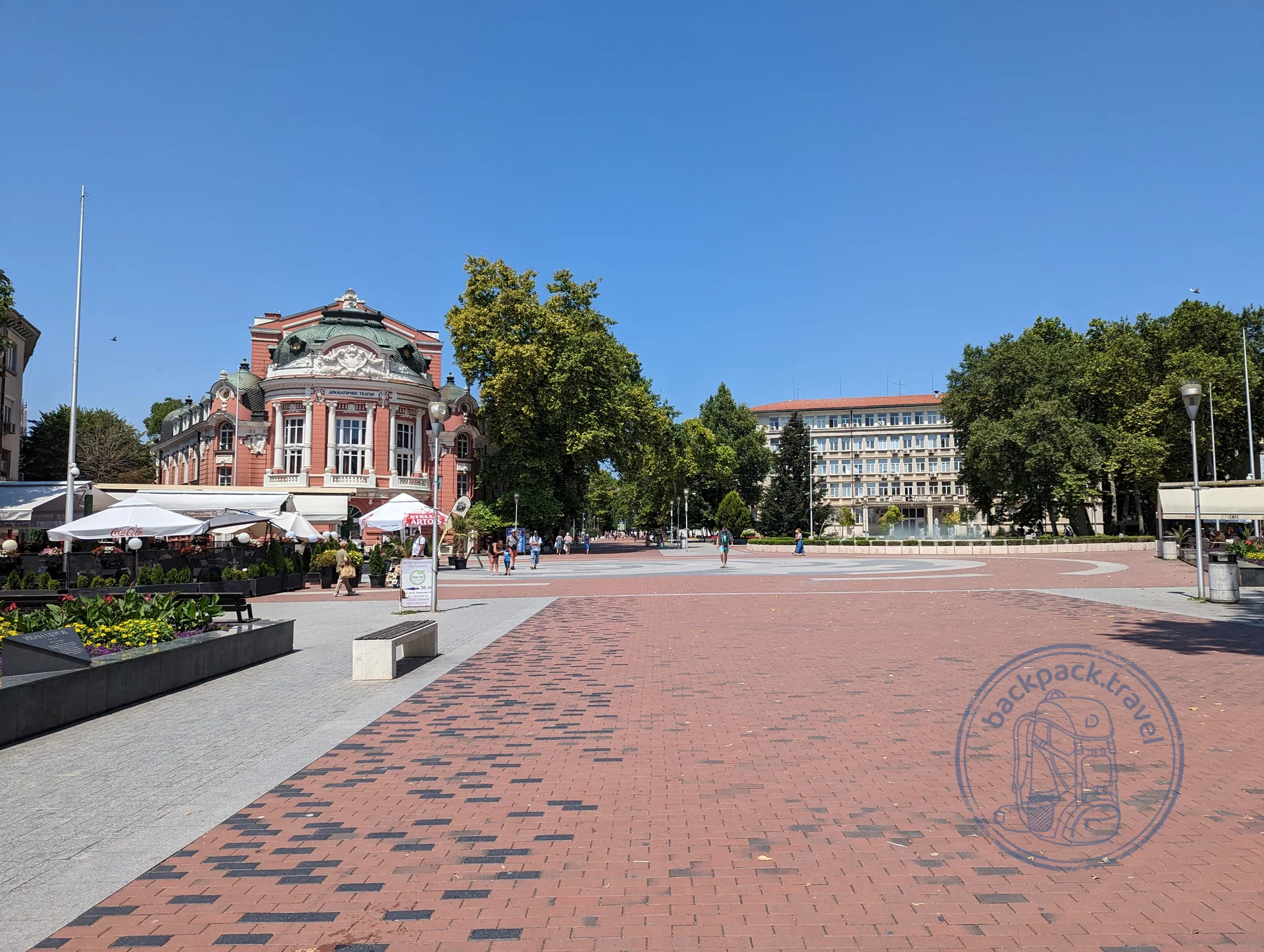
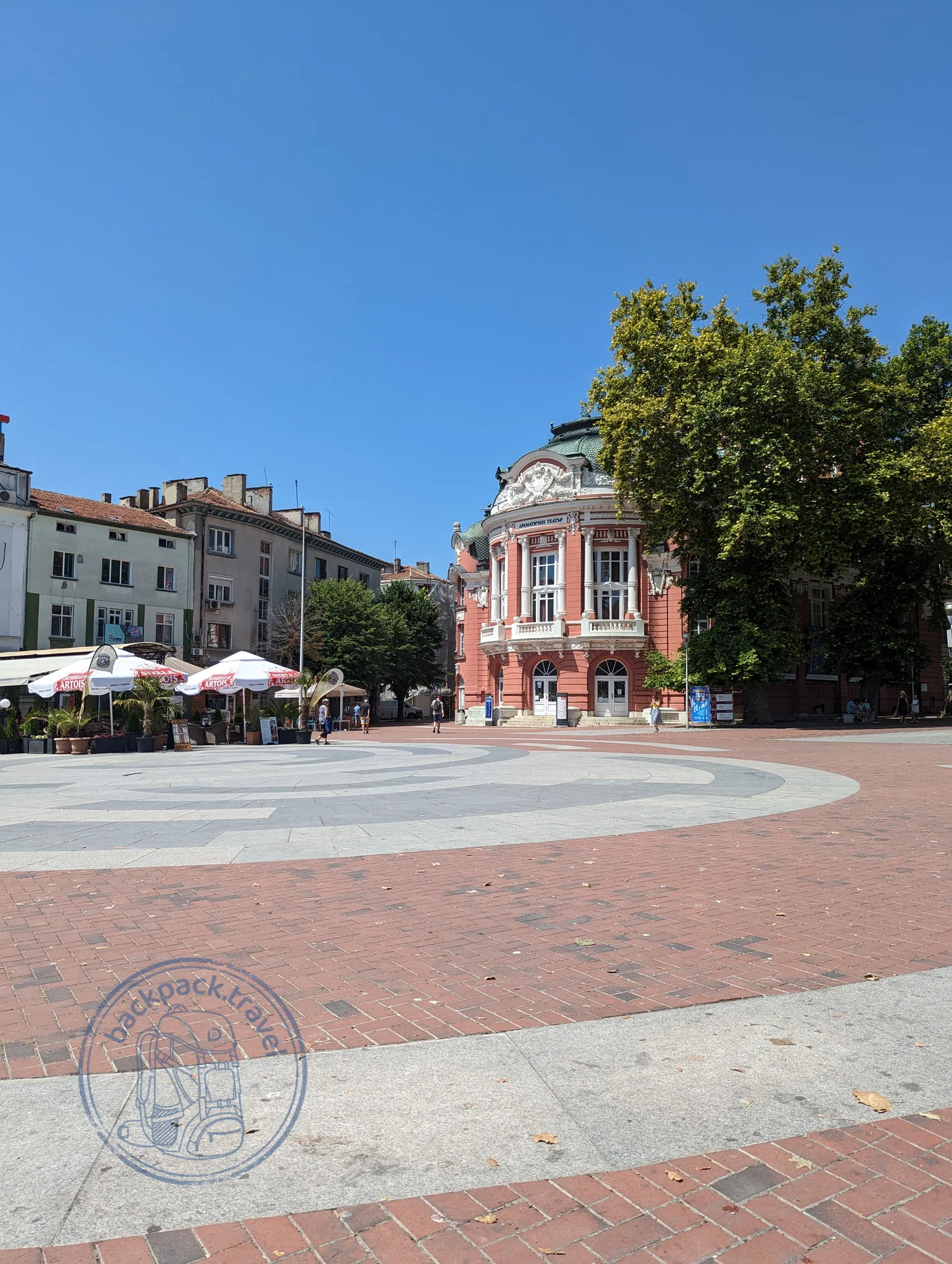
Varna
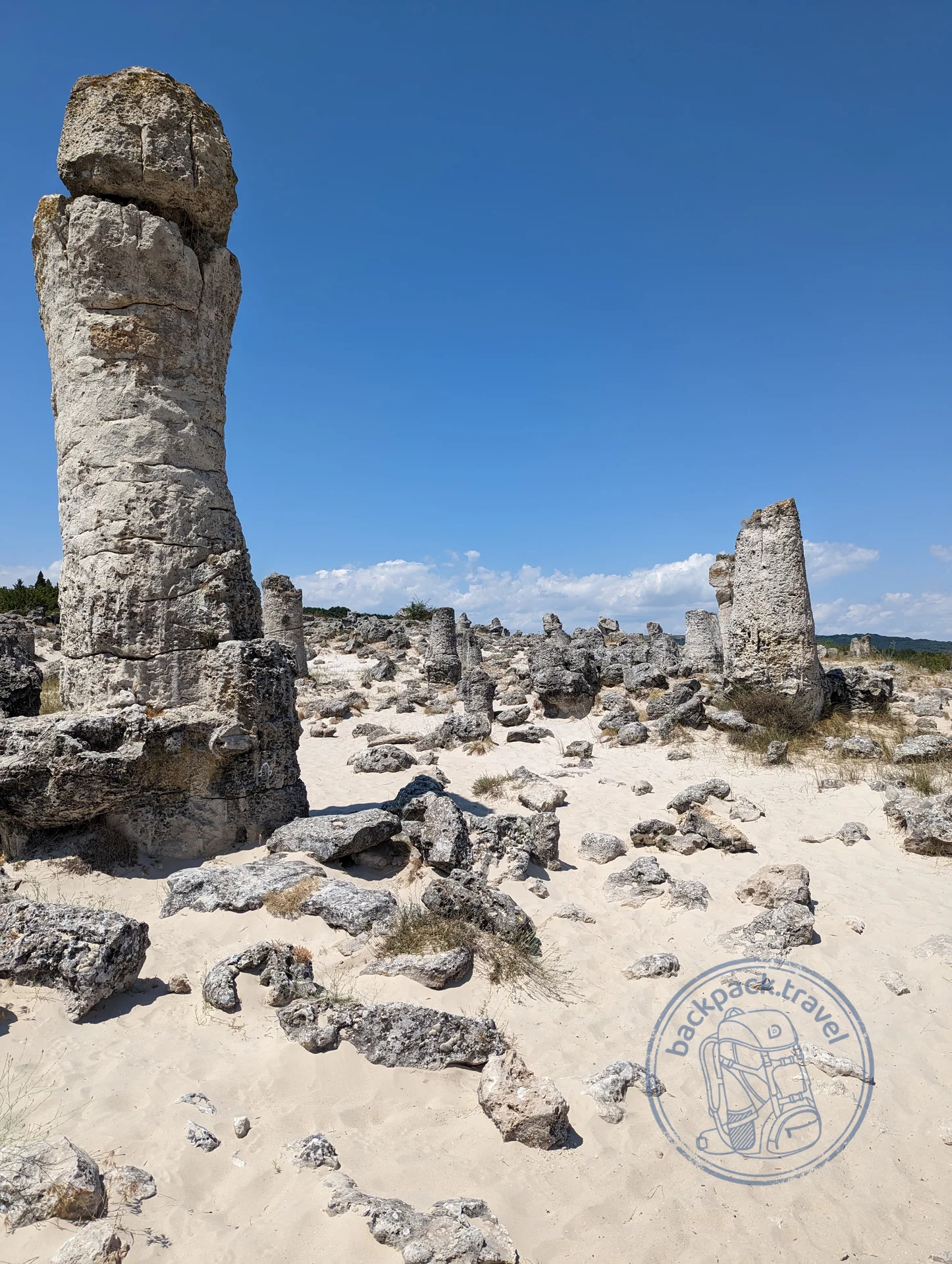
Bulgaria's maritime capital on the site of ancient Odessos: Roman baths, the gold of the world's oldest known necropolis, the Sea Garden along the shore, and the Pobiti Kamani stone forest half an hour away.
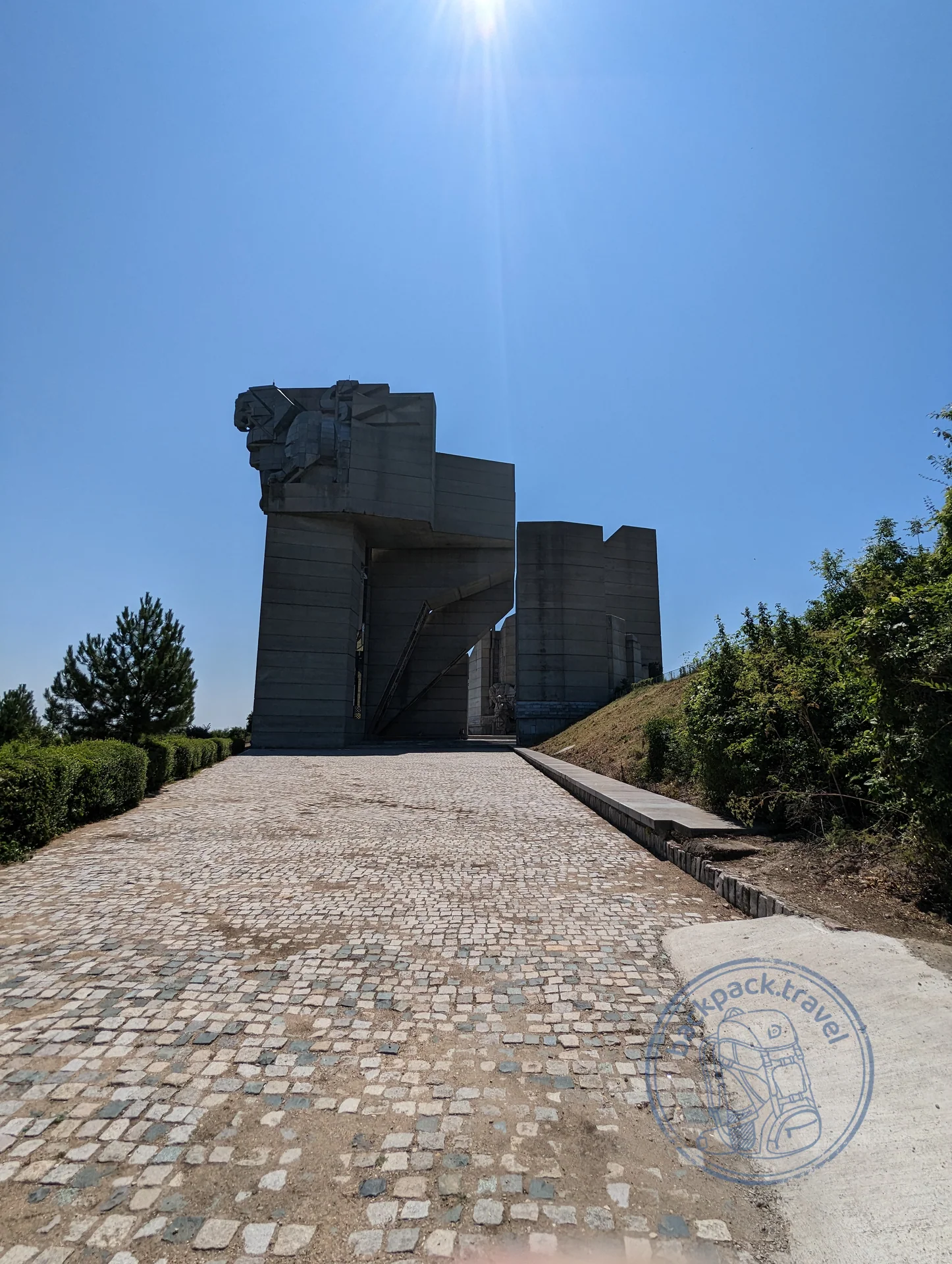
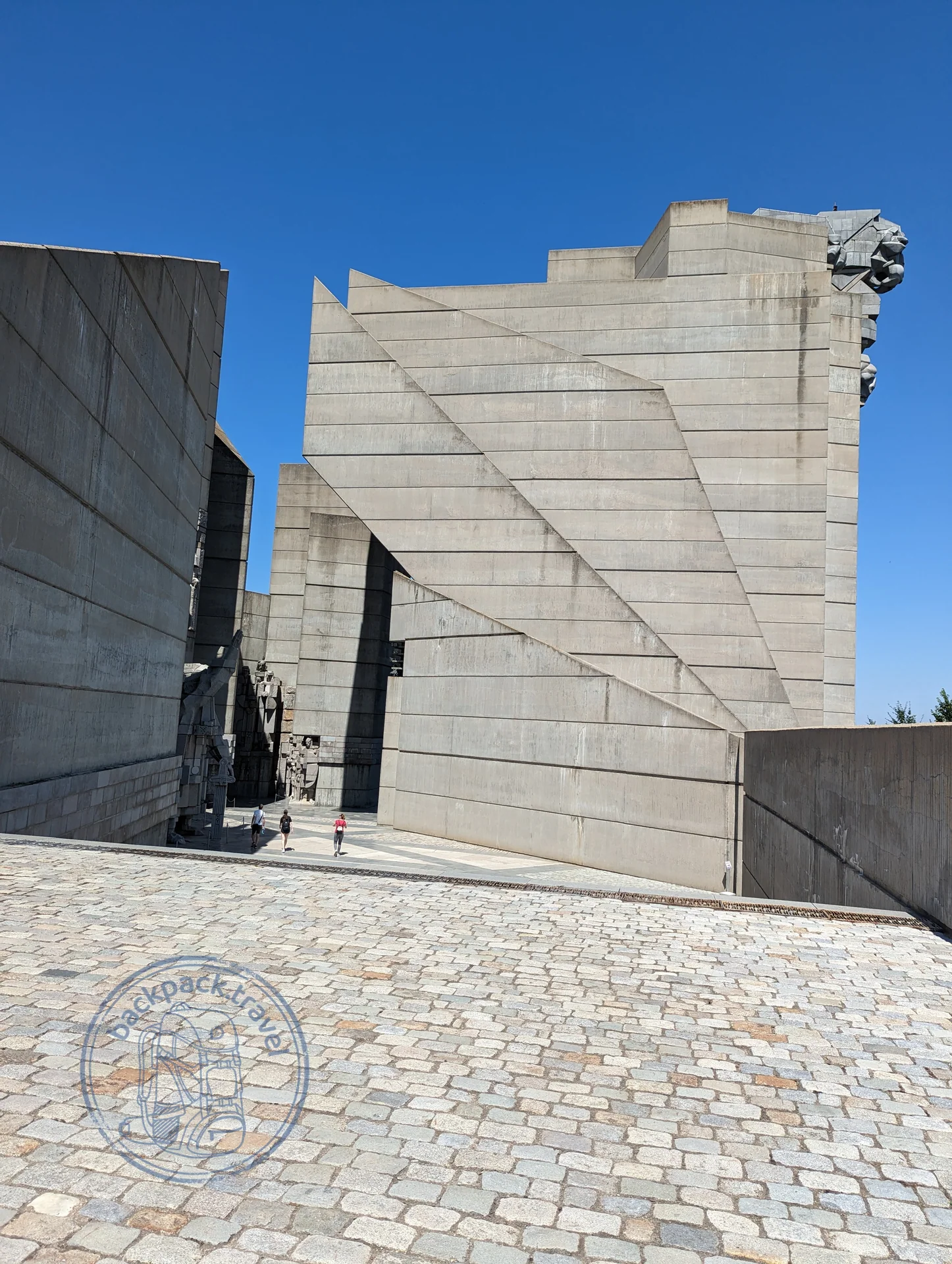
Shumen
A town in north-eastern Bulgaria below a plateau crowned by the concrete monument to the Founders of the Bulgarian State. Nearby stand Shumen Fortress, the Tombul Mosque and the country's first capitals, Pliska and Preslav.
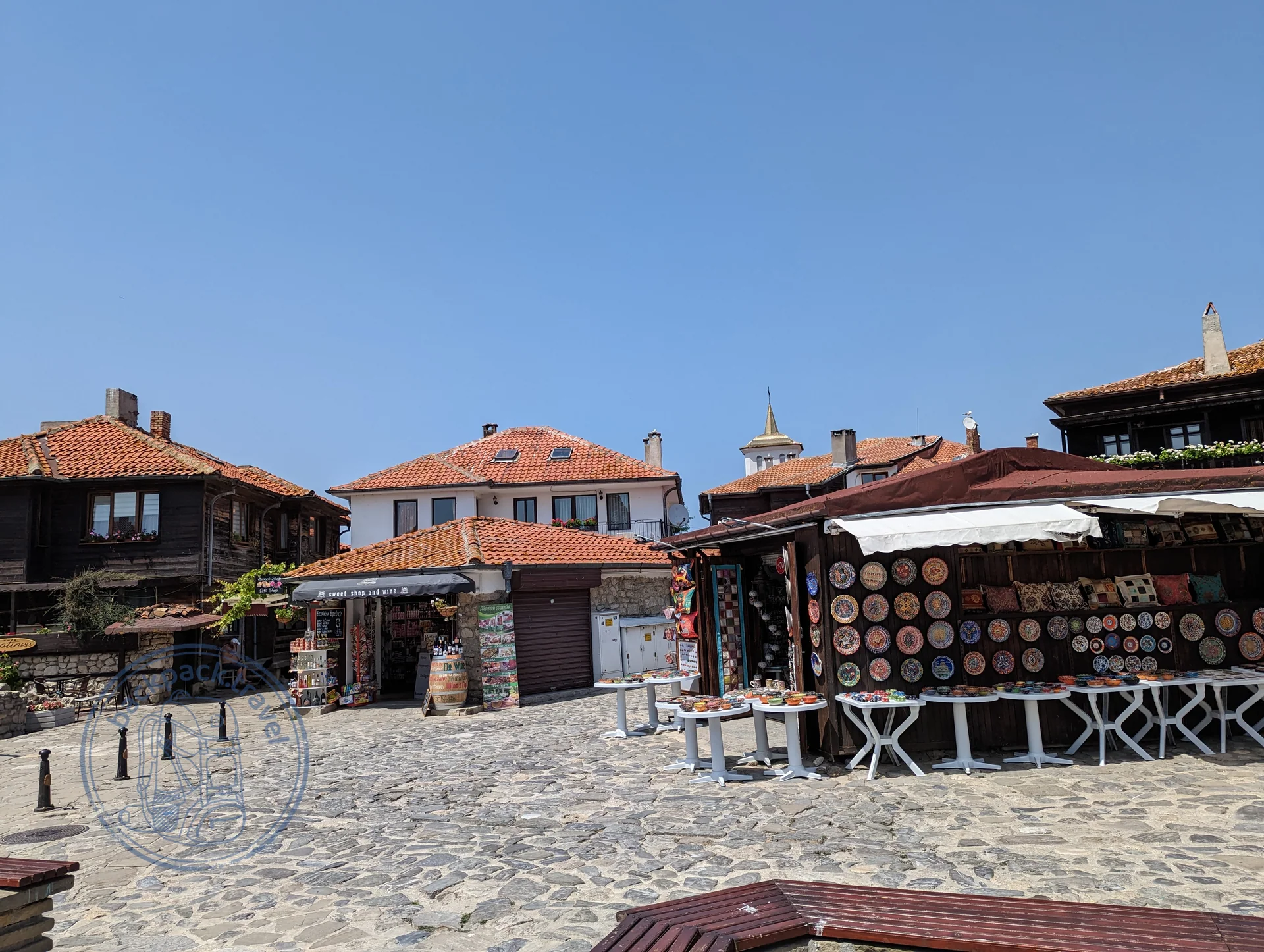
Nesebar
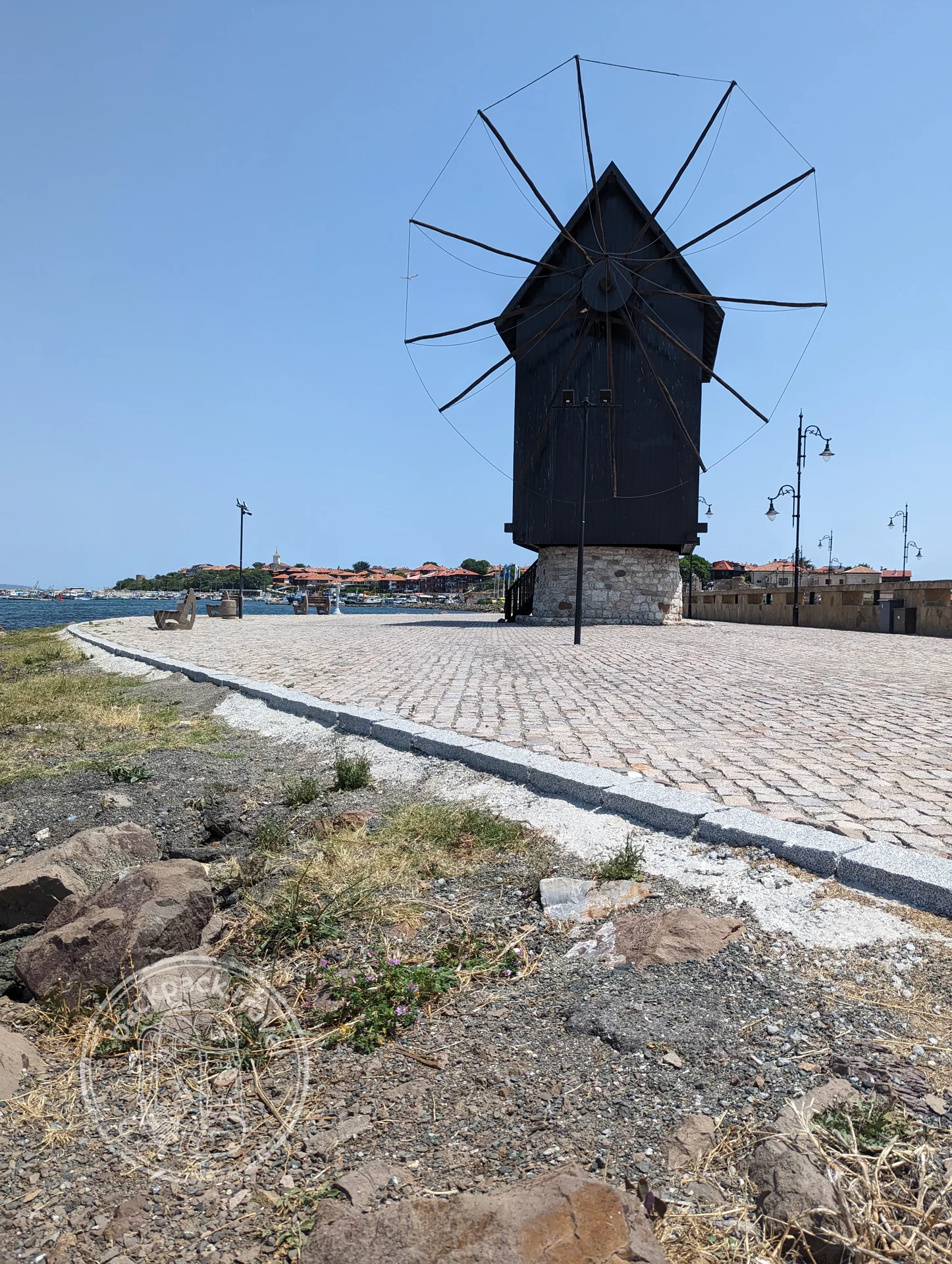
A UNESCO-listed old town on a rocky Black Sea peninsula: the remains of more than forty medieval churches in stone and brick, timber houses of the nineteenth century and a wooden windmill on the isthmus.
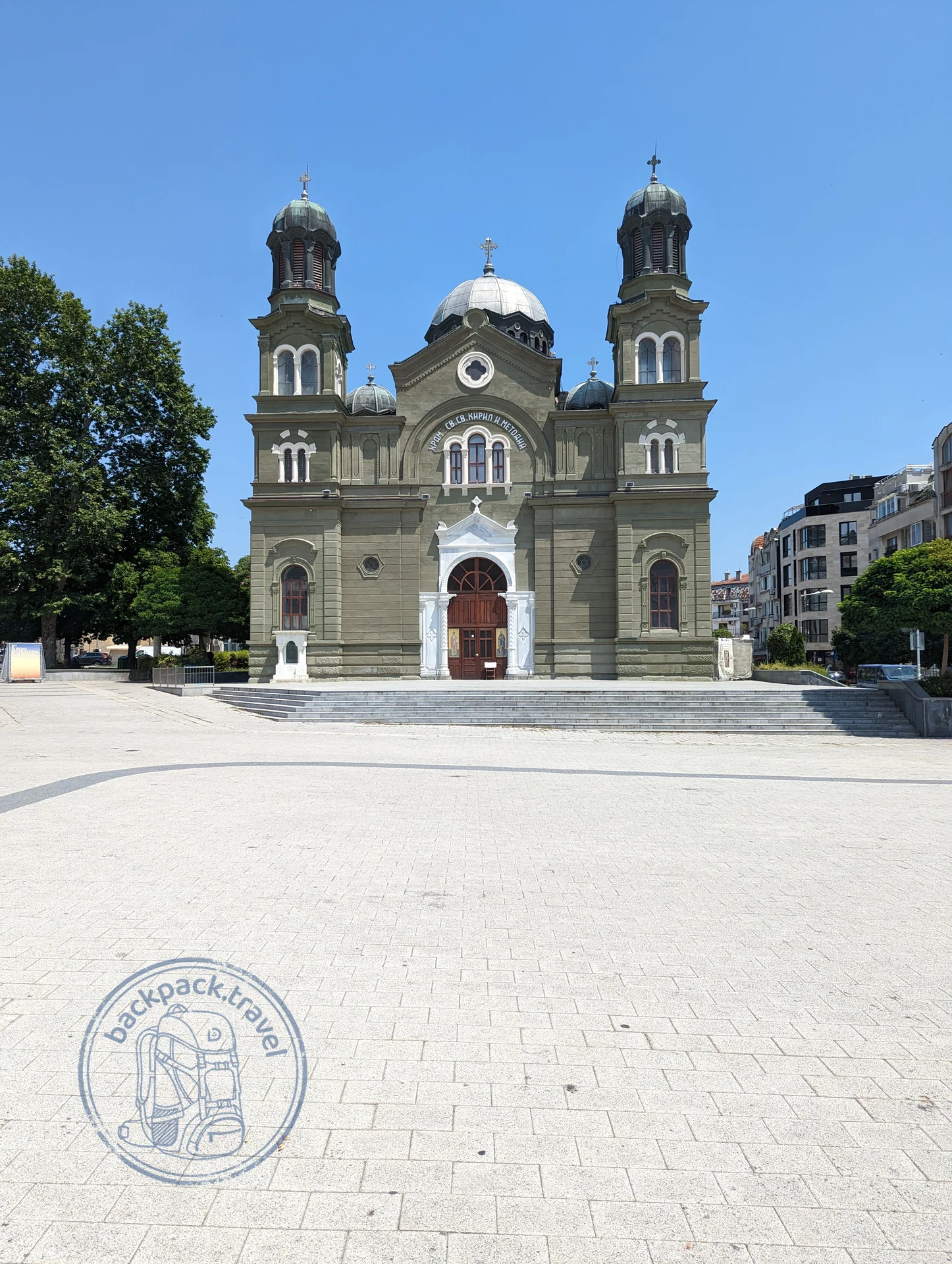
Burgas
Bulgaria's main seaport and the second city of its coast: a working town with a clifftop Sea Garden, and four salt lakes around it where flamingos, pelicans and storks stop on migration.
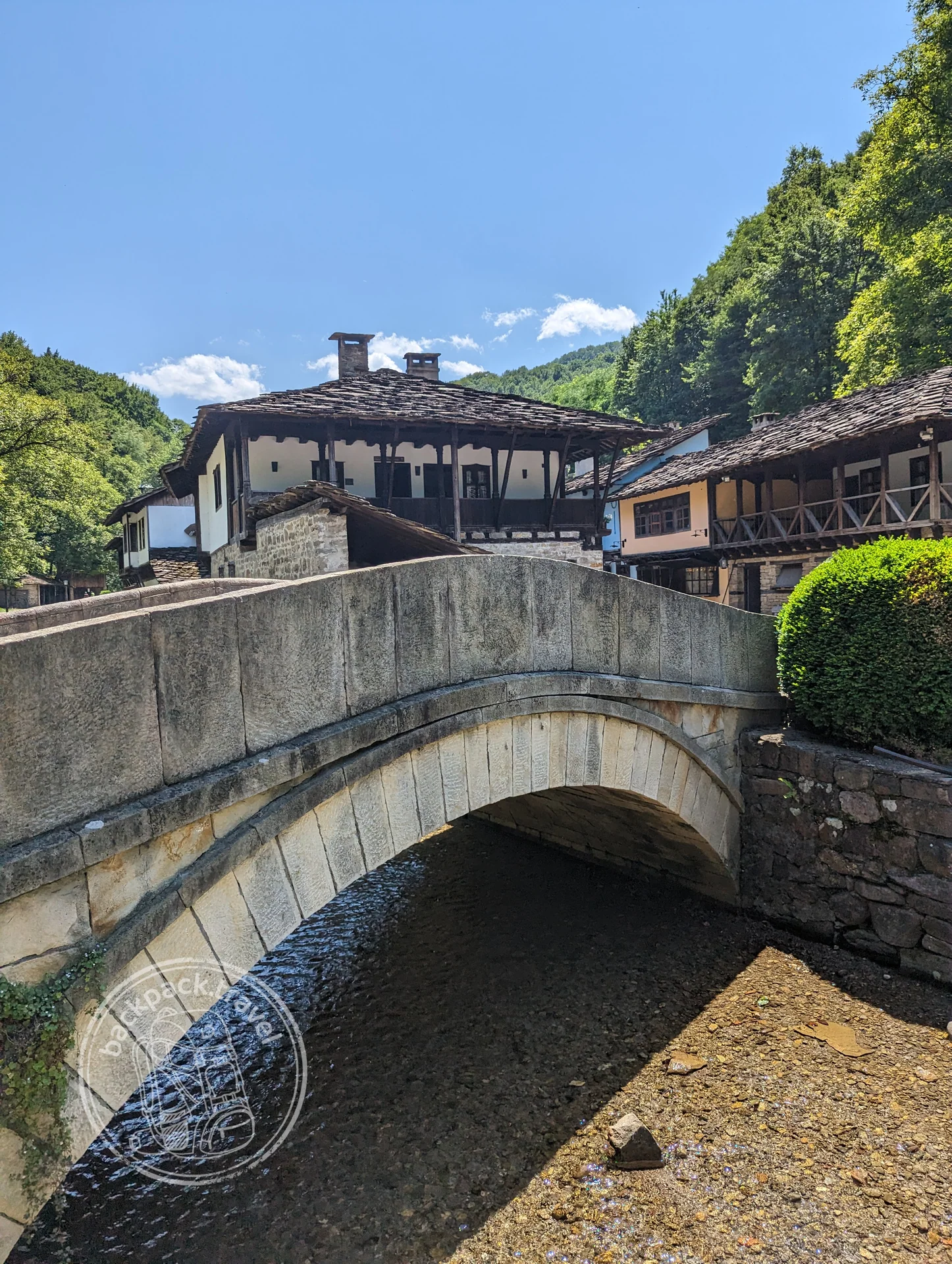
Gabrovo
A town in the Stara Planina foothills, known for the Etar open-air museum with its working water-powered workshops, the House of Humour, and the Shipka Pass nearby.
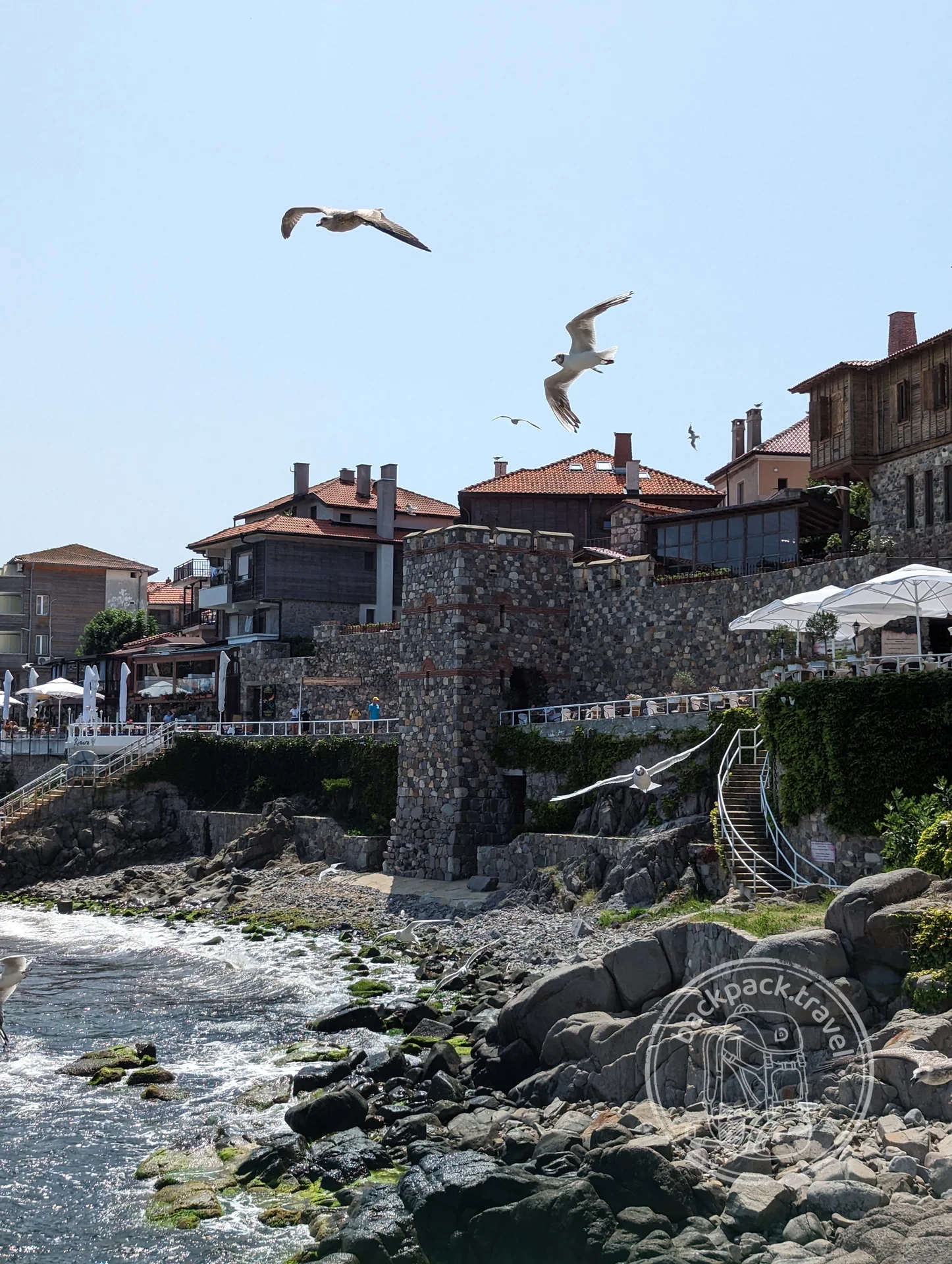
Sozopol
The oldest town on the Bulgarian coast, founded as Apollonia Pontica: an old quarter of timber houses on a walled peninsula, finds from the Greek colony in the museum, and wide beaches on the far shore.
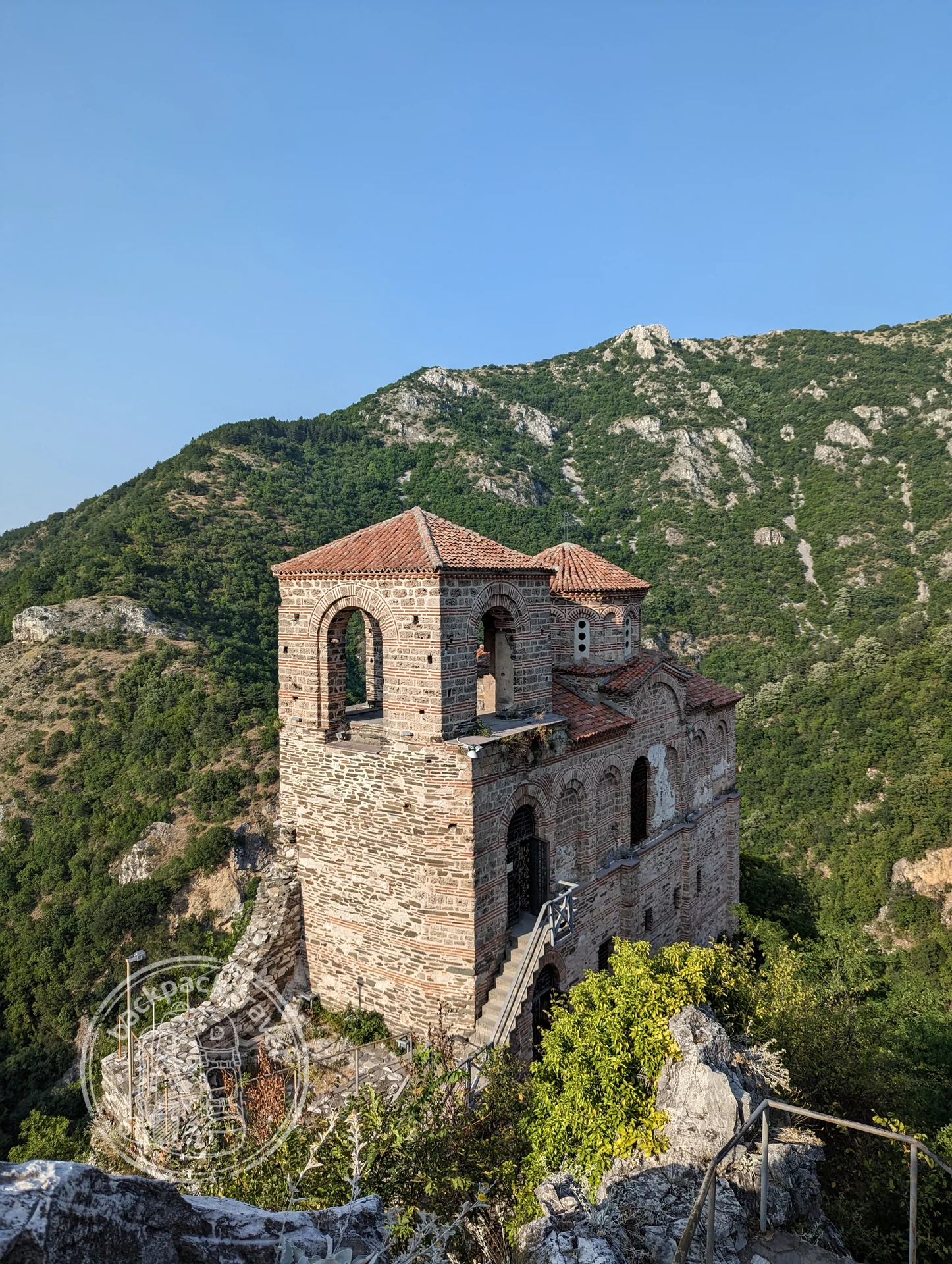
Asenovgrad
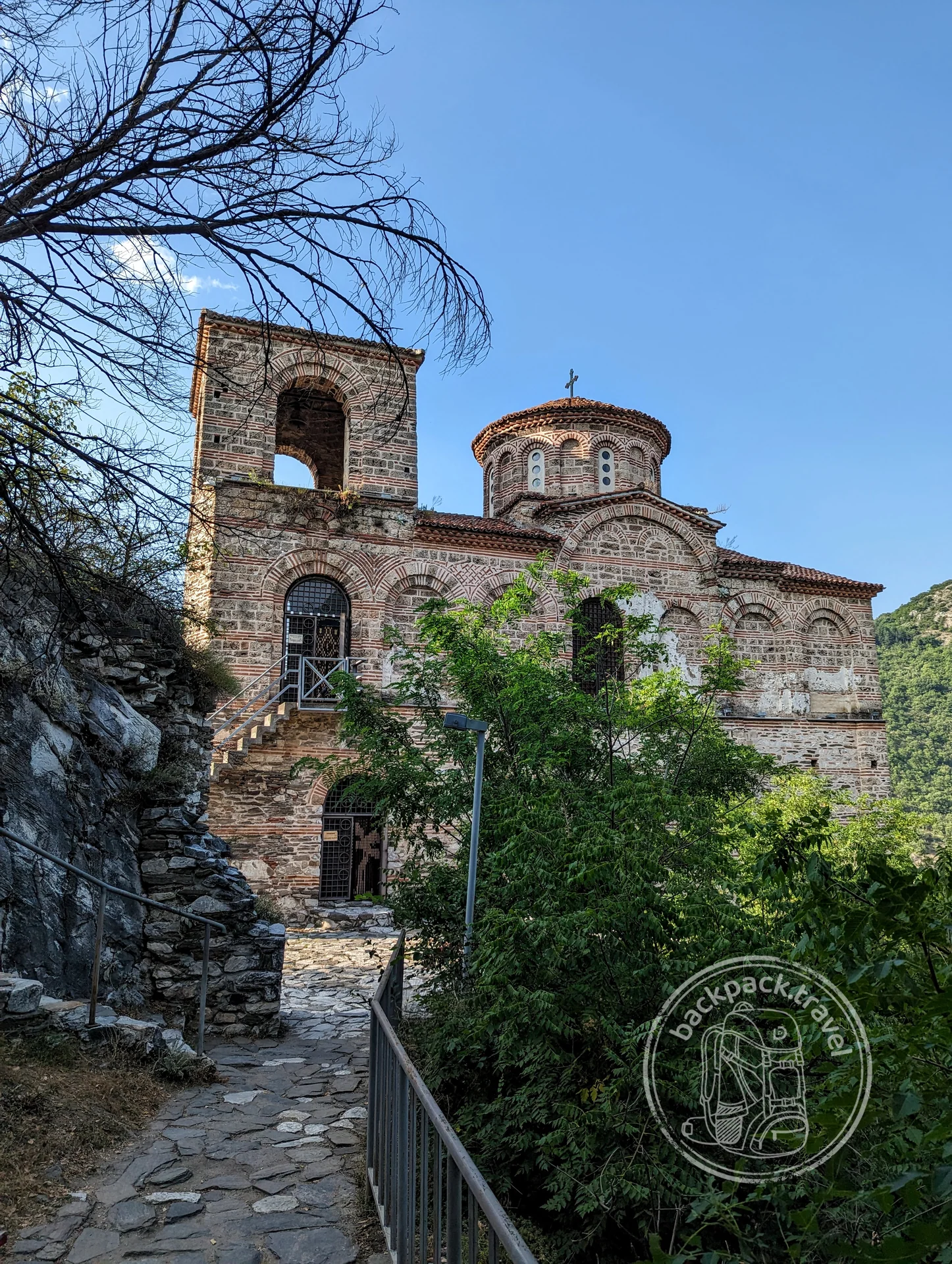
The gate of the Rhodopes twenty kilometres from Plovdiv: Asen's Fortress with its cliff-edge church of 1231, Bachkovo Monastery up the gorge and the road into the mountain villages.
見どころ
#Rila Monastery is the spiritual heart of the country, its nineteenth-century frescoes framed by snowy peaks. Inside, look for the old Hrelyo tower and the very rich church museum.
The Seven Rila Lakes are glacial pools high in the mountains and the reason to make the trip. The chairlift plus the trek takes about four hours, and the Balkan views repay every minute.
Tsarevets fortress in Veliko Tarnovo was the residence of the Bulgarian tsars. Worth the visit to walk through three lines of defence and into the patriarchal church right at the top.
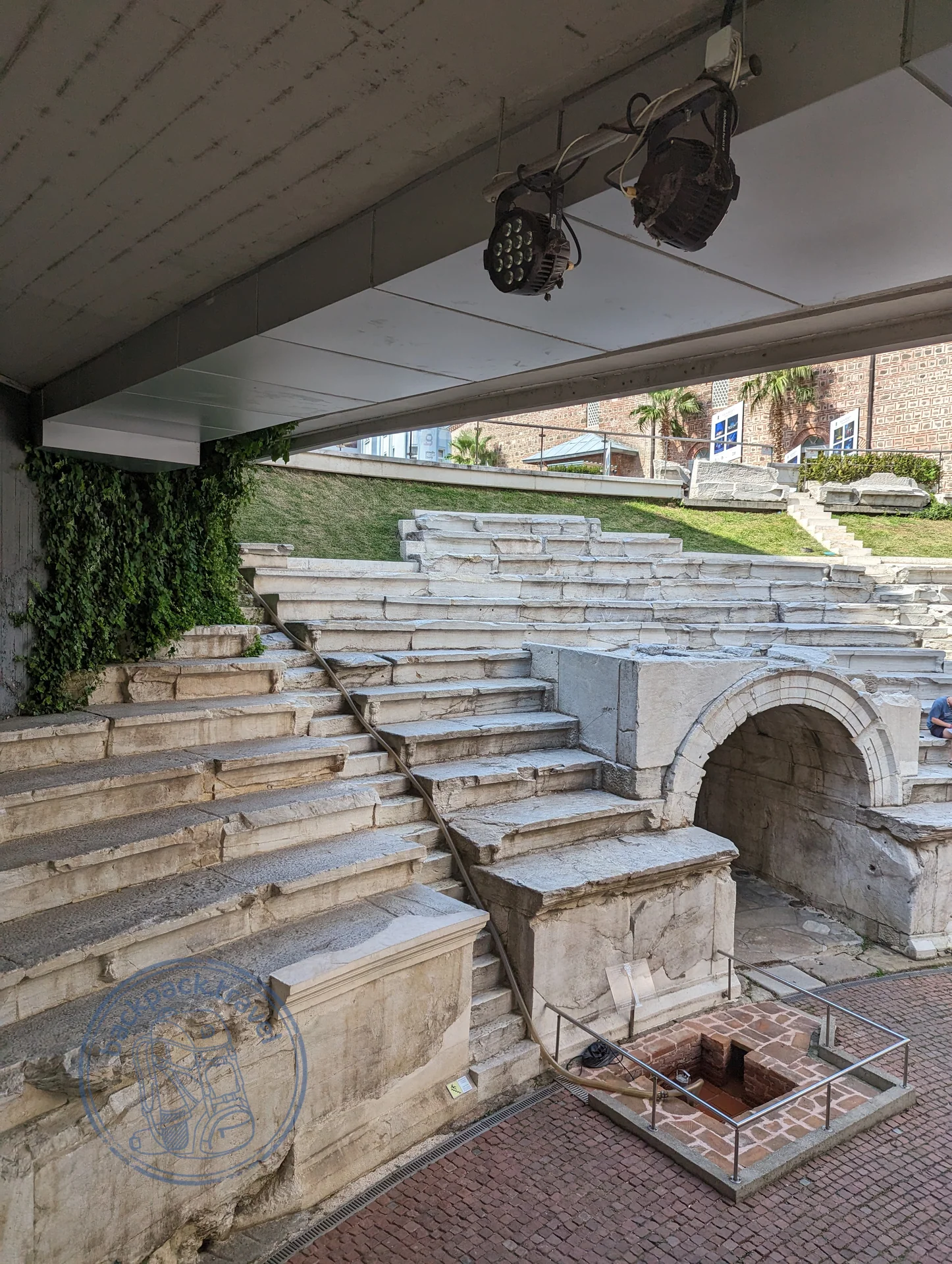
The Roman theatre in Plovdiv still hosts concerts and plays. In a day you can see the marble tiers and explore the underground chambers with their ruins.
Buzludzha is an abandoned concrete memorial shaped like a flying saucer on a mountain top. The interior is closed for restoration, but the place remains a pilgrimage for photographers and brutalism fans.
Cape Kaliakra drives into the sea on red cliffs seventy metres high. Come for the ruins of the ancient fortress and a decent chance of seeing dolphins in the water below.
The Valley of the Roses near Kazanlak comes alive in June when the petal harvest starts. In one day you can take in the rose museum and the ancient Thracian tombs scattered across the surrounding fields.
物価
#Currency: since 1 January 2026 Bulgaria has used the euro, with the lev fully retired. Shops, hotels and transport all price in euros now.
Cards: Visa and Mastercard from foreign banks are accepted everywhere, and contactless works even in the small bakery selling banitsa. Amex is far less useful outside the big hotels.
Cash: in small mountain villages and at local markets, coins and small notes are irreplaceable. Withdraw at the ATMs of major banks rather than the standalone street machines, which charge painful fees.
Fees: a Wise or Revolut card removes most of the conversion cost if your home account is not in euros, and it is worth setting up before you fly.
Tipping: around 10% of the bill in cash in restaurants. In cafes, Bulgarians simply round the amount up when they pay.
| Item | Price (USD) |
|---|---|
| Cappuccino | 2.70 |
| Beer 0.5 l in a bar | 3.20 |
| Banitsa from a bakery | 1.60 |
| Kebapche (one) | 1.10 |
| Shopska salad | 4.30 |
| Lunch in a mehana | 9.80 |
| Bottle of wine | 6.50 |
| Sofia hostel bed | 18.50 |
| Mountain guesthouse | 32.00 |
| Metro ticket | 0.90 |
| Bus ticket | 0.90 |
| Taxi per km | 0.95 |
| Litre of diesel | 1.35 |
| Car hire per day | 19.50 |
| Museum entry | 6.50 |
移動手段
#Getting there. Sofia is the main airport, with cheap budget links from London, Berlin, Milan, Vienna and much of Europe, while Burgas and Varna fill up with seasonal flights in summer. Overland, comfortable night coaches run from Istanbul to Sofia in about seven hours, which is a genuinely pleasant way to arrive.
Intercity coaches. Private operators such as Union Ivkoni cover the whole country. Sofia to Plovdiv costs around 8 euros and Sofia to Varna from 17; buy online or at the station ticket desk.
Trains. Bulgarian Railways undercut the buses on price, but the rolling stock is old and slow. Capital to coast can take eight hours, though you do get the mountain scenery in exchange.
City transport. Sofia runs four metro lines plus trams and trolleybuses. A single ticket is 0.80 euros and a day pass covering everything costs 2 euros.
Car hire. Aggregators such as Local Rent list cars from 15 euros a day. Check that the electronic vignette is in place, because being caught without one on the motorways costs 150 euros.
Taxis. In the cities use the official yellow cars with a working meter, or the TaxiMe app. The flag fall is about 1.60 euros and the meter then charges per kilometre and per minute of waiting.
Domestic flights. Sofia to Varna or Burgas takes about an hour. That is handy in summer if you book cheaply in advance, though the coach remains better value.
宿泊
#Guesthouses. In small towns and villages look for the sign reading kashta za gosti. These are family-run places where 25-40 euros gets you a comfortable room, a home-made breakfast and hosts who take an interest.
Hostels. Sofia and Plovdiv have some famous ones, Hostel Mostel among them. The draw is not only the price but the free dinners and the easy sociability with other travellers.
City apartments. Private flats through Booking or Airbnb cost less here than the European average. For 50-70 euros you can have something modern within walking distance of the main squares.
Mountain huts. The Rila and Pirin ranges are dotted with hizhas, refuges with shared dormitories. Conditions are spartan, but this is the only way to sleep at two thousand metres before a summit day.
On the coast. In Nesebar and Sozopol old houses are rented whole or by the room. Staying in a wooden house above the cliff beats the concrete blocks of the noisy resorts by a wide margin.
Parking. If you are hiring a car, confirm parking when you book. Central Plovdiv and Sofia are paid zones and finding a space can be genuinely hard.
Seasonality. August on the coast and February in the mountains both double the rates. For a cheaper trip, choose June or September, when the weather still delivers and demand has dropped away.
食事
#Mehana. The traditional tavern comes with wooden furniture and live folk music. Order from the grill, kebapcheta and kyufteta, served with potatoes and lyutenitsa relish.
Breakfast. Bulgarians start the day with banitsa, a flaky pastry filled with white cheese. Buy it from a street bakery for a couple of euros and take a cold ayran alongside for the full effect.
Salads. Shopska salad with grated sirene cheese is the base of any meal. Bulgarian vegetables taste of something only in season; in winter, restaurants serve overrated greenhouse produce.
Soups. Try shkembe chorba, a rich tripe soup with garlic and vinegar. It has a specific reputation as the best repair job after a heavy evening with rakia.
Rakia. The strong fruit distillate is sipped slowly rather than knocked back. Home-made grape or apricot rakia is a point of household pride and is offered to guests as a mark of respect.
Wine. Bulgaria makes excellent dry wines from the local Mavrud and Melnik grapes. A decent bottle in a supermarket starts at 5 euros, which makes tasting your way around affordable.
Dessert. Order kashkaval pane, fried cheese, with honey or rose petal jam. That salt-and-sweet combination is the signature of the local dessert menu.
治安
#The general picture. Bulgaria is calm, and violent crime against visitors is rare. The real issue is petty theft in crowded parts of Sofia and on the beaches at Sunny Beach.
Taxi touts. Never accept a ride from someone approaching you at the airport or the station. They charge five times the going rate, so book through an app or take only a marked yellow car.
Mountains. Hiking in Rila or Pirin, always check the forecast. Fog and storms arrive on the summits without warning, and phone signal disappears completely in the deeper gorges.
Cars. Do not leave anything visible inside a hire car. Break-ins for bags and electronics have become more common in the big cities, especially in unattended car parks.
Dogs. Stray dogs turn up in rural areas. They are usually not aggressive, but do not provoke them or try to feed one in front of the whole pack.
Changing money. Avoid private money changers and kiosks advertising an irresistible rate. The switch to the euro has reduced the problem, but hidden commissions still appear in tourist zones.
Help. The European emergency number 112 covers everything. Bulgarian police are generally relaxed with visitors who are polite and not causing a scene.
マナーと文化
#The nod. The single biggest trap for a foreigner: shaking your head side to side means yes here, and nodding up and down means no. It causes real confusion in shops until you adjust.
Hospitality. Invited into a Bulgarian home, prepare for dish after dish. Refusing a second helping is impolite, so ask for portions malko, meaning just a little, from the start.
Aylyak. In Plovdiv you will hear this word, which names the art of unhurried enjoyment. It is a whole philosophy: sitting for hours over one coffee and going absolutely nowhere.
Religion. Orthodox churches welcome visitors but expect the dress code respected. Women should cover their shoulders, men should not walk in wearing shorts or a hat.
The alphabet. Bulgarians are enormously proud that the Slavic script was created on their land. Learning to read Cyrillic takes an evening and pays for itself immediately on street signs and menus.
Toasts. Before eating, everyone says nazdrave and looks each other in the eye while doing it. Drinking without a toast in company reads as bad manners.
Public holidays. Liberation Day falls on 3 March and the day of the Slavic alphabet on 24 May. Both bring parades, and many state museums open their doors free of charge.
通信・インターネット
#Operators. The market belongs to Vivacom, Yettel and A1. For a visitor a prepaid package is the sensible choice, with no long contract and no bank details required.
SIM cards. Buy one in any phone shop with your passport. A bundle with 15-20 GB of fast data for a month costs about 10-12 euros, which beats roaming from outside the EU comfortably.
Coverage. 5G and 4G blanket the cities and the coast. In the mountains and remote villages the signal drops, so download offline maps before you set off.
Wi-Fi. Free access is standard in cafes, hotels and even some Sofia parks. Intercity coaches advertise Wi-Fi, but in practice it is slow and drops constantly.
Roaming. A Bulgarian SIM works across the whole European Union at no extra charge, which is useful if the trip continues into Greece or Romania afterwards.
English. Younger people in the cities and anyone working in tourism speak good English; in villages it thins out quickly and a translation app becomes your friend.
Messaging. For talking to hosts and car hire agents, WhatsApp and Viber are what people actually use for everyday arrangements.
会話集
#| English | Bulgarian | Pronunciation |
|---|---|---|
| Hello | Здравейте | zdra-VEY-teh |
| Thank you | Благодаря | bla-go-da-RYA |
| Please | Моля | MO-lya |
| Yes / No | Да / Не | da / neh |
| How much is it? | Колко струва? | KOL-ko STROO-va? |
| The bill, please | Сметката, моля | SMET-ka-ta, MO-lya |
| Where is the toilet? | Къде е тоалетната? | kuh-DEH eh toa-LET-na-ta? |
| Excuse me, sorry | Извинете | iz-vi-NEH-teh |
| Very tasty | Много е вкусно | MNO-go eh VKUS-no |
| Goodbye | Довиждане | do-VIZH-da-neh |
| Good, all right | Добре | do-BREH |
| Help! | Помощ! | PO-mosht! |
| I don't understand | Не разбирам | neh raz-BEE-ram |
| Cheers! | Наздраве! | naz-DRA-veh! |
| Bill, tab | Сметка | SMET-ka |
| Blissful idleness | Айляк | ai-LYAK (slang) |
| Mate, buddy | Маня | MA-nya (slang) |
| Beer | Бира | BEE-ra |
| Coffee | Кафе | ka-FEH |
| Bread | Хляб | hlyab |
| Water | Вода | vo-DA |
役立つ情報
#Apps. Install TaxiMe for metered taxis and Sofia Urban Mobility for paying transport fares in the capital. For bus and train timetables, bgrazpisanie.com does the job.
Time zone. Bulgaria runs on EET, which is UTC+2 in winter and UTC+3 in summer, one hour ahead of central Europe.
Power. Standard European type C and F sockets at 230 volts. Travellers from the UK, US or Australia need an adapter; everyone else does not.
Opening hours. Shops usually run 9:00 to 20:00 and the large supermarkets until 22:00. On Sundays small towns go quiet and many private shops stay shut.
Tap water. It is clean and drinkable, particularly in the mountain regions. Sofia has street fountains dispensing hot mineral water free, and locals fill bottles from them daily.
Your embassy. Most countries have their mission in Sofia, and some also keep a consulate in Varna for the coast. Save the numbers before you travel in case documents go missing.
Best months. June and September give you warm weather, open mountain trails and prices well below the August peak.
よくある質問
#Bulgaria is a full Schengen member, so the standard Schengen rules apply and a visa issued by any member state is valid here. Passport holders who enter Schengen visa-free need nothing extra, but confirm your own passport's position before booking.
The euro, since January 2026, with the lev completely withdrawn. Card payment is accepted almost everywhere, but keep small notes and coins for villages and markets.
Take the blue metro line directly from Terminal 2. It reaches the central Serdika station in about 20 minutes for 0.80 euros, with tickets from the machines at the entrance.
A budget car from a local firm starts at 15-20 euros a day. Deposit-free options exist on platforms like Local Rent, though clearing the deposit usually means buying the full insurance.
Contactless Visa and Mastercard work in cities, on the coast and in most small shops. Mountain villages, markets and some guesthouses still want cash, so never travel with an empty wallet.
Sofia, Plovdiv, Veliko Tarnovo and then Nesebar covers the country beautifully on a first trip. That line gives you Roman ruins, medieval fortresses and old coastal towns, all linked by comfortable coaches or a hire car.
It is one of the safer countries in Europe for independent travel. Watch your bag on public transport, avoid unlicensed taxi drivers and skip late-night walks through the outer districts of Sofia.
Go to an official A1, Yettel or Vivacom shop with your passport. Registration takes ten minutes and they activate a prepaid bundle with data and calls on the spot.
Yes, but with restrictions. Registration is mandatory for drones from 250 g — lighter models can fly without it. You also need to pass a test and hold a pilot certificate. Common EASA rules apply: operator registration is required for drones from 250 g, and for any drone with a camera — which covers virtually every consumer model. You also need the free A1/A3 online test, and the operator ID must be stuck on the drone. One registration is valid across the whole EU. Rules for other countries are in the drone ranking by country.
It depends on where your licence was issued. Car rental starts at 21. EU licences work as they are. With Russian or other non-European licences rental companies usually ask for an IDP — without one they may refuse to rent and police may fine you. A 125 cc scooter is available on a category B licence after three years of driving experience. Rules for other countries are in the driving and rental table.
You can rent a bike; whether you need an international driving permit depends on where your licence was issued. A scooter up to 125 cc can be ridden on category B; anything bigger needs category A. A helmet is compulsory. Bike rental usually starts at 18. A 125 cc scooter needs category B with three years of experience; anything bigger needs category A. Helmets are mandatory across the EU. Rules for other countries are in the driving and rental table.
更新日
The data on this page goes out of date. Visa rules and permitted stays, border requirements, prices and budgets, transport and local conditions all change fast, and we do not re-check every page every day. We show the date of our last check where we have one, but before you travel, verify with official sources: the country’s consulate, its immigration service, its e-visa portal and your carrier.