
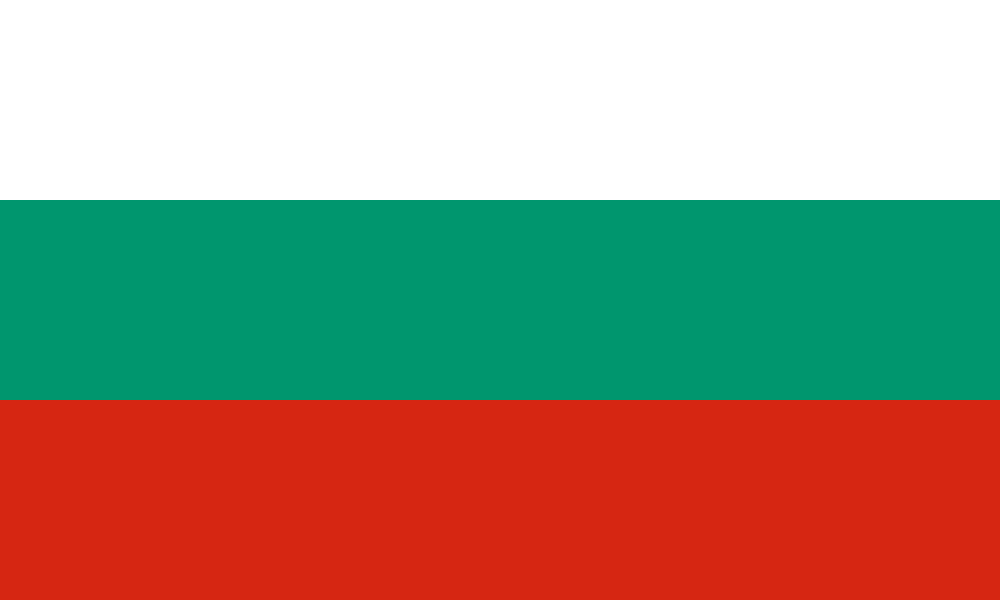
Bulgaria 치안
독립적인 네 가지 지수로 만든 평가, 그리고 사기 수법과 법률, 문제가 생겼을 때의 대처
아래 지수를 바탕으로 산출한 평가입니다
지수 확인일: 10.08.2026
세계 지수에서의 순위
출발 전에 적어 두세요
전반적인 상황
The general picture. Bulgaria is calm, and violent crime against visitors is rare. The real issue is petty theft in crowded parts of Sofia and on the beaches at Sunny Beach.
Taxi touts. Never accept a ride from someone approaching you at the airport or the station. They charge five times the going rate, so book through an app or take only a marked yellow car.
Mountains. Hiking in Rila or Pirin, always check the forecast. Fog and storms arrive on the summits without warning, and phone signal disappears completely in the deeper gorges.
Cars. Do not leave anything visible inside a hire car. Break-ins for bags and electronics have become more common in the big cities, especially in unattended car parks.
Dogs. Stray dogs turn up in rural areas. They are usually not aggressive, but do not provoke them or try to feed one in front of the whole pack.
Changing money. Avoid private money changers and kiosks advertising an irresistible rate. The switch to the euro has reduced the problem, but hidden commissions still appear in tourist zones.
Help. The European emergency number 112 covers everything. Bulgarian police are generally relaxed with visitors who are polite and not causing a scene.
관광객이 당하는 사기 수법
Bulgaria is calm, but it has one famous scheme on which tourists have lost money for decades.
Taxis at Sofia airport. The legendary one. Cars wait outside with a logo resembling the official firm's and a tariff ten times higher: instead of 0.79 lev per kilometre, the sticker reads 7.9 in small print. A ride to the centre costs 150 lev instead of 15. The official operators have desks inside the terminal; otherwise use an app. Check the tariff sticker on the window before getting in.
Exchange offices with "hidden commission". The board shows an excellent rate, and a commission of 10 to 15 percent is disclosed after the transaction. Bulgarian law requires the office to state the final amount beforehand. Change at banks.
Sunny Beach and Golden Sands. Bar bills with additions, "promotions" with free shots, and adulterated alcohol. Poisonings from counterfeit spirits occur every season. Do not leave your glass unattended or accept drinks from new acquaintances.
Car and scooter hire. Cash deposits and claims on return.
ATMs. Euronet machines at the resorts charge high fees and offer poor conversion rates.
벌금이나 구금으로 이어지는 행위
Drink-driving. The limit is 0.5 per mille, enforcement is strict, and 1.2 or above brings criminal liability.
Drugs. Bulgarian law is severe: possession of any quantity is criminal, a single cannabis dose included. The resort atmosphere is deceptive.
Drinking in public is restricted in resort municipalities, and Nessebar and Sozopol impose night-time bans.
Vignette. Motorway travel requires an electronic vignette, bought online or at a filling station. Rental cars usually have one, but check: the fine is significant.
Drones. Registration is compulsory, and flights over military sites and crowded stretches of coast are prohibited.
Photography. Military installations are off limits; otherwise there are no restrictions.
A cultural detail. In Bulgaria a nod means no and a side-to-side shake means yes. This regularly causes misunderstandings when ordering, paying and dealing with police. Confirm in words.
건강: 예방접종, 약, 진료
Vaccinations. None mandatory. For mountain hiking, discuss tick-borne encephalitis vaccination.
Water. Tap water in Sofia, Plovdiv and Varna is drinkable. On the coast in season quality can be inconsistent and locals drink bottled.
Ticks. The season in the Rhodopes, Rila and Pirin runs April to October. Crimean-Congo haemorrhagic fever occurs in some southern areas, though cases are rare.
The sea. The Black Sea is calmer than the Mediterranean, but Sunny Beach and Albena see rip currents, and lifeguards work only in season and only on patrolled stretches.
Sun. Summer UV is high, particularly between 11:00 and 16:00.
Mountains. Rila and Pirin are real mountains: Musala stands at 2,925 metres, the weather turns quickly, and winter brings avalanche risk. Mountain rescue operates, but helicopter evacuation is charged.
Healthcare. The public system is middling and equipment is not uniformly modern. Sofia has good private clinics — Tokuda, Sofiamed. Resort clinics oriented toward tourists operate in season, often with Russian. Insurance is needed.
Emergency number is 112, working in English.
경찰: 어떻게 대응할까
Bulgaria sits in the lower part of the European corruption table, and low-level extortion occurs — though less often with tourists than people assume.
Numbers. 166 for police, 112 for the European line, working in English.
Tourist police. Patrols oriented toward foreigners work the coast in season, often with Russian and German.
Traffic police. Many speed traps, with fines issued on the spot and a receipt. Unofficial payment exists as a practice, but asking for a written report usually ends it.
Reporting theft. Reports are taken and certificates for insurers issued. Many officers understand Russian, the older generation especially.
Taxis and complaints. If you were overcharged, photographing the registration and the tariff sticker is worthwhile: operators are periodically fined over this scheme. Recovering the money is nonetheless difficult.
Russian speakers. Attitudes are generally warm and the language barrier is minimal: Bulgarian is related to Russian, and the older generation learned it at school.
함께 확인할 것
업데이트
평가는 공개된 국제 지수와 각국 외교부의 여행 정보를 바탕으로 하며, 원자료 링크는 위 카드에 있습니다. 상황은 연례 보고서보다 빠르게 바뀝니다. 출발 전에 최신 안내를 확인하세요.