
Italy
A country where every city is an open-air museum and every lunch an event. From the Colosseum to the canals of Venice, from the Tuscan hills to the Amalfi coast — Italy wins you over at first sight and first sip of espresso.
どこへ行く
#
Rome
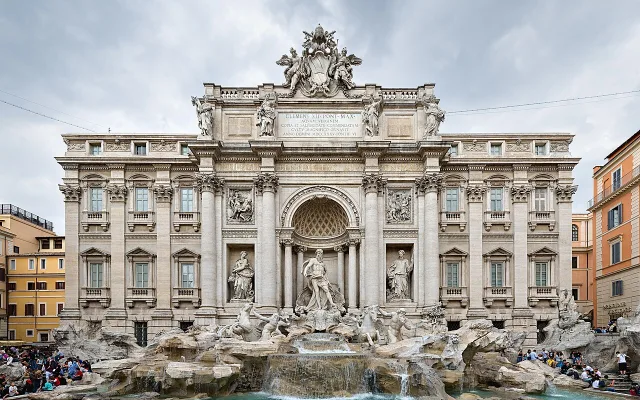
Rome is a city with a vast history, famous for its ancient monuments including the Colosseum, as well as the Vatican, the Trevi Fountain and dishes of the local kitchen such as carbonara.
Milan
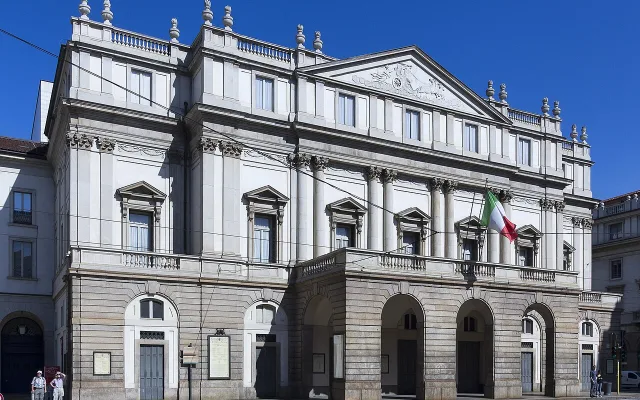
Milan is the world capital of fashion, home to the famous Duomo cathedral, the Galleria Vittorio Emanuele and a great many first-class restaurants.
Florence
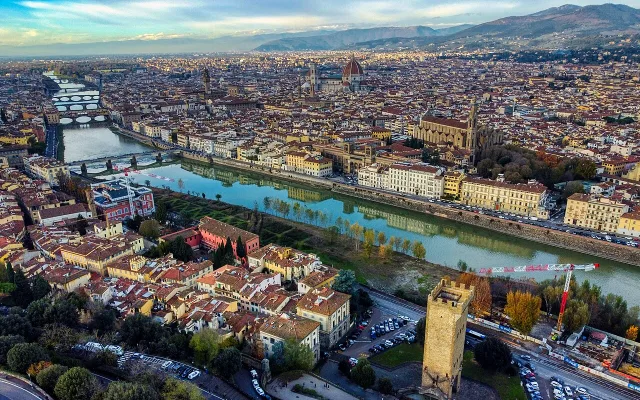
Florence is a city in Italy known as the cradle of the Renaissance. It is home to the Uffizi, the cathedral of Santa Maria del Fiore and the Ponte Vecchio.
Venice
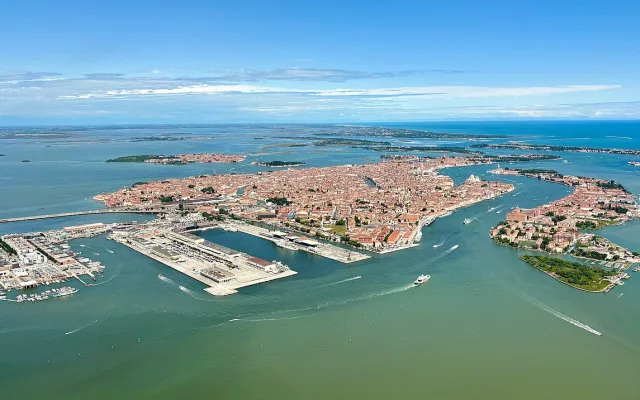
Venice is famous for its canals and gondolas. It is home to St Mark's Square and to the celebrated carnival.
Naples
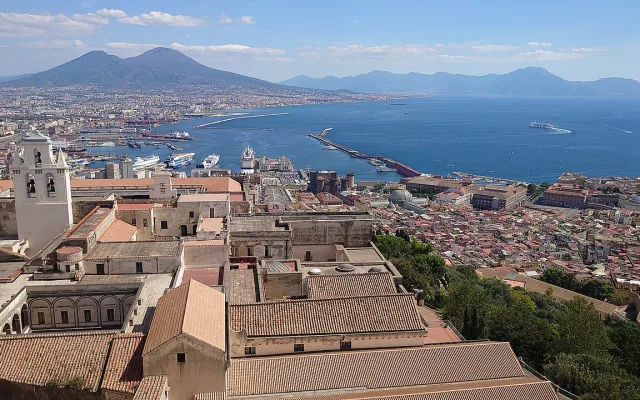
Naples is the Italian city known as the birthplace of pizza. It sits at the foot of Vesuvius, close to Pompeii and to the island of Capri with its famous Blue Grotto.
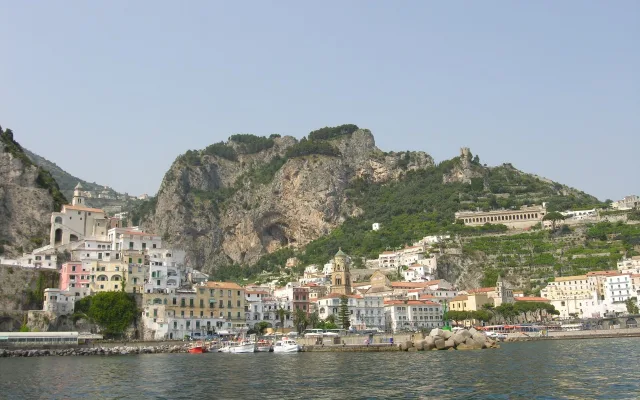
Amalfi
Amalfi is a town on the Italian coast, known for its sheer cliffs, pastel-coloured villages, lemon groves and the clear waters of the Tyrrhenian Sea.
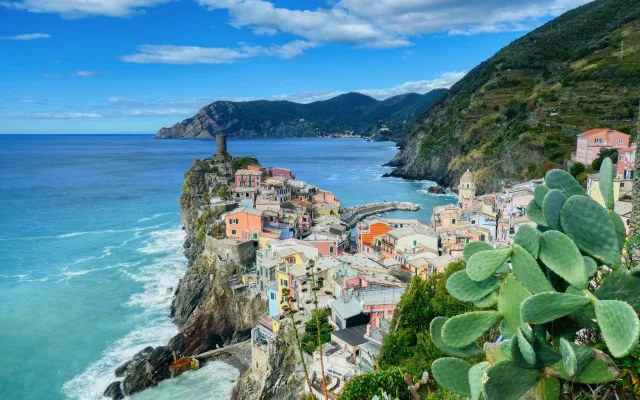
Cinque Terre
Cinque Terre is a group of five picturesque fishing villages perched on the cliffs of the Ligurian coast of Italy.
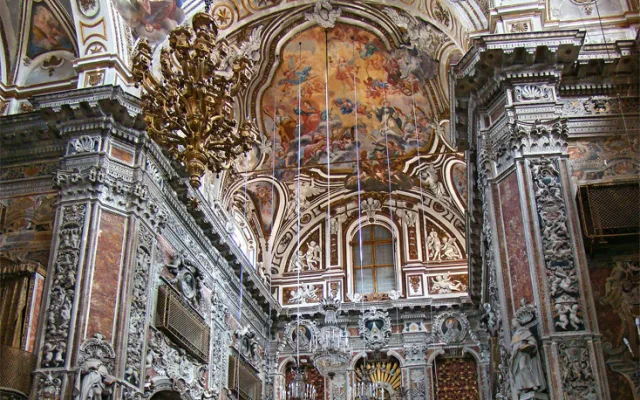
Palermo
Palermo — the capital of Sicily, known for its Arab-Norman cathedrals, the bustling Ballarò market, street food like panelle, and the traces left by centuries of conquest.
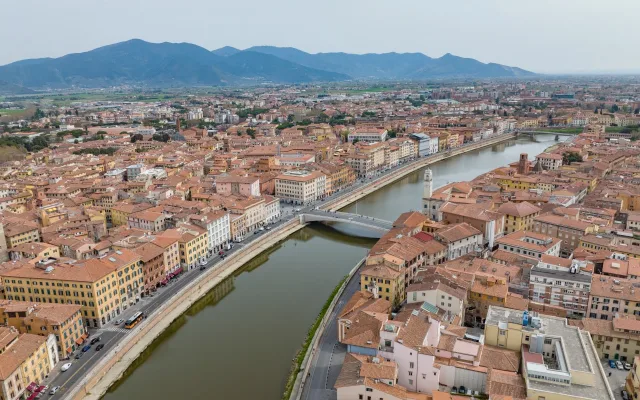
Pisa
Pisa is a city famous for its Leaning Tower, which stands on the Piazza dei Miracoli — a masterpiece of Romanesque architecture in white marble set on a green lawn.
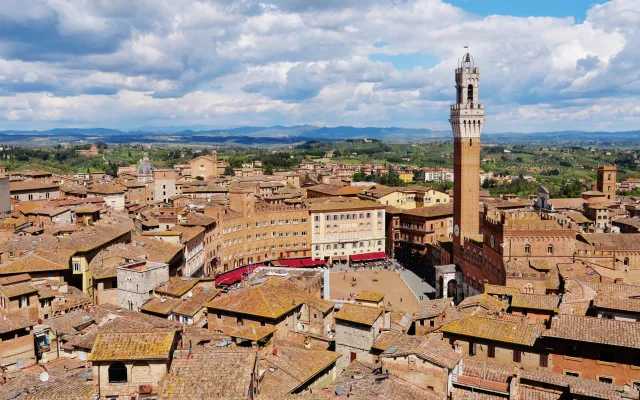
Siena
Siena is a city in Tuscany, renowned for its medieval architecture, the Piazza del Campo, and its Gothic cathedral. Twice a year it hosts the legendary Palio horse race.
見どころ
#Roman ruins: What to see first? The Colosseum and the Roman Forum, obviously. Tickets sell out weeks ahead, so book through the official site rather than turning up hopeful.
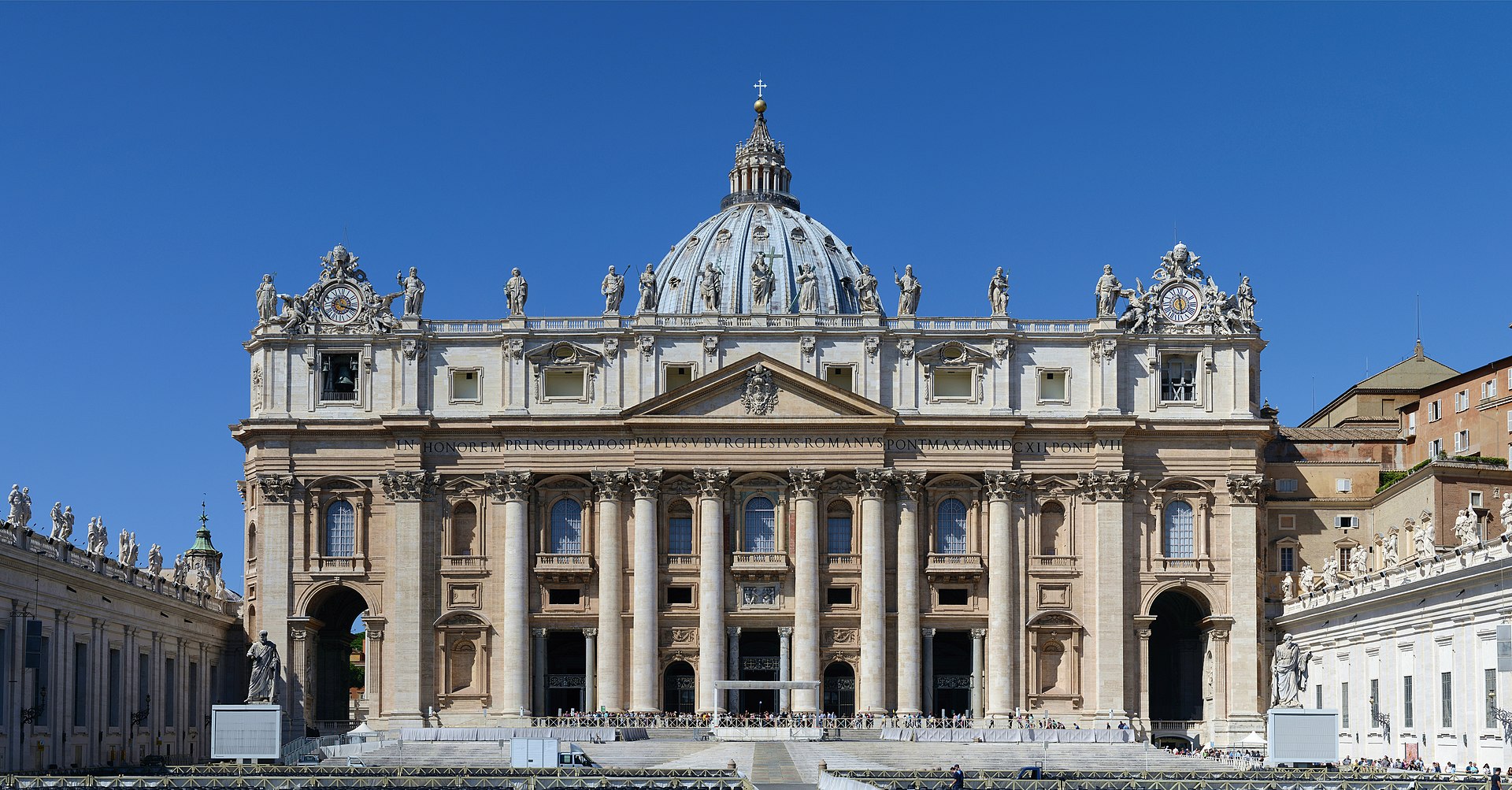
The Vatican: Worth the trip for St Peter's Basilica and the Sistine Chapel. The queues can be enormous, so arrive at opening time or buy a timed-entry slot.
The Trevi Fountain: From 2026 access to the basin itself costs 2 euros. You can still look at it for free from the square, but getting close enough to throw a coin now has a price tag.
The Uffizi: Florence's great museum and an essential stop for anyone who cares about art, with Botticelli and Leonardo in the collection. You cannot cover every room in a day, so choose your highlights in advance.
Venetian palaces: The Doge's Palace impresses with the opulence of its halls and the grimness of its prison. It is the thing to see if you want to understand how the richest maritime republic in Europe actually lived.
The Leaning Tower: If you have a spare day, go and take the obligatory photo in Pisa. Climbing it is expensive, but the Piazza dei Miracoli looks remarkable even from the grass.
物価
#Cards: Visa and Mastercard work almost everywhere and contactless is universal in the cities. Amex acceptance is thinner outside hotels and larger restaurants, so carry a backup card.
The DCC trap: When you pay by card, the terminal may offer to charge you in your home currency. Always choose euros. Letting the terminal do the conversion at its own "convenient" rate costs you five to ten percent every time.
Cash: Euros are still needed for markets, tips and the tourist tax at hotels. In small shops and provincial trattorias the card terminal has a habit of breaking, so keep 20 to 50 euros on you.
ATMs: For withdrawals look for BNL or Postamat machines, which do not add their own fee. Avoid the blue Euronet units in tourist areas, where the charges are punitive and the rate is worse again.
| Item | Price (USD) |
|---|---|
| Espresso at the bar | 1.5 |
| Slice of pizza | 4 |
| Pasta in a trattoria | 14 |
| Dinner for two with wine | 80 |
| Train ticket booked ahead | 22 |
| Vaporetto ride | 11 |
| Trevi Fountain access | 2.2 |
| Colosseum ticket | 20 |
| Vatican Museums | 22 |
| Uffizi Gallery | 27 |
| Doge's Palace | 31 |
| eSIM for a week | 4 |
| Hotel tourist tax per night | 6 |
| Coperto cover charge | 3 |
| City bus ticket | 1.8 |
移動手段
#Rail: The network reaches the whole country, split between state-owned Trenitalia and private Italo. High-speed services cover Rome to Milan in three hours.
Ticket prices: Fares behave like budget airline seats. Book two months out and you travel for 15 euros; buy on the day and it can be 100. Look for the Super Economy fare bracket.
Validation: If you hold a paper ticket for a regional train with no time printed on it, stamp it in the platform validator. Forgetting costs 50 euros. Online tickets need no validation.
Strikes: Transport strikes are practically a national sport and can freeze the network. Check the transport ministry site before a travel day; actions usually run four to eight hours and are announced in advance.
City transport: Metro and buses are the way to get around the big cities. A ticket costs 1.5 to 2 euros and stays valid for 100 minutes, and almost everywhere you can now tap a bank card straight at the gate.
Driving: Rent a car only for Tuscany or Sicily. Historic centres are ringed by ZTL zones you are not allowed to drive into, and the fines arrive by post six months later.
Getting in: Rome Fiumicino and Milan Malpensa take the long-haul traffic, including direct flights from North America. From anywhere in Europe the low-cost carriers make Italy absurdly cheap to reach, often into secondary airports like Bergamo or Ciampino.
宿泊
#What to book: For value, look at B&Bs and guesthouses in residential neighbourhoods, often a comfortable room inside an old palazzo. Dead-centre locations are marked up and the street noise will keep you awake.
Tourist tax: Remember the city tax, paid in cash on arrival. In Rome it can reach 10 euros per person per night, and it is never included in the booking price.
Deposits: Hotels frequently block an amount on your card as a security hold. With a debit card that money is out of reach for several days, so a credit card is the better tool here.
Apartments: Airbnb listings with a kitchen pay for themselves. Shopping at the local market is a pleasure in its own right and a genuine part of the cultural experience.
Old buildings: Lifts can be tiny or coin-operated and air conditioning can be deafening. Read reviews carefully, especially about winter heating, which in Italy runs to a fixed seasonal schedule.
The Olympic factor: Milan hosts the Winter Games in 2026. Accommodation prices there in February go through the roof and the tourist tax is up across the whole region, so book half a year out.
食事
#Regions, not a cuisine: There is no generic Italian food; every city has its own dishes. In Rome try carbonara or cacio e pepe, in Naples the classic wood-fired pizza and nothing else.
Coffee etiquette: An espresso standing at the bar is always cheaper than the same coffee at a table. Cappuccino is a before-eleven drink; ordering one after lunch marks you out instantly and mildly startles the waiter.
Coperto: Nearly every restaurant adds one to four euros to the bill for the cover and bread. It is a legal charge that has to be printed on the menu, so there is no point arguing about it.
Street food: For a fast lunch look for pizza al taglio, sold by the slice and priced by weight. It is the cheapest way to eat and it buys you another hour of sightseeing.
Aperitivo: In Milan and Rome the drink-plus-buffet deal is a fixture. Ten to fifteen euros gets you a cocktail and access to a spread that often replaces dinner entirely.
Water: The public fountains in Rome run drinkable water. Carry a bottle and refill it for free, which saves both your budget and a lot of plastic in the summer heat.
治安
#Pickpockets: In Rome, Naples and Milan thieves work the stations and public transport hard. Wear your backpack on your front and never put a phone in a back pocket.
Street scams: Ignore the free bracelet or the single rose pressed into your hand. The moment you accept it, someone starts demanding money. A polite "No, grazie" and steady walking solves it.
Taxis: Use only the official white cars with a meter. Freelancers outside airports will quote several times the real fare. Insist the meter goes on before you set off.
Your bags: Do not hang a bag on the back of a chair at a pavement cafe. Snatch thefts are routine in the tourist quarters, and passports and serious cash belong in the room safe.
At night: The cities are broadly calm, but the areas immediately around the central railway stations are worth avoiding late. They attract the kind of company you do not need.
Getting help: Dial 112 if something happens, and operators generally speak English. Travel insurance is worth having on its own merits here, since it genuinely smooths out any visit to a doctor.
マナーと文化
#The afternoon pause: Life in smaller towns stops in the middle of the day. Shops and churches may close from one until four, so schedule errands and visits for the morning or the evening.
Dress code: Shoulders and knees must be covered to enter a cathedral. The Vatican and the Duomo enforce it strictly, so keep a light scarf in your bag.
Talking to people: Italians are expressive and enjoy a conversation. Even a couple of phrases in the local language, from the list below, will get you into the better family trattorias and a warmer welcome.
Pace: Do not expect fast service. Lunch stretching to two hours is normal, not a failure. Enjoy it rather than trying to cross three cities in a single day.
Children: Italians adore small travellers. Children are welcome everywhere, museums often discount them and someone will hand them a gelato, which makes family travel here unusually easy.
Taboos: Never ask for ketchup with pasta or pineapple on a pizza. Locals take it as a personal slight against their culinary tradition, and the bafflement is entirely sincere.
通信・インターネット
#Getting online: The simplest route is buying an eSIM before you leave home. Airalo and similar providers have you connected the moment you land, with no airport queue and no shop to find.
Local SIMs: If you need serious data volume, go to a TIM or Vodafone shop with your passport. Packages start around 20 to 30 euros for a month.
EU roaming: If your phone contract is from another EU country, roaming in Italy is included at no extra cost. Everyone else should assume roaming is expensive and use an eSIM instead.
Free Wi-Fi: Hotels and larger restaurants have it, but public networks are unreliable and often demand a European phone number to register.
Navigation: Google Maps handles Italian transport routes and train times well. Download offline maps anyway, because GPS drops out among the narrow stone alleys of the old centres.
Plugs: Italy uses standard European plugs, plus an older type L socket with three pins in a row. Slim europlugs fit without an adapter; fat laptop plugs sometimes do not.
会話集
#| English | Italian | Pronunciation |
|---|---|---|
| Hi / bye | Ciao | CHOW |
| Thank you | Grazie | GRAHT-tsyeh |
| You're welcome | Prego | PREH-go |
| The bill, please | Il conto, per favore | eel KON-toh per fah-VOH-reh |
| How much is it? | Quanto costa? | KWAN-toh KOS-tah |
| Where is the toilet? | Dov'è il bagno? | doh-VEH eel BAHN-yoh |
| Excuse me | Scusi | SKOO-zee |
| Yes / no | Sì / No | see / noh |
| I don't understand | Non capisco | non kah-PEES-koh |
| Help | Aiuto | ah-YOO-toh |
| Wine / water | Vino / Acqua | VEE-noh / AH-kwah |
| Bread | Pane | PAH-neh |
| Cool (slang) | Figo | FEE-go |
| What the hell? (slang) | Che cavolo? | keh KAH-voh-loh |
| Come on! (slang) | Dai! | dye |
| Not at all | Di nulla | dee NOOL-lah |
| That works | Va bene | vah BEH-neh |
| Cheers! | Salute! | sah-LOO-teh |
| Good morning | Buongiorno | bwon-JOR-noh |
| Do you speak English? | Parla inglese? | PAR-lah een-GLEH-zeh |
役立つ情報
#Toilets: Public ones are scarce and charge a fee. The move is to walk into any bar, order a one-euro espresso and use theirs; it costs less and feels better.
Pharmacies: Look for the flashing green cross. Plenty of medication here is prescription-only, so bring your own basic kit from home rather than assuming you can buy it.
Opening hours: Museums are frequently shut on Mondays, so check the official sites. Uffizi and Vatican tickets should only ever be bought online and in advance.
Tax free: On purchases over 70 euros in one shop you can reclaim part of the VAT. Ask in store for the form and process it at the airport before you fly; it comes back to around 12 percent.
Apps: Download Trenitalia and Italo for rail, and Free Now for taxis in Milan and Rome. These three make independent travel here noticeably less painful.
Sockets: Italian type L sockets have three holes in a line. Bring a universal adapter if you are coming from the UK, North America or Australia.
よくある質問
#Italy is part of the Schengen area, so many Western passports enter visa-free for up to 90 days in any 180, while others need a Schengen type C visa. Rules differ by nationality, so check your own before booking, and note that a Schengen visa is issued for the specific dates of your trip.
The Entry/Exit System is a biometric border process that records a photograph and fingerprints instead of stamping your passport. It automatically tracks compliance with the 90-in-180 rule, so overstaying is now caught by the machine rather than by a border officer counting stamps.
Booked two months in advance, a high-speed ticket runs about 30 euros. On the day of travel the same seat can hit 100 euros or more. Regional trains have a fixed price but take roughly twice as long.
Yes, on peak days from April through July there is a 5 to 10 euro access charge for day visitors. Guests who have booked accommodation in the historic centre are exempt, but still need to obtain a QR code in advance.
The combined ticket covering the Colosseum, the Roman Forum and the Palatine Hill is 18 euros. Book it on the official site well ahead, because the on-site ticket desk almost never has availability.
The official carrier websites and their mobile apps are the cheapest and most reliable route. Aggregators such as Trainline are also fine and let you compare the price and timetable of both operators on one screen.
In the cities, essentially yes, and you can tap a bank card on most city buses and metro gates. Keep 20 to 50 euros in cash for provincial trattorias, markets and the hotel tourist tax, and always choose to be charged in euros when the terminal asks.
It is a per-person cover charge of one to four euros for the table setting and bread. It is entirely legal, has to be listed on the menu, and is separate from any tip, which is not obligatory in Italy.
Yes, but with restrictions. Registration is mandatory for drones from 250 g — lighter models can fly without it. You also need to pass a test and hold a pilot certificate. Common EASA rules apply: operator registration is required for drones from 250 g, and for any drone with a camera — which covers virtually every consumer model. You also need the free A1/A3 online test, and the operator ID must be stuck on the drone. One registration is valid across the whole EU. Rules for other countries are in the drone ranking by country.
It depends on where your licence was issued. Car rental starts at 21. EU licences work as they are. With Russian or other non-European licences rental companies usually ask for an IDP — without one they may refuse to rent and police may fine you. A 125 cc scooter is available on a category B licence after three years of driving experience. Rules for other countries are in the driving and rental table.
You can rent a bike; whether you need an international driving permit depends on where your licence was issued. A scooter up to 125 cc can be ridden on category B; anything bigger needs category A. A helmet is compulsory. Bike rental usually starts at 18. A 125 cc scooter needs category B with three years of experience; anything bigger needs category A. Helmets are mandatory across the EU. Rules for other countries are in the driving and rental table.
Calm by world standards: serious incidents involving tourists are rare. Intentional homicides: 0.566 per 100,000 a year (UNODC, 2024 data). The main threat here is not violence but pickpockets: stations, metro and queues at the sights. The general emergency number is 112. Ratings for other countries are in the safety table.
更新日
The data on this page goes out of date. Visa rules and permitted stays, border requirements, prices and budgets, transport and local conditions all change fast, and we do not re-check every page every day. We show the date of our last check where we have one, but before you travel, verify with official sources: the country’s consulate, its immigration service, its e-visa portal and your carrier.