
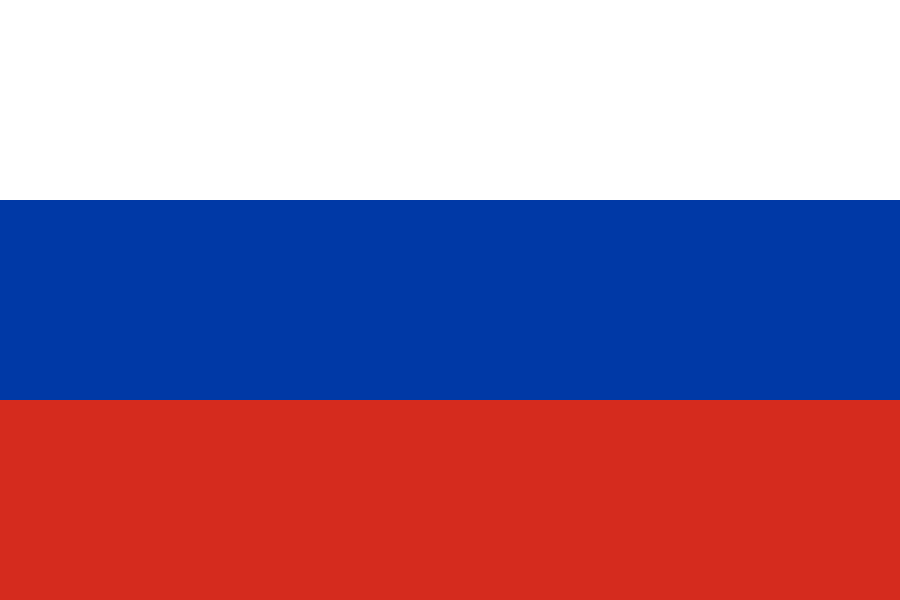
Russia
The largest country in the world — from the Baltic to the Pacific, from Arctic tundra to the subtropics of Sochi. Russia astonishes by contrast: the imperial palaces of St Petersburg, the Moscow Kremlin, the ancient towns of the Golden Ring, the volcanoes of Kamchatka and Lake Baikal, the deepest lake on the planet. Hospitable, unpredictable and enormous — travelling here always turns into an adventure.
どこへ行く
#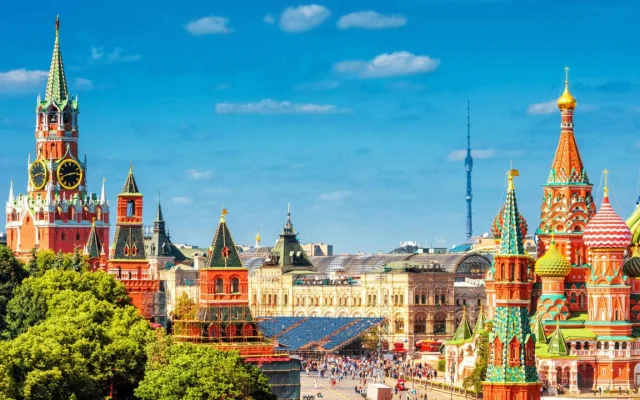
Moscow
The capital of Russia — Red Square, the Kremlin, the metro as a museum, the Tretyakov Gallery and a nightlife that does not stop.
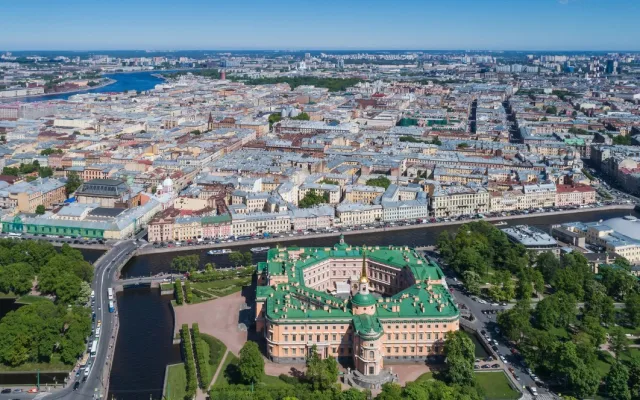
Saint Petersburg
The northern capital — the Hermitage, Peterhof, the white nights, the raising of the bridges and the canals off Nevsky Prospekt.
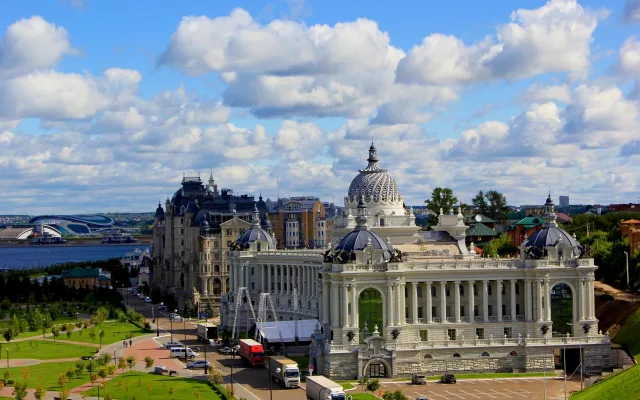
Kazan
The capital of Tatarstan — the UNESCO Kremlin, the Kul Sharif mosque, the Syuyumbike tower and the Kazanka embankment.
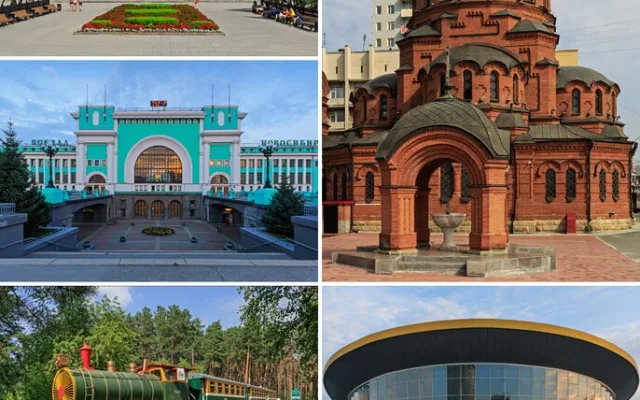
Novosibirsk
The capital of Siberia on the Ob — Novosibirsk State University and the Akademgorodok science town, the opera house and a zoo with white tigers.
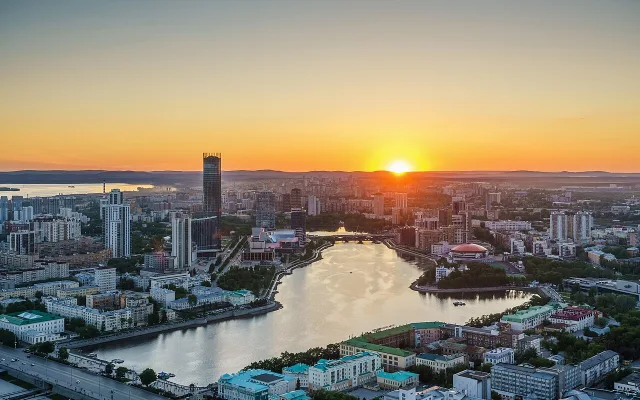
Yekaterinburg
The capital of the Urals — the Church on the Blood on the site where the Romanovs were killed, the Yeltsin Center and the border between Europe and Asia.
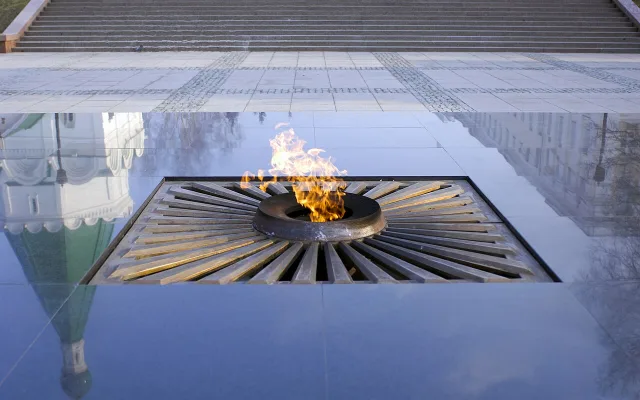
Nizhny Novgorod
A city at the confluence of the Oka and the Volga — a kremlin on the hill, Bolshaya Pokrovskaya street and a cable car across the river.
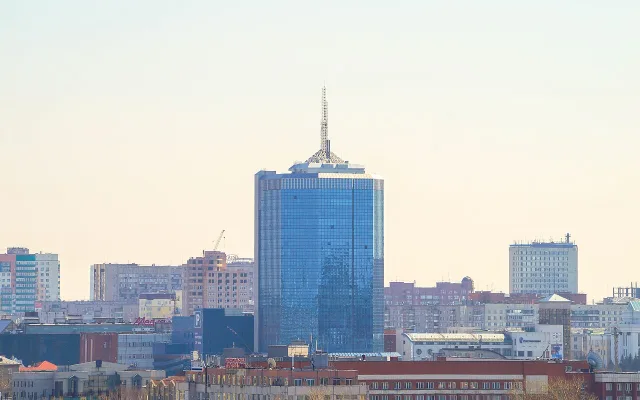
Chelyabinsk
An industrial centre of the Southern Urals — the pedestrianised Kirovka street and a local museum holding a fragment of the meteorite.
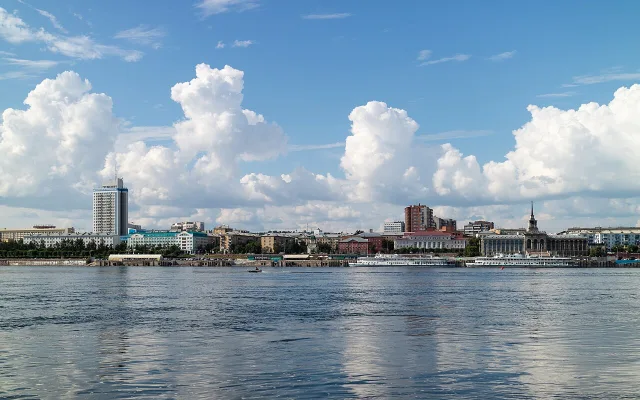
Krasnoyarsk
A city on the Yenisei — the Stolby nature reserve, the Bobrovy Log cable car and the chapel that appears on the 10-ruble banknote.
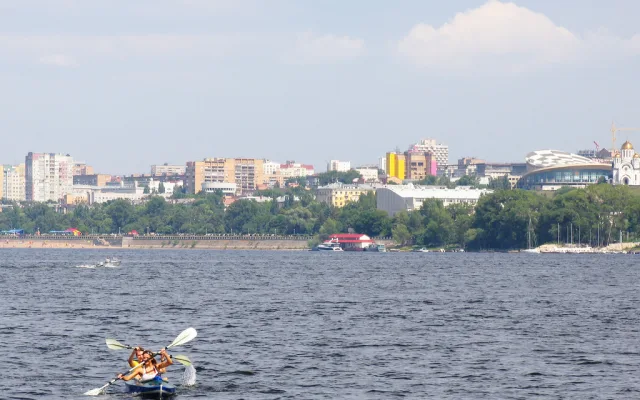
Samara
A city on the Volga — a long riverside embankment, Stalin's Bunker and the Zhiguli brewery.
Ufa
The capital of Bashkortostan — the monument to Salavat Yulaev, the Lala Tulpan mosque and the confluence of the Belaya and the Ufa.
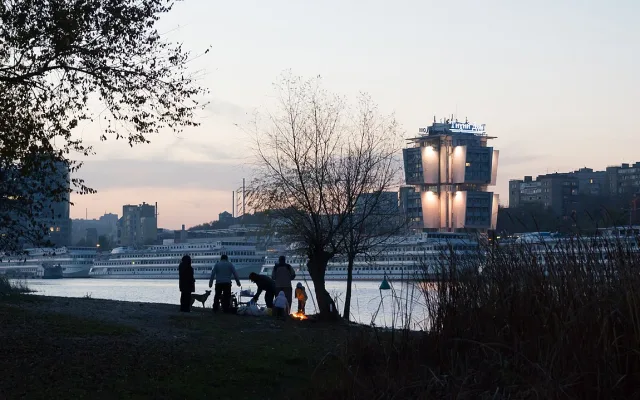
Rostov-on-Don
The gateway to the Caucasus on the Don — the pedestrianised Bolshaya Sadovaya, the embankment and Cossack cooking.
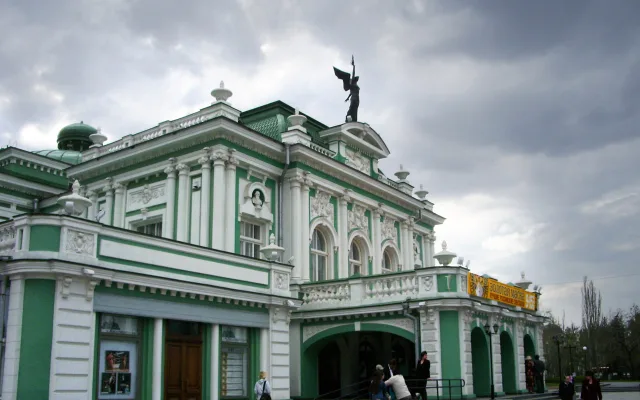
Omsk
A city on the Irtysh River — a place of exile for Dostoevsky, with the Tarsky Gate and the Dormition Cathedral.
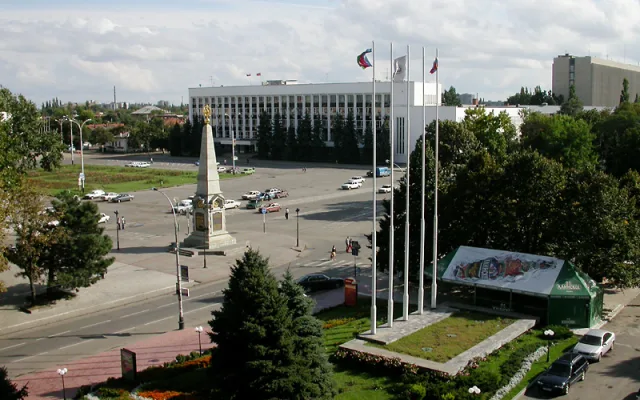
Krasnodar
The southern capital of the Kuban region — the Galitsky stadium and park, the pedestrianised Krasnaya Street and old Yekaterinodar.
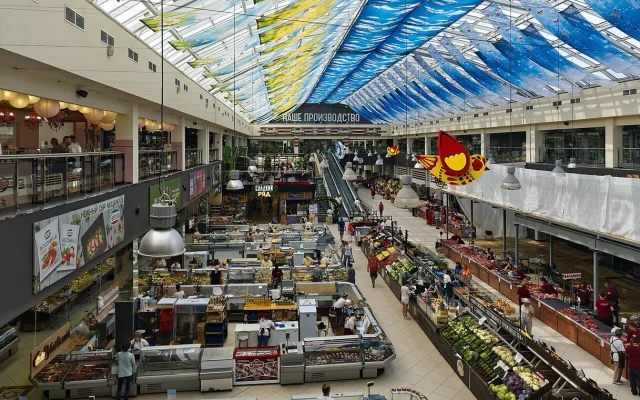
Voronezh
The centre of the Black Earth region — the Goto Predestinatsia museum ship, Alye Parusa park and the monument to Bim.
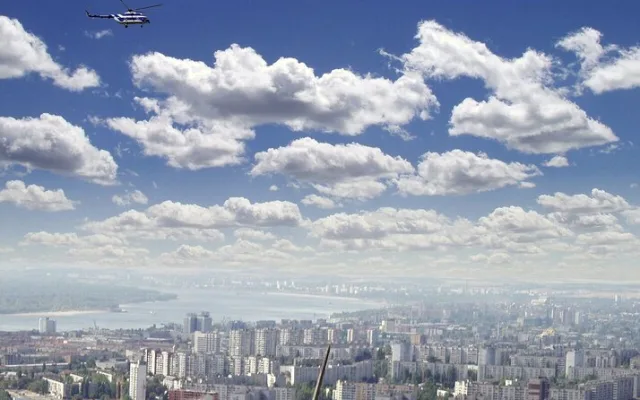
Volgograd
The former Stalingrad — Mamayev Kurgan with The Motherland Calls, the Battle of Stalingrad panorama and the Volga.
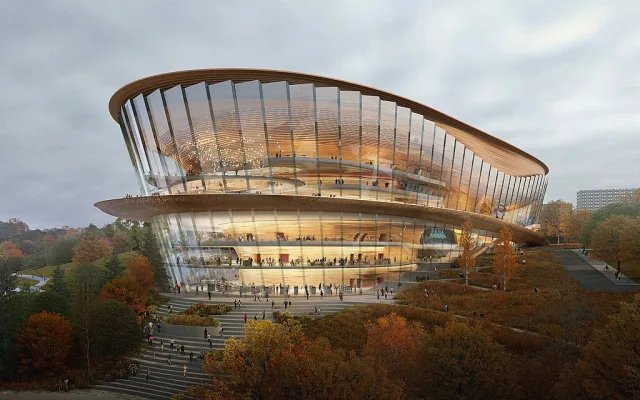
Perm
An industrial city on the Kama River — the Perm ballet, the PERMM contemporary art museum and the Khokhlovka open-air museum.
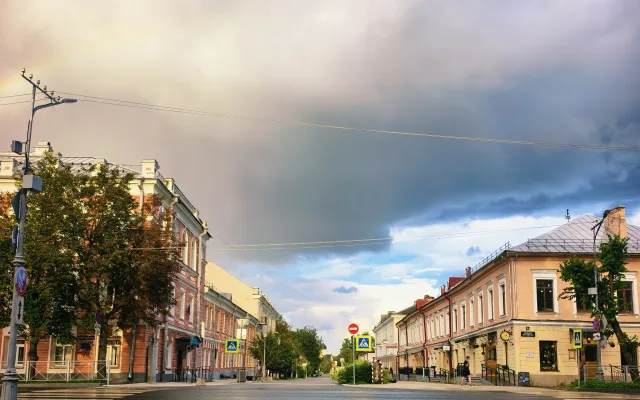
Veliky Novgorod
The ancient capital of medieval Rus and Russia's first republic, governed by a popular assembly. A kremlin with UNESCO-listed white-stone churches, and Yaroslav's Court with its old trading rows.
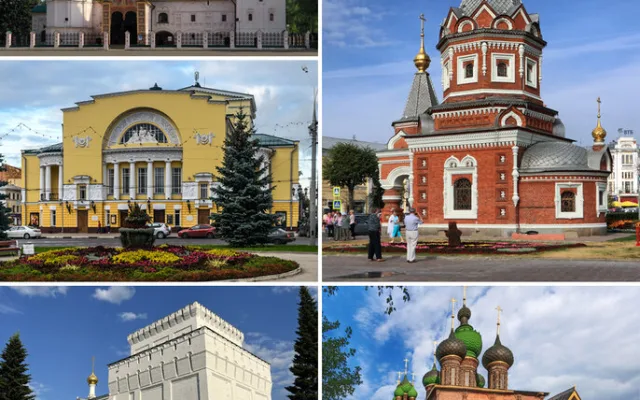
Yaroslavl
The largest city on the Golden Ring, with a historic centre inscribed on the UNESCO World Heritage List. It stands at the confluence of the Volga and the Kotorosl, and is rich in 17th-century churches and cultural events.
Izborsk
One of the oldest settlements in Russia — a 14th-century stone fortress, Truvor's hillfort and the Slavonic Springs.
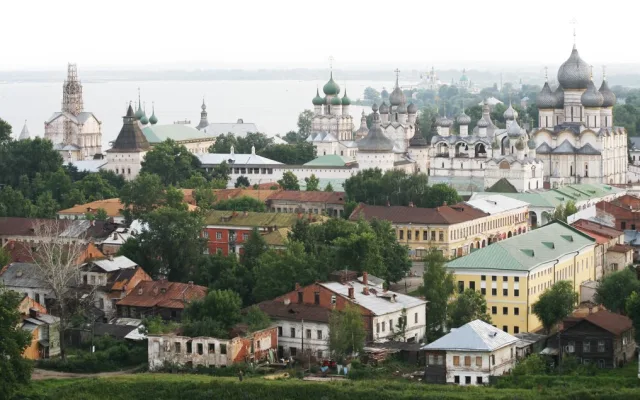
Rostov Veliky
One of the oldest towns in Russia, with a magnificent white-stone kremlin on the shore of Lake Nero. The famous Rostov bell chimes, finift enamel and monasteries make it unique.
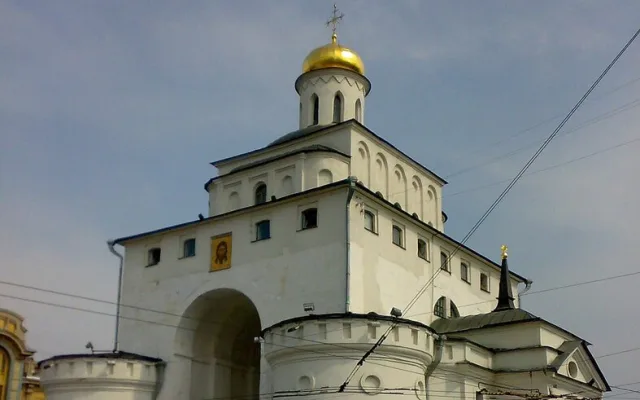
Vladimir
The capital of north-eastern Rus in the pre-Mongol era, with three UNESCO World Heritage sites. The Dormition Cathedral, the Cathedral of St Demetrius and the Golden Gate are masterpieces of 12th-century white-stone architecture.
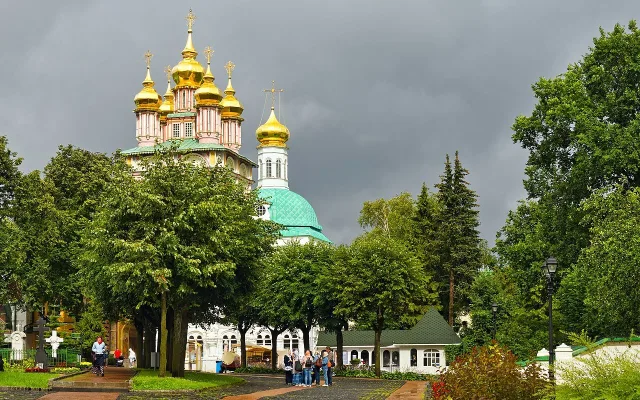
Sergiyev Posad
The spiritual capital of Russia, home of the Trinity Lavra of St Sergius, the country's foremost monastery with its golden domes. A town of pilgrims and tourists 70 km north-east of Moscow, with a deep history of Orthodoxy.
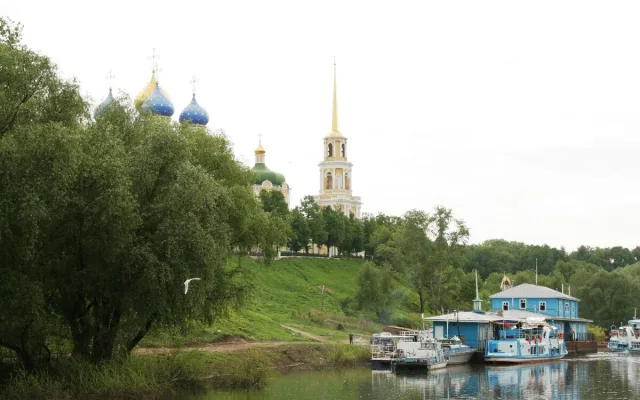
Ryazan
One of the oldest towns in Russia, with a handsome white-stone kremlin above the Trubezh, a tributary of the Oka. The home region of the poet Sergei Yesenin, and an old spiritual and trading centre of central Russia.
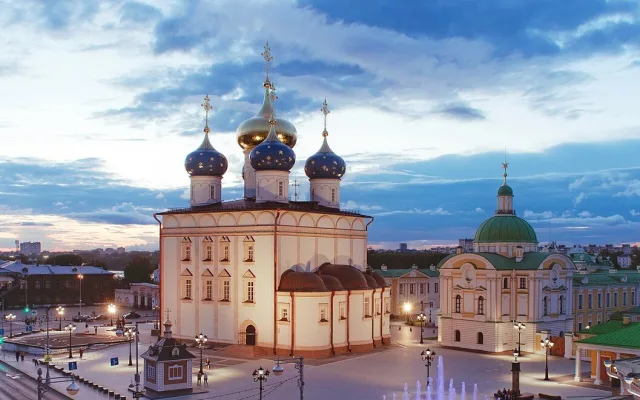
Tver
An old Volga city with the Imperial Travel Palace of Catherine the Great and a handsome embankment. A historically important point on the road between Moscow and St Petersburg, with a rich merchant heritage.
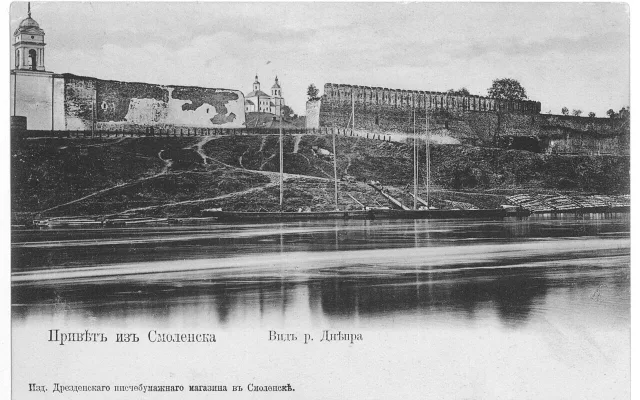
Smolensk
An ancient fortress city on the Dnieper, ringed by a mighty wall of 1595–1602 known as the "necklace of the Russian land". A western outpost that lived through the Polish siege of 1609–11, Napoleon's invasion and German occupation.
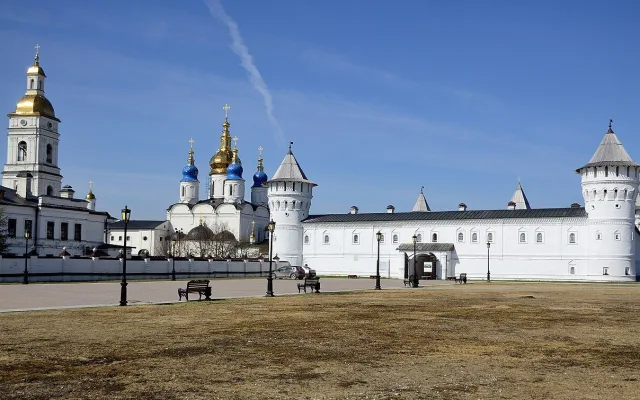
Tobolsk
The first capital of Siberia, with the only stone kremlin in Siberia, dating from the 17th century and standing on a high hill. A place of exile for the Decembrists and Russia's last emperor, Nicholas II; Dostoevsky passed through its transit prison.
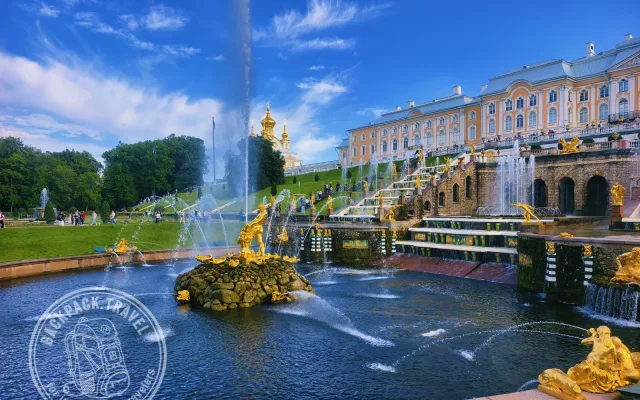
Peterhof
The country residence of Peter I on the shore of the Gulf of Finland: the Grand Cascade with its Samson, the Sea Canal, and parks whose fountains run without a single pump, on the drop in elevation alone.
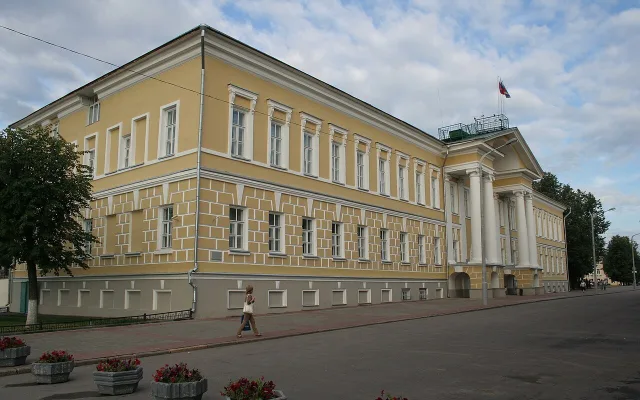
Kostroma
The birthplace of the Romanov dynasty and Russia's centre of linen weaving, on the Volga. The Ipatiev Monastery, the trading rows and the handsome Susaninskaya Square are the city's main sights.
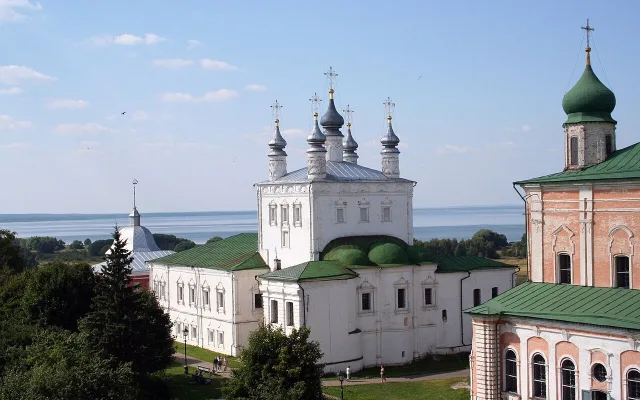
Pereslavl-Zalessky
An ancient town on the shore of scenic Lake Pleshcheyevo, with white-stone cathedrals of the 12th century. This is where Peter the Great built his play flotilla, the beginning of the Russian navy.
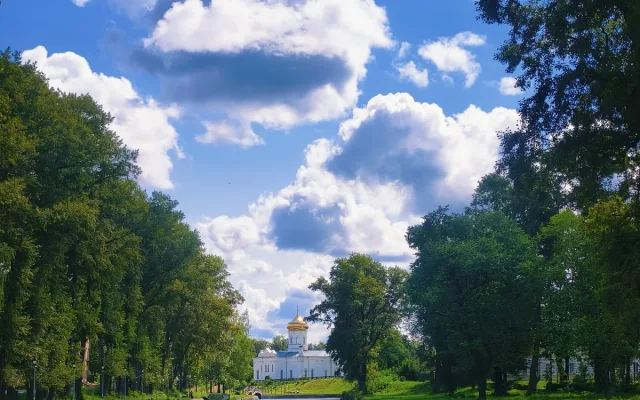
Vyshny Volochyok
A town of canals between the Baltic and the Volga: the first artificial waterway system in Russia, built under Peter I. Hence the nickname of a Russian Venice, although the town itself has visibly decayed.
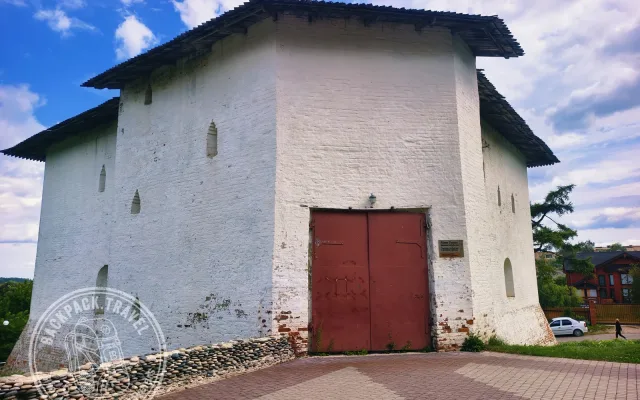
Vyazma
An ancient town on the road from Moscow to Smolensk: the Spasskaya Tower left from its fortress, the Trinity Cathedral, and monuments to two wars, 1812 and the Second World War.
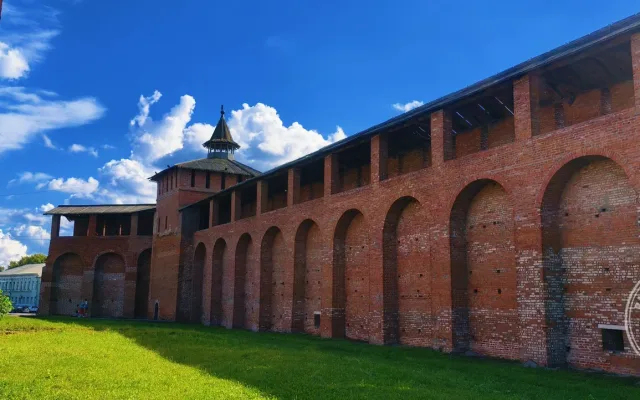
Kolomna
A town at the confluence of the Moskva River and the Oka, with a red-brick kremlin of the sixteenth century, posad streets and pastila, revived here as a craft. One of the most convenient day trips out of Moscow.
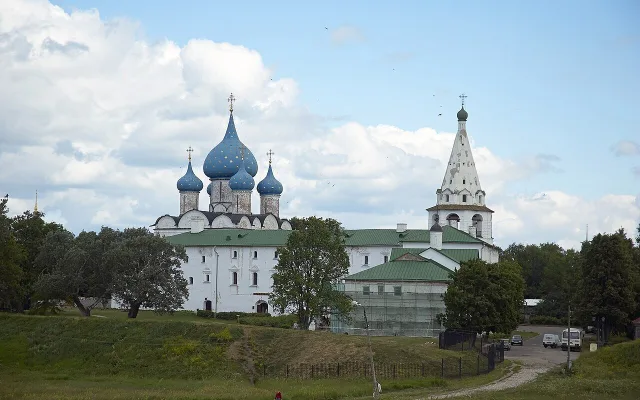
Suzdal
A UNESCO-listed conservation town without a single factory, with more than 30 churches and monasteries. A 12th-century kremlin, honey mead, cucumber fields and wooden architecture make it the most storybook small town in Russia.
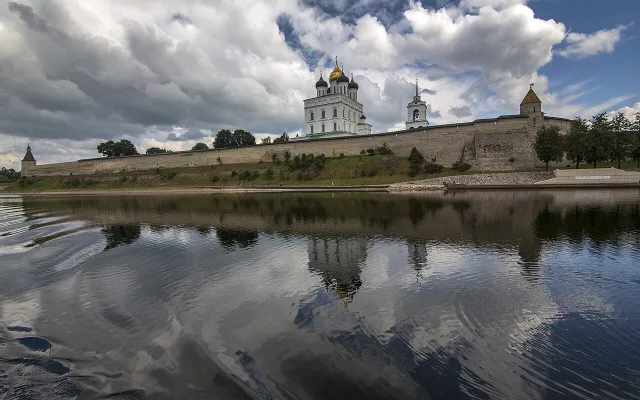
Pskov
One of the oldest towns in Russia, with the mighty medieval Krom fortress and numerous UNESCO-listed white-stone churches. The Pskov Republic was one of the veche states of medieval Rus, governed by a popular assembly.
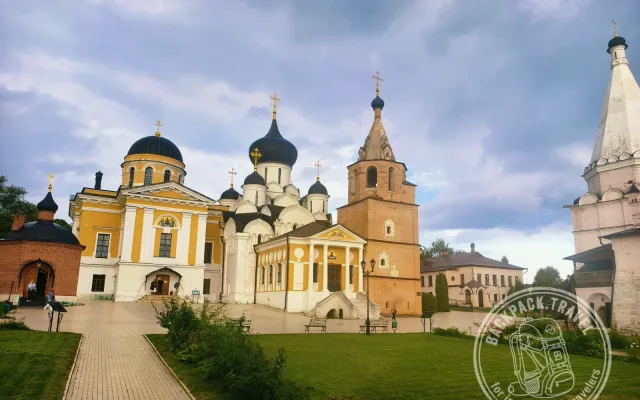
Staritsa
A small town on the Volga with the white-stone Holy Dormition Monastery below the hill and an old hillfort on the high bank opposite. Once the favorite town of Ivan the Terrible, now a quiet district center.
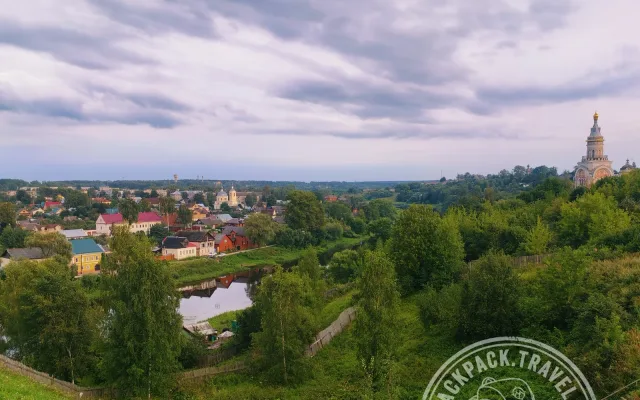
Torzhok
One of the most intact historic towns of Tver Region: the Borisoglebsky Monastery above the Tvertsa, the wooden Tikhvin Church, and the gold embroidery that has been practiced here since the 18th century.
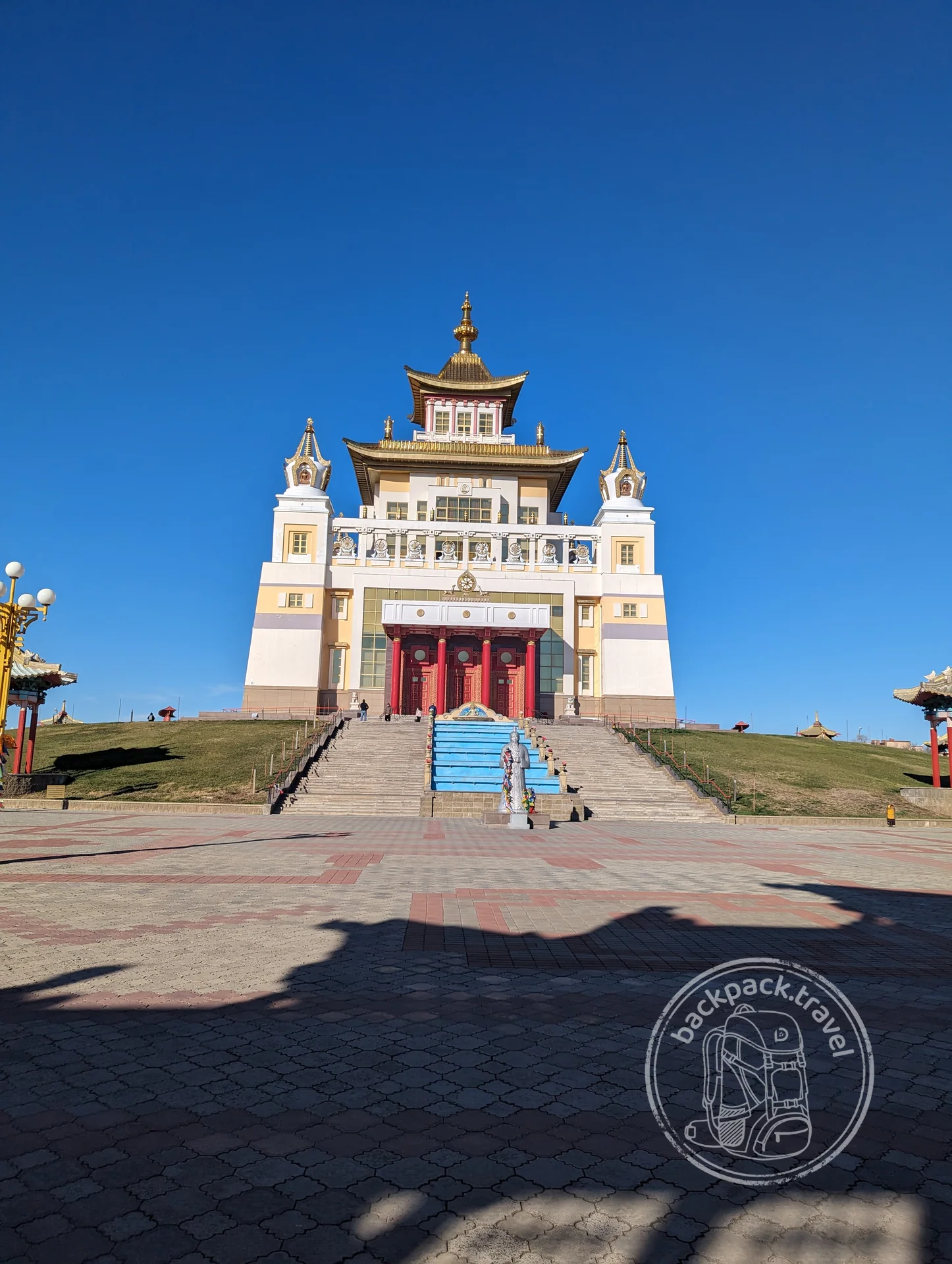
Elista
The capital of Kalmykia, the only Buddhist region in Europe: the Golden Abode of Buddha Shakyamuni, pagodas and prayer wheels in a steppe town, and wild tulips flowering all around it in April.
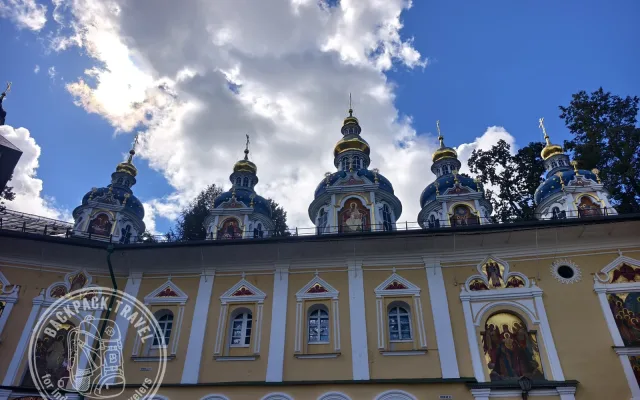
Pechory
A small town on the Estonian border built around the Pskov-Caves Monastery — the one Russian monastery that never closed. The restored center, with its water tower and merchant houses, takes an hour to walk.
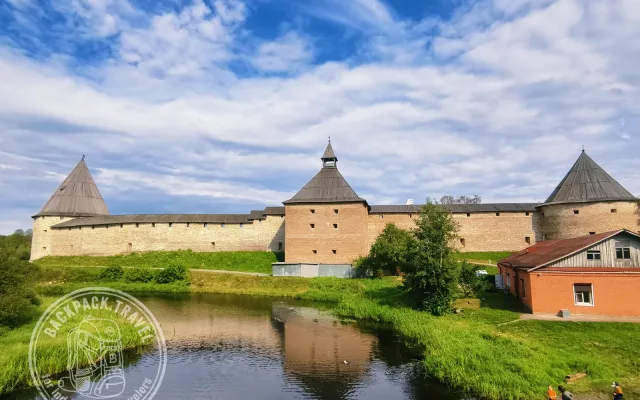
Staraya Ladoga
A village on the Volkhov with a stone fortress and pre-Mongol churches - Rurik's first capital stood here, and this is where the chronicled history of Rus begins. Half a day covers it.
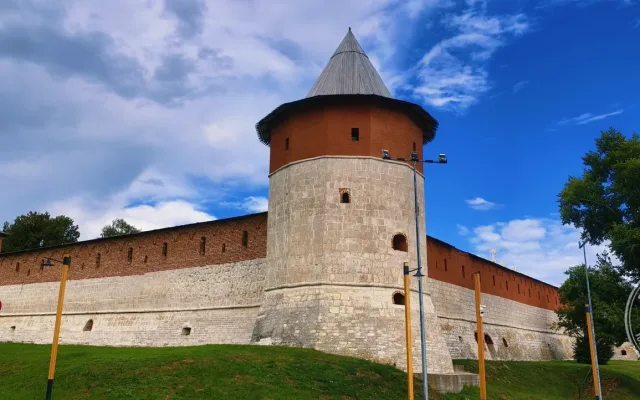
Zaraysk
The only kremlin in the Moscow region to survive in full, a compact red-brick fortress of 1531. Around it lies a quiet little town of wooden houses, with a water tower you can climb for the view.

Vladikavkaz
The capital of North Ossetia on the Terek, where the Georgian Military Road begins: a merchant centre with a 1904 tramway, the mosque above the river, and the crypts of Dargavs in the gorges nearby.
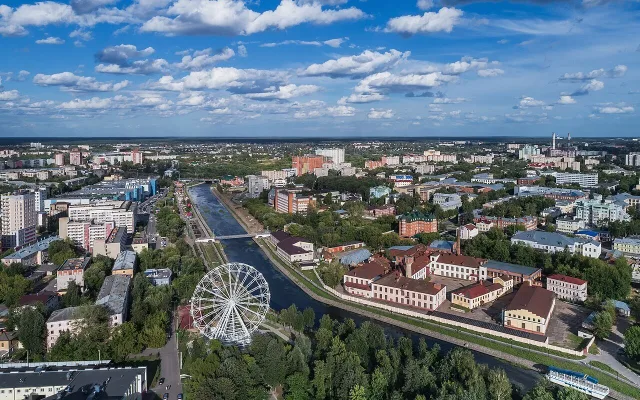
Ivanovo
The "city of brides" and the textile capital of Russia, with a remarkable heritage of 1920s constructivist architecture. One of the few cities in the country to have preserved buildings of the Soviet avant-garde.
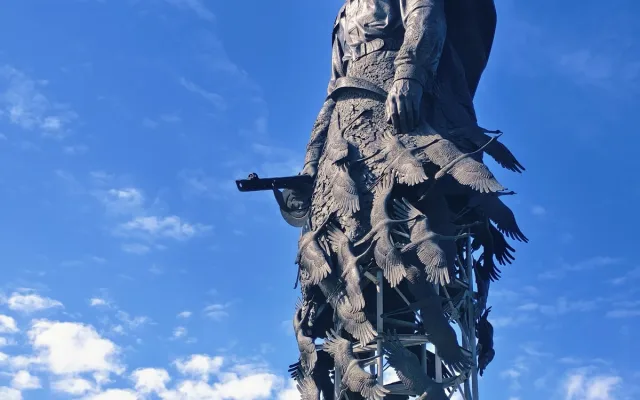
Rzhev
A town on the Volga known above all for the Rzhev Memorial to the Soviet Soldier, a 25-meter bronze figure standing over the fields where the hardest fighting of 1942–1943 took place.
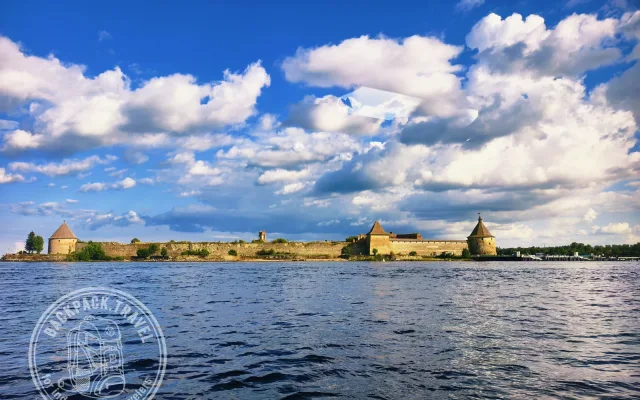
Shlisselburg
A small town where the Neva leaves Lake Ladoga, with boats out to the Oreshek fortress, an island stronghold that held its ground both in the Great Northern War and in 1941–1943.
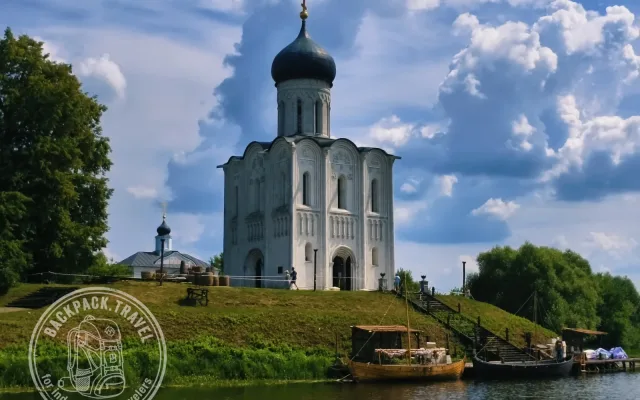
Bogolyubovo
A village near Vladimir, home to the Church of the Intercession on the Nerl, one of the summits of pre-Mongol architecture. A path a kilometre and a half long leads to it across the meadow, and cars are not allowed.
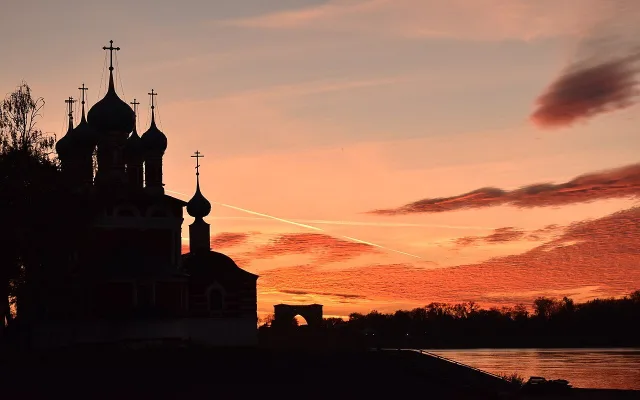
Uglich
A small Volga town with an ancient kremlin and the tragic history of the death of Tsarevich Dmitry. A river-cruise landing, merchant mansions and a handsome Volga embankment.
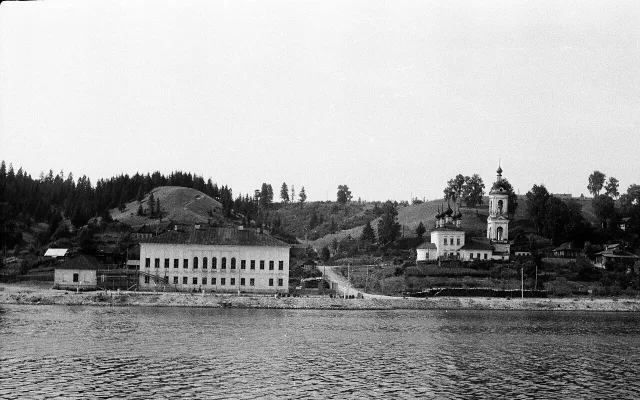
Plyos
A tiny merchant town on the high bank of the Volga, immortalised by the painter Isaac Levitan. The most picturesque small town in Russia, with landscapes that inspired some of the country's greatest artists.
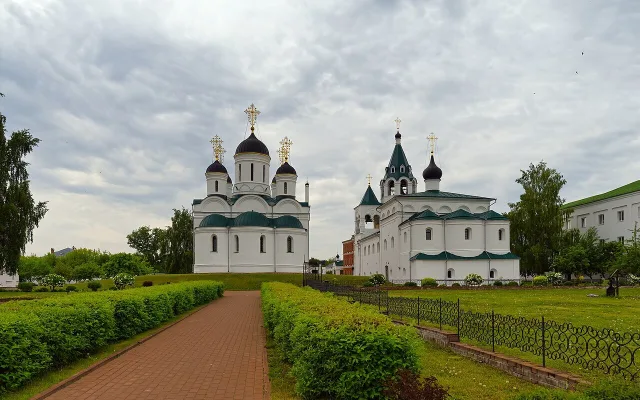
Murom
One of the oldest towns in Russia and the home of the legendary folk hero Ilya Muromets. Monasteries on the high bank of the Oka, carved wooden houses and the atmosphere of the true Russian provinces.
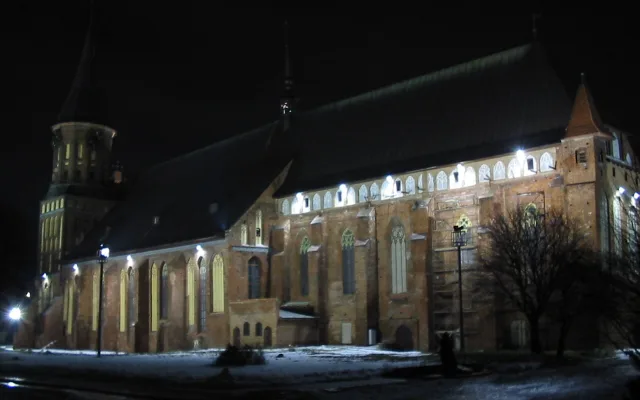
Kaliningrad
The former German Königsberg, the world's largest source of amber and the gateway to the UNESCO-listed Curonian Spit. Gothic architecture, the grave of Immanuel Kant and a scenic Baltic coastline.
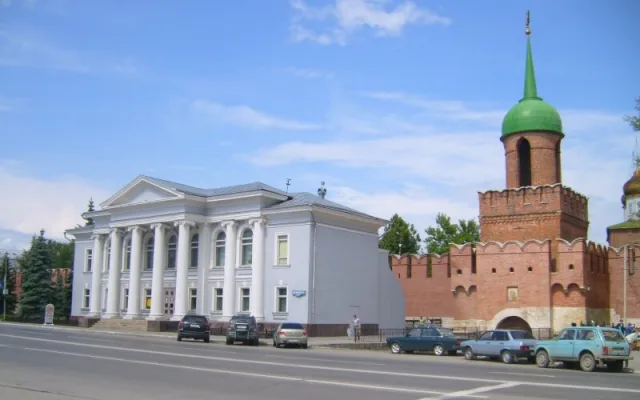
Tula
The city of gingerbread, samovars and weapons, 200 km from Moscow. The Tula Kremlin, the State Arms Museum and the famous Tula gingerbread are enduring symbols of Russian culture.
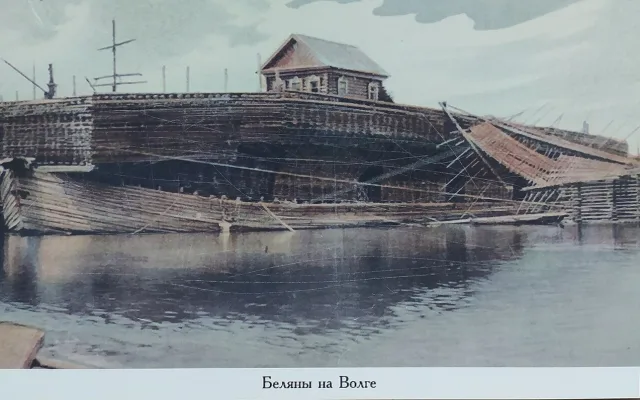
Astrakhan
The gateway to the Caspian lowland, on the Volga just before it enters the Caspian Sea. The Astrakhan Kremlin, famous fishing, the countless channels of the delta and untouched nature.
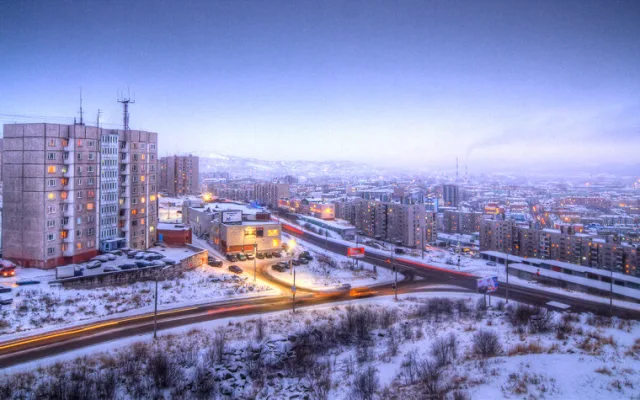
Murmansk
The largest city in the world above the Arctic Circle, on an ice-free inlet off the Barents Sea. Northern lights, the polar day, the nuclear icebreaker Lenin and Arctic cruises.
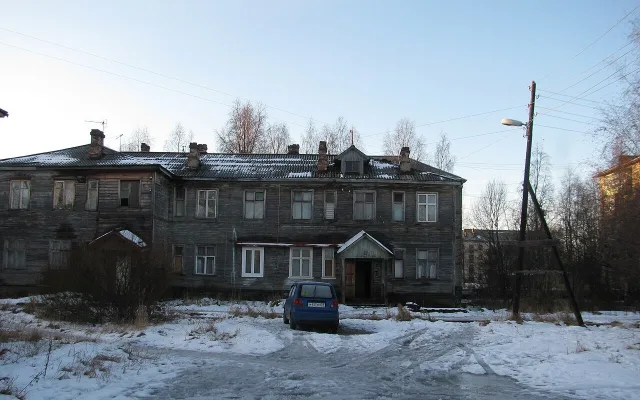
Arkhangelsk
Russia's first maritime trading port, on the White Sea, founded in the 16th century. Malye Korely is the largest open-air museum of wooden architecture in the country.
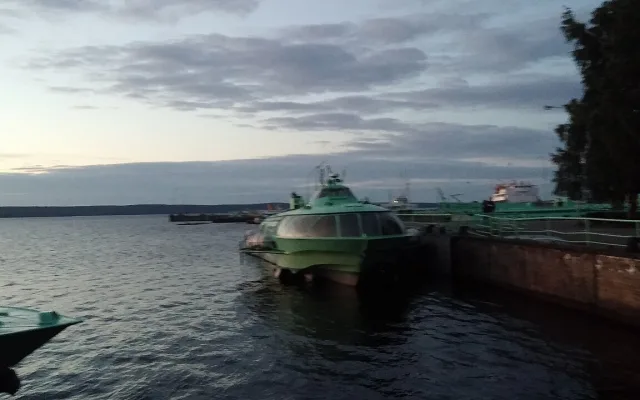
Petrozavodsk
The capital of Karelia on the shore of Lake Onega, the second largest lake in Europe. The gateway to Kizhi Island with its UNESCO-listed wooden masterpieces, to Karelian forests and to waterfalls.
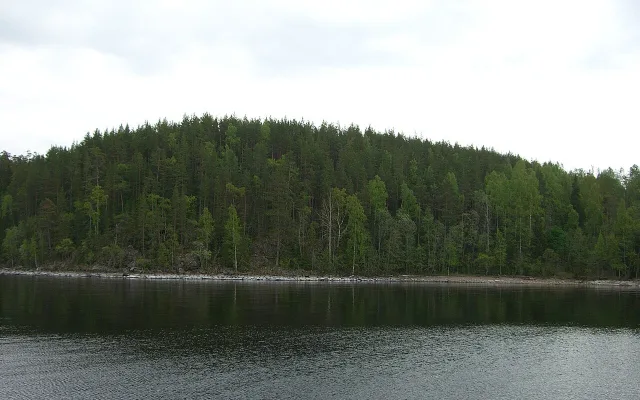
Sortavala
A small Karelian town on the shore of Lake Ladoga with early 20th-century Finnish architecture. The gateway to Valaam Island, a jewel of Orthodox monasticism on Ladoga.
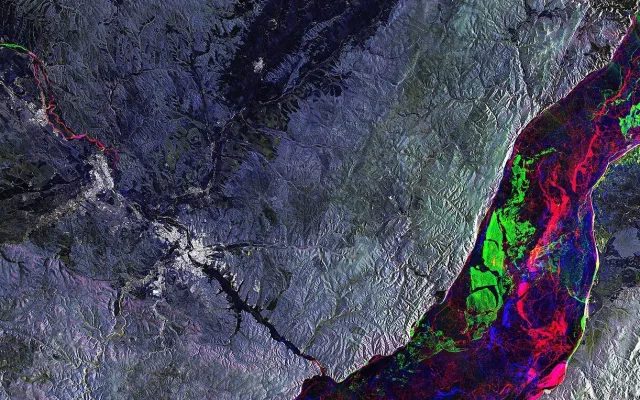
Irkutsk
The "Paris of the East" in Siberia — a wealthy merchant city with 19th-century wooden mansions. The main gateway to Lake Baikal, the planet's largest reservoir of fresh water, 60 km away.
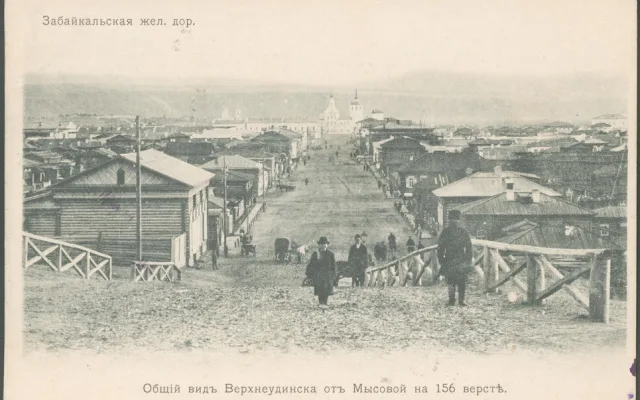
Ulan-Ude
The capital of Buryatia, with a distinctive fusion of Russian Orthodox and Tibetan Buddhist culture. A huge head of Lenin on the main square, and the Ivolginsky Datsan, the leading Buddhist monastery in Russia.
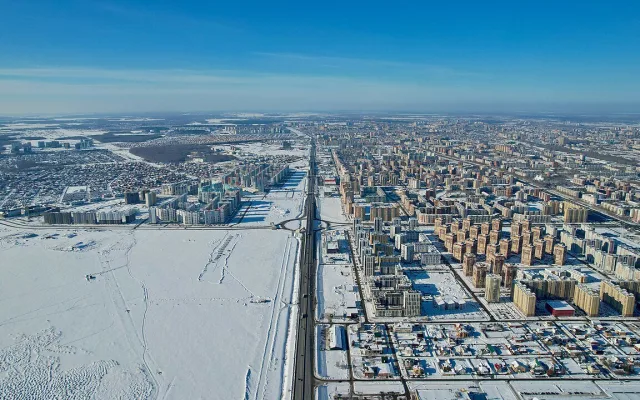
Tyumen
The first Russian town in Siberia, founded in 1586, and today a business centre of the oil region. A handsome embankment on the Tura River, a rich merchant heritage and a growing urban culture.
見どころ
#Marble canyon: in Karelia's Ruskeala park, emerald water sits inside sheer white marble walls that are floodlit in the evening.
Valley of the Geysers: in Kamchatka the helicopter excursion is what to book, taking you over fountaining springs inside the craters of active volcanoes.
Chuysky Trakt: if you want to know where to go for the best driving views anywhere, it is this Altai highway with its passes, Geyser Lake and Martian-red hills.
Kivach waterfall: what to see in Karelia in a single day is this heavy cascade inside the nature reserve, plus the arboretum of rare Karelian birch.
Plyos: the Volga town trades on the landscapes Levitan painted and its cosy dachas, though be warned that room rates here are often badly inflated.
Sergiev Posad: the Trinity Lavra is worth the stop for the genuine Rublev iconostasis, but be ready for long queues and crowds of pilgrims.
Volcano museums: at the Vulkanarium in Petropavlovsk you can literally touch real lava, an easy win if you only have a day in the city.
Patmos rock: at Chemal in Altai a tiny church sits on an island in the Katun, reached by a narrow suspension bridge strung over the drop.
物価
#Currency: the ruble is the only currency in circulation, and prices in shops, on transport and in museums are always quoted in it.
Cards: payment cards issued outside the country are not accepted anywhere, and foreign cards will not work in ATMs either. Plan the whole trip on cash you bring in and change locally, and expect the domestic Mir system to be the only plastic that works, including in guesthouses deep in Altai or Karelia.
Cash: bring US dollars or euros in clean, undamaged notes and change them at a bank branch rather than a kiosk. Keep small notes on you at all times for ferry crossings in Tutayev, honey bought at an apiary or souvenirs at a country fair.
Tipping: in the big cities around ten percent of the bill is normal in restaurants if the service genuinely pleased you. Nobody will chase you for it, and it is not expected in cafes or taxis.
| Item | Price (USD) |
|---|---|
| Lunch in a cafe | 6.00 |
| Cappuccino | 2.50 |
| Moscow hostel bed | 15.00 |
| Three-star hotel | 70.00 |
| Sapsan train ticket | 35.00 |
| Metro ride | 0.80 |
| Taxi 5 km | 4.00 |
| Litre of petrol | 0.70 |
| Crystal museum entry | 5.00 |
| Altai jeep tour | 80.00 |
| Red caviar (kg) | 45.00 |
| Shawarma in Yelizovo | 3.50 |
| Car hire per day | 40.00 |
| Flight to the Valley of the Geysers | 1300.00 |
| Hermitage ticket | 7.00 |
移動手段
#Getting into the country. International routings mostly run through Istanbul, Dubai, Doha or Belgrade, with onward connections into Moscow and St Petersburg; from North America that means two stops and a long day. Book early for summer, and treat the arrival city as the start of a domestic leg rather than the destination itself.
Flying inside the country. Air travel remains the only quick way to reach Kamchatka, and summer seats are best bought about six months ahead.
Railways. Trains link almost every town on the Golden Ring, and the fast services cover Moscow to St Petersburg in about four hours.
Car hire. In Altai and Karelia a car buys you total freedom, but always film every existing scratch on the bodywork when you take the keys.
Mileage caps. Regional rental firms often impose a hard limit of 200-300 km a day, and every kilometre over that is billed separately.
On the water. In summer ferries and launches work the Volga, and in Tutayev they stand in for the bridge that does not exist.
Taxis. The Yandex and Maxim apps run reliably almost everywhere, and by international standards fares are very cheap.
Buses. Minibuses connect the smaller towns, but timetables shift, so always confirm departure times at the station ticket window.
宿泊
#City hotels. Book at least a month ahead, especially in popular Suzdal, Plyos or Sortavala where the good rooms go first.
Which platform. The big international booking sites are not the tool here; local aggregators such as Avito and Sutochno are how you find comfortable flats directly from owners in any region.
Guesthouses. In Karelia and Altai this is the best way to stay surrounded by forest, with home-cooked breakfasts and the compulsory evening banya.
Kamchatka is different. Rooms in Petropavlovsk cost well above the national average, so budget travellers often base themselves in neighbouring Yelizovo.
Off-season discounts. In March or November rates drop by almost half and availability opens right up.
Deposits. Most private landlords ask for a deposit, returned once they have checked the furniture and appliances at the end of your stay.
Hostels. Both capitals have plenty of genuinely good ones right in the centre, which keeps the accommodation line of the budget small.
Registration. Hotels and guesthouses handle the paperwork for you automatically; if you stay in a private flat for more than a week, ask the host to sort your registration rather than assume it is done.
食事
#Soups. Borscht with sour cream and garlic pampushki is the foundation, served in practically any canteen in any town.
Pelmeni. In the Urals and Siberia these dumplings are a cult, and you will find versions with venison, bear or local river fish.
One thing not to do. In Kamchatka never buy caviar or crab from people selling by the roadside; go to the official city markets instead.
Regional specialities. In Kazan try the triangular echpochmak pastries, and in Karelia the open rye tarts called kalitki.
Sweets. Chak-chak and Tula gingerbread are the classic edible souvenirs, they survive a long journey home and everyone likes them.
Fast food. The global chains have been replaced by local brands, and the burgers and fries are still done to a high standard.
Fish. At Lake Teletskoye or Baikal, order fresh grayling or whitefish grilled over coals by someone who does it every day.
Ordering in English. English menus are common in Moscow and St Petersburg but rare beyond them, so photograph the dish names or use a translation app on your phone.
治安
#In the cities. The big cities run thousands of cameras, and street crime rates are among the lowest anywhere you will travel.
Wildlife. In Kamchatka and Altai never leave a marked trail alone; bears are a real and lethal risk, not a talking point.
Roads in the mountains. Be extremely alert on Altai roads, where livestock can be lying on the tarmac just past a blind bend.
Winter cold. Siberian temperatures drop to minus forty, so proper layered thermal clothing is a survival item rather than a comfort.
Car insurance. Take the full cover option on any rental, because gravel thrown up by oncoming trucks smashes windscreens in the mountains regularly.
Scams. Ignore the touts working arrivals halls at airports and order cars only through the official apps on your phone.
Water on the trail. Hiking in Karelia, filter water from open sources however clear and clean it looks.
Before you book. Check your own government's travel advisory for current guidance, make sure your insurance covers the regions you plan to reach, and keep a paper copy of your policy with you.
マナーと文化
#Shoes off. Take your shoes off at the door of any flat or guesthouse; the host will hand you a pair of slippers without being asked.
Dress code. Visiting Golden Ring monasteries, women need a headscarf and a long skirt, and men are not admitted in short shorts.
Smiling. Do not expect polite smiles from strangers in the street, but around a shared table people open up instantly and turn out to be enormously warm.
Banya. The bathhouse is not a way of getting clean but a social ritual, complete with birch whisks and tea, and everyone should try it at least once.
Superstitions. Never whistle indoors and never hand anything across a threshold, unless you want to unsettle whoever you are with.
Toasts. If you are invited to lunch, be ready to listen to and deliver speeches, because drinking without a stated reason is not the done thing.
Tea. An offer of tea is always an invitation to a long, unhurried conversation, and turning it down closes a door you want left open.
Being a guest. Bringing something small, sweets or flowers in an odd number, lands very well; an even number of flowers is for funerals only.
通信・インターネット
#SIM cards. Local SIMs with unlimited data cost almost nothing and take five minutes to buy in any phone shop, with your passport.
Roaming and eSIM. International roaming from a home network is either unavailable or ruinously expensive here, so a local SIM is the practical answer rather than an eSIM bought abroad.
Navigation. Yandex Maps and the 2GIS directory are far more accurate than the foreign equivalents, down to which entrance of a building you need.
Social platforms. Several Western platforms are unreachable without extra software installed in advance, so set that up before you arrive rather than after.
Messengers. Telegram and WhatsApp are the main channel for talking to hosts, drivers and guides, and everyone answers on them.
Network speed. 4G flies in the cities, but in the forests of Karelia or the Altai mountains the signal can disappear for hours at a time.
Apps worth having. Install the RZD app for train tickets and Yandex Go for calling an official taxi in seconds.
Language barrier. Outside the two capitals English is poorly understood, so keep an offline translator on your phone and learn the Cyrillic alphabet enough to read street signs.
会話集
#| English | Russian | Pronunciation |
|---|---|---|
| Hi | Привет | pri-VYET |
| Hello (formal) | Здравствуйте | ZDRAST-vuy-tye |
| Thank you | Спасибо | spa-SEE-ba |
| Please, you're welcome | Пожалуйста | pa-ZHAL-sta |
| Yes / No | Да / Нет | da / nyet |
| How much? | Почём? | pa-CHOM? (slang) |
| Where is the toilet? | Где туалет? | gdye tua-LYET? |
| Hang on a second | Погоди | pa-ga-DEE (slang) |
| Way too expensive | Конский ценник | KON-skiy TSEN-nik (slang) |
| Abandoned building | Заброшка | za-BROSH-ka (slang) |
| Great stuff, quality | Годнота | god-na-TA (slang) |
| Grub, food | Хавчик | KHAV-chik (slang) |
| Crowd, queue | Толпа | tal-PA |
| I don't understand | Не понимаю | nye pa-ni-MA-yu |
| Huh? What? | Чё? | CHYO? (slang) |
| Car, ride | Тачка | TACH-ka (slang) |
| Party, happening | Движ | DVIZH (slang) |
| Mate, buddy | Кореш | KO-resh (slang) |
| Awesome | Зашибись | za-shi-BEES (slang) |
| Ticket, pass | Проходка | pra-KHOD-ka (slang) |
| Nonsense, rubbish | Дичь | DEECH (slang) |
| Sharp, nicely done | Чётко | CHYOT-ka (slang) |
役立つ情報
#Entry paperwork. Travellers from around 55 countries can apply for the electronic visa online, which is issued in about four days and allows a stay of up to 16 days, enough for a classic two-capital route. Check what applies to your own passport well before booking flights.
Seasons. July and August are the window for Karelia and Altai, while the Golden Ring is at its best in the golden autumn of early October.
What to pack. Carry a light down jacket even in summer, because weather in the mountains and by the lakes turns in a matter of minutes.
Closing days. Many museums and restaurants in the small merchant towns shut on Mondays, so build that into the itinerary.
Cash for tickets. Some regional museums still do not take cards at all, so keep small notes in your wallet for entry fees.
Road surfaces. The track to the ancient Girvas volcano, or to the Mars landscapes in Altai, is gravel and will punish an ordinary saloon car.
In an emergency. The number 112 connects everywhere, even when your own operator has no signal, so commit it to memory before you set off.
Border permits. Some border districts of Altai require a permit arranged in advance, so check the status of any route close to the frontier before you drive it.
よくある質問
#Travellers from about 55 countries can apply for an electronic visa online, usually issued within four days and good for a stay of up to 16 days. Longer trips need a standard visa, so check the rules for your own passport before you book anything.
Cards issued by foreign banks are not accepted for payment and will not work in ATMs. Bring cash in US dollars or euros and change it at a bank branch, because the domestic Mir system is the only card network that functions.
Budget roughly 1,200 to 2,000 dollars per person for a week, including the domestic flight from Moscow. The big line items are the airfare, jeep hire and the helicopter excursion to the active volcanoes.
Summer suits boat trips and the waterfalls, while February and March deliver ice caves and snowmobiling. Avoid the shoulder seasons, when tracks to the waterfalls and lakes are often washed out by rain.
Yes, the main federal highway is fully surfaced and in excellent condition. For the side roads to remote lakes and canyons you will want a proper all-wheel-drive vehicle rather than a standard hire car.
In small towns like Suzdal choose a family guesthouse with a home-cooked breakfast. In bigger hubs like Vladimir renting a flat through a local platform is cheaper and more practical.
In June many mountain passes are still under snow and helicopters are often grounded by low cloud. August is the ideal month, when the whole peninsula is open for independent trekking.
Effectively no — flying is banned or out of reach for tourists. Because of the war most regions have UAV flight bans in force and launching a drone leads to detention. The peacetime rules — Rosaviatsia registration above 150 g and local permission to fly over a city — are of little practical use right now. Rules for other countries are in the drone ranking by country.
更新日
The data on this page goes out of date. Visa rules and permitted stays, border requirements, prices and budgets, transport and local conditions all change fast, and we do not re-check every page every day. We show the date of our last check where we have one, but before you travel, verify with official sources: the country’s consulate, its immigration service, its e-visa portal and your carrier.