
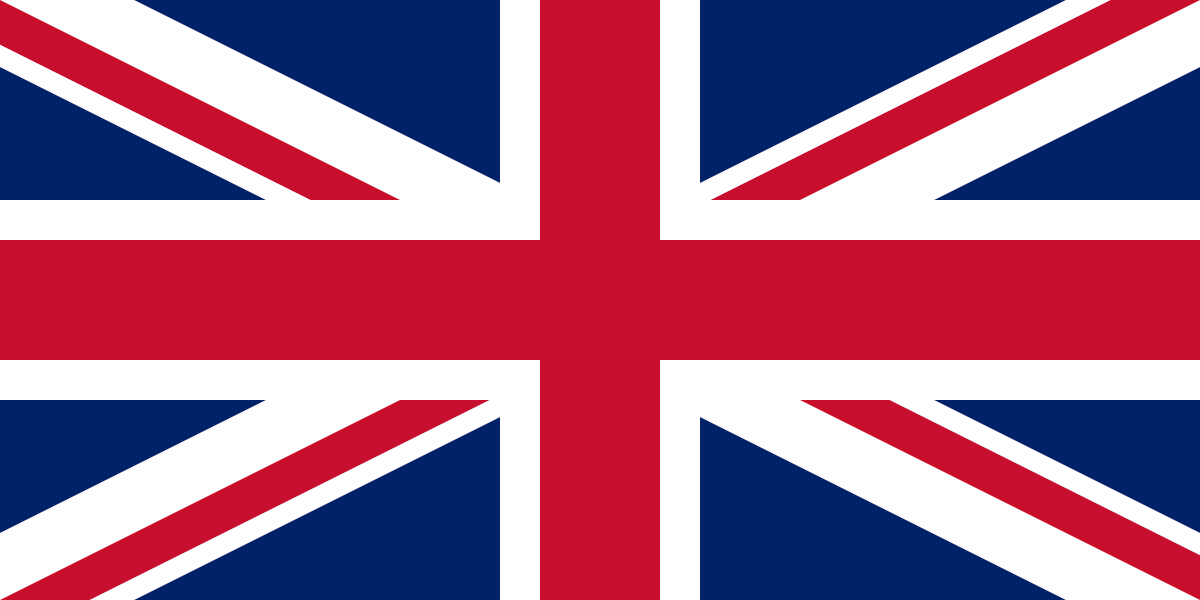
United Kingdom
The country of Shakespeare, the Beatles and red double-decker buses. From cosmopolitan London to the Scottish moors, from Welsh castles to Yorkshire pubs, Britain combines centuries of tradition with a thoroughly modern energy.
どこへ行く
#
London
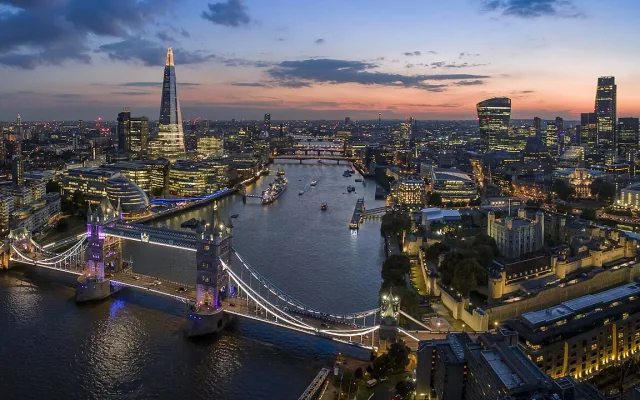
London is a city in the United Kingdom known for historic and cultural landmarks such as Big Ben, Tower Bridge and Tate Modern.
Edinburgh
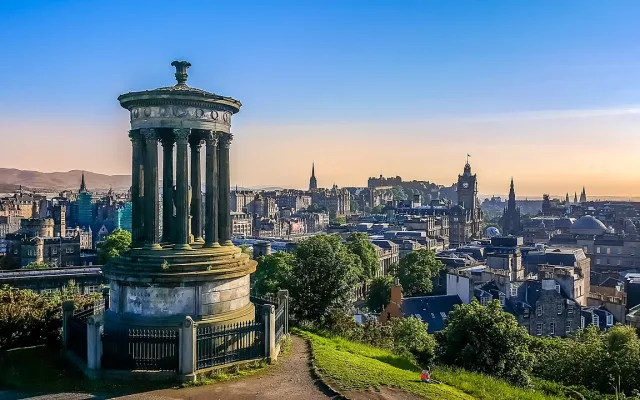
Edinburgh is the capital of Scotland, known for its historic castle looming over the city. The famous Royal Mile is here, and the Fringe festival takes place every August.
Manchester
Manchester is a city in northern England, known for its industrial history, its thriving independent music scene, and two famous football clubs. The city is also home to the regenerated Salford Quays district.
Bath
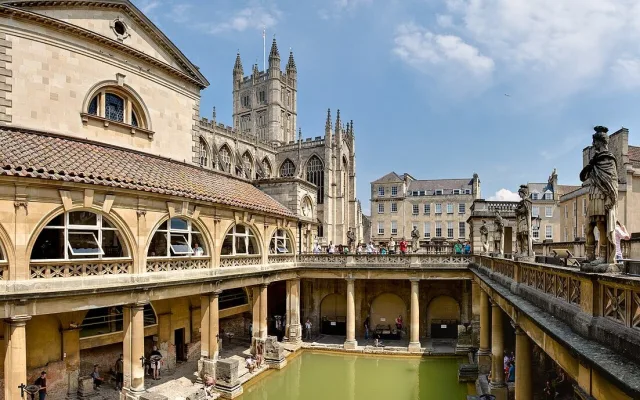
Bath is a UNESCO-listed city known for its Roman baths, the Georgian sweep of the Royal Crescent and its associations with Jane Austen.
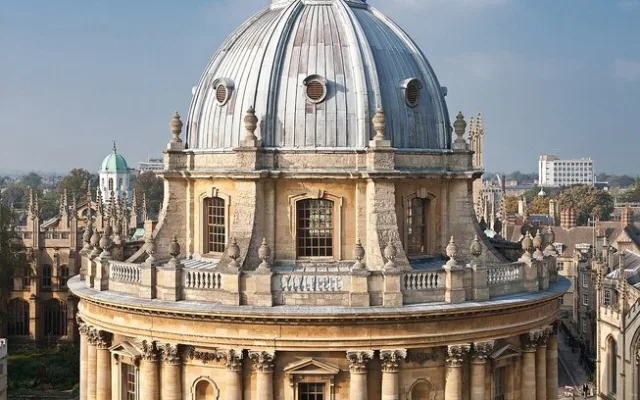
Oxford
Oxford is known for the oldest university in the English-speaking world, with its medieval colleges, the Bodleian Library and punting on the Thames.
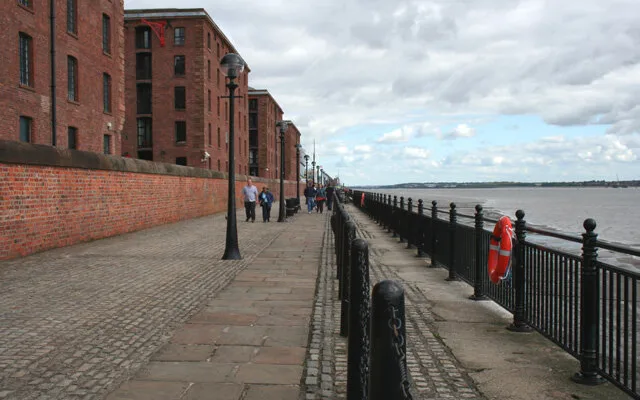
Liverpool
Liverpool is the city known as the birthplace of the Beatles. Its landmarks include the Albert Dock and the Cavern Club, and it is home to two famous football clubs.
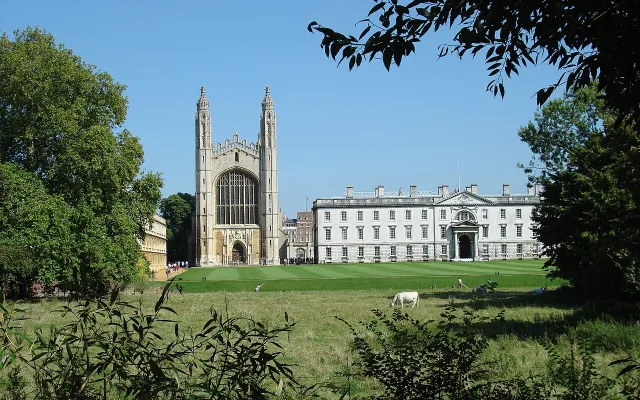
Cambridge
Cambridge is a city in the United Kingdom known for its historic and academic landmarks, such as King's College Chapel and the Mathematical Bridge. Punting on the River Cam is a popular pastime here.
見どころ
#Museums: In London the free national collections are the obvious starting point, above all the British Museum and Tate Modern. It is the best way to spend time with world-class art without spending a pound.
The fortress: The Tower of London is worth a trip for the Crown Jewels and the stories of its more famous prisoners. Buy tickets online to skip the queue and save the time for walking the riverside.
Megaliths: Stonehenge gets called overrated because of the crowds and the fencing, but the stones still land. If you go, take the earliest slot of the day, before the coach tours arrive.
Wilderness: The Scottish Highlands are what to see for bleak mountains and lonely castles. Loch Ness and the Isle of Skye are best done in a hire car so you are not tied to a guide's schedule.
History: Westminster Abbey is the heart of the country, where monarchs have been crowned for a thousand years. Pairing it with the Houses of Parliament next door is the minimum plan for any first-time visitor.
Views: The London Eye only really pays off on one of the rare clear days, otherwise you are looking at grey. The free viewing decks in the City skyscrapers are the underrated alternative.
物価
#Currency: The pound sterling remains one of the world's more expensive currencies, and small change is barely needed because Britain has gone almost entirely cashless.
Cards: Contactless is accepted everywhere, from street markets to village pubs. You can tap a phone or a card straight onto a bus reader for a single fare. Visa and Mastercard are universal; Amex is accepted in chains and hotels but rejected by plenty of independents.
Getting cash: Free-to-use ATMs are common in supermarkets and on high streets, while machines in tourist areas often charge. A Wise or Revolut card avoids most conversion mark-ups and works fine everywhere.
Tipping: Restaurants frequently add a service charge of 12.5% to the bill, in which case nothing further is expected; check before you tip twice. At a pub bar, tipping is simply not a custom.
Budgeting: London is materially more expensive than the rest of the country, and prices drop sharply once you head north or west.
| Item | Price (USD) |
|---|---|
| Pint of beer in a pub | 9 |
| Fish and chips | 15 |
| Fast food lunch | 12 |
| Restaurant dinner | 45 |
| Supermarket meal deal | 6 |
| Latte | 5 |
| Night in a B&B | 120 |
| London hotel room | 250 |
| Tower of London ticket | 45 |
| Train to Edinburgh | 60 |
| Tube ride | 3.5 |
| Tube daily cap | 11 |
| Bus ride | 2.3 |
| SIM card with data | 18 |
| Stonehenge ticket | 29 |
移動手段
#Trains: Fast, comfortable and genuinely expensive between cities. Booking Advance fares eight to twelve weeks ahead on the operators' own websites cuts as much as 70% off the price.
The Tube: In London, tap a contactless card or an Oyster rather than buying paper tickets. The system counts your daily spend and stops charging once you hit the cap, so late journeys ride free.
Buses: The famous double-deckers cost 1.75 pounds a ride, and the Hopper fare lets you change buses as often as you like within an hour on that single payment.
Pink readers: If your Tube journey avoids Zone 1, touch the pink validators on the interchange platforms. That proves your route to the system and drops the fare.
Peak hours: London fares rise on weekdays from 06:30 to 09:30 and again from 16:00 to 19:00. Shifting your journeys outside those windows makes a real difference to a week's transport budget.
Arriving and flying internally: London is one of the world's busiest gateways, with nonstop flights from every major European city and from New York, Los Angeles and beyond; Manchester and Edinburgh take plenty of long-haul traffic too. Domestically, a flight from London to Edinburgh or Belfast often costs less than the train, so check EasyJet and Ryanair, factoring in the trip out to the airport.
宿泊
#Bed and breakfast: The most characterful option is a proper B&B, with a homely room and a large traditional cooked breakfast that removes any need to think about lunch.
Room sizes: Be ready for British city hotel rooms to be very small. Older buildings often come with steep narrow staircases and no lift at all, which matters if you are carrying luggage.
Chains: For predictable quality at a sane price, Premier Inn and Travelodge are the reliable choices. They offer the basics without frills and are usually very well placed for the station.
London areas: For a first visit, King's Cross or Paddington work well because of the transport links. If the budget stretches, Kensington gives you quiet streets and the royal parks on your doorstep.
Book early: In Scotland and the popular tourist towns, summer rooms are taken by the previous winter. Do not leave the search until the last minute, because peak-season prices can multiply several times over.
Small print: Cheaper guesthouses may have no central heating, and separate hot and cold taps are still a thing in older bathrooms. Read recent reviews about the wifi before you commit.
食事
#Breakfast: The Full English of bacon, sausage, eggs and beans is a national institution. It is also the most dependable way to eat properly for sensible money in any cafe or guesthouse.
Sunday roast: On a Sunday, get to the nearest pub for a roast. Roasted meat, potatoes and Yorkshire pudding form the main family meal of the week and the pubs take it seriously.
Cheap fuel: The cheapest lunch in the country is the meal deal at Tesco or Sainsbury's, where a fixed price buys a sandwich, a drink and a snack. It is the standard move for eating on the move.
Fish and chips: Worth eating properly in a seaside town, where the fish is genuinely fresh off the boat. In central London the same dish is often greasy and unjustifiably expensive.
Curry: Indian food has been naturalised in Britain for generations and the curry here is excellent. Chicken tikka masala is a good bet if you want something spiced and filling in a cheap restaurant.
Pub grub: Pub food is simple and honest: pies, burgers, mash. It is the right setting for an unfussy dinner, and portions tend to please even a properly hungry traveller.
治安
#Overall: Safety levels are high and you can walk central streets late in the evening without any real worry. The police are approachable and used to helping visitors with directions and questions.
Pickpockets: Thieves work the London Underground, particularly at busy central stations. Never leave a bag on the floor in a pub, and do not put your phone on the edge of an outdoor cafe table.
Football days: On match days the atmosphere around stadiums and in sports pubs can get heated. Avoid arguing with fans and think twice about wearing team colours if you are not going to the game.
Health cover: The NHS is free for residents, not for visitors, so treatment will be billed to you. Insurance matters here, because even a straightforward consultation costs a great deal.
Traffic: The biggest practical hazard is left-hand traffic. Look right first when crossing, and take note of the painted instructions on the road at crossings in tourist areas.
At night: In big cities, avoid wandering poorly lit outer districts on your own. Central London and Edinburgh are safe, but ordinary common sense still applies, and it is worth checking your own government's travel advisory before you go.
マナーと文化
#The queue: Queuing is close to sacred, so never try to push forward or slide in at the side. Breaking this unwritten rule reads as extraordinary rudeness and will provoke real anger.
Politeness: Sorry is used constantly and for everything, including when someone else walks into you. Attach please to every request; it is the key to getting a warm response from staff.
Pubs: These are not just bars but the centre of social life, where striking up a conversation at the bar is normal. You order and pay at the bar yourself rather than waiting for table service.
Tea: Tea drinking is everywhere, with milk, five times a day. Afternoon Tea with sandwiches and cakes in a grand hotel is expensive but genuinely enjoyable as an occasion.
Humour: People here prize dry irony and will happily mock themselves and you. If a Brit says things are not bad, that can mean he is completely delighted with his life.
Nations: Do not confuse England with Scotland or Wales, which can genuinely offend. Each has its own pride, traditions and accent, and the accents take some getting used to.
通信・インターネット
#SIM cards: Pick up a giffgaff or EE SIM at the airport or the first phone shop you pass. Ten to fifteen pounds buys a data bundle that easily covers navigation and messaging for a fortnight.
eSIM: If you would rather arrive already connected, an eSIM from Airalo or a similar provider covers the UK well. It also saves you swapping cards if you are continuing on to Europe.
Apps: Citymapper is the best tool for moving around British cities, more accurate than the alternatives on routes, arrival times and fares in real time.
Wifi: Free wifi is in almost every cafe and many pubs, plus the Tube stations. Onboard internet on intercity trains is often flaky, so download your maps before you board.
Emergency calls: Dial 999 for any service and remember it. Operators work in English and can bring in an interpreter if needed.
Tickets: The Trainline app is close to essential for independent rail travel, letting you buy without queuing and telling you the platform number faster than the departure board does.
会話集
#| English | British English | Pronunciation |
|---|---|---|
| Hi, friend | Alright, mate? | or-RITE mayt |
| Thanks | Cheers | cheers |
| Excuse me | Sorry | SOR-ee |
| Please | Please | pleez |
| A pint of lager | A pint of lager | a pynt ov LAH-ger |
| A half | Half a pint | haff a pynt |
| That's suspicious | That's dodgy | thats DOJ-ee |
| Toilet | Loo | loo |
| Exhausted | Knackered | NAK-erd |
| A pound (money) | Quid | kwid |
| Time for the pub | Pub o'clock | pub o-KLOK |
| Excellent | Brilliant | BRIL-yant |
| Lovely | Lovely | LUV-lee |
| Something's off | Fishy | FISH-ee |
| Nonsense | Bollocks | BOL-oks |
| Drunk | Pissed | pist |
| Pub food | Pub grub | pub grub |
| Mind the step | Mind the gap | mynd tha gap |
| The bill, please | Bill, please | bil pleez |
| Fancy a tea? | Fancy a cuppa? | FAN-see a KUP-a |
役立つ情報
#Your embassy: Nearly every country keeps its mission in London, most of them clustered in the diplomatic quarter. Note the duty number before you travel; it is the first call if you lose your documents or run into a serious problem.
Plugs: Britain uses the chunky Type G plug with three flat pins. Buy the adaptor before you fly or at the first electronics chain you see, rather than at the airport at a mark-up.
Bank holidays: On public holidays transport runs to a reduced timetable and many shops close. Check the calendar of bank holidays for the year before you fix your route.
Railcards: If you are under 30, get a Railcard online for train and Tube travel. It knocks 33% off fares and pays for itself on a single long trip up to Scotland or York.
Tap water: British tap water is safe to drink straight from the tap with no treatment. Refilling a bottle saves both plastic and a surprising amount of money over a fortnight.
Live travel info: For accurate planning in London, use the official tfl.gov.uk. It tells you about engineering works on Tube lines and bus delays before you leave the hotel.
よくある質問
#Yes, if you care about the price. Advance fares released eight to twelve weeks before departure can be up to 70% cheaper than buying at the station on the day, and the cheapest ones sell out first.
Pay with a contactless card or an Oyster rather than paper tickets, which triggers the automatic daily cap after which travel is free. Avoid the weekday peaks and remember to touch the pink readers when you interchange outside Zone 1.
June and September are the sweet spots, with the most reliable weather and long daylight hours. August is pricier because of the festivals, and the Highlands get badly overrun with midges.
Flying is often cheaper, especially with EasyJet or Ryanair booked ahead. Add the cost and time of getting out to the airport at both ends before deciding, because the train drops you in the city centre.
In restaurants a service charge of around 12.5% is usually already printed on the bill, and if it is there you do not add anything more. At a pub bar, tipping is not part of the culture at all.
Yes, everywhere, without boiling or filtering. Carrying a refillable bottle is normal and saves you a fair amount over a week of sightseeing.
Very, by international standards; walking central streets late is unremarkable. The realistic risks are pickpockets on the Underground, heated crowds around football grounds on match days and forgetting that traffic comes from the right.
Sleeping in a chain hotel, eating meal deals and pub food and using the daily transport cap, budget roughly 150 to 200 dollars a day for one person. Outside London the same day costs noticeably less, mostly because of the room.
Yes, but with restrictions. Registration is mandatory for drones from 250 g — lighter models can fly without it. You also need to pass a test and hold a pilot certificate. You need an Operator ID (paid registration, from 250 g or for any drone with a camera) and a Flyer ID — a free online test. Both are issued on the CAA website. Keep 150 m away from crowds and built-up areas. Rules for other countries are in the drone ranking by country.
No — your national licence is accepted for a car. Traffic drives on the left. Car rental starts at 21. Foreign licences are valid for visits up to 12 months and no IDP is needed. A 125 cc scooter needs category B plus CBT training. Rules for other countries are in the driving and rental table.
You can rent a bike and your national licence is enough. A scooter up to 125 cc can be ridden on category B; anything bigger needs category A. A helmet is compulsory. Bike rental usually starts at 21. Rules for other countries are in the driving and rental table.
更新日
The data on this page goes out of date. Visa rules and permitted stays, border requirements, prices and budgets, transport and local conditions all change fast, and we do not re-check every page every day. We show the date of our last check where we have one, but before you travel, verify with official sources: the country’s consulate, its immigration service, its e-visa portal and your carrier.