
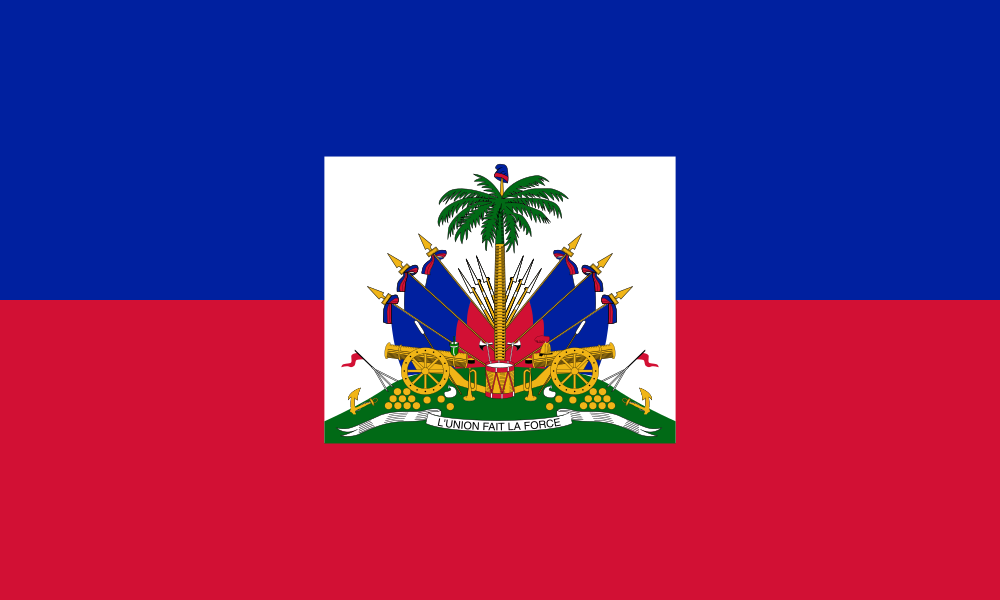
Haiti 치안
독립적인 네 가지 지수로 만든 평가, 그리고 사기 수법과 법률, 문제가 생겼을 때의 대처
지수가 반영하지 못하는 요인으로 평가를 낮췄습니다: foreigners are targeted for kidnapping
지수 확인일: 10.08.2026
구체적으로: gangs control most of Port-au-Prince.
Insurance normally excludes incidents in a war zone, and evacuation from one is entirely your own affair.
세계 지수에서의 순위
출발 전에 적어 두세요
전반적인 상황
The overall picture: Travel to Haiti is not advisable at present. The country is in a humanitarian crisis with large areas outside any effective law enforcement, and you should read your own government's travel advisory before considering a trip.
Gangs: Armed coalitions control as much as eighty per cent of the capital, including major transport junctions and the ports. Control of specific districts shifts week to week, so yesterday's safe route means nothing today.
Districts: Avoid Cite Soleil and Martissant entirely, along with the roads leading to the international airport. There is no version of these areas that is safe for a visitor.
Kidnapping: Foreigners are a priority target for ransom, with demands running into very large sums. This risk applies to aid workers and journalists as much as to tourists.
Highways: Intercity roads are patrolled by armed groups carrying out robberies and vehicle seizures. Nobody should be moving between cities after dark, and many routes are unwise at any hour.
Emergency response: State rescue and police services cannot guarantee safety even for diplomatic staff. Plan on the assumption that no official help will arrive quickly.
관광객이 당하는 사기 수법
Haiti is in a humanitarian and security crisis. Virtually every government advises against travel there under any circumstances and urges departure where possible.
What is happening. A large part of Port-au-Prince and the surrounding area is controlled by armed groups. Kidnapping for ransom is widespread practice, directed among others at foreigners and humanitarian workers. The airport closes periodically because of gunfire, and overland roads are blocked.
The humanitarian situation. Millions need assistance, famine conditions have been recorded in some areas, and a large share of the population is displaced. Infrastructure is destroyed and electricity and water are limited.
Practical realities. International cards work poorly and the economy runs on cash. Fuel is short and communications unreliable.
Consular assistance. Several countries have evacuated embassy staff. Capacity to help a citizen is extremely limited.
Insurance. No standard policy covers Haiti.
벌금이나 구금으로 이어지는 행위
There is no law enforcement in the ordinary sense. State institutions are weakened and the police do not control much of the capital's territory. The judicial system functions on a limited basis.
Kidnapping is the defining risk. Not a rare incident but a systemic economy: people are taken in the streets, near the airport and at checkpoints, in broad daylight included. A foreigner is a priority target.
Movement. Intercity roads are blocked by groups and checkpoints are informal. Independent travel is impossible.
Photography. Film nothing: not people, not checkpoints, not destruction.
Drugs and weapons. The law is formally strict; in practice, in territory held by armed groups, law does not operate.
The airport. International air service has been interrupted for extended periods. Plan departure with a large margin and alternatives.
For a citizen currently in the country. Register with your consulate, follow organised evacuation corridors, and do not travel unnecessarily.
건강: 예방접종, 약, 진료
The healthcare system has collapsed. Hospitals have closed because of attacks and lack of supplies. Medical staff have left. Obtaining care in the country is extremely difficult.
Cholera. The outbreak resumed in 2022 after several years' absence and continues against a background of destroyed water supply. It is one of the country's main health threats.
Vaccinations. Hepatitis A and B, typhoid, rabies and diphtheria. A yellow fever certificate is required from arrivals out of endemic countries.
Malaria and dengue. Present; Haiti is one of the few Caribbean countries with local malaria transmission.
Water. Unsafe everywhere.
Evacuation. Effectively impossible by ordinary means: air service is interrupted and insurers do not operate.
Earthquakes and hurricanes. The country is extremely vulnerable: the 2010 earthquake killed hundreds of thousands, hurricanes arrive regularly, and recovery infrastructure is absent.
경찰: 어떻게 대응할까
Haiti sits at the very bottom of global rankings for safety and the rule of law.
Who controls the ground. Armed groups control much of Port-au-Prince. The national police are undermanned and cannot cope. An international security support mission deployed with limited effect.
Kidnapping. The main and defining risk to any foreigner.
Consular assistance. Extremely limited; embassies have operated on reduced staffing or evacuated.
Where people definitely do not go. Port-au-Prince and the surrounding area, and the roads north and south out of the capital. Conditions in the provinces are better, but the logistics run through the capital.
What actually matters. Haiti is not a tourist destination. This section exists to give an honest answer to someone looking for information about a trip: travel is not possible at present, and that is the consensus of everyone monitoring the situation rather than over-caution.
함께 확인할 것
업데이트
평가는 공개된 국제 지수와 각국 외교부의 여행 정보를 바탕으로 하며, 원자료 링크는 위 카드에 있습니다. 상황은 연례 보고서보다 빠르게 바뀝니다. 출발 전에 최신 안내를 확인하세요.