 Города и дороги
Description
A city of contrasts — golden temples, street food, markets and nightlife.
Wiki
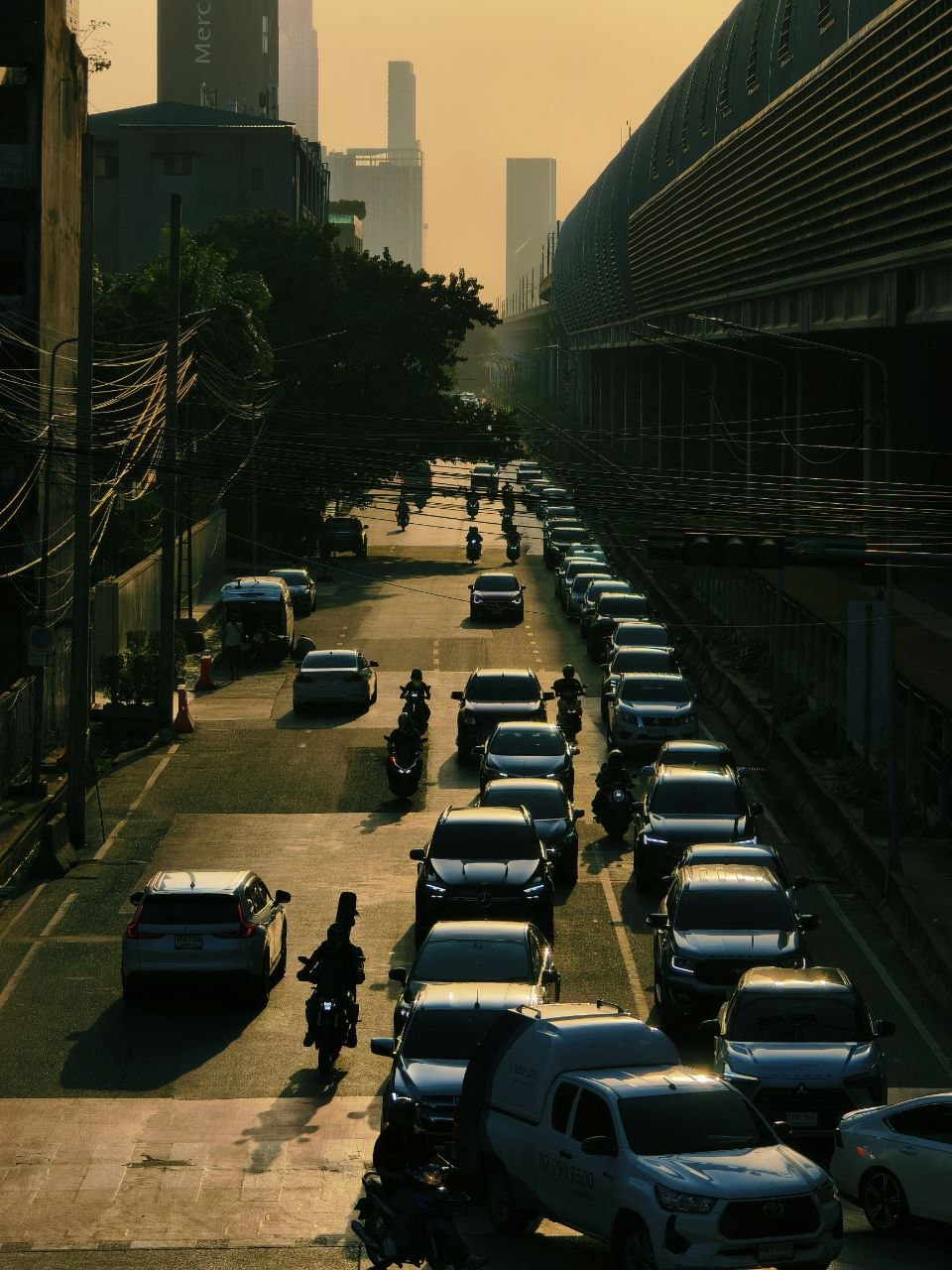
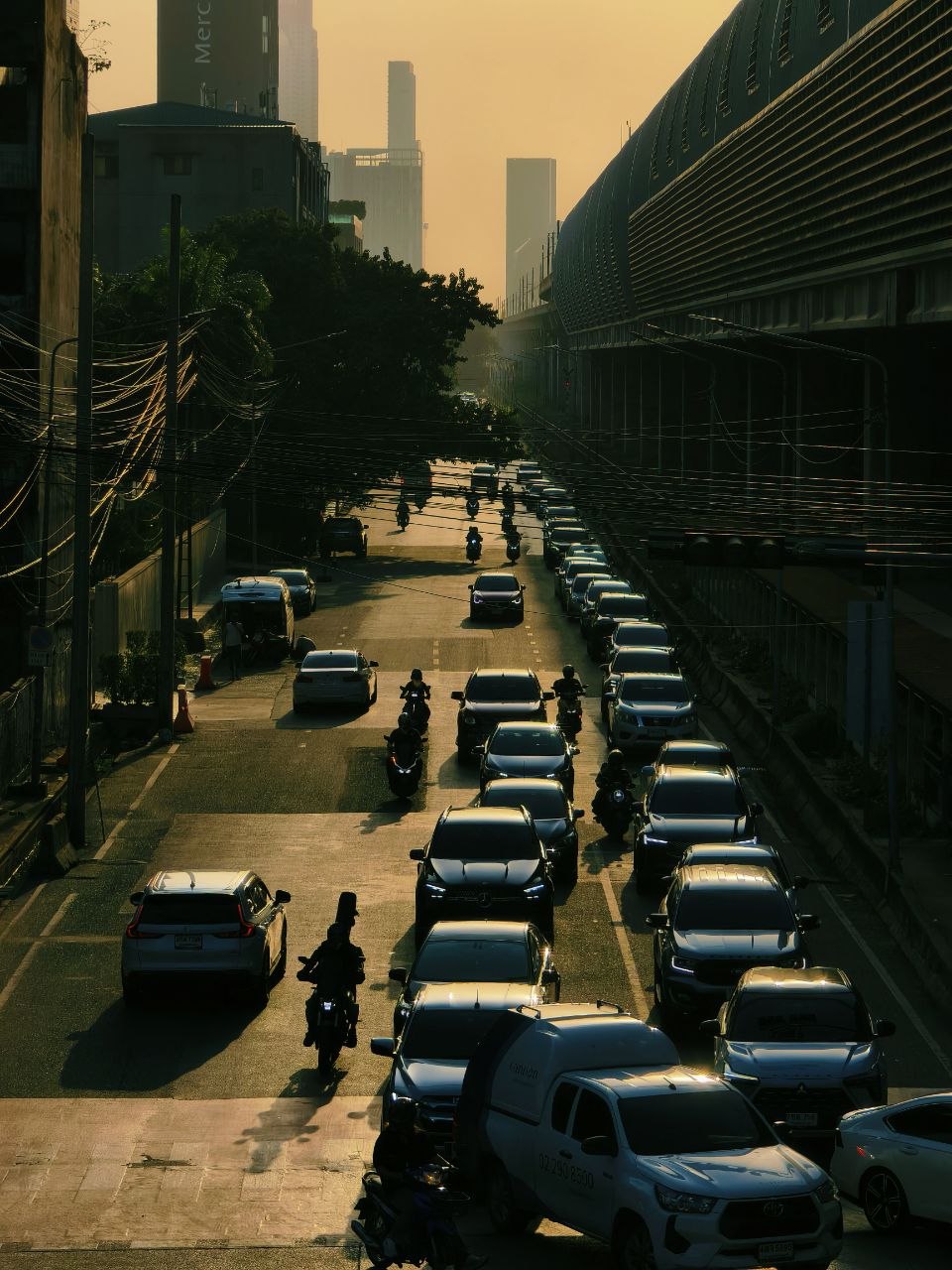
Bangkok is the largest city and the capital of Thailand, where the gilded roofs of Buddhist temples stand on one bank of the muddy Chao Phraya while glass towers of the business district rise on the other. It is a noisy, hot and extraordinarily alive metropolis, worth seeing at least once to understand the contrasts of South-East Asia.
General information about Bangkok
The city's official Thai name is Krung Thep Maha Nakhon, one of the longest place names in the world. Around 11 million people live in the metropolitan area. The city stands in the delta of the Chao Phraya, and the climate is tropical: a hot season (March–May), a rainy season (June–October) and a relatively cool dry season (November–February), which is the best time to visit. The official religion is Theravada Buddhism, hence the abundance of temples (wats) and of monks in orange robes. The currency is the Thai baht (฿).
Getting to Bangkok
The main air hub is Suvarnabhumi International Airport, from which the Airport Rail Link runs into the centre (about ฿45, roughly 30 minutes to Phaya Thai station). Low-cost carriers more often land at Don Mueang airport in the north of the city. From neighbouring countries and around Thailand, trains and intercity buses are convenient. To move around the city, use the elevated BTS Skytrain and the underground MRT (fares roughly ฿16–60), along with the express river boats on the Chao Phraya — a quick way to get around the traffic jams.
Main sights
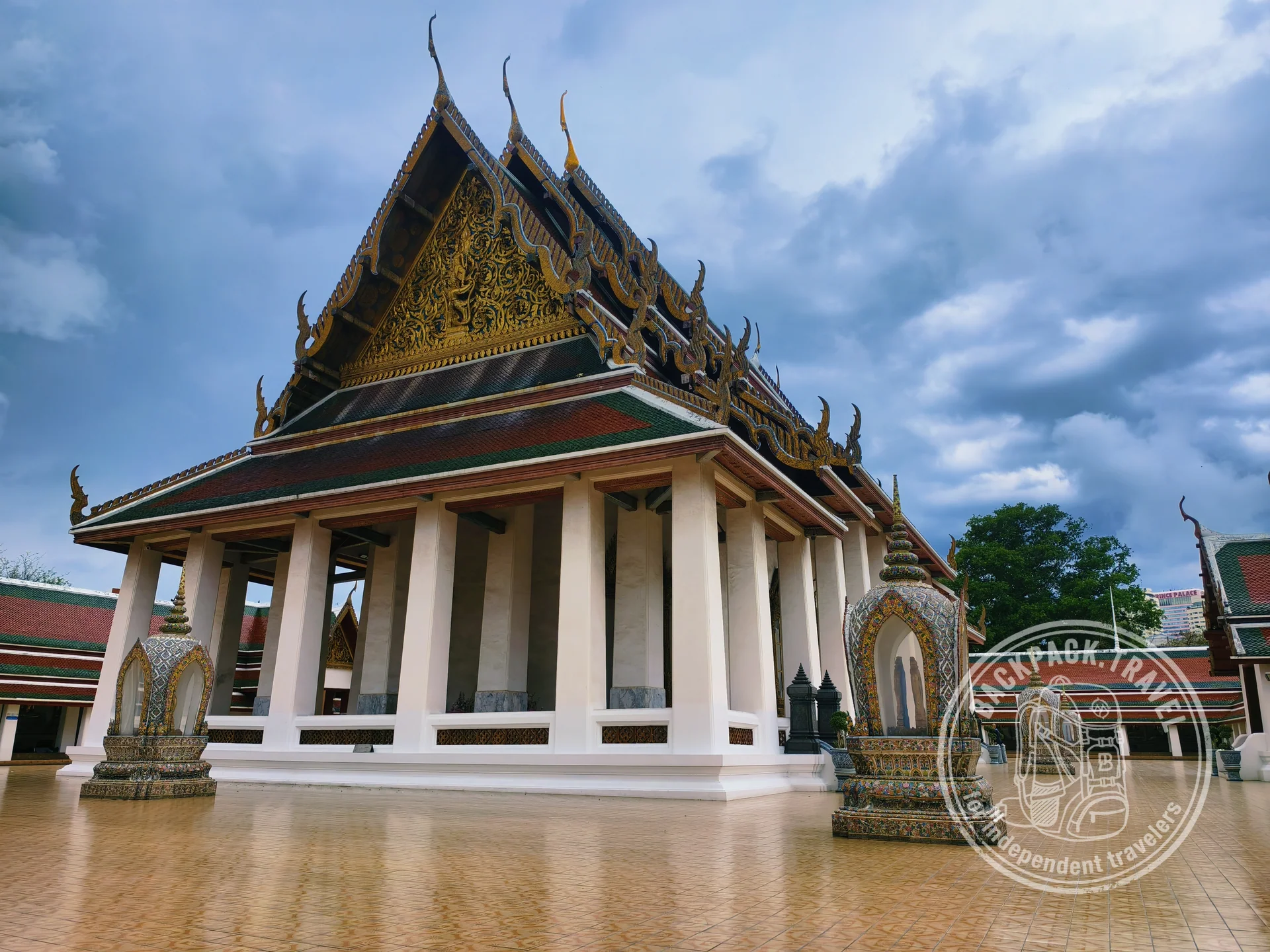
- The Grand Palace — the former residence of the kings of Siam, a ceremonial ensemble of pavilions, throne halls and gilded stupas. Strict dress code: shoulders and knees covered.
- The Temple of the Emerald Buddha (Wat Phra Kaew) — the country's chief shrine, inside the palace grounds; the Buddha figure is carved from a single block of jade.
- The Temple of the Reclining Buddha (Wat Pho) — a gilded Buddha 46 m long; the oldest school of Thai massage is here too.
- The Temple of Dawn (Wat Arun) — a prang tower on the west bank of the river, decorated with porcelain mosaic; it is at its finest at sunset.
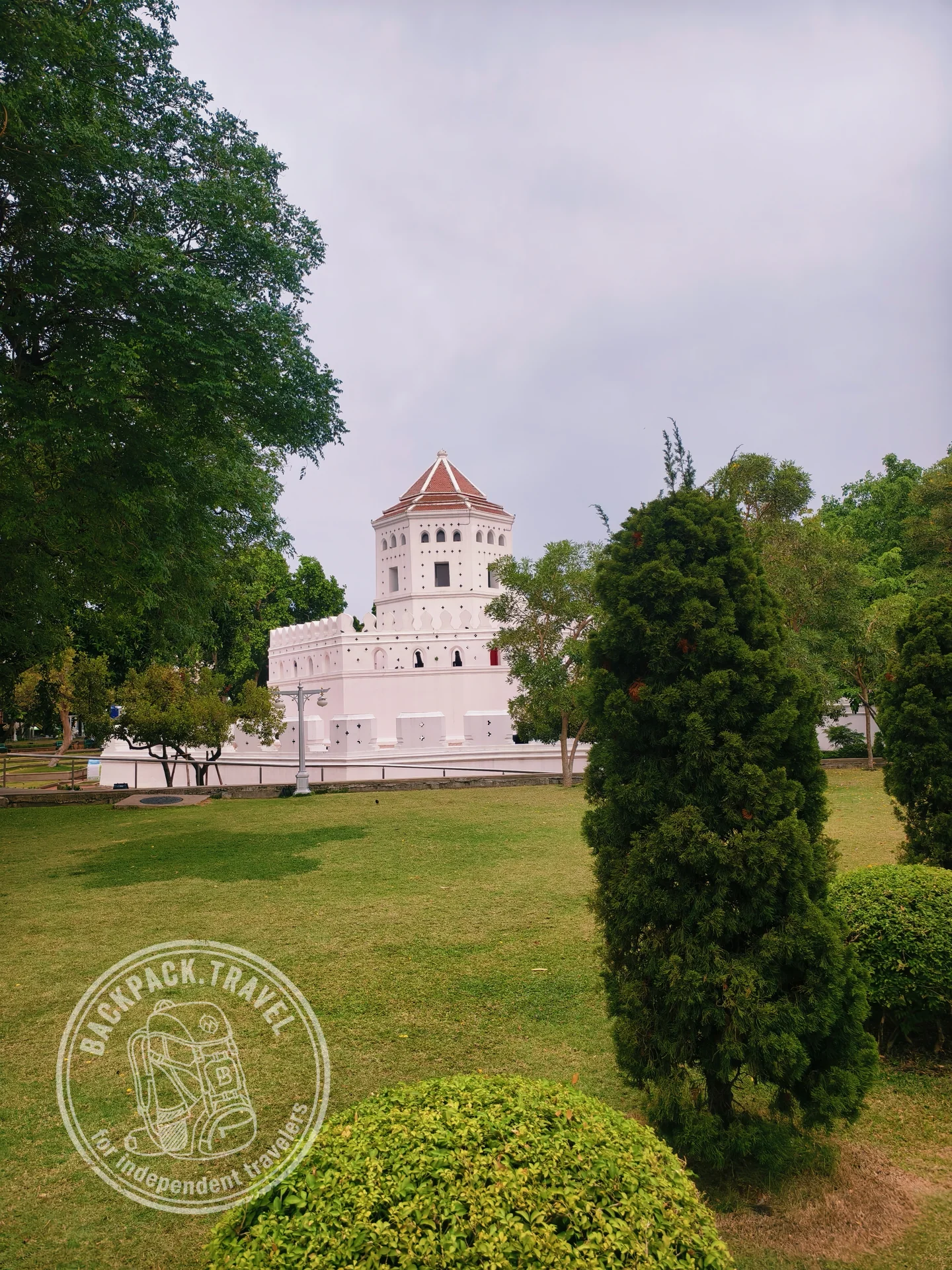
- The Golden Mount temple (Wat Saket) — a man-made hill with a golden stupa and a panorama of the city.
- The Temple of the Golden Buddha (Wat Traimit) in Chinatown — a statue of solid gold weighing more than 5 tonnes.
- MahaNakhon — a skyscraper with a "pixelated" edge and the SkyWalk observation deck.
- The Jim Thompson House — a museum of traditional Thai architecture and a collection of silk.
Districts and markets
Khao San Road is the backpacker heart, with hostels and bars. Silom and Sathon are the business centre and the nightlife. Sukhumvit means expats, shopping malls and restaurants. Chinatown (Yaowarat) has the best street food. The markets are an attraction in their own right: Chatuchak, the largest weekend market in the world with thousands of stalls; the night-time Asiatique on the riverside; and the Damnoen Saduak floating market about 100 km from the city.
Parks and green space
Lumphini is the central park, with lakes where people do their exercises in the morning and monitor lizards live in the water. Queen Sirikit Park is famous for its botanical collections. Bang Krachao is the city's "green lung", a peninsula in a bend of the river with cycle paths running through the undergrowth.
Food
Thai cooking is one of the reasons to come to Bangkok. The classics: pad thai, tom yum soup, green and red curry, som tam salad, and mango with sticky rice for dessert. Street food is cheap and varied, and a portion costs very little; at the same time the city also has restaurants at Michelin level.
A four-day route
Four days is about right. Devote the first day to the historic core: the Grand Palace, Wat Phra Kaew, Wat Pho and the crossing to Wat Arun — these sites are close together, and the route works well on foot and by boat. The second day for Chinatown, Wat Traimit and the markets. The third for modern Bangkok: the observation decks, the malls, the Jim Thompson House. The fourth for the parks, the floating market or a slow day at Bang Krachao.
Photos