Description
Bulawayo is the second largest city in Zimbabwe, known for its colonial architecture, its museum and Matobo National Park.
Wiki
Zimbabwe's second largest city and the heart of Matabeleland, Bulawayo is often passed through in transit, and wrongly so. It is a convenient and relaxed base for an excursion into Matobo National Park, one of the most underrated in southern Africa.
Why come, and how long to allow
The city itself can be seen in half a day to a day: early 20th-century colonial buildings, wide avenues (laid out so that a span of oxen could turn around in them) and a pleasant cluster of museums. The main reason to come is as a base for Matobo, with its granite balancing rocks, San rock paintings and one of the largest rhino populations in the world. A realistic two-day plan:
- Day 1 — the centre, the museum, the market, and unhurried acclimatisation.
- Day 2 — a full-day trip to Matobo (usually with a guide or tour).
If you want to add something, the nearby National Museum of Natural History is considered one of the best in the region for its collection of African fauna.
Getting there
- By air. Joshua Nkomo Airport is outside the city; there is little in the way of regular cheap public transport from it, so allow for a transfer or taxi. Arrange it with your guesthouse in advance — cheaper and more reliable than finding a car on arrival.
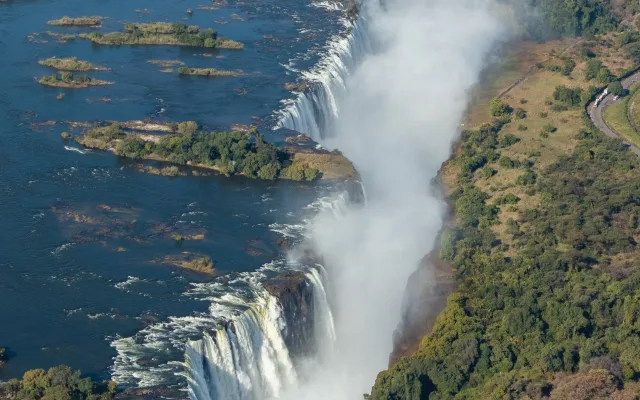
- By bus. Bulawayo is a major hub. There are comfortable intercity buses to Harare (a long journey across half the country) and to Victoria Falls. Buy tickets with reputable operators in advance, especially for the Victoria Falls route.
- By train. The historic overnight train from Bulawayo to Victoria Falls exists and is an attraction in itself for lovers of vintage railways, but it is slow and its timetable is unpredictable. Take it for the experience, not for the speed.
Getting around the city
The centre is laid out on a clear grid and can be walked, which is a great advantage. For trips beyond the centre there are kombis, shared minibuses, which are cheap but run to no published scheme: ask locals where a vehicle is going. For the evening and for the airport, use a pre-arranged taxi. For Matobo it is best to take an organised trip or a car with a driver: the park is logistically awkward under your own steam, and a guide adds a great deal (they will show you the rock paintings and take you up to rhinos on foot).
Where to stay
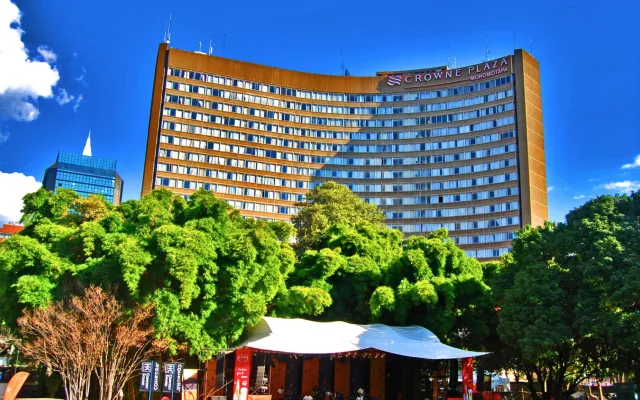
Stick to the centre and the adjoining leafy suburbs — that is where the guesthouses and B&Bs are concentrated, convenient both for the station and for the museums. Guesthouses here are often family-run, with breakfast and help arranging tours; use that to book Matobo and your transfers through your hosts.
Matobo National Park
This is what makes the trip worthwhile. What the independent traveller needs to know:
- Rhinos. One of the few places where you can realistically see them close up, often on a walking track with a ranger. This is the main highlight.
- Rock art. Caves with paintings thousands of years old — take a guide, as without one it is easy to walk straight past them.
- View of the World — the grave of Cecil Rhodes on top of a granite hill, with a panorama over the "sea of stones".
- Park entry is charged (more for foreigners than for locals), plus separate fees for tracking — check the current amounts locally.
Money, food, prices
Zimbabwe has a complicated currency situation. US dollars are in circulation here and are often preferred: bring cash USD in small denominations, in good condition, and plenty of it. Cards and ATMs are unreliable and cannot be counted on alone.
For the traveller it feels like this: basic food and local transport are inexpensive, while park fees and organised tours eat up the bulk of the budget. The savings are in food: local cooking (sadza, a maize porridge with stewed meat or vegetables) is filling and cheap — look for it in simple cafés rather than tourist restaurants.
Safety and practicalities
- Bulawayo is considered calmer and more relaxed than bustling Harare; by day the centre is comfortable. In the evening, ordinary urban caution, and do not display valuables.
- Weather. The dry season (roughly May to October) is the best time: comfortable, and animals in the park are easier to see at the waterholes. The peak heat before the rains (October) is hard going.
- Water and outages. Water and power cuts are possible — ask your hosts about accommodation with a backup supply, and drink bottled water.
- Buy a local SIM card straight away — mobile internet helps with navigation and with keeping in touch about tours.
Common mistakes
- Arriving without cash USD, relying on cards.
- Trying to "drop into" Matobo for a couple of hours — the park needs a full day.
- Treating the city as no more than a stop on the way to Victoria Falls: Matobo stands on its own and deserves a separate stop.
- Going into the park without a guide and coming away disappointed — half the value here lies in someone who knows where to look.
Updated