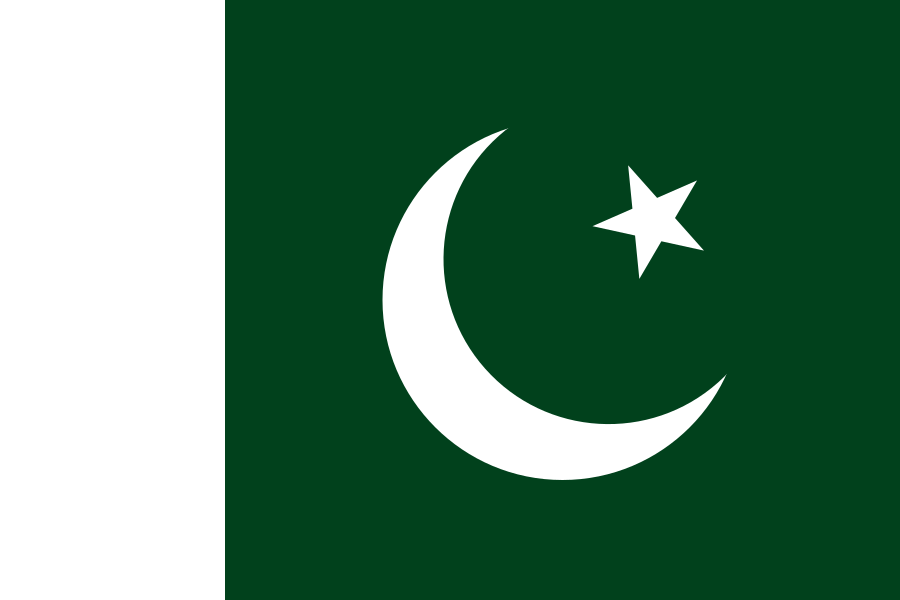
Pakistan
PKA country of magnificent mountain ranges — the Karakoram, the Himalaya and the Hindu Kush — holding five of the world's fourteen eight-thousanders, K2 among them. Pakistanis are famous for their hospitality: tea and food are pressed on you for free, and fellow bus passengers become friends for the whole journey. The Mughal architecture of Lahore, the ancient ruins of Mohenjo-daro and the turquoise lakes of Gilgit-Baltistan make Pakistan one of the most underrated destinations in Asia — and one of the cheapest.
Where to go #
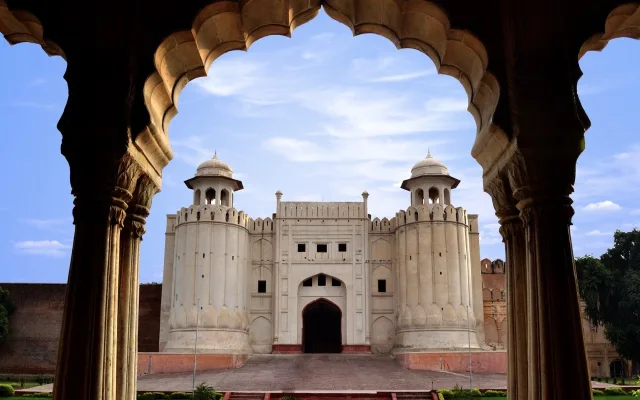
Lahore
The cultural heart of Pakistan — Lahore Fort and the Shalimar Gardens, both on the UNESCO list.
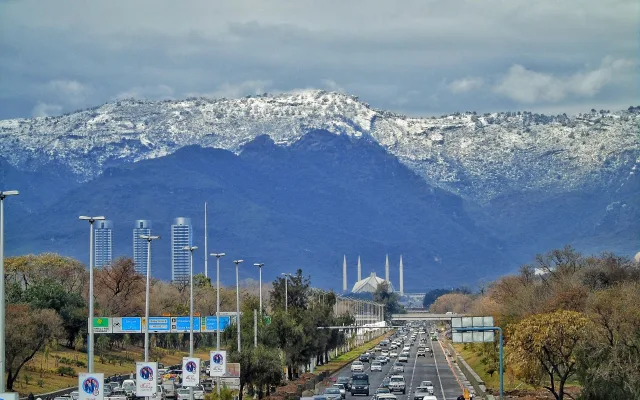
Islamabad
Pakistan's modern capital — the Faisal Mosque, the Margalla Hills and clean, ordered streets.
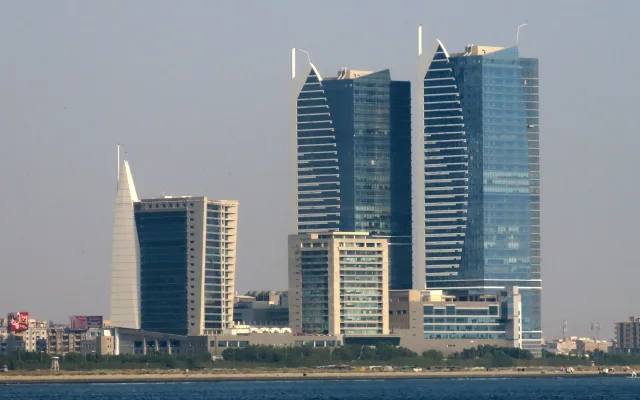
Karachi
Pakistan's largest city — the Jinnah Mausoleum, the National Museum and the beaches at Hawke's Bay.
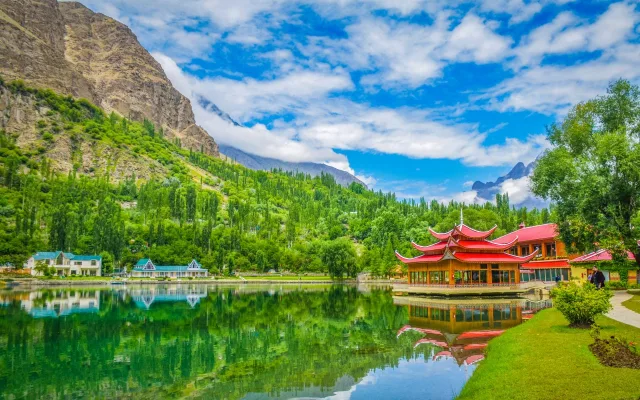
Skardu
The gateway to the Karakoram — views towards K2, Shigar Fort and treks in the glacier valleys of Baltistan.
What to see #
The Karakoram Highway: The highest paved international road in the world, worth driving for the views of glaciers and vertical gorges.
Attabad Lake: Turquoise water hemmed in by rock, created by a landslide in 2010, and a perfect place for a boat trip.
Fairy Meadows: Worth the journey for the head-on view of the Nanga Parbat wall, reached by jeep along what is probably the most alarming drop in the country.
Badshahi Mosque: In Lahore you can take in this pink masterpiece of Mughal architecture and the Sheesh Mahal in the adjoining fort in a single day.
Passu Cones: What to see in the north is this row of jagged peaks like dragon's teeth hanging directly over the road.
Baltit Fort: The 700-year-old fortress above Karimabad, worth visiting for the history and for the panorama of the whole Hunza valley.
Rakaposhi base camp: A three-day trek that brings you right up against a 7,788-metre ice wall without any technical equipment.
Prices #
Currency: The Pakistani rupee is in use, sitting around 280 to the dollar in 2026, and inflation means prices shift often.
Cash: In the northern mountains and in the bazaars only paper money is accepted, so always keep a supply of small notes for tips and small purchases.
ATMs: Withdraw rupees in Islamabad or Lahore, because machines in Gilgit-Baltistan are scarce and frequently out of service.
Exchange: Change money with licensed dealers in the markets, where the rate beats the banks, but always count the bundle on the spot.
Cards: Visa and Mastercard work only at the Serena and Marriott class of hotel and a handful of city restaurants. Everything else is cash, so bring US dollars to change and use a Wise or Revolut card for the occasional card payment.
| Item | Price (USD) |
|---|---|
| Street food | 0.8 |
| Tea at a dhaba | 0.2 |
| Lunch in a cafe | 4 |
| 1.5l of water | 0.3 |
| Metrobus fare | 0.2 |
| Taxi, per km | 0.5 |
| Daewoo coach ticket | 8 |
| Night in a guesthouse | 15 |
| Night at the Serena | 120 |
| Jeep hire, per day | 60 |
| Fort entry | 2 |
| Naan from the tandoor | 0.1 |
| Kilo of apricots | 1 |
| SIM card | 2 |
Getting around #
Getting here: Islamabad, Lahore and Karachi all take international flights, most conveniently via Dubai, Doha, Istanbul or Abu Dhabi from Europe and North America. Direct services run from London and a handful of other European cities, and fares climb sharply over the June to September northern season.
Coaches: Comfortable Daewoo Express and Faisal Movers liners connect the major cities, with air conditioning and food included.
Domestic flights: Planes to Gilgit and Skardu save days of driving but are often cancelled for cloud, so build buffer time into your plans.
City rides: Use the Careem or InDrive apps, which remove the haggling and cost less than a standard yellow taxi.
Rickshaws: The fastest way through the narrow lanes of Lahore, though you always settle the price before you climb in.
Jeeps and trains: In the north a jeep is the only way to reach Fairy Meadows and the high lakes, and the easiest way to arrange one is through your guesthouse owner. Trains are a slow, atmospheric way to travel Lahore to Karachi, and for comfort you want an AC Sleeper. Lahore has the modern Orange Line metro and the capital an efficient bus rapid transit network.
Where to stay #
Guesthouses: In the mountains these are welcoming family homes where the owners cook you dinner and help find a jeep for the day.
Booking: The popular sites work in the cities, but for the Hunza and Skardu valleys you are better off messaging owners directly on WhatsApp.
In the capital: In Islamabad look for a room in the leafy F or G sectors, the safest districts for independent visitors.
Mountain lodgings: At Fairy Meadows you sleep in simple unheated wooden huts, and hot water arrives only on request.
Chains: Serena and Pearl Continental provide the highest comfort in the country, at prices comparable to Europe.
Power: Budget places suffer rolling blackouts, so keep your power bank topped up.
Long stays: Plenty of Karimabad guesthouses discount heavily if you settle in for a week among the mountains.
What to eat #
Biryani: The most popular rice and meat dish in the country, and the best versions are in the port districts of Karachi.
Nihari: A spiced beef stew that Lahore eats for breakfast, mopped up with bread straight out of the tandoor.
Karahi: Chicken or mutton cooked in a wok with ginger and chilli, the ideal filling dinner on the road.
Bread: Naan and roti are baked in front of you, cost almost nothing and often replace cutlery entirely when there is gravy involved.
Drinks: Drink doodh patti, strong tea with milk and cardamom, available at every stop and superb for warming up.
Water: Drink only sealed bottled water, avoid ice in drinks and skip raw vegetables at cheap roadside places.
Mangoes: If you are in the country between May and August, buy the local fruit, which is reckoned among the best in Asia.
Safety #
No-go regions: Avoid Balochistan and any area near the Afghan border because of the risk of attacks and kidnapping, and read your own government's travel advisory before you plan a route.
Permits: Some high-altitude zones in Gilgit-Baltistan require an NOC, so check the current requirement in advance.
Photography: Photographing bridges, airports, military checkpoints, power stations and anyone in uniform is absolutely prohibited.
Drones: Bringing a drone in without a specific permit is banned, and it will be confiscated at customs with no route to getting it back.
Local customs: Pakistanis are extremely hospitable, but respect the conventions: do not address women first and do not photograph them.
Health: Pack a medical kit for intestinal infections, and for the north add whatever helps you acclimatise to altitude.
Escorts: In some northern districts visitors are assigned a free police escort, which is normal practice and intended for your safety.
Etiquette and culture #
Dress: Dress modestly with shoulders and knees covered, and women will find a locally bought shalwar kameez far more comfortable than anything from home.
Religion: Respect prayer times, always remove your shoes at a mosque and, if you are a woman, cover your head with a scarf.
Ramadan: During the fasting month, eating and smoking in public during daylight are forbidden, and most cafes open only after sunset.
Hands: Use your right hand for eating and for handing over money, since the left is reserved for hygiene in Islamic tradition.
Hospitality: An invitation to tea is not a scam, it is genuine pleasure at having a guest, so do not refuse too bluntly.
Shoes: Leave your footwear at the threshold of any home or prayer space, because walking in wearing them reads as real disrespect.
Conversation: Steer clear of religion and of criticising local arrangements, because Pakistanis are sensitive on questions of faith and honour.
Connectivity #
Networks: For the cities pick Jazz, and for travel north into Gilgit-Baltistan buy a Scom SIM, which is the only network that works reliably up there.
Registration: SIMs are issued on your passport at operator offices, and the process includes fingerprints and a photograph.
DIRBS: If your handset uses local networks for more than 120 days, its IMEI is blocked until an import tax is paid, which catches out long-stay visitors.
In the mountains: On the high passes there is no signal at all, so download offline maps and every document you might need onto your phone in advance.
Internet: 4G is excellent in Lahore and Islamabad, but Wi-Fi in mountain hotels is often barely enough to send a text message.
Apps: Install WhatsApp, because every conversation with jeep drivers, hotels and local guides happens there.
Language: English is an official language and widely understood in the cities, among educated Pakistanis and throughout the tourism trade, so you will manage easily. A couple of words of Urdu still make you a welcome guest in any tea house.
Phrasebook #
| English | Urdu | Pronunciation |
|---|---|---|
| Hello | السلام علیکم | as-sa-LAAM a-LAY-kum |
| Thank you | شکریہ | shuk-ri-YA |
| Yes | ہاں | Haan |
| No | نہیں | Na-HEEN |
| How are you? | کیا حال ہے؟ | Kya haal hai? |
| Good, fine | ٹھیک ہے | Theek hai |
| How much is it? | کتنے کا ہے؟ | Kit-NAY ka hai? |
| It's expensive | مہنگا ہے | Meh-en-GA hai |
| Friend | دوست | Dost |
| Please | مہربانی | meh-ra-ba-NEE |
| Where is...? | کہاں ہے؟ | Ka-HAAN hai? |
| Water | پانی | PAA-nee |
| Tea | چائے | Chai |
| Food | کھانا | Kha-NA |
| Help! | مدد کریں | Ma-DAD ka-REN |
| Goodbye | خدا حافظ | Khu-DA HA-fiz |
| Brother (slang) | بھائی | Bhai |
| Awesome (slang) | زبردست | Za-bar-DAST |
| Delicious | مزیدار | Ma-ze-DAAR |
| Okay, alright | اچھا | Ach-CHA |
| I don't understand | سمجھ نہیں آیا | Sa-majh na-HEEN aa-ya |
| No problem | کوئی بات نہیں | Ko-EE baat na-HEEN |
Good to know #
Consular contacts: Most countries maintain their mission in the Diplomatic Enclave in Islamabad. Note the duty number for your own country's embassy before you head north.
Offline maps: Google Maps regularly fails in the mountains, so download Maps.me, which marks the trails and the small northern guesthouses far better.
Bus tickets: Bookme.pk lets you buy tickets for the comfortable coach services online using a foreign card.
Weather: Check forecasts carefully before flying to Skardu or Gilgit, since mountain services depend entirely on visibility and wind.
Power: Pakistan uses type C and G sockets, so a universal adapter in your pack saves a lot of trouble charging devices.
Medical kit: Bring rehydration salts, plasters and strong sunscreen, because at altitude the sun burns skin remarkably quickly.
Visas: Apply through the official government e-visa portal only and check the current requirements there immediately before submitting.