Description
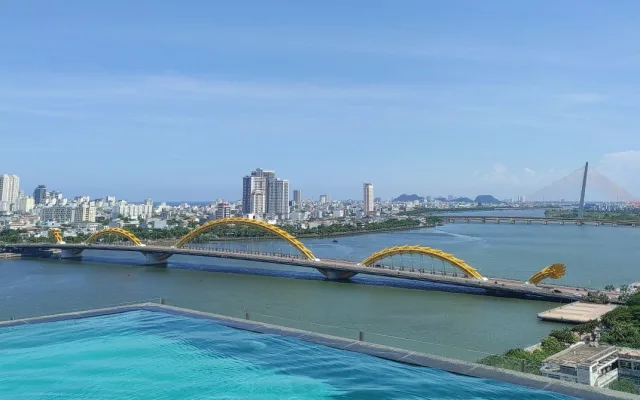
A resort city in central Vietnam: the long sweep of My Khe beach, the Marble Mountains, the Dragon Bridge, and Hoi An half an hour down the coast.
Wiki
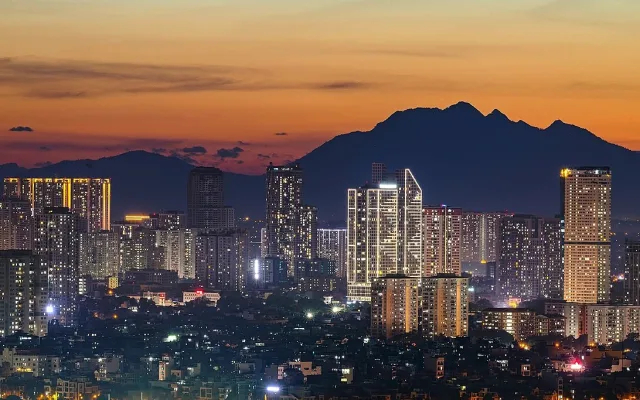
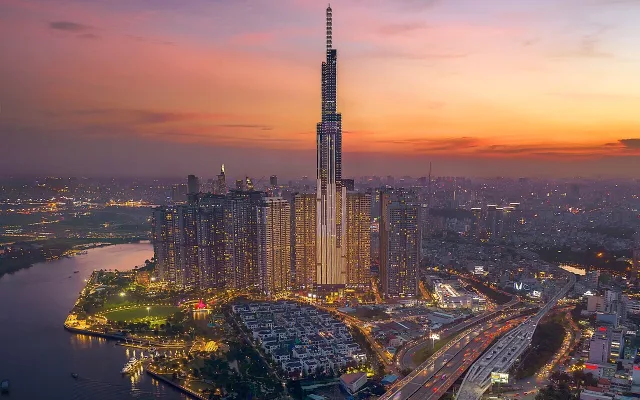
Da Nang is the largest city in central Vietnam and the region's sea gateway, spread across the mouth of the Han river where the Truong Son mountains come almost down to the shore of the South China Sea. For a long time it was known only as a transfer point between ancient Hoi An and imperial Hue, but over the last fifteen years it has turned into a resort in its own right, with a modern seafront, high-rises and one of the longest city beaches in Southeast Asia.
History and general character
The area belonged to the Hindu state of Champa, whose legacy survives in local shrines and sculpture. French troops landed here in the mid-19th century, and the port, under the name Tourane, became an important colonial harbour. During the Vietnam War a large American airbase stood near the city and the bay served as a strategic bridgehead. Today it is a dynamic administrative centre of around 1.2 million people, with broad avenues, clean streets and a reputation as one of the best-run cities in the country. The Han river divides it into a historic western half of markets and older quarters, and a growing eastern bank that faces the sea.
Beaches and the coast
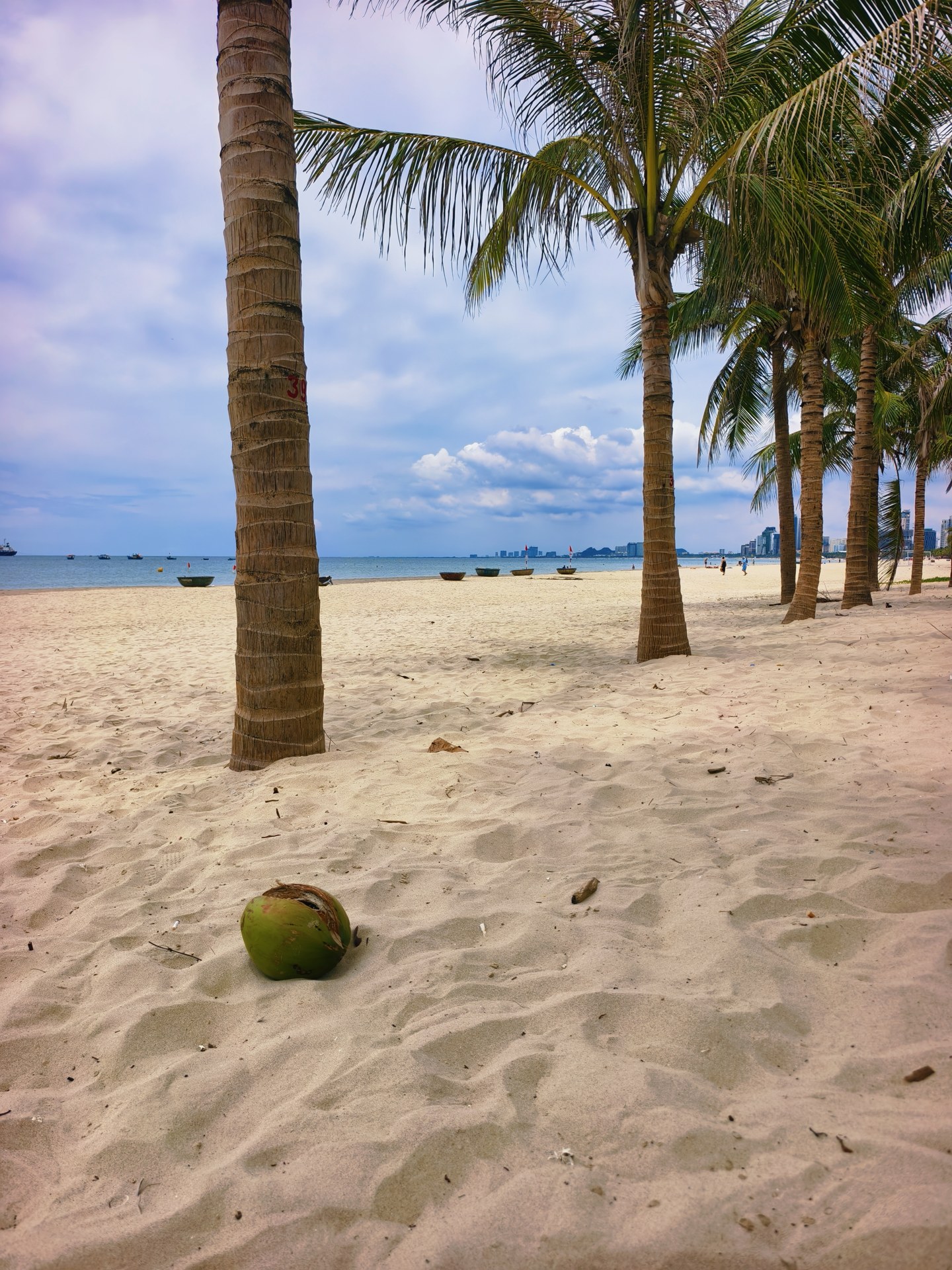
Da Nang's greatest asset is the open sea. My Khe beach runs for kilometres of pale sand with a gentle slope into the water, and international publications have repeatedly put it on lists of the world's best. To the north and south lie the Pham Van Dong and Non Nuoc stretches, less crowded and better for families. The swimming season lasts most of the year, though from September to December there can be big surf and rain, while in spring and early summer the sea is calm and warm. A promenade, cafés and equipment hire run along the shore.
Landscape and viewpoints
- The Marble Mountains (Ngu Hanh Son) — five limestone hills named after the elements: water, wood, fire, metal and earth. Grottoes and Buddhist and Hindu shrines are hidden inside them, and marble carvers work at the foot.
- The Son Tra peninsula, nicknamed Monkey Mountain, is a protected massif of old-growth forest that shelters rare red-shanked doucs. On its slope stands the white statue of Quan Am, the goddess of mercy, visible from almost anywhere in the city; the viewpoints look out over the bay.
- The Hai Van pass to the north offers some of the most spectacular road views in Vietnam.
City landmarks and culture
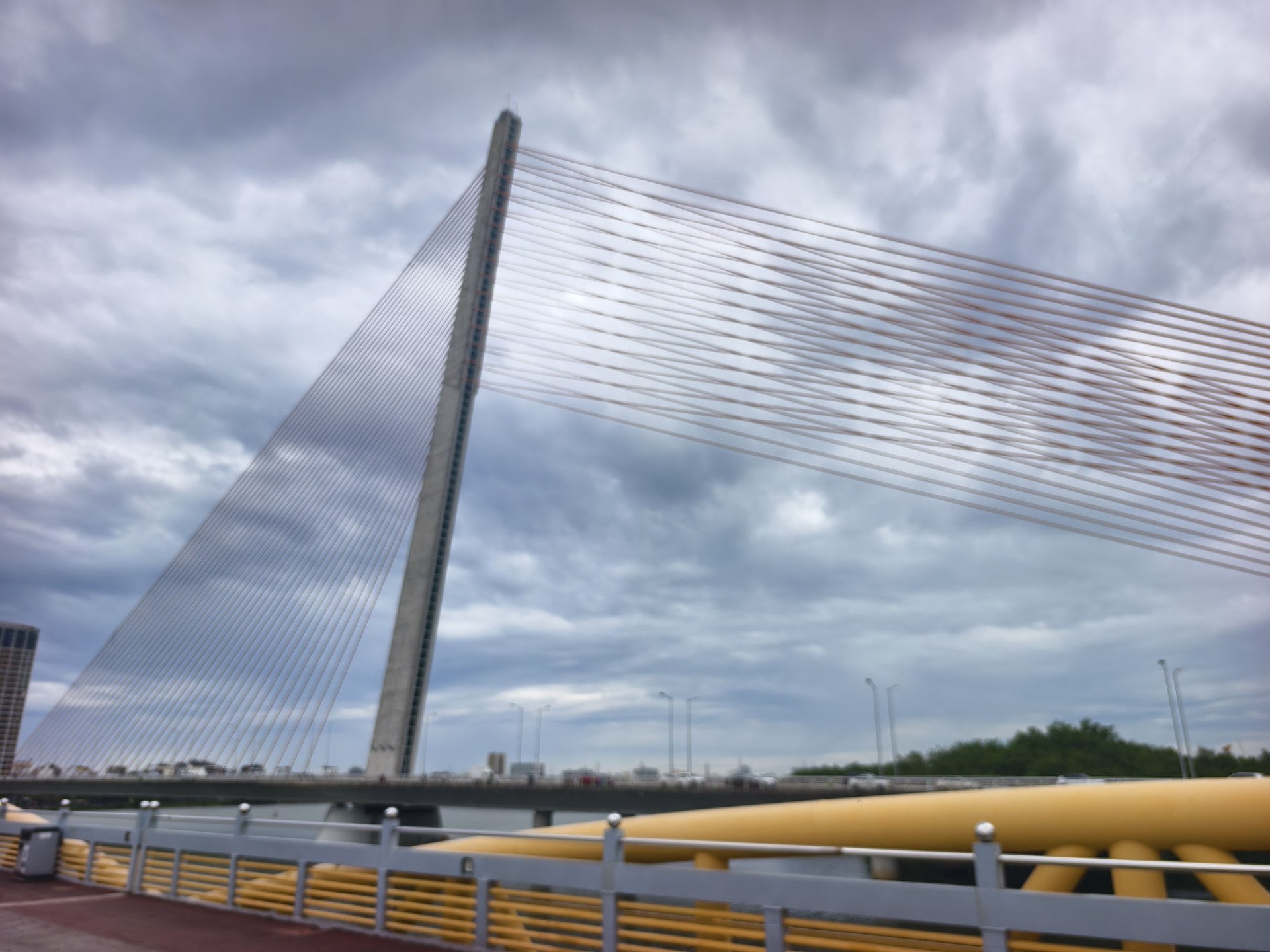
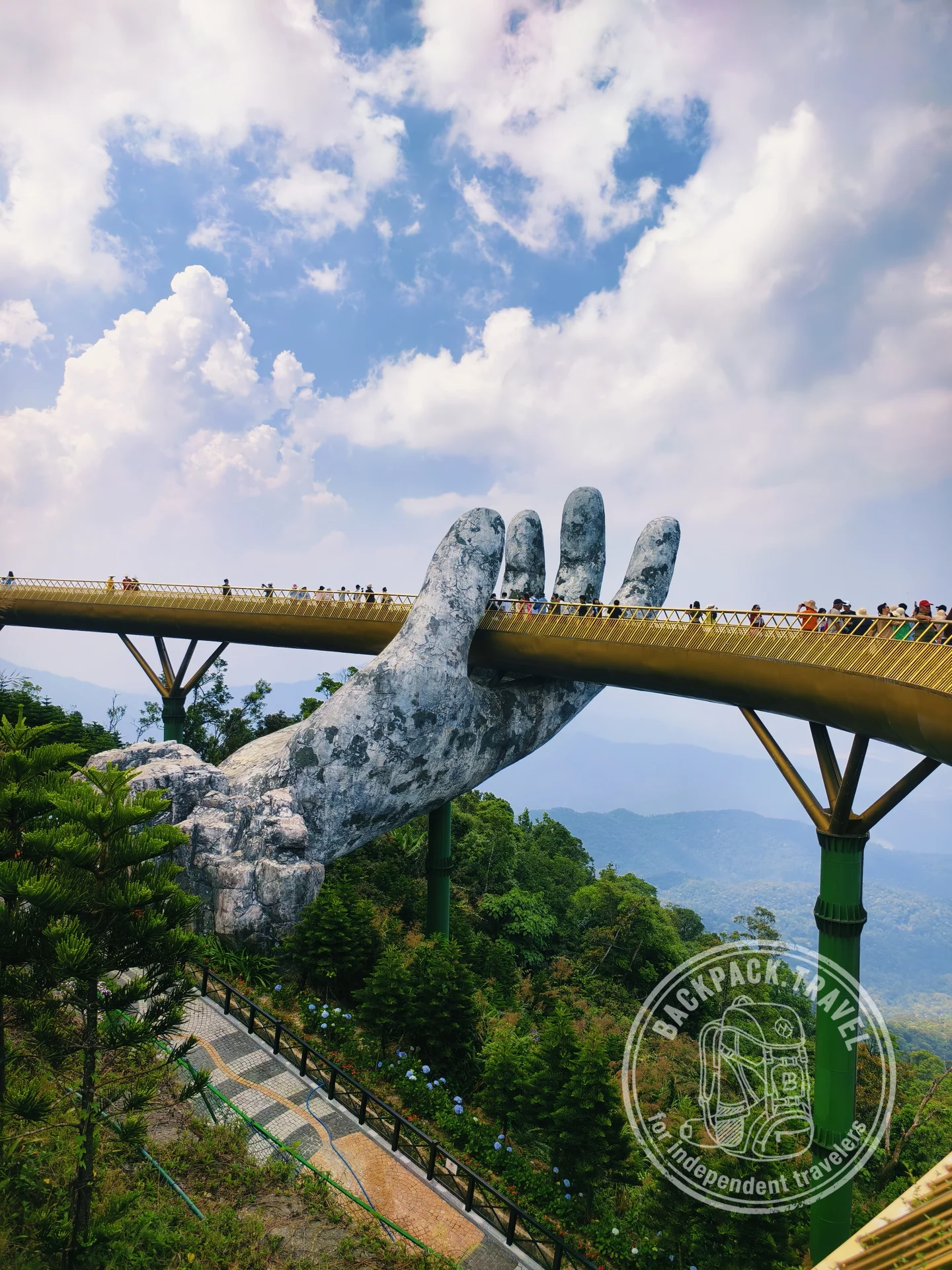
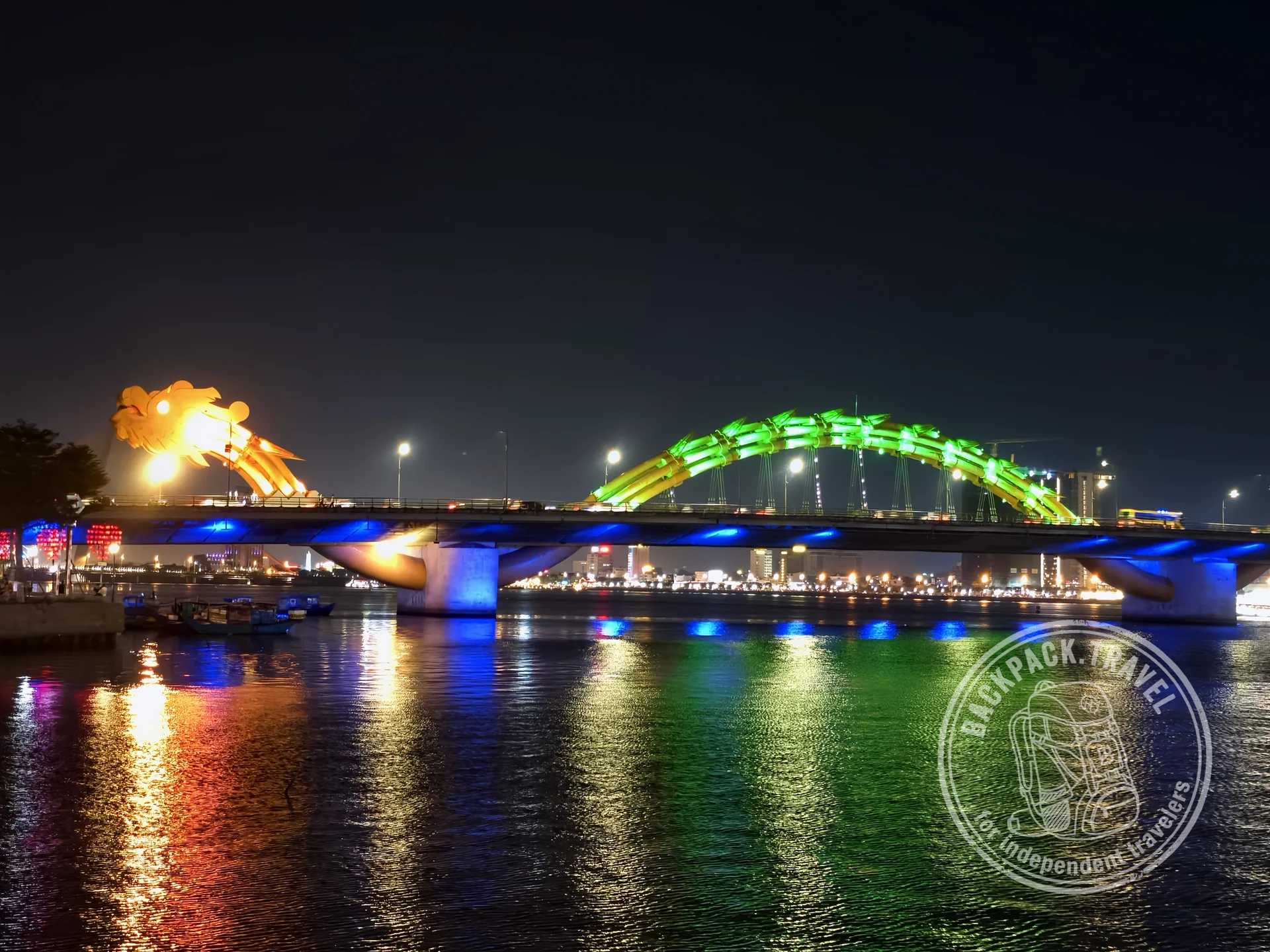
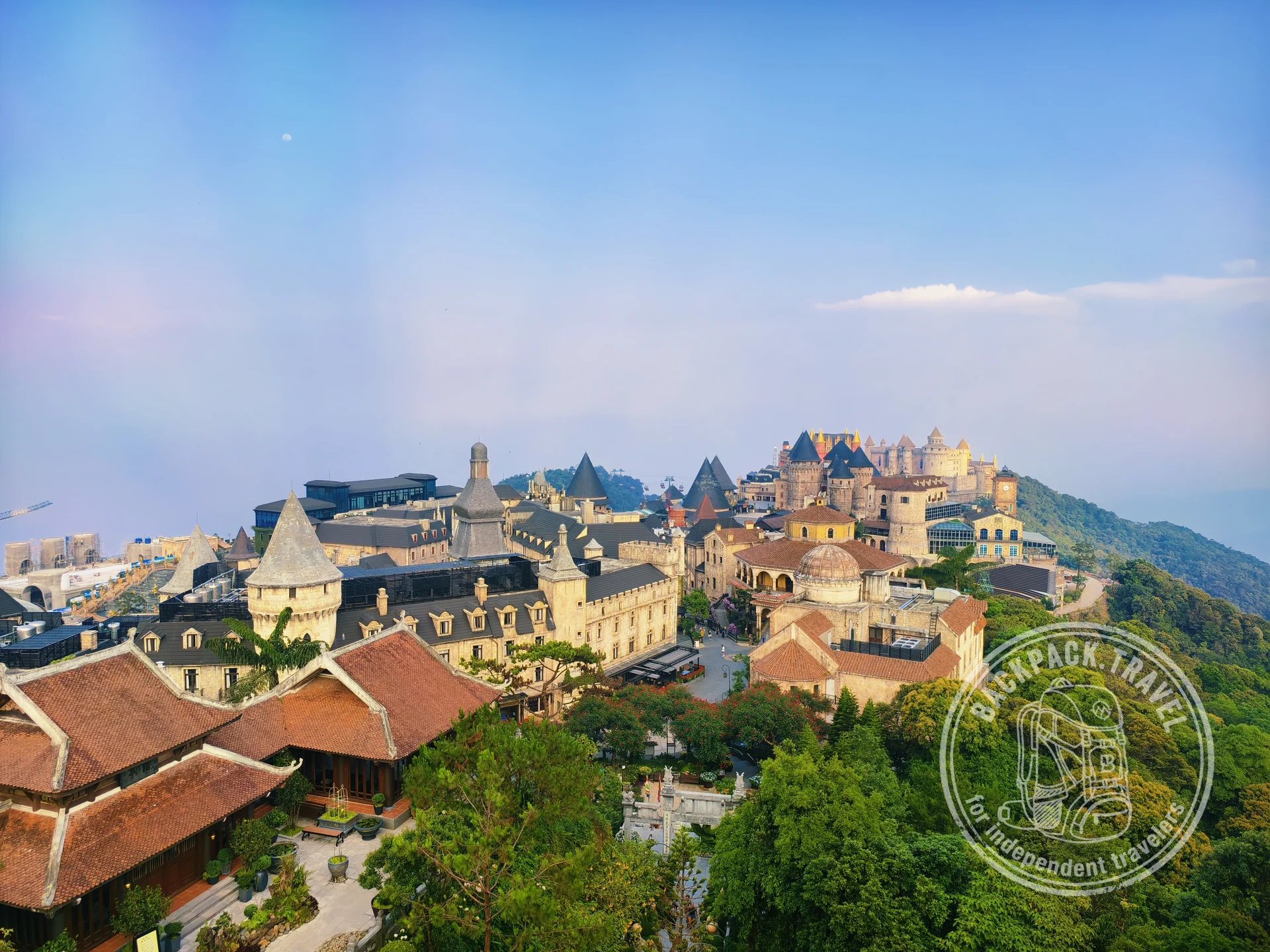
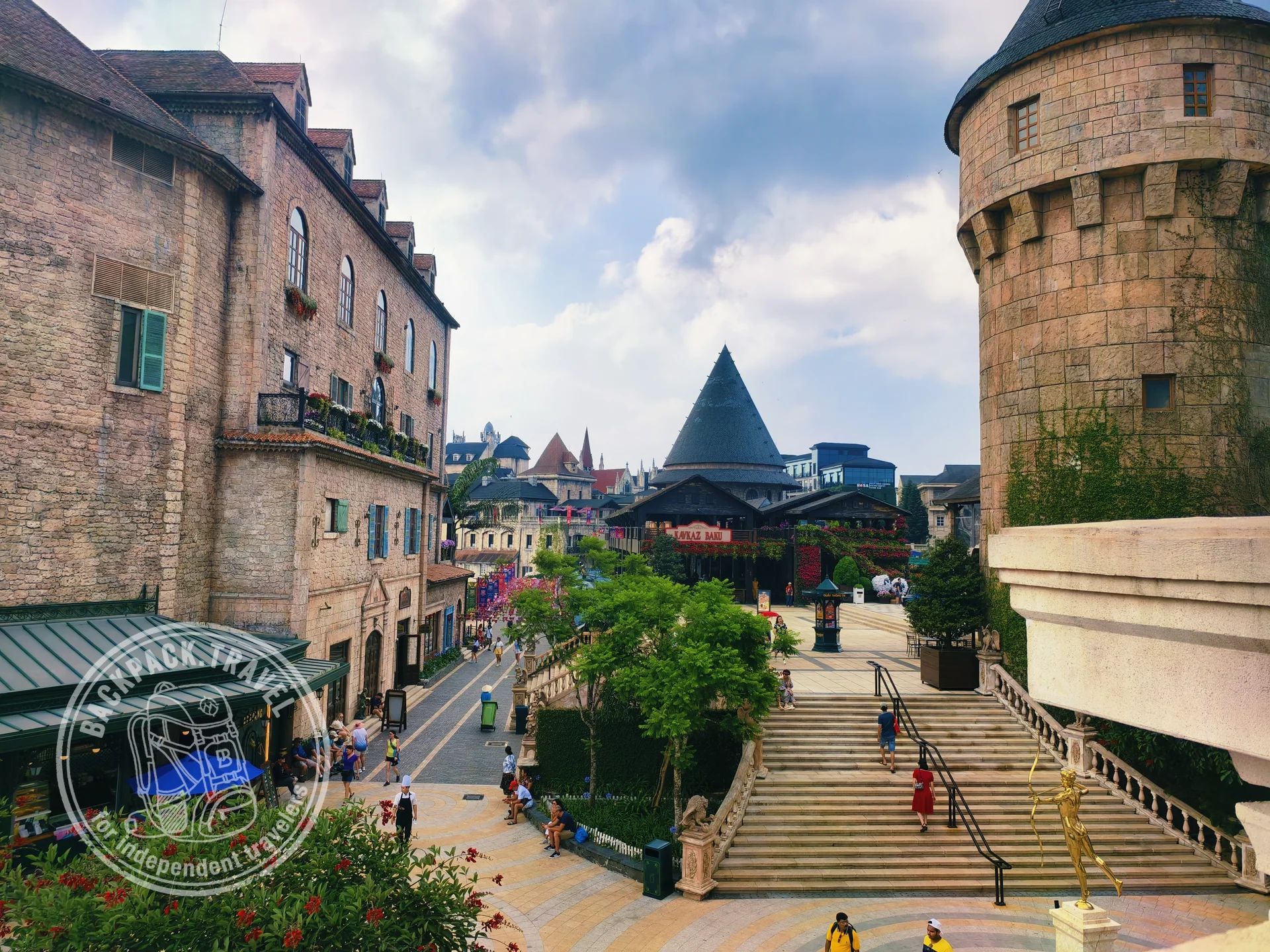
The Dragon Bridge (Cau Rong) crosses the river — a steel structure in the shape of the mythical creature, which on weekend evenings breathes fire and sprays water. Beside it is the Han swing bridge, which opens at night for shipping. The Museum of Cham Sculpture deserves its own visit: it is the largest collection of stone sculpture from the Cham civilisation anywhere, a tradition related to that of Angkor. About an hour away in the hills is the Ba Na Hills resort, done up as a French village, with a cable car and the celebrated Golden Bridge apparently held up by two giant stone hands.
Food
Central Vietnamese cooking is hotter and more intense than that of the north or south. The city's signature dish is mi quang, wide rice noodles with prawns, pork, peanuts and herbs under a small amount of broth. Try banh xeo (a crisp stuffed rice pancake), nem lui (grilled pork skewers) and the very fresh seafood at the places along the shore. The banh mi sandwich and light draught bia hoi have long been part of everyday life here. A modest lunch at a local eating house costs very little; dinner with fish and seafood is noticeably more.
Practical information
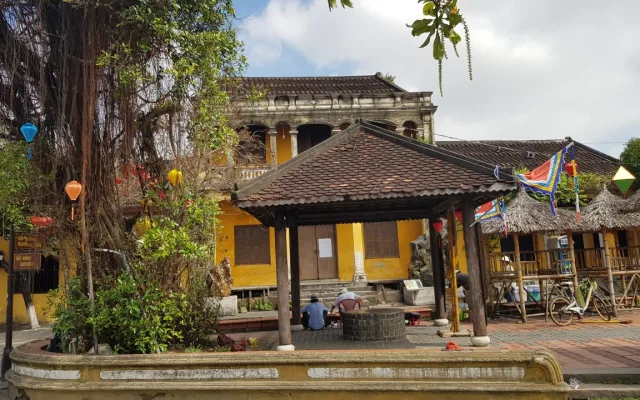
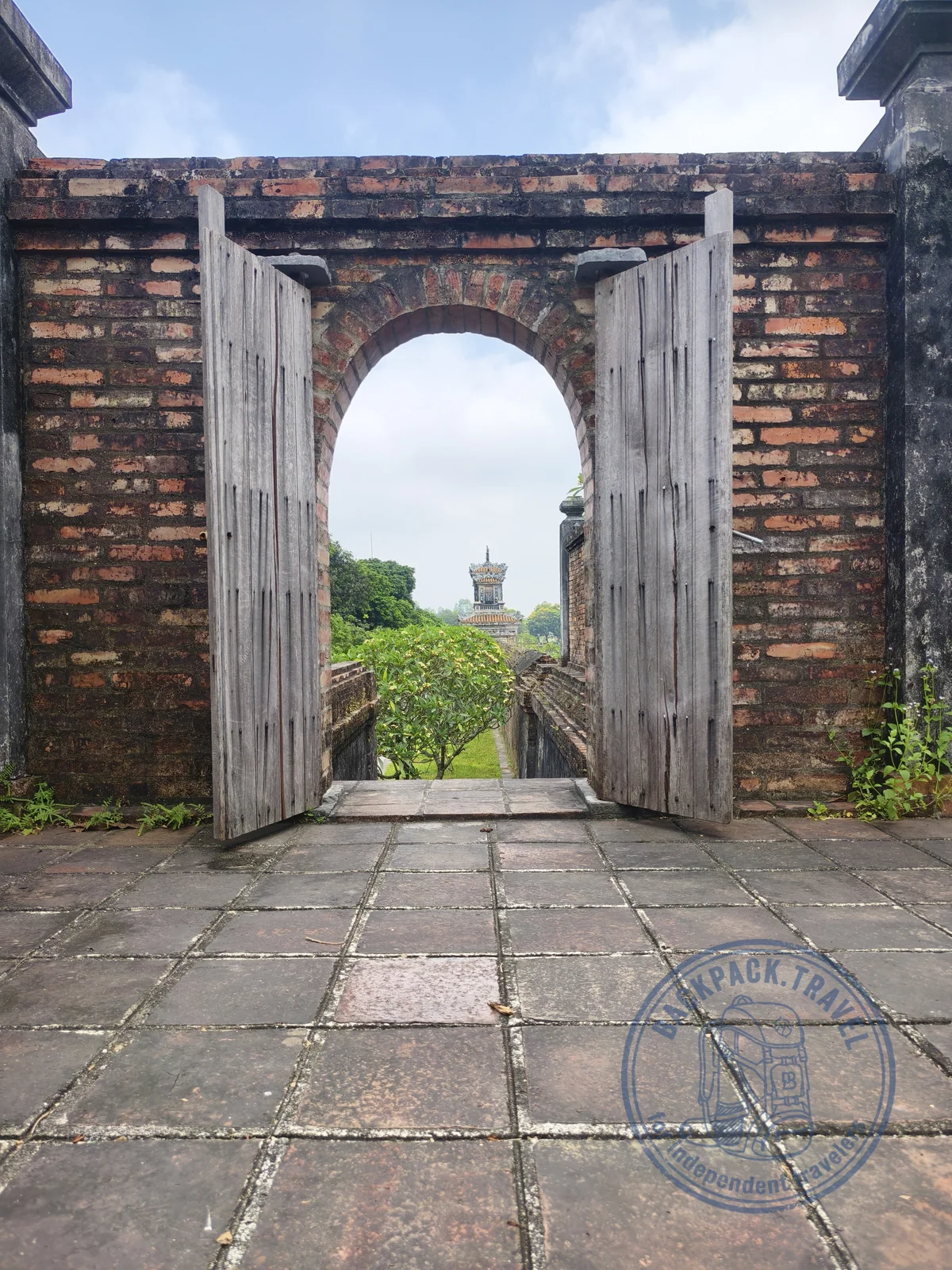
The international airport (code DAD) sits inside the city, a few kilometres from both the centre and the beaches, and takes domestic and regional flights. Taxis and ride-hailing apps are the easy way around, and scooter hire is popular. Da Nang is an ideal base: UNESCO-listed old Hoi An is about half an hour away, and the imperial citadel of Hue roughly two and a half hours by a scenic road.
How long to allow
About four days is right for the city. That is enough to combine time on My Khe, the climb up the Marble Mountains and out to the statue on Son Tra, an evening walk to the Dragon Bridge, a run up to Ba Na Hills and the obligatory day trip to Hoi An, while leaving room to eat your way slowly through the local kitchen.
Photos