Dushanbe
TajikistanDescription
The capital of Tajikistan: Rudaki Avenue, the Museum of Antiquities with its sleeping Buddha, and the gateway to the Pamirs.
Wiki
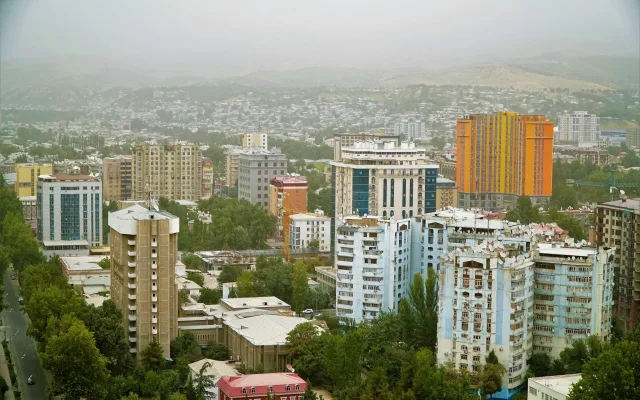
Dushanbe is that unusual thing, a capital people drive straight through: almost everyone comes for the Pamirs and gives the city a day or two before setting off. That is both a shame and a stroke of luck — Dushanbe is calm, green and cheap, an ideal place to acclimatise before the mountains.
Is it worth staying, and for how long
Two days is comfortably enough. Day one is the centre on foot — Rudaki Avenue, the museums, the parks — and day two either an excursion to Hissar Fortress or the shopping and logistics for the Pamir Highway. If Dushanbe is only a staging point for you, one full day will genuinely do: the city is compact and everything of interest is strung along a single axis, Rudaki Avenue.
Getting there and getting around
The airport (DYU) is practically inside the city, 10 to 15 minutes from the centre. Do not take a car from the taxi desk at the exit: order a Yandex Go from the app instead and it will cost a fraction of what you would haggle for outside. Working data roaming or a local SIM from any of the Tajik operators pays for itself immediately at this point.
Within the city:
- On foot — the centre around Rudaki takes an hour or an hour and a half to cross, and this is the best way to see it.
- Yandex Go — the main way to get about, rides cost very little and there is no haggling.
- Minibuses and trolleybuses — extremely cheap, but working out the routes by ear without Tajik or Russian takes time; for a couple of days there is little point.
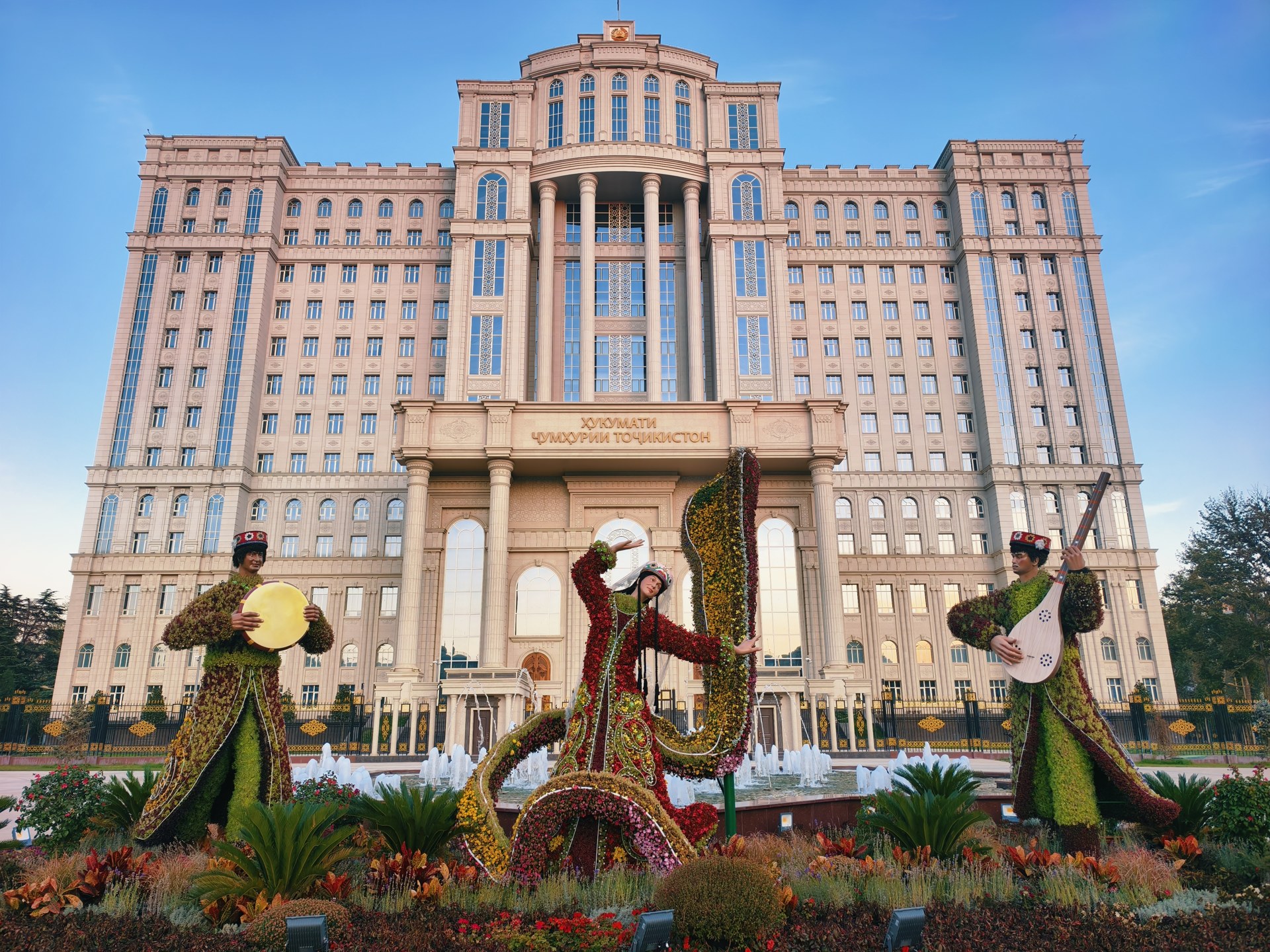
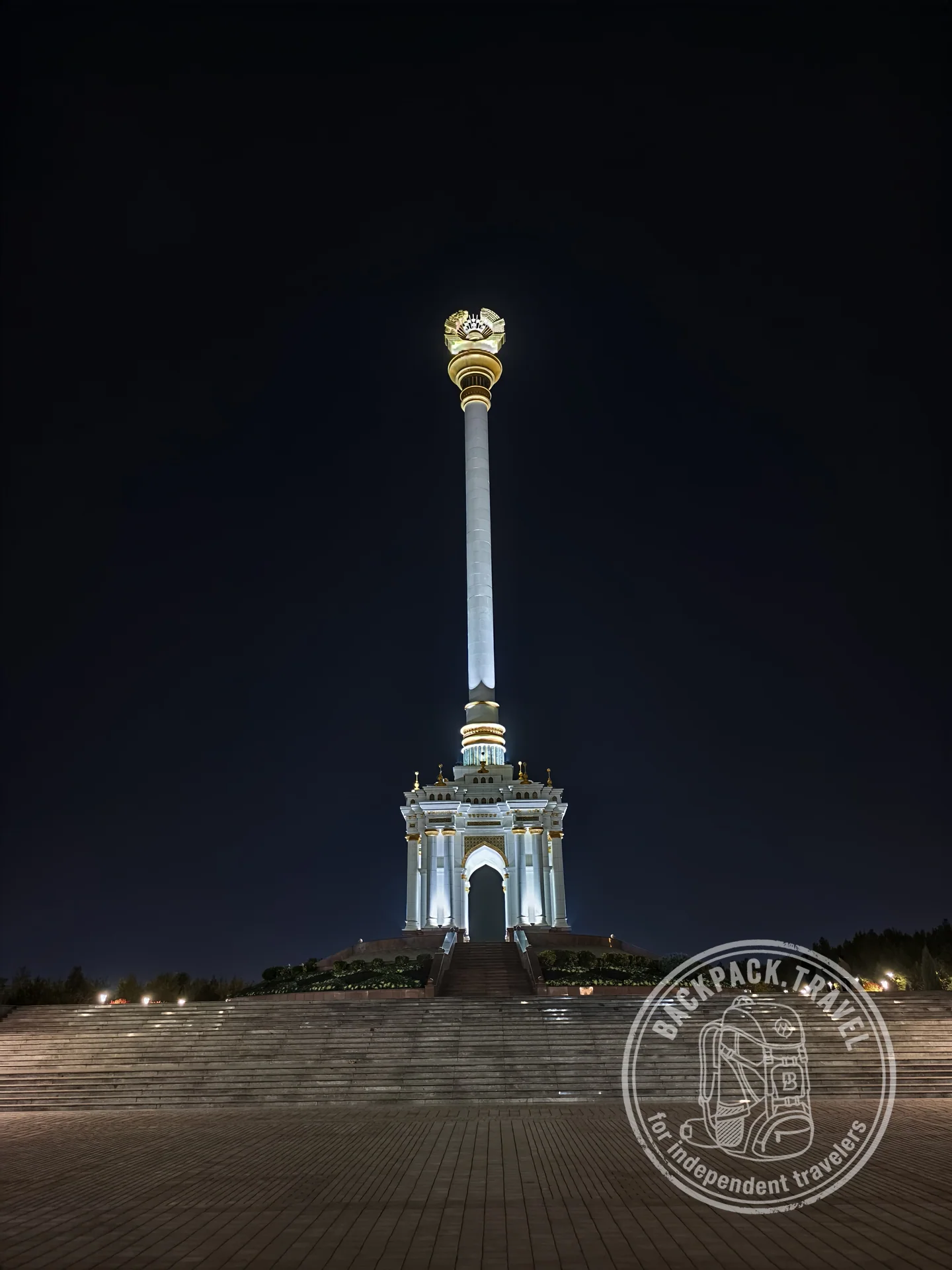
One practical point: do not photograph the Palace of Nations, the flagpole or government buildings from close up — the area is guarded and someone may approach you. Shoot from a distance and without making a production of it.
What is actually worth seeing
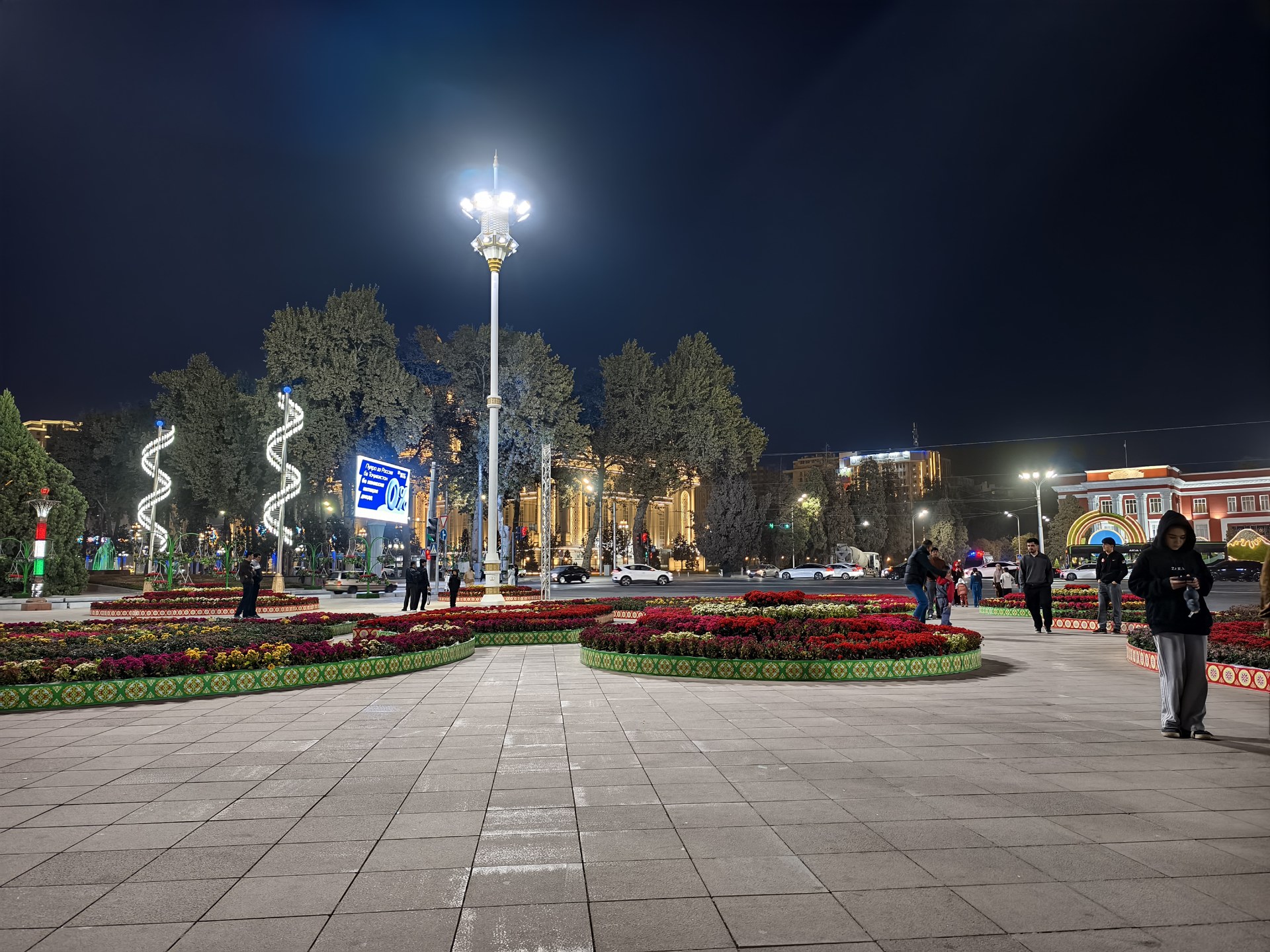
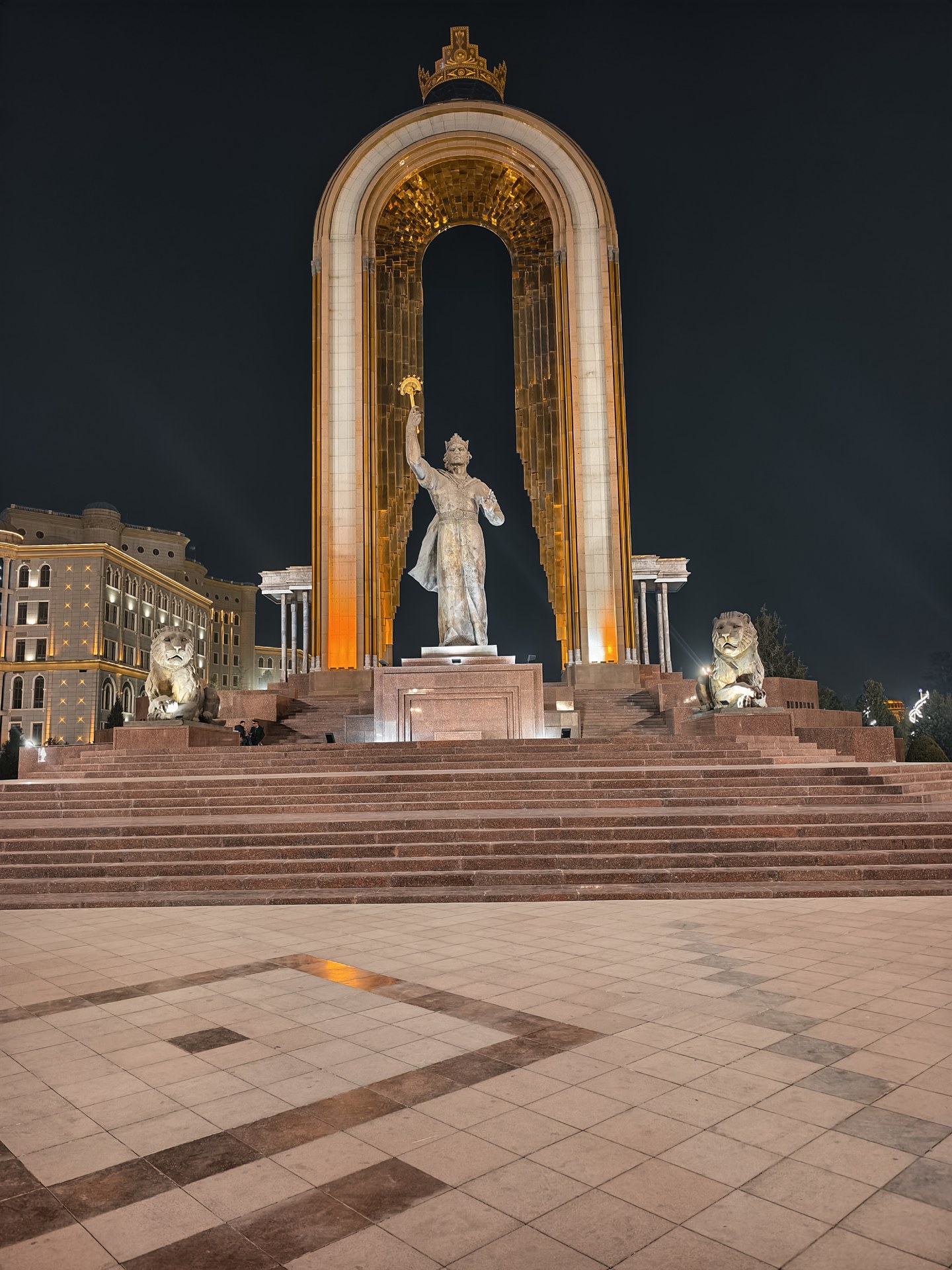
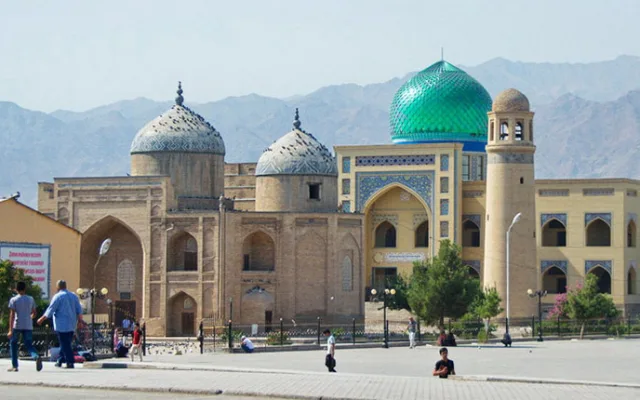
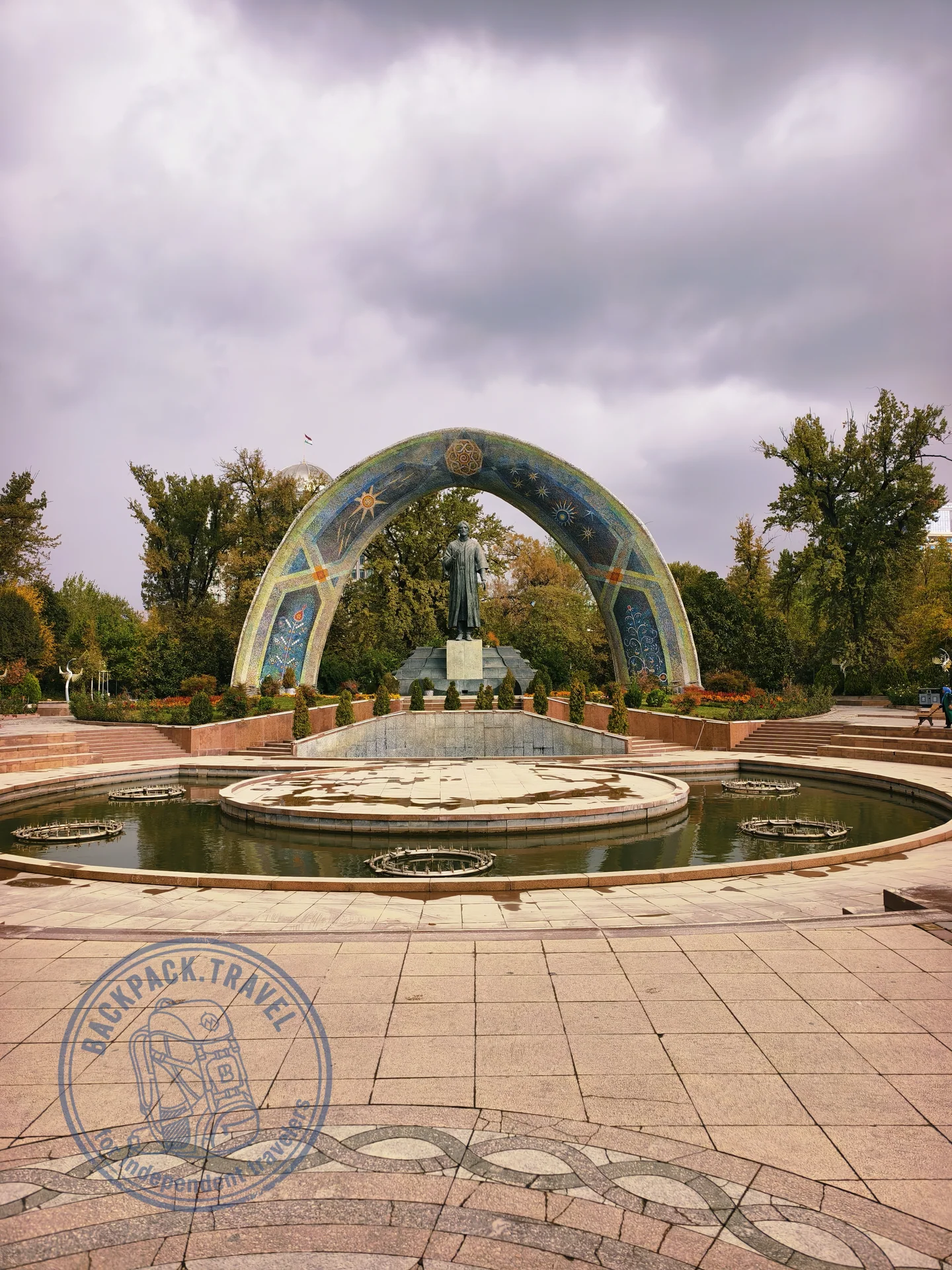
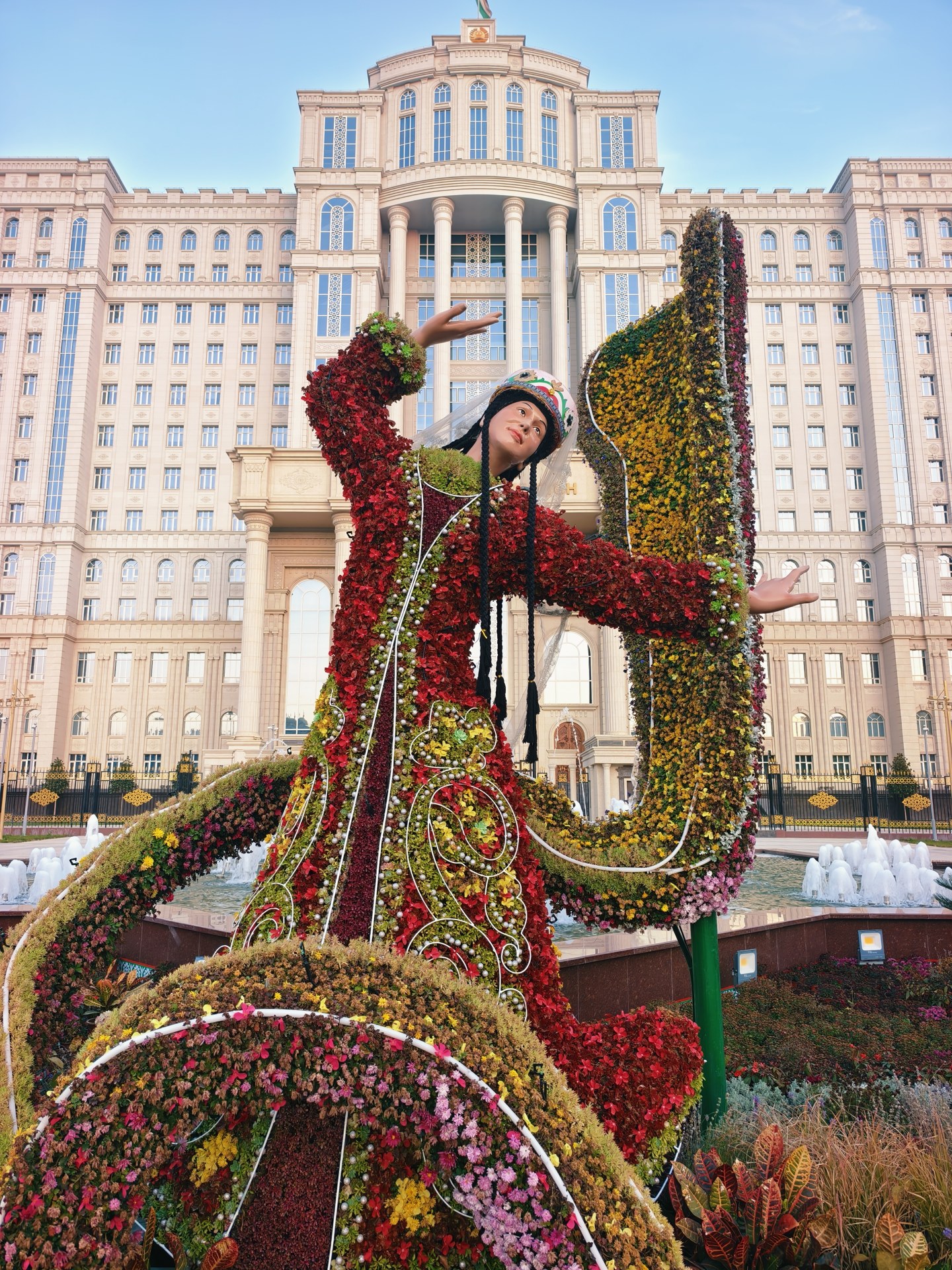
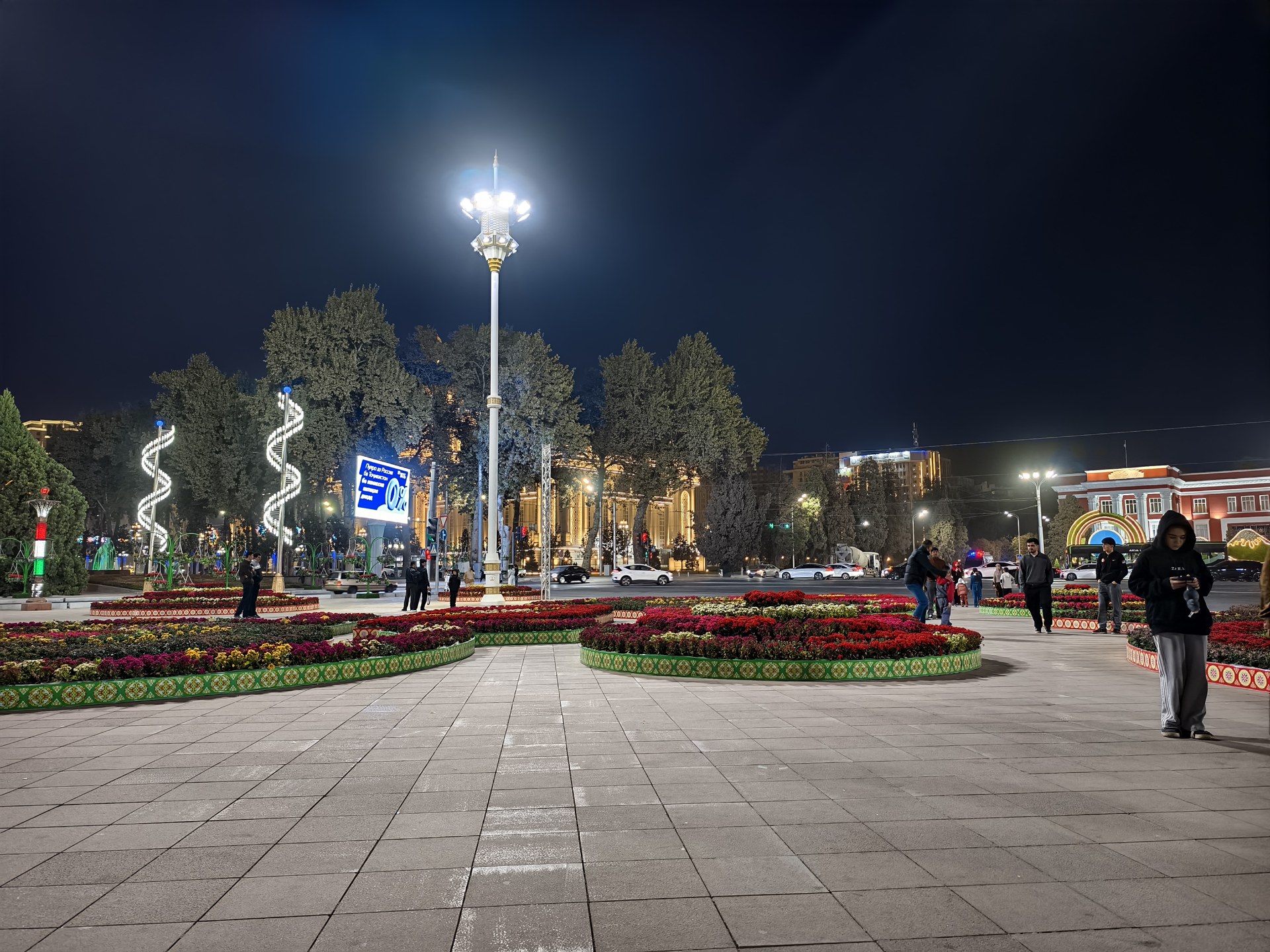
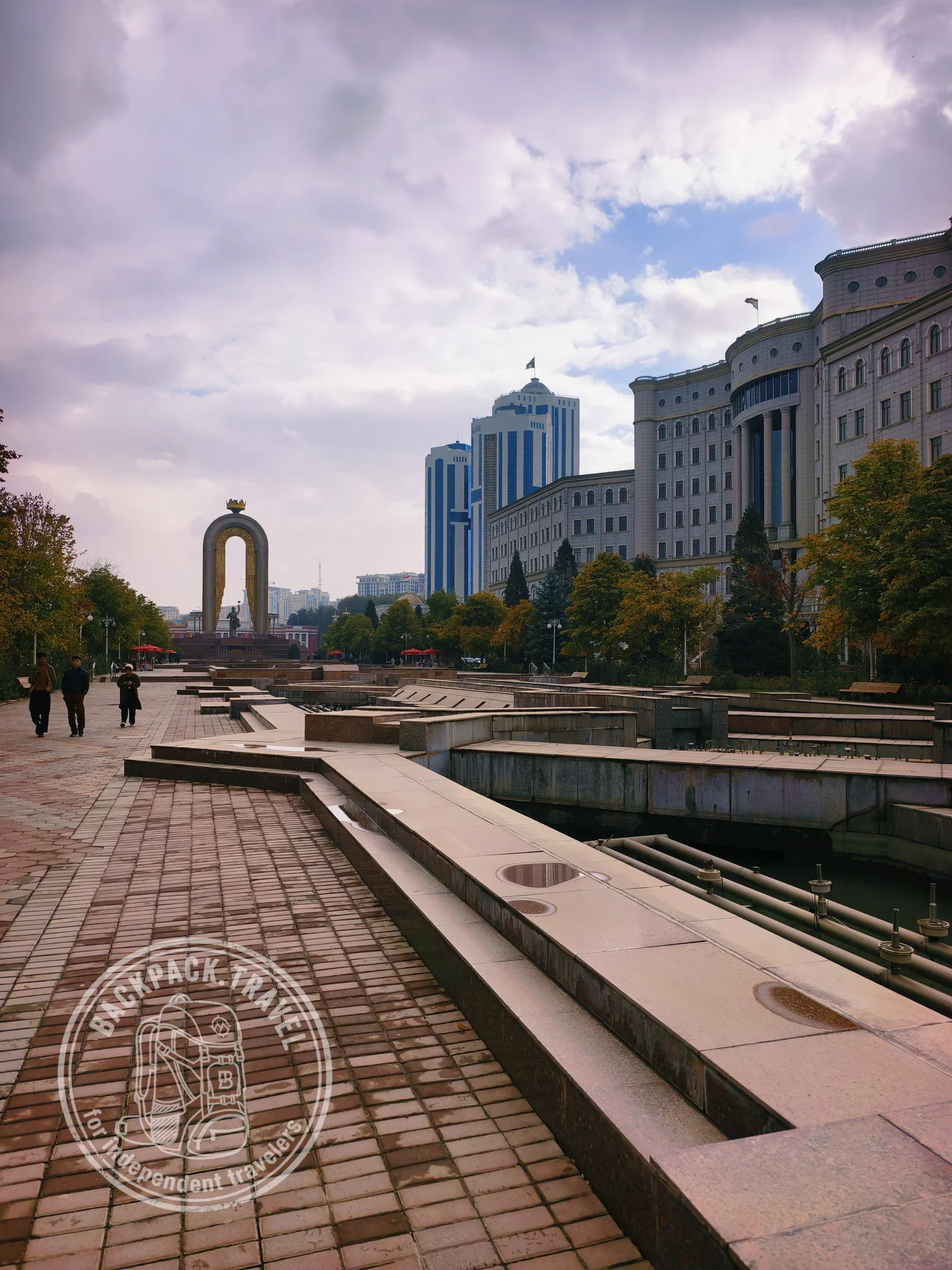
The axis of the city is Rudaki Avenue. Almost everything is laid out along it: Dusti Square with the monument to Ismoil Somoni, the parks, the flagpole, the chaikhanas. Simply walking its length is the main sightseeing you need.
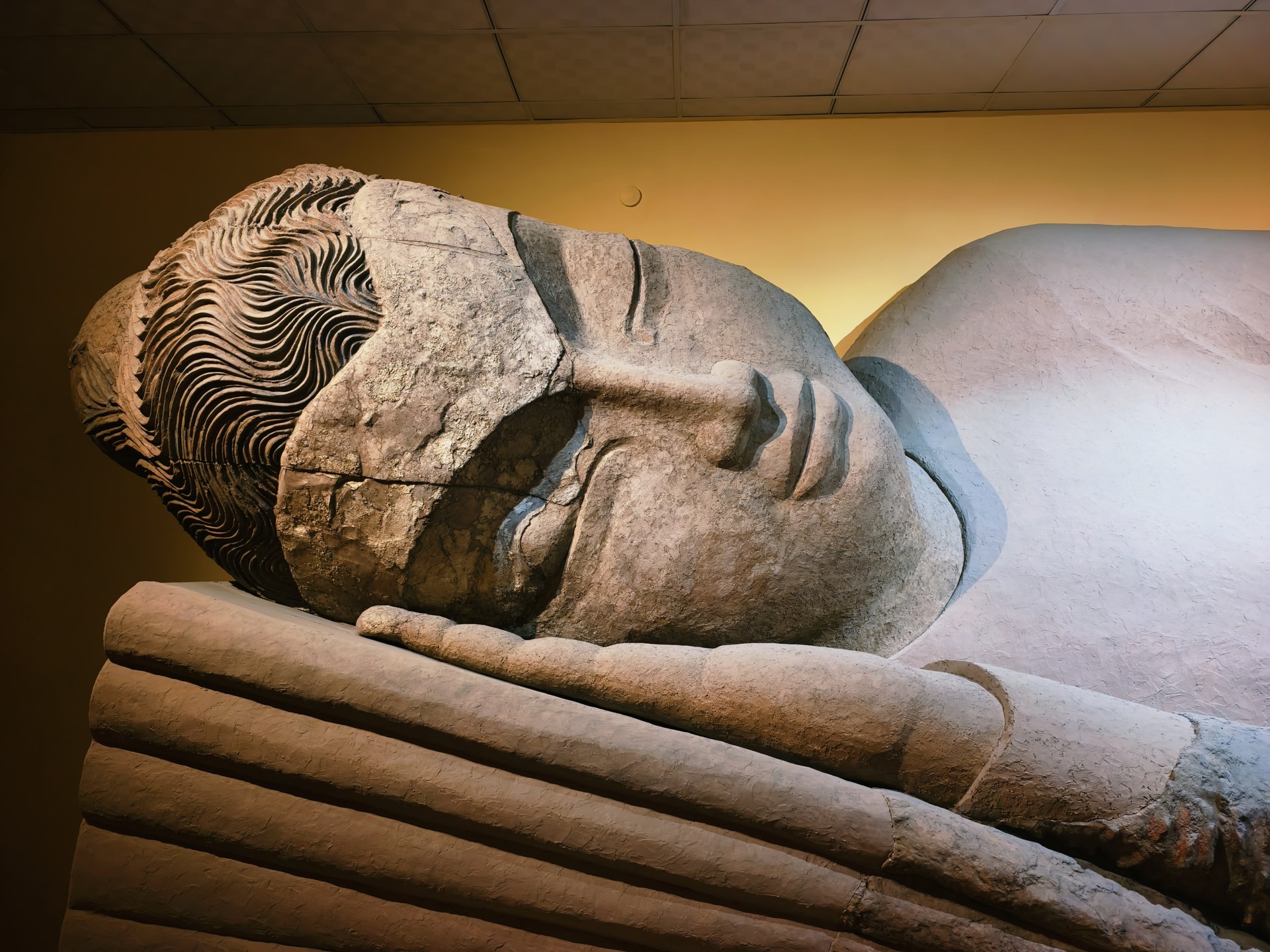
Of the museums, the priority is the Museum of Antiquities. It is worth going in even if museums are not usually your thing: the 13-metre sleeping Buddha from Ajina-Teppa (seventh to eighth century) is something you will not see anywhere else in the region, a reminder that before Islam this was a Buddhist world. The same museum holds finds from Sarazm and from the Oxus temple at Takht-i Sangin. Allow a couple of hours. Nearby and on a related theme is the National Museum of Tajikistan, large and modern, with ethnography and twentieth-century history; if you are short of time, pick one of the two.
The Green Bazaar (Shohmansur) is not a tourist obligation but a living place: spices, dried fruit, mountain honey, nuts. It makes particular sense to visit before the Pamirs, to buy supplies for a road where food later becomes scarce. Bargaining is expected and locals pay less, so ask around on price.
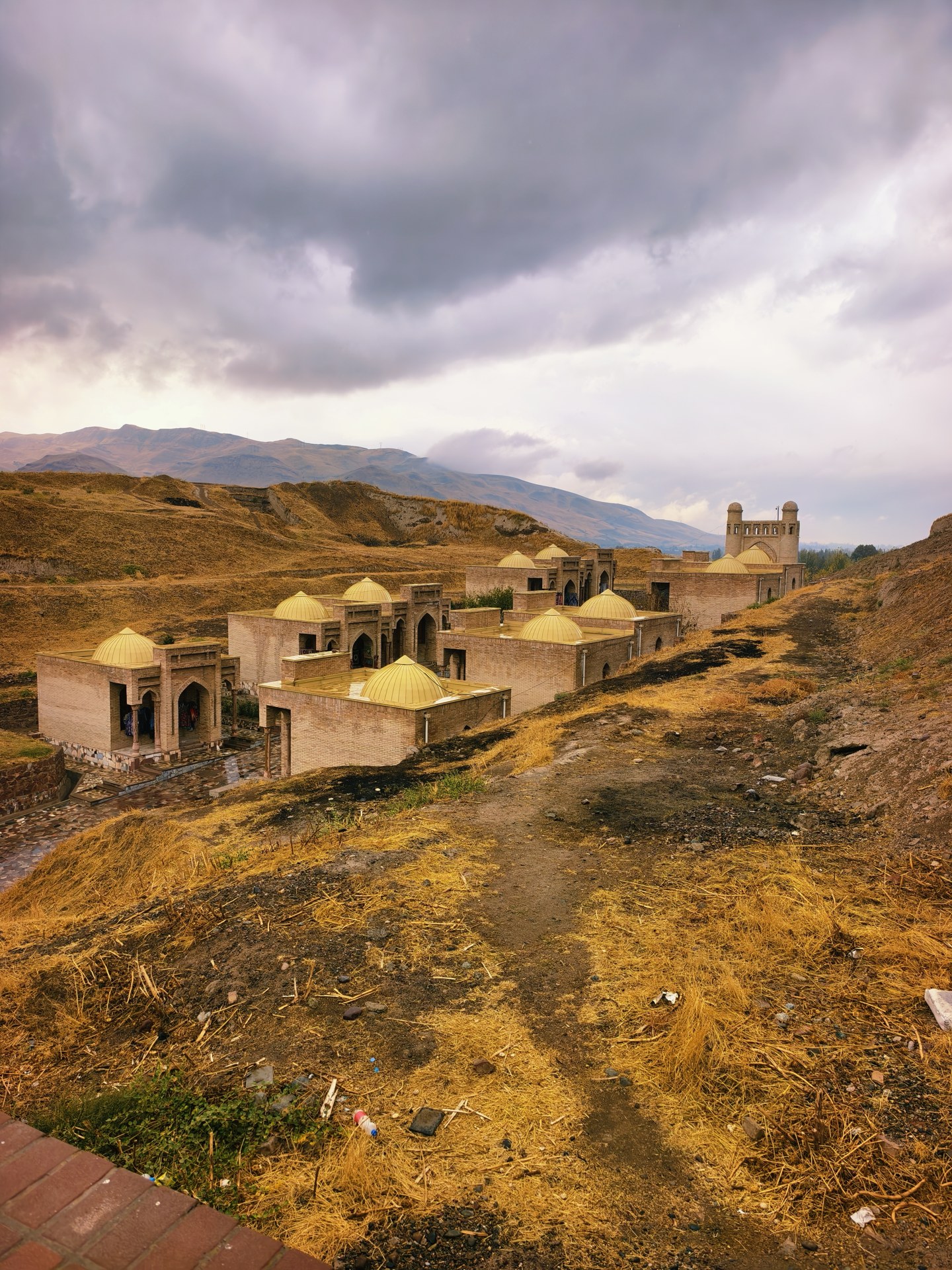
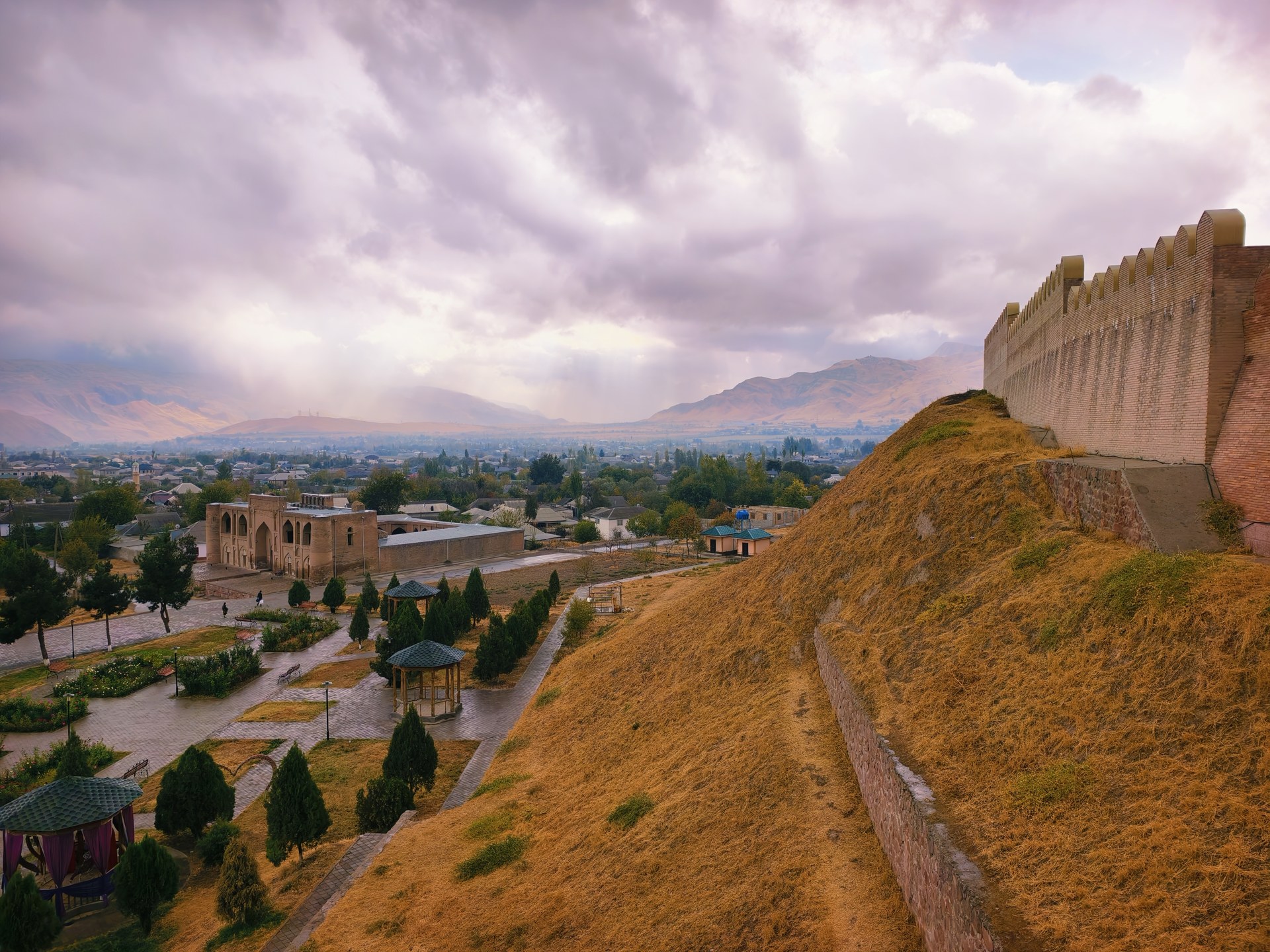
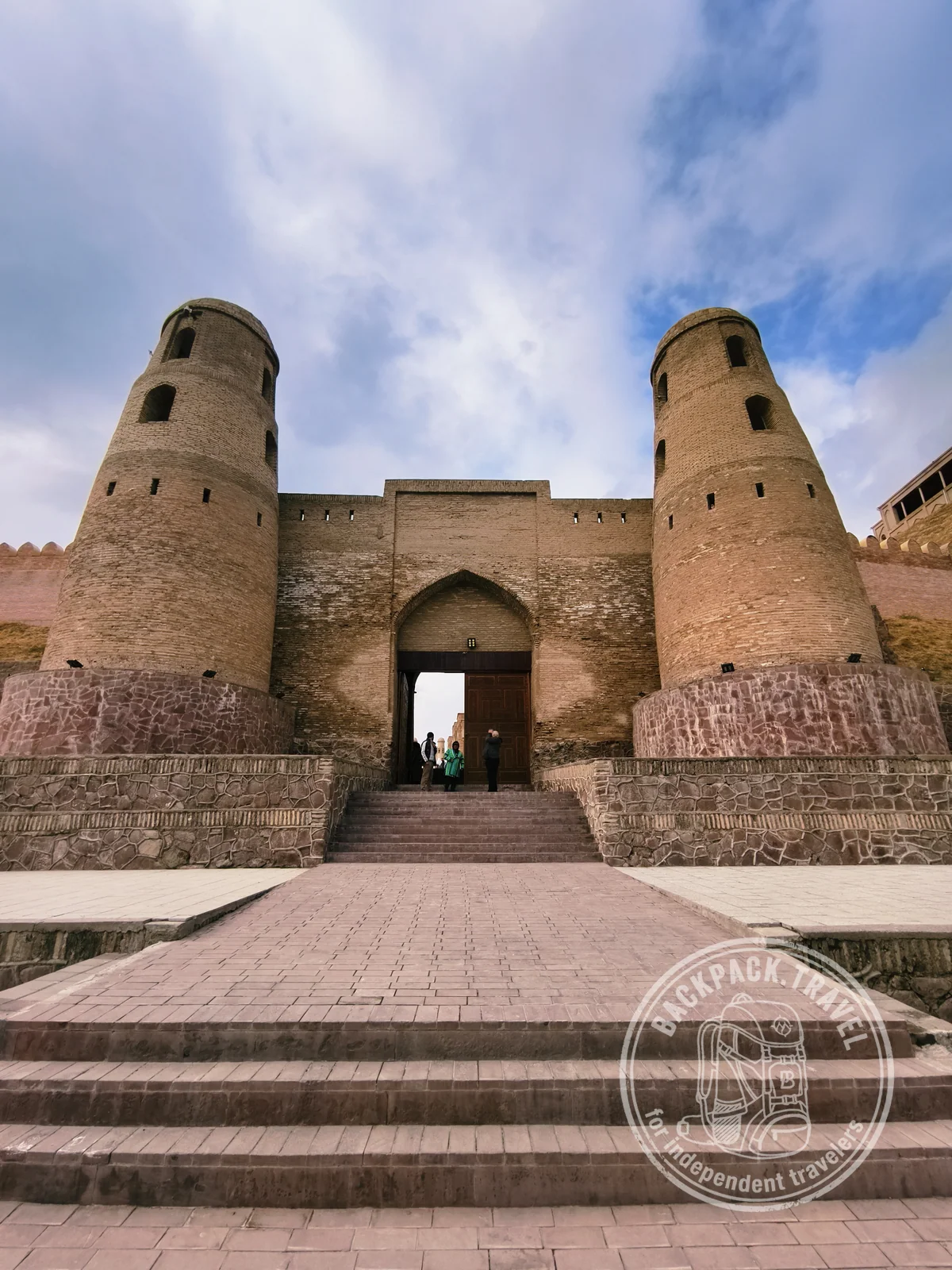
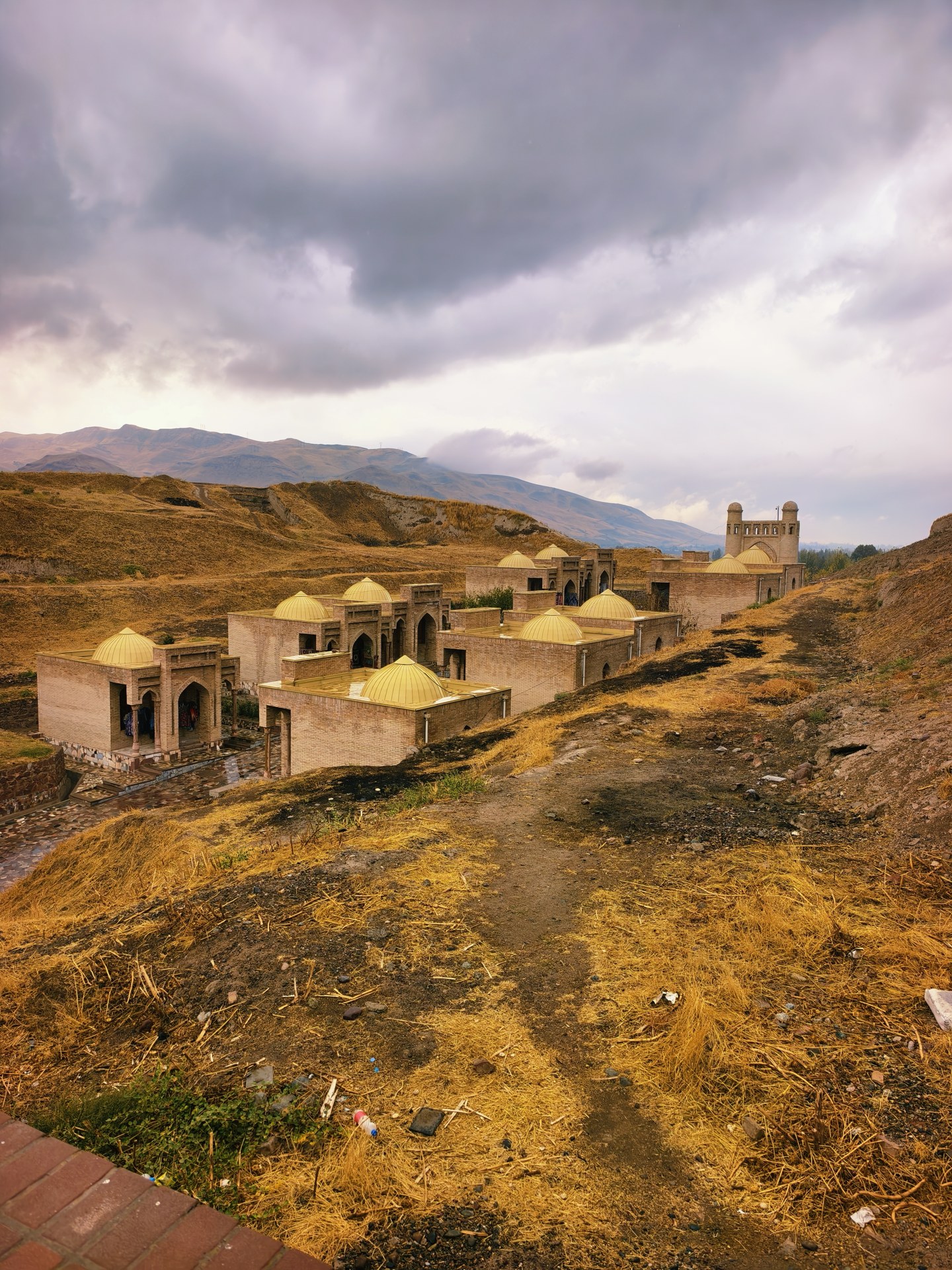
Hissar Fortress, 26 km away, is a restored complex with a madrasa and a gatehouse. To be honest, the restoration is largely new build and you should not expect ancient ruins. But as half a day out of town with views towards the foothills it works well, and the easiest way there is the same taxi app with waiting time, or a driver agreed for the round trip.
Using the city as a gateway to the mountains
Dushanbe is the assembly point for the Pamir Highway, Iskanderkul and the Fann Mountains. From here:
- Iskanderkul — three to five hours, genuinely feasible as a day trip with a driver.
- The Pamirs (the M41, Khorog and beyond) — a full expedition lasting days, not a day trip.
In practice, travelling companions and shared jeeps are found in advance at the guest houses and hostels in the centre, which is also where groups form to split a vehicle and fuel. If you are planning the Pamirs, the GBAO permit for Gorno-Badakhshan is issued in Dushanbe — allow time for it at the start rather than at the last minute.
Where to stay
Stay in the centre, on or near Rudaki: everything is then walkable, and this is where the hostels and guest houses are concentrated and where people find companions for the mountains. It is more practical than any saving on the outskirts, since what you save on taxis and frustration outweighs the difference.
Food and money
The cooking is filling and cheap. The basics: osh (plov), qurutob (torn flatbread with soured qurut cheese, the local speciality above all others), kebabs, manti and tushbera dumplings. Lunch in a chaikhana is inexpensive, and dinner in a restaurant is easy on the wallet too. Green tea arrives by default — it is part of the meal, so do not refuse it.
The currency is the somoni and cash rules: cards are poorly accepted outside a handful of larger establishments. Withdraw cash in advance, and all the more so before heading into the mountains, where there are no cash machines. Change money at exchange offices and banks, not on the street.
When to go
Spring (April to May) and autumn (September to October) are the sweet spot: warm but without the summer furnace, and the same windows work for the mountains. Summer in Dushanbe is hot; winter is mild in the city itself, but the Pamir passes may be closed, which matters if the highway is the reason you are coming.
Common mistakes
- Coming "just for the Pamirs" and not allowing a day for the GBAO permit in Dushanbe.
- Relying on cards and ending up without cash before the mountains.
- Taking a street taxi at the airport instead of using the app.
- Photographing restricted buildings from close range.
- Underestimating the shop at the bazaar before a long drive.
Photos