Description
A Paraguayan resort town on the Paraná River — San José beaches, carnival, and Jesuit mission ruins.
Wiki
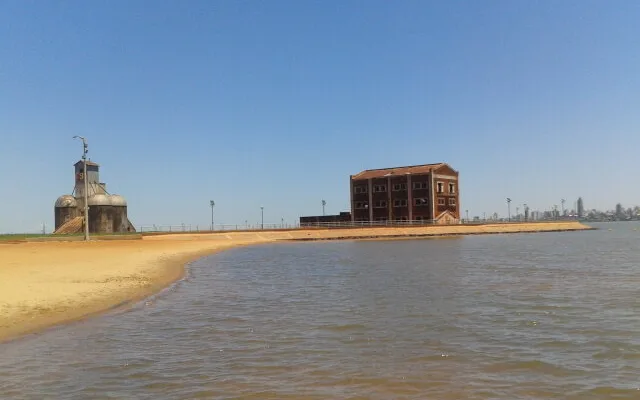
Encarnación is the most laid-back city in southern Paraguay, where evenings are spent strolling the waterfront with a flask of tereré, and in summer the San José river beaches are packed. People come for two things: beach life on the Paraná River and the remarkably well-preserved ruins of nearby Jesuit missions.
Why go and what is genuinely worth seeing
- Costanera (waterfront) and San José Beach. The heart of the city. An artificial urban beach with sand right inside Encarnación: in summer (December–February) there is swimming, bars and music. Off-season it is quiet but pleasant for a walk.
- Jesuit mission ruins of Trinidad and Jesús. UNESCO World Heritage sites 30–40 km from the city. Trinidad (La Santísima Trinidad de Paraná) is the most impressive: a surviving church, bell tower and intricate stone carvings. Jesús is nearby — an unfinished mission with fewer visitors. Both are genuinely worth the trip; they are the main cultural reason to stop in Encarnación.
- Carnival. If you visit during the season (January–February, on weekends) you will find Encarnación lives up to its title of Paraguay's "carnival capital." Parades, samba, grandstands. Grandstand tickets are paid and sell out — book ahead.
The city centre itself is small and has no standout sights; treat it as a base.
How many days to allow
Two days is enough: one for the Trinidad and Jesús missions, one for the waterfront, the beach and the easy pace of the city. Add an evening if you are coming for carnival.
Getting there
- From Asunción. Regular buses run the route in several hours along Ruta 1. The bus terminal (terminal) in Encarnación is about a half-hour walk or a short ride from the waterfront.
- From Argentina. Encarnación sits directly across from the Argentine city of Posadas, linked by the San Roque González bridge over the Paraná. An international bus crosses the border; stamps are applied on both sides — do not get off early, the bus waits. Pedestrian crossing of the bridge is not permitted.
- By air. There is no convenient direct option for most travellers; the bus is the standard route.
Getting around
- The city is compact; the centre and waterfront are easily walkable.
- To the missions: local buses heading toward Ciudad del Este pass by — ask to be let off at the turn for Trinidad, then it is a short walk. The easier if pricier option is a taxi or arranged half-day transfer covering both missions in one go, which is the most time-efficient way to see both ruins.
- Ride-hailing apps have limited coverage; agree on a price before you get in.
Where to stay
The best location is near the waterfront (Costanera) or in the centre between the terminal and the river. From there you can walk to the beach, cafés and departure points for the missions. Accommodation in Encarnación is generally affordable — hostels and guesthouses are available. In high summer and during carnival, prices rise and places fill up fast, so book in advance.
When to go
- December–February — beach season, carnival, maximum energy, but hot and humid with crowds and higher prices.
- March–April and autumn — comfortable weather, more pleasant for visiting the missions without the heat, fewer people.
- In winter (June–August) evenings are cool and swimming is out of season, but the ruins and walking are fine.
Food and prices
Paraguay is an inexpensive country and Encarnación is no exception. Things to try:
- Asado — locally grilled meat, the backbone of the cuisine.
- Chipa — cheese rolls made from cassava flour, sold everywhere, cheap and filling.
- Sopa paraguaya — a dense cornmeal bread-cake that, despite the name, is not a soup.
- Tereré — cold-steeped yerba mate, drunk by virtually everyone; a cultural must.
Street food and simple comedores (canteen-style diners) cost very little; a restaurant on the waterfront is pricier but still budget-friendly by most international standards.
Safety and practical details
- The city is calm and untaxing for tourists, but standard precautions apply: keep valuables out of sight and stay alert at night on the beach during the busy season.
- Currency — Paraguayan guaraní. Cash matters for buses, markets and small cafés; cards are not accepted everywhere.
- The border crossing into Argentina is generally quick, but keep your passport handy and make sure you collect all entry and exit stamps — missing ones cause problems when you leave.
- The missions charge an entrance fee (usually a combined ticket for several sites) — confirm on arrival and check opening hours in advance.
Common mistakes
- Arriving in Encarnación off-season expecting beach energy — in summer it is a resort; in winter it is a quiet town.
- Trying to visit both missions by local bus on a tight schedule — travel and waiting times add up more than expected; a transfer saves you a full day.
- Not booking accommodation and grandstand seats ahead for carnival — the city fills up completely during those weeks.