Description
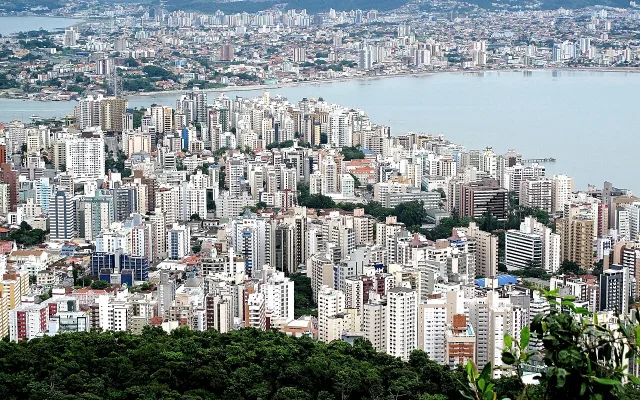
Florianópolis is a city on an island in southern Brazil, with 42 beaches, world-class surfing, the Joaquina dunes, and the Conceição lagoon.
Wiki
Florianópolis is the state capital of Santa Catarina in southern Brazil, situated mainly on Santa Catarina Island, which is connected to the mainland by bridges. This coastal city combines big-city infrastructure, a rich Azorean heritage, and world-class nature: its 42 sandy beaches, lagoons, dunes, and mangroves have earned it a reputation as one of the best places in the country for holidays and surfing. Locals affectionately call it "Floripa."
A little history and atmosphere
Portuguese settlers from the Azores began colonising the island in the 18th century, and their legacy is still felt in lace-making, fishing traditions, cuisine, and the look of the older neighbourhoods. For a long time the settlement was known as Nossa Senhora do Desterro, and the city received its modern name at the end of the 19th century. Today Florianópolis is considered one of the most prosperous and safest large cities in Brazil, with a high standard of living, a thriving IT sector, and a steady stream of visitors from neighbouring Argentina and Uruguay.
Beaches and nature
The island's coastline is enormously varied, and the right spot depends on what you are after:
- North — the most developed and family-friendly stretch. Canasvieiras, Jurerê, Ponta das Canas, and Ingleses are known for calm water, a gentle entry, and good facilities.
- East — surfers' territory. Alongside the famous Joaquina, look out for Praia Moçambique, one of the longest and wildest sandy strips on the island, bordered by protected forest, and Praia Mole.
- South — quieter and more scenic. Pantano do Sul, Armação, and the hard-to-reach Praia dos Naufragados — approached via a forest trail — are prized for their untouched feel and views.
Also worth a dedicated visit are the Joaquina dunes — golden sand hills where sandboarding is popular — along with the island's two nature reserves, home to endemic Atlantic Forest vegetation.
Lagoa da Conceição
This picturesque brackish lagoon in the centre of the island is ringed by hills and is one of the main hubs of local life. Its shores are lined with restaurants, bars, and windsurfing and kitesurfing schools. Kayaking, stand-up paddleboarding, and leisurely evenings by the water are all popular here. Nearby is the colourful village of Barra da Lagoa, with its fishing harbour and suspension bridge.
City neighbourhoods and culture
The historic centre on the mainland side of the strait preserves colonial architecture: a gleaming white cathedral, the covered market Mercado Público with its shops and bars serving traditional snacks, and palm-lined squares. The city's enduring symbol is the ornate suspension bridge Hercílio Luz — one of the oldest and largest of its kind in the world. North of the centre lies Santo Antônio de Lisboa, a fishing village of whitewashed Azorean-style houses, oyster farms, and sunset views over the bay.
Food
Florianópolis cuisine is built on the sea's bounty. The region is Brazil's largest producer of oysters and mussels, so fresh seafood is everywhere. Make sure to try:
- sequência de camarão — the island signature: a run of prawn dishes served one after another, from steamed to garlic-fried, with casquinha de siri and a fish fillet in prawn sauce;
- baked oysters from the farms of Ribeirão da Ilha, source of most of the oysters eaten in Brazil;
- fish dishes with banana and manioc flour;
- local pastries and sweets of Azorean origin.
Getting there and getting around
Hercílio Luz International Airport receives flights from São Paulo, Rio de Janeiro, other Brazilian cities, and a number of international destinations. Comfortable long-distance coaches run from Curitiba, São Paulo, and Porto Alegre. Around the island itself, a hire car is the most practical option: the distances between beaches are considerable, and while public transport covers the main routes, it is slow.
When to go and how long to stay
Peak season falls in the Brazilian summer — December through March — when the water is warm and the atmosphere is at its liveliest, but prices and crowds are also at their highest. Autumn (April–May) and spring offer comfortable weather with fewer visitors. Four days is enough to get a real feel for the city: that gives you time to tour the northern and southern beaches, tackle the Joaquina dunes, relax by the lagoon, and wander the historic centre with an oyster tasting thrown in.