Description
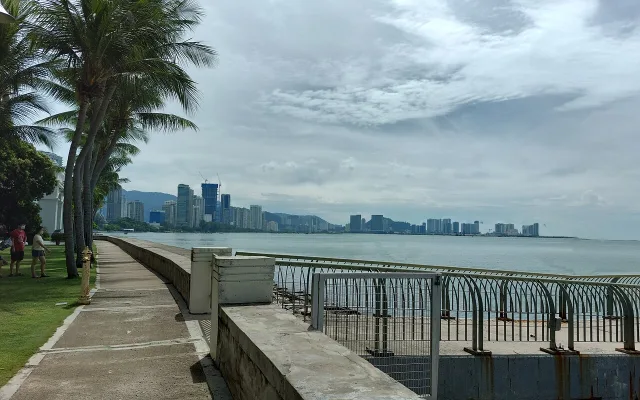
Penang's UNESCO-listed capital — street art, Straits shophouses and the best street food in Malaysia.
Wiki
George Town is a port city on the north-east of Penang island, separated from mainland Malaysia by a narrow strait. It is one of the few places in Southeast Asia where British colonial heritage and Asian religions and cultures share a few blocks of ground, and where street cooking has been raised to the level of a local art.
History and status
The city was founded in 1786 by Captain Francis Light, who leased the island from the Sultan of Kedah on behalf of the East India Company and laid out a trading fort here. Named after King George III, George Town became the first British settlement on the Malay Peninsula and an important link on the route between India and China. The free port drew settlers from across Asia, producing an unusually mixed population. In 2008 the historic centre, together with Malacca's, was inscribed on the UNESCO World Heritage list as an example of a multicultural Straits trading town. Around 700,000 people live in the wider urban area today, and George Town remains the capital of Penang state.
What to see
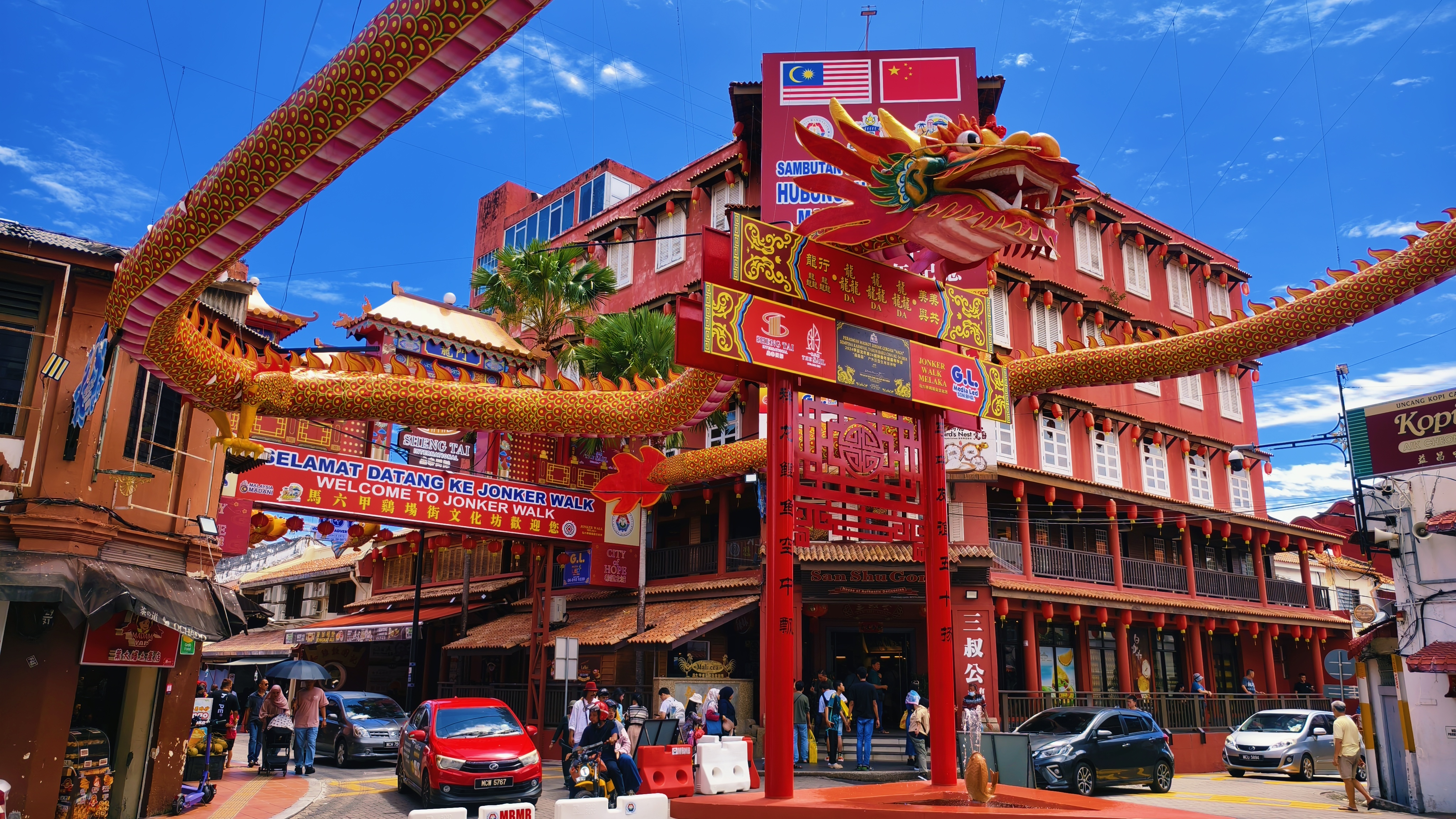
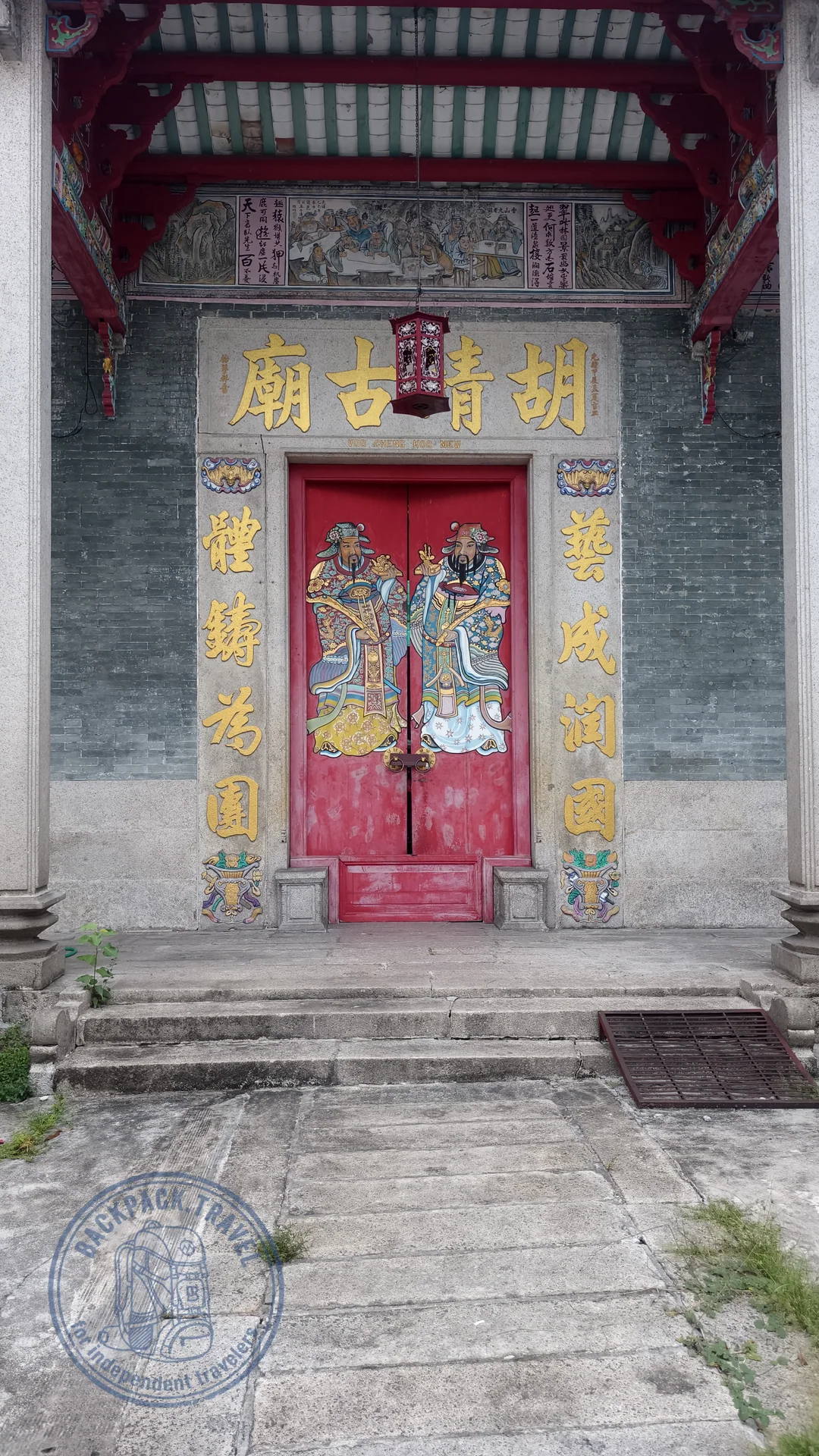
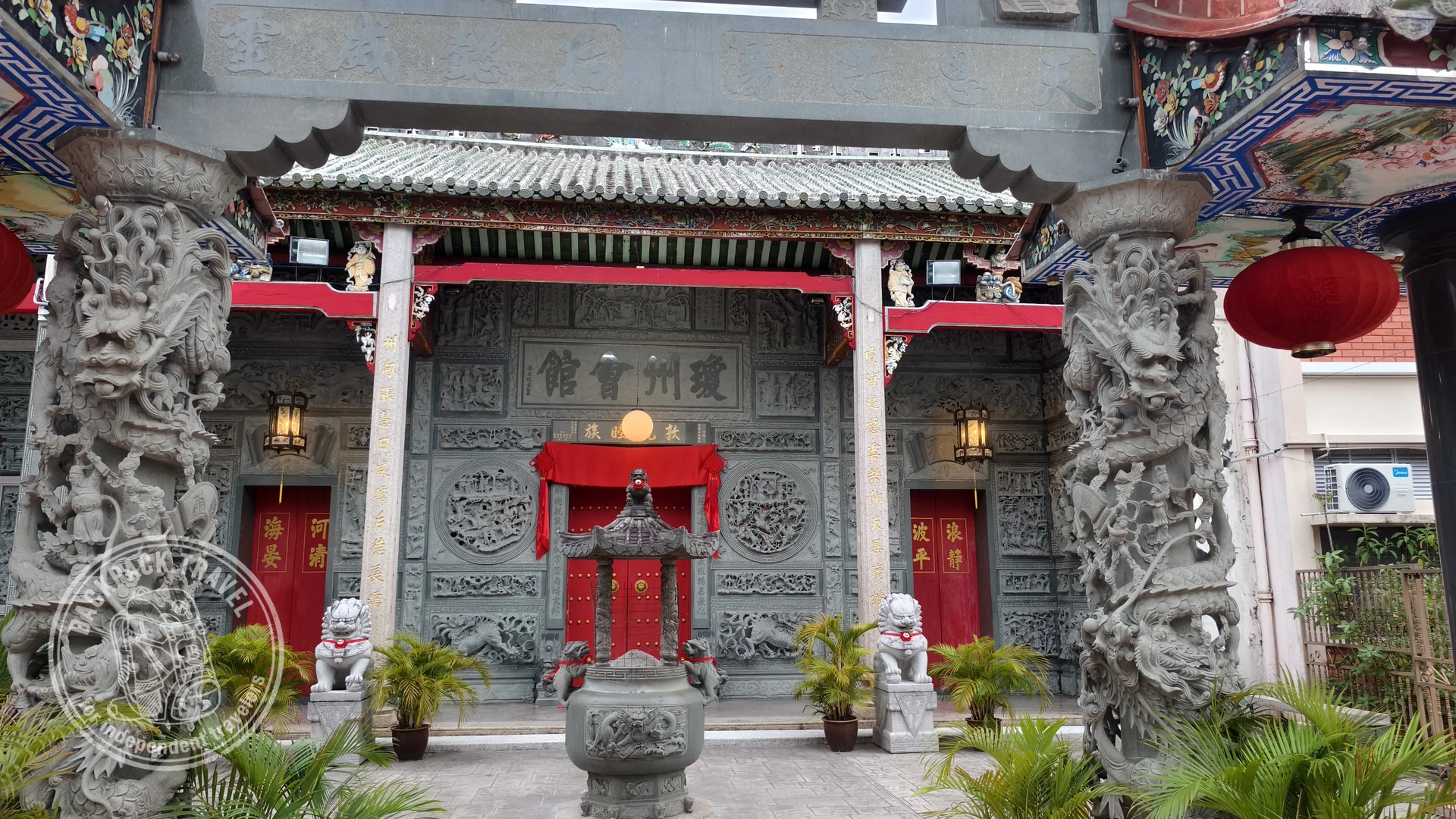
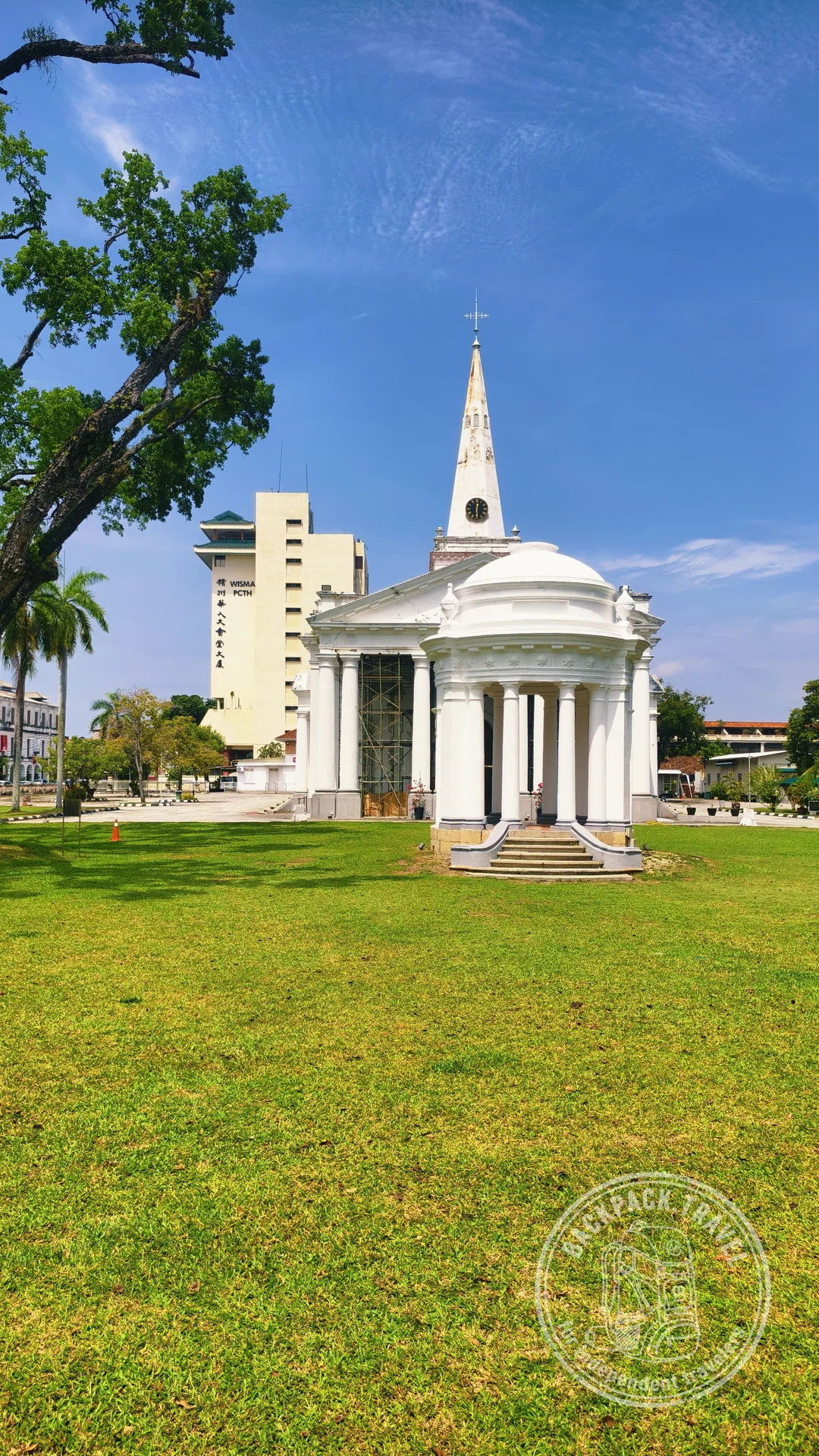
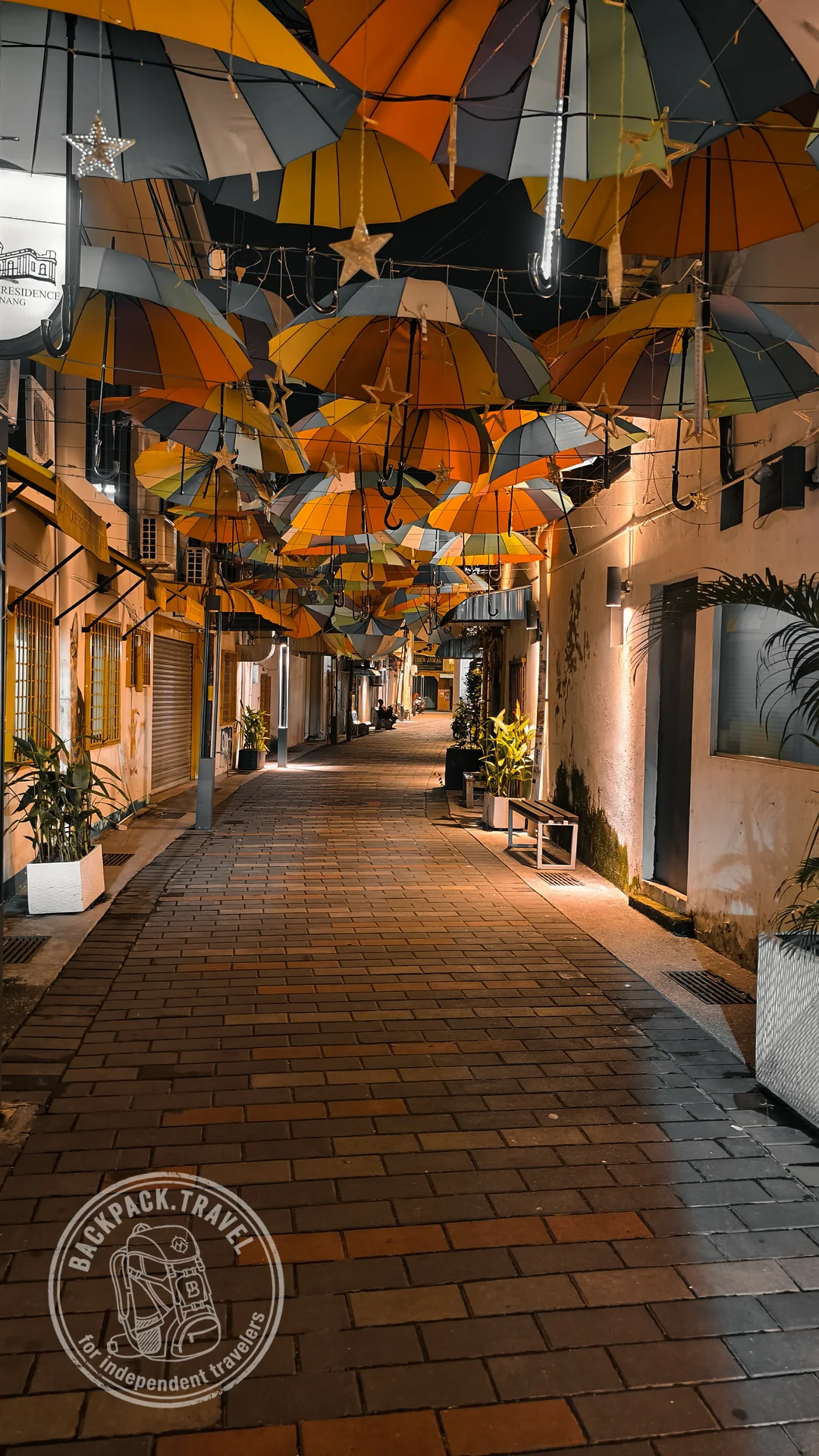
The heritage zone is the heart of the city, where Anglican churches, Chinese clan houses, Hindu temples and mosques stand within a short walk of one another. Streets such as Lebuh Armenian and Lebuh Acheh are lined with two-storey shophouses — a shop below, living quarters above — the characteristic Straits colonial form.
Street art. In 2012 the Lithuanian artist Ernest Zacharevic painted a series of murals, the best known being "Kids on Bicycle". Together with the wry wrought-iron installations by local makers, they turned a walk through the old town into a hunt for scenes scattered across the walls.
The clan jetties are stilt villages built out over the water by Chinese family associations. Six survive, named after the clans — Chew, Tan, Lim, Yeoh, Lee and the mixed jetty. Chew Jetty is the most visited and the most photogenic.
The Blue Mansion (Cheong Fatt Tze Mansion) is the late-nineteenth-century house of a Chinese tycoon, washed in indigo lime. It now holds a boutique hotel and a museum of the life of the Chinese merchant elite.
Kek Lok Si is one of the largest Buddhist temple complexes in the region, spread across the slope of Air Itam hill, with a seven-tier pagoda and a giant statue of the goddess Kuan Yin.
Penang Hill (Bukit Bendera) rises to over 800 m and is reached by funicular. It is cooler at the top, colonial villas survive there, and the views take in the island and the strait.
Food
Penang cooking is the main reason people come back. Malay, southern Chinese, Tamil and Peranakan recipes have blended here, and the best place to meet them is the street hawker centres. Do not leave without trying:
- char kway teow — flat rice noodles fried over fierce heat with prawns and bean sprouts;
- asam laksa — a sour fish and noodle soup with tamarind and mint;
- hokkien mee — a rich soup on prawn stock;
- nasi kandar — rice with an assortment of hot Indian curries;
- cendol — shaved ice with coconut milk and palm sugar.
The popular street-food spots are the Gurney Drive seafront and the lanes around New Lane and Lebuh Kimberley. A modest lunch is cheap, while a restaurant dinner costs noticeably more; strong local coffee is everywhere.
Practicalities
Three days covers the essentials: day one on foot through the heritage zone hunting murals, day two for the temples, Penang Hill and green spaces such as the spice garden, day three for Batu Ferringhi beach or an unhurried street-food crawl.
The island is joined to the mainland by two road bridges and a ferry, and the international airport handles flights from neighbouring countries. Walking works well in the compact centre; for longer distances there are Rapid Penang buses and ride-hailing taxis. The climate is equatorial, hot and humid year-round, with the wettest months in autumn, though the downpours are usually brief. Malay is the official language, but English and Chinese dialects are in everyday use, which makes George Town an easy place to travel.