Description
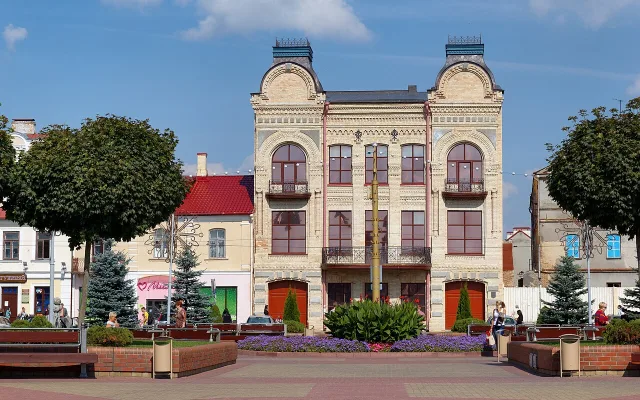
Grodno is an ancient city in western Belarus, known for its castles, Catholic churches, and compact historic centre.
Wiki
Grodno is one of the few Belarusian cities where the old centre has survived almost intact — not a reconstructed facsimile, but genuine cobbled streets, 17th–18th-century Catholic churches, and two castles on the banks of the Neman. Two days is enough to get a real feel for the place without rushing.
Why visit and what to see
Grodno is compact and very walkable — the highlights are concentrated in the historic centre, which can be covered in a day.
- The Old and New Castles stand side by side on a high bank of the Neman. The Old Castle is the ancient core of the city, with the remains of its fortifications; the New Castle is an 18th-century palace complex. Even if you skip the interiors, the views over the river from Castle Hill are worth the climb.
- Farny Church (Cathedral of St Francis Xavier) is the city's signature landmark. Inside are one of the tallest wooden altars in Europe and an antique organ. Entry is usually free — behave as you would in any working church.
- Kolozha Church (Church of Sts Boris and Gleb) dates from around 1180 and is one of the oldest surviving structures in the country. Its walls are laid in plinth brick set with polished coloured boulders and majolica tiles, while ceramic acoustic jars are built into the masonry inside. It stands above the Neman, an easy walk from the castles.
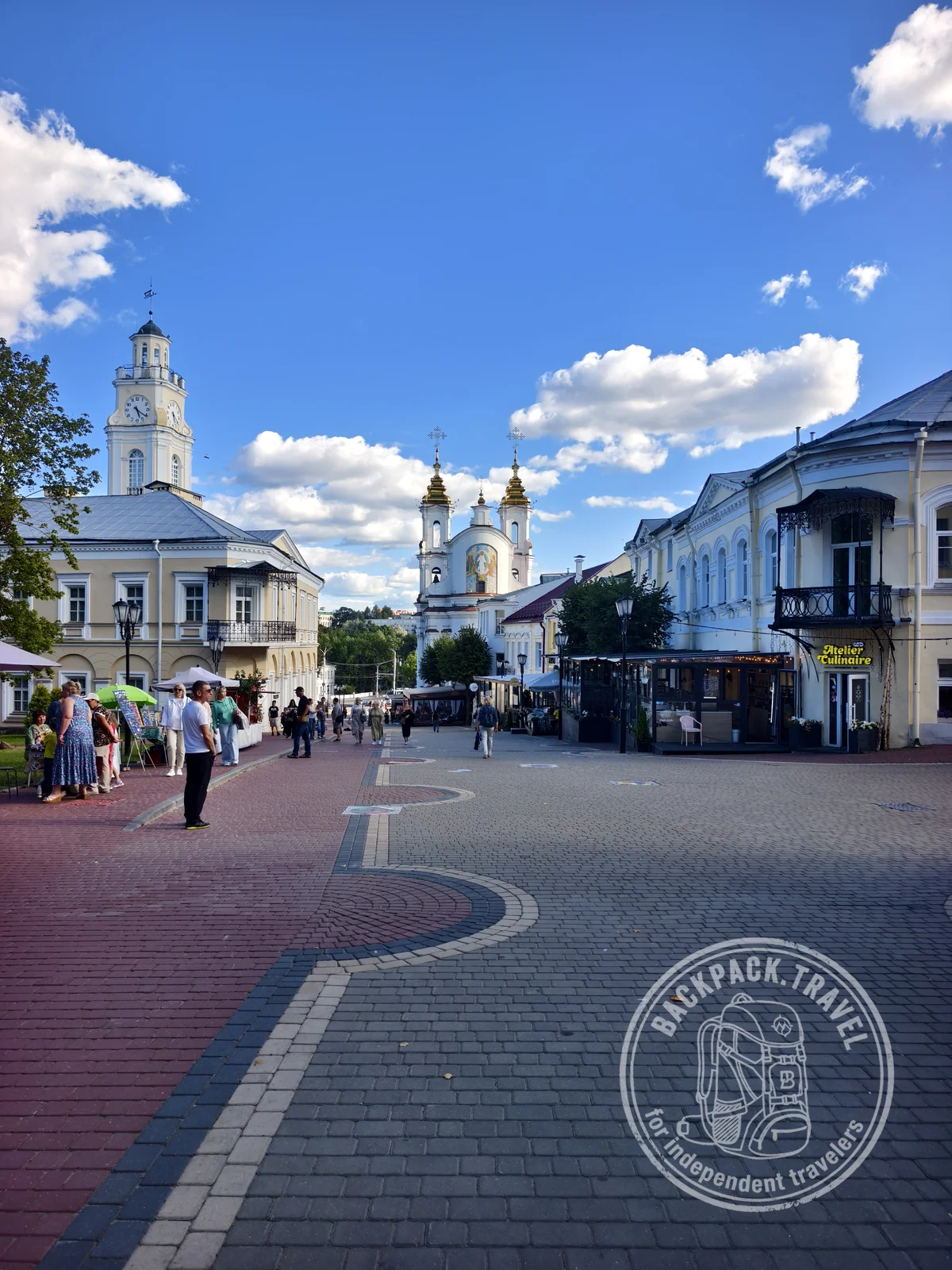
- Sovetskaya Street and Soviet Square form the main pedestrian axis, lined with cafés, shops, and buildings from different eras — a natural starting point for a stroll.
- The Pharmacy Museum and old courtyards — for those who enjoy detail over tick-box sightseeing.
Grodno feels more "European" than eastern Belarus — a result of its proximity to Poland and Lithuania and its many-layered history.
Getting there
- Train — the most convenient option from Minsk: several departures a day, the journey takes a few hours, and fast services are available. The station is not far from the centre.
- Buses and minibuses run from Minsk and cross-border directions; the bus station is also within walking distance of the old town.
- Car is useful if you want to explore the surroundings, but in the centre itself it is more of a burden — parking is limited and everything is close together.
Grodno is a border hub between Belarus, Poland, and Lithuania, and international routes pass through the city. Check current visa and border-crossing requirements well in advance — entry rules for Belarus and border conditions change.
Getting around
All the main sights are within walking distance; you can comfortably walk from the station to the castles. Buses and minibuses run across the city, but tourists rarely need them — the centre is easily covered on foot. Taxis are inexpensive; take one if you are tired or heading to an outlying area.
Where to stay
Stay in the historic centre or near Sovetskaya Street — you step straight out to the sights in the morning, and the centre is just minutes away in the evening. Options range from hostels and apartments to small hotels; prices are moderate by Belarusian standards and noticeably lower than in Minsk. Accommodation near the station is a compromise: slightly cheaper and convenient for arrivals and departures, but a longer walk to the castles.
How much time to allow
Two days is enough: the first for the castles, Kolozha Church, and the Neman embankment; the second for the Catholic churches, Sovetskaya Street, museums, and a leisurely wander through the courtyards. On a day trip you can cover the main route, but there is no margin left for cafés and the finer details.
When to go
The most comfortable time is May to September: warm weather, greenery, outdoor terraces open, and pleasant walks along the embankment. Winter is beautiful and uncrowded, but the days are short and it can be damp and cold. The shoulder seasons bring fewer tourists and lower accommodation prices — just bring waterproof footwear.
Food and money
The cuisine is Belarusian with Polish–Lithuanian accents: draniki (potato pancakes), kalduny (stuffed potato dumplings), machanka (pork stew), potato babka, along with locally made kvass and infused spirits. Look a couple of streets back from Sovetskaya rather than at the tourist-facing spots on the main drag — cheaper and more authentic.
- Currency — Belarusian ruble; keep some cash on you, as cards are not accepted everywhere, especially in smaller cafés.
- The overall price level for travellers is low to moderate: eating and sleeping in Grodno is noticeably cheaper than across the border in the EU.
- Save money with set-menu business lunches, and buy groceries at ordinary shops rather than in the centre.
Safety and practicalities
The city is calm and the centre is safe day and night — ordinary urban awareness about pickpockets in busy spots is all that is needed. The main thing to sort out before you go is border crossing and visa logistics: check entry requirements, travel insurance, and registration rules if applicable.
Common mistakes
- Coming for half a day on a flying visit — Grodno rewards a slower pace; allow at least one full day.
- Relying only on a card — withdraw cash in advance.
- Seeing only the castles and leaving — the Catholic churches and Kolozha Church are equally rewarding, and the Neman embankment offers the best views.
- Skipping the surroundings: if you have time, Grodno is a convenient base for excursions into nature and to the nearby border towns.