Description
Capital of Zhejiang, praised by Marco Polo — the UNESCO-listed West Lake, temples, pagodas and the Longjing tea hills.
Wiki
Hangzhou is the capital of Zhejiang and one of those Chinese cities people come to for the landscape rather than the skyline. An hour by train from Shanghai, and instead of a megacity there are hills, tea terraces and a lake that Chinese culture has treated as the standard of beauty for a thousand years.
West Lake
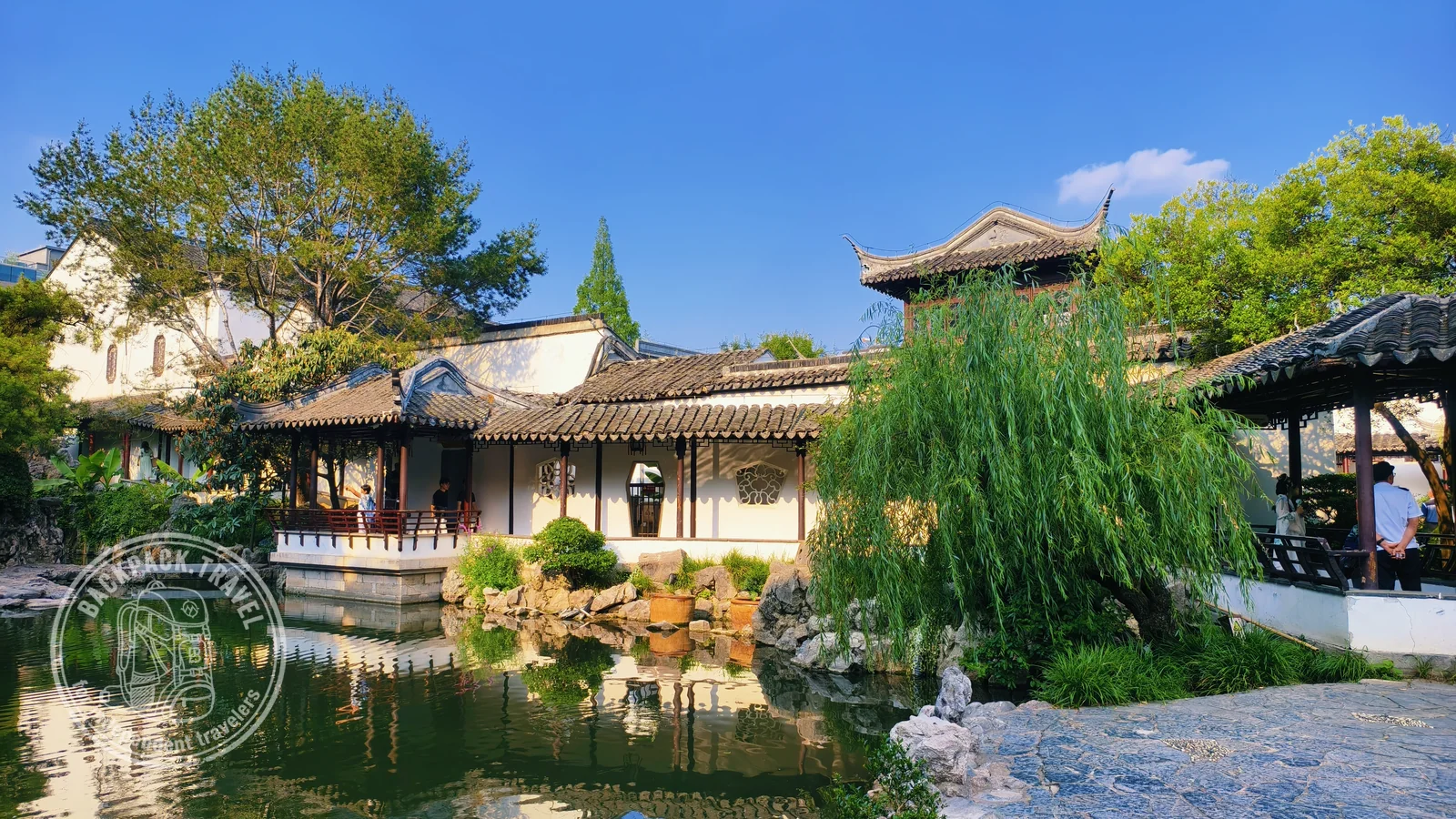
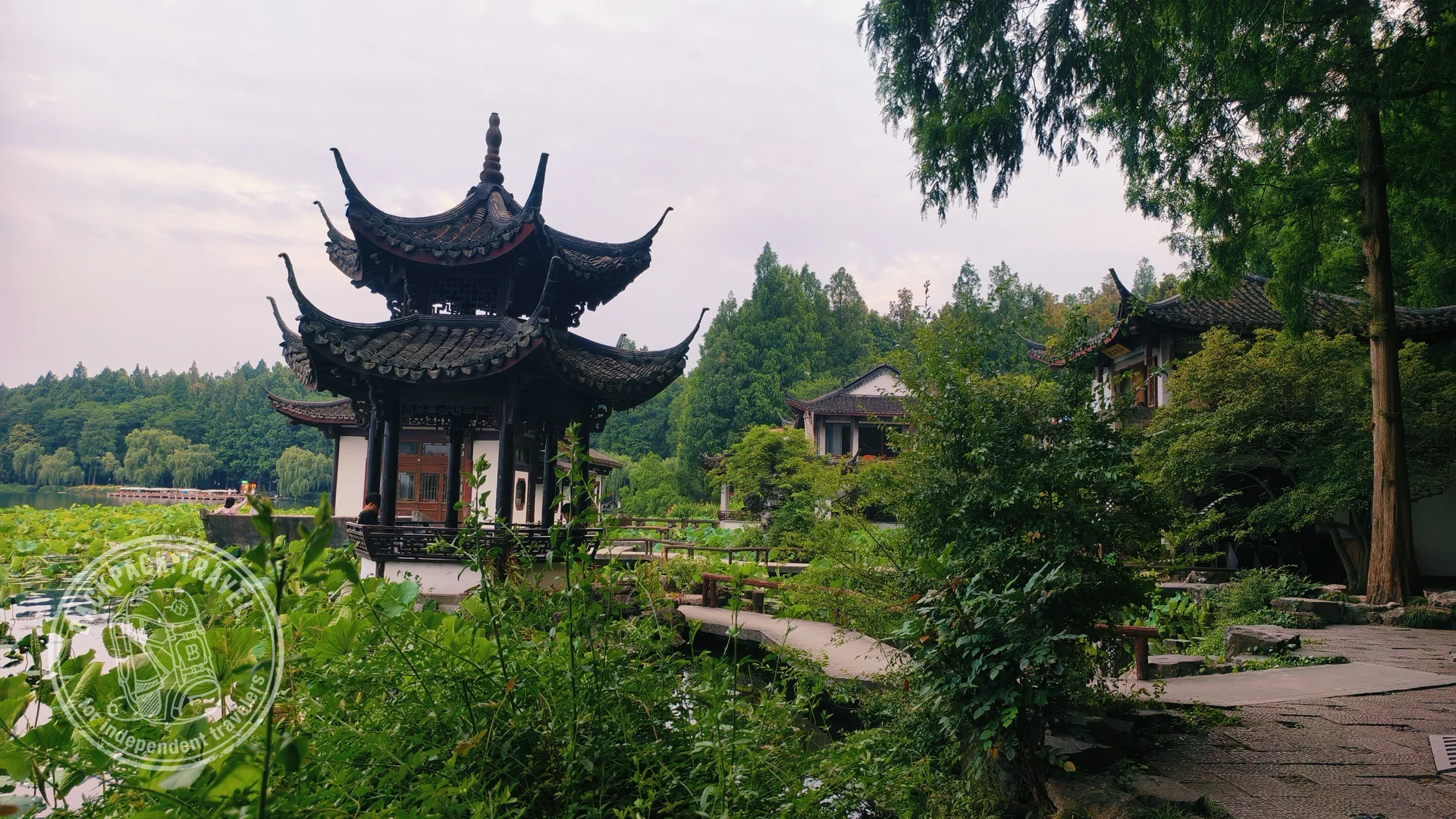
Xihu is the main reason to come and a UNESCO World Heritage Site (since 2011). It is not a park with a ticket office: the lake is open and free, and locals and visitors alike wander around it. Circling the whole shore is some fifteen kilometres, so it makes sense to pick a route:
- The Su Causeway (Su Di) — the embankment across the lake attributed to the poet Su Shi; six bridges, willows and peach trees that flower at the same time in spring.
- The Bai Causeway and the Broken Bridge (Duanqiao) — the short northern stretch and the busiest; this is the bridge from the Legend of the White Snake.
- Leifeng Pagoda — rebuilt in 2002 on the site of the collapsed original; there is a lift inside and the best overall view of the lake from the top.
- Three Pools Mirroring the Moon — three stone lantern towers standing in the water, reached by pleasure boat. They appear on the 1 yuan note.
- Gushan (Solitary Hill) with the provincial museum and the Xiling Seal Engravers' Society.
The logic is simple: causeways in the morning, a boat in the afternoon, the illuminated waterfront in the evening. A bicycle or a rented electric buggy covers the shore faster, but walking is better.
What else to see
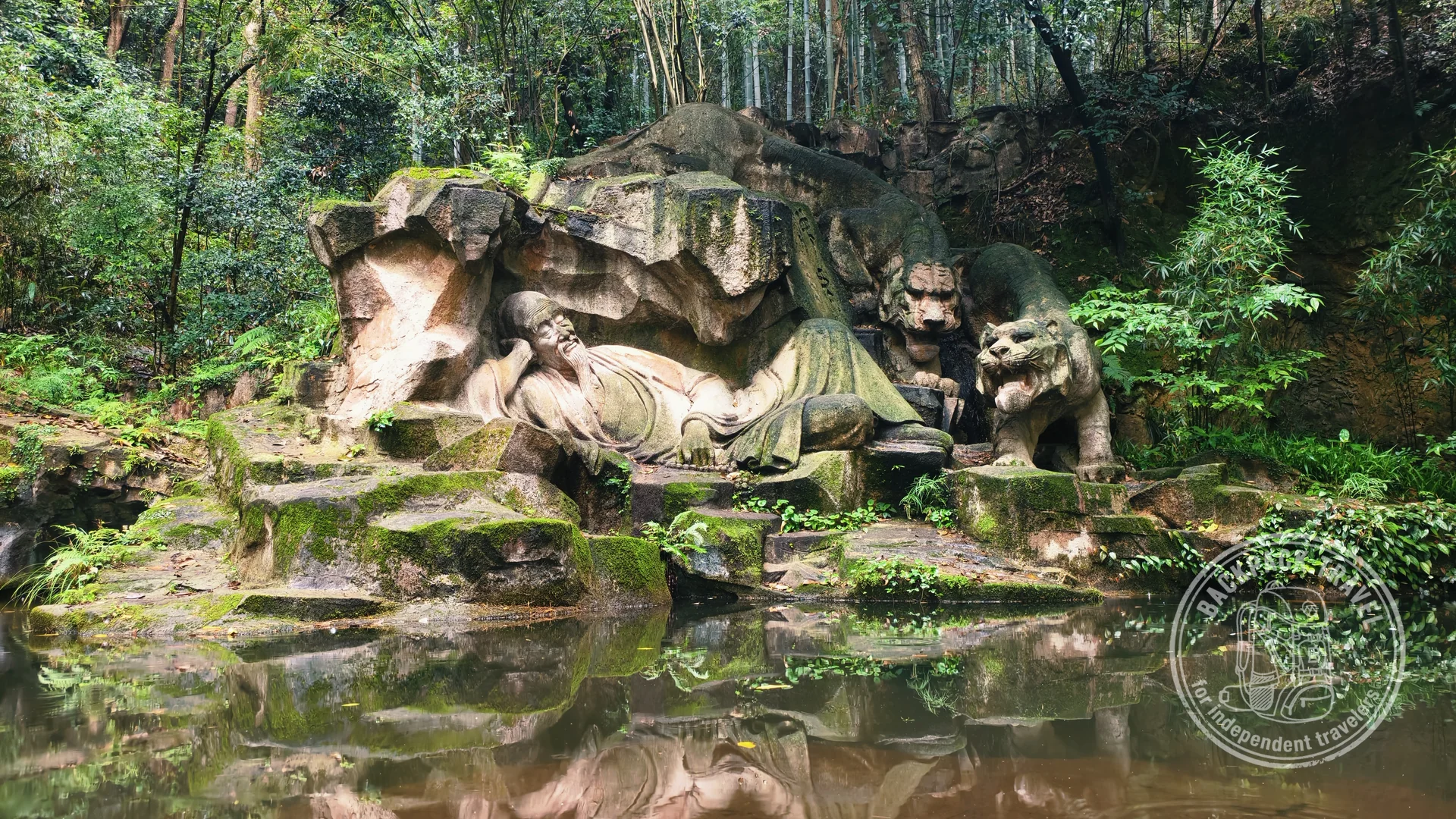
- Lingyin Temple ("Temple of the Soul's Retreat") — a working Buddhist monastery founded in the 4th century at the foot of the hills. Beside it is Feilai Feng, a limestone crag with hundreds of Buddhist reliefs of the 10th to 14th centuries carved into the rock and into its grottoes. The sculpture park and the temple itself are ticketed separately.
- Liuhe Pagoda ("Six Harmonies") — a 12th-century brick-and-timber tower above the Qiantang river, raised, according to tradition, to subdue the tidal wave.
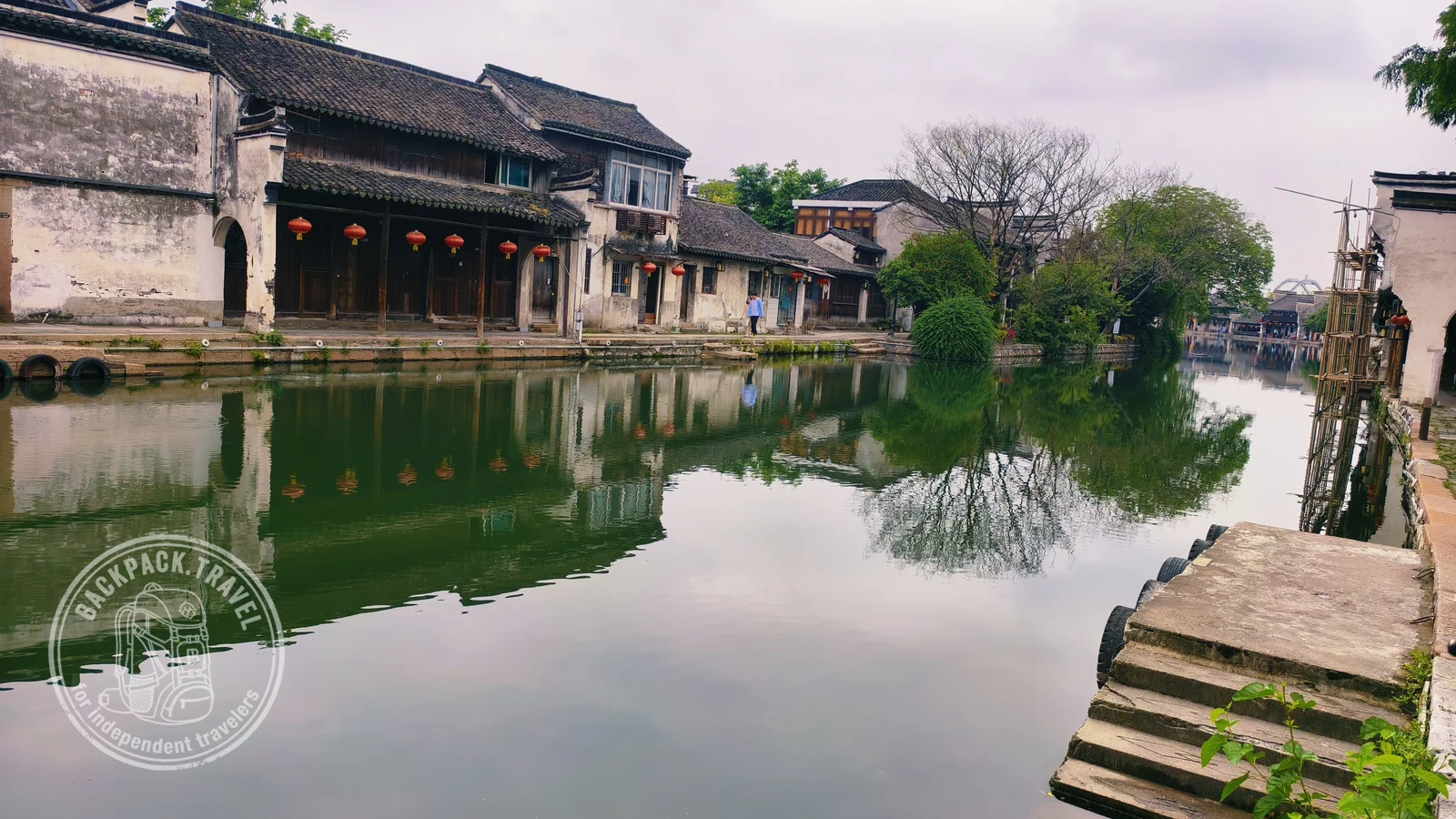
- The Grand Canal from Beijing to Hangzhou, also UNESCO-listed. Its urban finale is the Gongchen Bridge and the Xiaohe Street quarter with its craft museums; a cheap city water bus runs along the canal and doubles as sightseeing.
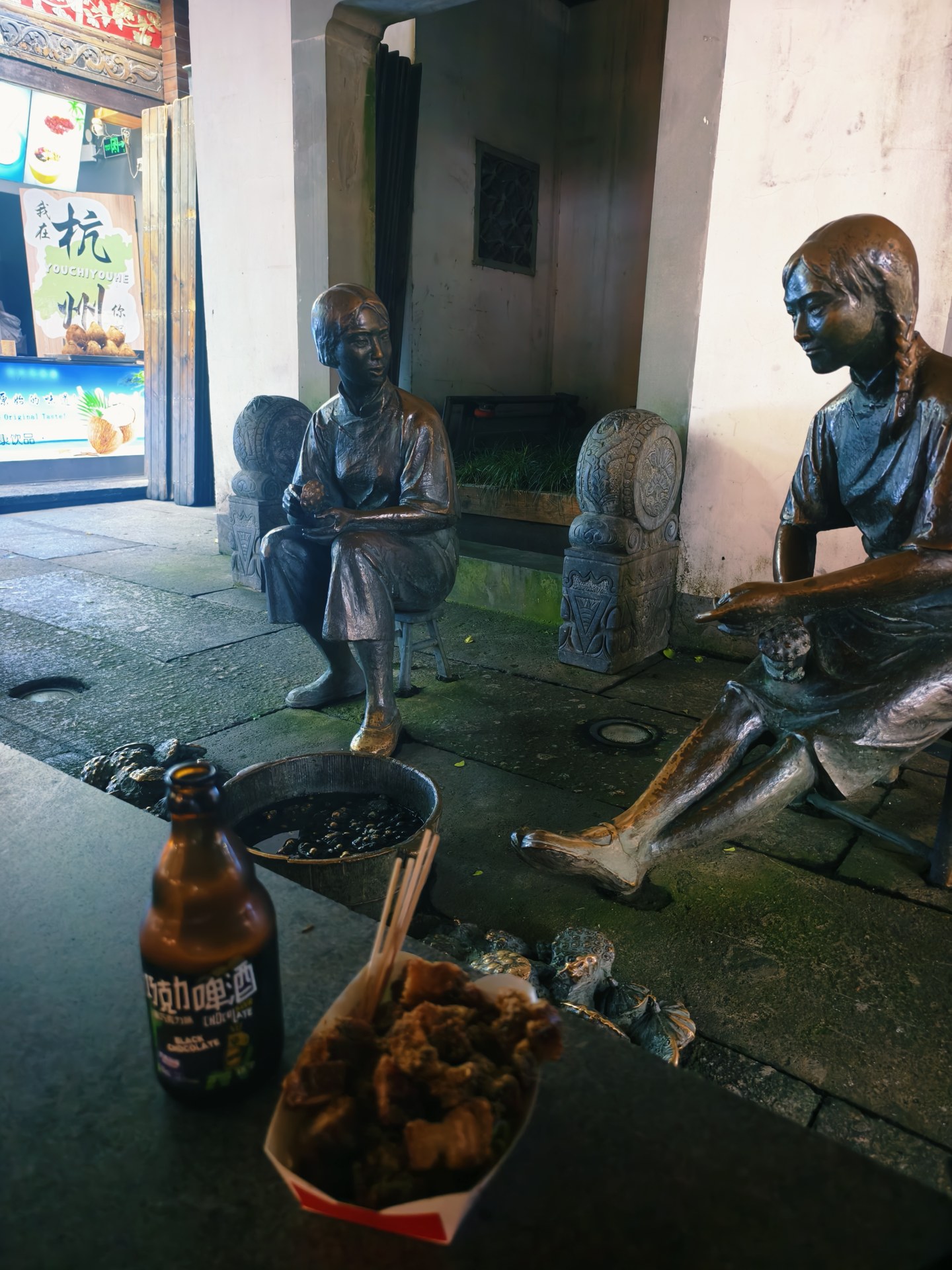
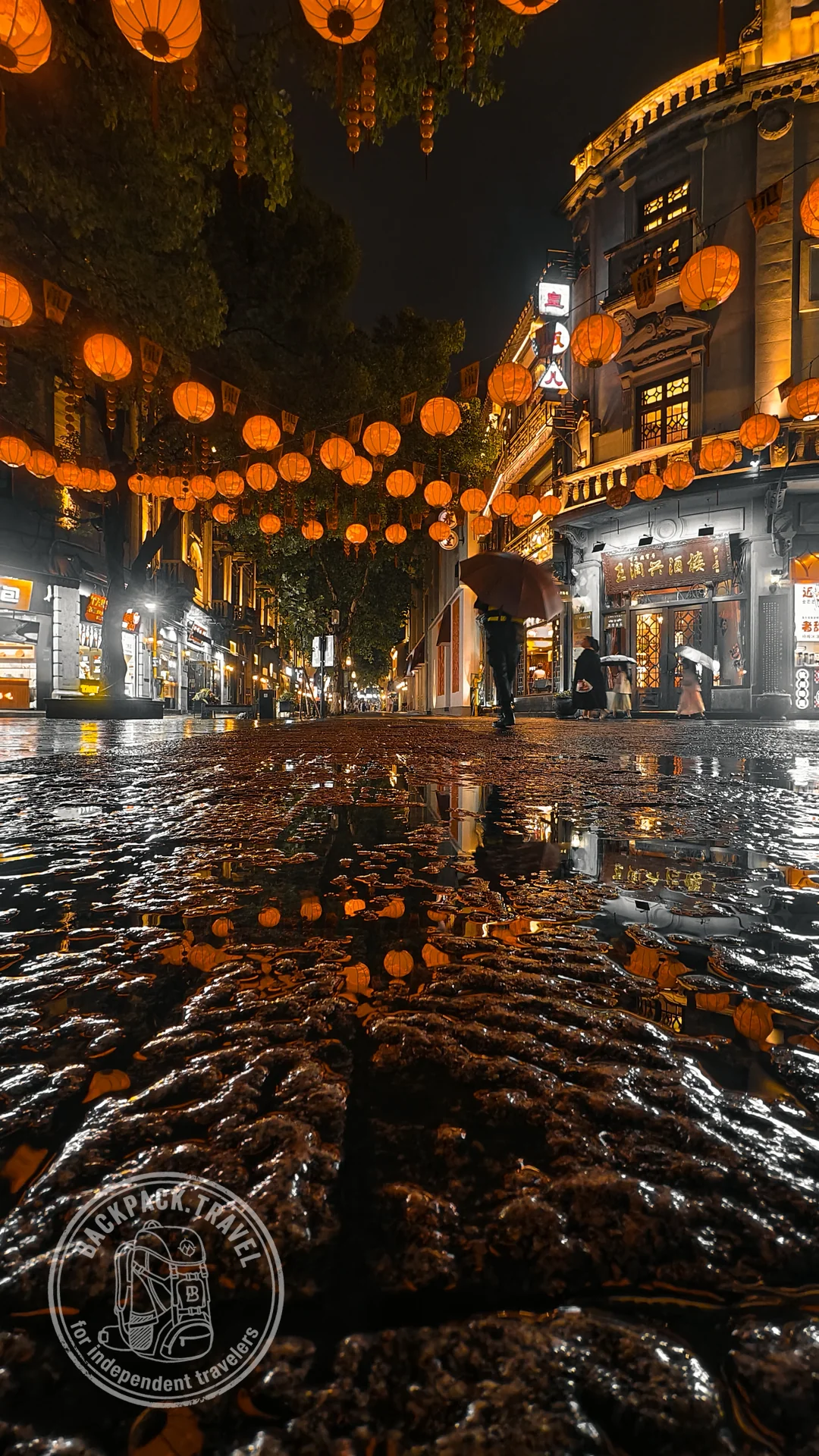
- Hefang Street — the old pedestrian street with shops, the Huqingyutang traditional-medicine pharmacy and street food.
- Xixi — a wetland park on the western edge, a network of channels and boardwalks; people come here for quiet when the lake is overrun.
Tea
Hangzhou is the home of Longjing ("Dragon Well") green tea. The plantations begin immediately behind the hills of the western shore.
- Longjing village and Meijiawu — terraces, tea houses, tastings. Both are reachable by city bus.
- The China National Tea Museum — free, with a clear display and fields around it.
The fresh crop is picked before the Qingming festival in early April, and it is also the most expensive. Buy at the village cooperatives or the museum shop: the tourist streets are full of fakes.
The Qiantang tidal bore
Once a year the Qiantang river produces one of the most powerful tidal bores in the world, a wall of water several metres high running upstream. The peak falls around the 18th day of the eighth lunar month, meaning September or early October. People go to Yanguan in Haining county, a little over an hour from the city. The wave is dangerous, and the viewing platforms are fenced for a reason.
Food
Zhejiang cooking is mild and slightly sweet, without searing chilli:
- Dongpo pork — a braised cube of belly named after that same Su Shi;
- West Lake vinegar fish — lake carp in a vinegar sauce, an acquired taste;
- Longjing shrimp — prawns stir-fried with tea leaves;
- Beggar's chicken — a bird baked in clay and lotus leaves;
- Lotus root powder — a warm starch jelly, the local dessert.
Logistics
- By train. From Shanghai Hongqiao high-speed trains take 45-60 minutes to Hangzhou East; from Beijing it is about 4.5 hours. Tickets are bought against your passport, which also serves as the ticket at the barrier.
- By air. Xiaoshan airport (HGH) is 30 km out, linked to the city by metro and express buses.
- In the city. The metro covers the stations, the centre and the eastern shore of the lake; buses run to Lingyin and the tea villages. Payment is almost entirely through Chinese apps — link a card to Alipay or WeChat Pay in advance, as cash is accepted reluctantly.
When to go
The best months are March and April (blossom on the causeways) and October (osmanthus, the city flower, scenting the whole centre). Summer is hot and humid, winter damp and raw, though the lake in a rare snowfall is worth a trip in itself.
The public holidays — the first week of October and the start of May — turn the shore into a solid crowd; if the dates cannot be moved, save Xixi and the tea hills for those days.
Common mistakes
- Allowing two hours at the lake between trains — enough for the Broken Bridge and disappointment.
- Arriving without a working Chinese payment app and a VPN.
- Buying "Longjing" from touts at the temple gate.
- Chasing the tidal bore on guesswork: the dates follow the lunar calendar and are published in advance.