Description
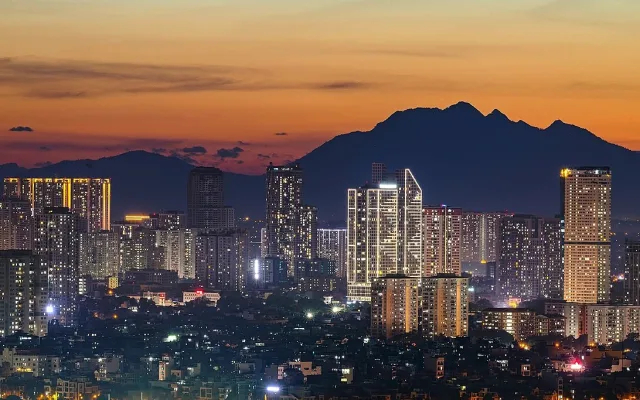
Hanoi is the capital of Vietnam, known for its Old Quarter and Hoan Kiem lake. It is the place to try local dishes such as pho and bia hoi.
Wiki
Hanoi is the capital of the Socialist Republic of Vietnam, its political, administrative and cultural centre, set in the delta of the Red River (Hong Ha) in the north of the country. Around 8.5 million people live in the metropolitan area, which makes Hanoi the second-largest city in Vietnam after Ho Chi Minh City. With more than a thousand years of history, Hanoi is among the oldest working capitals in South-East Asia: the city was founded in 1010, when the emperor Ly Thai To moved his throne here and named the new residence Thang Long, "the ascending dragon".
History
The fate of Hanoi is closely interwoven with the history of Vietnam as a whole. Under the name Thang Long it served for centuries as the capital of the Ly, Tran and Le imperial dynasties, remaining the centre of power and learning. In the 19th century the ruling Nguyen dynasty moved the capital to Hue, and the present name — Hanoi, meaning "the city inside the rivers" — was fixed in 1831. In the second half of the 19th century the city became the administrative centre of French Indochina, and the colonial era left a marked imprint on its appearance: broad boulevards, villas and administrative buildings in the European style.
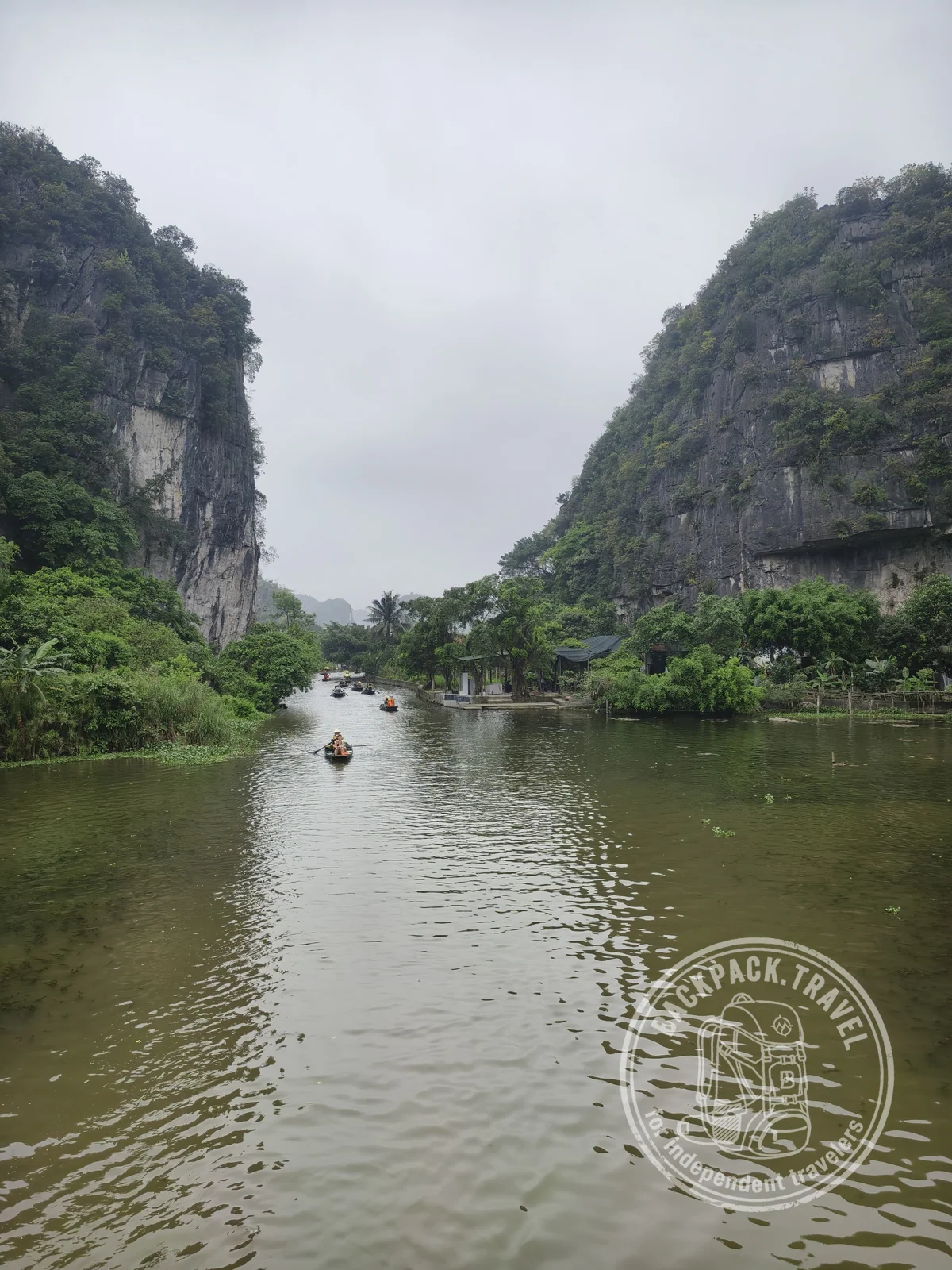
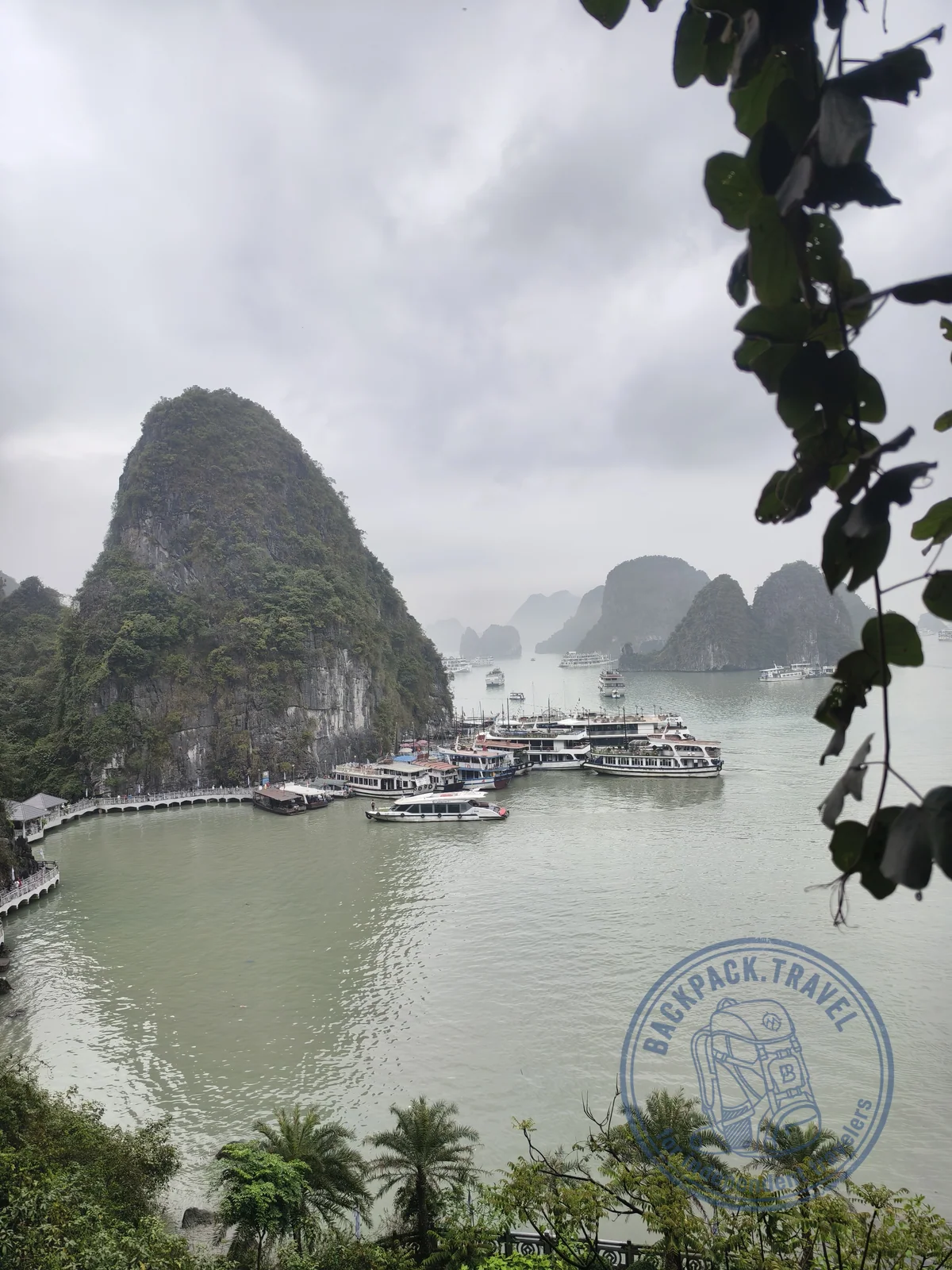
After independence was proclaimed by Ho Chi Minh in 1945, Hanoi became the capital of the Democratic Republic of Vietnam, and during the war years the political centre of the North. After the reunification of the country in 1976 the city became the capital of the single state. Today Hanoi governs the whole republic and serves as the main gateway to the sights of the north: Ha Long Bay, the mountain resort of Sapa, the Mai Chau valley and the picturesque karst country of Ninh Binh.
What to see
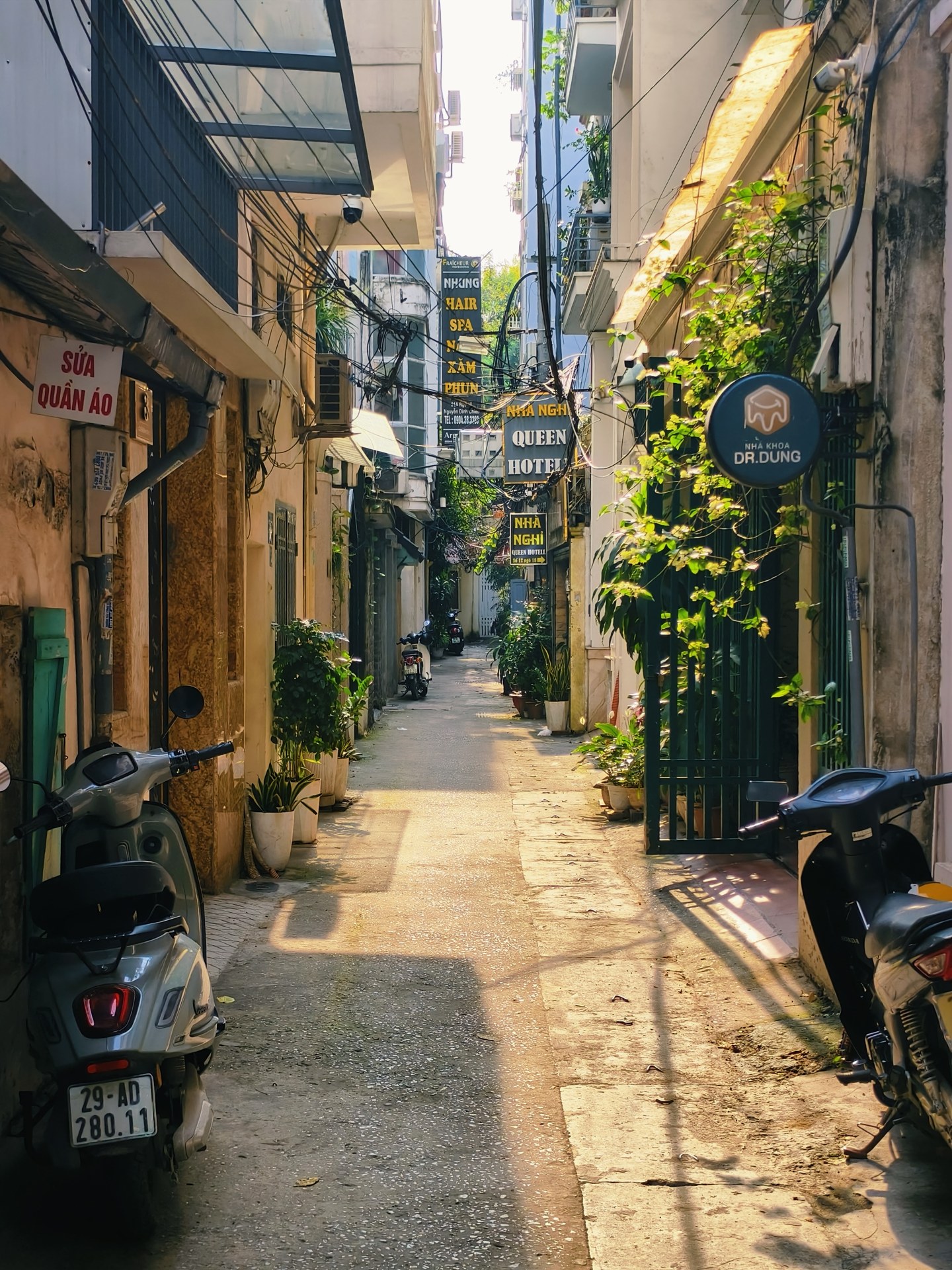
- The Old Quarter (36 streets) — the historic core of the city, a labyrinth of narrow lanes, each of which historically specialised in its own craft or product, something still reflected in the street names. Street trading is in full swing here, along with shops, cafes and workshops.
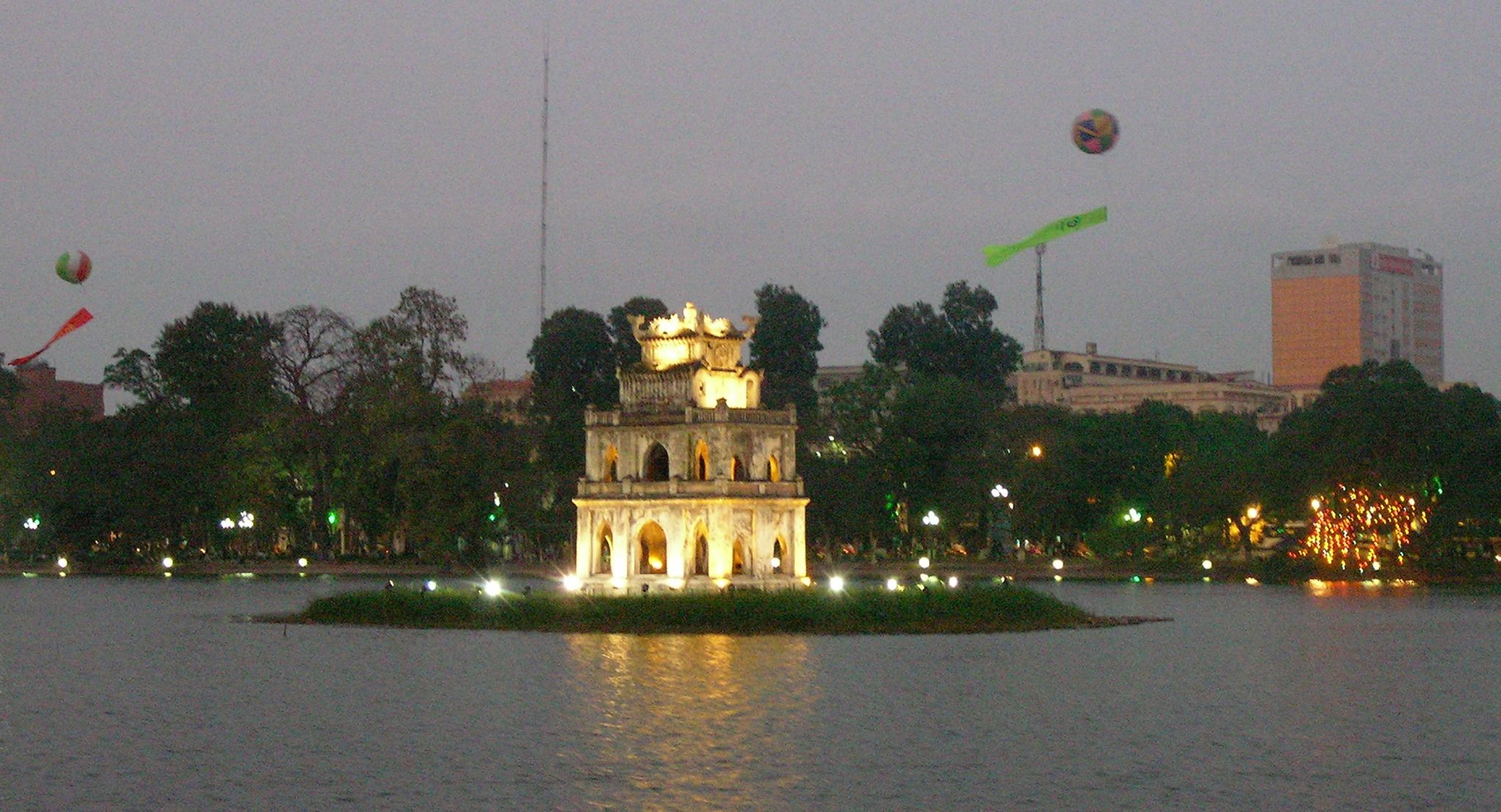
- Hoan Kiem lake — the "lake of the returned sword", the heart of the centre, with its legend of a turtle and a magic blade. On an islet stands Ngoc Son temple, the Temple of the Jade Mountain, reached by the red The Huc bridge.
- The Temple of Literature (Van Mieu) — a complex founded in 1070 and dedicated to Confucius, home to Quoc Tu Giam, the first Vietnamese university. Elegant courtyards, ponds and stelae bearing the names of scholars.
- The Ho Chi Minh Mausoleum — the monumental tomb of the independence leader; visits require a dress code and no photography. Nearby are the Presidential Palace, the modest stilt house where "Uncle Ho" lived, and the One Pillar Pagoda (1049), one of the symbols of the city.
- The Imperial Citadel of Thang Long — a UNESCO World Heritage site, the centuries-old seat of Vietnamese rulers, with archaeological excavations.
- Hoa Lo prison — a former French prison, later known as the "Hanoi Hilton", now a museum.
- The Hanoi Opera House — an example of early 20th-century French colonial architecture. Not far away is Tay Ho (West Lake), the largest body of water in the capital, ringed by pagodas and pleasant neighbourhoods.
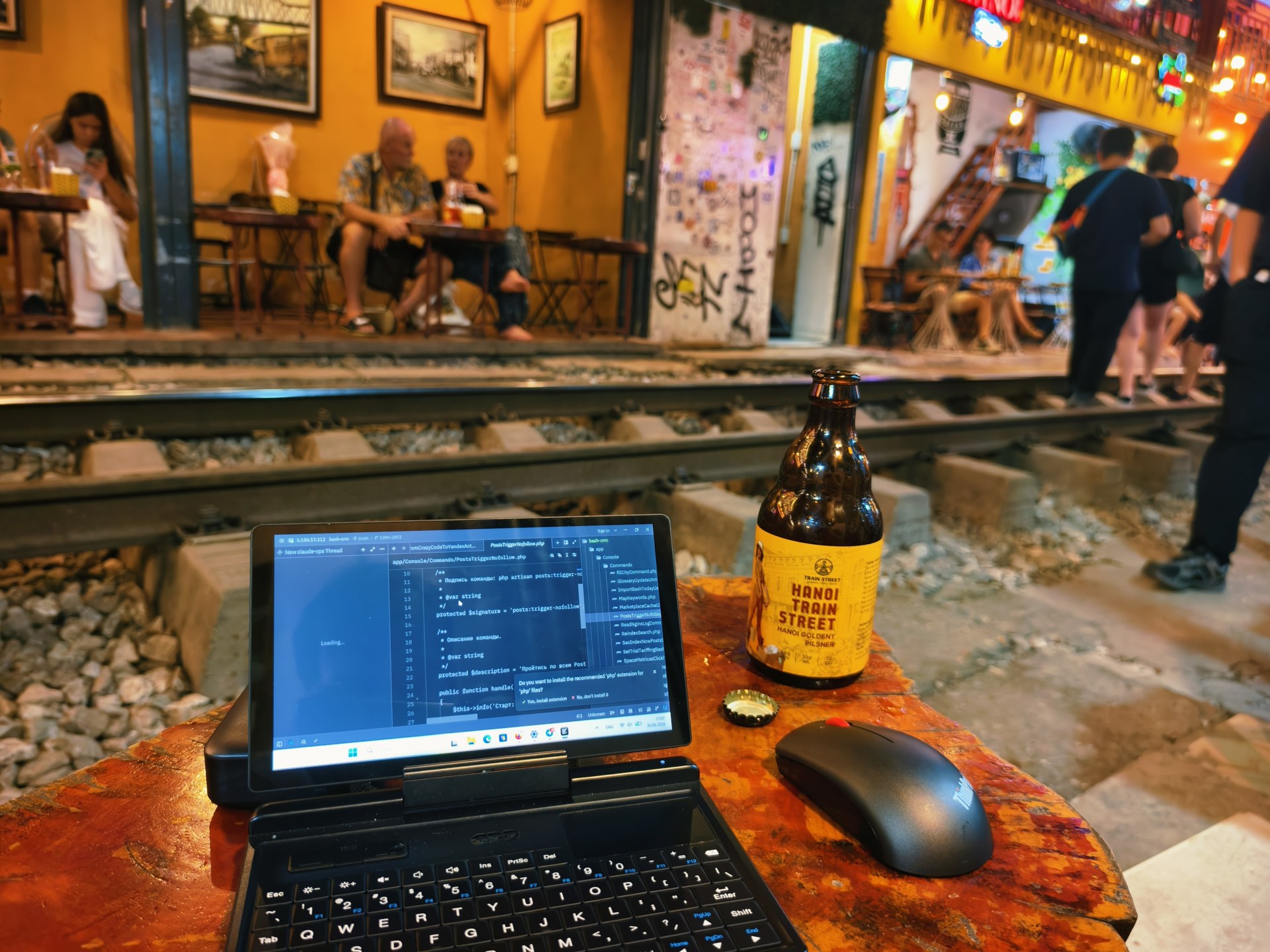
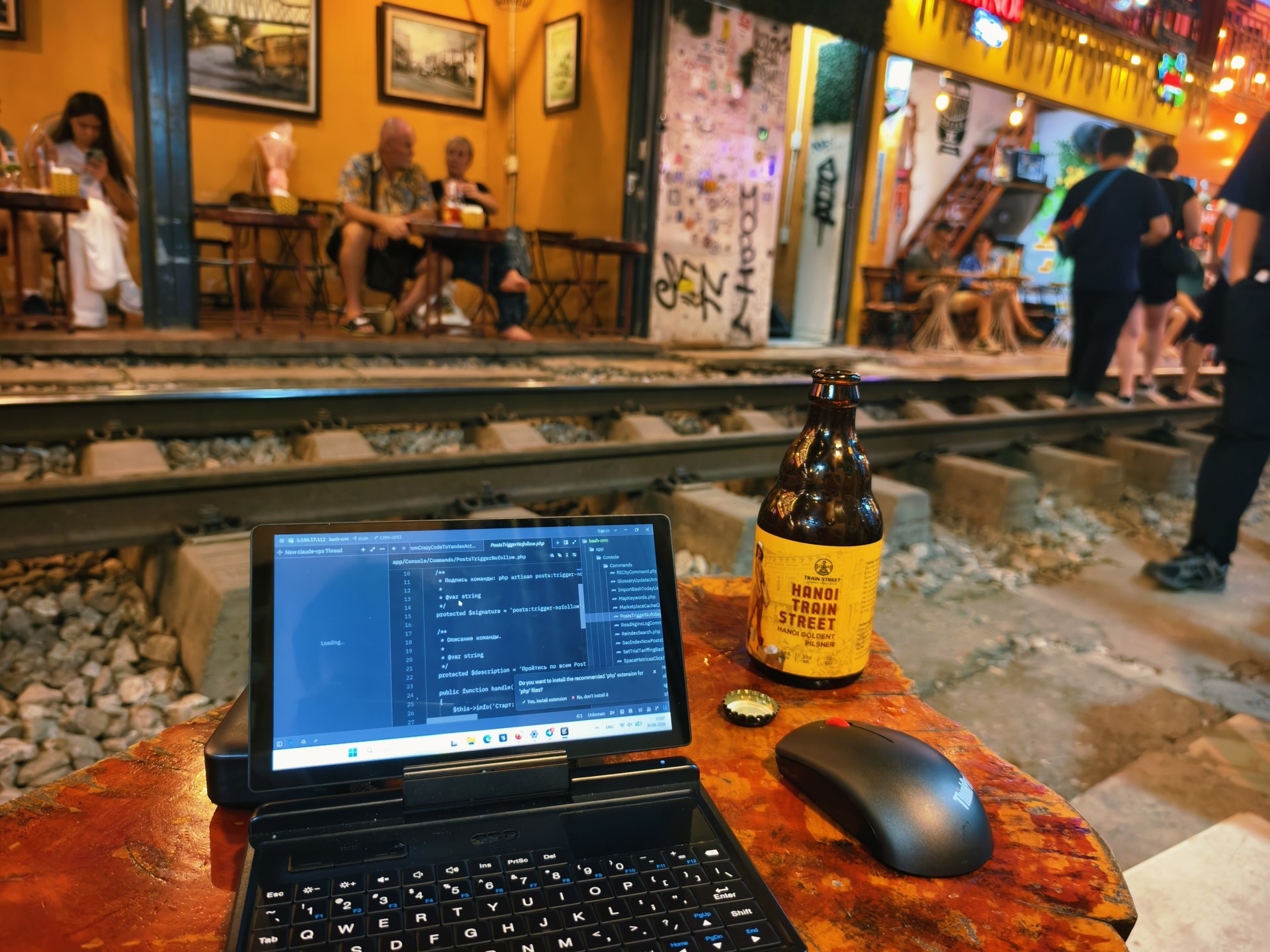
- Train Street — a cramped alley where the houses stand a few centimetres from the rails of a working railway line.
Food
Hanoi is considered the birthplace of many dishes of the national cuisine, and gastronomic discoveries here begin right out on the street. Its emblem is pho, a fragrant soup with rice noodles and beef or chicken; the local version is served cleaner in flavour than in the south. It is essential to try bun cha — grilled pork with noodles and herbs in a sweet-and-sour sauce — and banh mi, the Vietnamese filled baguette, an inheritance of the colonial era. Bia hoi deserves a mention of its own: fresh draught beer served in open-air cafes for a nominal price, with groups gathering on low plastic stools at the crossroads of the Old Quarter in the evenings. Coffee culture is strong too: try the strong coffee with condensed milk or the famous egg coffee (ca phe trung).
Practicalities
It makes sense to allow at least three days for Hanoi: the first for the Old Quarter and Hoan Kiem lake, the second for the Ho Chi Minh complex, the citadel and the Temple of Literature, and the third for museums, West Lake or a day trip out of town. The climate is subtropical monsoon: winter (December–February) is cool and dry, summer hot and humid with frequent rain; autumn and spring are the most comfortable.
The centre is comfortable to cover on foot, while taxis and ride-hailing apps serve longer distances. Traffic in the city is dense and chaotic, so cross the road calmly and without sudden stops. Cash is used everywhere, and haggling at markets is in order. Hanoi is a convenient starting point for trips to the north of the country, which makes it a logical beginning to a route through Vietnam.
Photos