Description
Hoi An is a UNESCO World Heritage town. It is full of traditional lantern makers and tailors, and the An Bang beach is close by.
Wiki
Hoi An is a small but extraordinarily atmospheric town in central Vietnam, spread along the banks of the Thu Bon river not far from where it enters the South China Sea. With a population of around 120,000 it feels intimate and unhurried, and its historic centre is rightly counted among the most beautiful corners of South-East Asia.
History and UNESCO status
From the 15th to the 19th century this was the largest international port in the region, known as Faifo, where the trade routes of merchants from China, Japan, India, Portugal, the Netherlands and other countries converged. Silk, ceramics, spices, tea and medicinal herbs passed through the harbour. The gradual silting of the river and the rise of neighbouring Da Nang stripped the port of its importance, but that very "preservation in aspic" saved the buildings: the town escaped destruction during the war and has kept more than eight hundred historic structures. In 1999 the Ancient Town was inscribed on the UNESCO World Heritage list as a rare example of a well-preserved trading settlement.
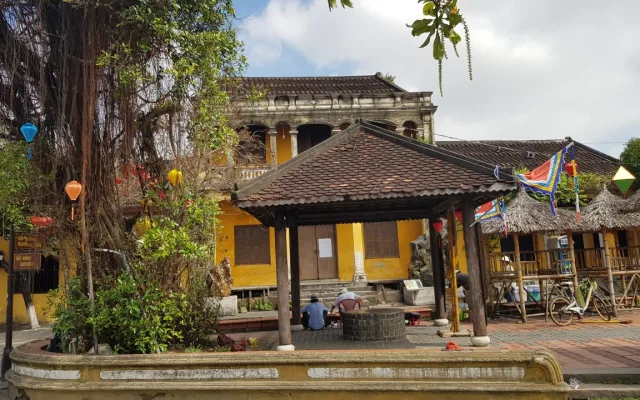
The architectural character of Hoi An is an interweaving of cultures. Narrow merchant houses with wooden facades, tiled roofs furred with lichen, Chinese guild temples, a Japanese bridge and colonial mansions stand together along a few pedestrian streets by the waterfront.
What to see in the Ancient Town
- The Japanese Covered Bridge (Chua Cau) — the emblem of Hoi An, built at the end of the 16th century by the Japanese community. A small temple is set inside it, and an image of the bridge appears on the 20,000 dong note.
- Tan Ky House — the two-hundred-year-old home of a well-off merchant, mixing Japanese, Chinese and local building techniques; in the rains the ground floor was historically flooded, as the marks on the walls recall.
- The Fujian Assembly Hall (Phuc Kien) — the most ornate of the guild temples, dedicated to Thien Hau, the goddess who protects sailors.
- The Cantonese Assembly Hall (Quang Trieu) — another centre of the Chinese diaspora, with rich carving and mosaic work.
Entry to the Old Town is organised on a single ticket giving the right to visit several sites chosen from among the houses, temples and museums. It is worth timing a walk for the morning hours, when there are fewer visitors, and again for the evening, when the lanterns are lit.
Lanterns and crafts
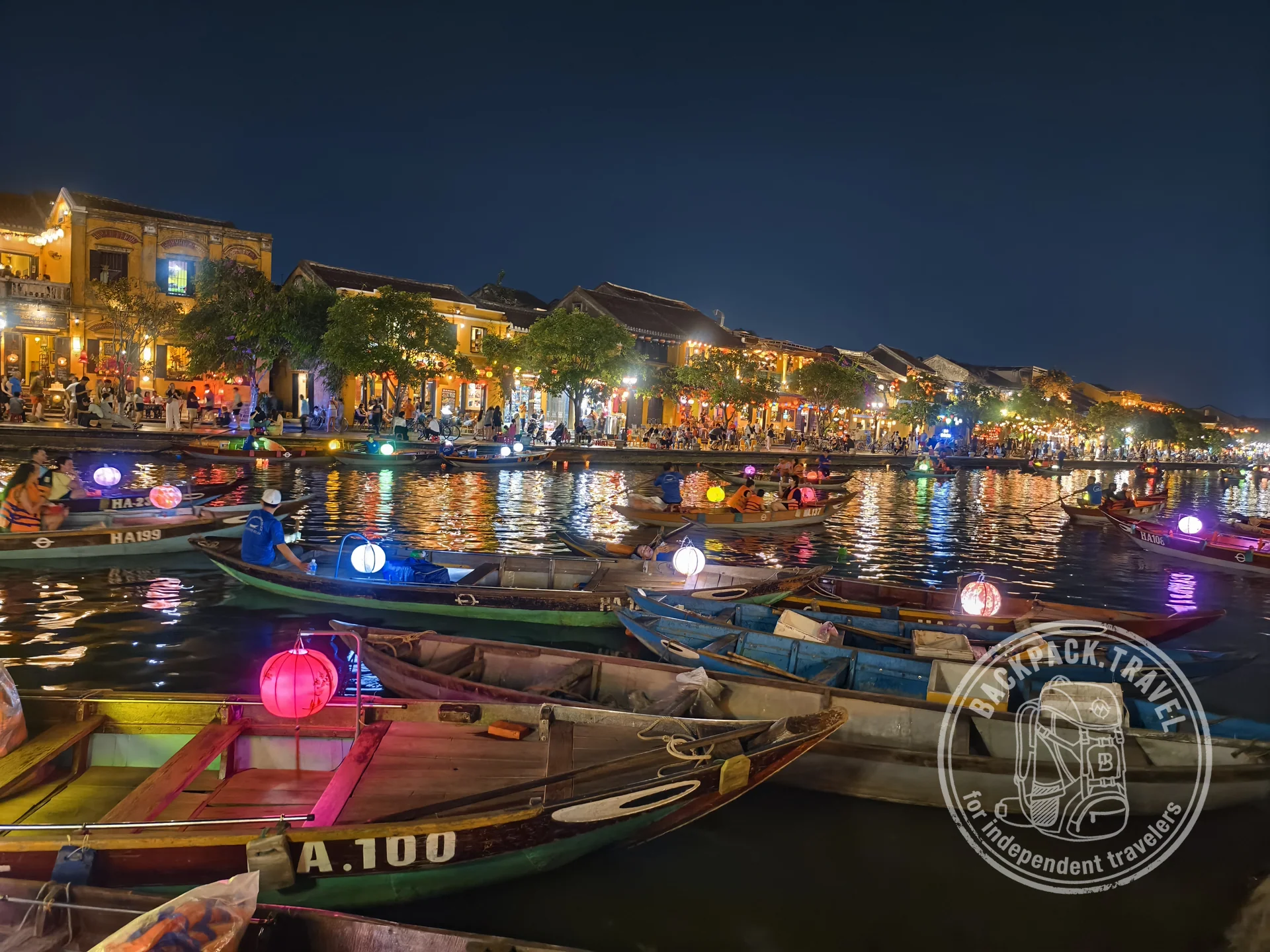
The town's chief symbol is its thousands of silk lanterns, which turn the evening streets into a shimmering fabric of red, orange and gold. The lantern festival, held at every full moon, is especially striking: the street lighting is dimmed and paper lamps holding candles are floated down the river with a wish attached.
Hoi An has long been famous for textiles. Dozens of workshops make suits, dresses and shoes to order and to individual measurements, often within a day. Besides tailoring, leather workshops, lantern-making and ceramics are popular. Cooking classes are a pleasure of their own: guests are taught to make local dishes, starting with a walk round the market and a ride in a basket boat through the coconut groves.
Food
The local cooking is considered among the most interesting in Vietnam. The signature dishes are cao lau noodles, with dense yellow noodles, pork and crisp croutons (by legend it is made with water from one particular well), the rice "white rose" dumplings, fried wontons and the banh mi sandwich, which is brought to perfection here. The evening markets by the river offer street food, fresh fruit and sweets.
Beaches and surroundings
- An Bang — the most popular beach, a few kilometres from the centre, with soft sand, cafes and a calm atmosphere.
- Cua Dai — the neighbouring stretch of coast, partly affected by erosion but still picturesque.
- The Cham Islands — an archipelago out at sea, visited for snorkelling and diving among the coral reefs.
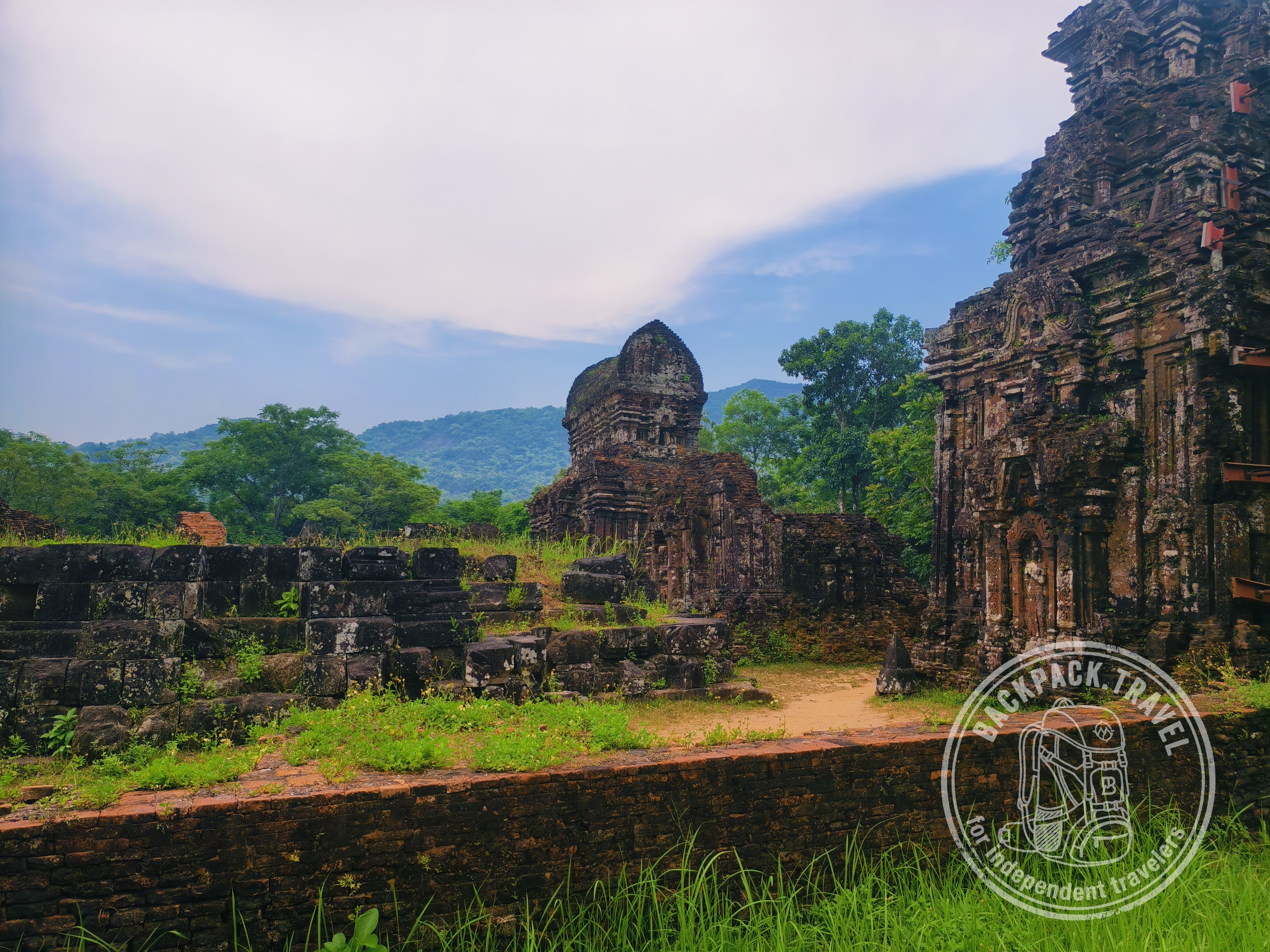
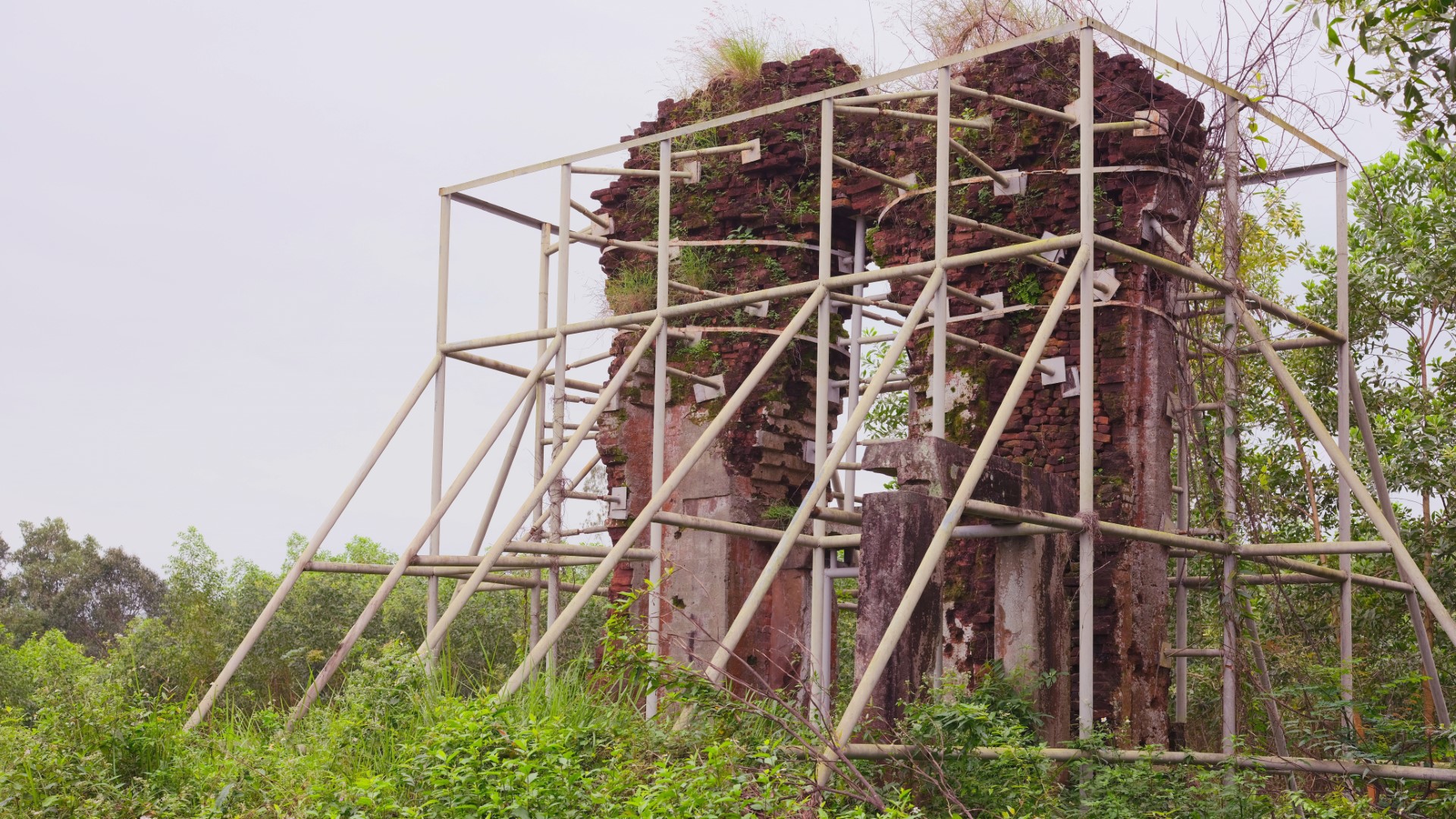
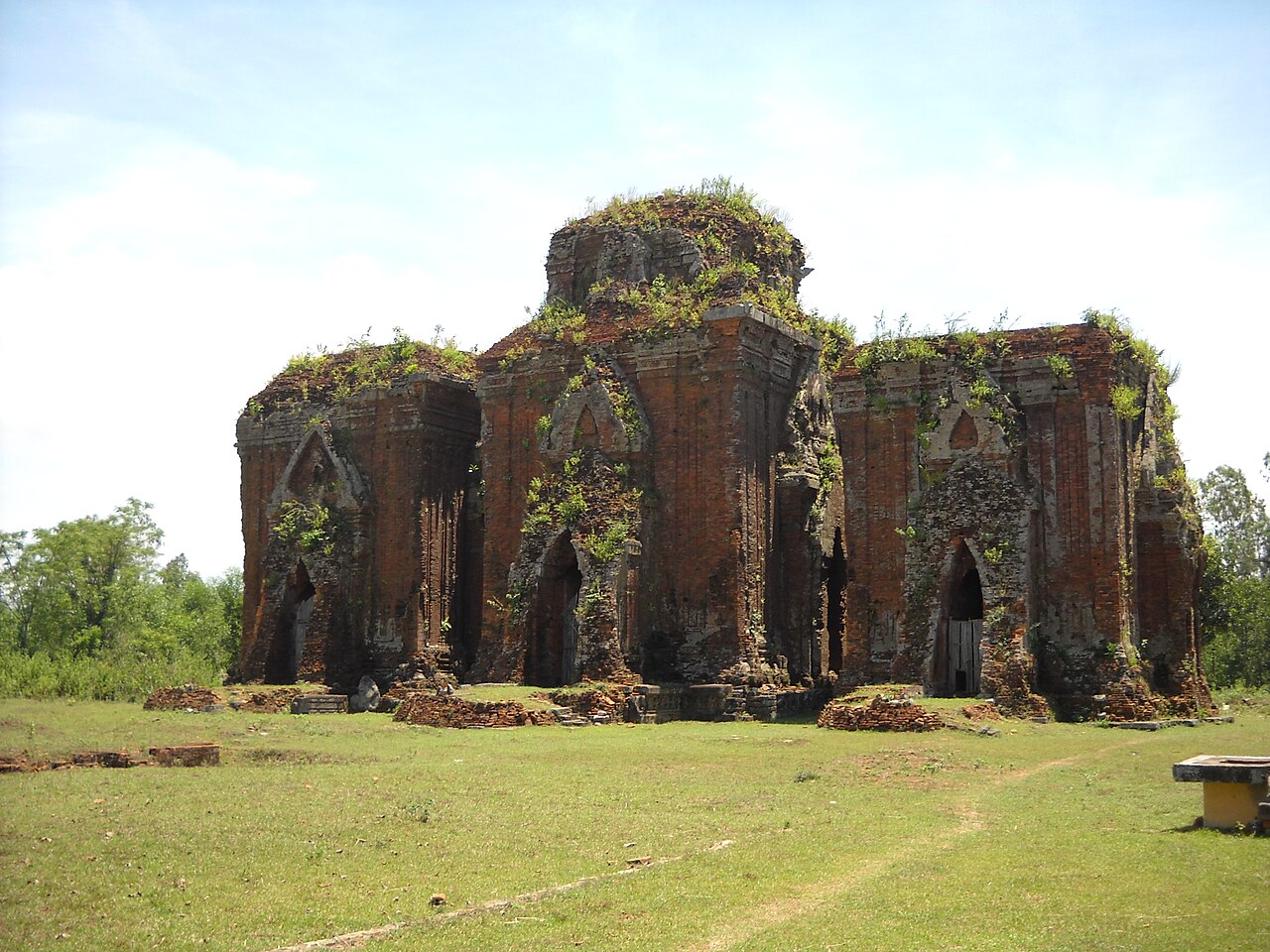
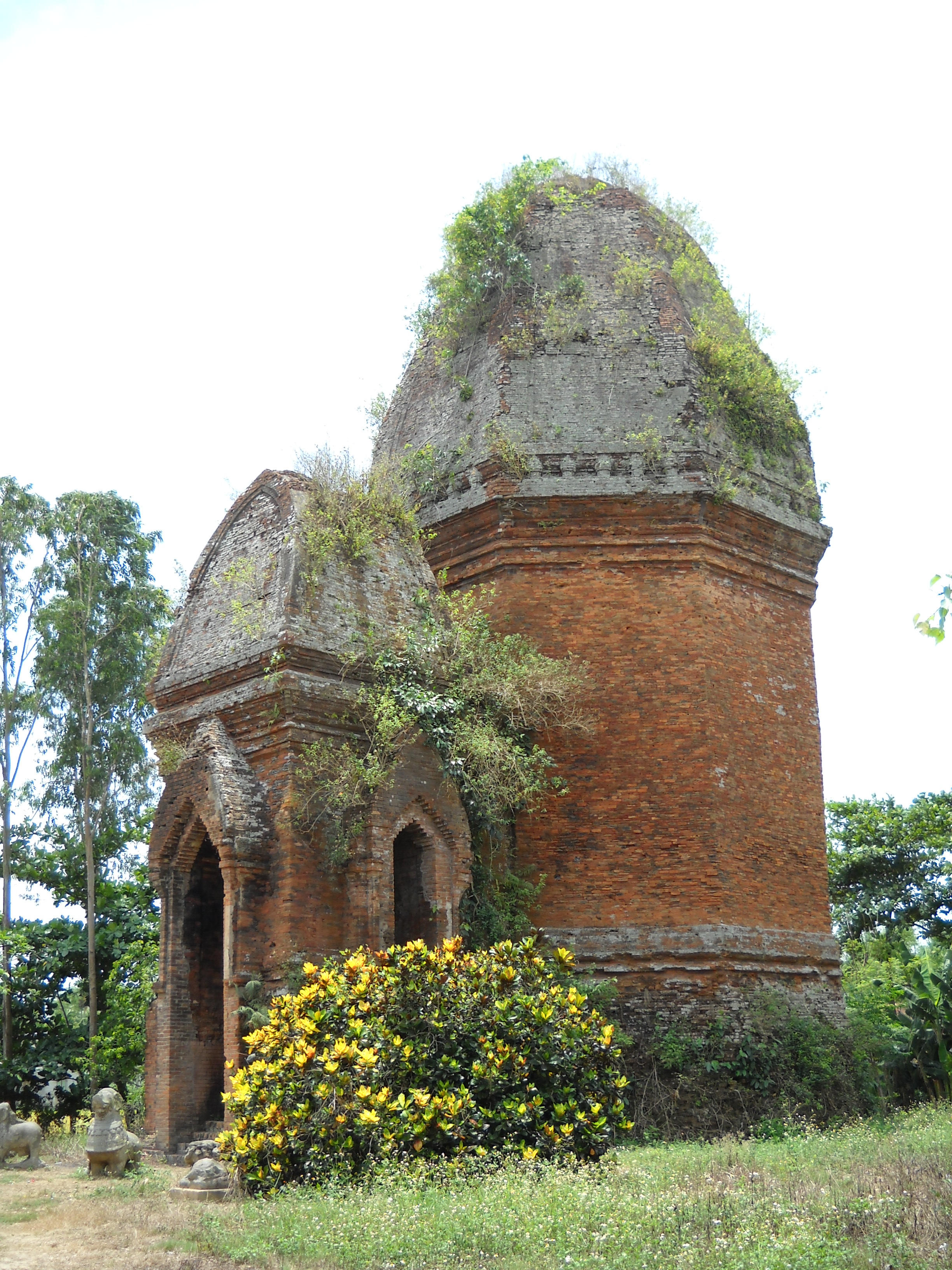
- My Son — a complex of ancient Hindu temples of the Champa kingdom, also on the UNESCO list; a convenient half-day trip.
Practicalities
The nearest airport is at Da Nang, about 30 km away; from there Hoi An is easily reached by taxi or transfer. The Ancient Town is compact and best seen on foot or by bicycle — motor traffic in the historic core is restricted. It makes sense to allow about three days for a visit: enough for an unhurried look at the old quarters, an evening with the lanterns, time on the coast and an excursion to the temples of My Son. The most comfortable time to come is the dry season, whereas in autumn there can be rain and local flooding of the streets near the water.
Photos