Hong Kong
Hong Kong SAR ChinaDescription
Hong Kong is a city of skyscrapers, known for its high-rise skyline, the tram line up to the Peak, the markets of Mong Kok, and the beloved local dish dim sum.
Wiki
Hong Kong is one of Asia's most recognisable megacities, where a forest of skyscrapers rises at the foot of green hills and neon signs stand alongside Taoist temples. This Special Administrative Region of China blends British colonial heritage with Chinese tradition, and remains a global financial centre and one of the most densely built-up places on earth.
Overview and Geography
Hong Kong's territory takes in Hong Kong Island, the Kowloon Peninsula, the New Territories, and 262 outlying islands. Despite its reputation as an unbroken urban sprawl, roughly three-quarters of the land is hills, country parks, and coastline. The relentless vertical construction is a product of flat-land scarcity: density goes upward, not outward, which is why the city holds a world record for the concentration of skyscrapers. The official languages are Cantonese and English; the currency is the Hong Kong dollar (HKD).
Main Attractions
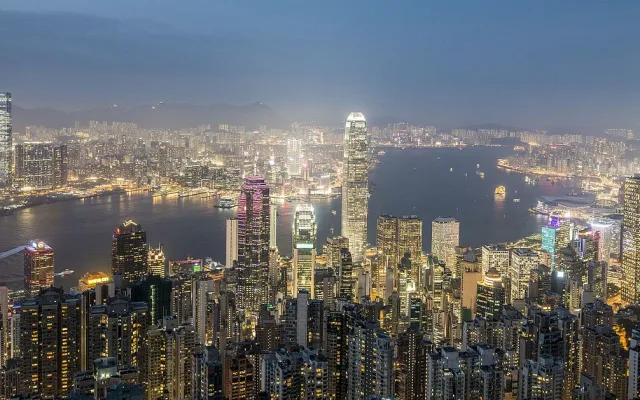
- Victoria Peak — the highest point on Hong Kong Island (552 m) and an essential viewpoint. The historic Peak Tram has run since 1888; from the summit you get one of the most spectacular urban panoramas in the world — skyscrapers, the harbour, and Kowloon across the strait.
- ICC and Sky100 — an observation deck at around 393 m inside the city's tallest building, the International Commerce Centre.
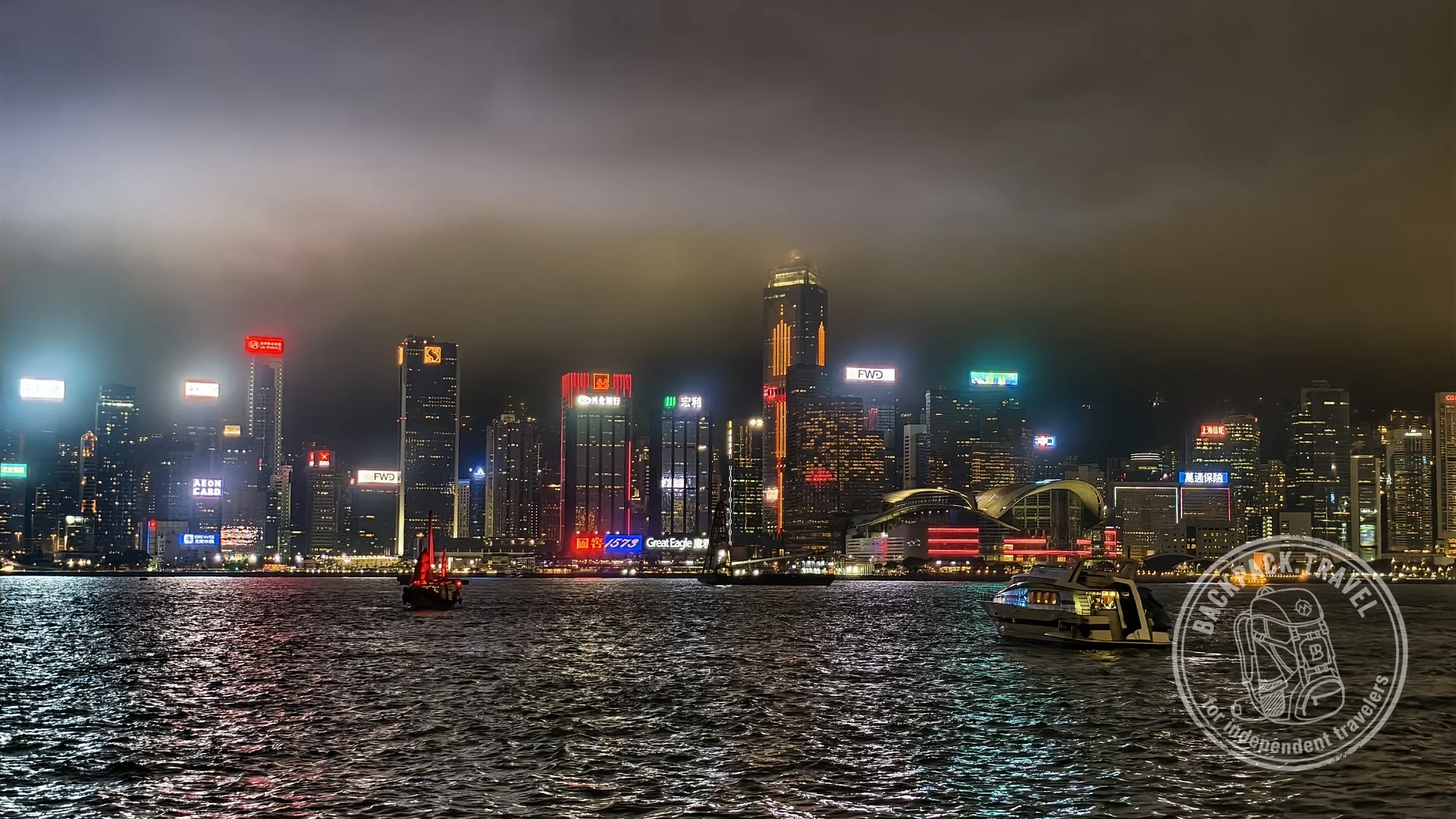
- Tsim Sha Tsui Waterfront and Avenue of Stars — from the Kowloon side, this is where visitors photograph the island's skyline. Every evening at 20:00 the free laser-and-light show "A Symphony of Lights" plays out over the harbour.
- Mong Kok — one of the most densely populated neighbourhoods on the planet and a kingdom of street trade. The Ladies' Market, Bird Garden, Goldfish Market, and Jade Market all operate here, and after dark the famous neon signs blaze overhead.
- Nan Lian Garden and Chi Lin Nunnery — a Tang-dynasty-style garden with lotus ponds, a timber pavilion, and gilded Buddhist halls; entry is free.
- Lantau Island — the giant bronze Tian Tan Buddha (about 34 m tall) on the hillside, Po Lin Monastery, and the Ngong Ping 360 cable car. Also here is Tai O, a stilted fishing village.
- Lamma Island — easygoing hiking trails, beaches, and seafood restaurants in a car-free setting.
Food
Hong Kong is rightly regarded as Asia's gastronomic capital. The foundation of the local table is Cantonese cuisine: dim sum (steamed har gow dumplings, siu mai, char siu bao buns), roast duck, char siu barbecue pork, wonton soup, noodles, and fresh seafood. A special flavour comes from the cha chaan teng — unpretentious "milk tea cafés" serving Hong Kong-style milk tea, toast, and dishes that sit on the boundary between East and West. Street food — fish balls, egg waffles, roasted chestnuts — is part of everyday culture. At the same time, the city holds a large number of Michelin-starred restaurants, some of them remarkably humble places.
Getting Around
Hong Kong's transport system is among the best in the world. The MTR metro is fast, clean, and connects every key district, including the airport. The Octopus card is accepted on the metro, buses, trams, ferries, and in many shops. The surviving double-decker trams on Hong Kong Island — nicknamed "ding ding" by locals — are an inexpensive and atmospheric way to see the city, while the Star Ferry across Victoria Harbour has been running since the early twentieth century and remains a living postcard of Hong Kong.
When to Go
October to December is the most comfortable time: dry, warm, and clear. Spring is mild but humid and hazy. Summer (June–August) is hot and wet, with the risk of typhoons. Winter is cool and pleasant for walking.
4-Day Itinerary
- Day 1. Hong Kong Island: the Central district, the ascent to Victoria Peak, an evening in the bars and along the waterfront.
- Day 2. Kowloon: the Mong Kok markets, temples, the Avenue of Stars, and "A Symphony of Lights" in the evening.
- Day 3. Lantau Island: the cable car, the Big Buddha, Po Lin Monastery, Tai O village.
- Day 4. Nan Lian Garden and Chi Lin Nunnery, a ride on the trams, the Star Ferry, shopping for souvenirs, and a farewell dim sum dinner.
Hong Kong leaves you with the feeling of a city that packs a maximum of experiences into a minimum of space — from quiet mountain trails to vertiginous observation decks and endless culinary discoveries.
Photos