Kyiv
Description
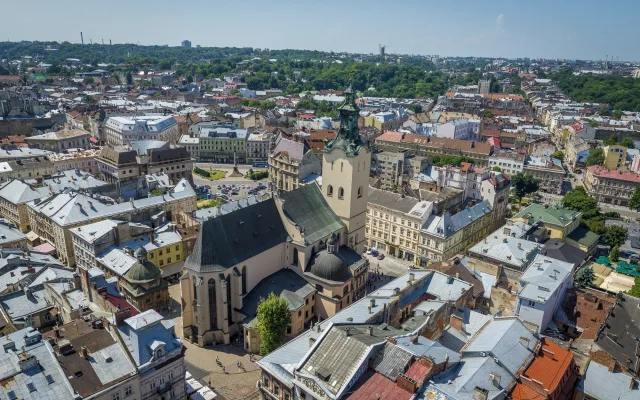
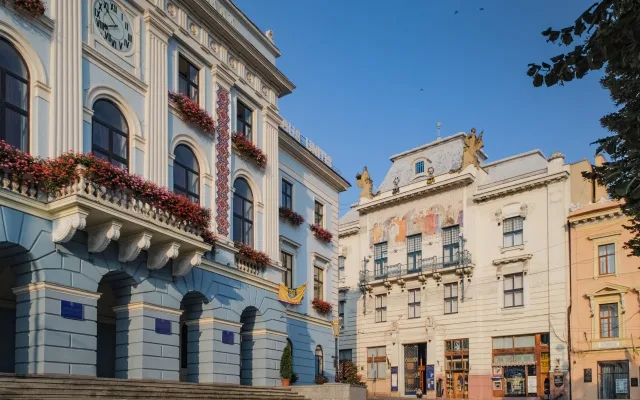
The capital of Ukraine — Maidan Nezalezhnosti, the Lavra, the Andriyivskyy Descent and the golden domes of the cathedrals.
Wiki
Kyiv is the capital of Ukraine and one of the oldest centres of Slavic civilisation, spread across picturesque hills on both banks of the Dnipro. It has around three million inhabitants, and the city's history runs back more than fifteen hundred years: it was from here, with the baptism of 988, that Rus entered the circle of Christian nations. Today it is a large metropolis with a developed coffee, restaurant and IT culture. Important: there is a war going on in the country, so before any trip you must check the current security situation and the state of transport.
A little history
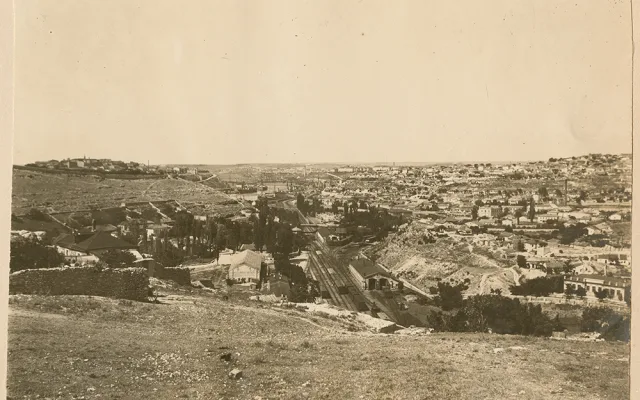
Legend connects the founding of the city with the brothers Kyi, Shchek and Khoryv and their sister Lybid. In the 10th to 12th centuries Kyiv was the capital of a powerful East Slavic state and the largest trading and spiritual centre on the route "from the Varangians to the Greeks". The Mongol invasion of 1240 cut short that flowering, after which the city belonged for centuries to Lithuania, the Polish-Lithuanian Commonwealth and the Russian Empire. In the 20th century Kyiv lived through the destruction of two world wars and the tragedy of Babi Yar, and it became the arena of two revolutions in independent Ukraine — the Orange Revolution (2004) and the Revolution of Dignity (2013–2014).
Main sights
- St Sophia's Cathedral — a UNESCO monument, founded in the 11th century by Yaroslav the Wise; unique mosaics and frescoes of the Kyivan Rus era survive inside.
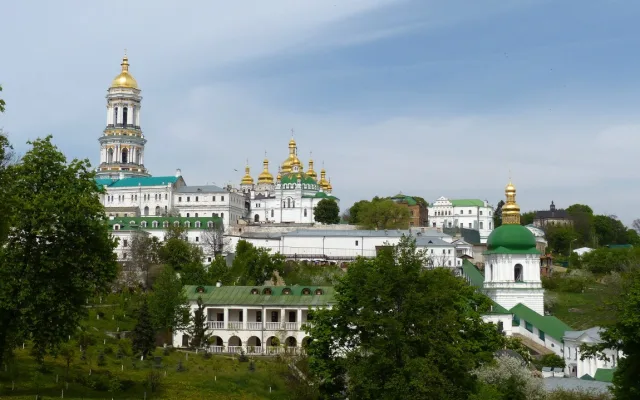
- The Kyiv Pechersk Lavra — the largest Orthodox monastery in the region, also on the UNESCO list. The ensemble of golden domes and the famous caves, where the relics of saints lie, deserves an unhurried visit of at least half a day.
- Maidan Nezalezhnosti — the heart of the city and a symbol of Ukraine's recent history, the site of the mass events of 2013–2014.
- St Andrew's Church and the Andriyivskyy Descent — an elegant baroque church designed by Rastrelli (1754) and the cobbled lane running down to Podil, with art galleries, souvenir shops and craft workshops.
- St Michael's Golden-Domed Monastery — rebuilt in 1999 after its demolition in 1936, with gleaming domes and sky-blue walls.
- The House with Chimaeras — the fantastical building by the architect Vladyslav Horodetsky, decorated with sculptures of animals and mythical creatures.
- The Besarabsky Market — a covered art nouveau hall of 1912, a living gastronomic corner in the centre.
- PinchukArtCentre — a contemporary art venue of international standing.
Districts and atmosphere
Podil is the old craft and trading quarter by the river, today one of the most atmospheric districts, with bars, coffee houses and street art. Pechersk is the business and government part of the city, where the Lavra and the park slopes above the Dnipro are concentrated. The green embankments and viewpoints deserve attention of their own: wide panoramas of the left bank open from St Volodymyr's Hill and from the Arch of Freedom of the Ukrainian People (the former Arch of Friendship of Peoples). In summer the islands with city beaches are popular — Trukhaniv and Hydropark, the latter served by a metro line.
Food and practicalities
Ukrainian cooking is filling and varied: rich borsch, varenyky with all kinds of fillings, holubtsi, chicken Kyiv, home-cured salo and medovukha. The Kyiv coffee scene is considered one of the strongest in Eastern Europe — small roasteries and independent places turn up at every step. Roughly speaking, lunch in a cafe costs 350-670 ₴ ($8-15), dinner in a restaurant 900-1,800 ₴ ($20-40), a glass of craft beer 130-220 ₴ ($3-5). City transport is very cheap: a metro journey has cost 30 ₴ (about $0.70) since July 2026, and the underground itself is famous for Arsenalna station, one of the deepest in the world. Prices are as of 2026.
How to plan three days
- Day 1. The historic centre: St Sophia's and St Michael's cathedrals, the Golden Gate, a walk down the Andriyivskyy Descent and a look at Podil.
- Day 2. Pechersk: the Kyiv Pechersk Lavra, the parks above the Dnipro, the viewpoints and the museum quarter.
- Day 3. Maidan Nezalezhnosti, Khreshchatyk, the Besarabsky Market, contemporary art at the PinchukArtCentre and time on the embankment.
The best time to visit is late spring and early autumn, when the city is deep in greenery and the weather is mild. The chestnut trees, long a symbol of Kyiv, flower in May. When planning, take into account the curfew and possible wartime restrictions, keep information about the nearest shelters to hand and follow the official alerts.
Updated