 Города и дороги
Description
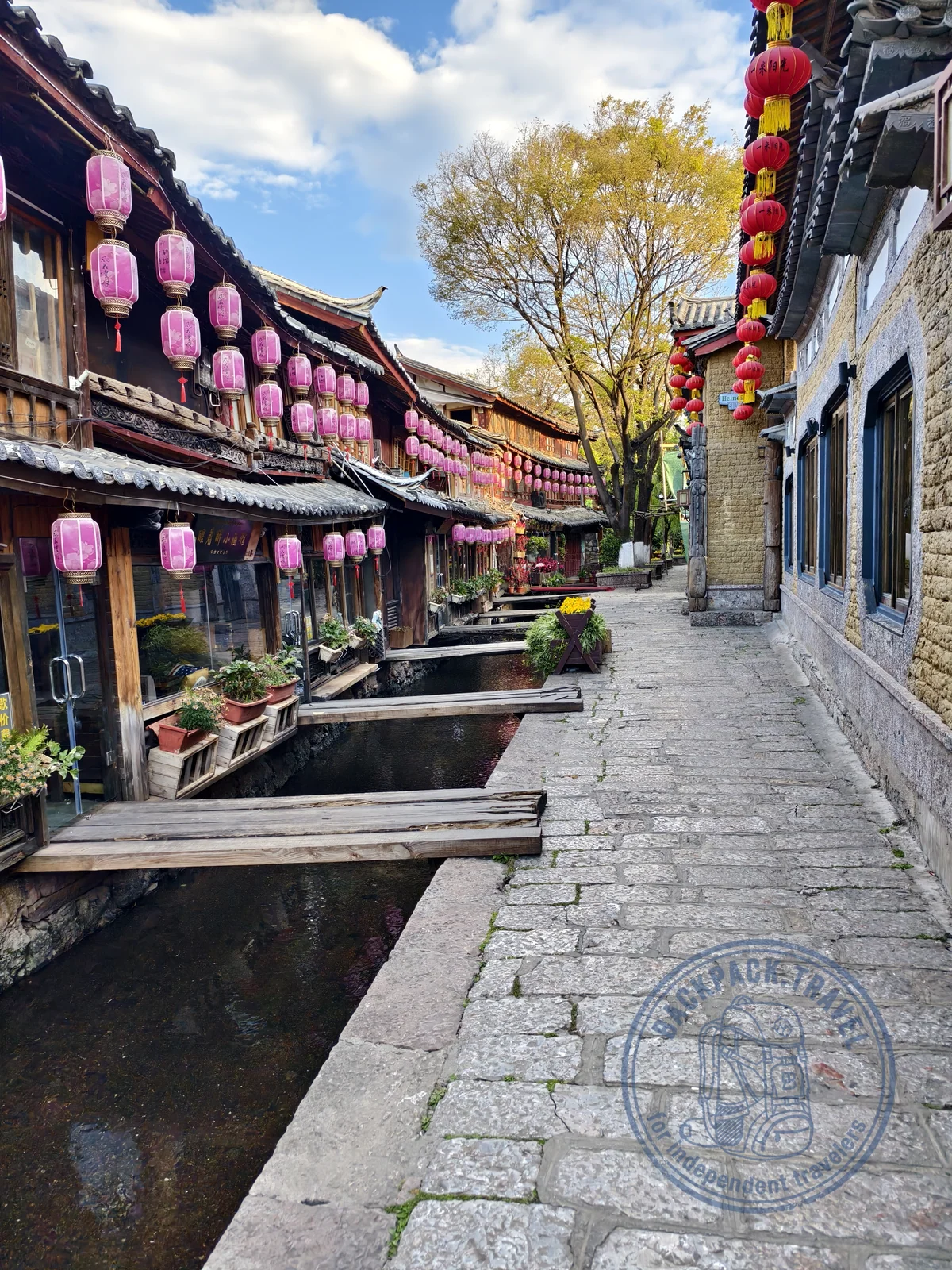
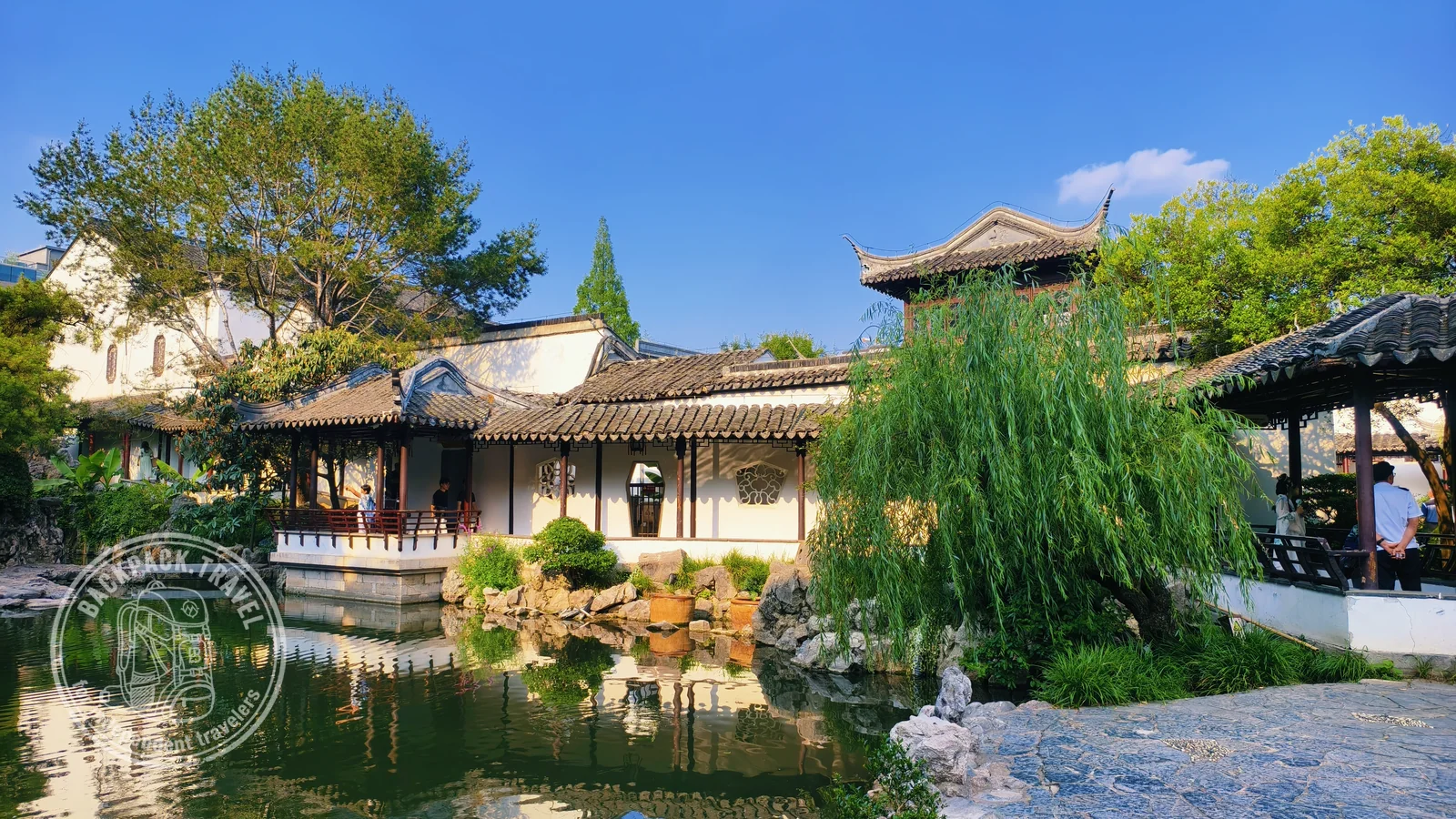
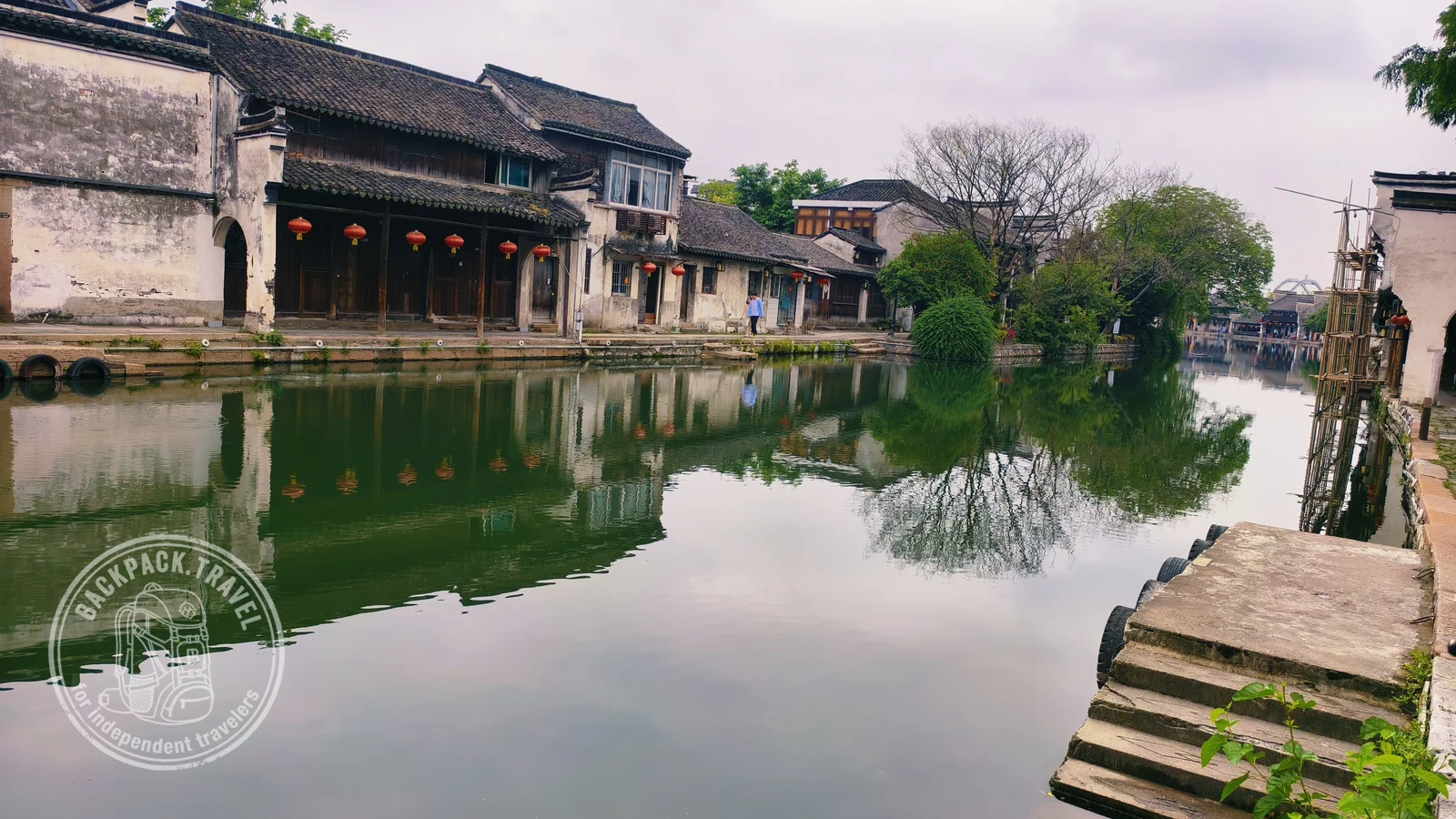
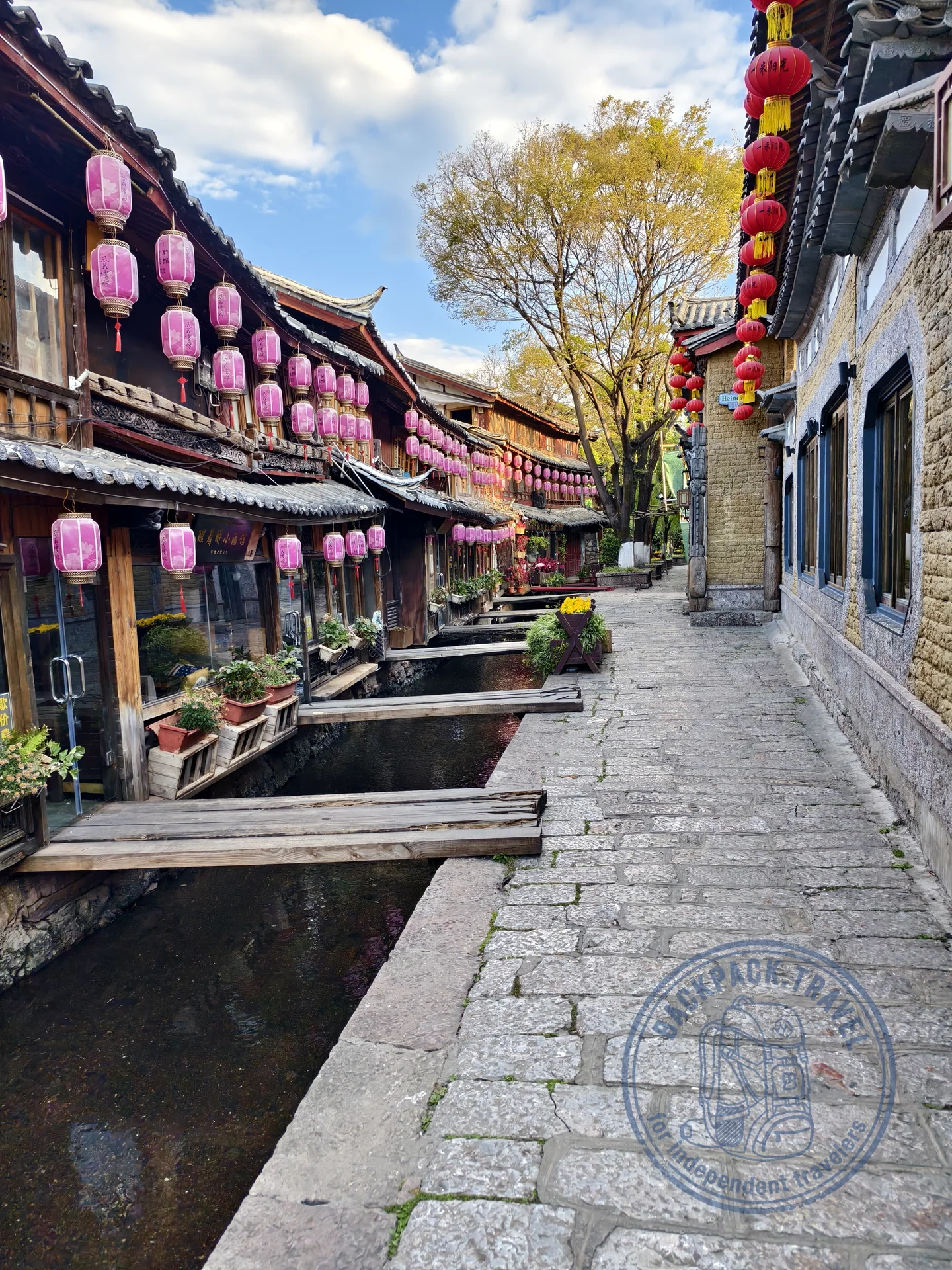
A Naxi old town at the foot of Yulong Snow Mountain: tiled roofs, canals along the paved streets and wooden houses built without a single nail. A UNESCO site and the main tourist magnet of Yunnan.
Wiki
Lijiang lies at an altitude of around 2,400 metres in northern Yunnan, at the foot of Yulong mountain. Its old quarter, Dayan, is a town of the Naxi people: tiled roofs, paved streets, canals running alongside the houses and wooden structures built without a single nail. In 1997 it was added to the UNESCO list, and Lijiang has since become one of the most visited places in southern China, with all the consequences that brings.
What to see
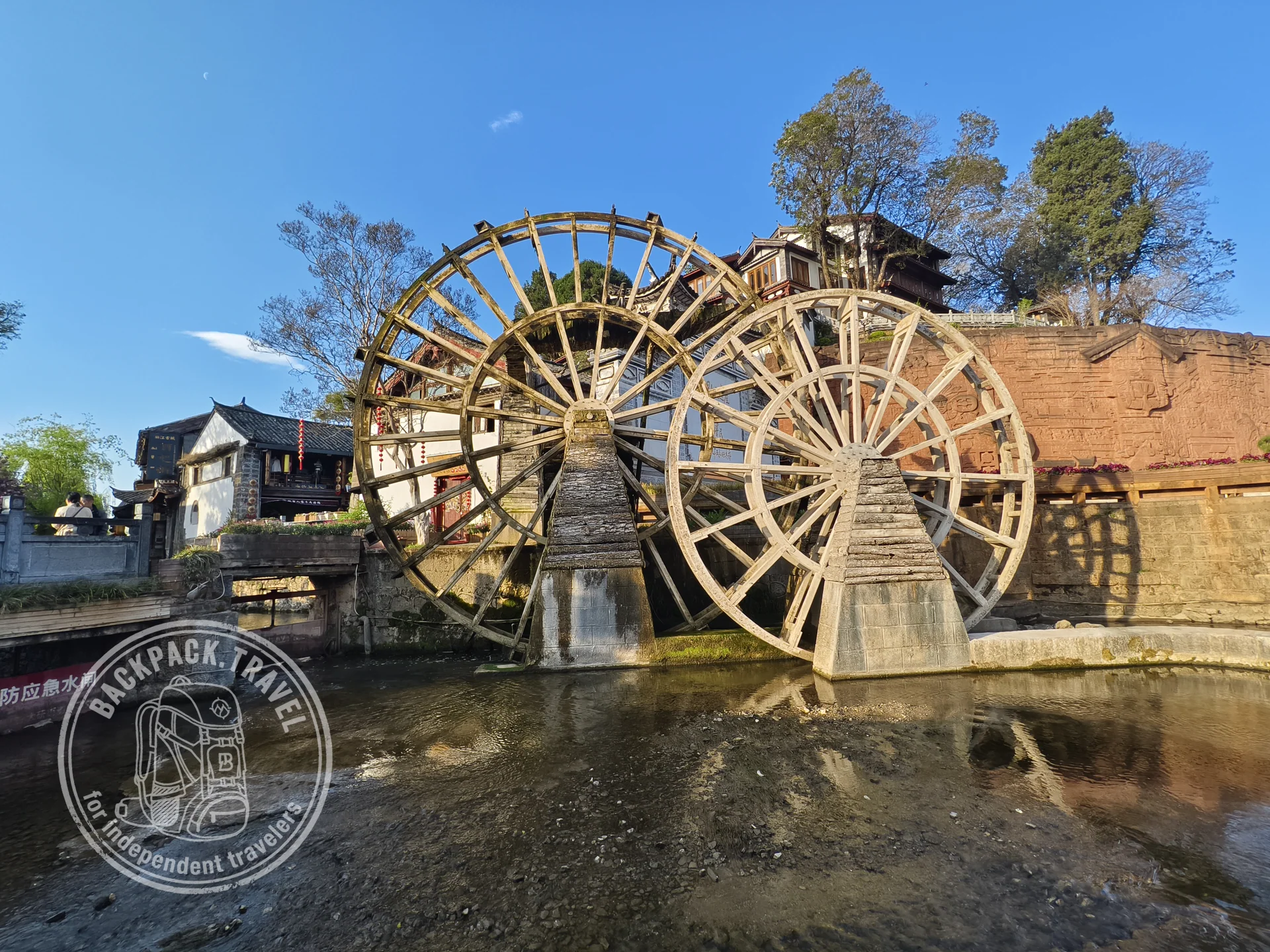
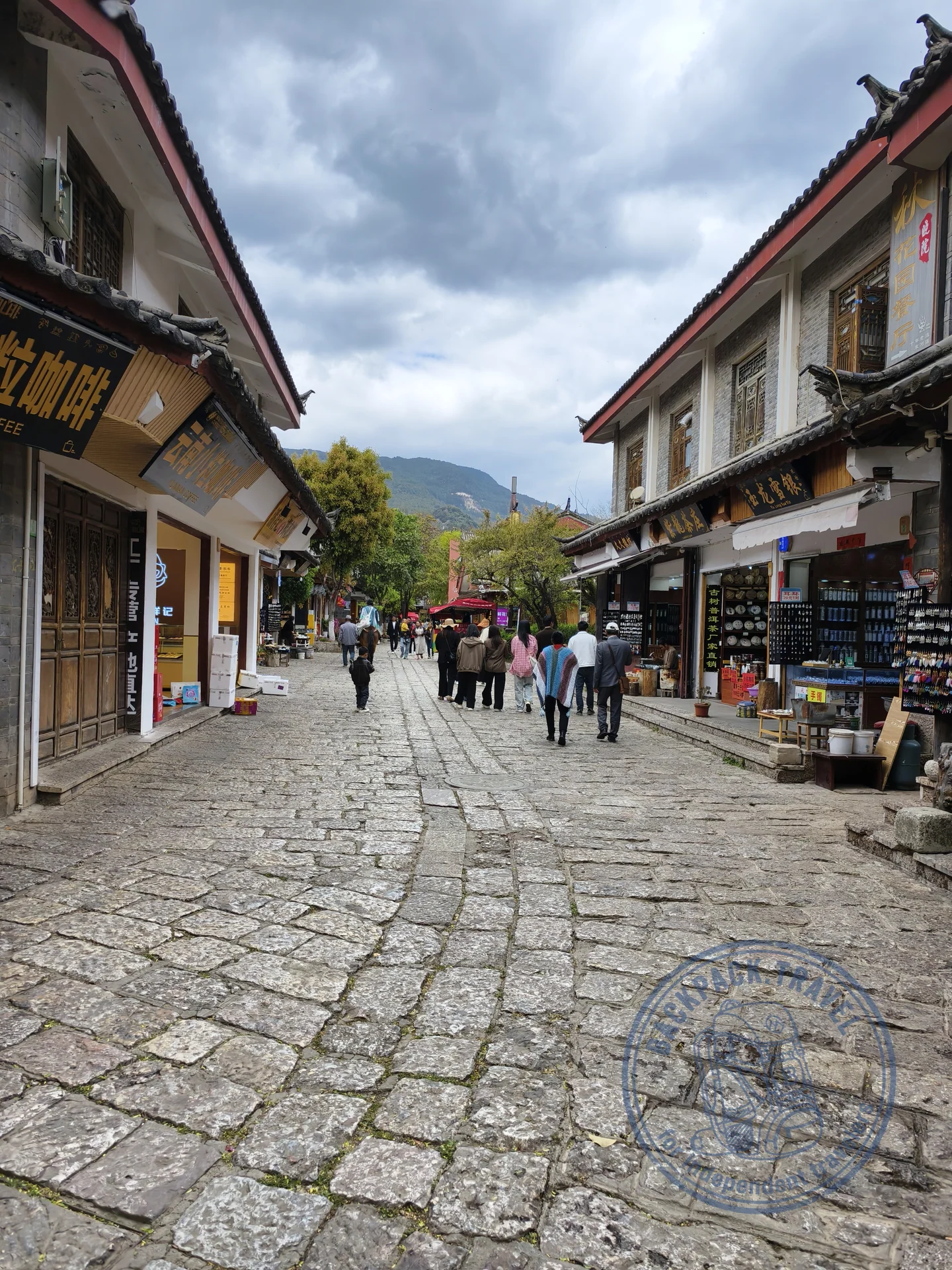
- Lijiang Old Town (Dayan) is a network of car-free lanes broken up by canals into small islands. The layout is irregular: the streets follow the terrain and the flow of water rather than a grid. It is best walked early in the morning or late in the evening, because by day, and especially in high season, the lanes hold a dense crowd.
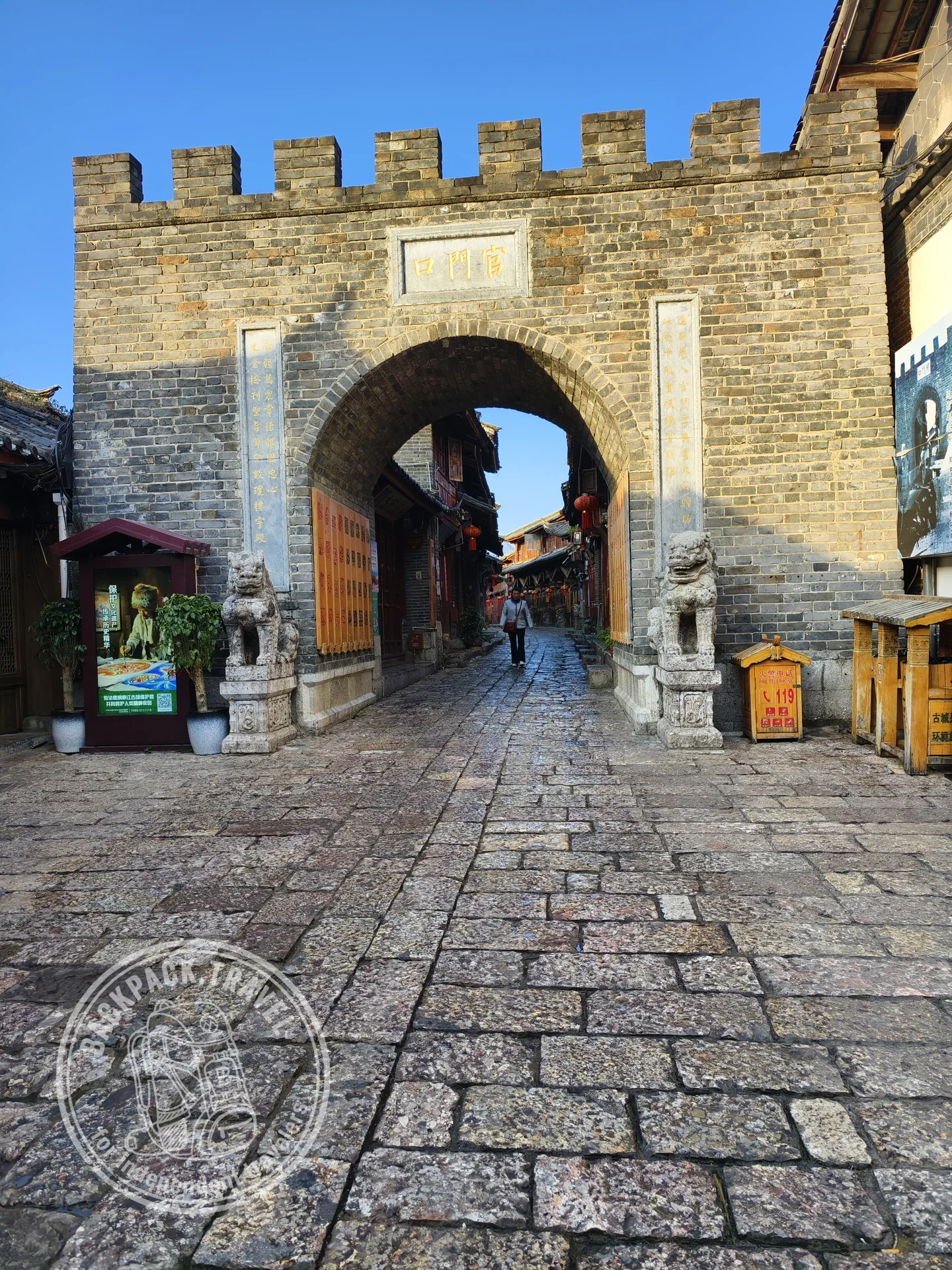
- The Guanmenkou gate is one of the main entrances to the old town and a useful landmark: the shopping lanes radiate out from it, and they are the easiest way to work out which way you are facing when you have lost your bearings.
- The Mu Palace was the residence of the Naxi chieftains of the Mu clan, who governed the district under three dynasties. The complex suffered badly in the 1996 earthquake and was rebuilt in the late 1990s, so look at it as a reconstruction. Inside there is an exhibition on Naxi history.
- Lion Hill and the Wangu Tower are the highest point of the old town, with a view across the roofs as a whole, and entry is charged.
- Black Dragon Pool Park (Heilongtan) is on the northern edge of town. In clear weather it gives the classic view: the thirteen peaks of Yulong reflected in the water, with the Suocui Bridge in the foreground.
- Shuhe and Baisha are two small Naxi settlements a few kilometres away, part of the same UNESCO site. Baisha is quieter and more genuine, and frescoes of the 15th and 16th centuries have survived there.
The earthquake is worth knowing about: in February 1996 the district was shaken at a magnitude of about 7, and the wooden frames stood up better than the concrete new-builds. The town went onto the UNESCO list only after the rebuilding.
Yulong mountain
Yulong (Jade Dragon Snow Mountain, 5,596 m) is 20 km from the city. Three cable cars run up it; the main one, to the Glacier Park, climbs to roughly 4,500 metres, and from there boardwalks lead higher still. The change in altitude is abrupt, so:
- Oxygen canisters are sold at the ticket offices and by the cable car, and people buy them for good reason.
- It is cold and windy at the top in every season, and jackets can be hired there.
- Cable car tickets sell out in high season: get them in advance and for the morning, since the summit usually clouds over after midday.
If you cope badly with altitude, stick to the viewpoints at the foot of the mountain, where the view of the massif is much the same.
Fees and entry
A maintenance fee is charged for visiting the old town: since August 2025 it has been reduced to 50 yuan and is valid for a year. The receipt is asked for at the entrance to some of the sites, including Heilongtan. The Mu Palace, the tower and the cable cars are paid for separately.
How much time to allow
Two days is the basic reckoning: the old town, the Mu Palace, Heilongtan Park and an evening in the lanes once the daytime buses have drained away. A third day goes entirely on Yulong Snow Mountain with the cable car. Four or five days are worth allowing if you add Baisha with its frescoes, Shuhe and a trip further north to Tiger Leaping Gorge.
What to combine it with
Lijiang is on the same railway branch as Dali — about two hours apart, and it is sensible to take both cities in one trip (Kunming - Dali - Lijiang). Further north the branch runs to Shangri-La, roughly an hour and a half away. The routes to Tiger Leaping Gorge start from there as well: the trek along the upper trail is considered one of the best in China.
When to go
March to May and September to November are the months to come. It rains in summer, and during the holiday weeks (early May, early October) the old town becomes impassable. Winter is cold and clear, the best time for views of the mountain, though evenings in the old unheated houses can be uncomfortable.
Who won't enjoy it
Lijiang stopped being a quiet ethnic town long ago: inside the walls there are almost no lived-in courtyards left, and in their place are souvenir shops, coffee houses, bars with loud music and rows of identical stores. The layout and the houses are genuine, the content is not; the sense of a stage set arrives by the evening of the first day. For a living Naxi village you have to go to Baisha and on into the mountains, not to Dayan. Anyone who copes badly with altitude should soberly assess the climb up Yulong, because it is not a stroll. Prices here are noticeably above the Chinese average.