Description
The Maldives' top budget island — guesthouses, sandbank excursions and snorkelling.
Wiki
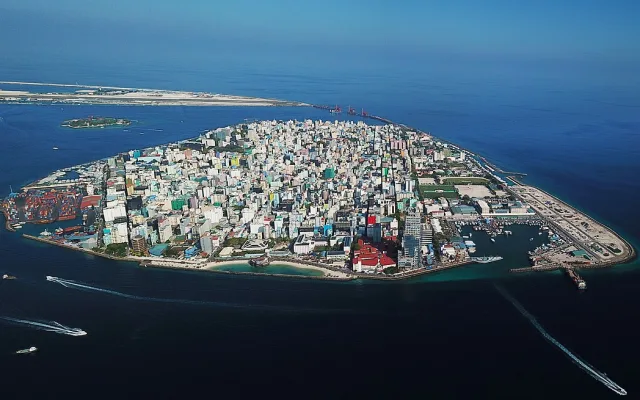
Maafushi is a small inhabited island in Kaafu Atoll (South Malé), which has become the Maldives' main hub for affordable beach travel. After the government permitted guesthouses on local islands, Maafushi developed a full-scale budget tourism industry, making it possible to experience the Indian Ocean and its coral reefs without the price tag of a private resort island.
What Maafushi is known for
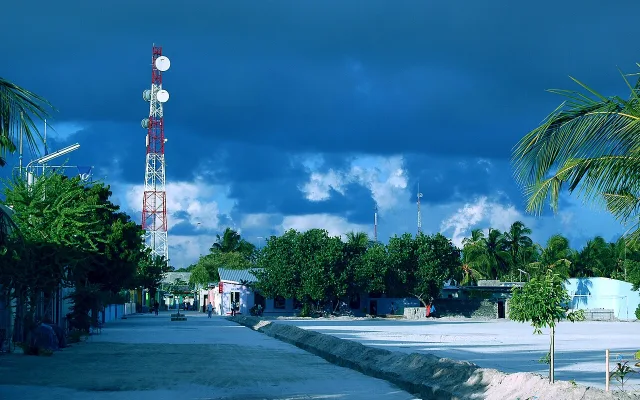
Maafushi is the grassroots alternative to the Maldives' private resorts, each of which occupies its own island and operates on an all-inclusive basis. On this single strip of land roughly one and a half kilometres long, a local Maldivian community goes about its daily life — schools, a mosque, shops — alongside dozens of guesthouses, cafés, dive centres and tour agencies. This setup offers something rare in the Maldives: the chance to combine a beach holiday with a glimpse of island life, from the traditional fishing boats called dhonis to the local market and the rhythms of a Muslim community.
The island has become something of a symbol of the democratisation of Maldivian tourism. It draws independent travellers, backpackers and families for whom price matters more than luxury. Its proximity to Malé and its well-developed excursion infrastructure also make it a convenient base for exploring the atoll.
Things to see and do
- Snorkelling. The reefs around the island and neighbouring atolls are home to reef fish, moray eels, rays and sea turtles. Trips to turtle spots and to submerged wrecks are popular.
- Diving. Local centres run dives for beginners and certified divers alike, including training courses. Kaafu Atoll is known for drift dive sites where grey reef sharks are regularly seen.
- Sandbank excursions — trips to sandbars that rise just above the surface in the open ocean. These bare, treeless spits make a perfect stop for swimming, photos and a picnic.
- Dolphin cruises, typically at sunset, and in season, trips to spots where manta rays and whale sharks congregate.
- Bikini Beach — a designated stretch of beach where visitors may swim in swimwear. Elsewhere on the inhabited island, local norms based on Islamic tradition apply.
- Sunset fishing in the traditional Maldivian style — handline fishing from a boat.
History and character
Before the tourism boom, Maafushi was an ordinary fishing community; part of the island was also home to a state prison. The right to host foreign guests in private guesthouses became law in the early 2010s, and Maafushi was among the first islands to take advantage of the reform, quickly outpacing other local islands in the number of guesthouses. Tourism is now the backbone of the local economy, yet the island retains the feel of a traditional Maldivian settlement.
Local customs
As an inhabited island, Maafushi has local norms visitors are expected to respect. Away from Bikini Beach, shoulders and knees should be covered, and modest swimwear is appropriate. Alcohol is prohibited on inhabited islands; it is available at floating bars — vessels moored nearby — or on excursions to neighbouring resort islands. Respecting local traditions is simply part of being a considerate guest.
Getting there
The island lies roughly 25–30 km south of the capital Malé. There are two main options:
- Public ferry — the cheapest option, but slow (around one and a half to two hours); does not run every day and does not operate on weekends.
- Speedboat — about 30–45 minutes from Malé, with several departures a day.
Transfers from Velana International Airport can usually be arranged through your guesthouse. It is worth confirming your flight arrival time in advance to avoid missing the speedboat schedule.
Where to stay
Accommodation is dominated by guesthouses at various price points, from simple budget rooms to small hotels with a pool, air conditioning and breakfast included. Many guesthouses bundle in excursions, snorkelling gear rental and airport transfers. Meals are available at the guesthouses themselves and at local cafés serving both international dishes and Maldivian cuisine.
Food
Local food is built around fish (primarily tuna), coconut and rice. Worth trying are garudhiya — a clear fish broth — and mas huni — a mixture of tuna, grated coconut and onion eaten with flatbread called roshi at breakfast — as well as the spicy fish snacks known as hedhikaa. Pork is not served in keeping with Islamic tradition, but seafood and tropical fruit feature widely.
How long to stay and when to go
Five days is enough to combine beach relaxation with a full excursion programme: a day to settle in and snorkel near the island, separate trips to a sandbank, a dolphin cruise, a manta ray outing, a dive or a scenic boat trip, and if you wish, a visit to a neighbouring resort island. The driest and sunniest season falls during the northeast monsoon (roughly November to April), when the sea is calmer and underwater visibility is at its best.