Description
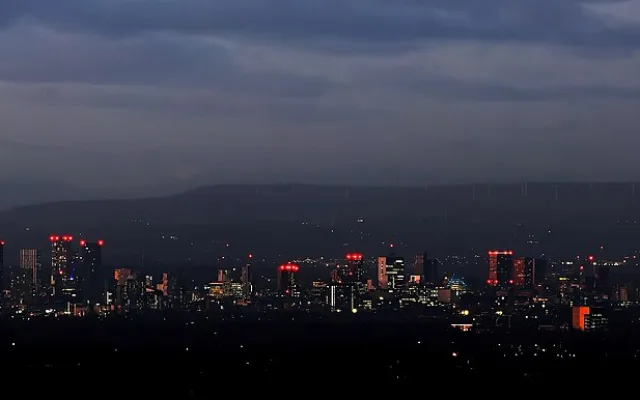
Manchester is a city in northern England, known for its industrial history, its thriving independent music scene, and two famous football clubs. The city is also home to the regenerated Salford Quays district.
Wiki
Manchester is the largest city in northwest England and the administrative centre of the ceremonial county of Greater Manchester. It is often called the industrial capital of the north: it was here, in the 18th and 19th centuries, that the cotton industry was born, and today the city is celebrated as the birthplace of indie music, home to two famous football clubs, and the location of the regenerated Salford Quays district.
About Manchester
Manchester sits at the foot of the Pennine Hills on the River Irwell, roughly 260 km northwest of London. The city's own population stands at around half a million, while the wider Greater Manchester conurbation numbers some 2.8 million, making it the second largest urban area in the UK after London. It is one of the country's foremost economic, cultural and student centres: the University of Manchester is among the largest in the United Kingdom.
The city functions as the unofficial capital of northern England. It combines a red-brick industrial heritage with the modern architecture of its business districts. Manchester is renowned for its music scene (The Smiths, Oasis, Joy Division, New Order), a vibrant nightlife, and as the place where the Industrial Revolution took on a global dimension. The city received its official status in 1853.
History of Manchester
The settlement grew up on the site of the Roman fort of Mamucium, founded around 79 AD to guard the road between Chester and York. Through the Middle Ages Manchester remained a small market town, but its true flourishing came with the Industrial Revolution.
In the late 18th and through the 19th century, the city became the world centre of the cotton industry, earning the nickname "Cottonopolis." Countless spinning mills, a network of canals, and the world's first intercity passenger railway — the Liverpool–Manchester line, opened in 1830 — made it a symbol of the industrial age. It was here that Friedrich Engels gathered the material for his book The Condition of the Working Class in England, and Manchester became one of the main centres of the labour and Chartist movements.
In the 20th century, the decline of textiles gave way to a large-scale shift towards services, science, media and culture. The IRA bomb in the city centre in 1996, in which no one was killed, paradoxically accelerated the rebuilding of the centre and the creation of new public spaces.
Climate and Weather
Manchester has a temperate maritime climate, with mild winters and cool summers. The city has a reputation as one of the rainiest in England: rainfall is spread fairly evenly throughout the year, so an umbrella will be useful in any season. Winter temperatures typically hover between 0 °C and 7 °C; summer averages 18–20 °C. The best time to visit is May to September, when the days are longer and warmer.
Getting to Manchester
Manchester Airport is the third busiest in the country and the main aviation hub of northern England, receiving flights from numerous cities across Europe and beyond. Regular trains and trams connect the airport to the city centre.
From London, the most convenient option is a train from Euston station: the journey to Manchester Piccadilly takes around two hours. The city is well connected by rail to Liverpool, Leeds, Birmingham and Scotland. Within the city, the Metrolink tram network and an extensive bus system make it straightforward to get around the centre and suburbs.
Main Sights
Manchester Cathedral
The Cathedral Church of St Mary, St Denys and St George is the city's principal church, built largely in the Perpendicular Gothic style during the 15th and 16th centuries. It is particularly known for its richly decorated wooden choir stalls with intricate carvings. The cathedral stands in the historic city centre and serves as the spiritual heart of Manchester.
Manchester's Stadiums
The city is home to two world-famous football clubs. Manchester United plays at the legendary Old Trafford — one of England's largest stadiums, nicknamed the "Theatre of Dreams." Manchester City plays at the Etihad Stadium in the east of the city. Both venues offer tours taking in the dressing rooms, tunnel and stands, as well as club museums — essential stops for football fans.
Manchester Art Gallery
Manchester Art Gallery is a free public gallery with a rich collection of paintings, including a major holding of Pre-Raphaelite works, alongside British and European art and decorative arts. Housed in a neoclassical building in the city centre, it is well suited to an unhurried afternoon with art.
John Rylands Library
One of the most beautiful libraries in the world, built in neo-Gothic style and opened in 1900 in memory of the industrialist John Rylands. The interiors resemble a cathedral, and the collection holds rare manuscripts and early printed books, including one of the oldest surviving fragments of the New Testament. Entry is free.
National Football Museum
The National Football Museum tells the story of the country's most popular game. Displays include historic balls, trophies, kits and interactive areas where visitors can test their skills. The museum is housed in the striking glass Urbis building and is particularly appealing to sports fans.
Science and Industry Museum
The Science and Industry Museum occupies the site of the world's oldest surviving passenger railway station. Its exhibitions cover Manchester's industrial heritage: steam engines, textile looms, and the history of energy, aviation and computing. This is one of the best places to understand the city's role in the Industrial Revolution.
Heaton Park
Heaton Park is one of the largest urban parks in Europe, covering a vast area in north Manchester. It has a boating lake, glasshouses, a farm with animals, open land for walking, and the neoclassical Heaton Hall. The park is a favourite spot for locals and a venue for major concerts.
Chinatown
Manchester's Chinatown is one of the largest in the United Kingdom. Its most recognisable landmark is an ornately decorated Imperial arch. The quarter is filled with Chinese and East Asian restaurants, bakeries and shops, and during Chinese New Year it comes alive with vibrant celebrations.
Things to Do
Nightlife and Clubs
Manchester is rightly regarded as one of Britain's music capitals. The Northern Quarter is known for its independent bars, vintage shops, cafés and street art. The legendary Madchester scene grew up here and in the surrounding area, and the echoes of the iconic Haçienda club still resonate in the city's club culture today. Live music and concerts can be found on almost any evening.
Local Food
The city's food scene is diverse: from traditional British pubs serving ale and hearty dishes to cuisines from across the world. Worth trying are the classic Sunday roast, fish and chips, and the wide choice of Indian food — the famous Curry Mile in Rusholme offers dozens of South Asian restaurants. Chinatown serves authentic Chinese food.
Shopping and Souvenirs
The main shopping thoroughfare runs around Market Street and the large Arndale Centre. For designer brands, there is the Spinningfields district and the Selfridges department store. For vintage clothing, vinyl records and goods from independent makers, head to the Northern Quarter. Popular souvenirs include football club merchandise, music records and locally crafted goods.
Museum of Transport
The Museum of Transport in the north of the city holds an impressive collection of historic buses and trams reflecting the development of public transport in Manchester. The displays will appeal to anyone with an interest in engineering and the history of urban mobility.
Tips for Travellers
- Two days is enough time to see the city: spend the first in the centre (the cathedral, the art gallery, the John Rylands Library, the museums) and the second at the football stadiums, Salford Quays and the parks.
- In the regenerated Salford Quays district, look out for the MediaCityUK complex, the arts and museum centre The Lowry, and the Imperial War Museum North.
- Many of the city's museums and galleries are free to enter — a real advantage for budget-conscious travellers.
- The centre is easy to explore on foot and by Metrolink tram; allow extra time during rush hour.
- Always carry an umbrella or a waterproof jacket — the weather can change quickly.
Summary
Manchester is a dynamic city where an industrial past blends naturally with contemporary culture, sport and music. In two days visitors can take in the main sights of the centre, visit one of the famous stadiums, explore world-class museums and soak up the distinctive atmosphere of the Northern Quarter. The city will appeal equally to history lovers, football fans, music enthusiasts and anyone who wants to experience real, living England beyond London.