Description

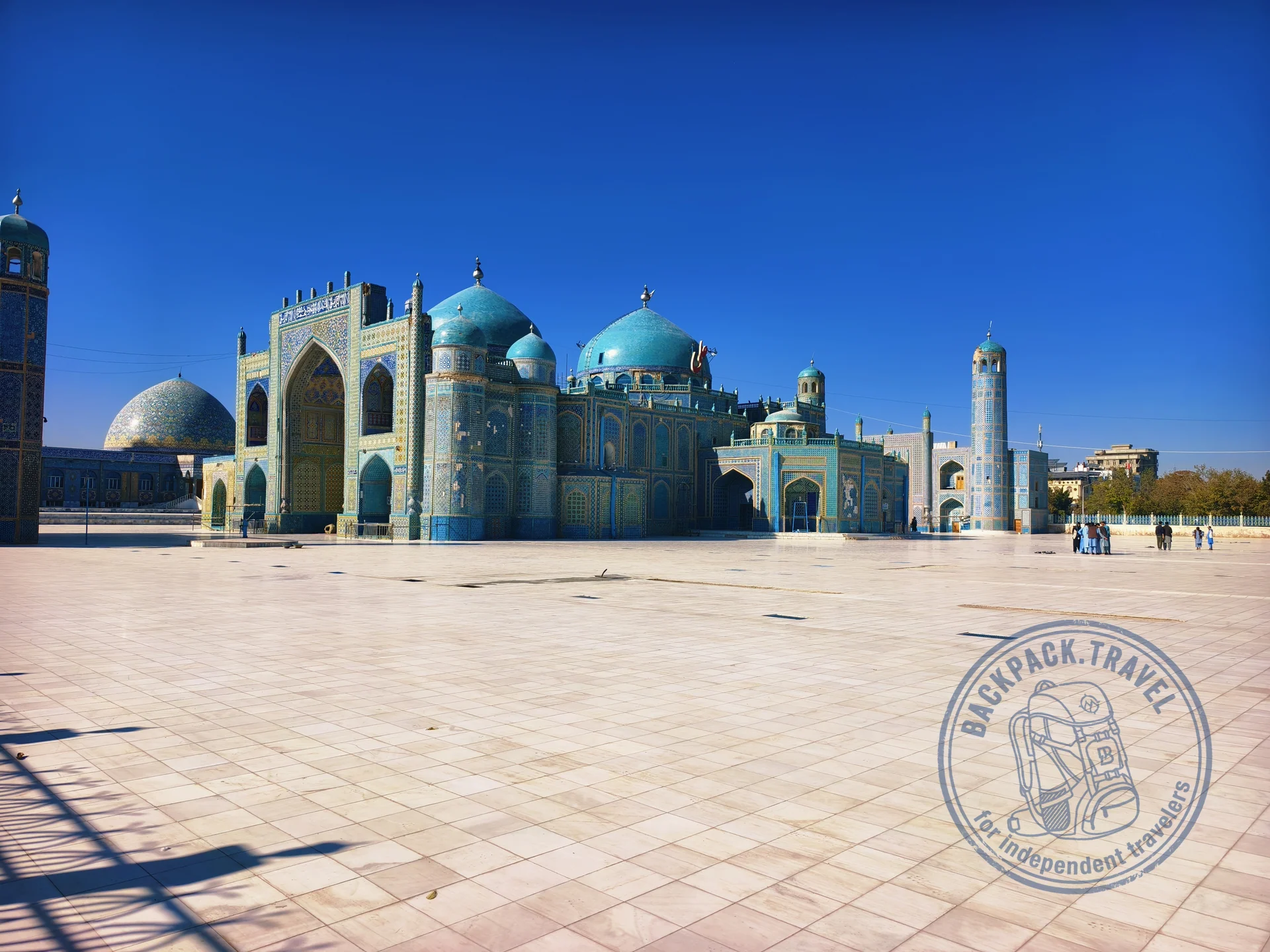
Mazar-i-Sharif is known for its Blue Mosque, the shrine of Hazrat Ali with its thousands of white doves, and the Aqcha Gate. The city also hosts the spring Nowruz festival.
Wiki
Mazar-i-Sharif is the fourth largest city in Afghanistan and the main centre of the north, famous for the turquoise Blue Mosque right in its heart. People come here for one of the most beautiful shrines in the Islamic world, and in spring for Nowruz, when the city fills with pilgrims.
Should you go, and what you need to understand
Let us start honestly: Afghanistan is a destination for prepared travellers, and Mazar-i-Sharif is no exception. The security situation is unstable, foreigners need a visa and often an escort and permits. Before travelling, be sure to check the current advice from your own country's foreign ministry and the situation on the ground — it changes fast. This is not a place for a spontaneous "let's have a couple of days' look without preparation" trip.
If you do come, with your eyes open, Mazar-i-Sharif has the advantage of being relatively calmer than many other parts of the country, and its main sight is concentrated in one spot — the key things can be covered on foot.
What is actually worth seeing
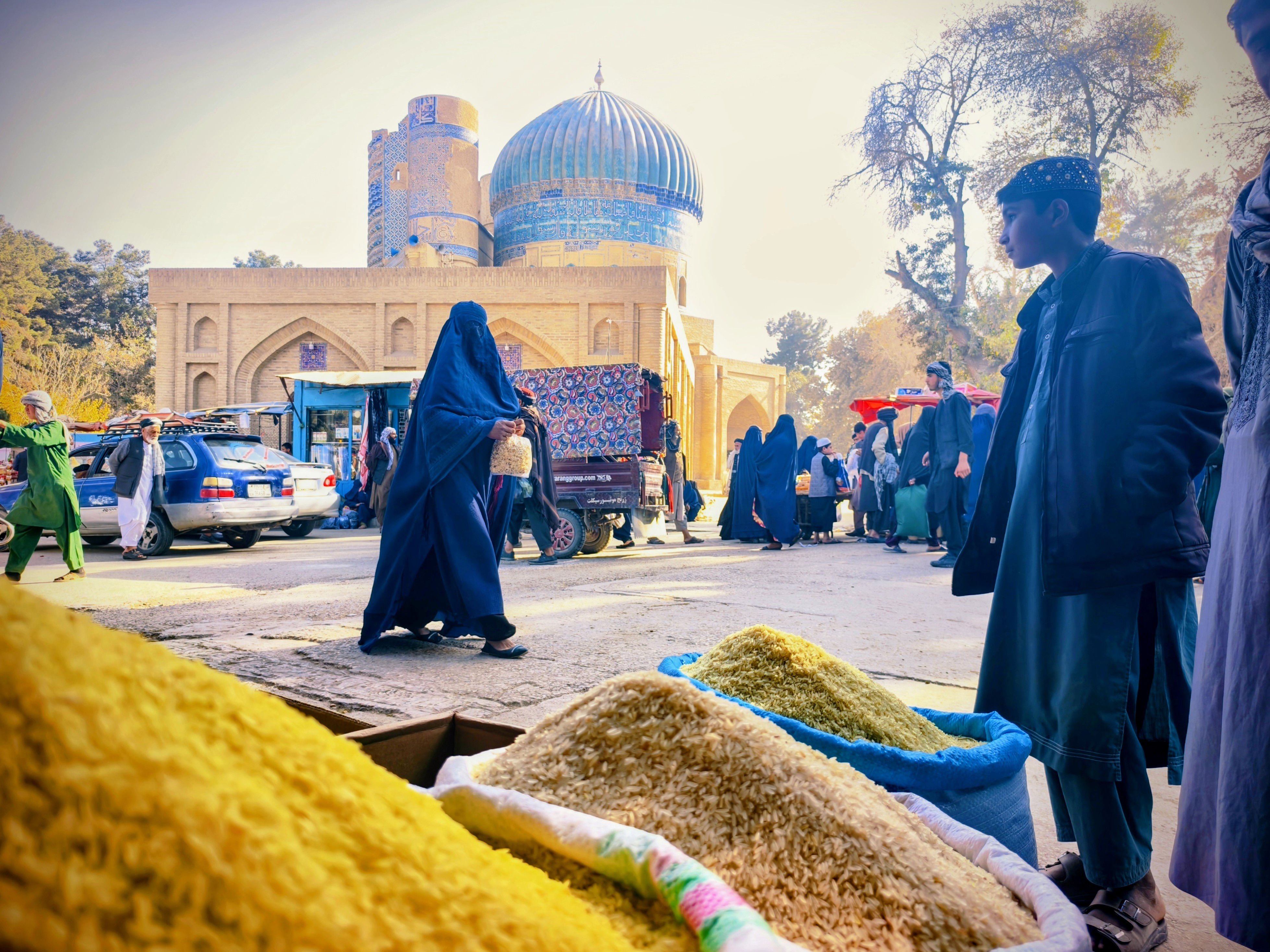
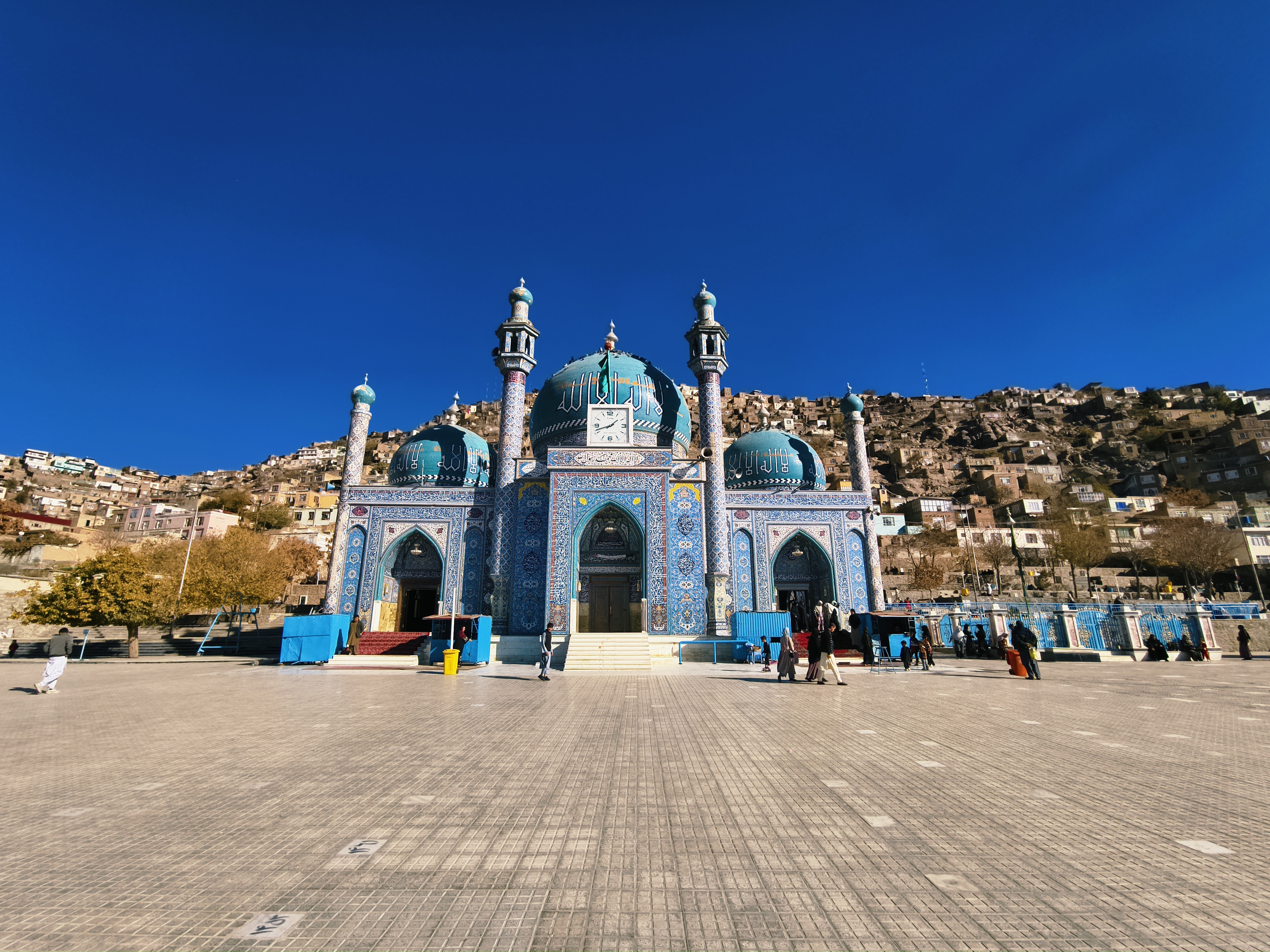
The Blue Mosque (the shrine of Hazrat Ali). The heart of the city and the reason people come at all. By local tradition Ali, the cousin of the Prophet Muhammad, is buried here (the grave itself is claimed by other cities too, but for local people that makes no difference). The complex is faced in tiles of deep blue and turquoise, and the square around it is home to those famous white doves — it is said that a grey pigeon arriving here turns white within forty days. Feeding the doves is part of the local ritual.
Practical notes for the traveller:
- The square around the mosque is the city's main public space, alive from morning to evening. Come towards sunset: the tilework is at its best in soft light.
- Non-Muslims are generally not allowed inside the shrine, or only in a limited way — plan on admiring it from outside and from the courtyard.
- Dress as modestly as possible: arms and legs covered, and for women a headscarf is essential. This is not a suggestion but a requirement of the setting.
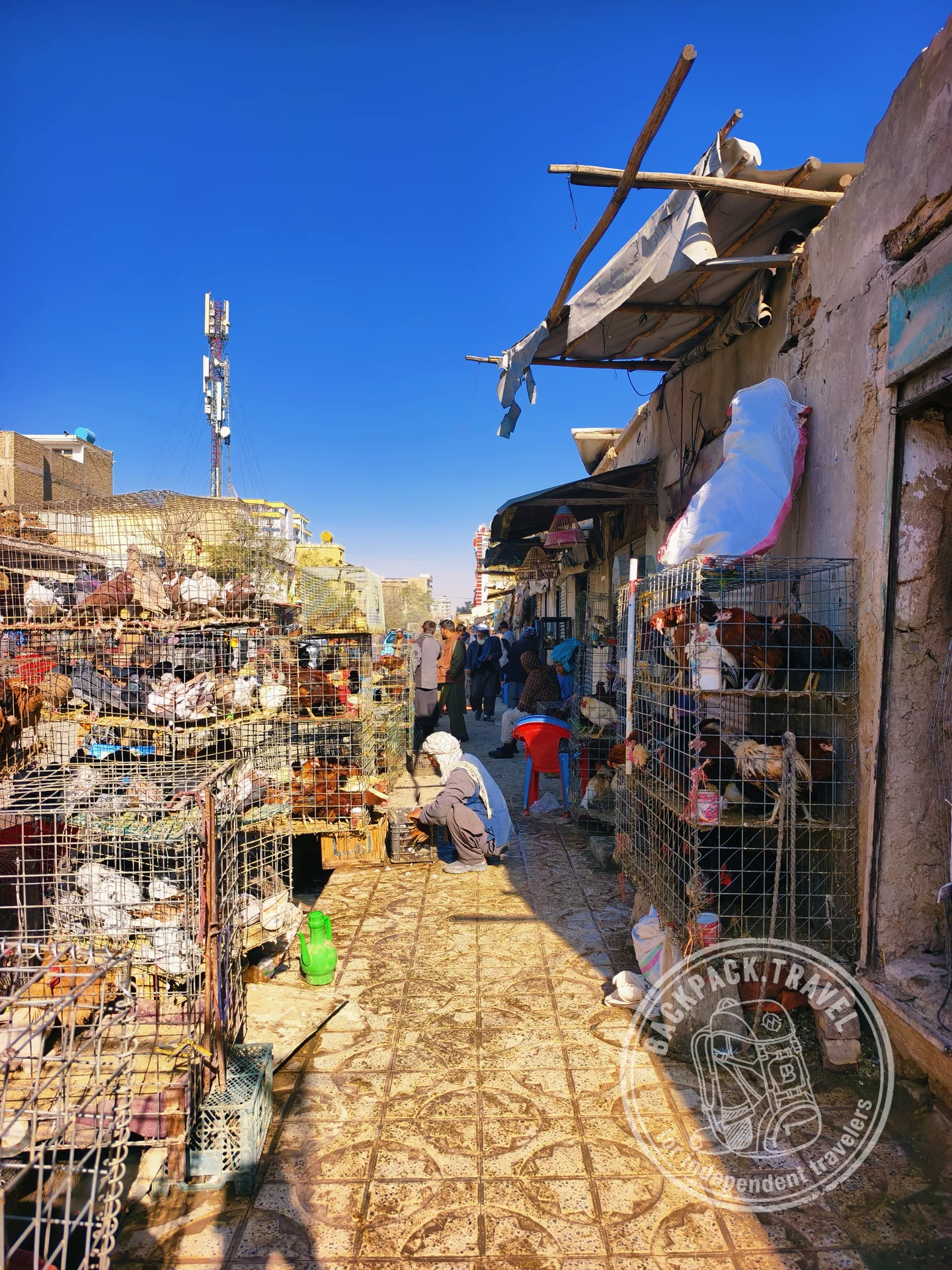
The bazaars around the mosque. Here they sell carpets, karakul (the famous local lambskin), dried fruit and nuts. Even if you buy nothing, this is the best way to get a feel for the city.
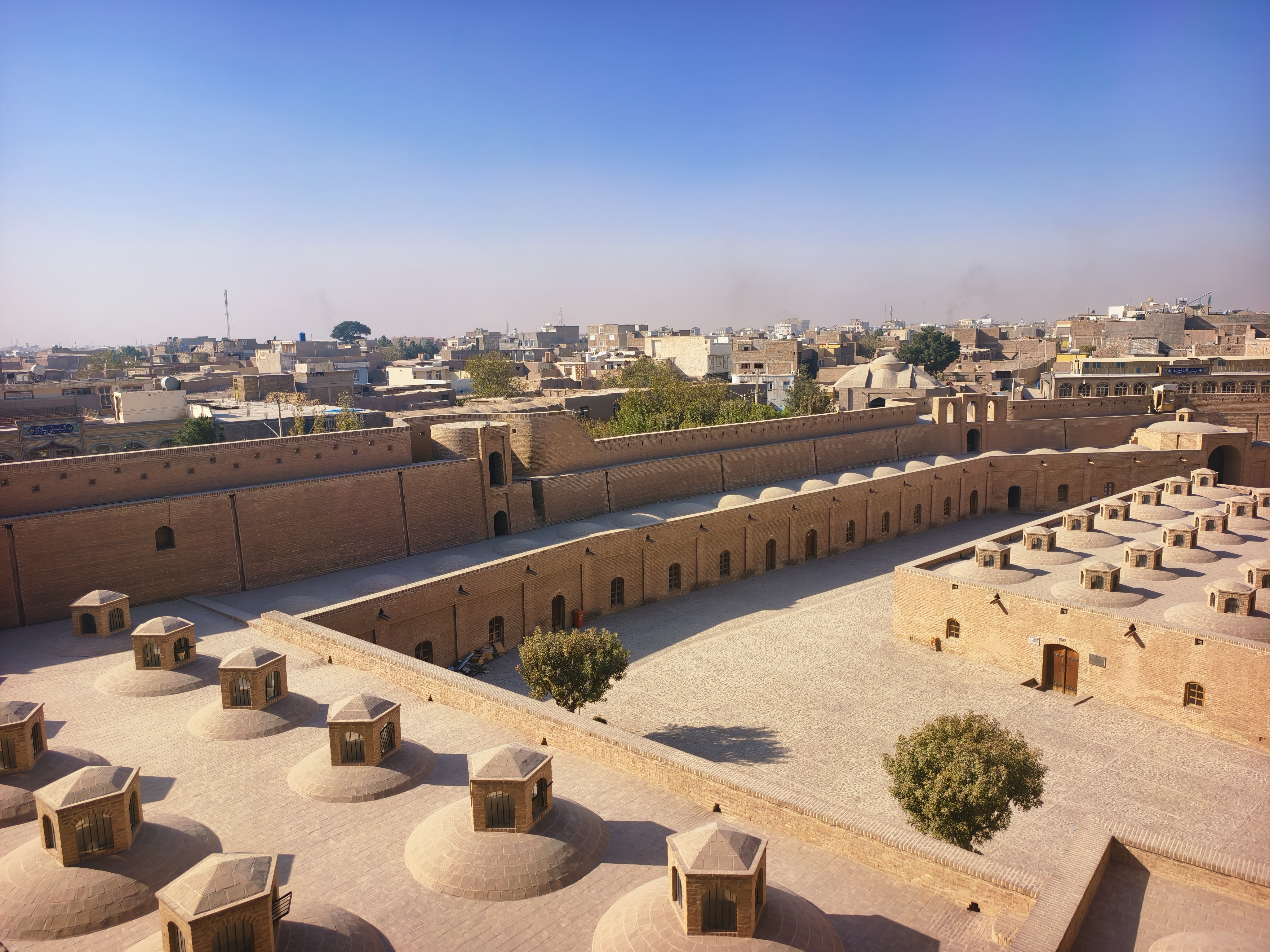
The Aqcha Gate and surroundings. This is the direction of the ancient trade routes; trips out of the city in this region usually require separate clearance and an escort — do not plan them on your own without local contacts.
Balkh (some twenty kilometres away) — the "mother of cities", one of the oldest settlements in the region, connected with Zoroastrianism and a Buddhist past. A logical half-day excursion, but again, only with a trusted local escort.
When to go
The ideal time is spring, around Nowruz (about 21 March, the Persian New Year). In Mazar-i-Sharif this is the event of the year: the raising of the holy banner at the Blue Mosque, huge crowds of pilgrims, fairs. It is a spectacle, but for that very reason it is also crowded, more expensive for accommodation and more tense in security terms because of the mass of people. Weigh it up.
Summer is exhaustingly hot and winter is cold. Autumn is a calm compromise as far as the weather goes.
How many days
Two days are more than enough: one for the mosque, the square and the bazaars in different light (morning and evening look quite different), a second for an unhurried walk and a possible excursion to Balkh, if you can arrange an escort.
Getting there and getting around
- The airport. Mazar-i-Sharif has an international airport, and flying in is the most practical way to reach the city — overland routes across the country are long and risky. Check which flights are actually operating closer to your date.
- Around the city. The centre is compact: from the Blue Mosque square everything essential is within walking distance. For the rest of the city people use taxis — agree the fare in advance, before you get in. Riding around the outskirts alone and without a local contact is not advisable.
- Having a reliable local acquaintance or fixer is worth more here than any guidebook.
Money, food, accommodation
- Money. Cash (afghanis); cards essentially do not work. Bring an adequate supply and change money with trusted dealers at the bazaar.
- Food. Cheap and filling: pilaf (Kabuli pulao) with rice, carrot, raisins and meat is the calling card of the north, along with kebabs, fresh flatbreads and tea. The region's melons and grapes are a reason in themselves to come in season. Eat where the locals eat.
- Accommodation. The choice of hotels is modest; stay near the centre, close to the mosque, so you have to move around the city less.
Common mistakes
- Underestimating the requirements on dress and behaviour at the shrine — it causes real offence.
- Travelling without insurance, cash and a local contact.
- Photographing people (especially women), soldiers and checkpoints without permission — shoot carefully and ask.
- Planning a trip "on the basis of old reviews": check the situation immediately before you set out.