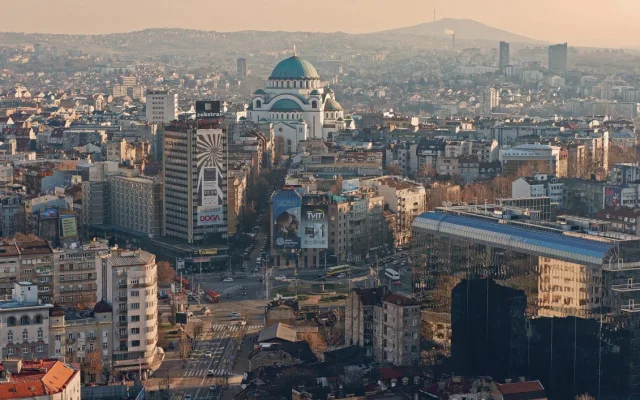
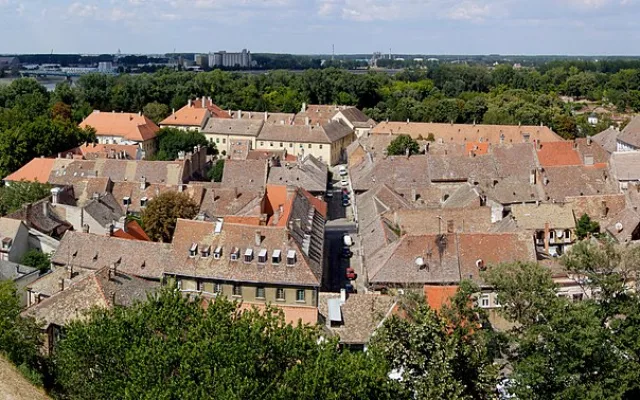
Description
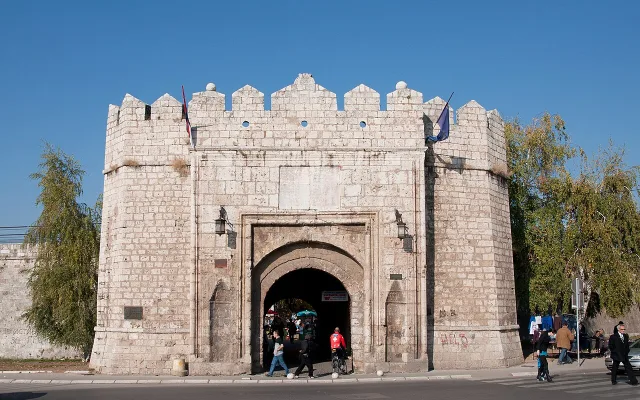
One of the oldest cities in the Balkans, birthplace of Emperor Constantine — a fortress and the Tower of Skulls.
Wiki
Niš is Serbia's third-largest city and the main transport hub of the south: roads from the north branch here toward Thessaloniki and east toward Sofia, making it a natural stop on any route between Belgrade, Bulgaria, and North Macedonia. The city is compact, crowds are thin, and prices are noticeably lower than in Belgrade — people come for the relaxed atmosphere, the fortress, and a handful of powerful historical sites.
Why visit and what to actually see
Niš is compact; everything worth seeing is within walking distance of the centre.
- Niš Fortress (Tvrđava). The heart of the city: massive 18th-century Ottoman walls on the banks of the Nišava. Entry is normally free; inside you'll find a park, cafés, and in summer, concerts and markets. People come not for a museum but for a stroll — this is the city's living room, where locals spend their evenings. Allow an hour to an hour and a half.
- Tower of Skulls (Ćele Kula). The most sobering and most famous sight in the city. After the battle of 1809, the Ottomans cemented the skulls of Serbian rebels into a tower wall. The small chapel housing it sits on the road out of the centre — walkable, but not close; a taxi is a reasonable option. It impresses through context rather than scale: 15–20 minutes is enough.
- Mediana. Ruins of a late-Roman imperial residence with mosaics, associated with Constantine the Great, who was born in Niš (the ancient city of Naissus). It lies on the road toward Niška Banja and requires transport to reach. Worth it for archaeology enthusiasts; for others, the fortress will be enough.
- Crveni Krst Concentration Camp. One of the few preserved Nazi-era camps in Europe, now a museum. A difficult but honest place for anyone with a serious interest in 20th-century history.
- Pedestrian zone (Kopitareva / main square). The evening korzo — the local ritual of strolling, café-sitting, and ice cream. This is where you feel the city's pulse.
Getting there
- Train/bus from Belgrade. The bus is the most convenient option: journey time is several hours and services are frequent. A high-speed rail link between Belgrade and Niš is under construction, but for now the bus is the more reliable choice.
- From Sofia and Skopje. Niš sits on the main international corridor; buses connect it with both Bulgaria and North Macedonia, making it a convenient link in a trans-Balkan itinerary.
- Niš Constantine the Great Airport. Small but served by low-cost carriers (mainly European routes). The centre is a short taxi or city-bus ride away.
The bus station is next to the fortress and the centre, so almost everything is walkable from it.
Getting around
The centre can be crossed on foot in 20–30 minutes end to end. City buses are only needed for outlying points (Mediana, Niška Banja). Taxis are inexpensive — make sure the meter is running. A rental car is useful if you plan day trips from Niš into the surrounding region (Sićevačka Klisura gorge, monasteries, the thermal resort of Niška Banja, 10 km away).
Where to stay
Stay in the centre or near the fortress and everything is walkable. The accommodation choice runs to budget apartments and guesthouses and a couple of hostels. Niš is cheaper than Belgrade, so your money goes further. Look around the pedestrian zone and the Nišava riverfront — quiet in the evenings, but close to everything.
How many days and when to go
Two days is enough. Day one: fortress, city centre, Tower of Skulls, evening korzo. Day two: Mediana, Crveni Krst, or a trip to Niška Banja or the gorge. If Niš is a transit stop, a single packed day is realistic.
The best time to visit is May–June and September: warm without the full southern-Balkan heat. July and August can be stifling. Winter is quiet and cheap, but grey and damp.
Food and prices
Southern Serbia means meat and spice — the food is hearty and flavourful.
- Roštilj (grilled meat): pljeskavica, ćevapi, ražnjići. Portions are generous.
- Burek in the mornings, ajvar (roasted pepper relish, a local pride), spicy pepper-based dishes.
- Rakija and local beer — cheap.
Prices feel low even by Serbian standards: a full meal at a kafana costs very little, and a coffee in the centre is next to nothing. Savings are self-evident — almost everything here is cheaper than in the capital.
Safety and practicalities
- Niš is calm; street crime is low and walking around in the evening is comfortable.
- The currency is the Serbian dinar (RSD); cards are accepted in most cafés and shops, but carry cash for markets and smaller spots.
- English is understood mainly by younger people and in tourist-facing places; a few basic Serbian words go a long way.
- ATMs are widely available; avoid exchange offices advertising "zero commission" with poor rates — use banks instead.
Common mistakes
- Staying too long. Niš is not a city that needs a week; two days is right, and after that it starts to feel thin.
- Skipping the surroundings. The real underrated value is in the day trips: the gorge, Niška Banja, the monasteries. Without them, Niš can feel small.
- Expecting picture-postcard beauty. This is a working, lived-in Balkan city without gloss — appreciate it for its atmosphere and prices, not its photogenic qualities.
- Measuring it against Belgrade. The pace here is different — slower and more southern. Settle into that rhythm rather than fighting it.