Description
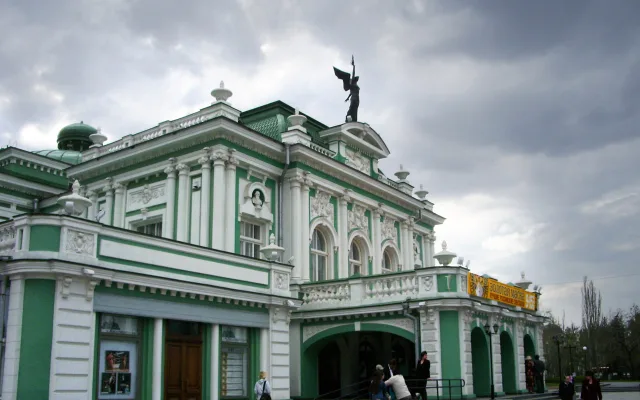
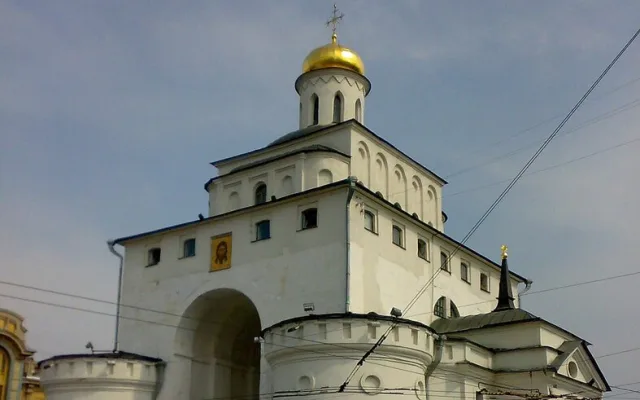
A city on the Irtysh River — a place of exile for Dostoevsky, with the Tarsky Gate and the Dormition Cathedral.
Wiki
Omsk is often passed through in transit between Tyumen and Novosibirsk, and people are wrong to stop for only a couple of hours — the compact historic centre at the confluence of the Om and the Irtysh can be walked at an unhurried pace in a day. If you are travelling the Trans-Siberian Railway, the city fits conveniently as a stop without disrupting your route.
Is it worth going, and for how long
One day is more than enough for Omsk. All the key points — the Tarsky Gate, the Dormition Cathedral, Lyubinsky Avenue, the Irtysh embankment — lie within walking distance in the centre. There is not much sense in travelling to Omsk specially, but as a stop on a journey across Siberia it is justified: you stretch your legs after the train, eat proper food and see a living Siberian city without tourist crowds.
Getting there and getting around
- Train. The main way to reach Omsk is the Trans-Siberian Railway. Moscow–Vladivostok trains pass through the city, and there are regular services to Tyumen, Yekaterinburg and Novosibirsk. The station is large, and it is a short ride to the centre by public transport or taxi.
- Airport. Located relatively close to the city, within the built-up area. You reach the centre by city transport or taxi; allow time, but the distances here are more modest than in the biggest cities.
- Within the city. The centre is walkable, which is the sensible option for a day visit. Buses, trolleybuses and shared minibuses run around the city, and the taxi apps work, with rides inexpensive by local standards. The Omsk metro is a local running joke: it was under construction for decades, but there is still no working underground, so do not count on it.
What is actually worth seeing
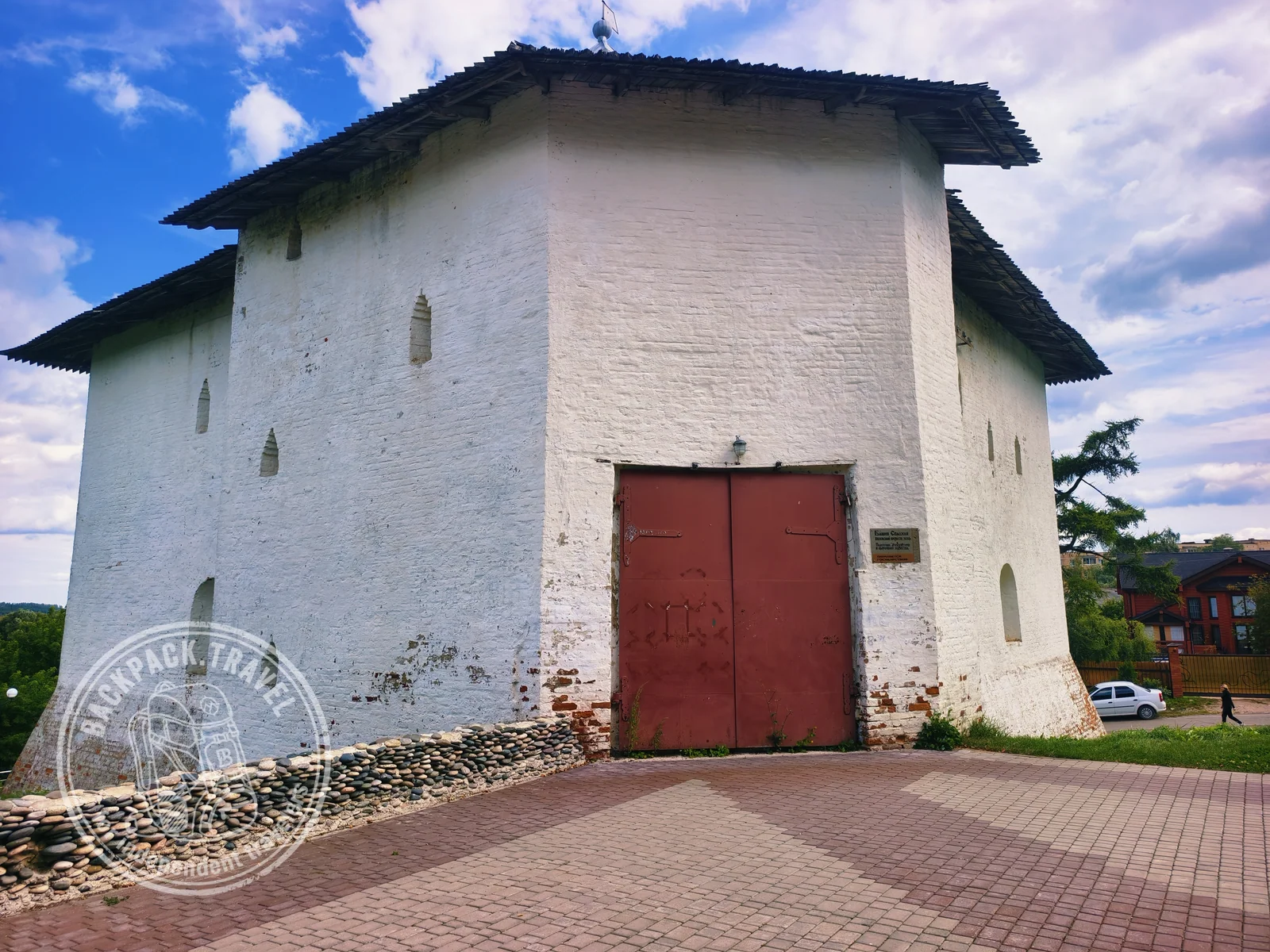
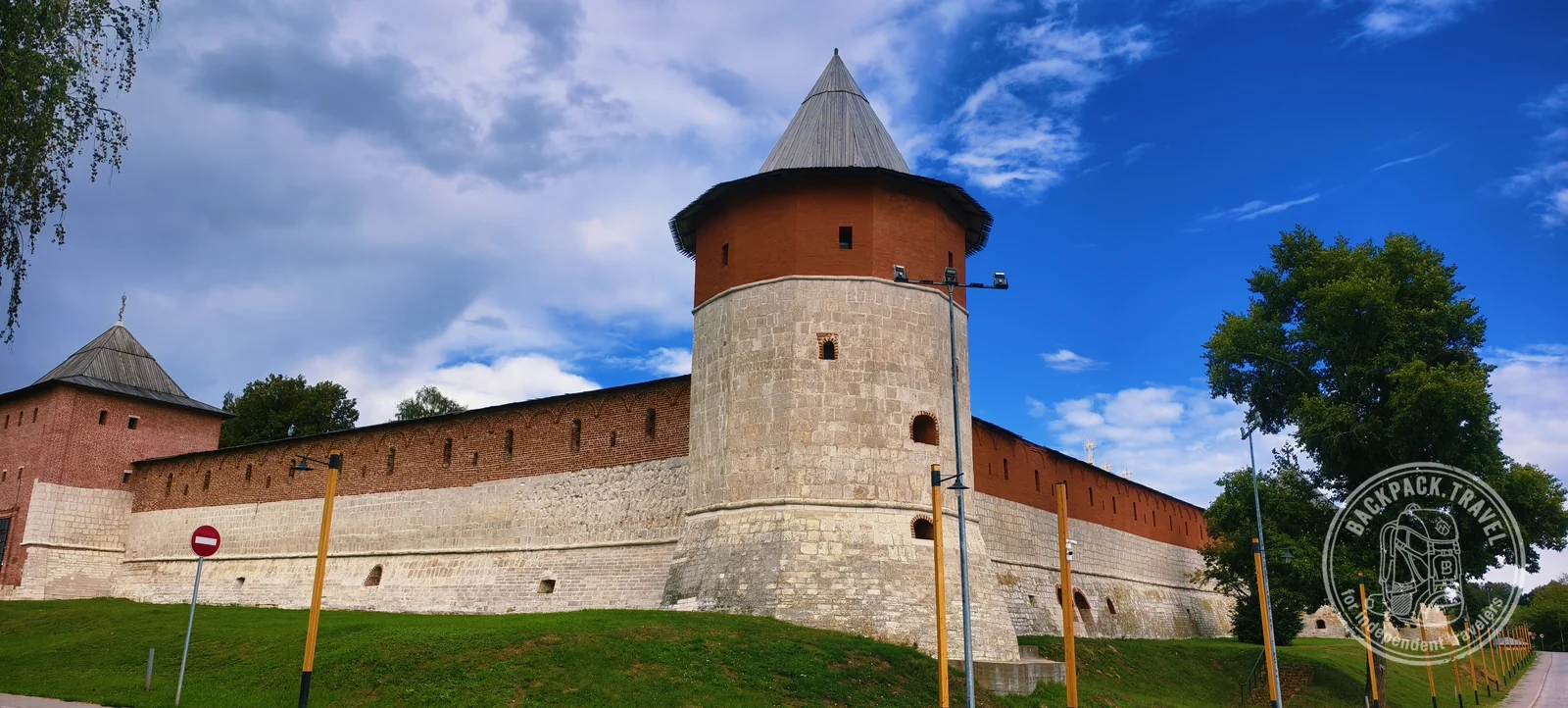
- The Tarsky Gate — the restored gate of the Omsk fortress, the city's calling card and a convenient starting point for a walk.
- The Omsk Fortress — the historic core of the city on the bank of the Om. A site with reconstructed buildings, and the logical place to begin.
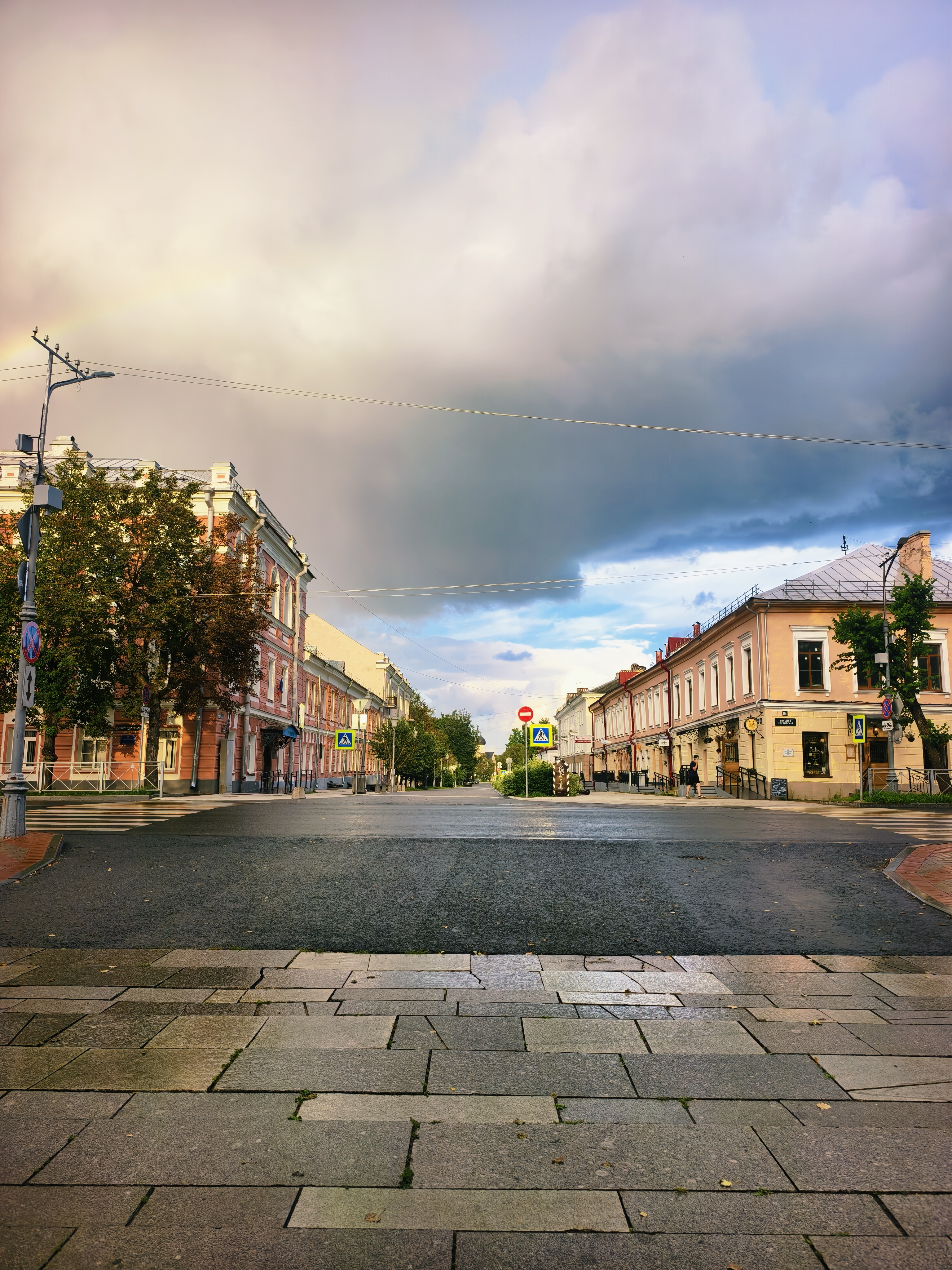
- Lyubinsky Avenue (Lenin Street) — the main promenading street, lined with old merchant buildings. Here are the cafés and shops, and also the well-known "Lyuba" sculpture of a seated young woman.
- The Dormition Cathedral — the rebuilt cathedral church, one of the city's most conspicuous buildings and striking from outside.
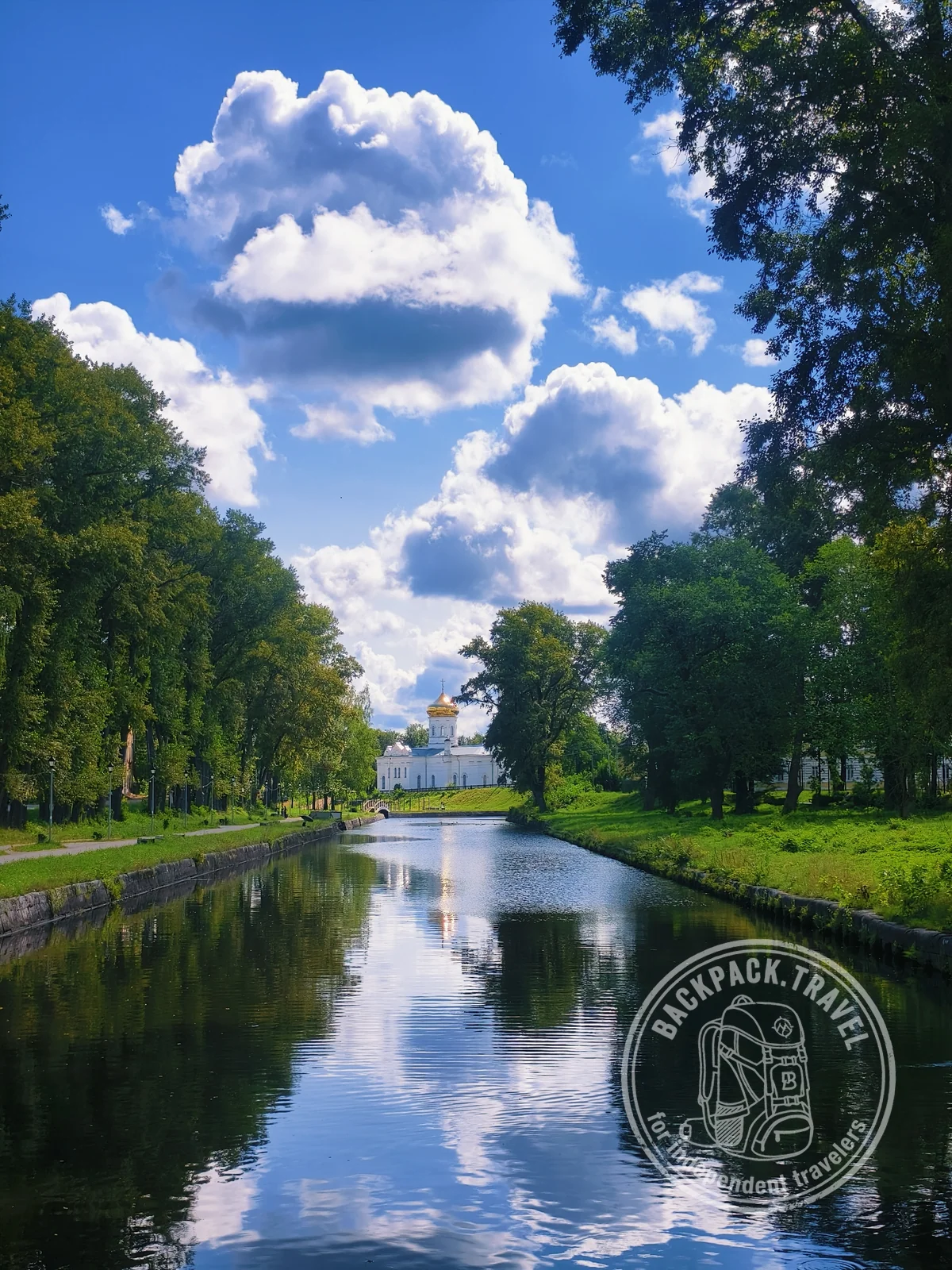
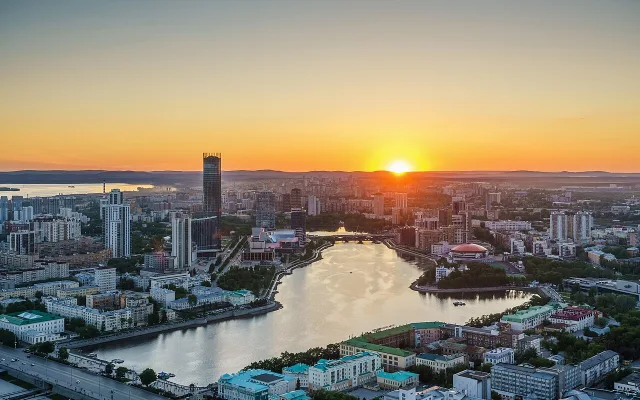
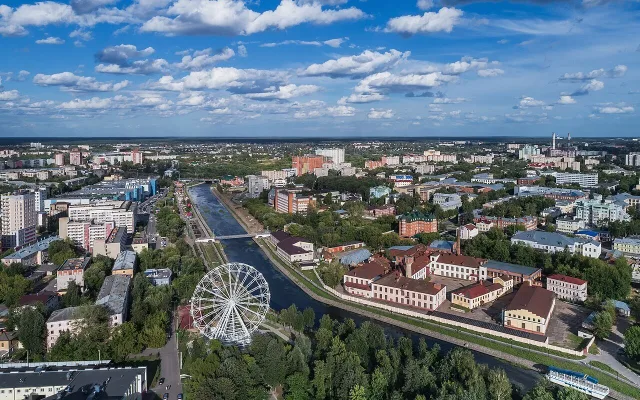
- The Irtysh embankment — a place to walk and to grasp the scale of the river; good at sunset.
- Dostoevsky. Omsk is where Fyodor Dostoevsky served four years of penal servitude, the years he later described in The House of the Dead. A literary museum is devoted to the subject; for anyone interested in the background to that book, it is a meaningful stop.
A realistic one-day route: the fortress and the Tarsky Gate, then Lyubinsky Avenue, the Dormition Cathedral and the embankment. It all links up on foot.
Where to stay
If you are staying the night, take accommodation in the centre, around Lyubinsky Avenue and Lenin Street — everything is within walking distance from there and you will not depend on transport. The second sensible option is nearer the railway station, if you have an early or overnight train. There are plenty of hotels and flats, and prices are noticeably below those in the capital.
When to go
- Summer — the optimum: warm, long days, the embankment in use, comfortable for walking. But be ready for heat and for clouds of midges and mosquitoes near the water.
- Winter — Siberian, with hard frosts; beautiful, but it turns a day's walking into an ordeal. Take warm clothing seriously.
- The shoulder seasons — spring is muddy and slushy; early autumn (September) is a reasonable compromise.
Food and money
Omsk is an inexpensive city. You can have lunch in a canteen or a chain café for very little, and the coffee shops and restaurants on Lyubinsky are slightly dearer but still more affordable than in Moscow or St Petersburg. Look for Siberian classics — pelmeni and fish. Card payment works everywhere, but a little cash on the road does no harm.
Practical advice and common mistakes
- Do not expect to be wowed. Omsk is about a quiet walk and a stop on a journey, not about must-sees. With that frame of mind the city pleasantly surprises; with inflated expectations it disappoints.
- Plan around the train timetable. If you are travelling the Trans-Siberian, check the length of the stop: a proper day requires an overnight stay, while a short halt allows only a quick look at the centre.
- Ignore the metro as a means of transport — it effectively does not exist.
- Dress seriously for the weather — the continental climate delivers both summer heat and severe winter cold.
- Stick to the centre — the most interesting and best-kept views are concentrated around the Om and Lyubinsky; the outskirts are standard residential blocks with little to offer a visitor.