Description
Estonia's summer capital — a Baltic resort of sandy beaches, spa hotels and wooden architecture.
Wiki
Pärnu is a quiet provincial town by Estonian standards, one that transforms into the country's premier resort for three summer months. People come for the beach, the spa hotels and the unhurried pace: the town is small, everything is within walking distance, and that is its greatest asset for the independent traveller.
What to see and whether it's worth it
Honestly, Pärnu is not about museums and ticking off sights — it is about atmosphere and relaxation. Half a day is enough to cover everything interesting on foot.
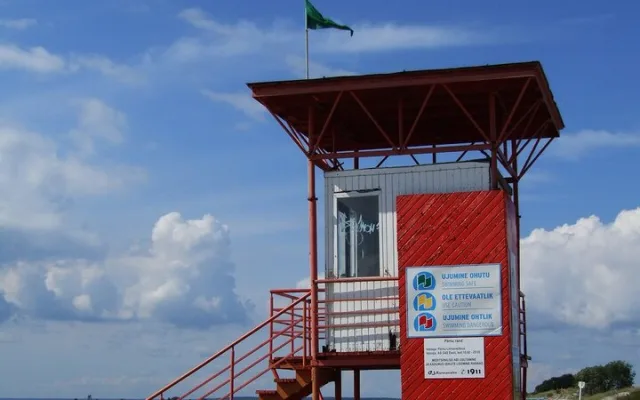
- Pärnu Beach — a wide strip of fine, pale sand with a very gentle slope. The water stays shallow far from shore, so it warms up better in summer than most Baltic beaches. A promenade and park run along the shore; pleasant to walk even without swimming.
- The Beach Pavilion and the old Mud Baths building — fine examples of resort-era functionalism, relics of the age when visitors came to "take the waters." They look striking from outside; there is no need to go in.
- Tallinn Gate — the only surviving town gate from the Swedish period anywhere in Estonia, worth the short walk.
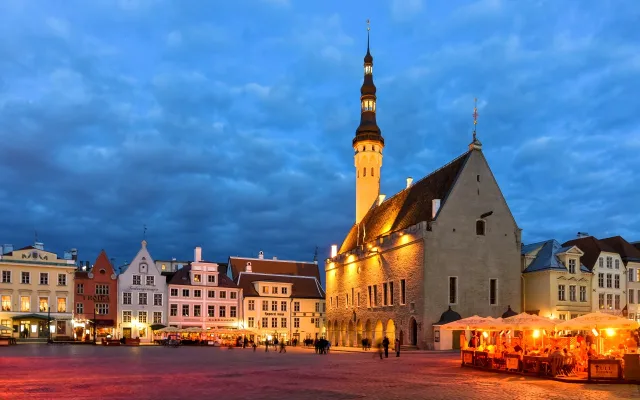
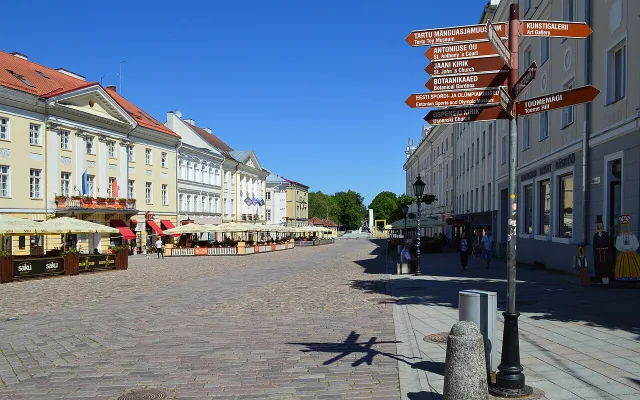
- The old centre — wooden houses from the 18th–19th centuries, the Baroque St Catherine's Church and St Elizabeth's Church, and the pedestrian Rüütli Street lined with cafés. Compact; a leisurely hour and a half covers it all.
If the weather turns, the spa hotels are a perfectly good substitute for any sightseeing programme.
Getting there and getting around
Pärnu lies roughly 130 km south of Tallinn, directly on the Tallinn–Riga highway, so logistics are straightforward.
- From Tallinn — regular buses, about two hours. This is the easiest option; tickets are cheaper bought online in advance, and prices rise closer to departure.
- From Riga — direct buses as well; Pärnu fits neatly into a route between the two capitals rather than requiring a dedicated trip.
- Within the town you barely need transport: it is 15–20 minutes on foot from the bus station to the old centre and the beach. A bicycle is a nice bonus but not essential.
A car is useful only if you plan day trips in the area — to Kihnu Island, for instance, or into the surrounding nature.
Where to stay
There are essentially two options, and the choice depends on what you are after:
- The beach district — spa hotels and guesthouses by the sea. More expensive, but this is precisely why most visitors come: pools, saunas and treatments. In winter the spa hotels keep the town alive and often offer good off-season rates.
- The old centre — cheaper guesthouses and apartments, close to everything, with the beach a 10–15-minute walk away.
In summer, especially in July and around festival dates, accommodation sells out well in advance — book early or you will be left with expensive last-minute options only.
When to go
- June–August — high season. Beaches and terrace cafés are open, festivals are on, and the town feels lively. Bear in mind that the Baltic is cold; genuinely comfortable swimming is mostly July, and only in the shallow water near shore.
- May and September — a reasonable compromise: fewer people, lower prices, and the weather is often fine for walking, even if swimming is chilly.
- Autumn–winter — Pärnu quietens down and many seasonal cafés close. A visit makes sense only if a spa stay is the explicit goal: hotel prices drop, and pools and saunas are unaffected by the weather.
How long to allow
Two days is enough: one for the old town and a walk around the centre, one entirely for the beach and spa. You only need more if you want a deliberately slow, do-nothing break for several days, or if you are using Pärnu as a base for trips around the region.
Food and money
Prices are moderate by Estonian standards — noticeably lower than in Tallinn's tourist centre, though Estonia is not a cheap country overall. Easy ways to save:
- eat out at weekday business lunches — the best-value sit-down meal in any restaurant;
- shop at chain supermarkets rather than beachside kiosks, where everything costs more;
- locally, fresh Baltic fish and smoked fish products are well worth trying.
Common mistakes
- Coming in winter expecting a resort. Out of season there is little to do by the sea — the only reason to visit then is a spa stay, and that is worth knowing before you book.
- Expecting a warm sea. The Baltic is cool at the best of times; the shallow water helps, but this is not the Mediterranean.
- Leaving accommodation to the last minute in summer. At peak season that is a direct route to overpaying.
- Allowing too many days. Pärnu is lovely at a slow pace, but there are not a week's worth of sights here — two or three days is comfortably enough.