Description
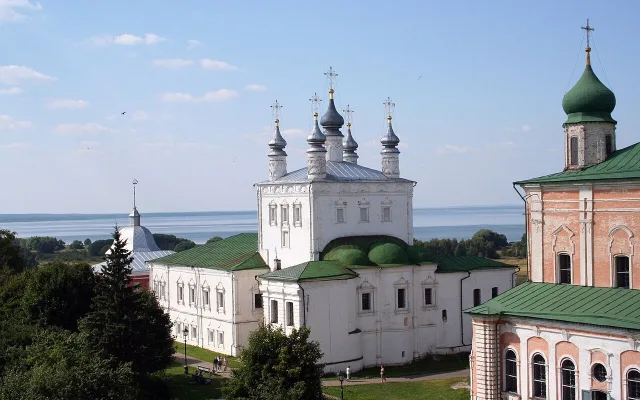
An ancient town on the shore of scenic Lake Pleshcheyevo, with white-stone cathedrals of the 12th century. This is where Peter the Great built his play flotilla, the beginning of the Russian navy.
Wiki
Pereslavl-Zalessky is one of the few Golden Ring towns — the classic tourist circuit of medieval towns north-east of Moscow — where in a single day you can walk to a 12th-century cathedral and swim in a lake. Most people come from Moscow for a weekend, and that is a sensible format: the town is small, but the surroundings need time and preferably a car.
Getting there
There is no railway in the town — only the bus. From Moscow, services leave from the Shchyolkovsky bus terminal and from VDNKh, and the journey along the Yaroslavskoye highway takes about two to three hours depending on traffic. Buses run frequently, but on Friday evening and Sunday afternoon you should allow extra time for getting out of Moscow.
There are also scheduled buses from Yaroslavl and Rostov Veliky — Pereslavl-Zalessky sits right on the M-8 highway, so it fits conveniently into a Golden Ring route between Sergiyev Posad and Rostov.
Your own car gives a noticeable advantage here: the main draws — Lake Pleshcheyevo, the Blue Stone, Peter's Boat, the Nikitsky Monastery — are scattered outside the historic centre, and public transport between them is irregular.
Getting around
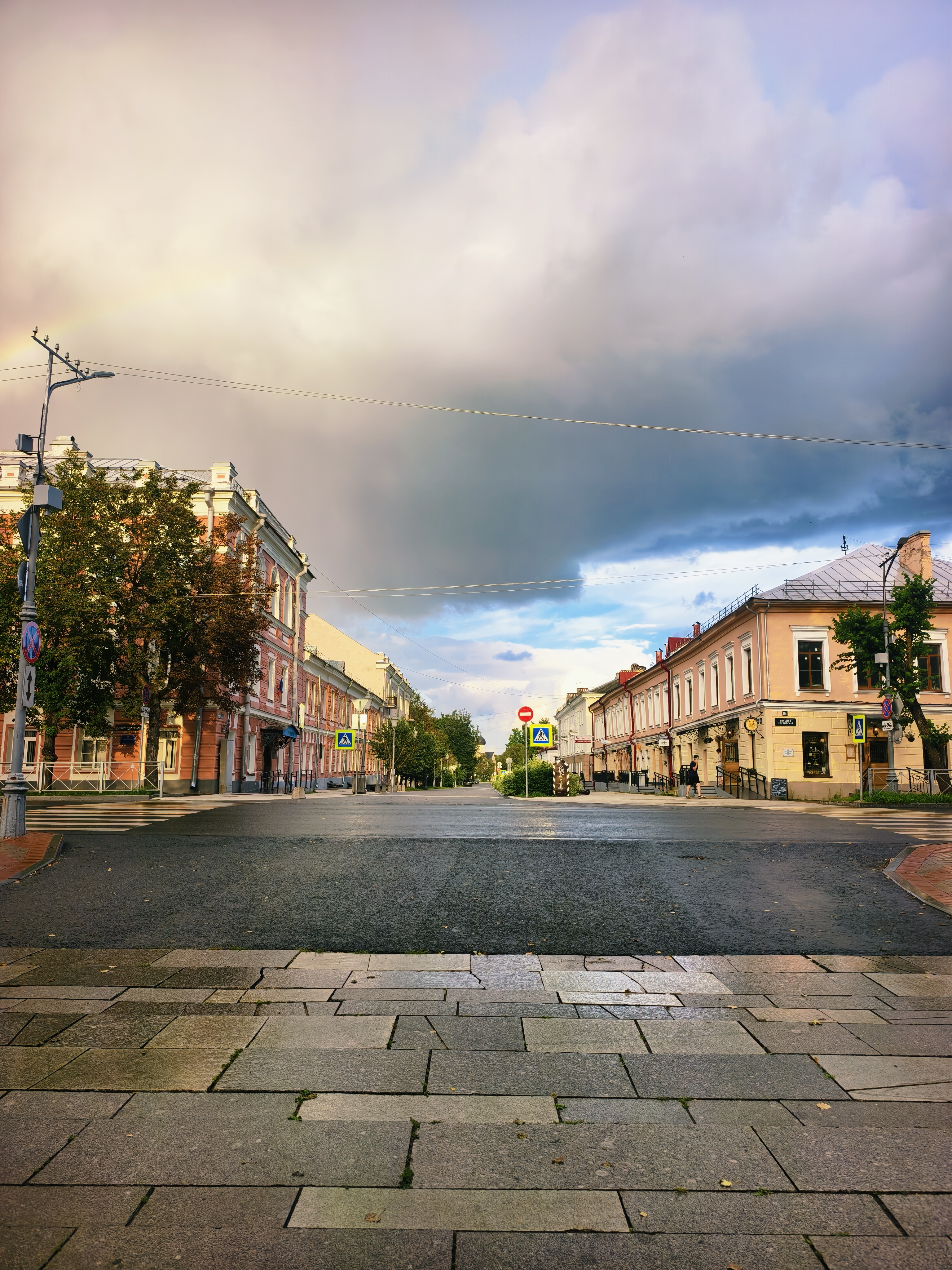
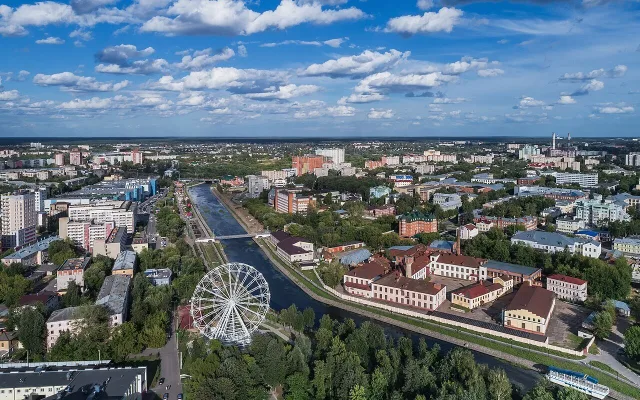
The town is stretched along the highway for about ten kilometres — that is its defining feature. There is no compact "old town" where everything is close together: the kremlin area with Red Square can be walked in an hour, but from there to Peter's Boat on the other side of the lake is a considerable distance.
Local buses run within the town, but at long intervals. There are taxis and the ride-hailing apps work; a trip right across town costs little by Moscow standards. A bicycle is a good option in the warm season: the terrain is flat and it is easy to ride down to the lake.
What to see
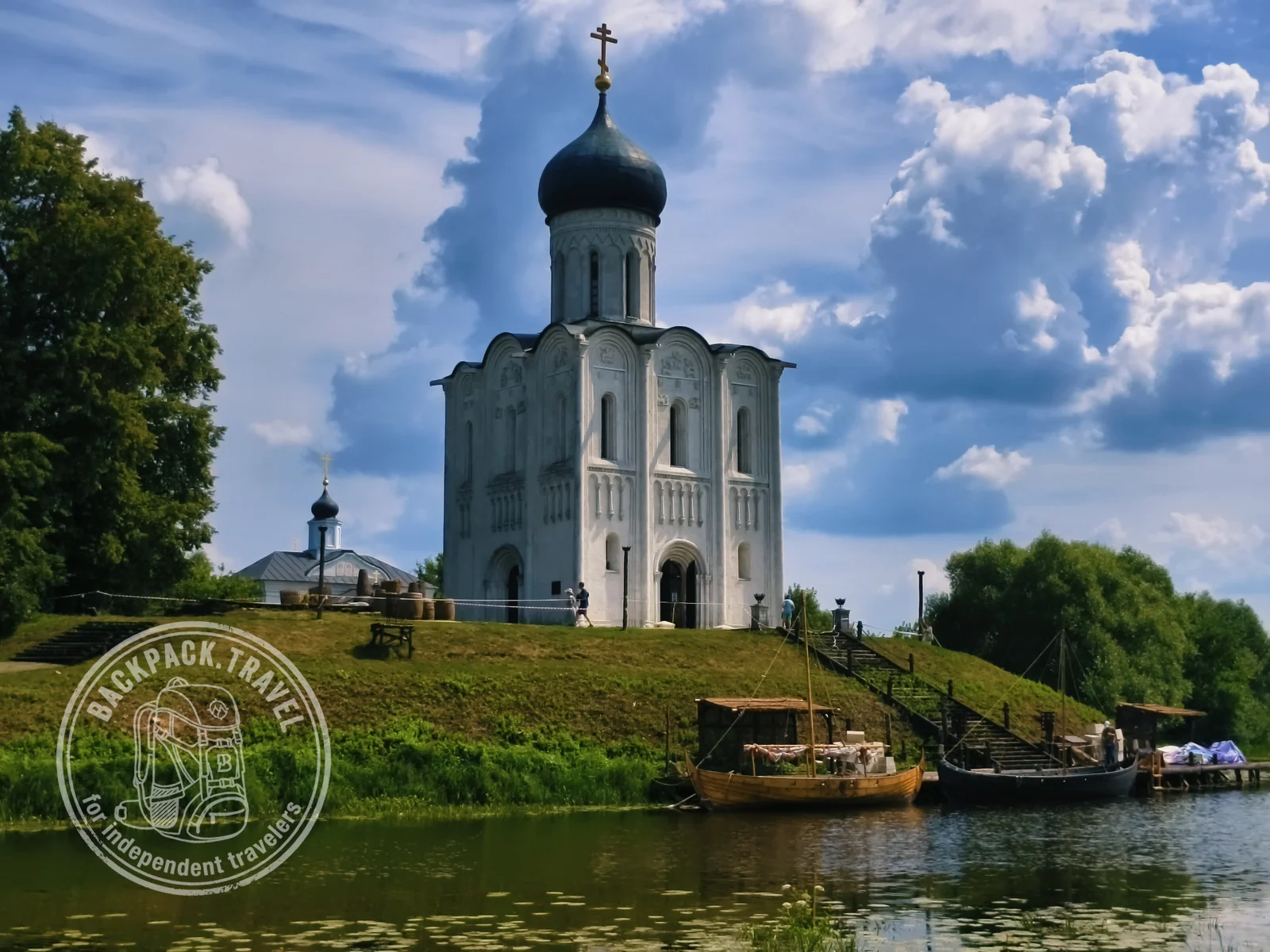
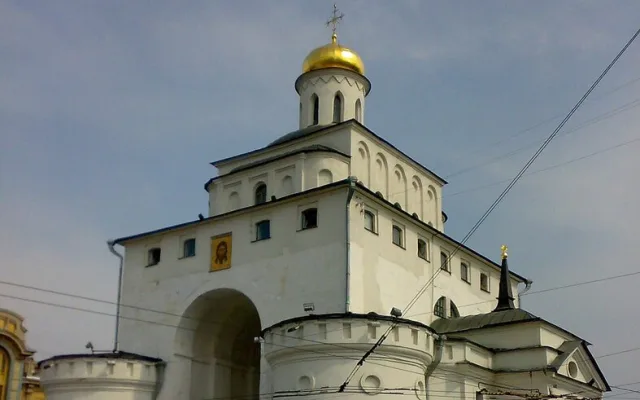
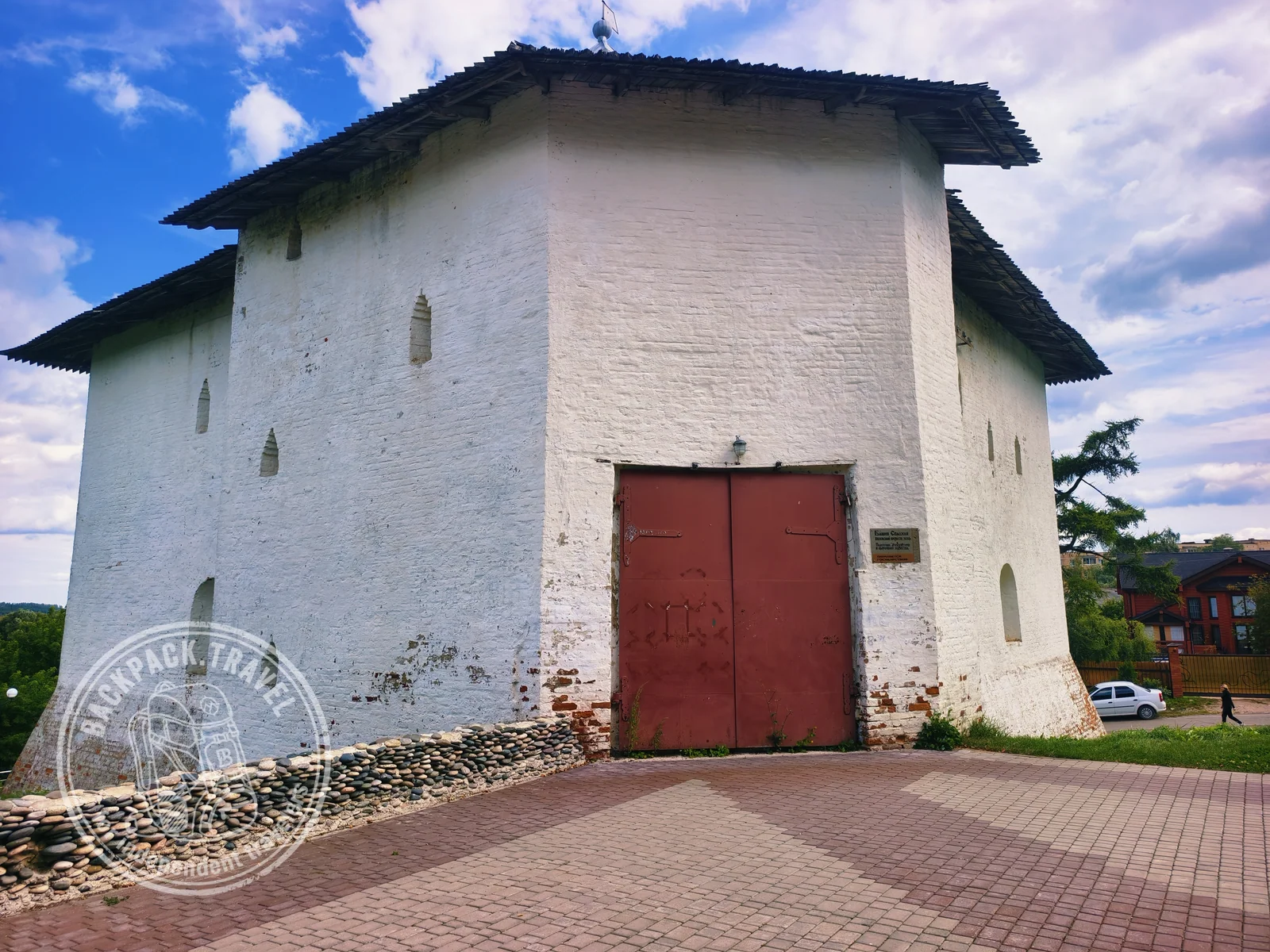
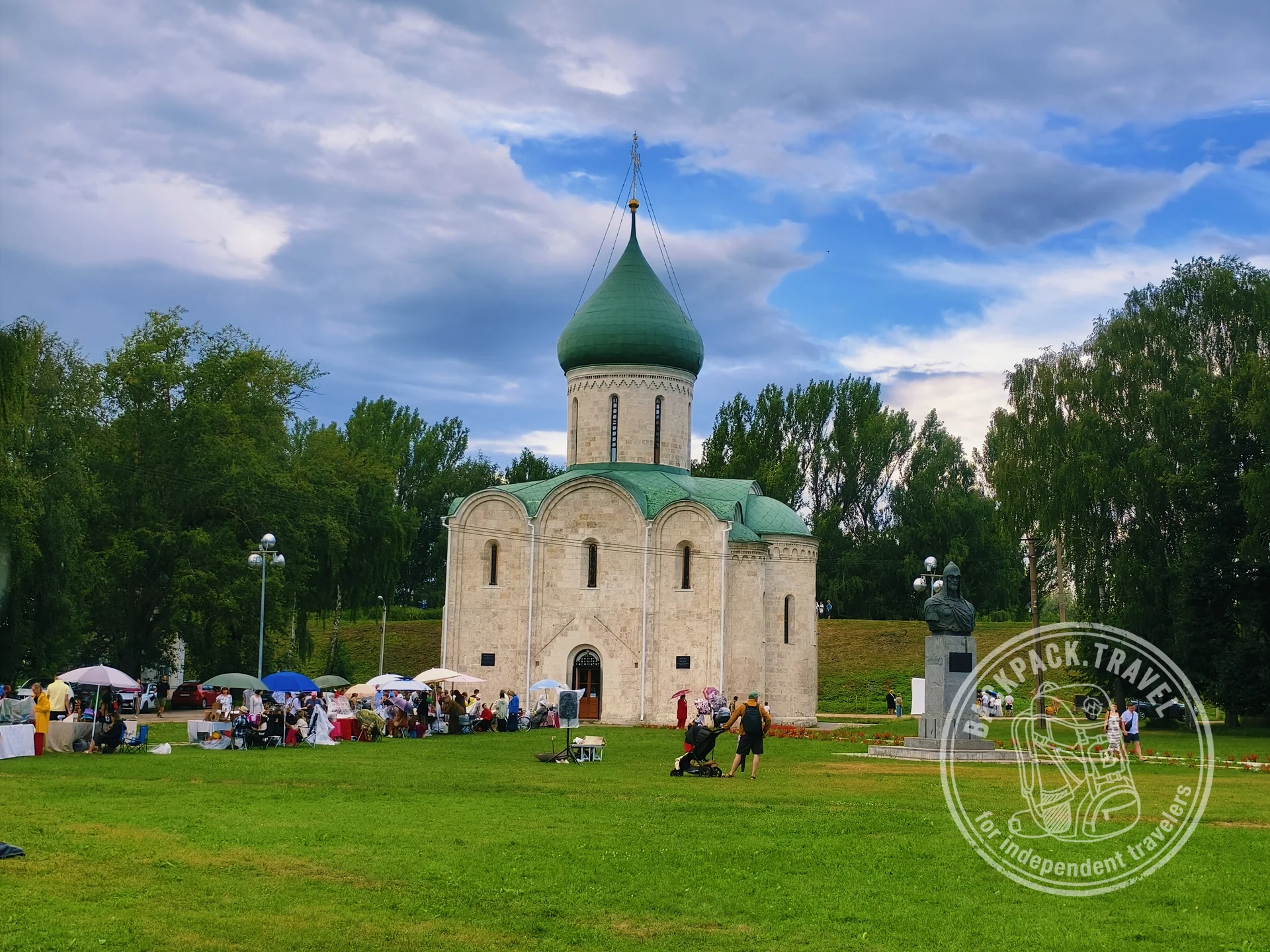
The Saviour Transfiguration Cathedral on Red Square is what makes the trip worthwhile. It dates from the mid-12th century, one of the oldest surviving churches in north-eastern Rus, built under Prince Yuri Dolgoruky, the founder of Moscow. Alexander Nevsky was baptised here. The cathedral is small and austere, without later accretions — a rare case of almost pure pre-Mongol architecture.
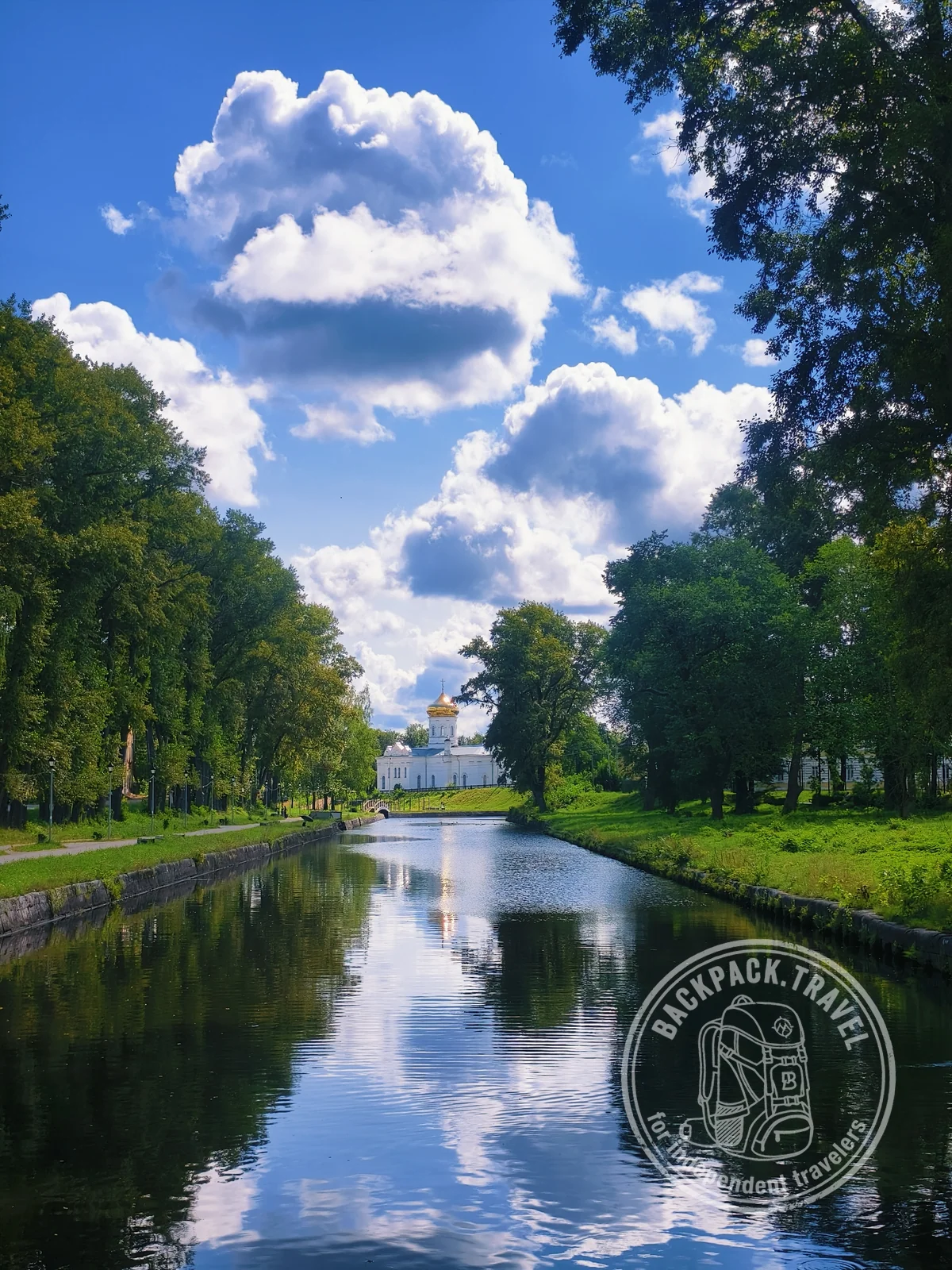
Lake Pleshcheyevo — almost perfectly round, with gently sloping shores. In summer people swim here and go kitesurfing and windsurfing: the shallows run a long way out and the wind is steady. The national park around the lake charges for entry and parking.
The Blue Stone (Sin-Kamen) on the north-eastern shore — a boulder of pagan significance that changes shade after rain. The spot is touristy and busy, and in itself takes five minutes, but the way to it offers the best views over the lake.
The "Peter the Great's Boat" estate museum — on Gremyach Hill, where Peter built his play flotilla, the small fleet he drilled on the lake as a young man and from which the Russian navy is traditionally dated. The boat Fortuna survives, the only vessel of that flotilla left. The site has a good viewpoint over the lake.
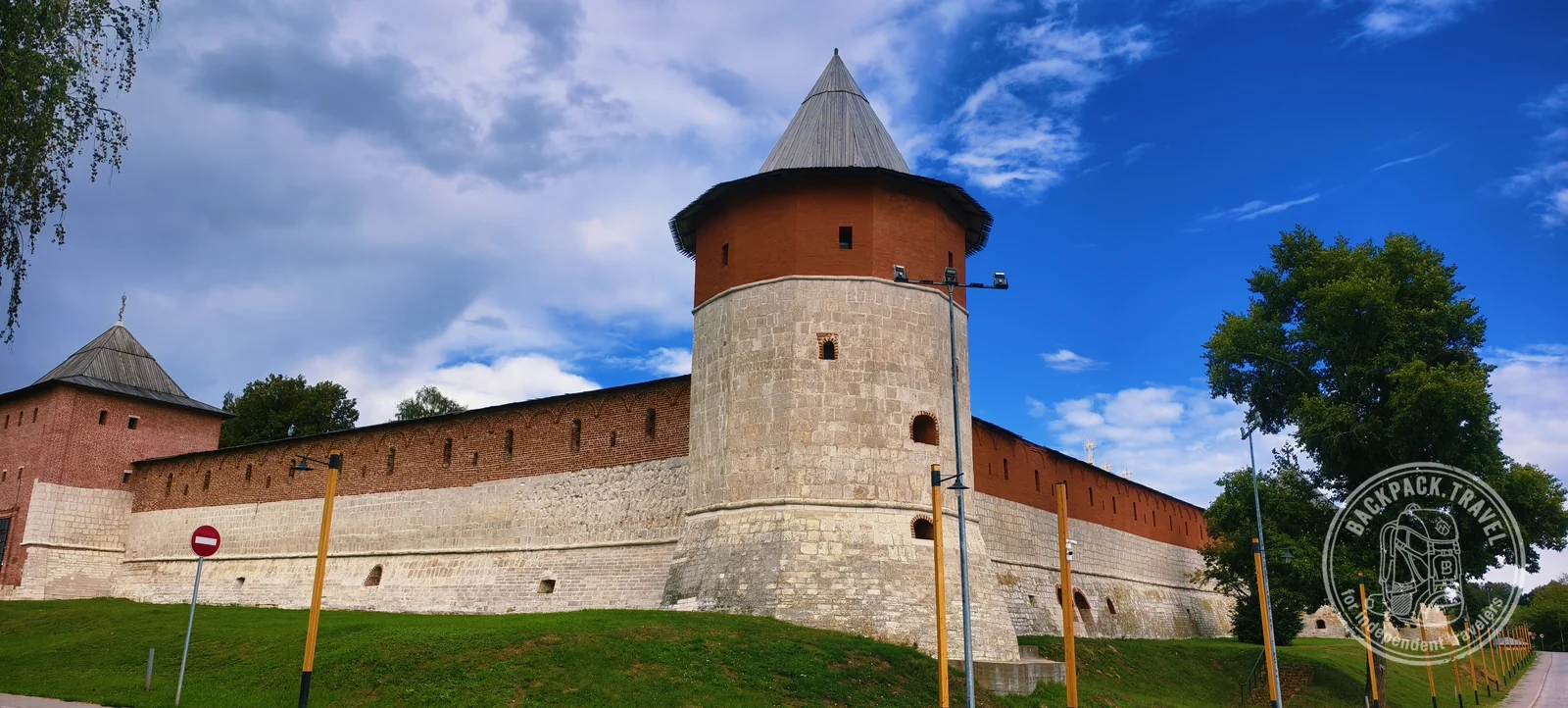
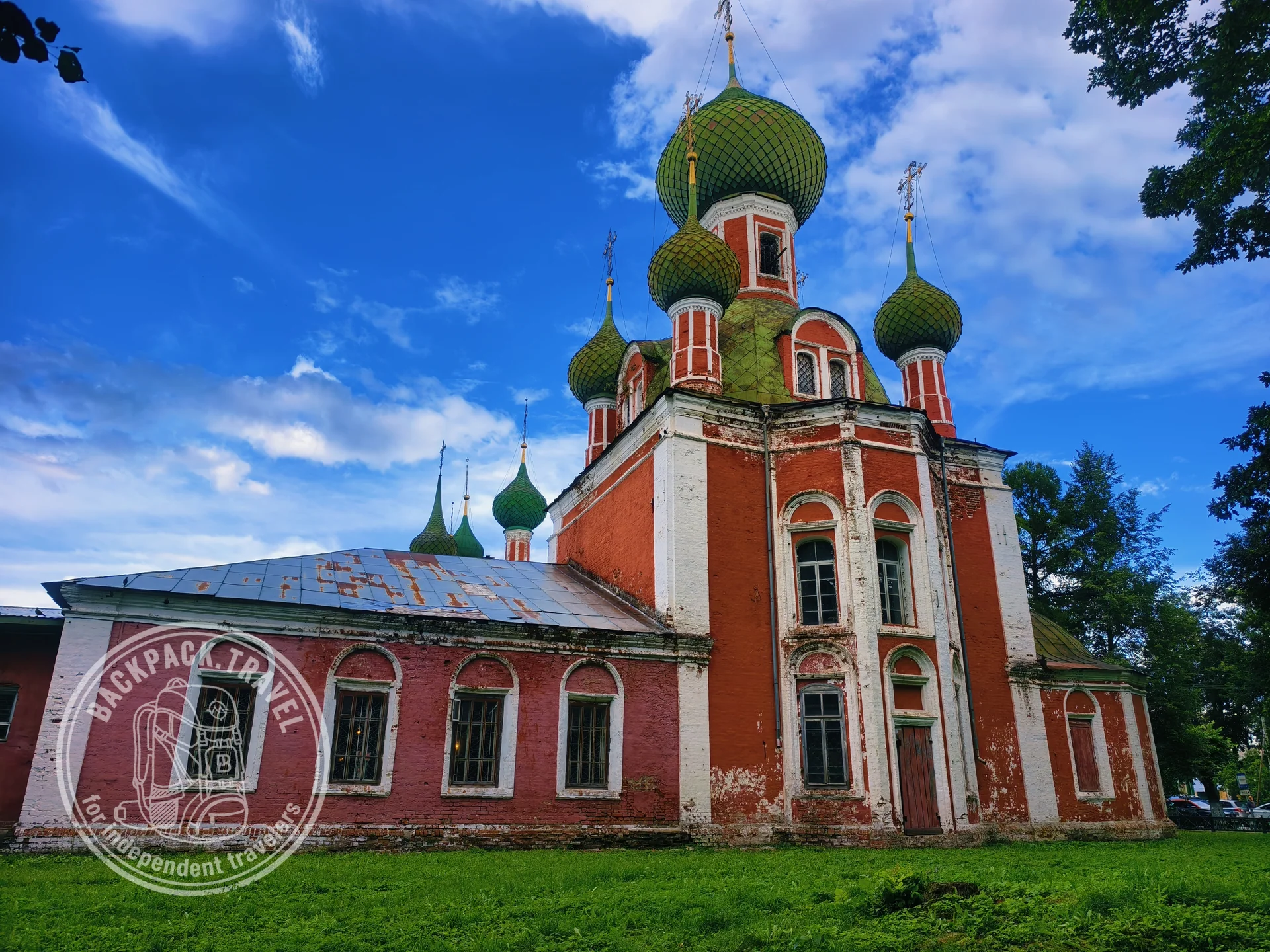
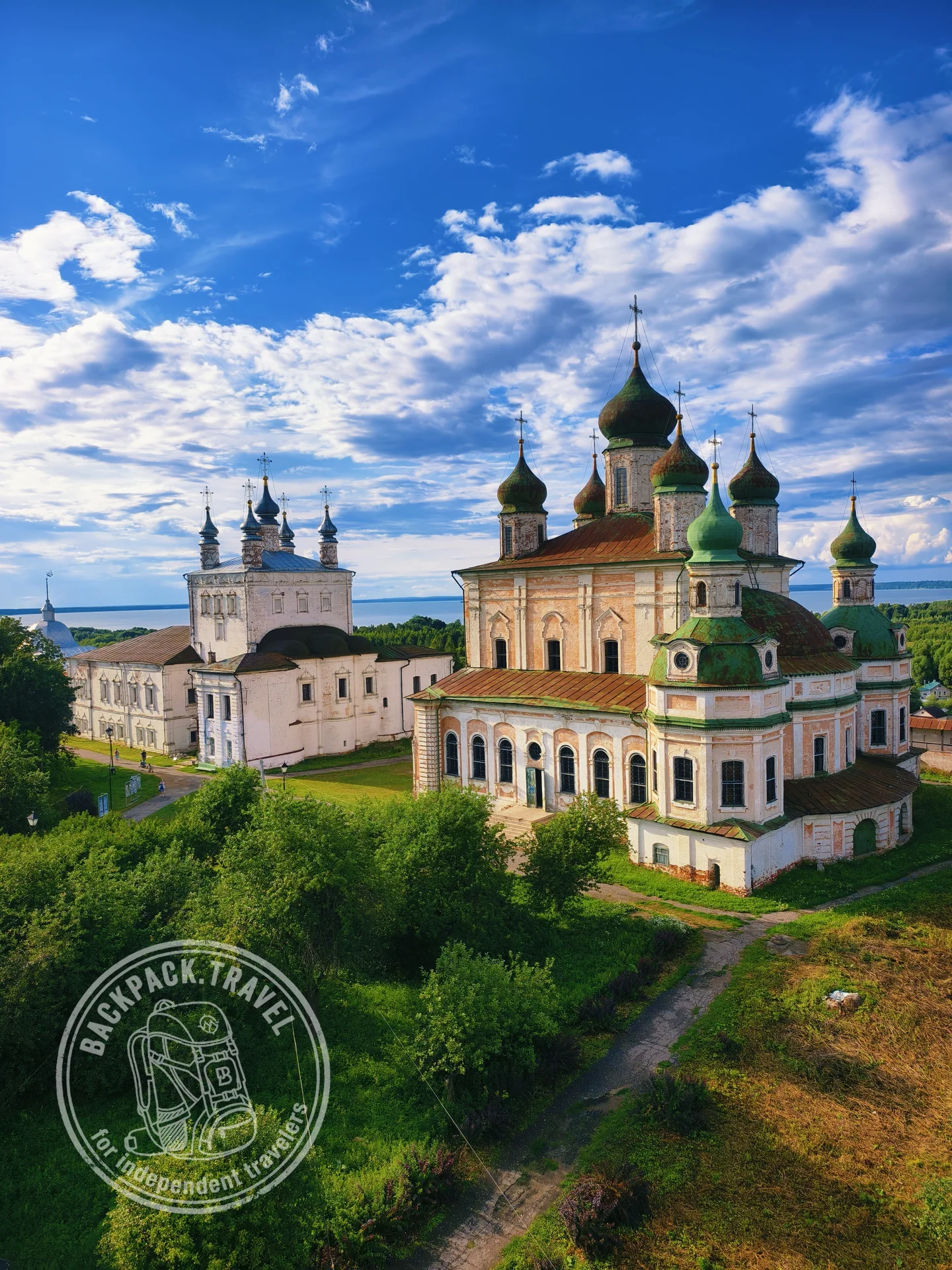
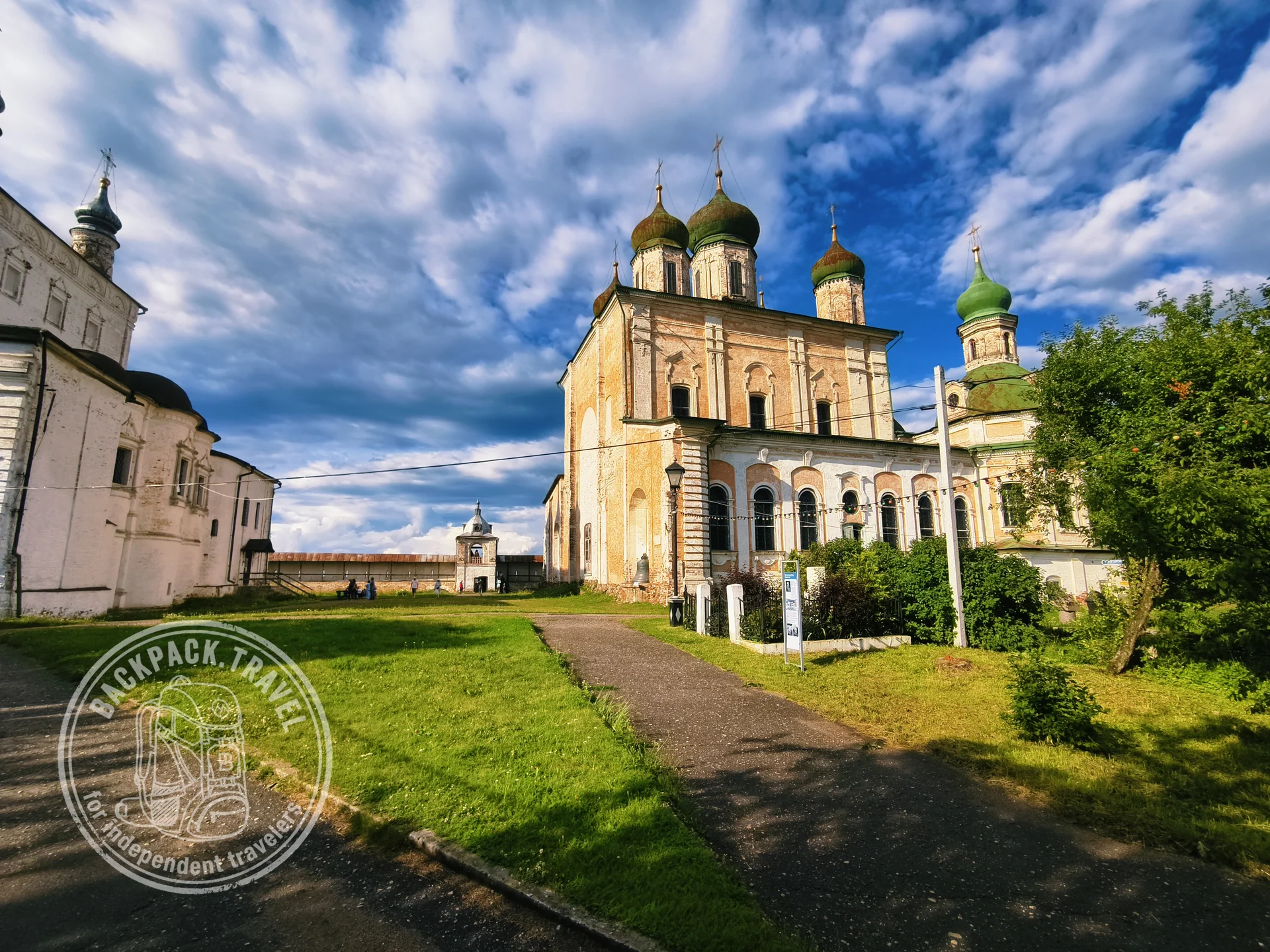
Monasteries. There are several in the town: the Nikitsky (the oldest, with fortress walls), the Goritsky (now a museum reserve, with an excellent panorama from the bell tower), the Nikolsky and the Feodorovsky. There is no point working through them all — choose the Goritsky for the views and the displays, and the Nikitsky for the atmosphere.
A local peculiarity is the abundance of private museums: of the iron, of the teapot, of cunning and ingenuity, of steam locomotives. The standard varies, but the narrow-gauge railway museum at Talitsy is curious even for those indifferent to machinery.
How many days, and when to go
One full day is enough for the town. Two days make sense if you want to add the lake for swimming or walks, and to drive out to the further monasteries and museums.
The best season is from late May to September. In July and August the beach format works and the lake water warms up well. Golden autumn here is striking, but many private museums and eating places cut their hours. In winter the town is quiet and the cathedrals look fine in snow, but the lake and the out-of-town points become hard to reach without a car.
Weekends and holidays are the peak: the Blue Stone and Peter's Boat get crowded and the car parks fill. It is better to come on a weekday or at opening time.
Where to stay
The logic is simple: without a car, stay near the centre, around Red Square and Sovetskaya Street, so the cathedrals and cafés are within walking distance. With a car, consider the holiday bases and guesthouses on the lakeshore: there you get the view and the quiet, and it is ten or fifteen minutes' drive into town.
The stock of accommodation is small and is taken early in season and at weekends. There are few hostel-level options — the market is based on guesthouses and small hotels.
Food and money
Prices are noticeably lower than in Moscow, but higher than the regional average, which reflects the tourist flow. Cafés are concentrated along the main street and near the principal sights; at the entrances to popular spots the prices are higher for the same quality.
The local gastronomic theme is ryapushka, the small lake vendace that appears on the town's coat of arms. Commercial fishing is banned, so "Pereslavl vendace" on a menu is usually fish from other waters; treat it as a local dish rather than a rarity. Smoked fish is sold along the highway — buy where there is a queue of locals.
Ways to save: eat in canteens and cafés away from the tourist spots, do not buy souvenirs by the monasteries, and check in advance what a museum-reserve ticket includes (there is often a separate charge for each display).
Things to note
- Distances are deceptive. If you are planning a day without a car, look at the map in advance: two "neighbouring" points can be five kilometres apart along the highway.
- Payment. In the small museums and with private traders, cards are not accepted everywhere — carry cash.
- Roads in the park. Some approaches to the lake are unsurfaced; after rain a low-clearance car is a problem.
- Ticks. For walks in the woodland areas in spring and early summer, take the standard precautions.
- Swimming. The bottom near the shore is silty and the shallows run a long way out — it is a long walk to any depth, but safe with children.
A typical mistake is trying to cover every monastery and every private museum in a day. That produces a gallop with no impressions. Choose three or four points, add the lake, and the town opens up far better.