Description
A port city with a German past: Tsingtao beer, beaches, a cathedral, the Zhanqiao Pier and Mount Laoshan.
Wiki
Qingdao is a major port metropolis on the southern side of the Shandong Peninsula, stretching along a bay-indented shore of the Yellow Sea. The combination of a maritime climate, red-tiled roofs in a European idiom and busy beaches has made it one of the most recognisable resort and business centres in eastern China.
History and the German legacy
From 1898 to 1914 the territory was administered by the German Empire, which had obtained it on lease under a treaty with the Qing government. In a decade and a half the colonists built a port, a railway, a water supply system and whole districts in the Historicist and Jugendstil styles. After the First World War the city passed under Japanese control, then returned to China, and this interweaving of influences can still be read in the appearance of the older districts. The German past also left the city's main gastronomic symbol: the brewery founded in 1903, whose Tsingtao-branded product became the best-known Chinese beer abroad.
Main sights
- Zhanqiao Pier — a historic mole about 440 metres long reaching out into the bay. At its end stands the octagonal Huilan Pavilion with its upturned roof; from here there is a panorama of the waterfront and the old centre. The pier is especially fine at sunset.
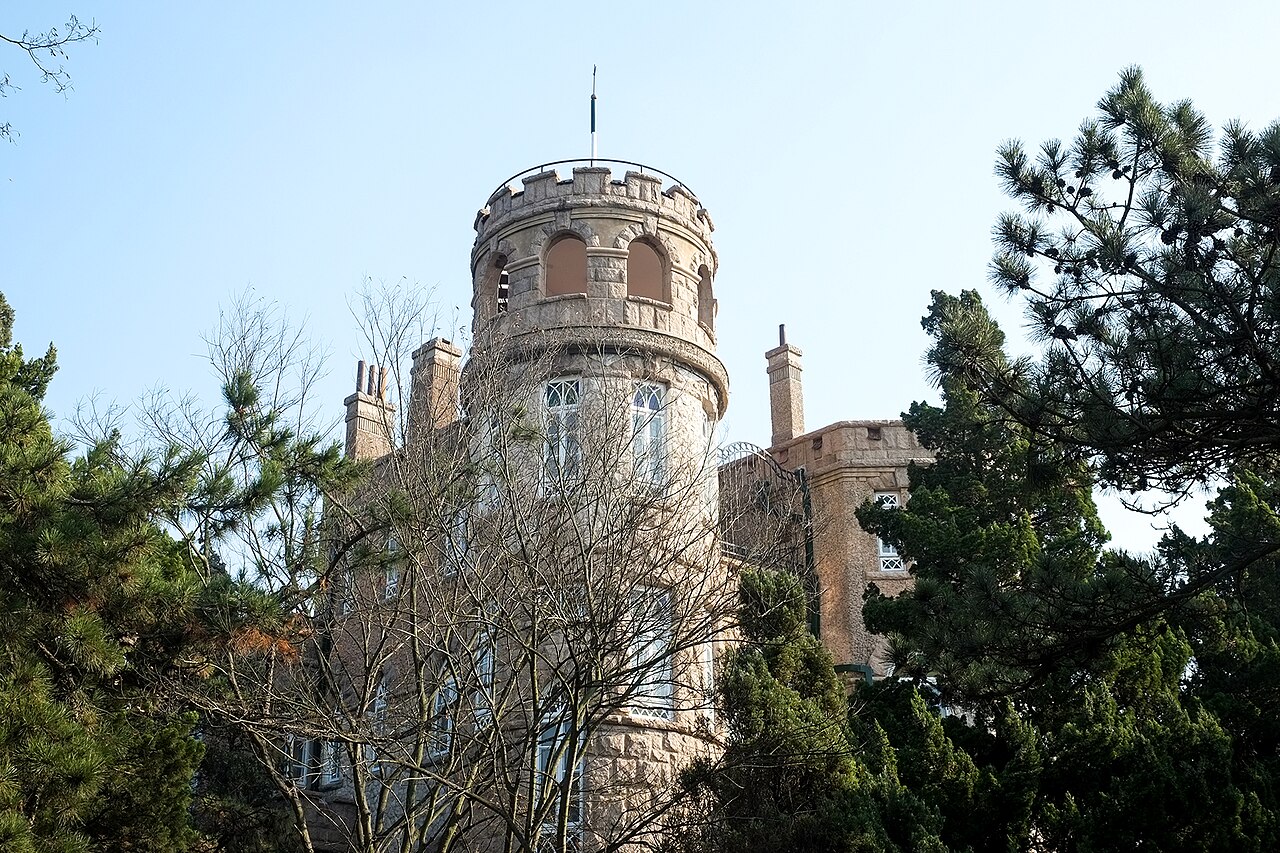
- Badaguan — the "eight great passes" quarter, named after streets that bear the names of ancient frontier fortresses. Quiet, shaded avenues are lined with villas in German, English, Russian, Greek and Scandinavian styles; each street is framed by its own species of tree. A walk takes an hour and a half to two hours.
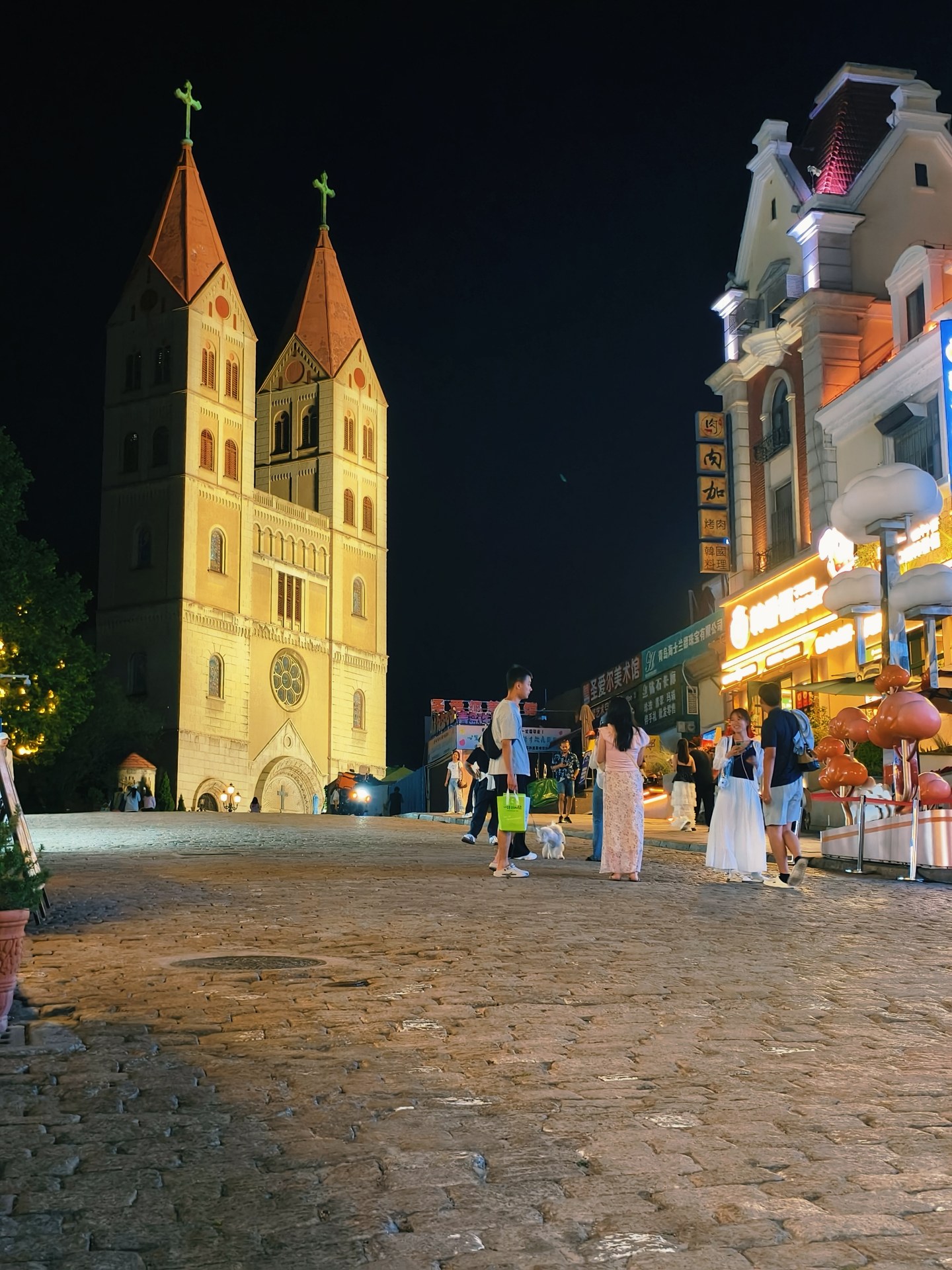
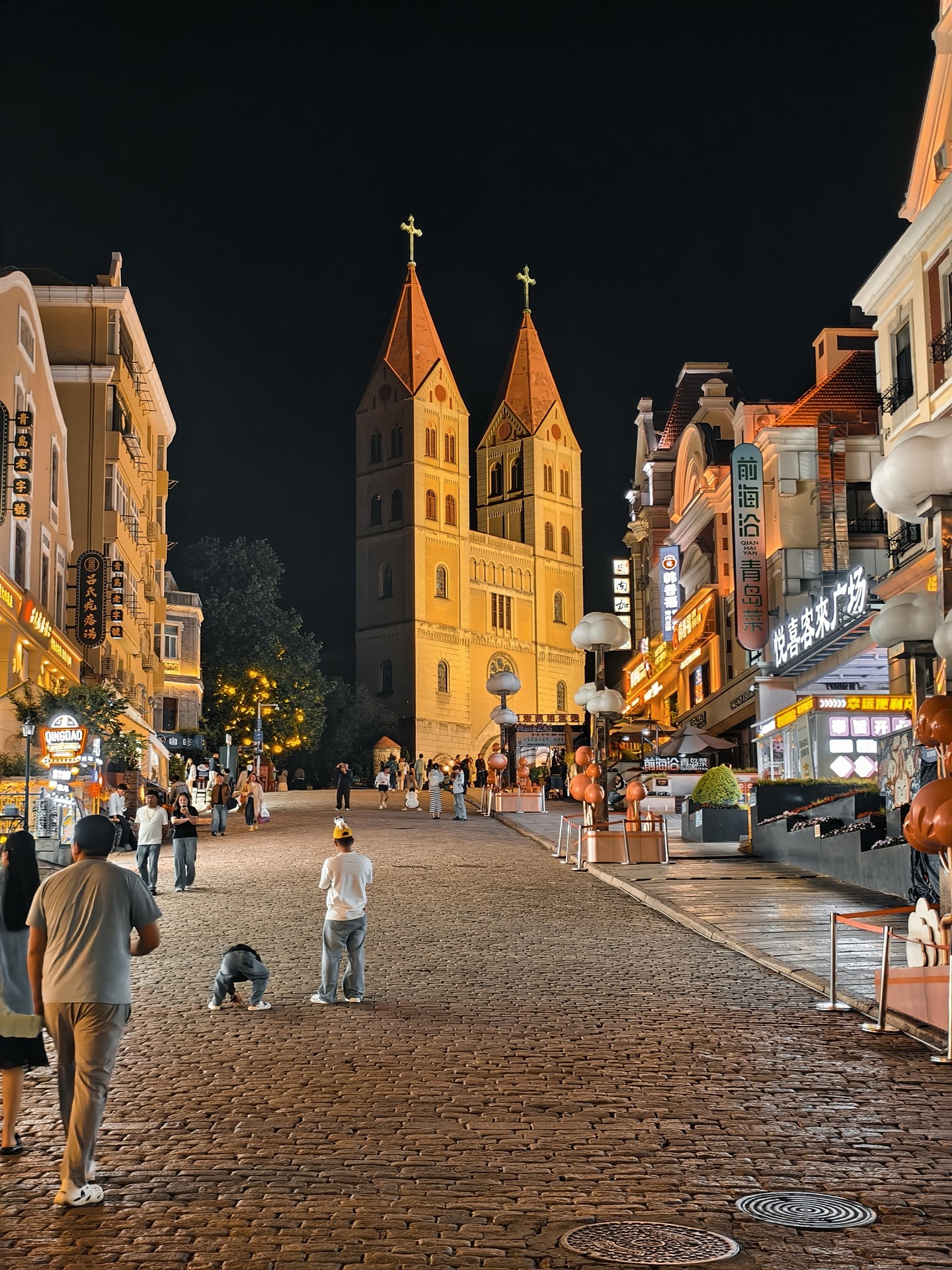
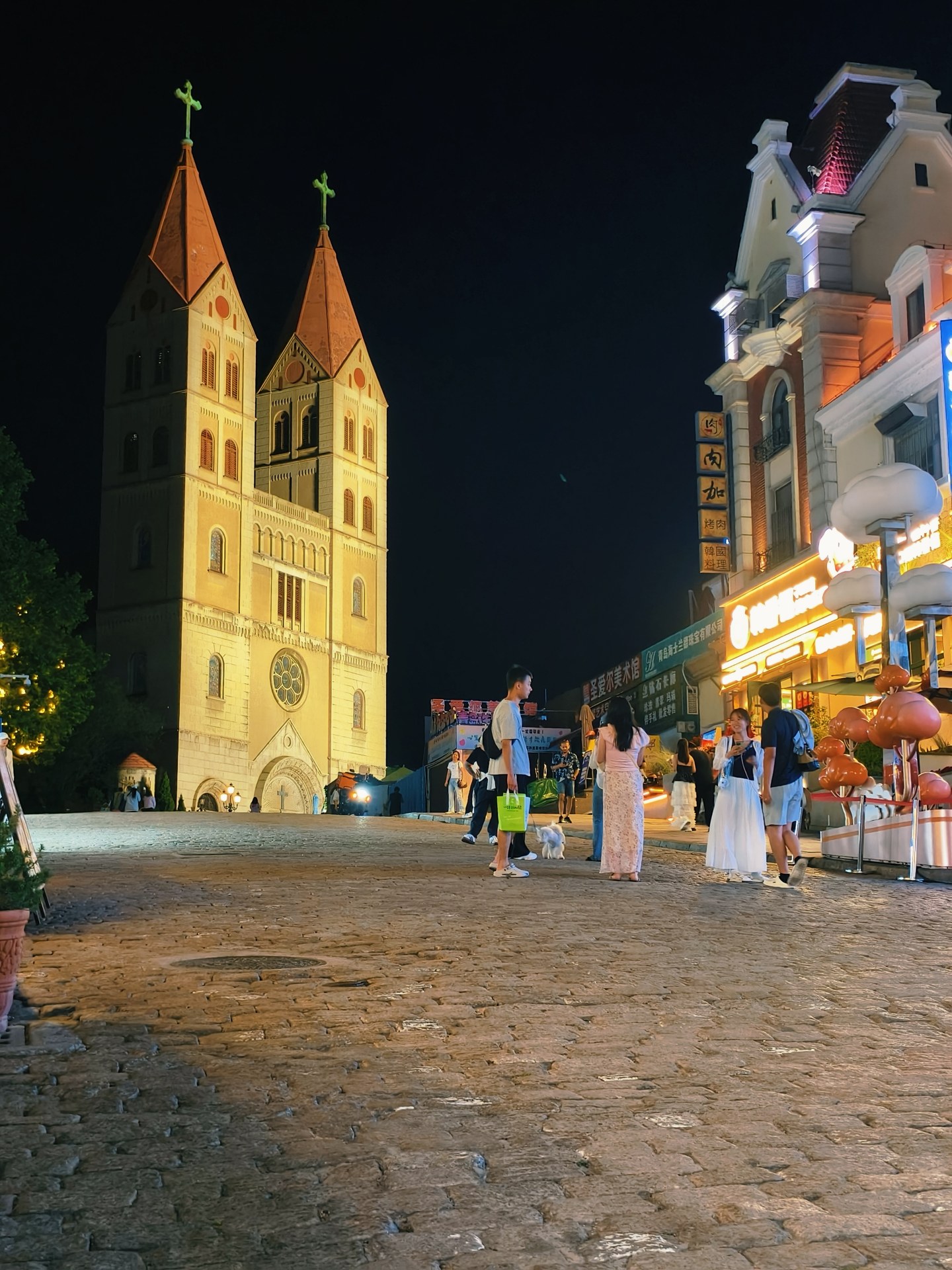
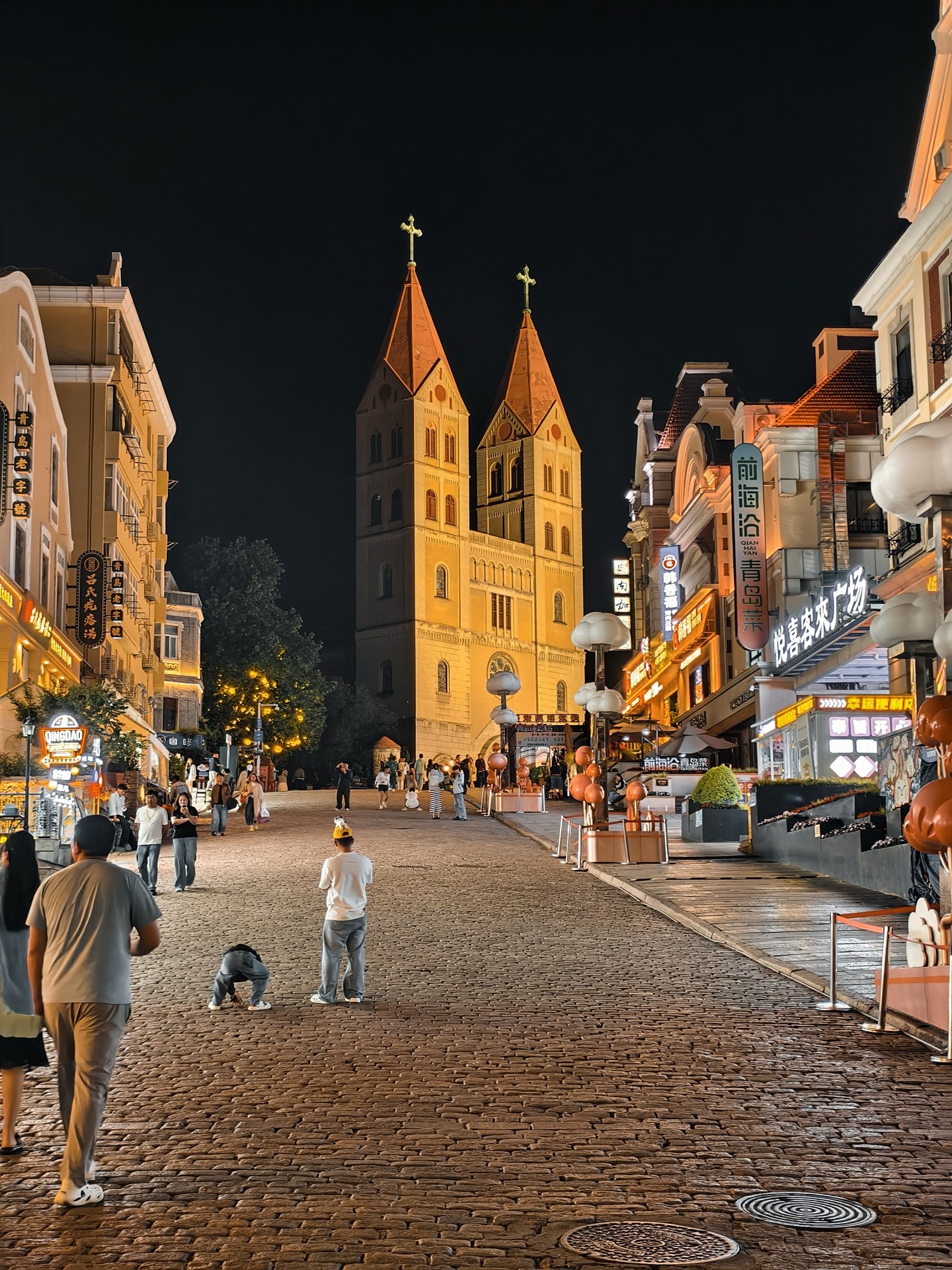
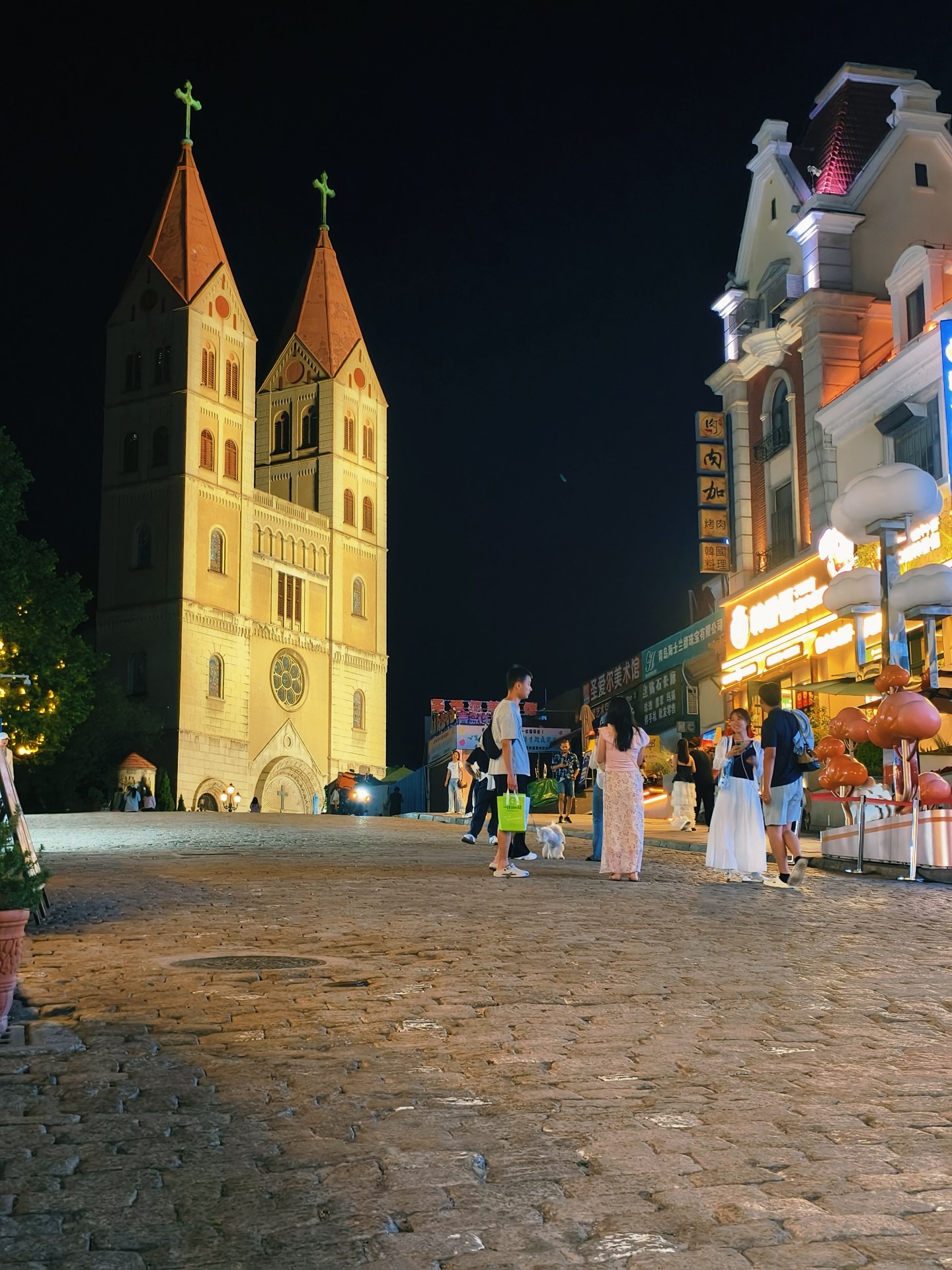
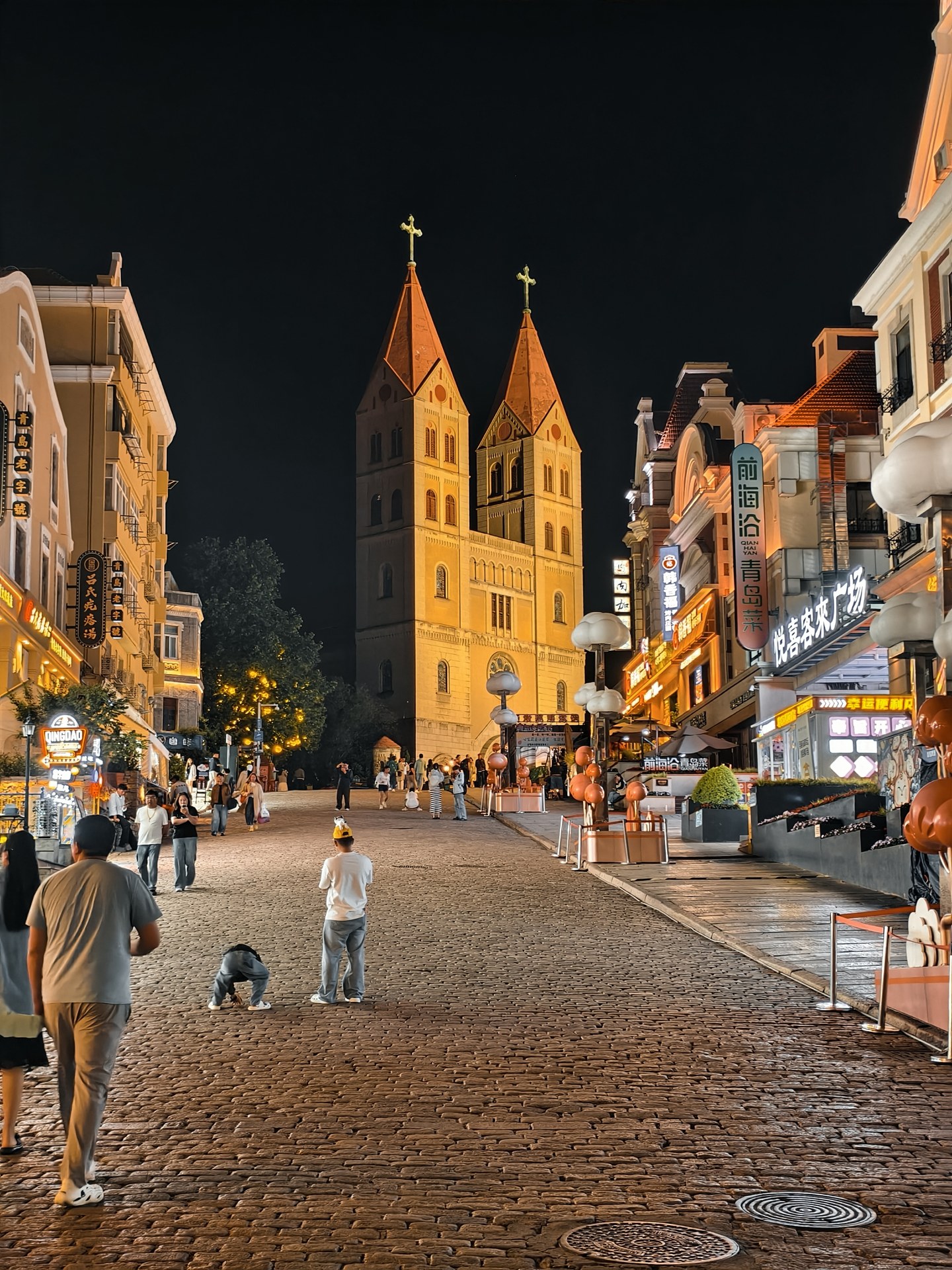
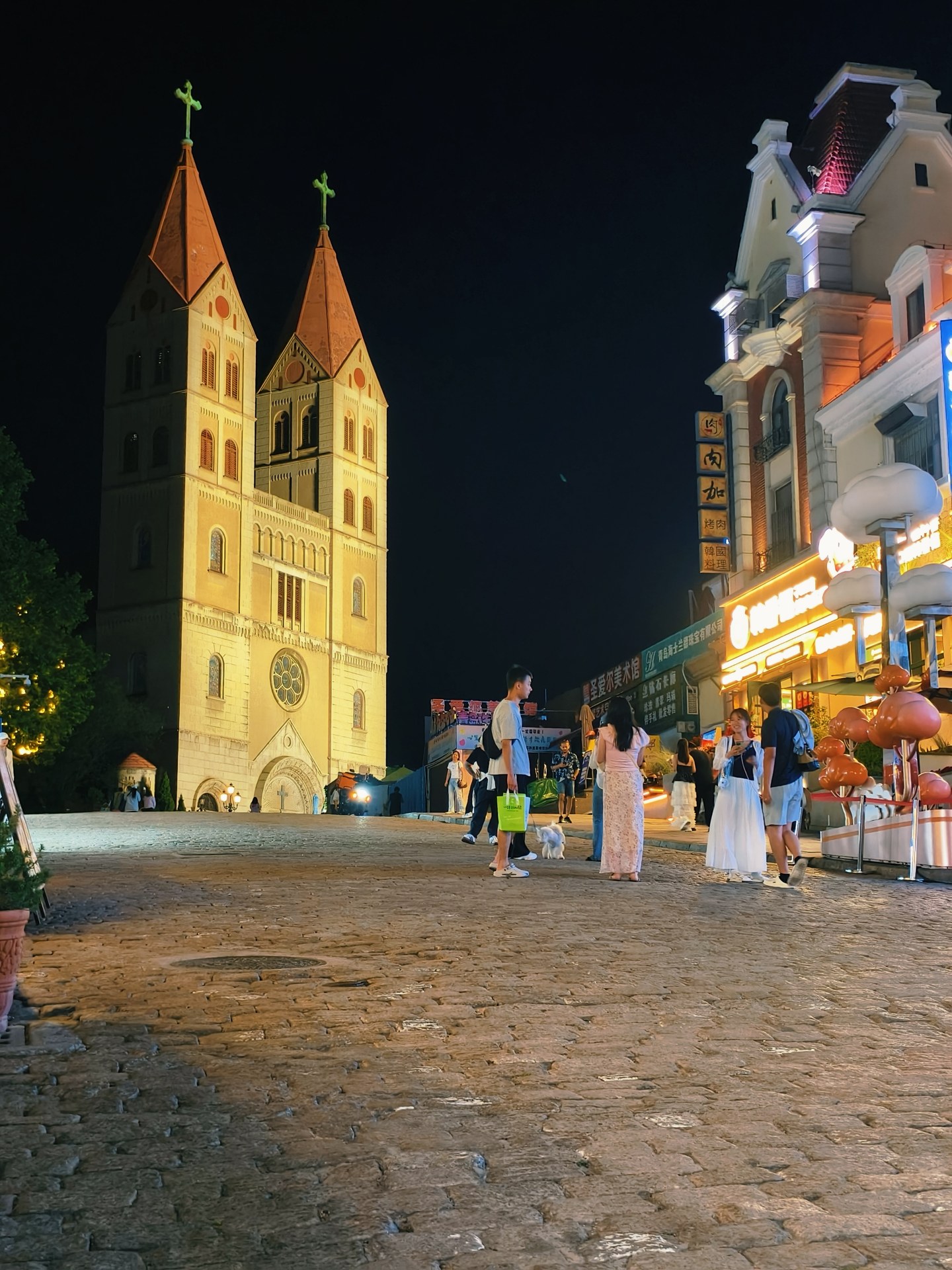
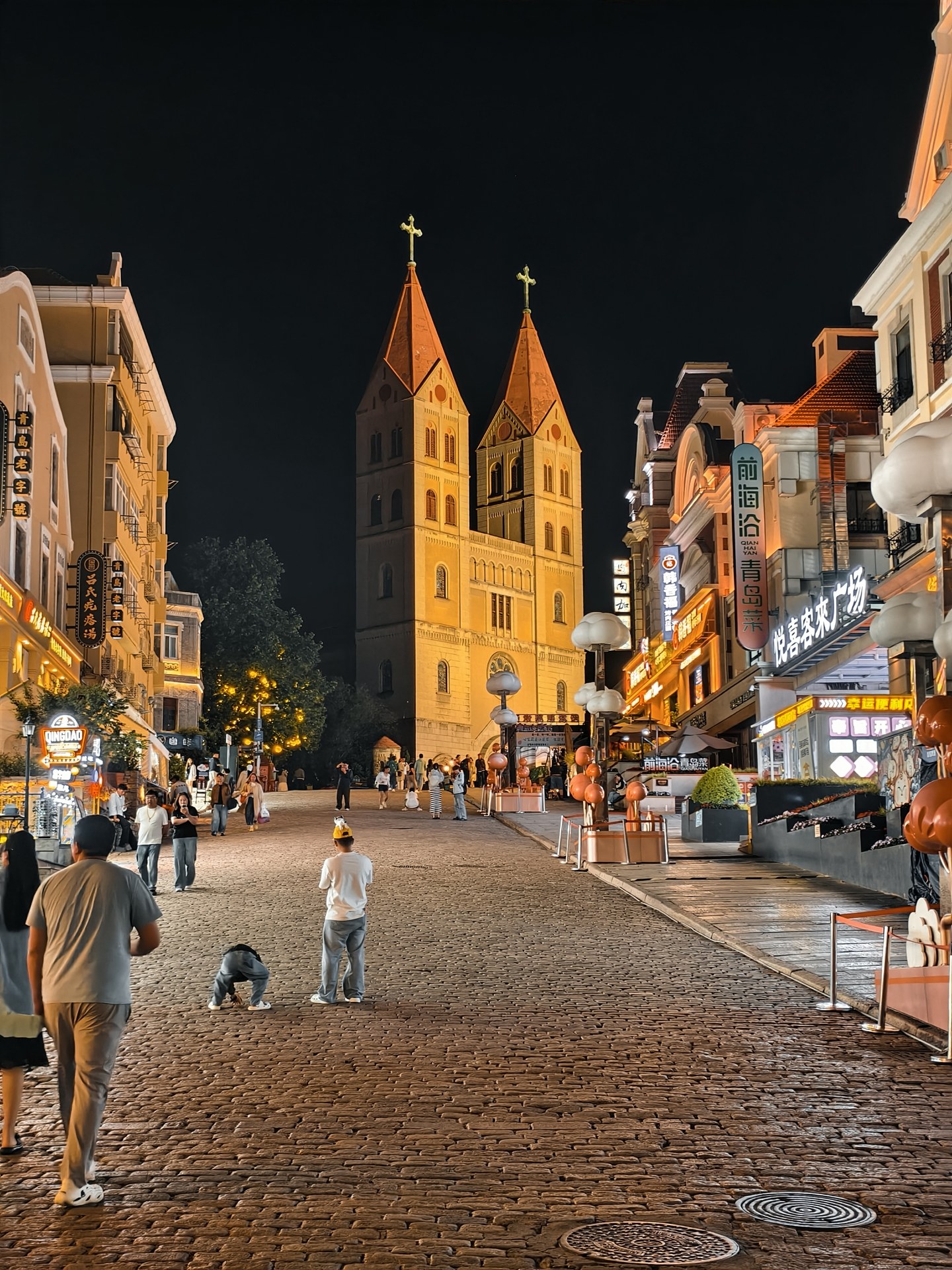
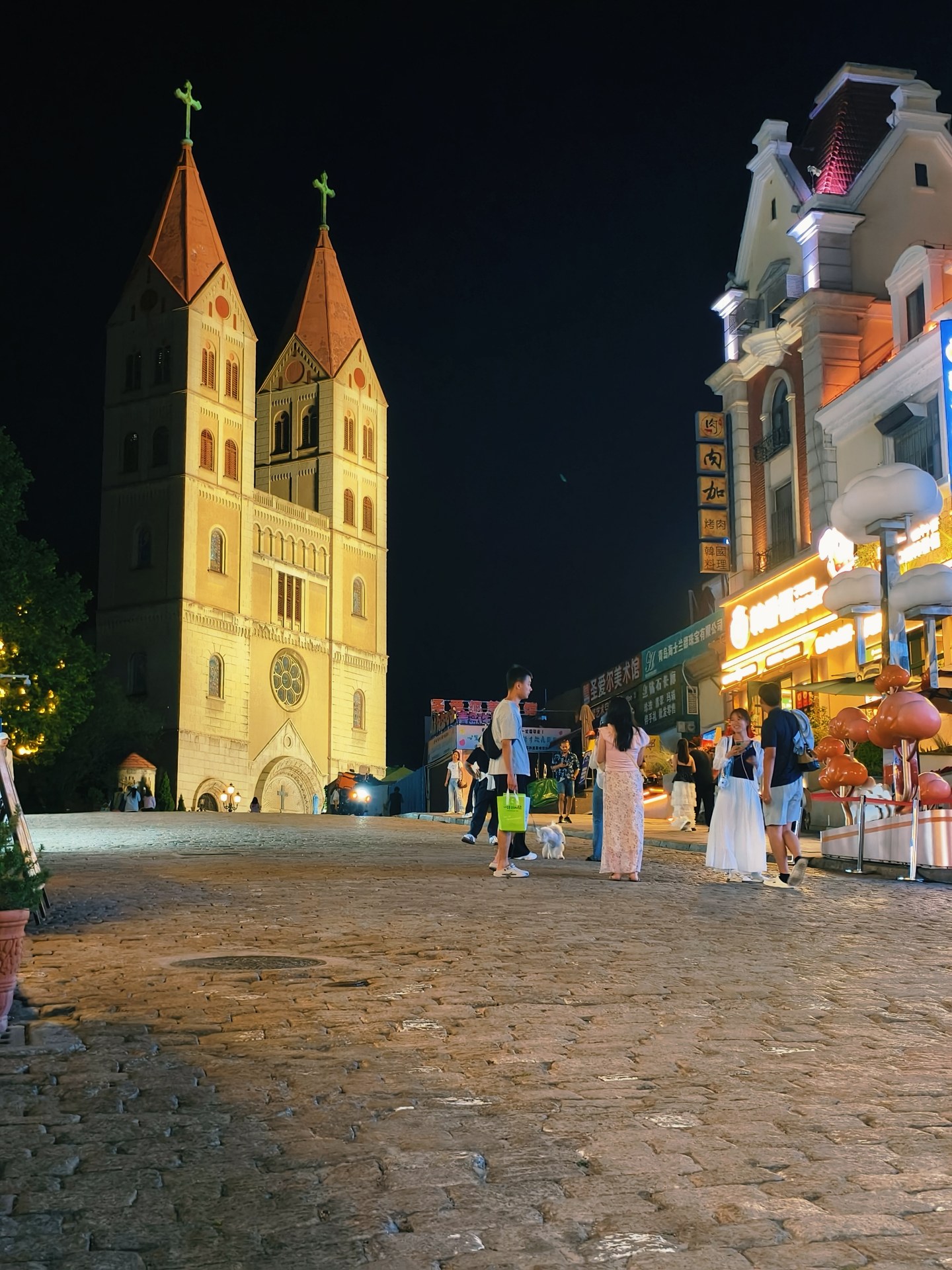
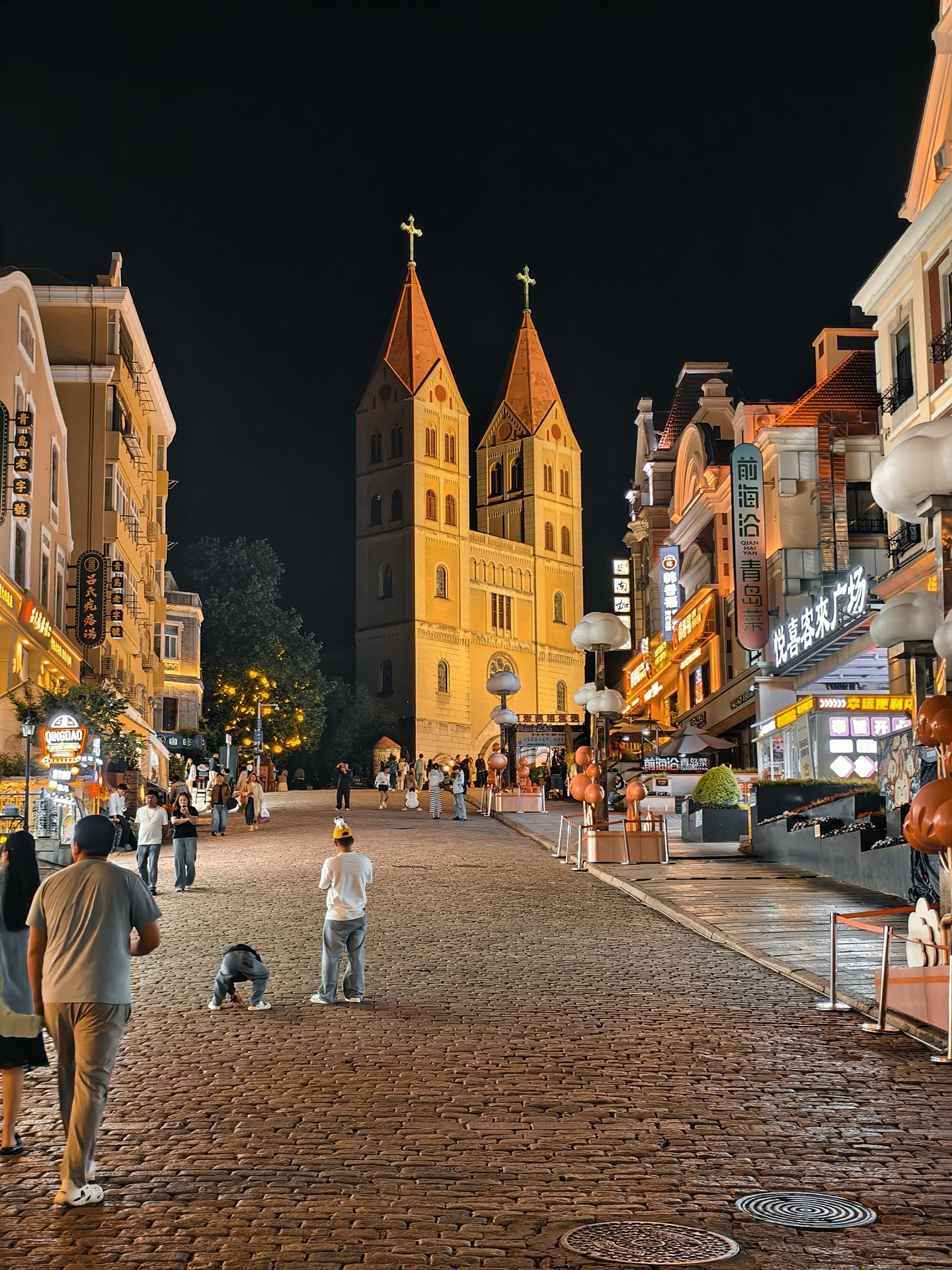
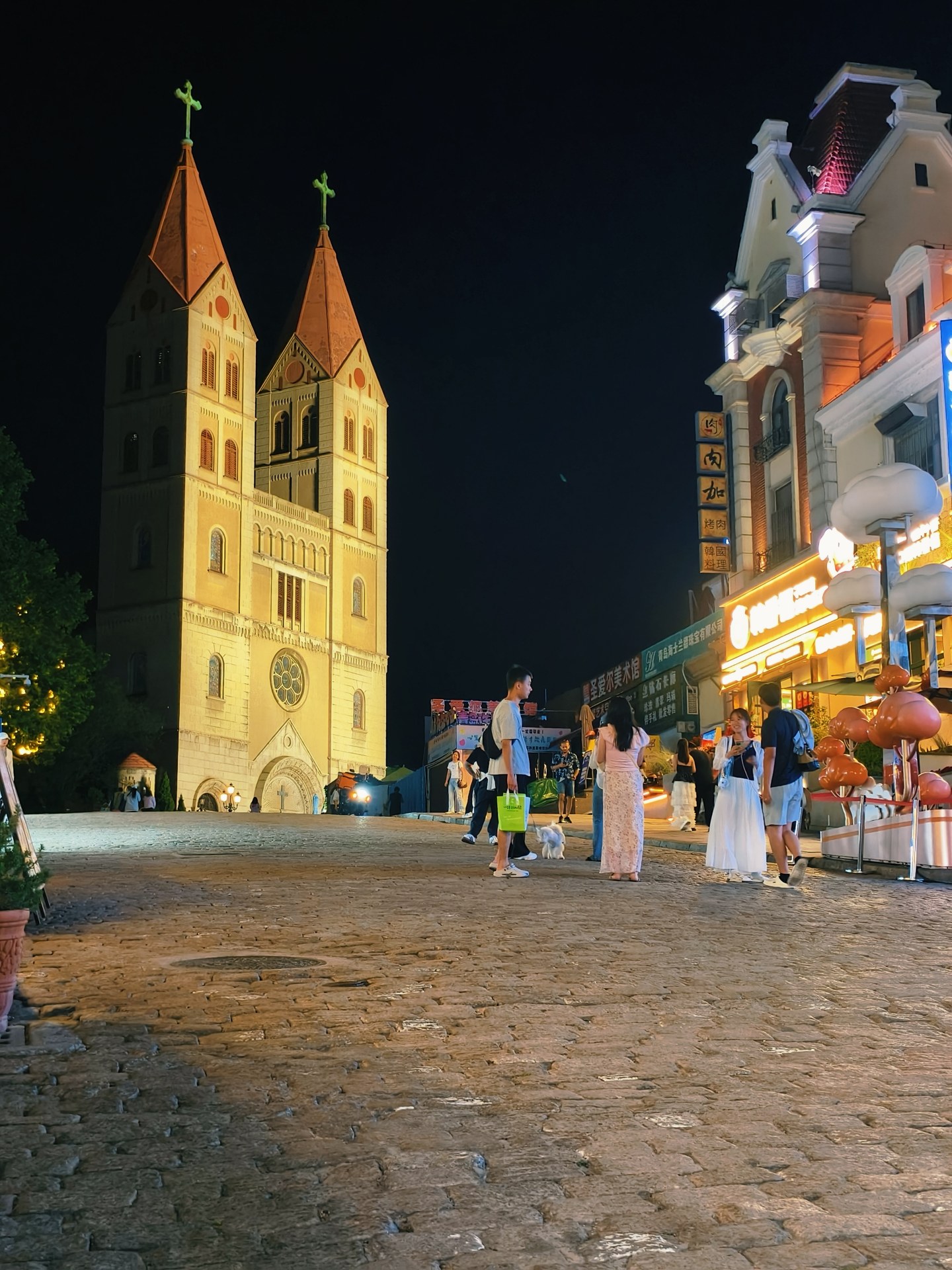
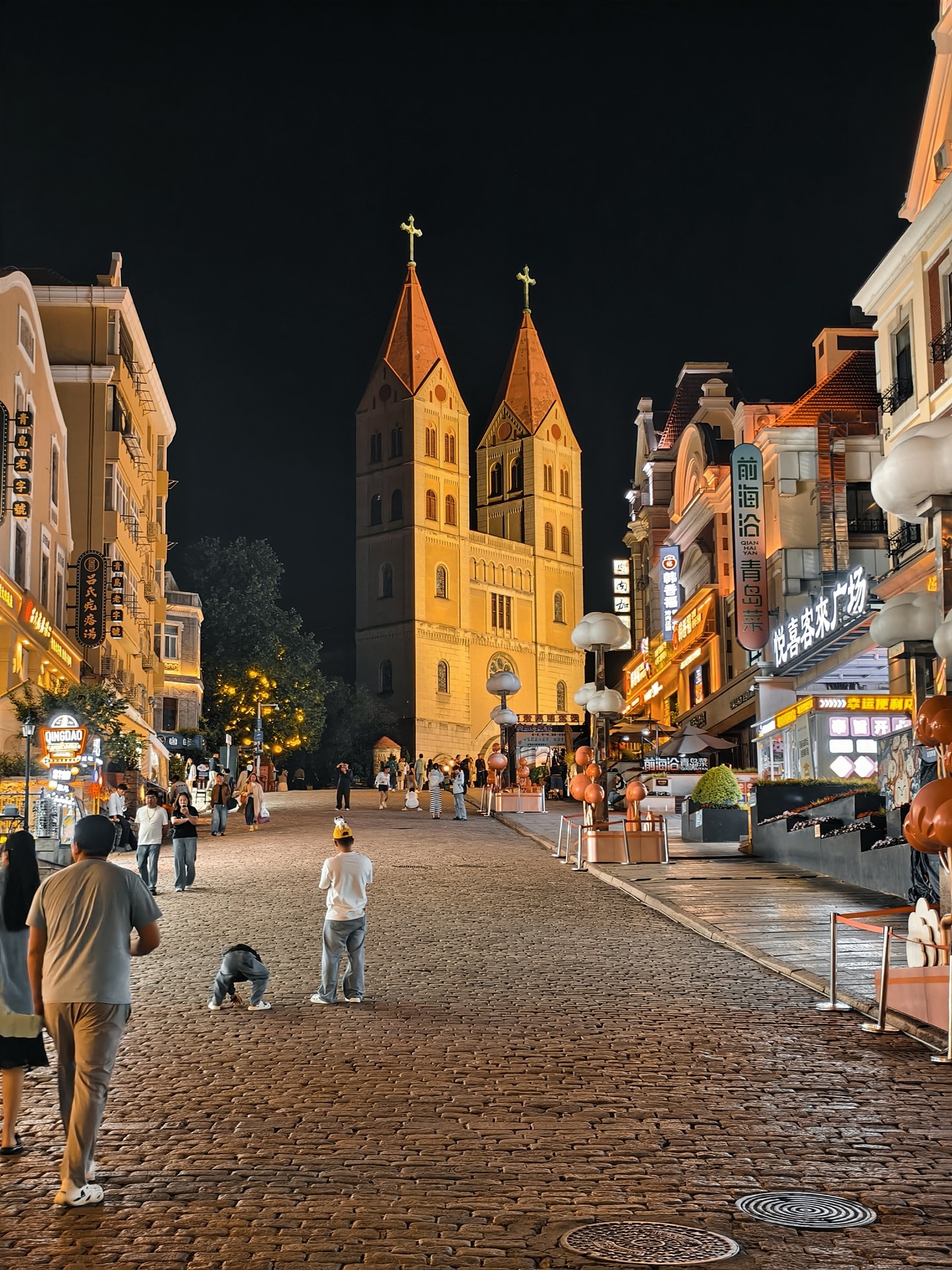
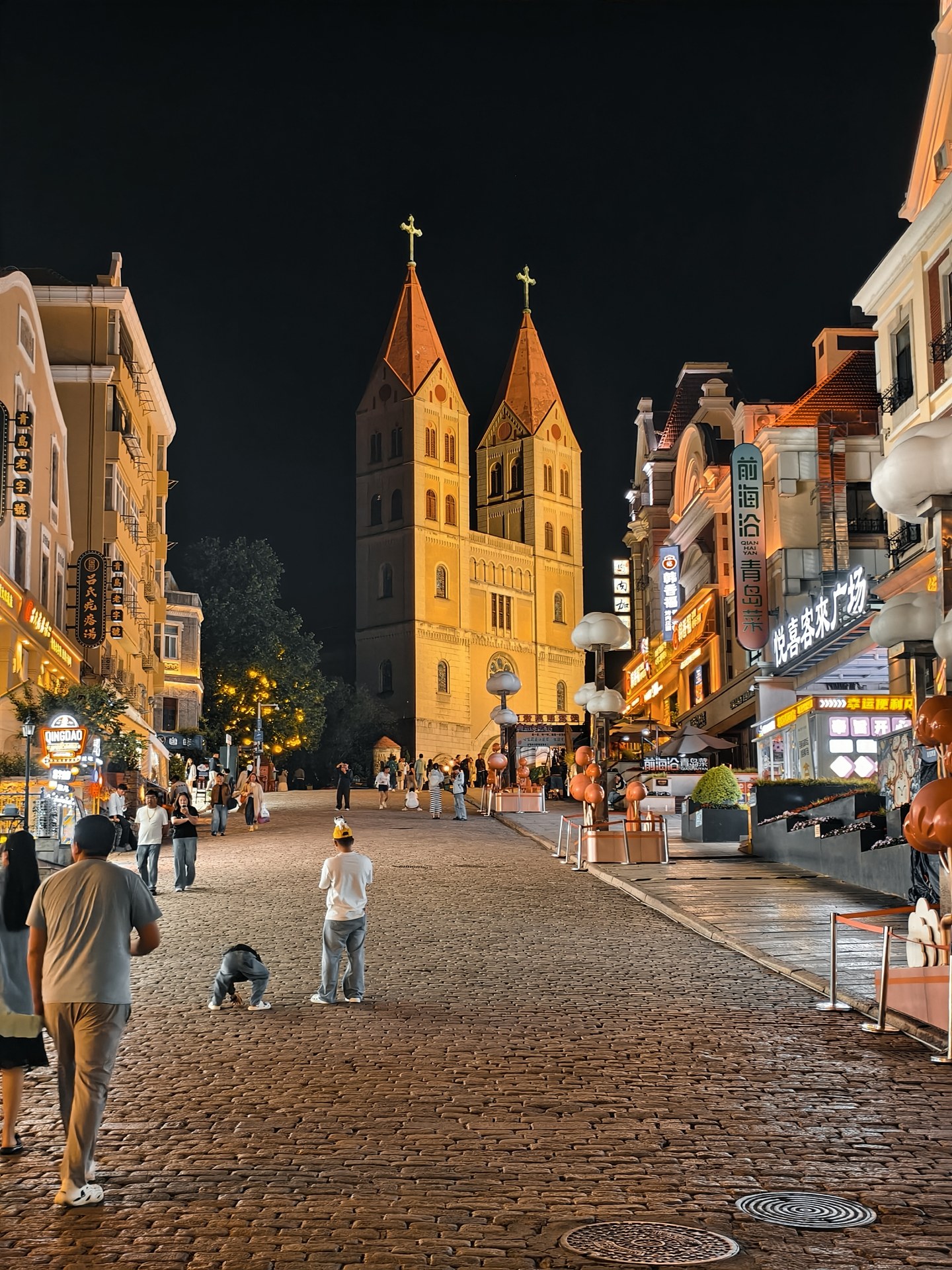
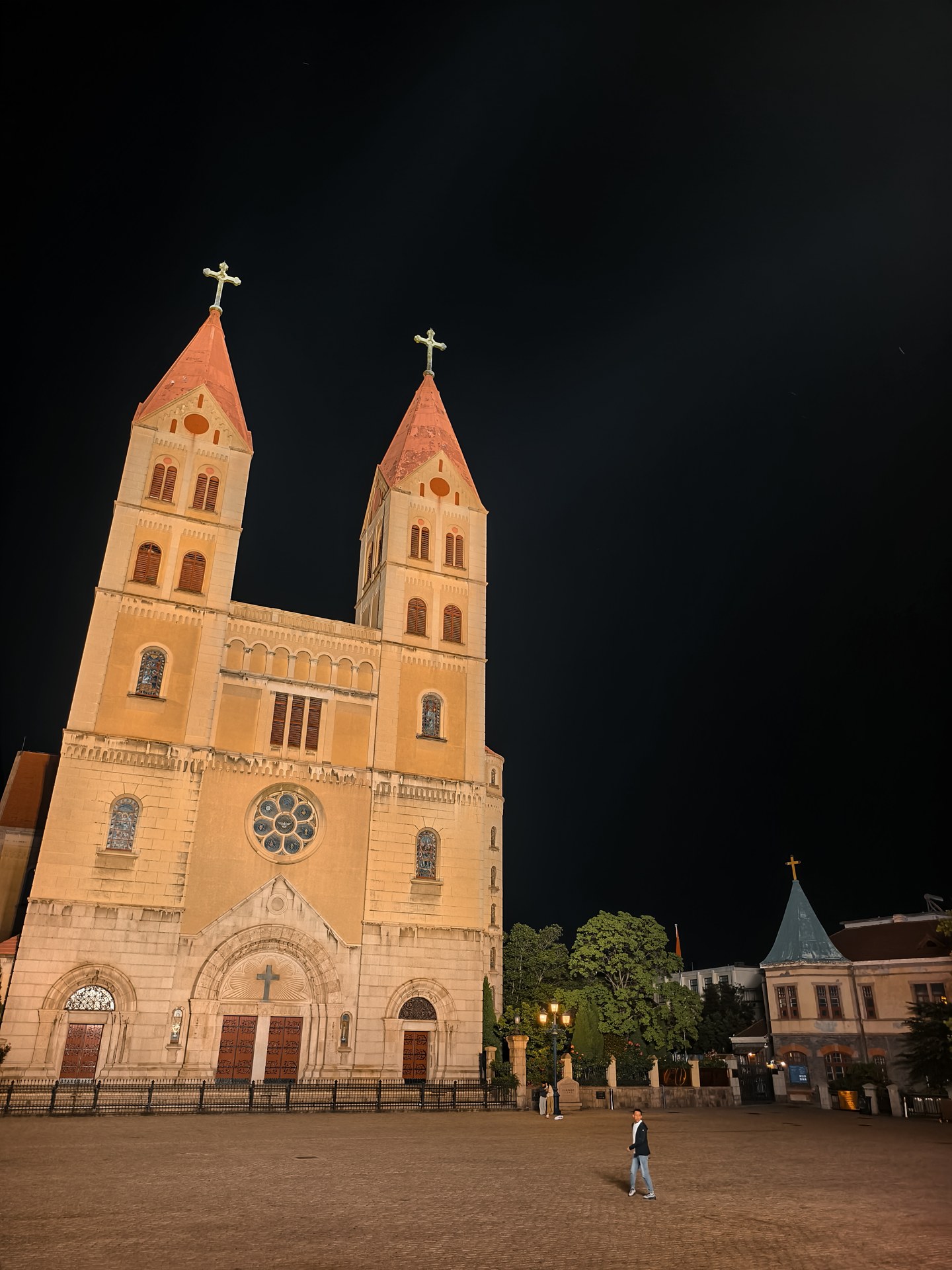
- St Michael's Cathedral — a Catholic church of 1934 in a Romanesque-Gothic idiom with twin towers, the landmark of the old city. Inside there are stained-glass windows and high vaults.
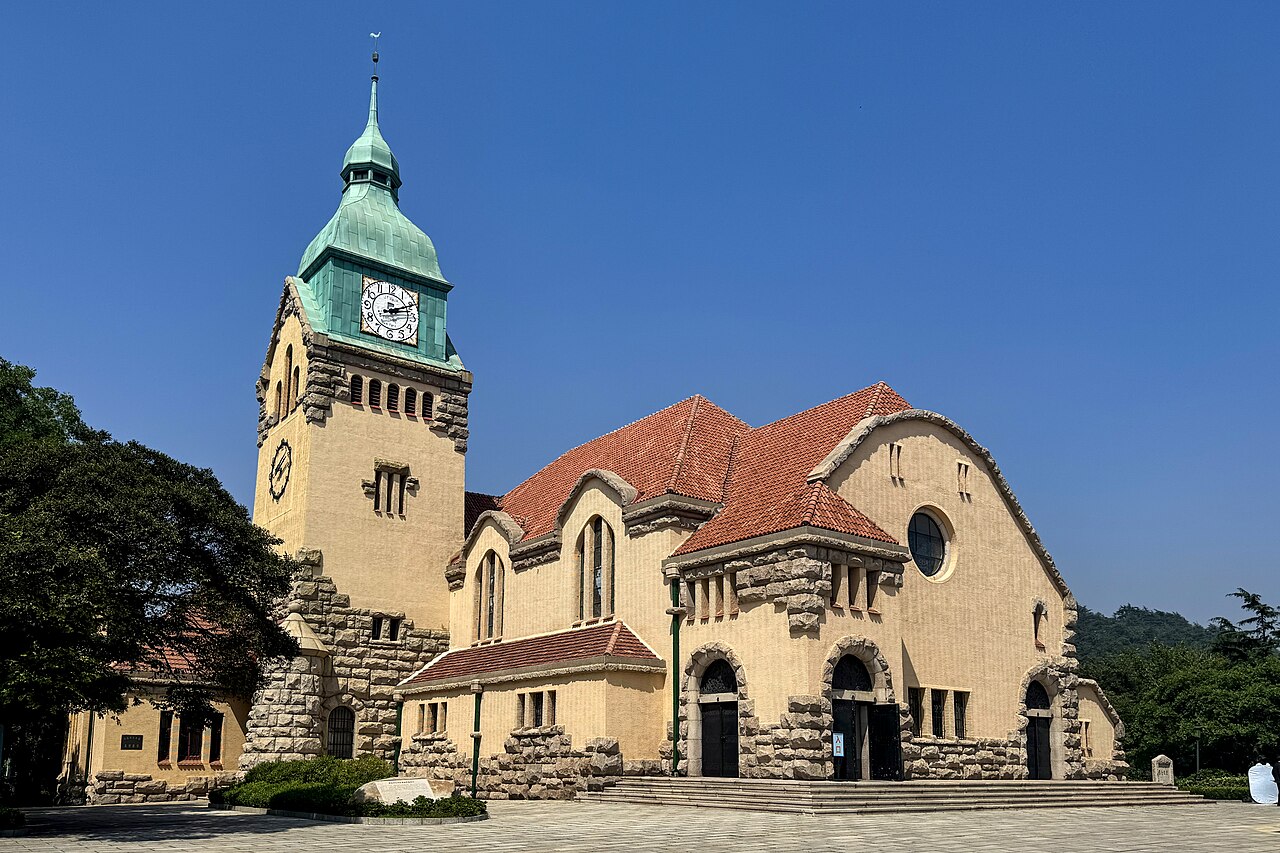
- The Protestant Church — another monument of the German era, a compact building with a distinctive clock tower, standing not far from the former governor's residence.
- The Tsingtao Brewery Museum — displays on the history of production, antique equipment, interactive halls and a tasting of the fresh product. A visit takes about two hours.
- Mount Laoshan — a coastal massif some 30 km east of the centre and a sacred mountain of Taoism. Ancient monasteries, granite crags, waterfalls and springs survive here, and the slopes produce the famous Laoshan green tea.
Beaches and promenades
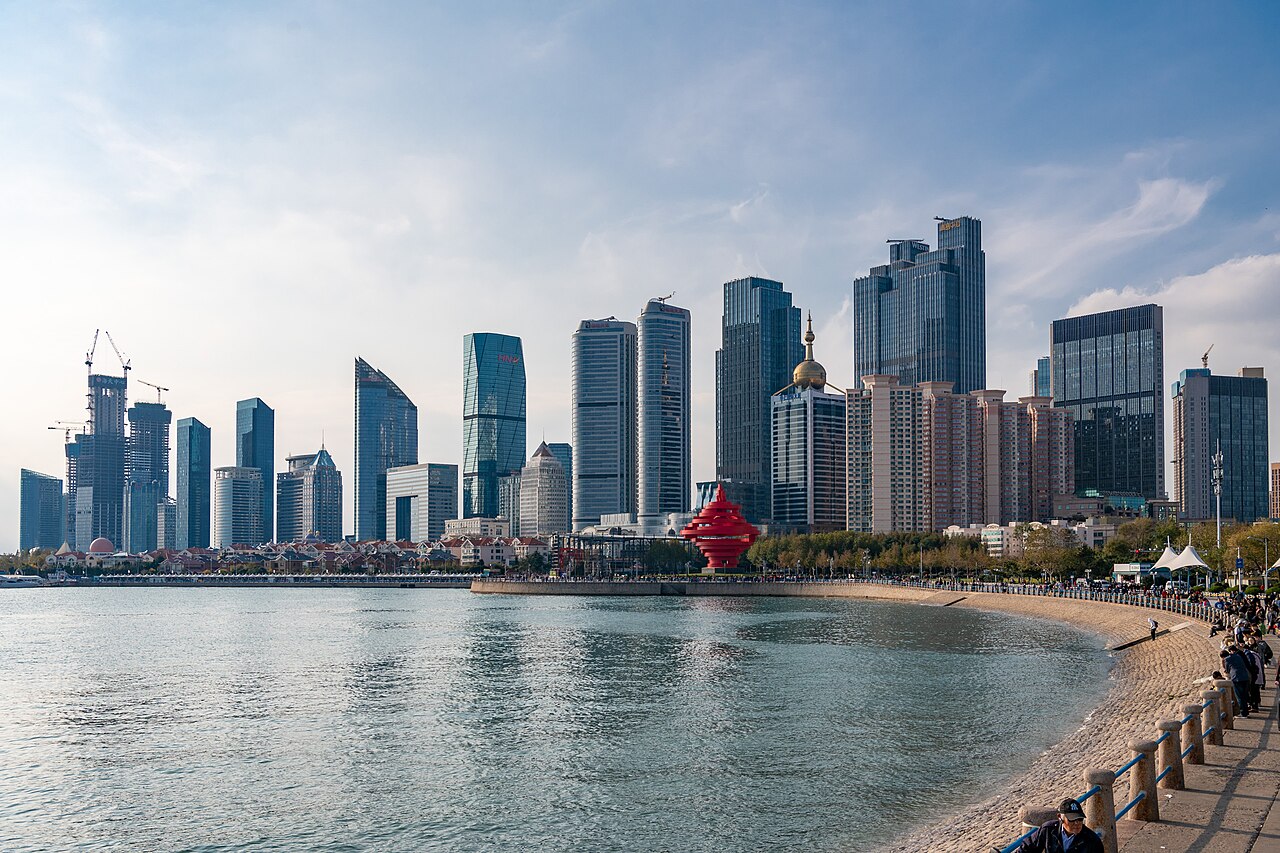
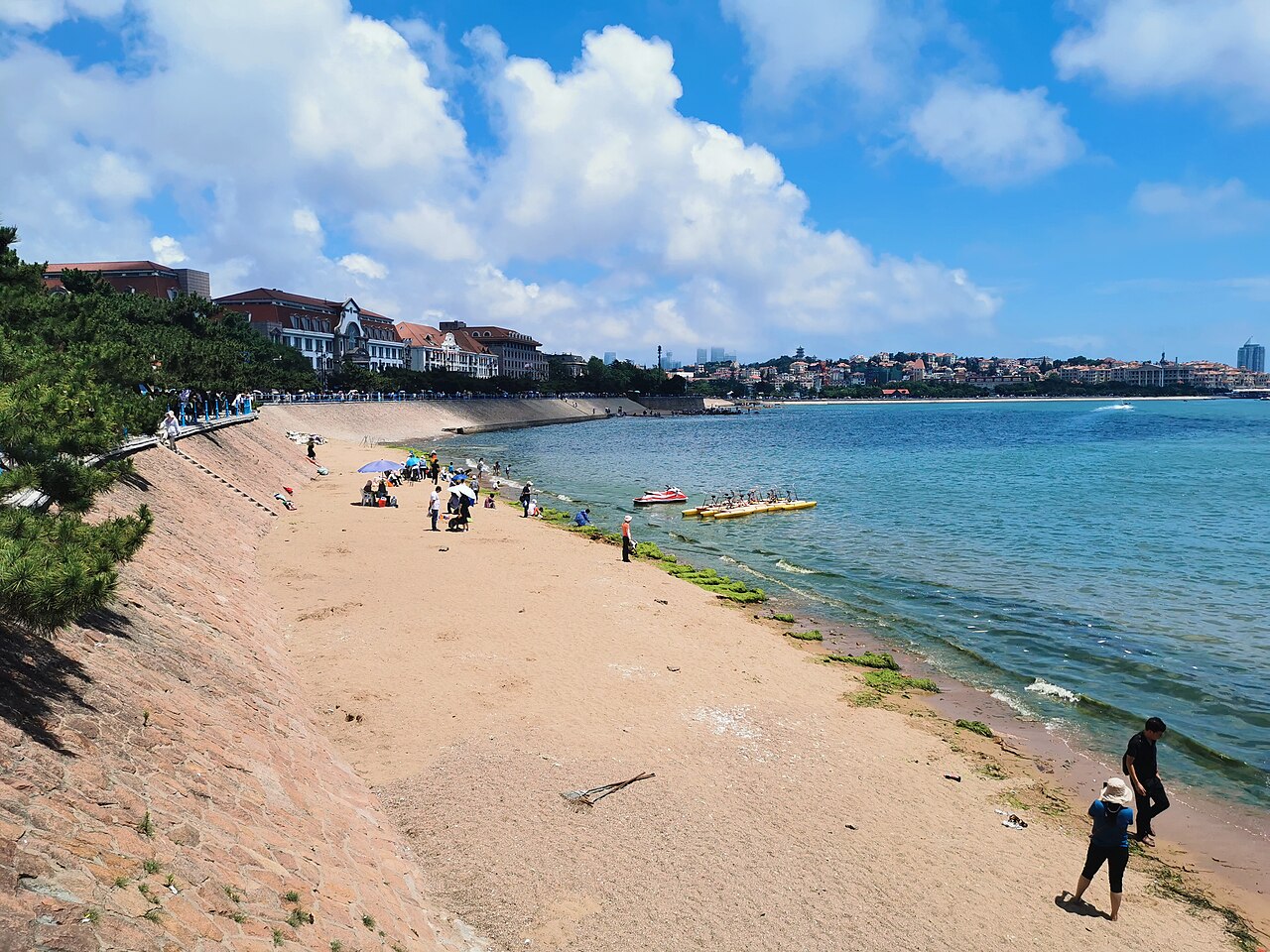
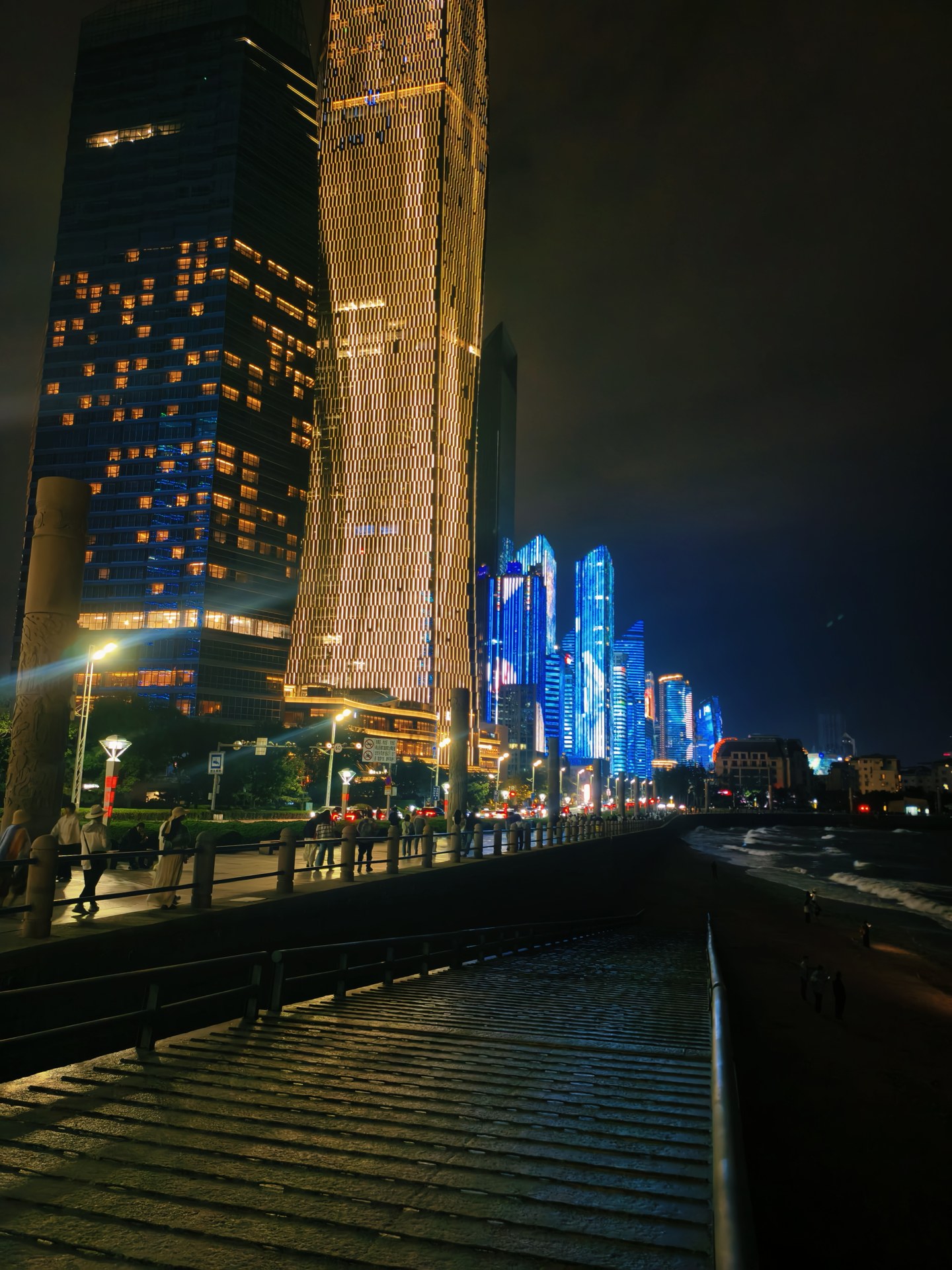
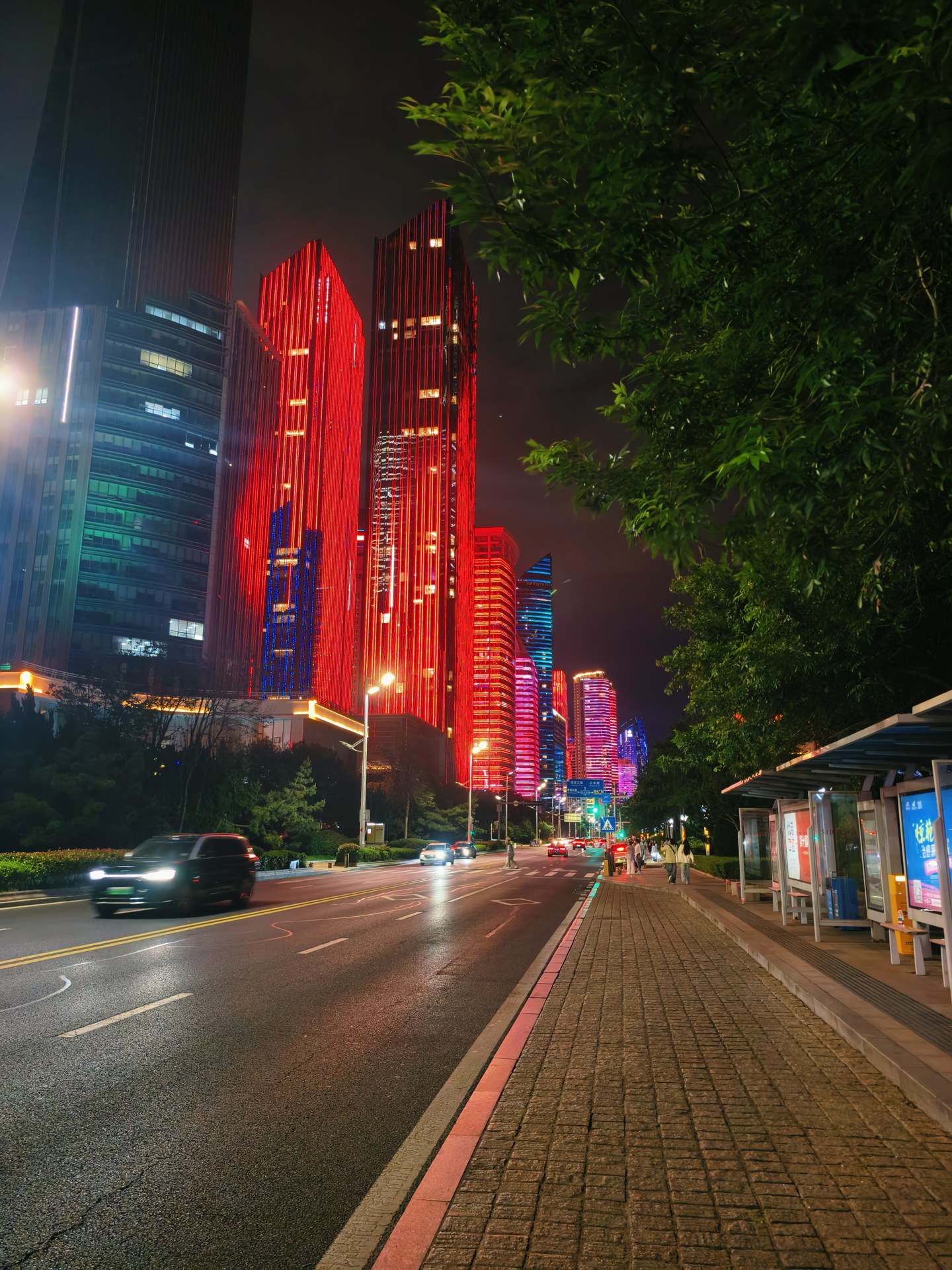
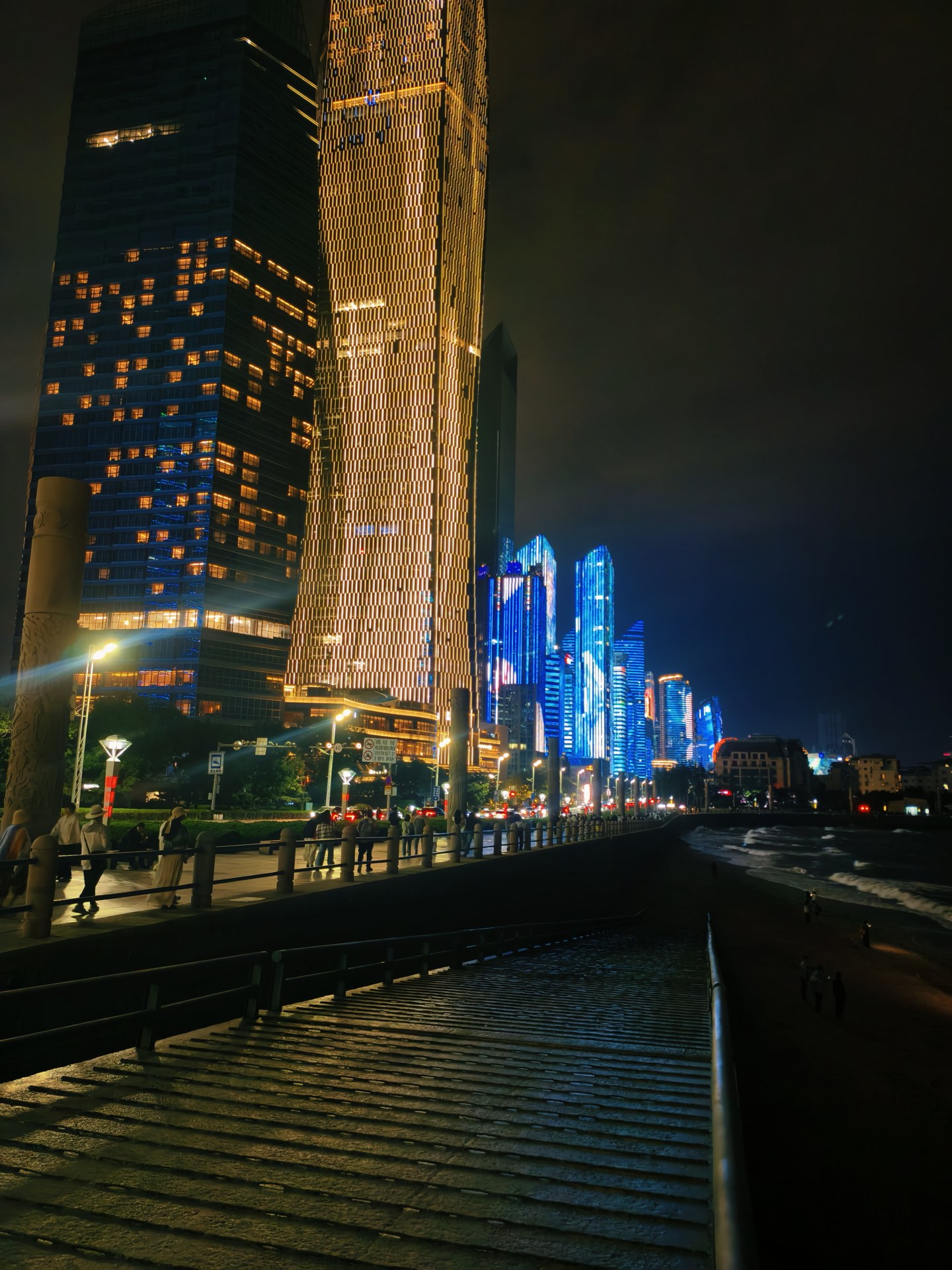
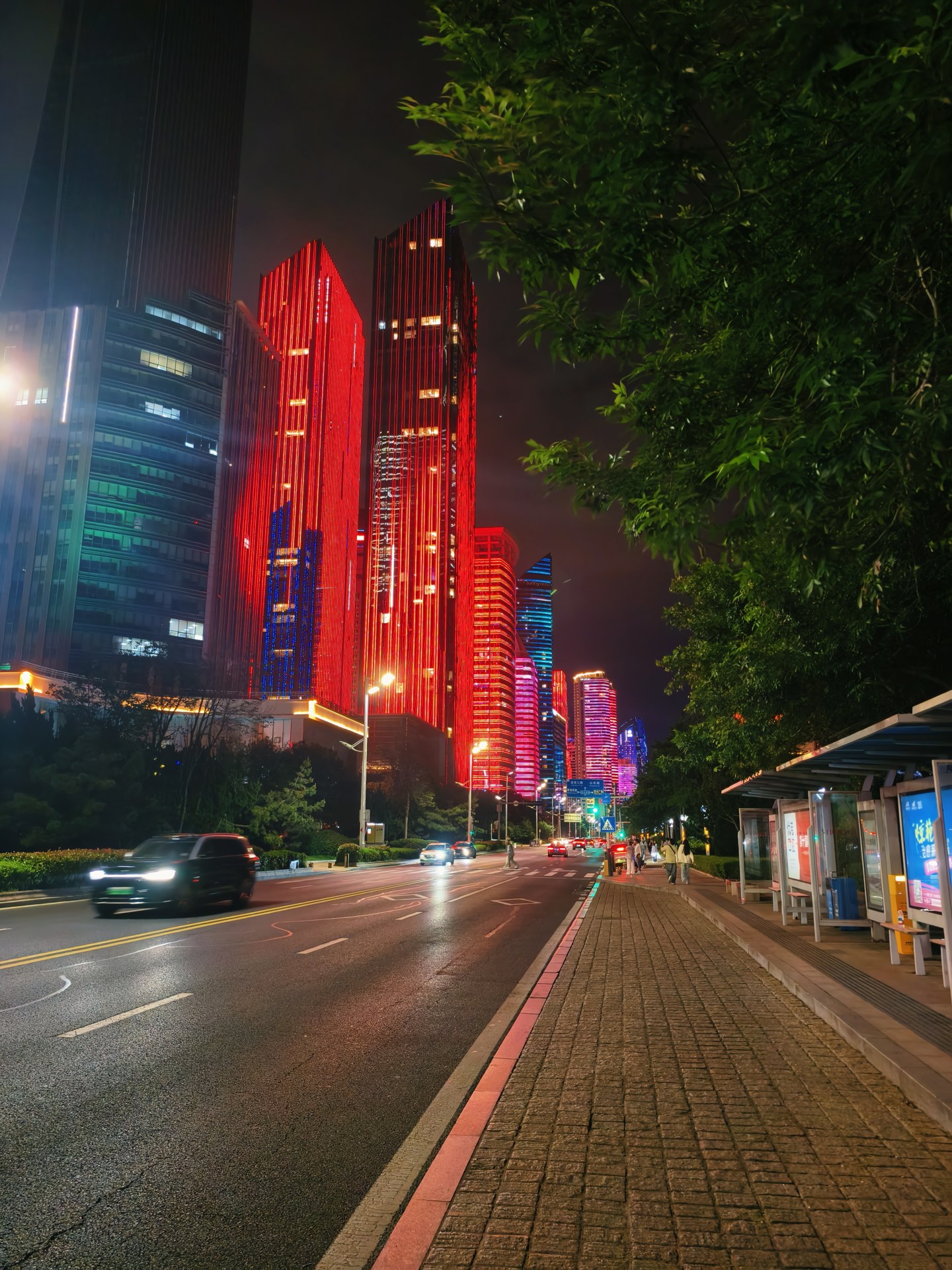
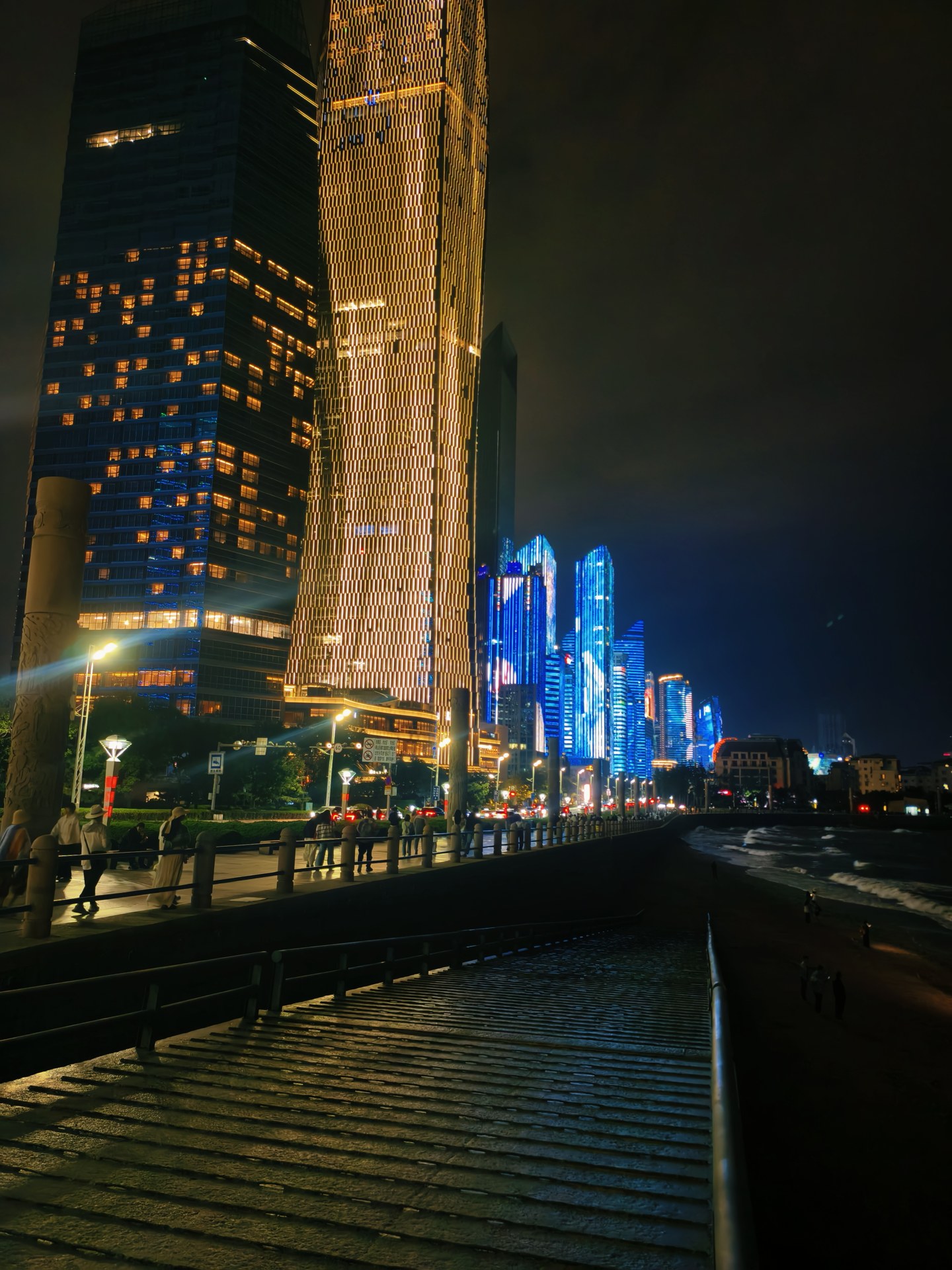
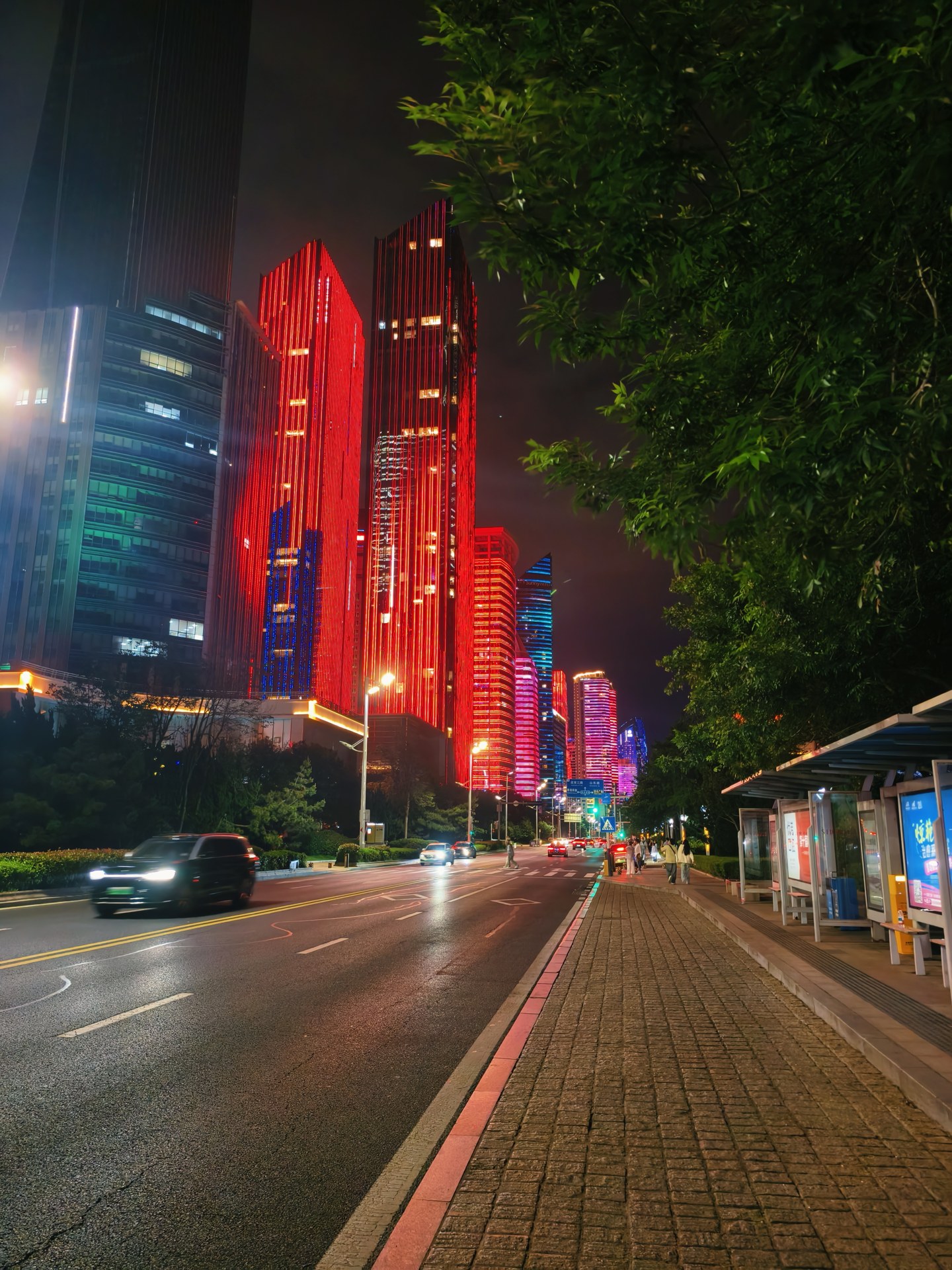
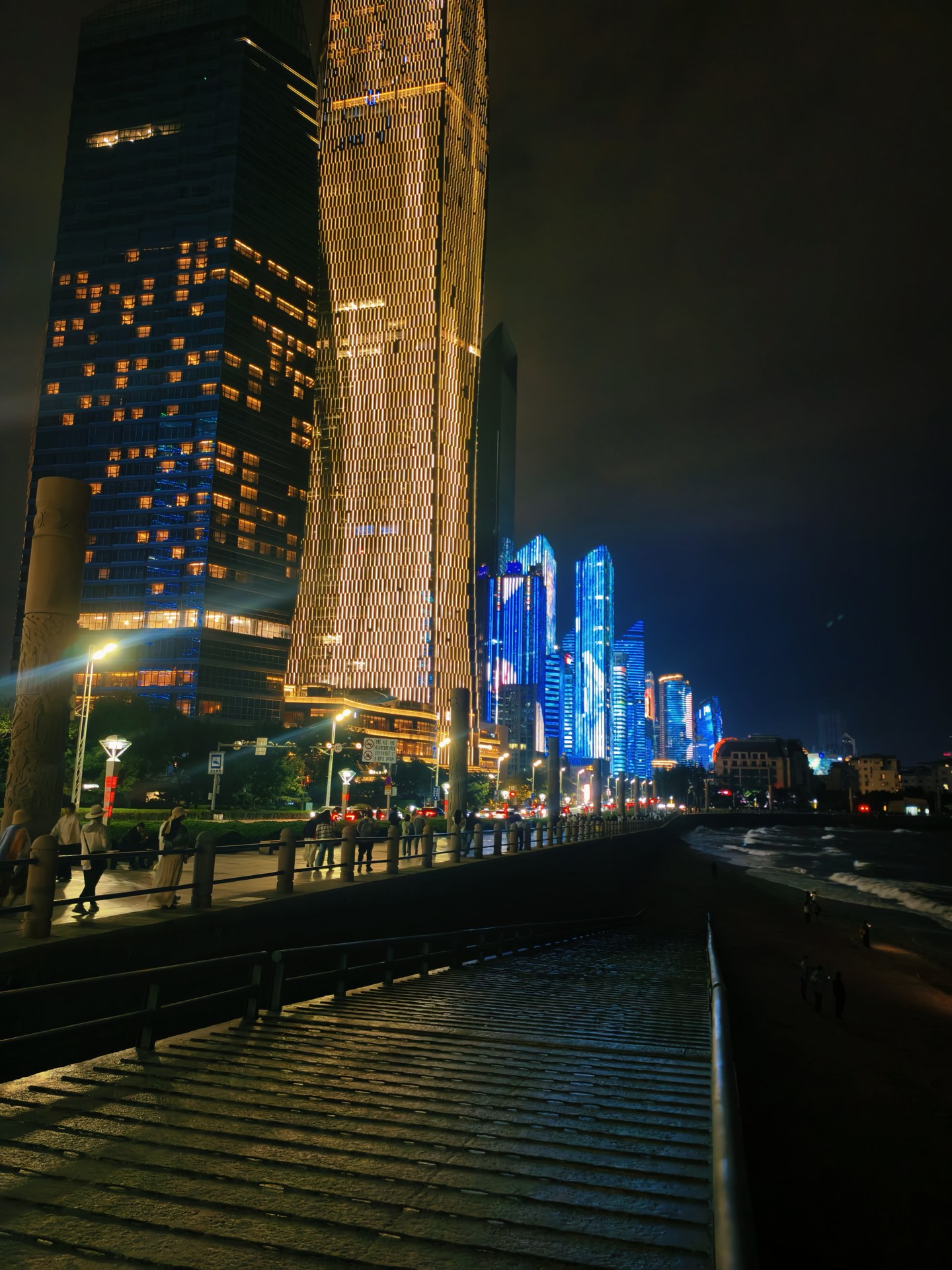
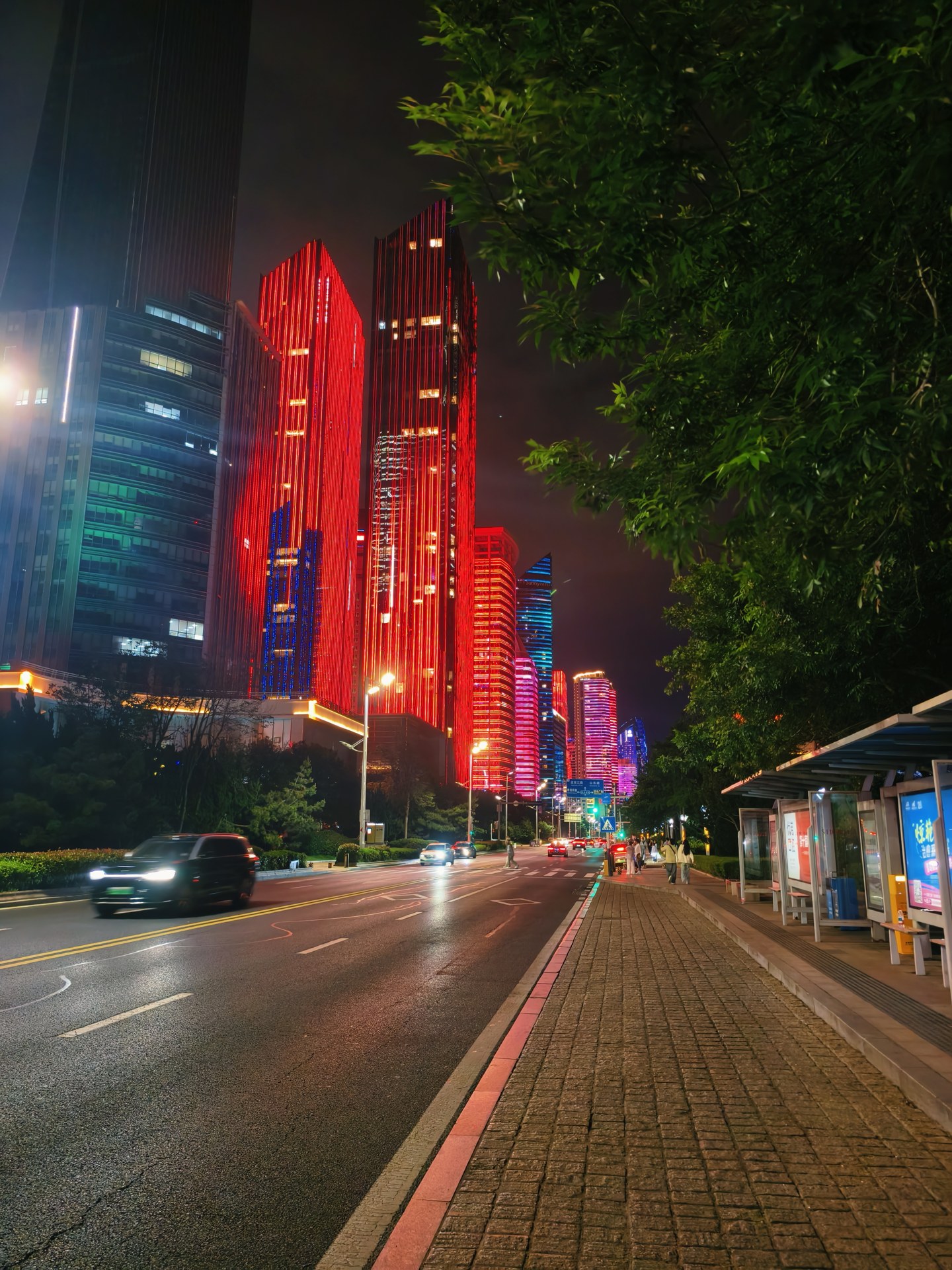
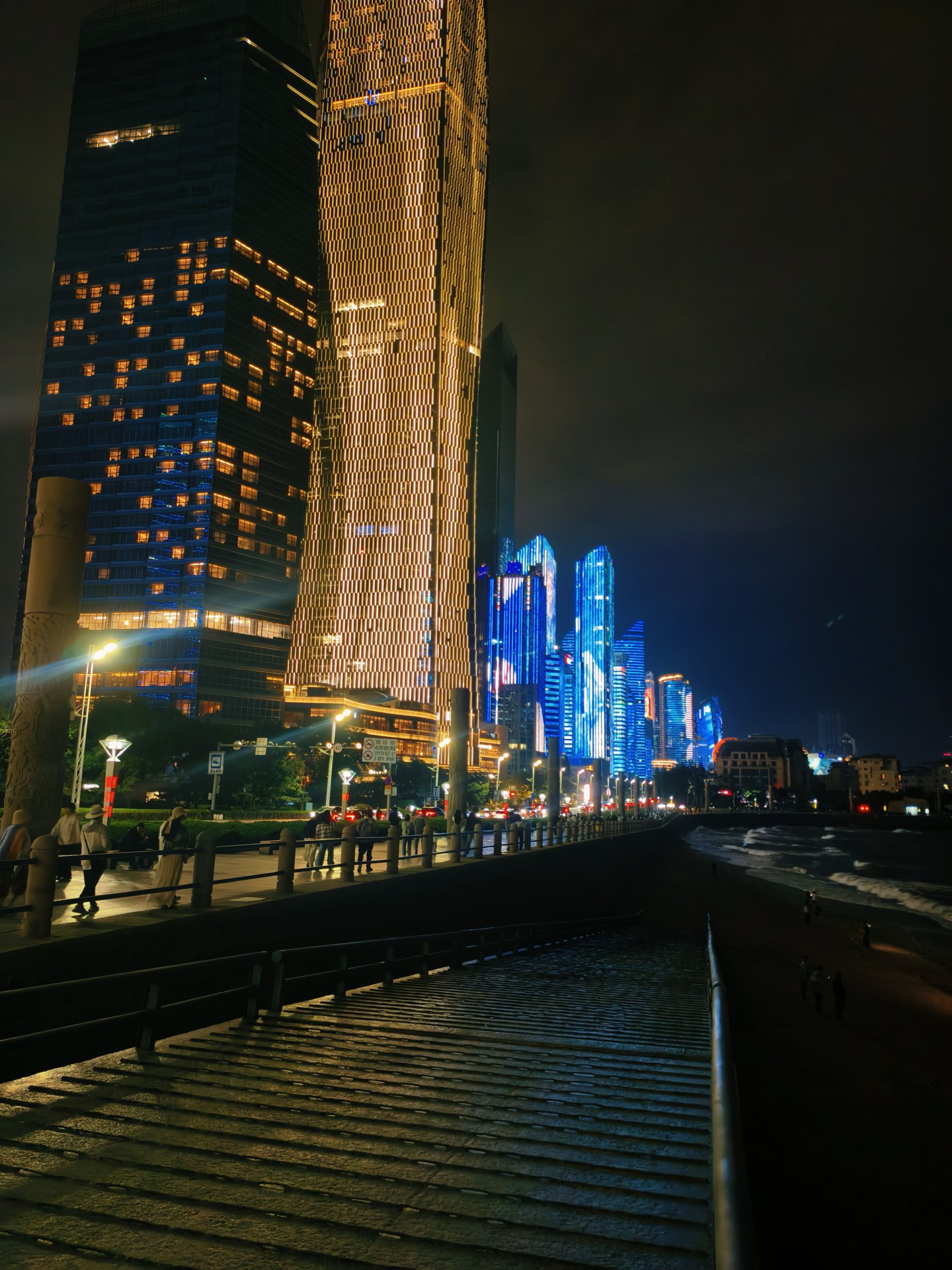
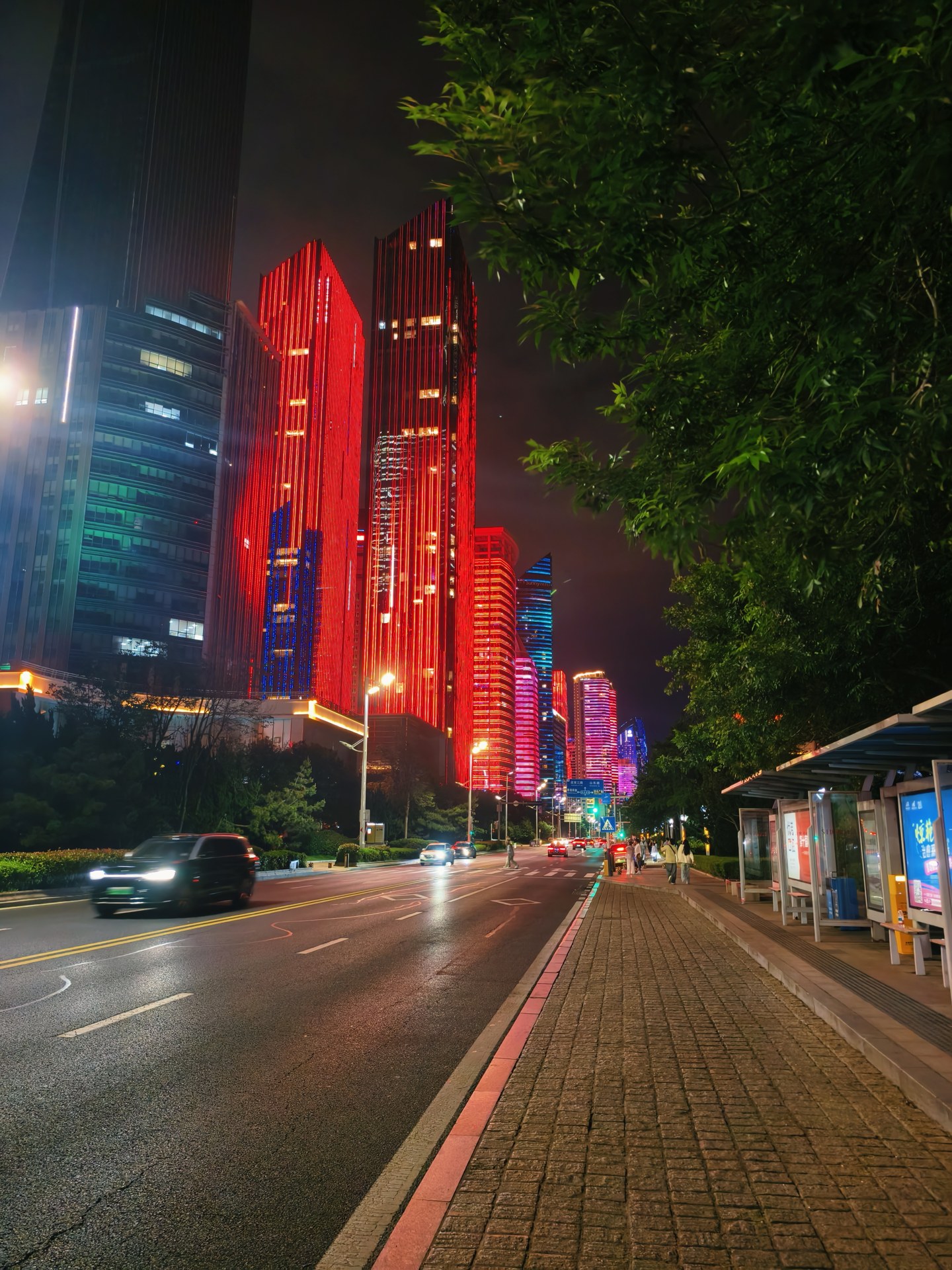
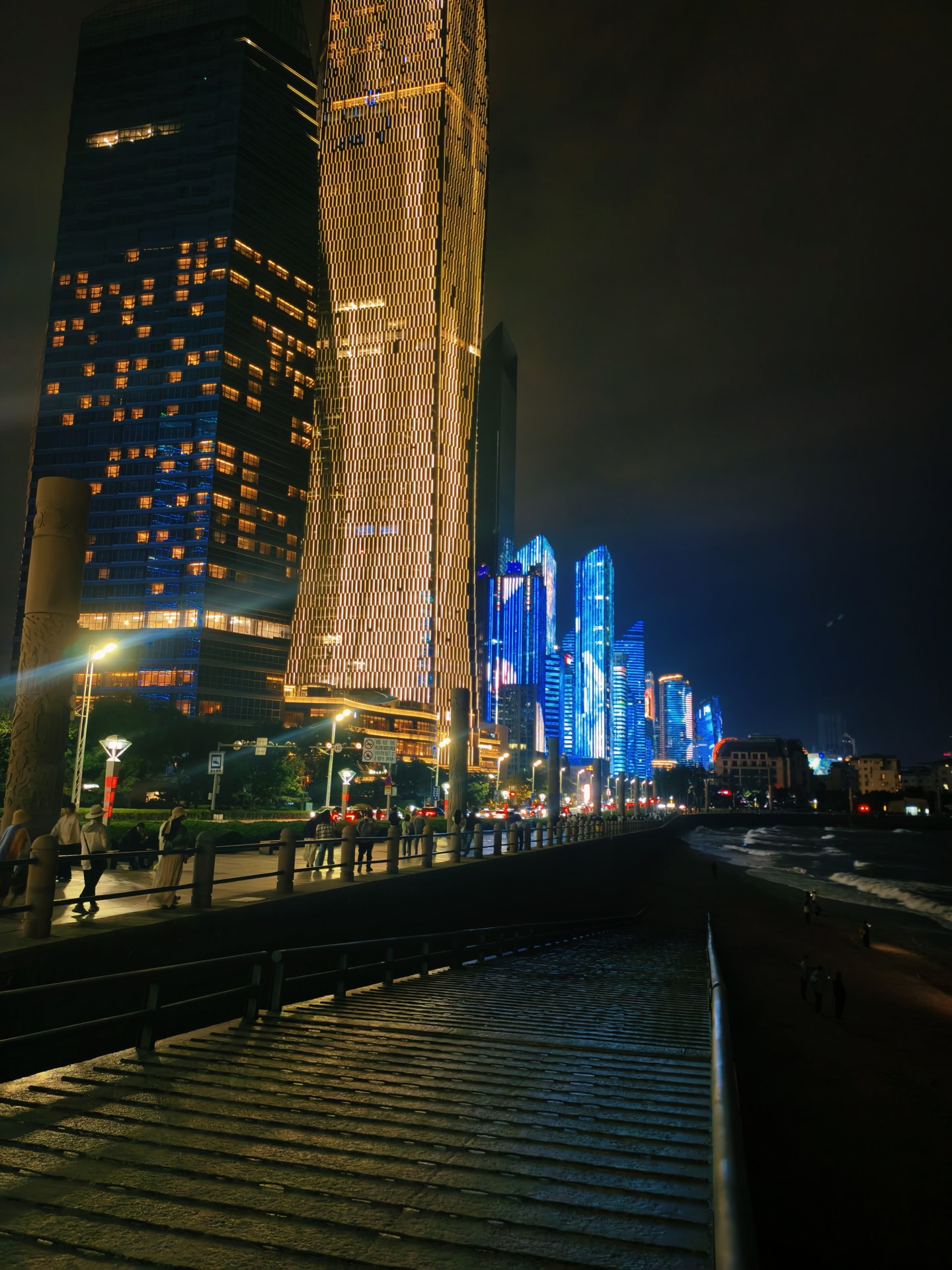
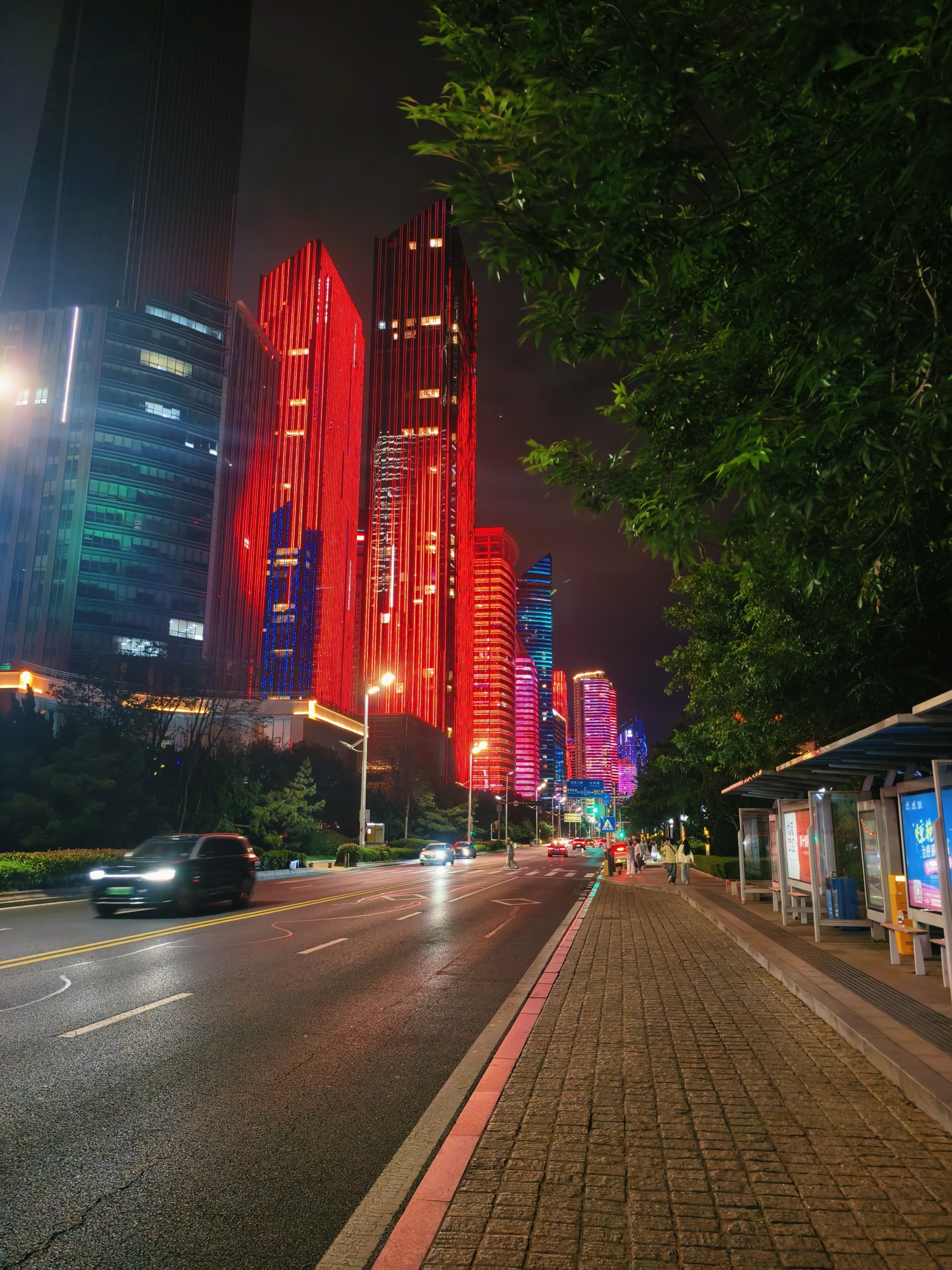
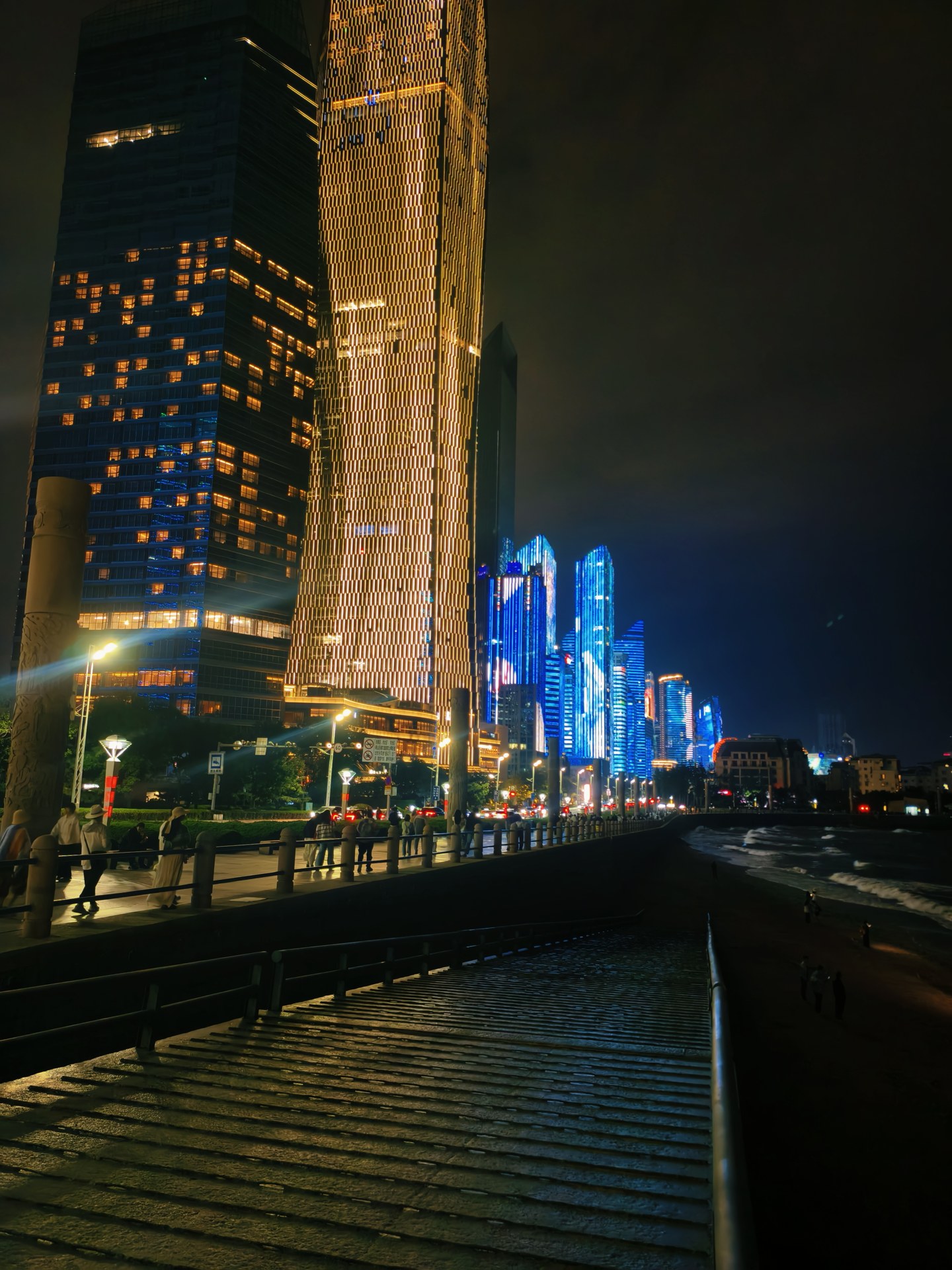
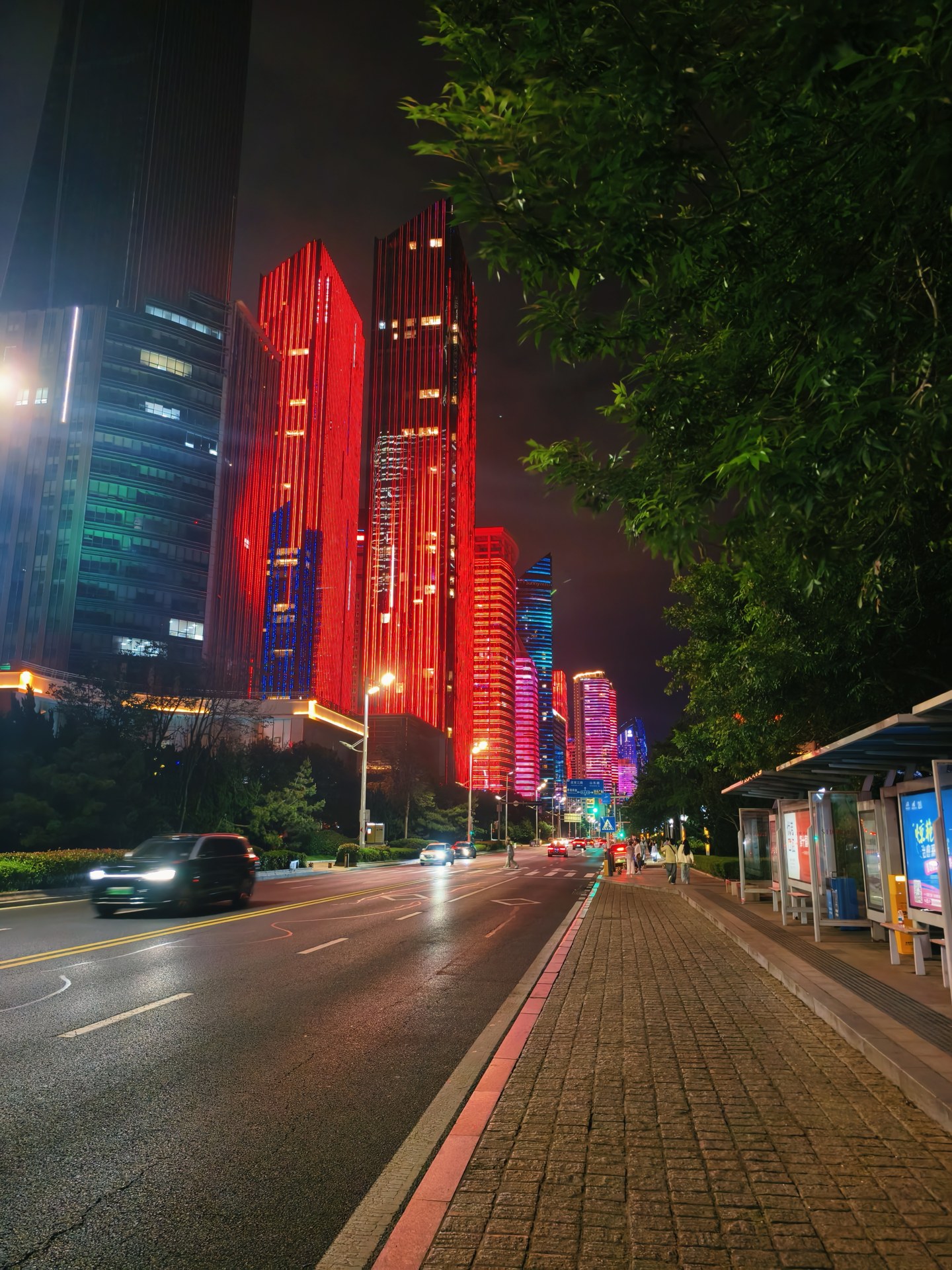
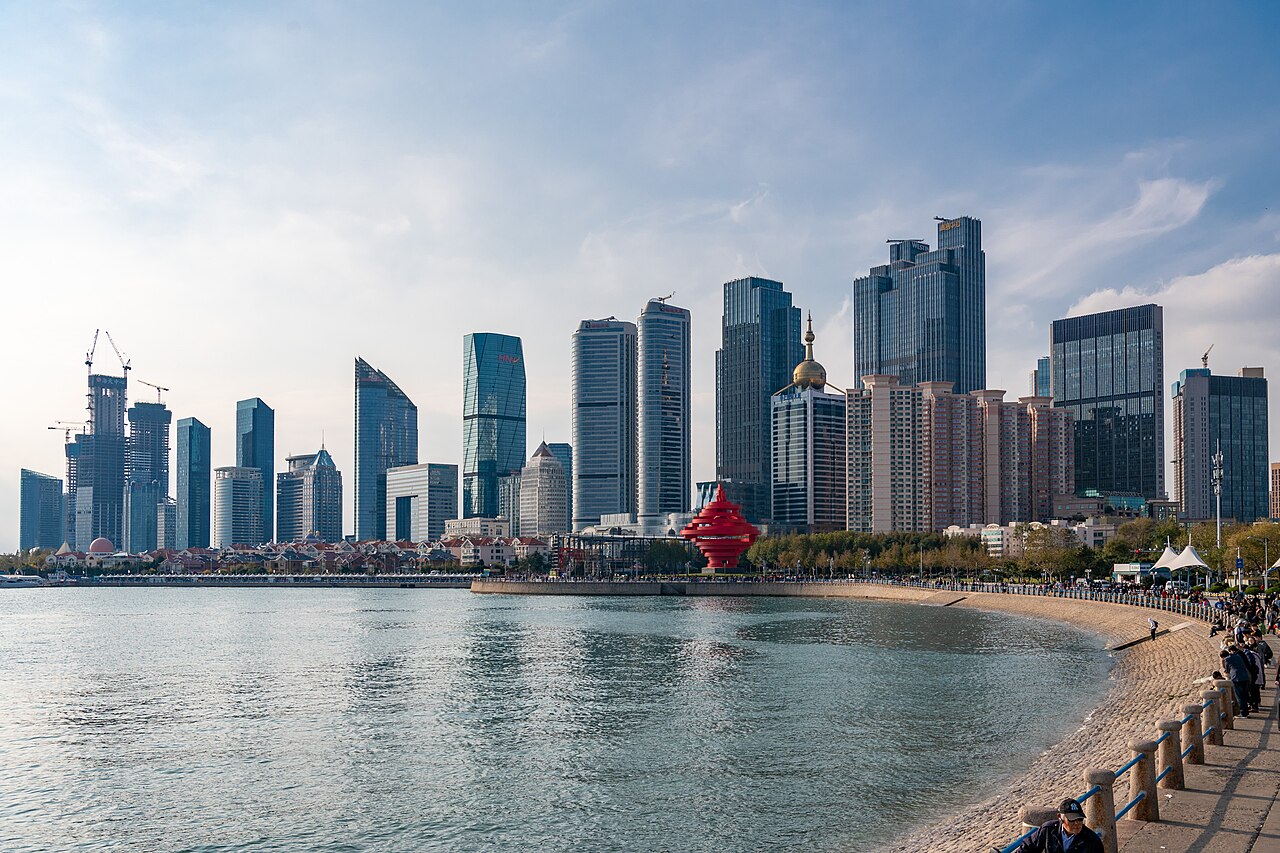
The city's coastline is dotted with equipped beaches. The most popular is Beach No. 1 (Shijiaohai), with soft yellow sand and a gentle slope into the water. Next to it lie the quieter Beach No. 2 by the Badaguan district and the roomier Beach No. 3. The swimming season runs roughly from June to September. A long promenade follows the sea, linking Zhanqiao Pier, May Fourth Square with its modern skyscrapers, and the park areas.
Food
Qingdao's cooking is built around seafood. The fish markets by the port and the seaside restaurants serve oysters, sea urchins, crabs, shellfish, squid and fish, grilled or steamed. A local peculiarity is draught beer served in plastic bags, which people carry away straight from the shop. Worth trying are the spicy dishes of Shandong cuisine, along with street snacks: fried seafood on skewers and steamed buns. Fresh unfiltered beer straight from the brewery tastes noticeably different from the bottled version.
Practicalities
Three days are enough to cover the main experiences. The first day is best spent in the old city: Zhanqiao Pier, the cathedral, the German-built quarters and the beer museum. The second is for the beaches, the promenade and the Badaguan district. The third can be given over to a trip to Laoshan, where it is worth setting aside a full day for hiking and visiting the monasteries.
The city has a metro of several lines connecting the airport, the railway station and the seaside districts, supplemented by buses and taxi services. High-speed trains link Qingdao with Beijing, Shanghai and Jinan. The best time to visit is late summer and early autumn: warm, but without the exhausting heat. In early August the city hosts its annual beer festival, the largest in Asia, when it fills with visitors and street concerts. The maritime climate makes the weather changeable, so it is worth packing a light windbreaker even in summer.
Photos