Description
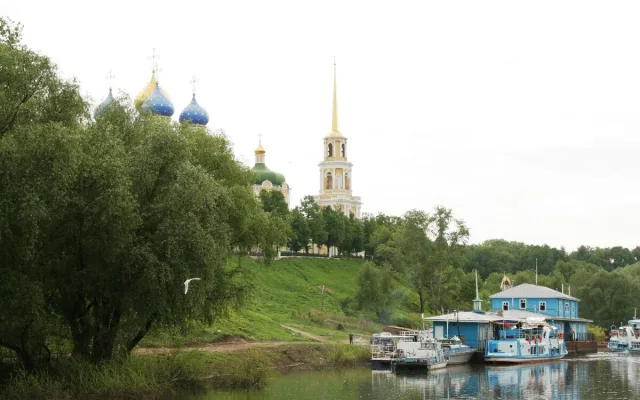
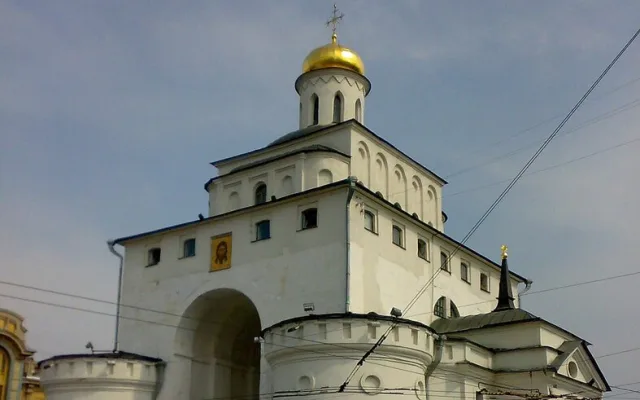
One of the oldest towns in Russia, with a handsome white-stone kremlin above the Trubezh, a tributary of the Oka. The home region of the poet Sergei Yesenin, and an old spiritual and trading centre of central Russia.
Wiki
Ryazan has the advantage of being a fully fledged old Russian town just over two hours from Moscow — with a real kremlin, a riverside and normal city life, rather than an open-air museum. On top of that it is easy to reach Konstantinovo and the Meshchera forests from here, so a trip turns out far more substantial than a weekend tick-box.
Getting there
Ryazan has effectively no airport with scheduled flights, so there are two options: train or bus.
- Train from Moscow — from Kazansky station; express services take around 2.5–3 hours, ordinary suburban trains longer and with a great many stops. Book express tickets in advance for Friday and Sunday.
- An important point about stations: there are two in the city, Ryazan-1 and Ryazan-2. The first is closer to the centre, the second sits on the long-distance transit line. Check which one your train actually arrives at, so you are not caught out.
- Bus — from Kotelniki metro station in Moscow, running frequently, taking roughly as long as the train but dependent on traffic getting out of the city.
- Car — the M5 "Ural" highway. A workable road, but on the approach to Moscow and at weekends it is easy to lose an hour or more.
Getting around
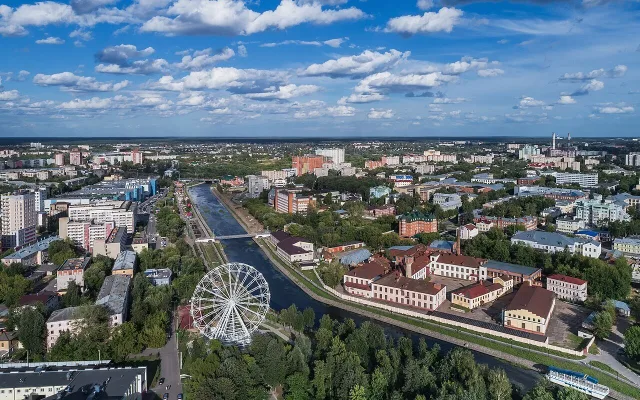
The historic centre is compact: about fifteen minutes on foot from the kremlin to the pedestrianised Pochtovaya Street. Practically everything of interest fits into a single walking route, and that is the best way to see the town.
Beyond that there are buses, trolleybuses and shared minibuses — a dense network, but with irregular intervals; it is easier to order a taxi through an app, and by Moscow standards journeys within the town cost very little. A bicycle only makes sense for the riverside and Solotcha, as there is little cycling infrastructure in the centre.
What to see
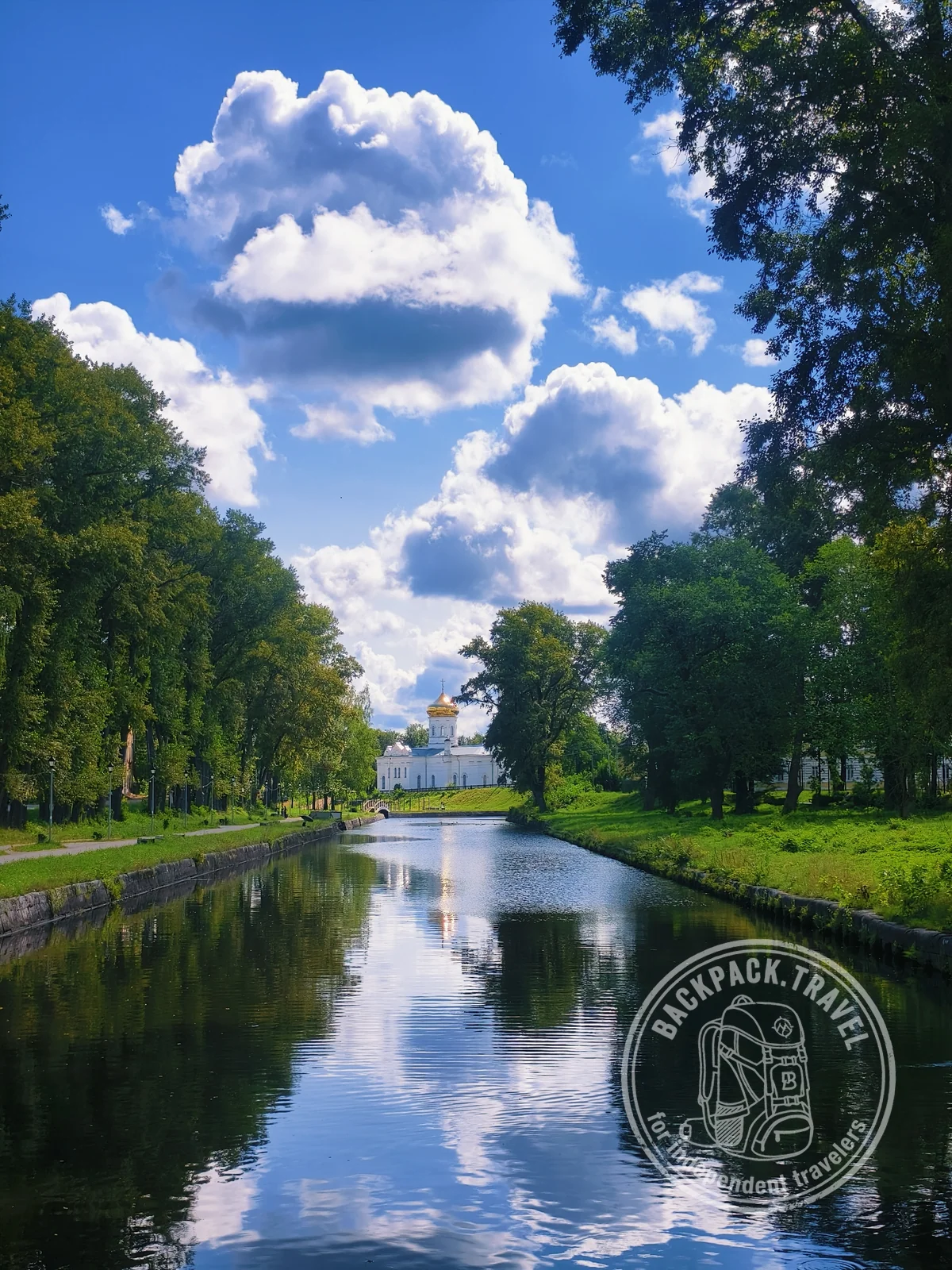
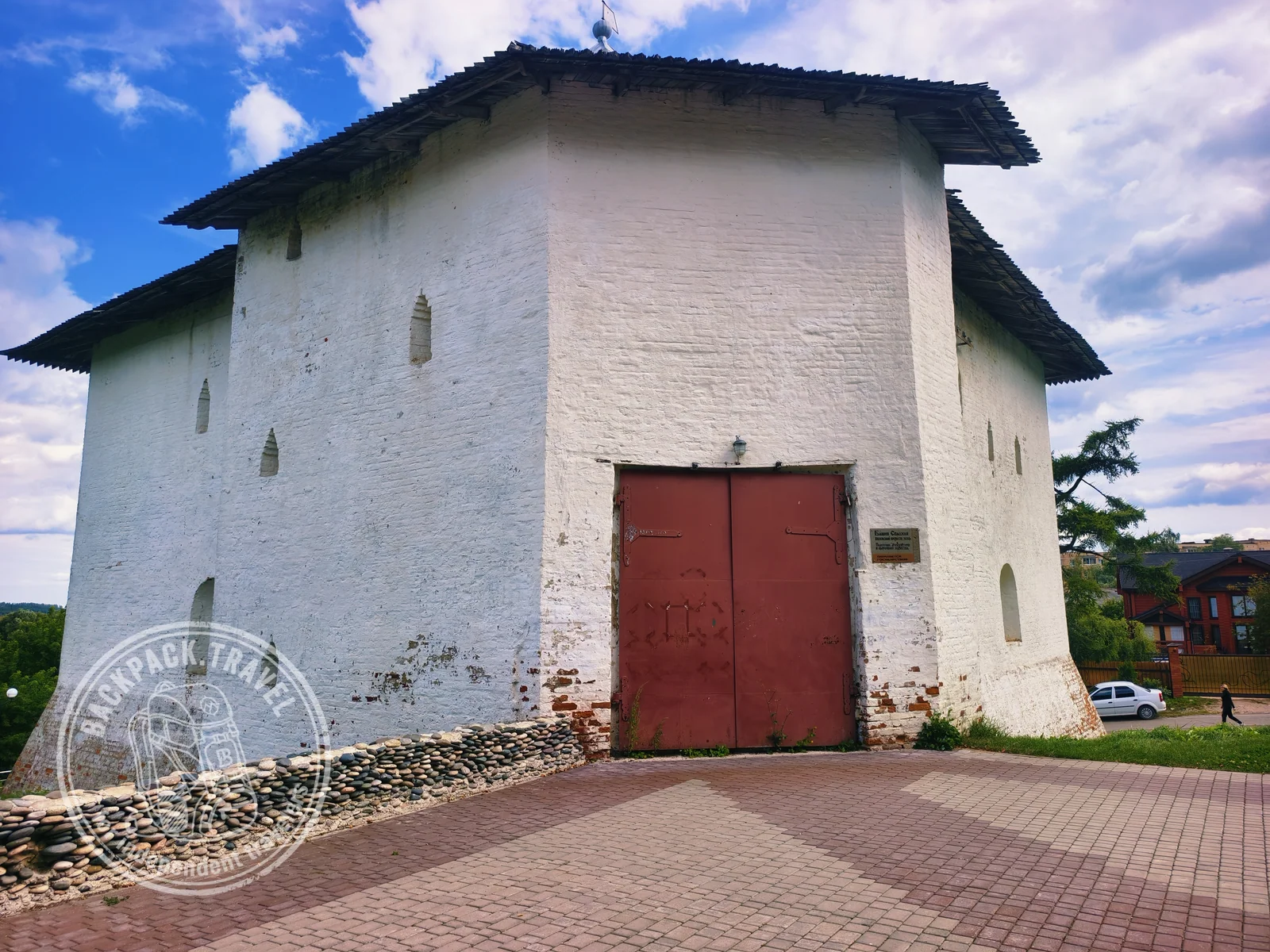
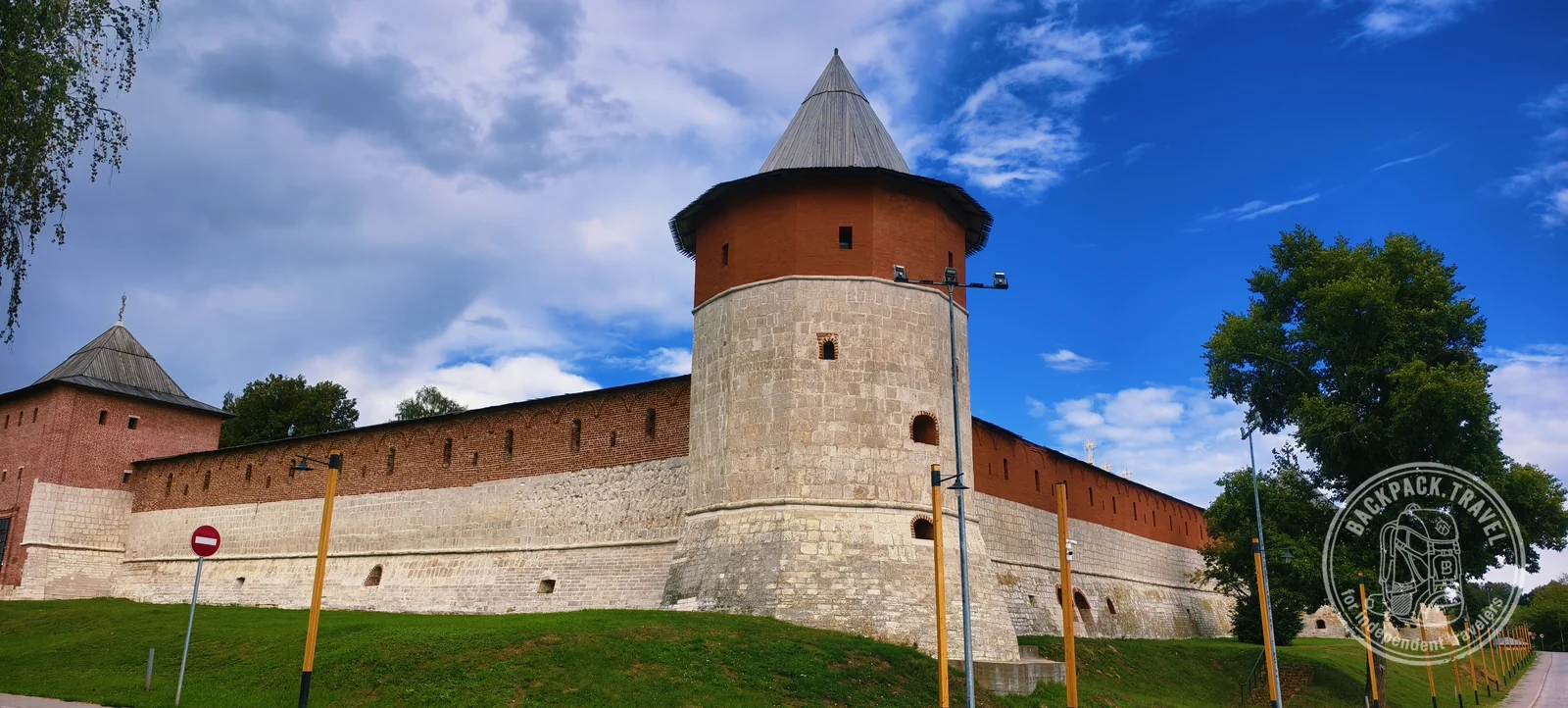
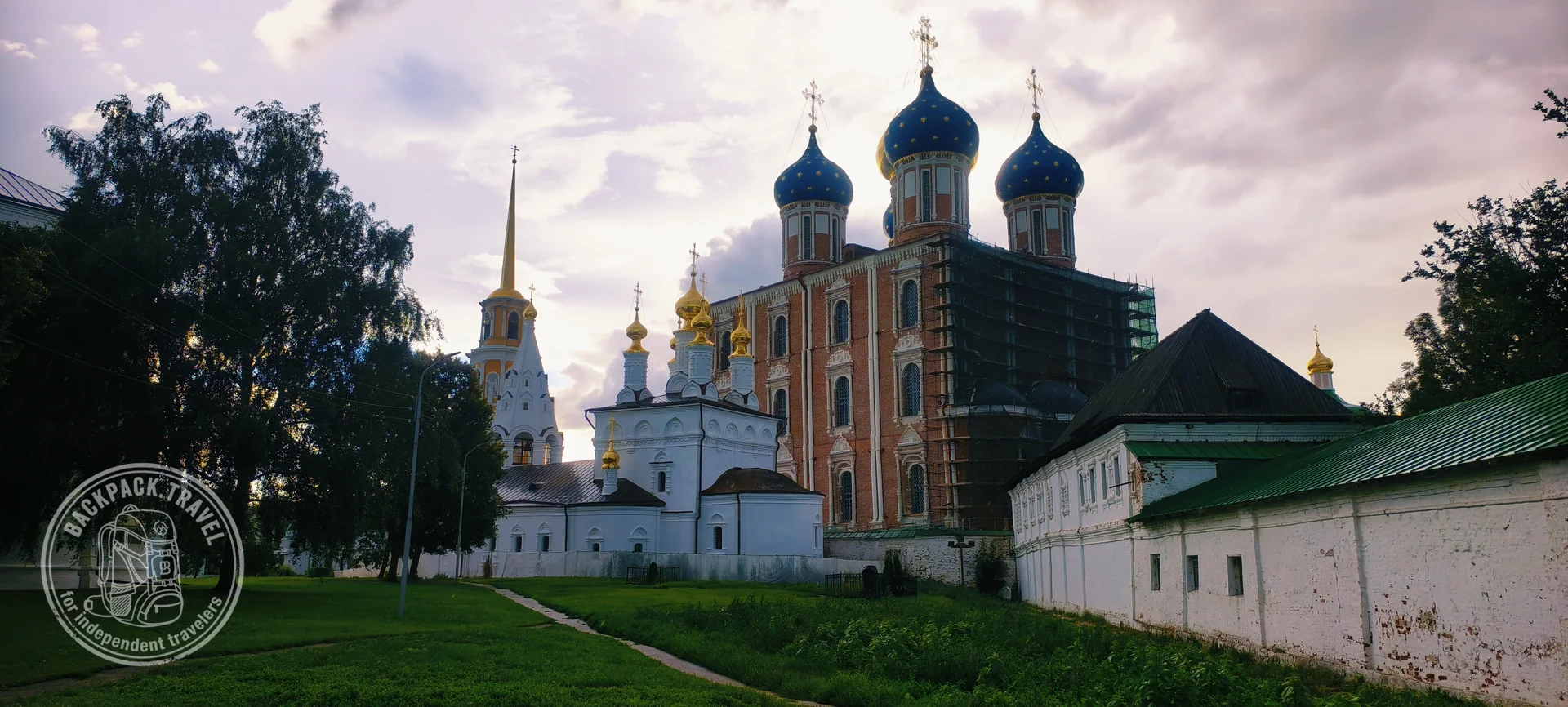
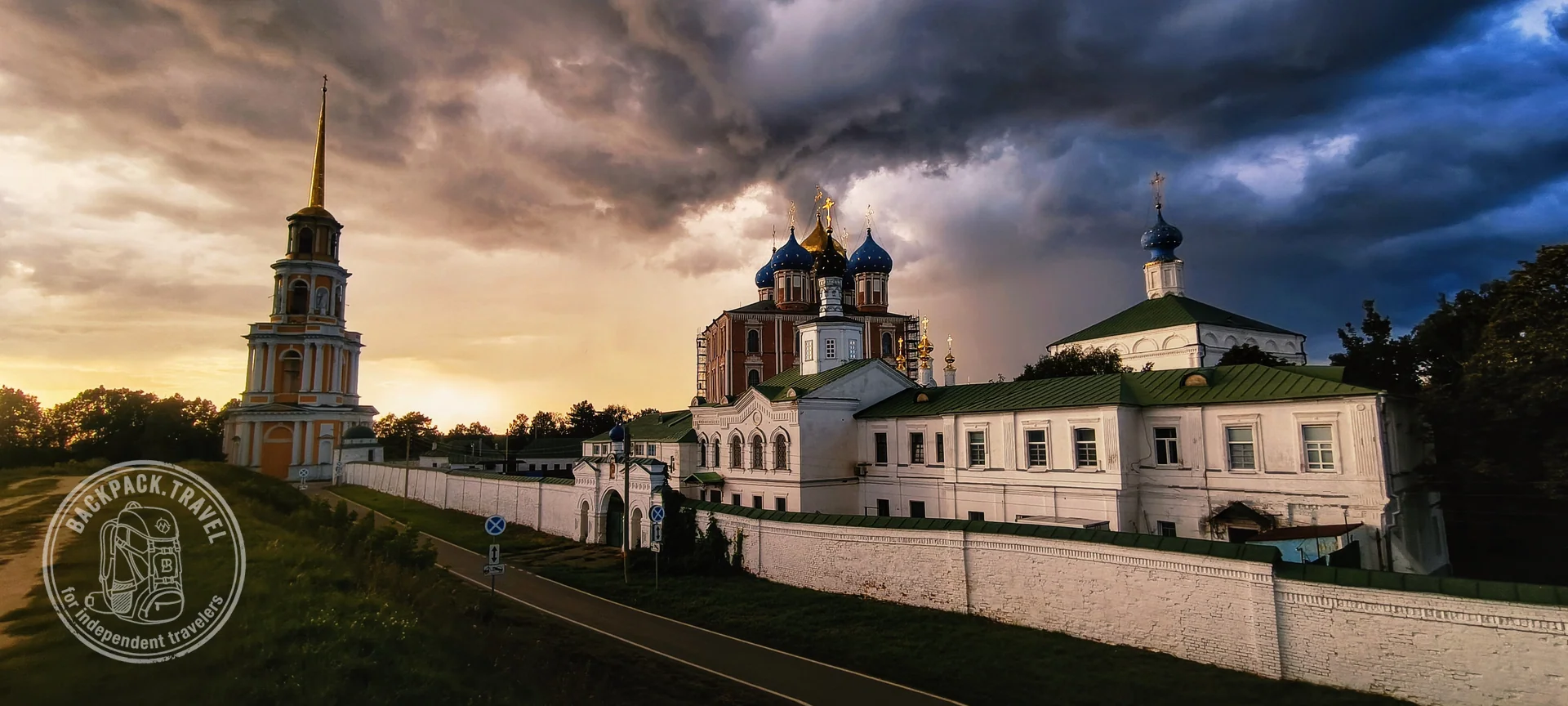
The Ryazan Kremlin is the main thing. A kremlin is the fortified citadel of an old Russian town; this one stands on a hill above the Trubezh River, ringed by an earth rampart that you can walk right round, and from which there is the best view of the river bend and the water meadows. The kremlin grounds are freely open; you only pay for the exhibitions.
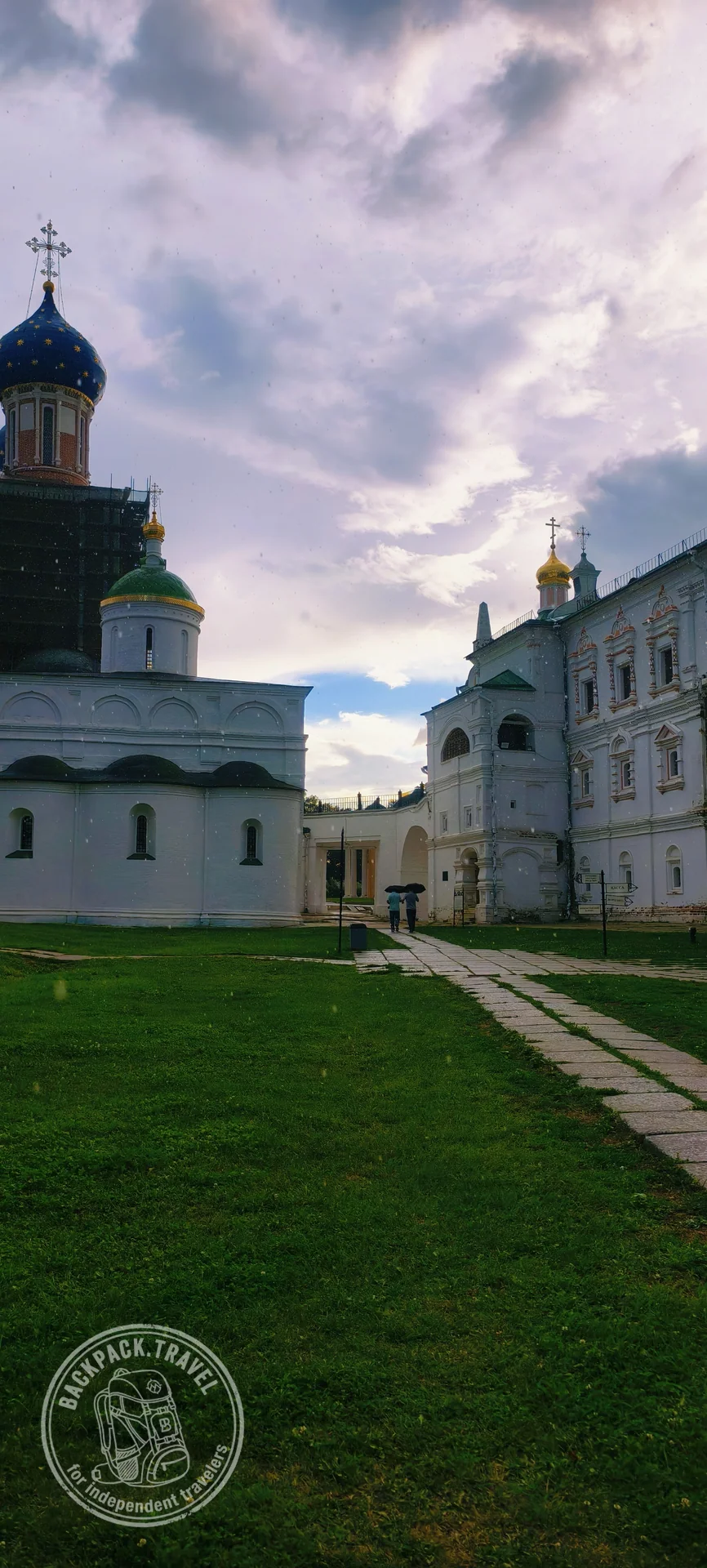
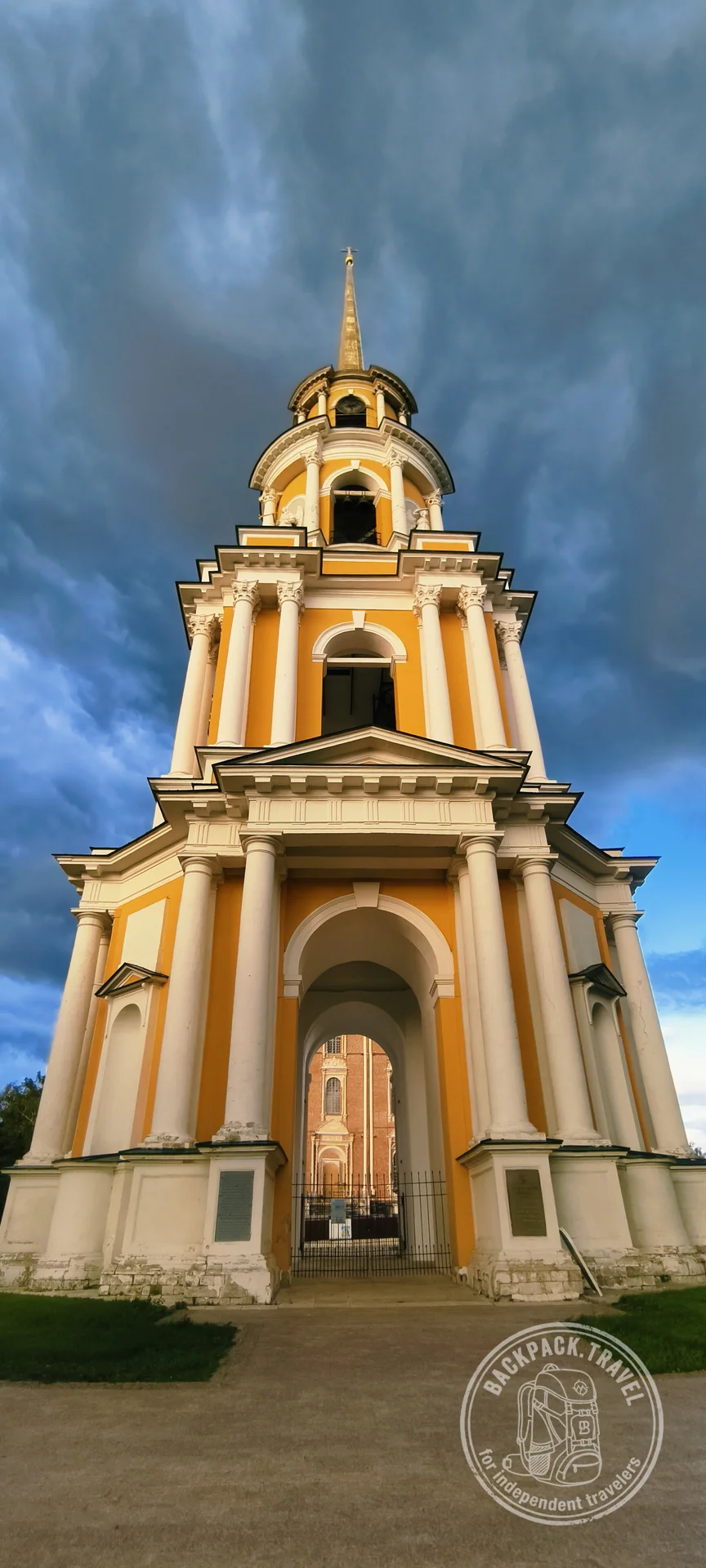
Inside are the Dormition Cathedral with its enormous carved iconostasis (note that the building is unheated and is usually closed in the cold season), the Cathedral of the Nativity of Christ, the tall cathedral bell tower, and the Palace of Oleg, which now houses museum halls.
Elsewhere in the town:
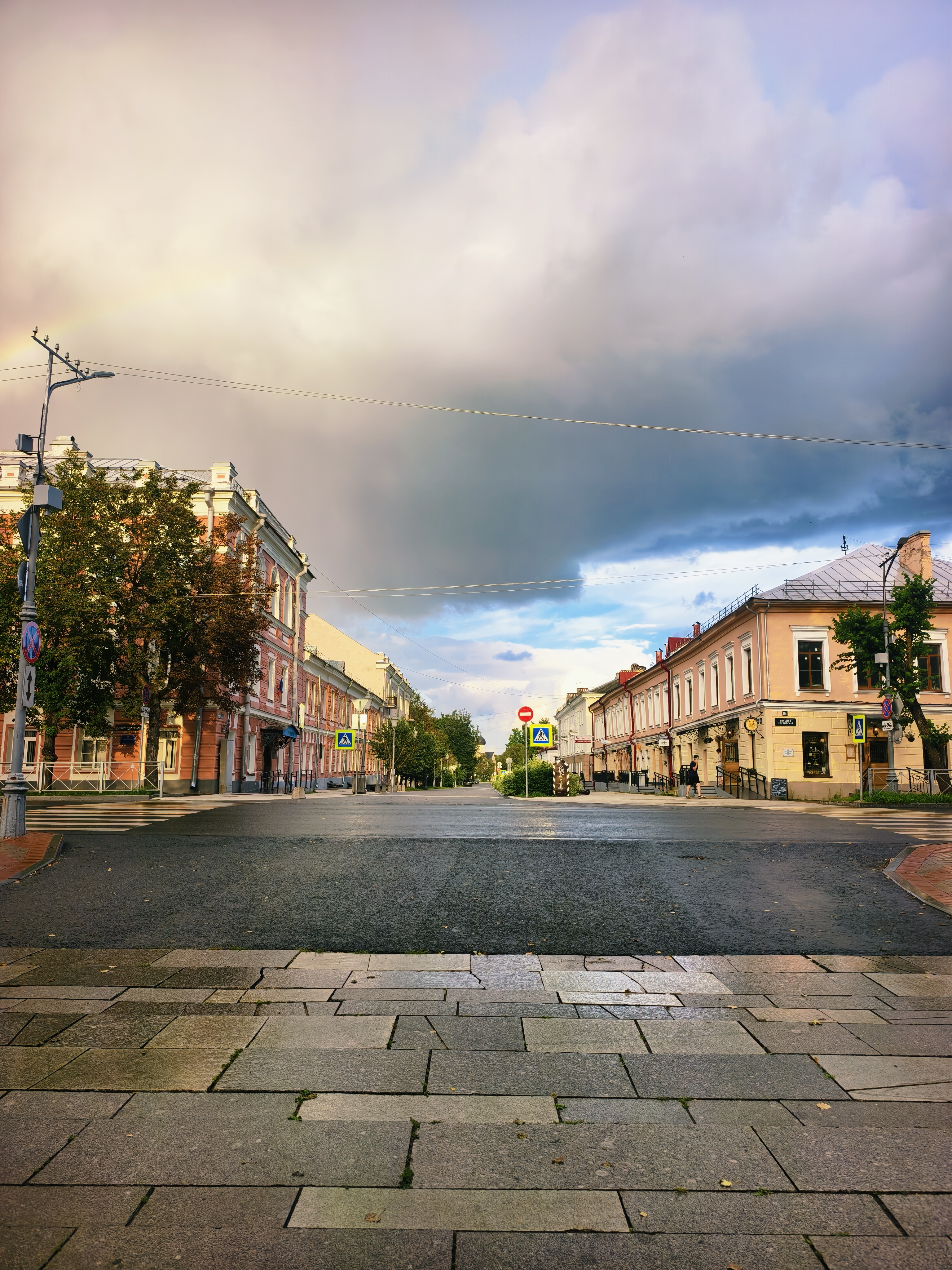
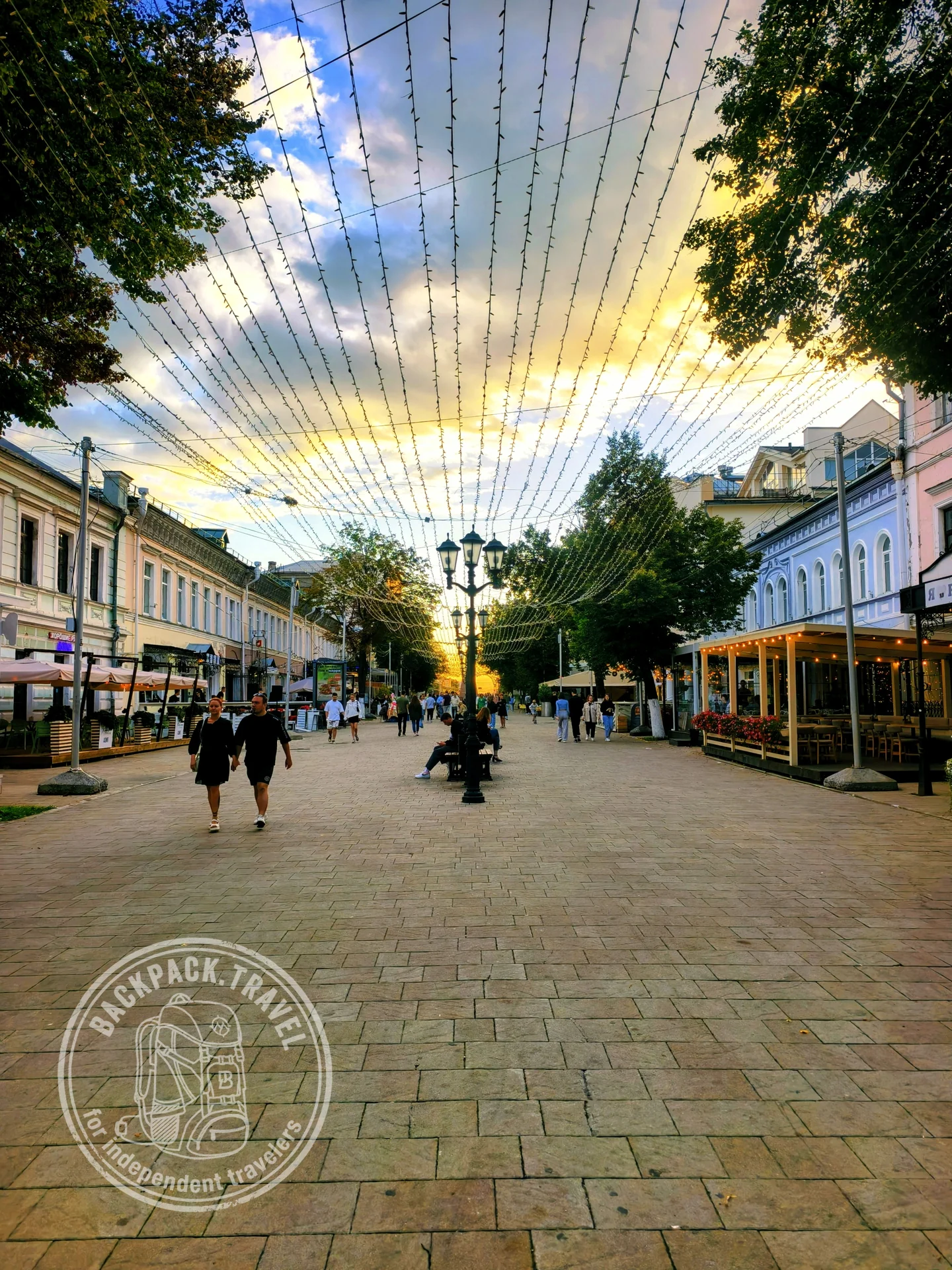
- Sobornaya and Pochtovaya streets — old merchant buildings, cafés, the evening promenading zone;
- Lybedsky Boulevard — the local green axis, useful as a link between parts of the centre;
- The Museum of the History of the Airborne Forces — an unusual subject: Ryazan hosts the Margelov airborne forces academy and is known as the capital of the VDV, though the birthplace of the airborne troops is reckoned to be Voronezh, site of the first parachute drop in 1930. If you are in town on 2 August, Airborne Forces Day, be ready for a very noisy celebration;
- The house museum of the physiologist Ivan Pavlov — small, but an honest picture of how the provincial intelligentsia lived in the 19th century.
Trips out of town
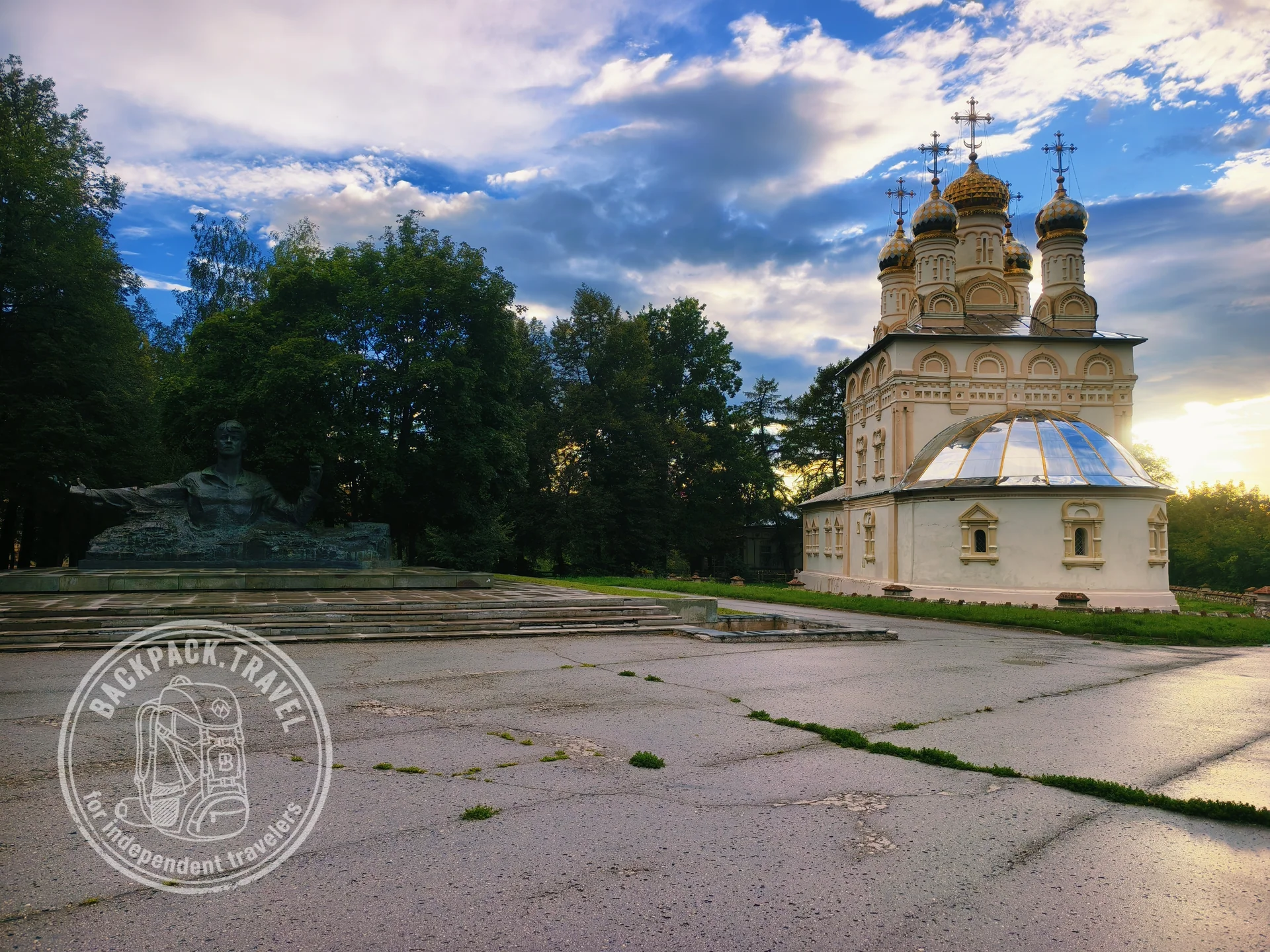
- Konstantinovo (about 40 km) — the village of the poet Sergei Yesenin, on a high bank above the Oka. Worth going even without an interest in poetry: the panorama from the bluff is one of the finest in central Russia. Buses run from the central bus station, but the timetable is sparse — set out in the morning and check the return service in advance, or you risk being stranded.
- Solotcha (about 20 km) — pine forests on the edge of the Meshchera lowlands, a monastery, clean air and beaches on the Staritsa. Good for half a day, reached by suburban city bus.
- Old Ryazan — the site of the original city, sacked by the Mongols in 1237. Understand what you are getting: there is no fortress there, just huge ramparts and a field above the Oka. It is for people who can read a landscape; others will be disappointed.
When to go and how long to allow
One full day is enough for the town itself. With Konstantinovo and Solotcha, two to three days, and that is the optimal format.
The best time is May to September, and golden September is especially good: the Oka and the Meshchera forests look their best then. In April there is flooding, some of the roads and approaches along the Oka go under water, and plans for the surroundings can collapse. In winter the town is attractive, but some churches and out-of-town sites run reduced hours.
Accommodation, food, money
It makes sense to stay within the centre — the area between the kremlin, Sobornaya and Lenin Square, from where everything is walkable. Staying near Ryazan-1 saves time on arrival and departure. There is no point sleeping in the outlying districts: the saving is small and you lose a lot of time.
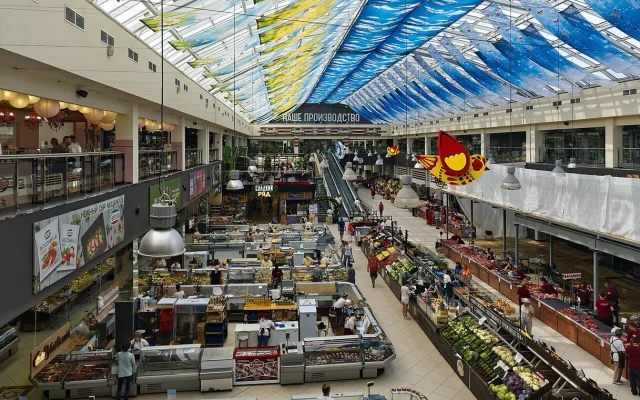
Prices are noticeably lower than in Moscow, for both hotels and restaurants. There are few gastronomic discoveries here, but the combination of a city canteen for lunch and a decent café for dinner works very well. At the market it is worth buying local honey and Meshchera berries in season.
What to avoid
- Do not come for a single day on a Monday — most museums are closed.
- Do not schedule Konstantinovo for the evening: the displays close early and the return buses finish sooner than you would expect.
- Do not count on the kremlin cathedrals in winter.
- Do not overpay for organised coach tours from Moscow: exactly the same thing done independently costs half as much and without the rush.
The town is safe and calm, and ordinary urban attentiveness is enough. The one real inconvenience for the independent traveller is the suburban timetable, so build your route around the buses rather than the other way round.