Description
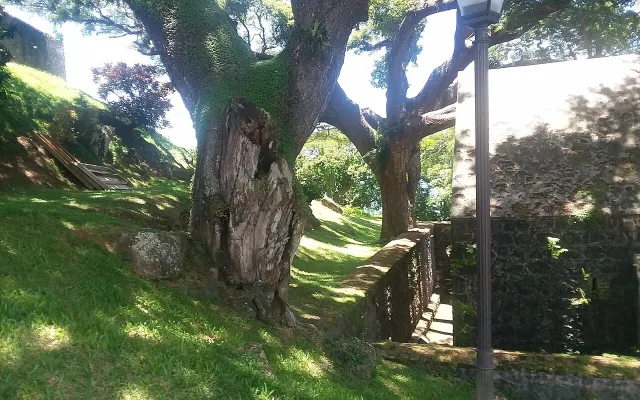
The capital of Tobago island — Fort King George, Stonehaven Bay, and Buccoo Reef.
Wiki
Scarborough is the capital and largest town of Tobago, situated on the island's southern coast at Rockly Bay. This small Caribbean port combines the roles of administrative capital, commercial hub, and maritime gateway to the island, with a historic fort rising above the rooftops and offering panoramic views over the Atlantic.
Overview of Scarborough
Scarborough is Tobago's largest settlement, home to roughly fifteen to seventeen thousand people. The town stretches along the waterfront and rises amphitheatre-like up a hillside: the port, market, and commercial districts cluster near the water, while residential neighbourhoods and the historic citadel occupy the higher ground. Roads fan out from here to the beaches of the Caribbean coast and inland to the tropical forests of the Main Ridge.
History and Culture
The town was named by the British after Scarborough, a seaside resort in North Yorkshire in the north of England — an echo of the English north transplanted onto a Caribbean map. Tobago spent centuries as an object of colonial rivalry, passing between Spanish, Dutch, French, and British hands, a history that left its mark on the island's place names and fortifications. The colonial economy was built on sugar plantations; the culture of today's town is Creole, with African roots, local rhythms, and a distinct cuisine. Scarborough remains an unhurried, easygoing capital whose life revolves around fishing, trade, and tourism.
Weather and Best Time to Visit
The climate is tropical and warm year-round, with daytime temperatures typically around 28–31 °C and sea conditions comfortable for swimming in every season. The year divides into a relatively dry period (roughly January to May) and a wetter season with more frequent downpours in the second half of the year. The dry months are the best time to visit, when rain is less frequent and underwater visibility is at its best for snorkelling and diving.
Main Sights
Fort King George
Fort King George is Scarborough's landmark and the best-preserved historic structure on the island. Built by the British in the late eighteenth century, the fort stands on high ground above the town; cannons, stone walls, a powder magazine, and an old lighthouse have all survived. The fort's terrace offers one of the widest coastal panoramas on the island. Within the grounds is the Tobago Museum, with collections covering the island's history, archaeology, and colonial past.
Botanical Garden
Scarborough's Botanical Garden is a green park in the centre of town, filled with tropical trees, flowering shrubs, and lawns. It makes a pleasant spot for a leisurely walk in the shade and an introduction to Caribbean flora.
Waterfront and Market
The town market and harbour are the heart of daily life in Scarborough. Stalls sell tropical fruit, vegetables, spices, fresh fish, and seafood, while the ferry terminal connects Tobago with Trinidad.
Nature and Outdoor Activities
Buccoo Reef and the Nylon Pool
Buccoo Reef is a coral reef at the western end of the island, designated a protected nature reserve. Glass-bottomed boats run trips out to it; visitors snorkel among the corals and fish, and nearby lies the Nylon Pool — a shallow, crystal-clear lagoon in the open sea.
Stonehaven Bay and the Beaches
Stonehaven Bay on the Caribbean coast is known for calm water and a picturesque shoreline. Other popular beaches lie close to the capital — Bacolet with its dark sand, and the secluded coves of the southern coast, well suited to swimming and relaxing.
Food
Local cooking is Creole, with a strong emphasis on fish and seafood. The dish to try is crab and dumpling — Tobago's signature plate — along with fish broths, rice and peas, tropical fruit, and hot sauces. Street food stalls and small family-run cafés give the best sense of the island's flavours.
Three Days in Scarborough
Three days is enough to visit Fort King George and the Tobago Museum, wander through the market and botanical garden, take a trip to Buccoo Reef with a stop at the Nylon Pool, and spend time on the beaches around Stonehaven Bay. Scarborough also makes a convenient base for day trips across the rest of the island.