Description
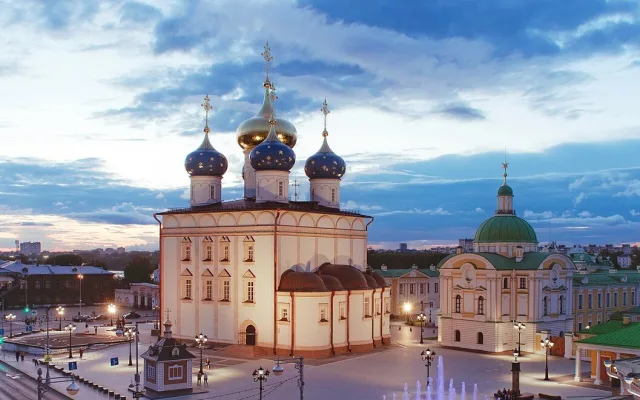
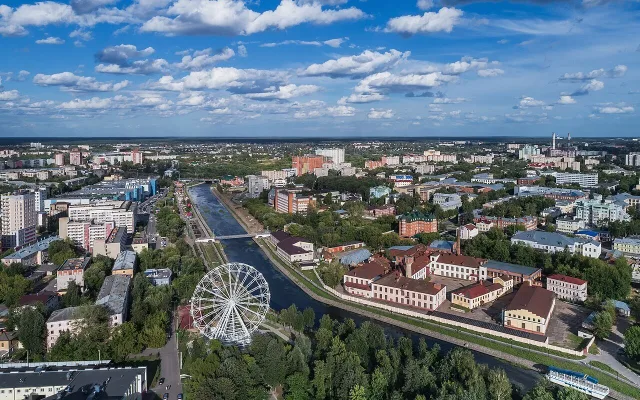
An old Volga city with the Imperial Travel Palace of Catherine the Great and a handsome embankment. A historically important point on the road between Moscow and St Petersburg, with a rich merchant heritage.
Wiki
Tver is a rare case of a city between Moscow and St Petersburg that is worth visiting in its own right rather than merely "on the way": it has an entire historic centre built to a single 18th-century plan, and kilometres of embankments along the Volga. It is easy to come here light and without booking ahead — but it is equally easy to race through the city in three hours and not understand why you came.
Getting there
Tver has no passenger airport; everyone arrives overland.
- From Moscow — from Leningradsky station. The Sapsan high-speed train takes about an hour, the Lastochka fast regional service an hour and a half to two, and an ordinary suburban train longer and noticeably cheaper. The price gap between the Sapsan and the Lastochka is substantial, while the time saved is less than an hour.
- From St Petersburg — the same high-speed trains, taking about four to five hours. Tver is a logical stop if you are breaking the journey between the two capitals over two days.
- Buses from Moscow run frequently, but on the M-11/M-10 highways the timing is unpredictable because of congestion on the way out of the city.
The railway station stands away from the historic centre and it is a long walk — take a bus or a taxi; taxis in Tver are inexpensive.
How many days to allow
One full day is enough for the city itself if you walk and do not linger in museums. Two days are enough to add the Zavolzhye district across the river, the Morozov industrial settlement and a couple of museums without rushing. If you plan excursions to Torzhok or Staritsa, allow three or four days and make Tver your base: accommodation here is cheaper than in the small towns and the transport is more convenient.
Where to stay
- The centre (around Sovetskaya and Tryokhsvyatskaya streets) — the best choice. Everything within walking distance, and busy and well lit in the evening.
- Zavolzhye — across the bridge, quieter and often cheaper, and with the best view of the city from the Afanasy Nikitin embankment. Fifteen to twenty minutes on foot to the centre over the bridge.
- By the station — a choice of budget options, but a dull area and far from the walking routes.
Accommodation costs appreciably less than in Moscow, and on weekdays there are almost always rooms free.
What to see
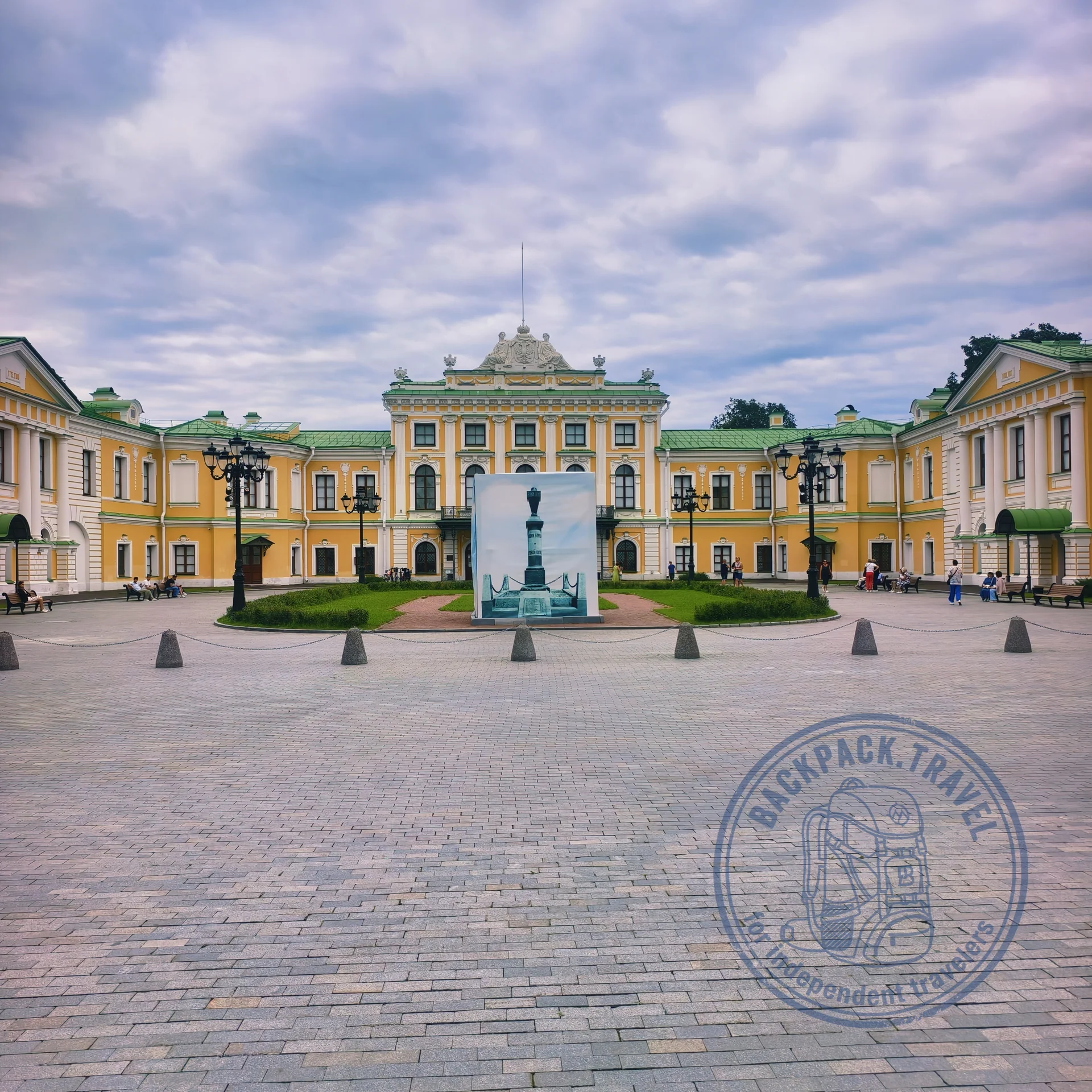
The Imperial Travel Palace is the main point. Built as a stopping place for the imperial family travelling between the two capitals, and later remodelled by the architect Carlo Rossi. Inside is the regional picture gallery, so you get both the interiors and the collection at once. A visit takes a couple of hours, and the surrounding park is free.
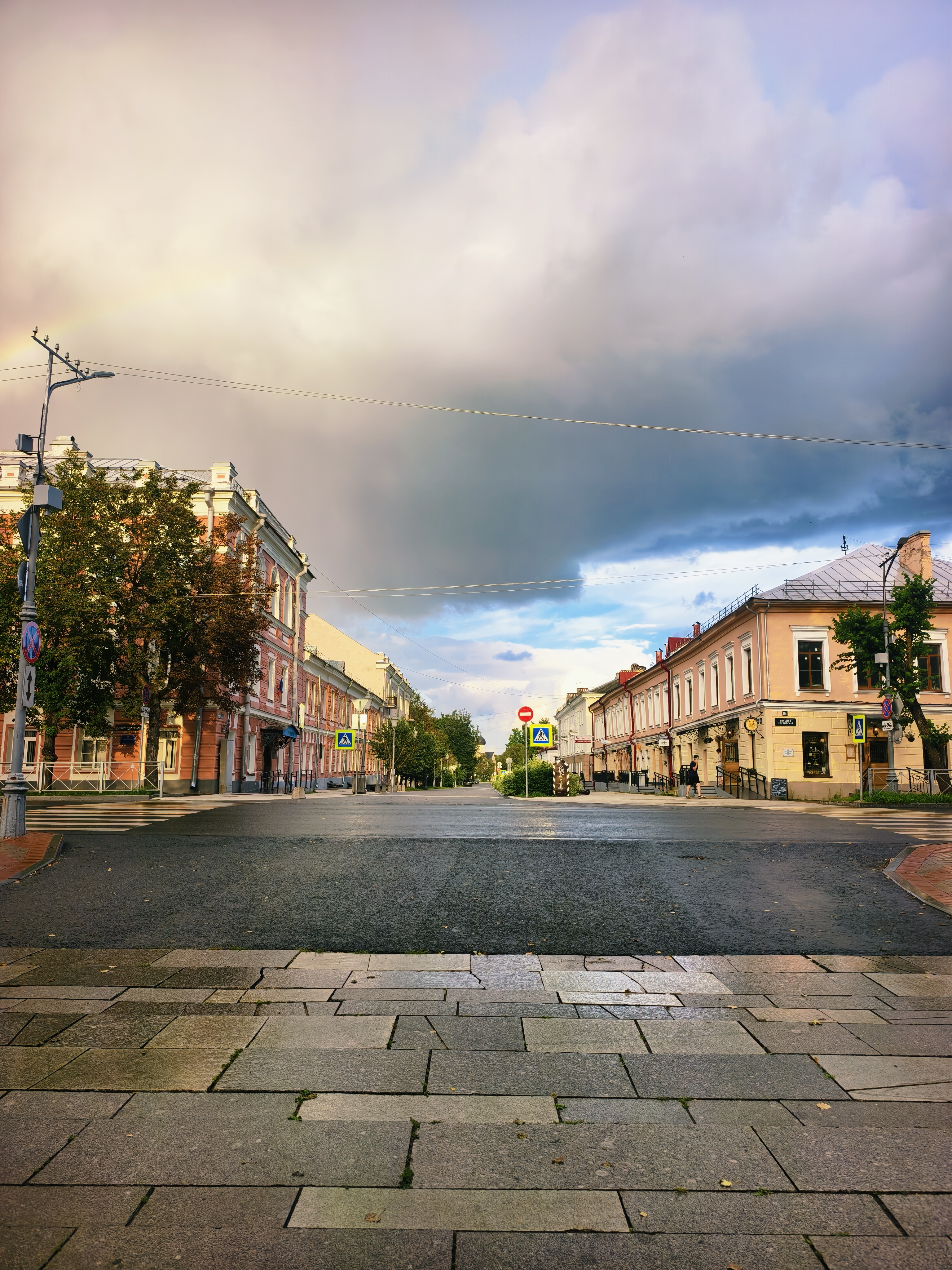
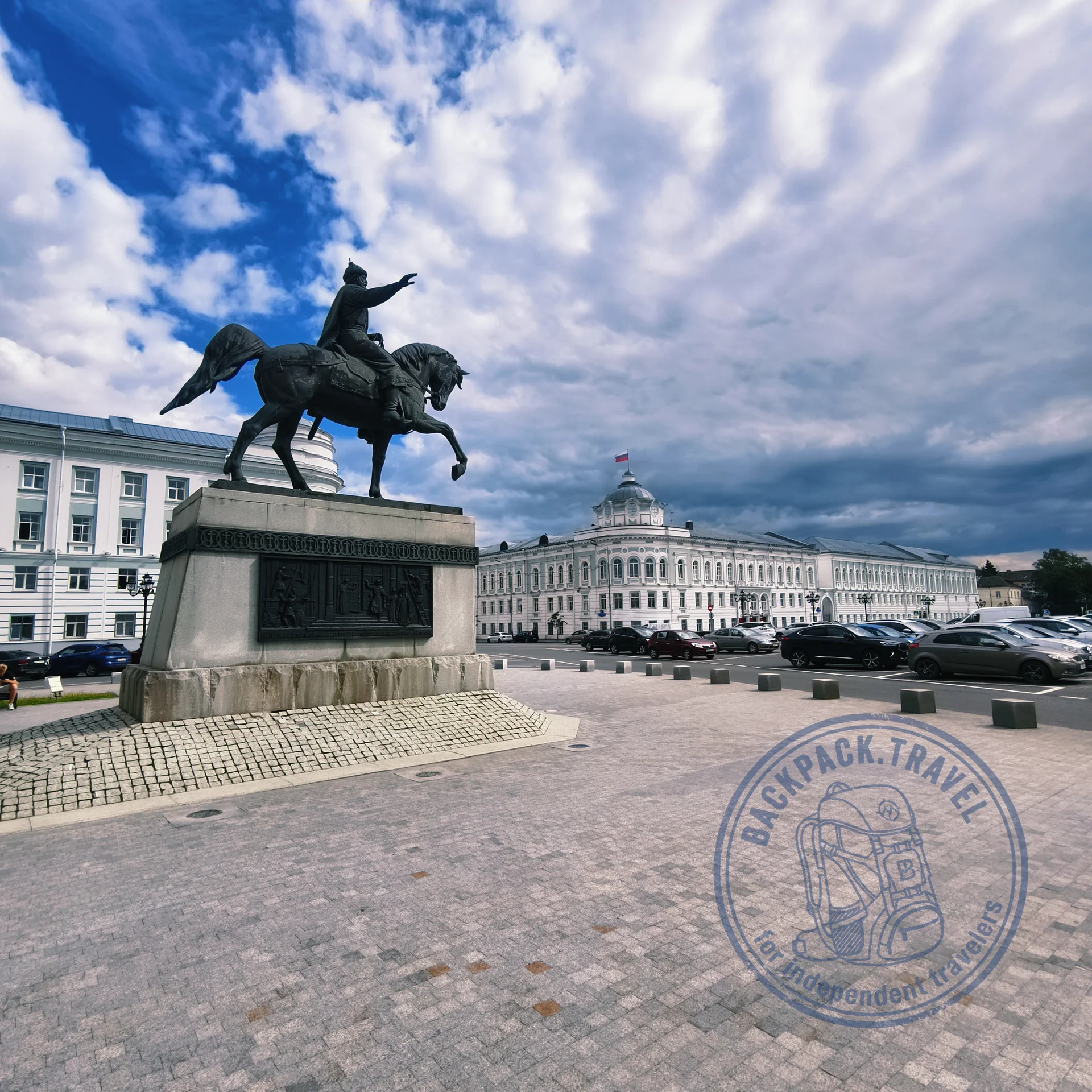
The layout of the centre. After the fire of 1763 Tver was rebuilt to a regular plan, with three avenues radiating from a square. This is not simply "an old centre" but a coherent ensemble of the age of Catherine the Great, and walking through it is more rewarding than working down a list of sights.
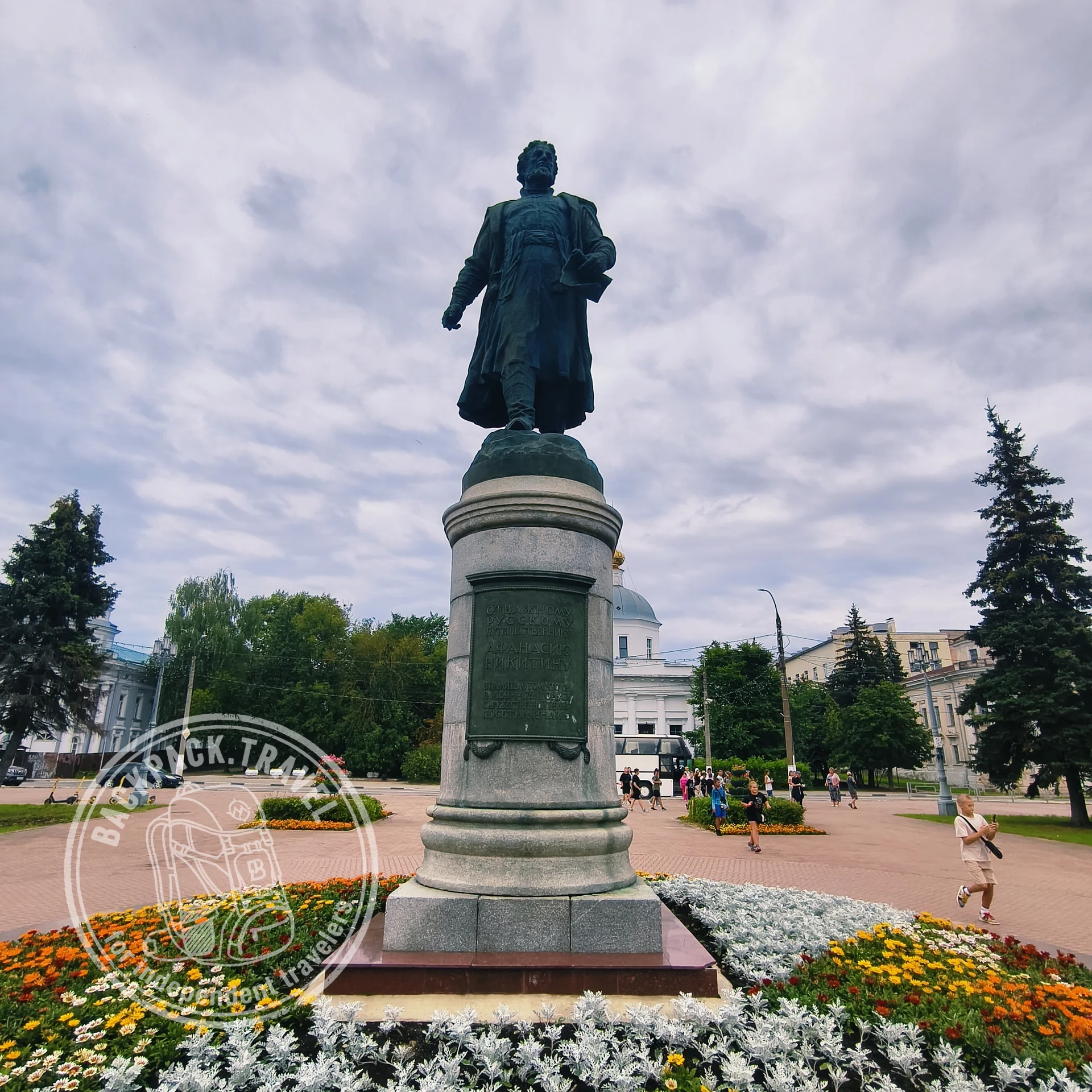
The Stepan Razin embankment — a rare example in Russia of building in a continuous unbroken facade, in the St Petersburg manner. Opposite, across the Volga, is the Afanasy Nikitin embankment with a monument to the Tver merchant who reached India thirty years before Vasco da Gama.
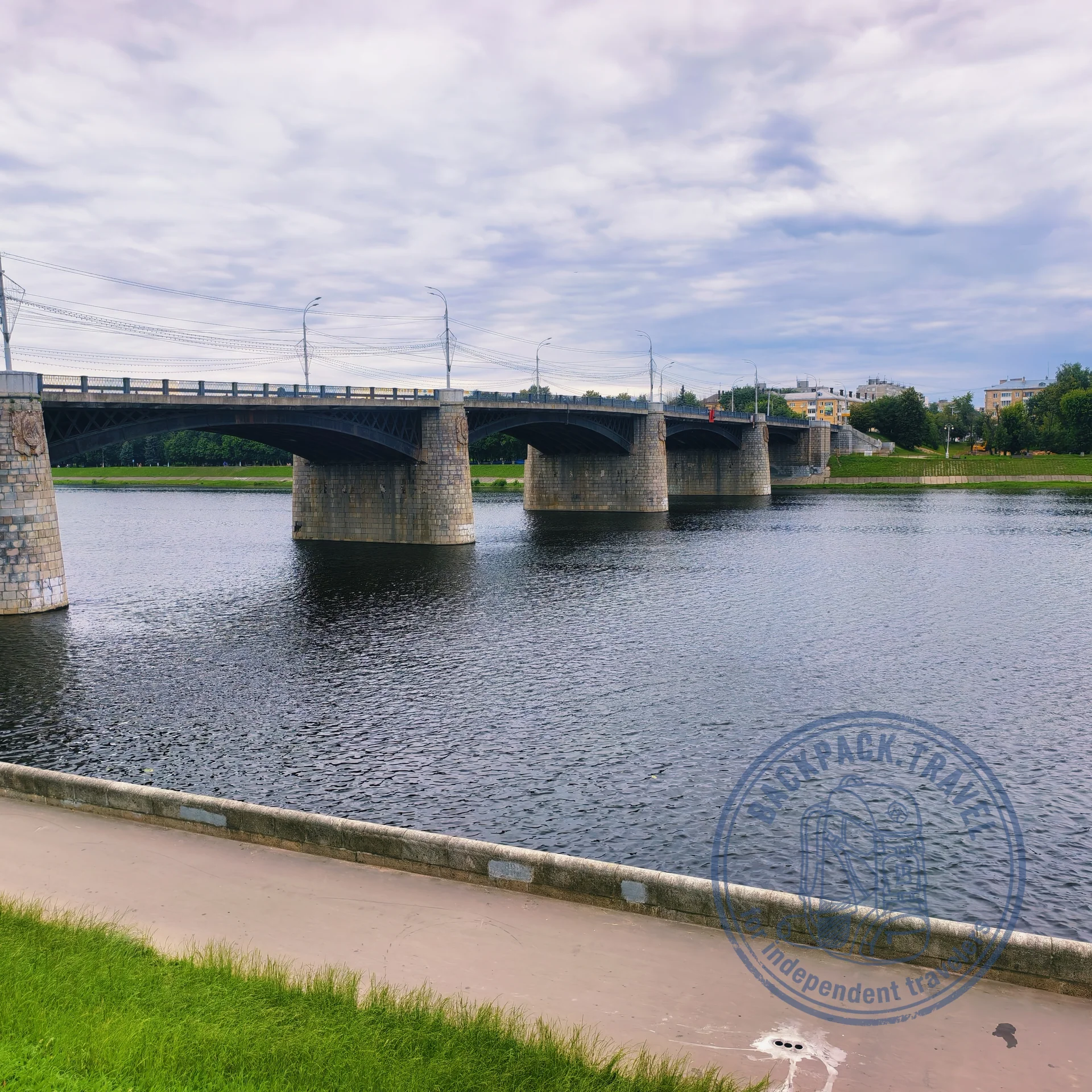
The Old Volga Bridge — a filigree structure of the early 20th century, and the city's most recognisable view. Walk across it in both directions at different times of day.
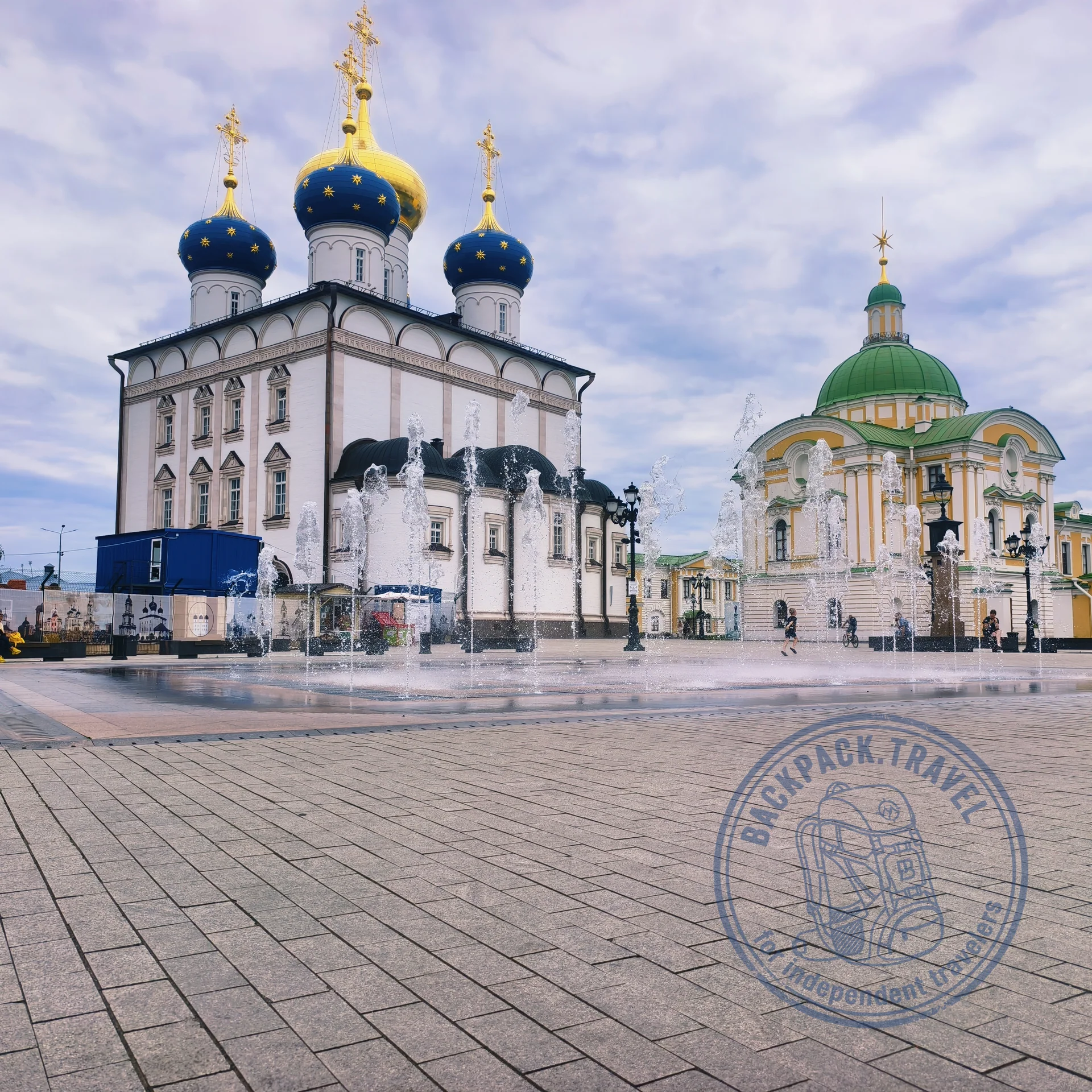
The Church of the White Trinity — the oldest building in Tver, 16th century, and still in use.
Tryokhsvyatskaya — the pedestrian street, the local "Arbat": cafés, street musicians and a monument to Mikhail Krug, a singer of Russian chanson, the country's gritty urban ballad genre, who was born here.
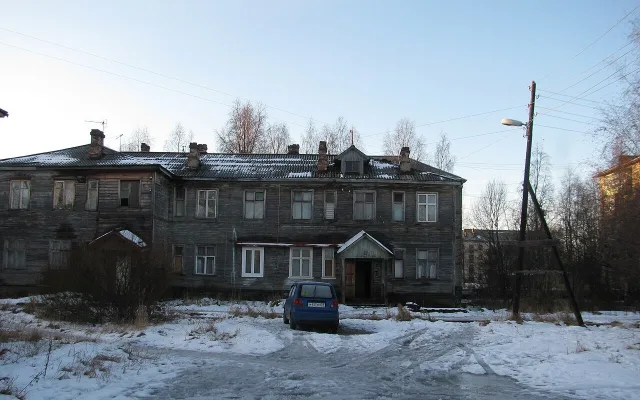
The Morozov settlement (the "Proletarka Yard") — a red-brick workers' town of the late 19th century: barracks-style housing, a school, a theatre and a hospital in one complex. The place is half-abandoned and still inhabited at the same time, and it makes a strong impression, but do not photograph people's windows, and it is better not to go there in the evening.
Among the smaller museums, the Museum of Tver Daily Life and the Goat Museum both work well (the goat is the traditional nickname for the people of Tver, from the local leather trade, and the museum is done with humour).
Getting around the city
Trams and trolleybuses in Tver have been discontinued, leaving buses — there are modern blue vehicles that take card payment. But the truth is that the whole historic centre can be walked in a day: a bus from the station, then your feet. Taxis are cheap and ordered through apps. Bicycles and scooters work well in summer, as the embankments are flat and long.
Food and prices
Tver is appreciably cheaper than Moscow: lunch in an ordinary café, coffee and transport all run about a third below capital prices. The venues are concentrated on Tryokhsvyatskaya and around Sovetskaya.
The region's main gastronomic association is the Pozharsky cutlet, a breadcrumbed minced-chicken patty invented at a coaching inn in Torzhok and celebrated by Pushkin; it is served in Tver too. Look for Volga fish and local bakeries. The easiest savings are on breakfasts (take accommodation with a kitchen) and on snacks in canteens — there are several in the centre and the quality is fine.
When to go
The best time is May to September: this is a city about embankments and walking, and that works less well in winter. July and August are warmest, and there are river cruises on the Volga. September is the happy medium: few people, decent weather. The worst times are November and early April: slush and grey skies make walking impossible, and without walking Tver loses its point.
Day trips
- Torzhok (about an hour by bus or suburban train) — the Borisoglebsky Monastery, the steep banks of the Tvertsa and the local craft of gold embroidery. Probably the strongest trip out of Tver.
- Staritsa — a small Volga town with a monastery and old limestone quarries.
- Vasilyovo near Torzhok — a museum of wooden architecture with an arched bridge built of boulders.
- Lake Seliger and Ostashkov — further out, not worth a day trip; only with an overnight stay.
Mistakes to avoid
- Coming for a single day from Moscow. You will manage the palace and Tryokhsvyatskaya and miss the embankments and Zavolzhye — which are the city.
- Looking for a kremlin. Tver's kremlin has not survived; there is a park where it stood. Do not waste time searching.
- Staying on the right bank only. The classic view of Tver is precisely from the far side of the Volga.
- Arriving with no plan for the evening. Nightlife is modest, everything alive is on Tryokhsvyatskaya and the embankments, and venues close early.
- Expecting a "museum" city. Tver works through its environment and its scale rather than the number of attractions: walking matters more here than ticking off points.