Description
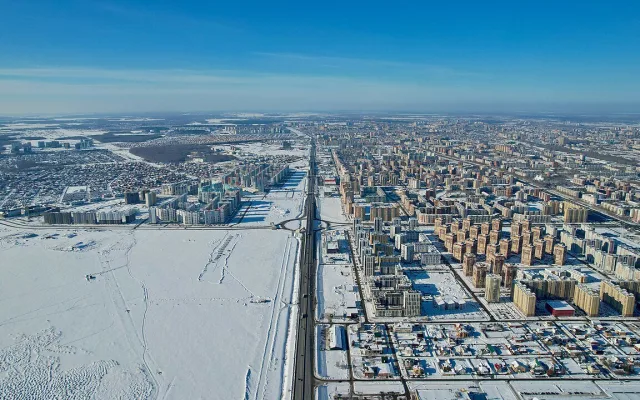
The first Russian town in Siberia, founded in 1586, and today a business centre of the oil region. A handsome embankment on the Tura River, a rich merchant heritage and a growing urban culture.
Wiki
Tyumen, in Western Siberia, is often passed through in transit on the way to Tobolsk or the Urals — and that is a pity: it is a compact, clean and surprisingly comfortable city where you can happily spend a couple of days. On top of that there are hot springs open all year round, which in Siberia is an argument in itself.
Why come here
Tyumen was the first Russian town in Siberia (founded in 1586), but do not expect ancient kremlins: the city is almost entirely "new", built up on oil money. Its value lies elsewhere:
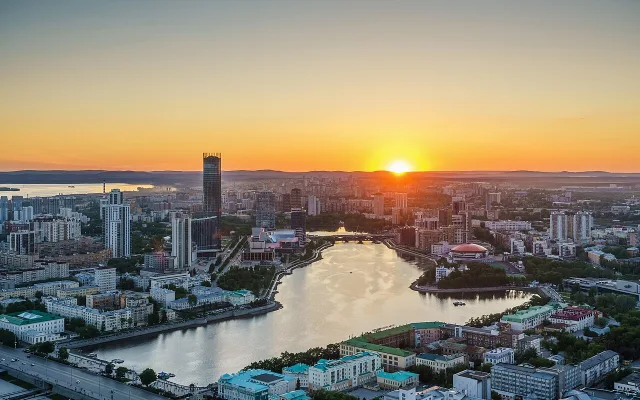
- The Tura embankment — a multi-level waterfront with granite terraces and staircases running down to the water. The city's main promenade, especially in the evening when it is lit up.
- The Lovers' Bridge — a cable-stayed pedestrian bridge over the Tura, linking the embankment with the far bank.
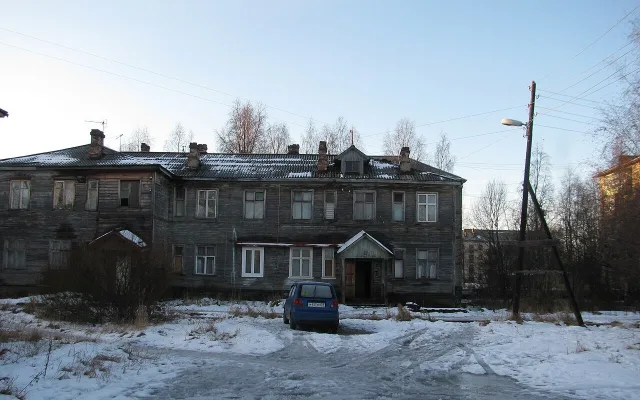
- Merchant woodcarving — carved window surrounds on the old houses in the centre, around Dzerzhinsky and Respubliki streets. There are few complete blocks left, but individual houses are impressive.
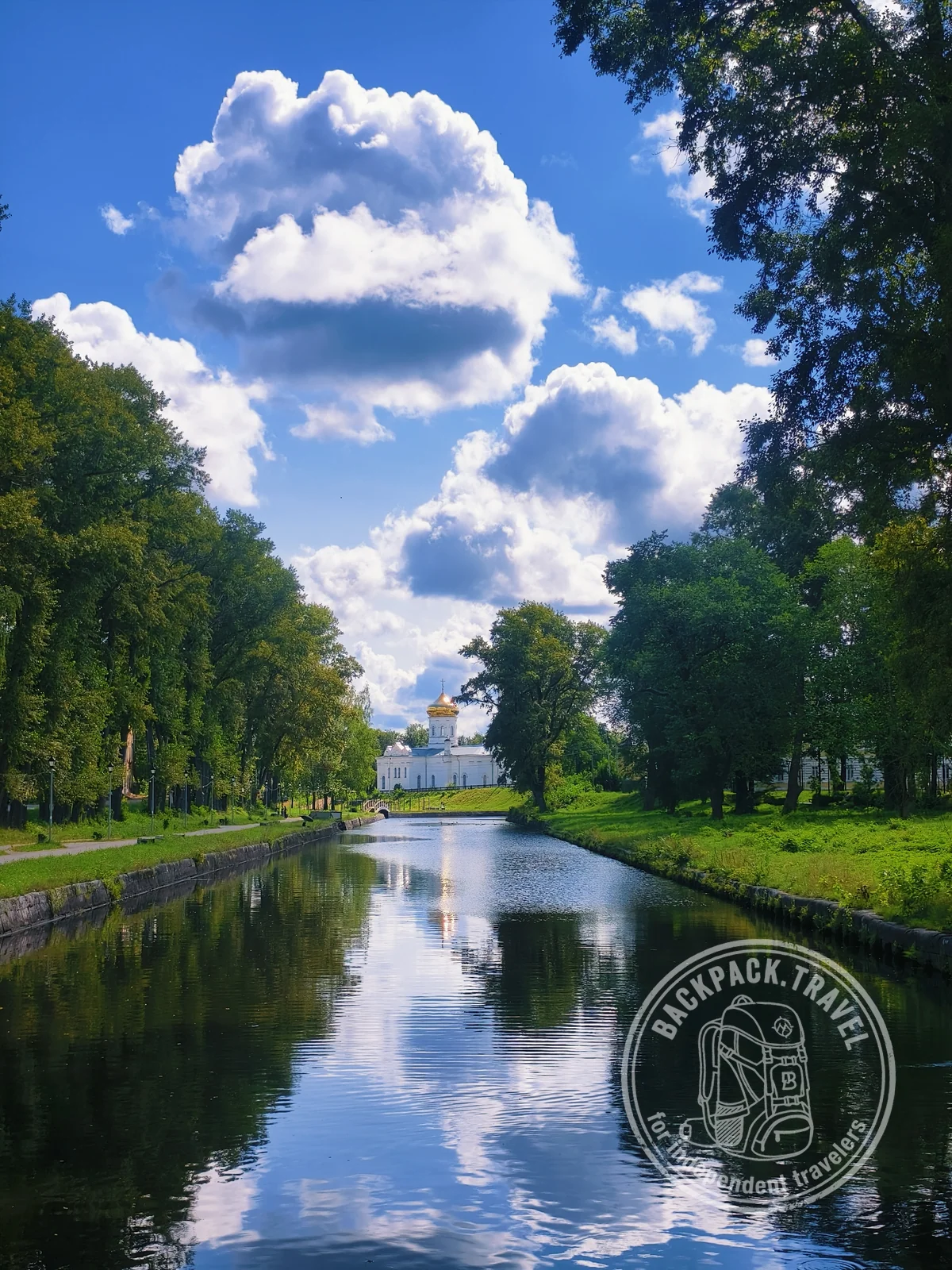
- The Holy Trinity Monastery — the oldest architectural ensemble in the city, on the riverbank.
- Tsvetnoy Boulevard — the central pedestrian zone, with fountains and the circus.
- The hot thermal springs — the main local speciality, and what many people come for.
If you are heading for Tobolsk (which does have a genuine stone kremlin), Tyumen is the logical base and interchange point.
How many days to allow
A day and a half to two days for the city itself, with something in hand. One day covers the centre, the embankment and the museums; the second is best given to the springs or to a trip to Tobolsk (a separate excursion taking a full day). Three days if you want both without rushing.
Getting there and getting around
Roshchino Airport is not far from the city, and you can reach the centre by city bus or taxi — the distance is short and the ride quick. The railway station is practically in the city, which is convenient: Tyumen is on the Trans-Siberian Railway, with trains running in both directions, to Yekaterinburg and onwards to the east.
There are both trains and buses to Tobolsk; the train is usually more comfortable, but the station there is a fair way from the kremlin, so allow time for the journey in from the station.
Within the city:
- On foot — the centre is compact, and it is an easy walk from the embankment to Tsvetnoy Boulevard.
- Buses — the main form of transport; card payment works and the routes show up in navigation apps.
- Taxis — inexpensive by big-city standards, and useful in the evening and for trips out to the springs.
There is no metro and none is planned.
Where to stay
Stick to the centre: the area around Respubliki and Lenina streets and Tsvetnoy Boulevard. Everything is within walking distance from here, and it is safe and lively in the evening. Accommodation prices are noticeably lower than in Moscow and St Petersburg, and a mid-range budget gets you a decent room or flat.
The area by the railway station is an option for a short stopover, but it is still a walk from there to the embankment.
The residential districts across the river are cheaper, but the saving does not repay the travel time — the city is too small to justify staying on the outskirts.
The thermal springs
The key point: almost all the springs are outside the city, within a drive or a taxi ride. They are natural hot mineral water in open-air pools, and they operate all year round.
What to understand:
- Winter is when they are at their best: sitting in hot water in a hard frost is the great local attraction.
- Bring a hat (your head gets cold in the open air), flip-flops and a towel — on site these are either expensive or for hire.
- Entry is usually in timed sessions, and it is busy at weekends — check the schedule in advance.
- Do not sit in the water for hours: hot mineralised water puts a strain on the heart.
When to go
- June–August — warm, the embankment is in full swing, and it stays light late. Peak comfort.
- December–February — hard Siberian frosts, but this is exactly when the springs come into their own. You need proper winter gear, not a "city" jacket.
- May and September — acceptable, fewer people, weather a lottery.
- April and November — the slushy shoulder season, the worst choice.
Food and prices
Tyumen is a city with money, and its restaurant scene is well developed for its size: plenty of modern places with decent cooking. At the same time prices are noticeably lower than in the capital — you really can eat well here without spending much.
What to look for:
- Siberian pelmeni — the local classic; look for places that make them by hand.
- River fish — muksun, nelma, whitefish: served as stroganina (shavings of frozen raw fish), lightly salted, or baked. Expensive, but it is something you will not taste in the European part of the country.
- Wild-harvested foods — lingonberries, cranberries, pine nuts and mushrooms, used in sauces, infusions and desserts.
Ways to save: set-price business lunches on weekday afternoons, Soviet-style canteens (there are plenty and they are honest value), and the markets for nuts and berries.
Safety and practicalities
The city is calm and the centre is fine in the evening. Standard vigilance around the railway station and in late-night venues, and that is all.
The real risks here are climatic: in winter frost plus wind works fast, and you need proper boots and mittens rather than gloves. In summer, mosquitoes and biting midges are active outside town and near water — repellent is essential, especially if you are heading into the countryside or out to the springs.
Common mistakes
- Expecting "ancient Siberia". Tyumen is a modern city. For historic fabric, go to Tobolsk.
- Stopping for half a day in transit. You will manage the embankment and no more. The springs require a dedicated visit.
- Going to the springs without a plan. They are out of town and need to be reached deliberately, not "looked in on along the way".
- Underestimating winter. The frosts here are the real thing, and light clothing will ruin the trip.
- Ignoring Tobolsk. If you have a spare day, it is the best thing you can do out of Tyumen.