 Города и дороги
Description
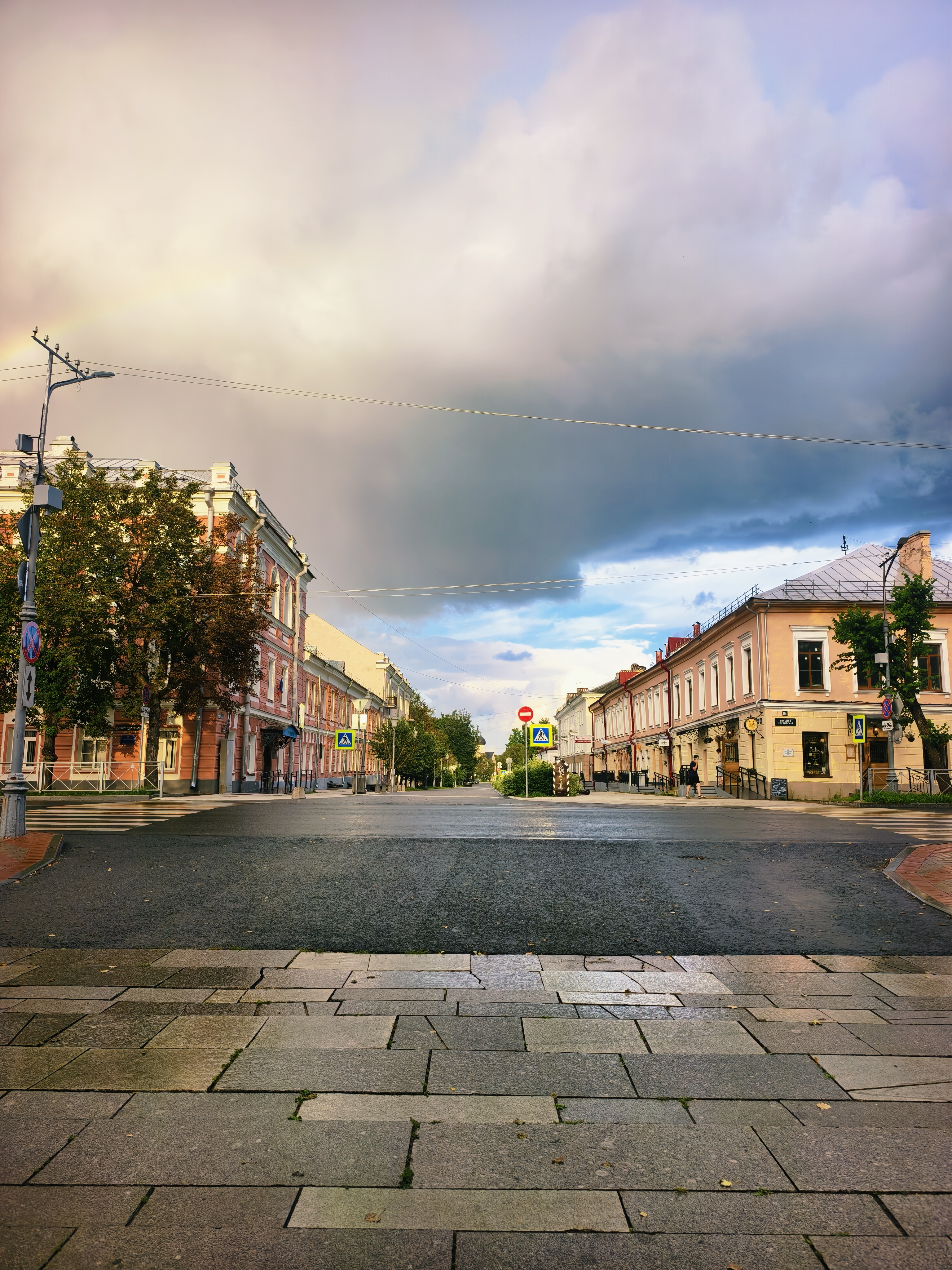
The ancient capital of medieval Rus and Russia's first republic, governed by a popular assembly. A kremlin with UNESCO-listed white-stone churches, and Yaroslav's Court with its old trading rows.
Wiki
Veliky Novgorod, in north-western Russia between Moscow and St Petersburg, is one of the few Russian cities where the Middle Ages survive not as reconstruction but in the original: pre-Mongol churches, 14th-century frescoes and trading rows stand where they always stood. The city is small and very walkable, which makes it ideal for an independent trip: no car, no guide, no logistical complications.
Getting there
The city has no airport, so there is one option: overland.
- From St Petersburg — the most convenient approach. The Lastochka fast regional train takes about three hours, and there are buses from metro stations in the south of the city. A day trip is feasible, but an overnight stay is better.
- From Moscow — the night train, arriving early in the morning, which saves a night in a hotel. The alternative is the Sapsan high-speed train to Chudovo and a change to a local train or bus.
- The railway and bus stations are next to each other, about fifteen minutes' walk from the kremlin. Taxis in the city are cheap, but usually simply unnecessary.
How many days to allow
Two full days is the optimum. The first comfortably covers the kremlin and Yaroslav's Court, the second St George's Monastery, Vitoslavlitsy and the shore of Lake Ilmen. One day is physically possible, but then you will only see the centre and miss the most atmospheric parts. Three days make sense if you want to visit the outlying churches with their frescoes and Rurik's Hillfort without rushing.
What to see
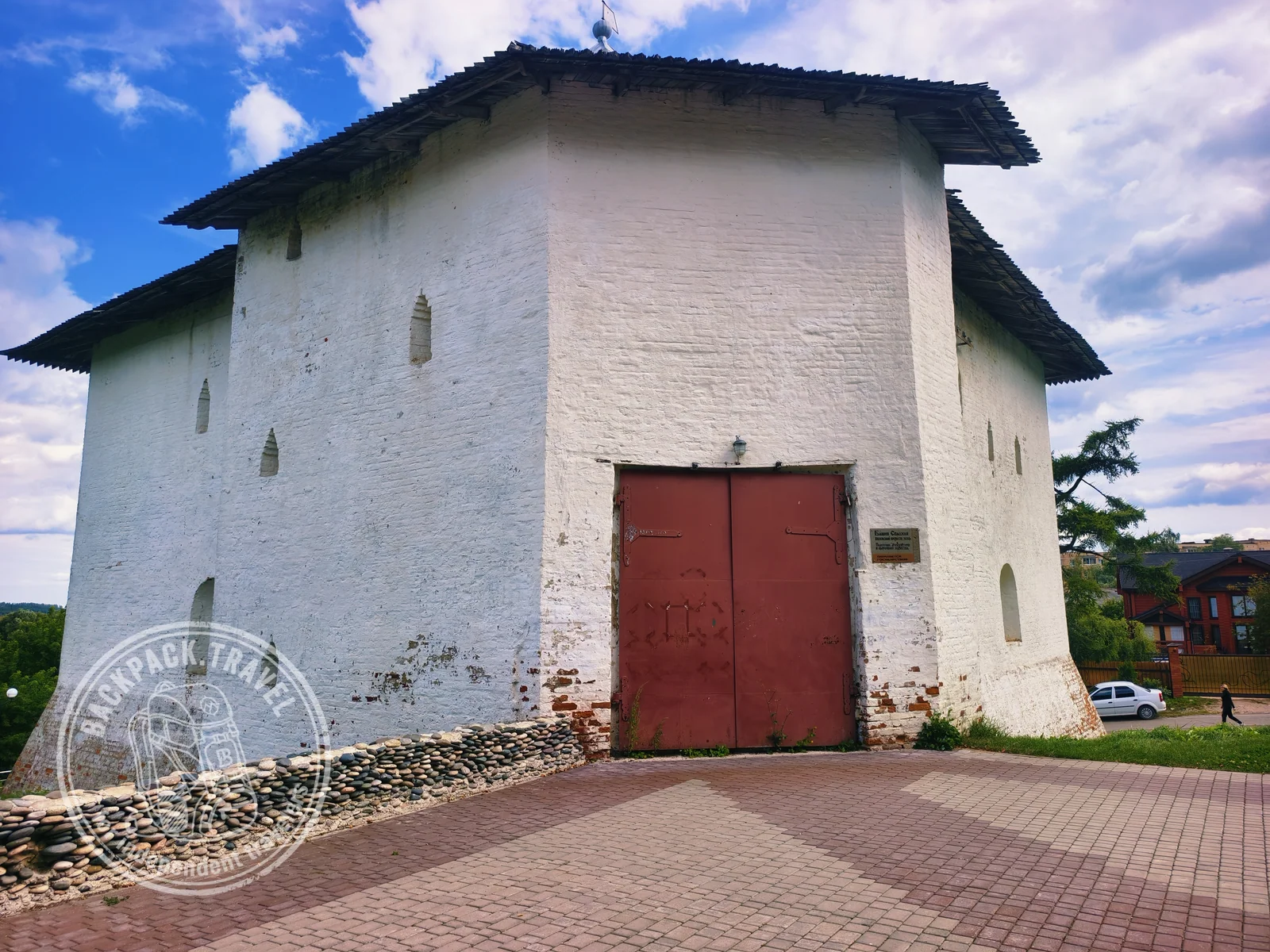
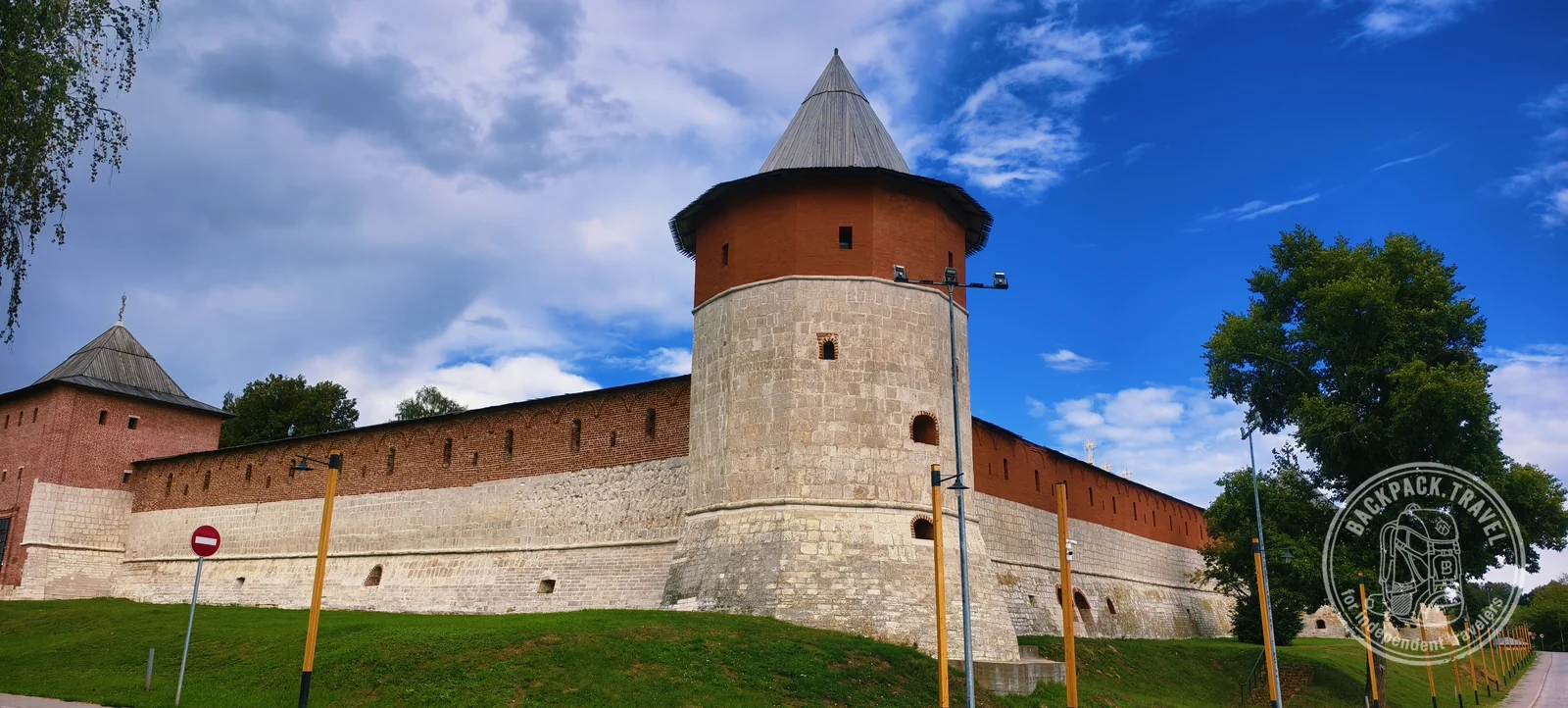
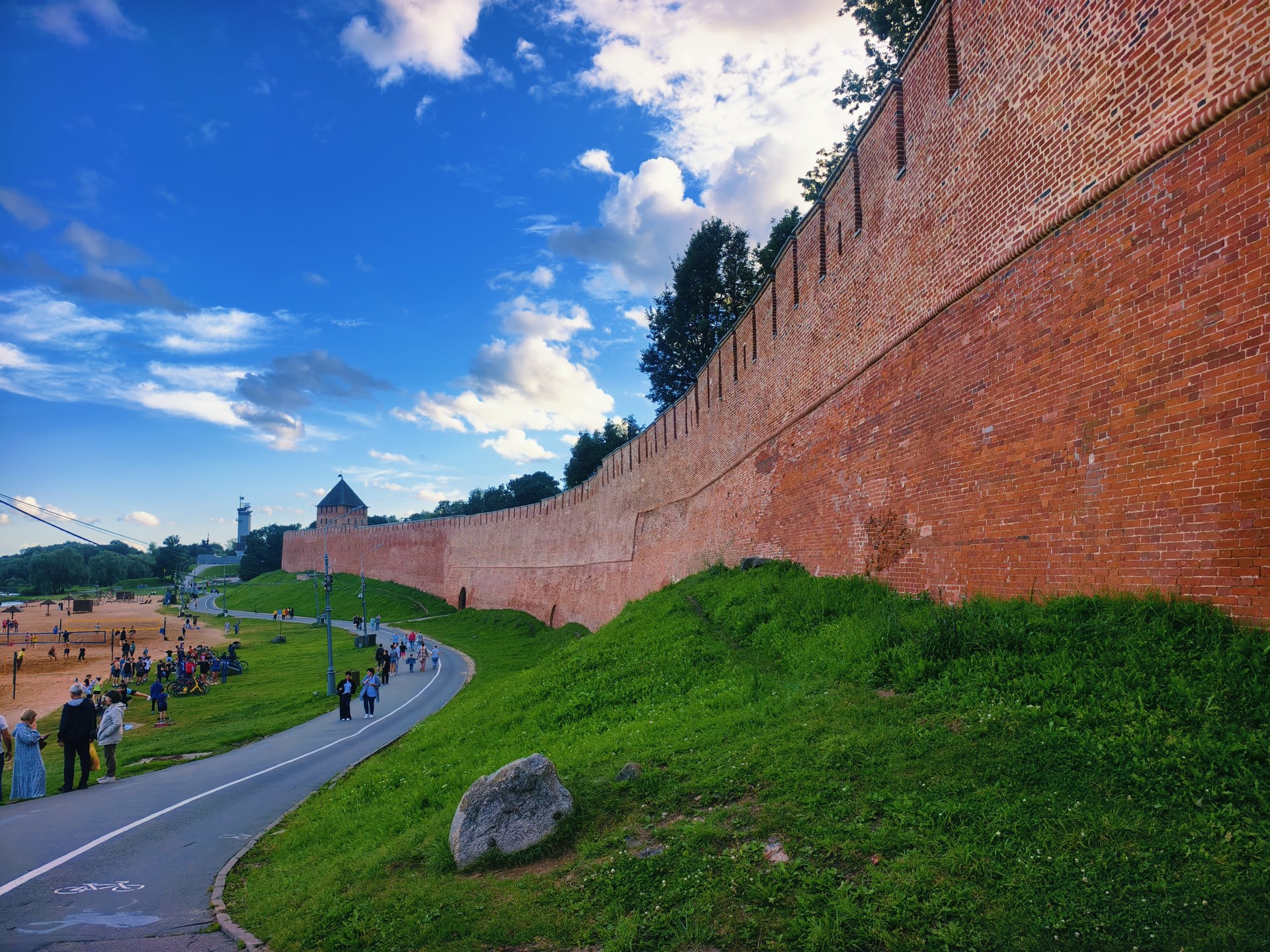
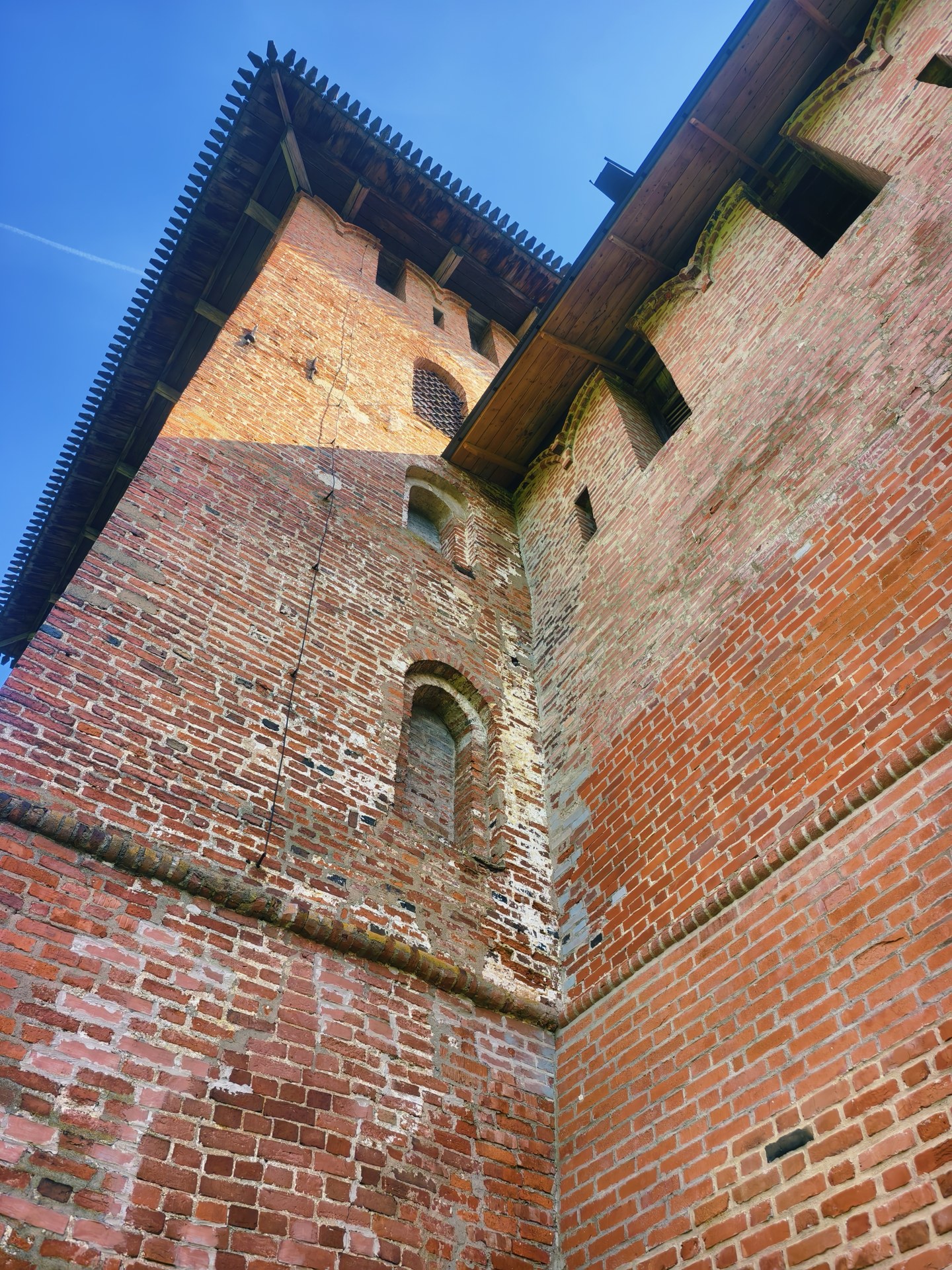
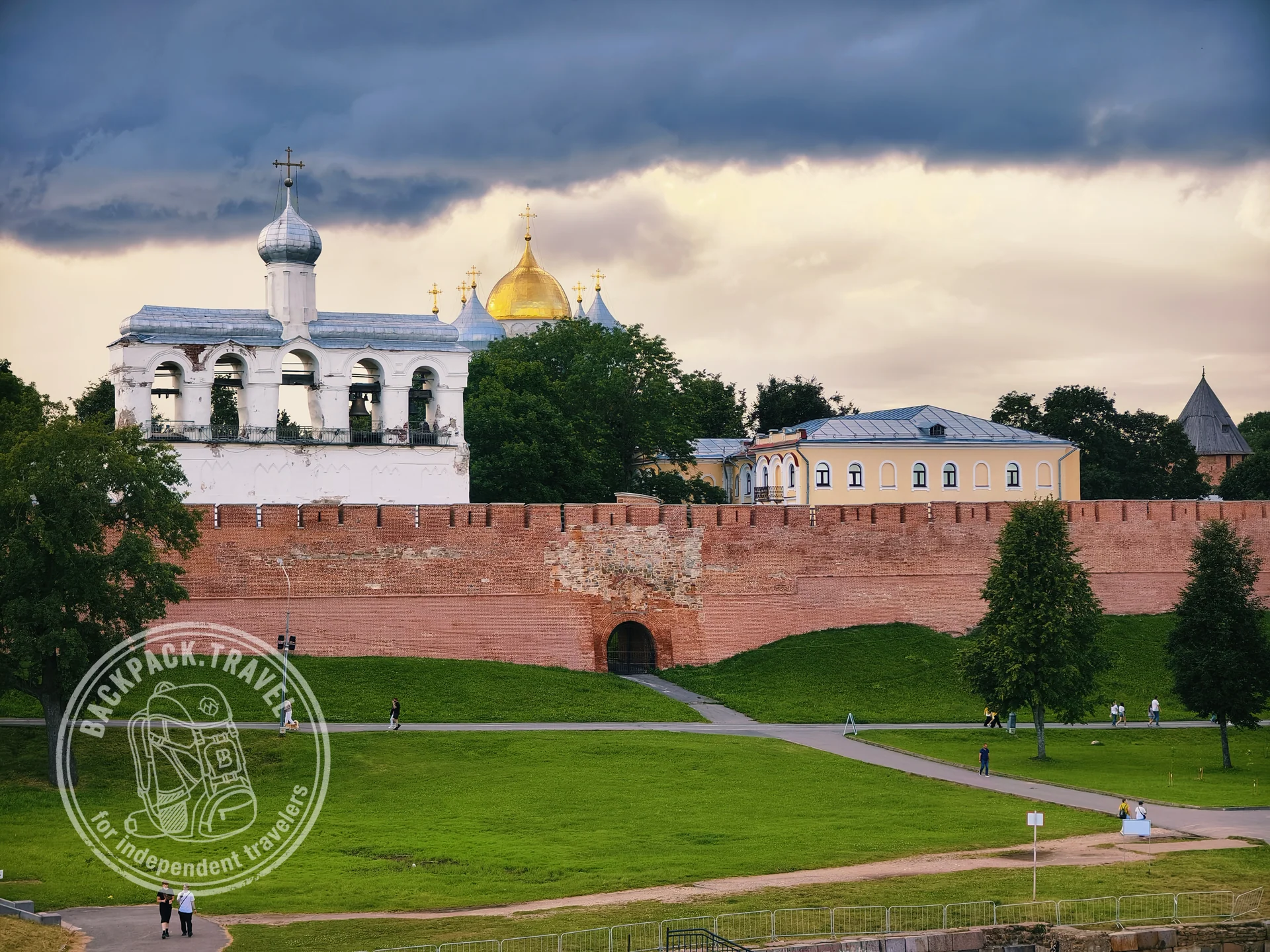
The kremlin (the Detinets). A kremlin is the fortified citadel at the heart of an old Russian town, and in Novgorod it is called the Detinets. Entry to the grounds is free; the museums and the walls are paid. Inside: St Sophia's Cathedral of the 11th century (the oldest surviving stone building in Russia), the belfry, and the "Millennium of Russia" monument with figures of almost every key personality in Russian history — a handy way to refresh the chronology quickly. It is worth climbing the Kokuy Tower for the view over the bend of the Volkhov River.
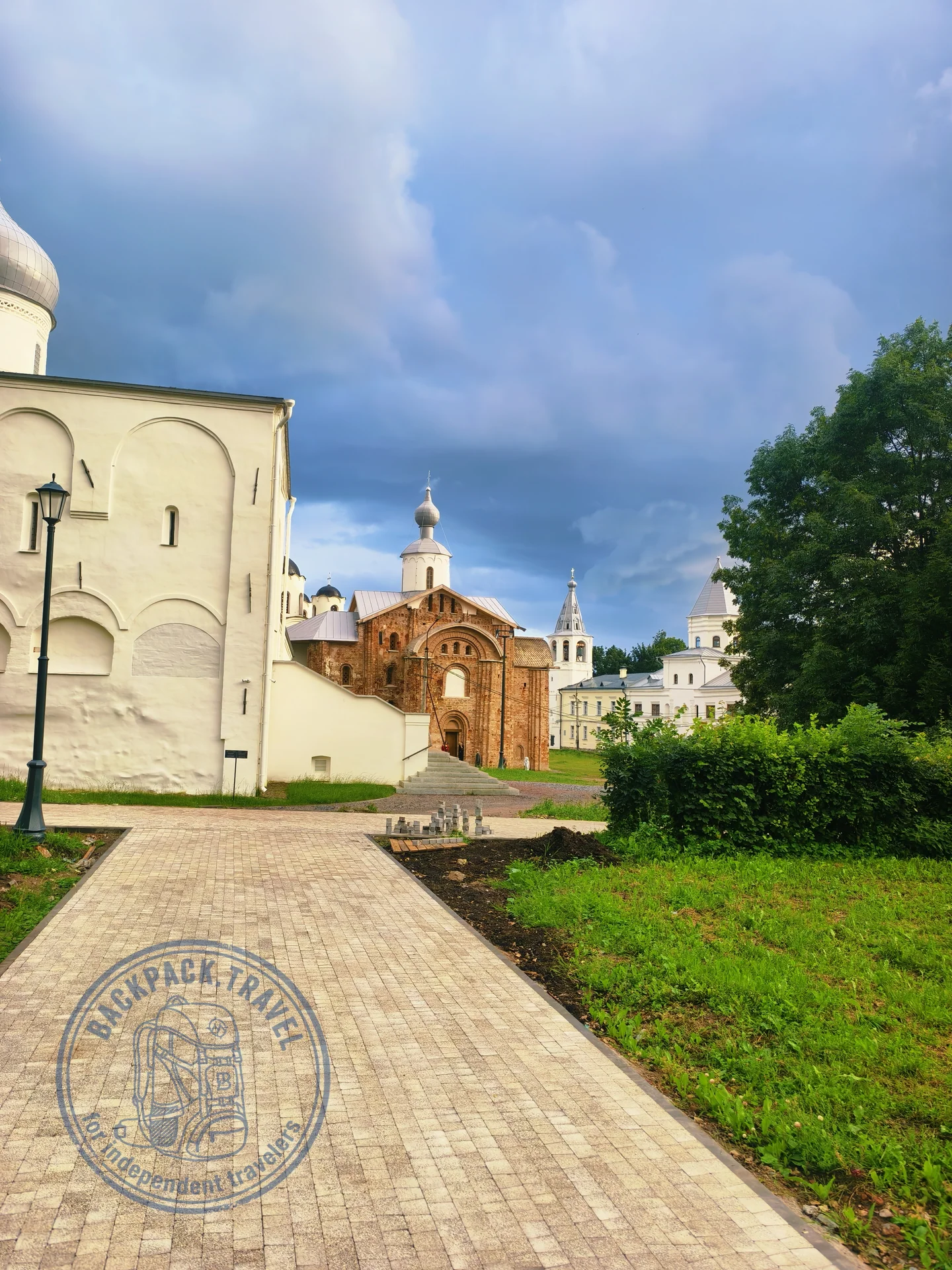
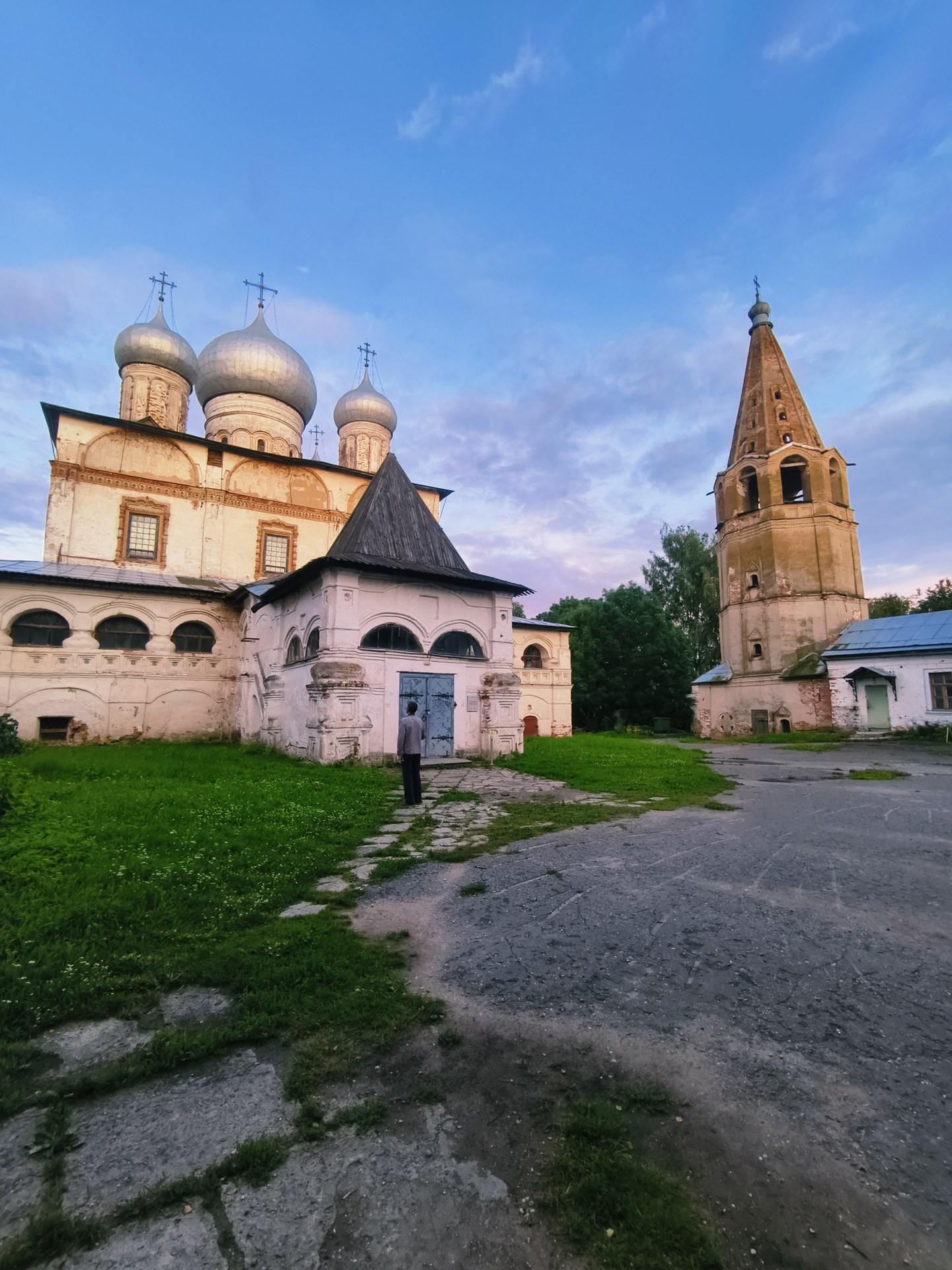
Yaroslav's Court. Across the footbridge, on the Trade Side. The arcade of the former merchants' court and a dense scattering of merchant churches — they were built by competing trading guilds, which is why so many are packed into one small area. This is where you feel most strongly that Novgorod was not a princes' capital but a city of merchants and of the veche, the popular assembly that elected the city's officials and made it a republic.
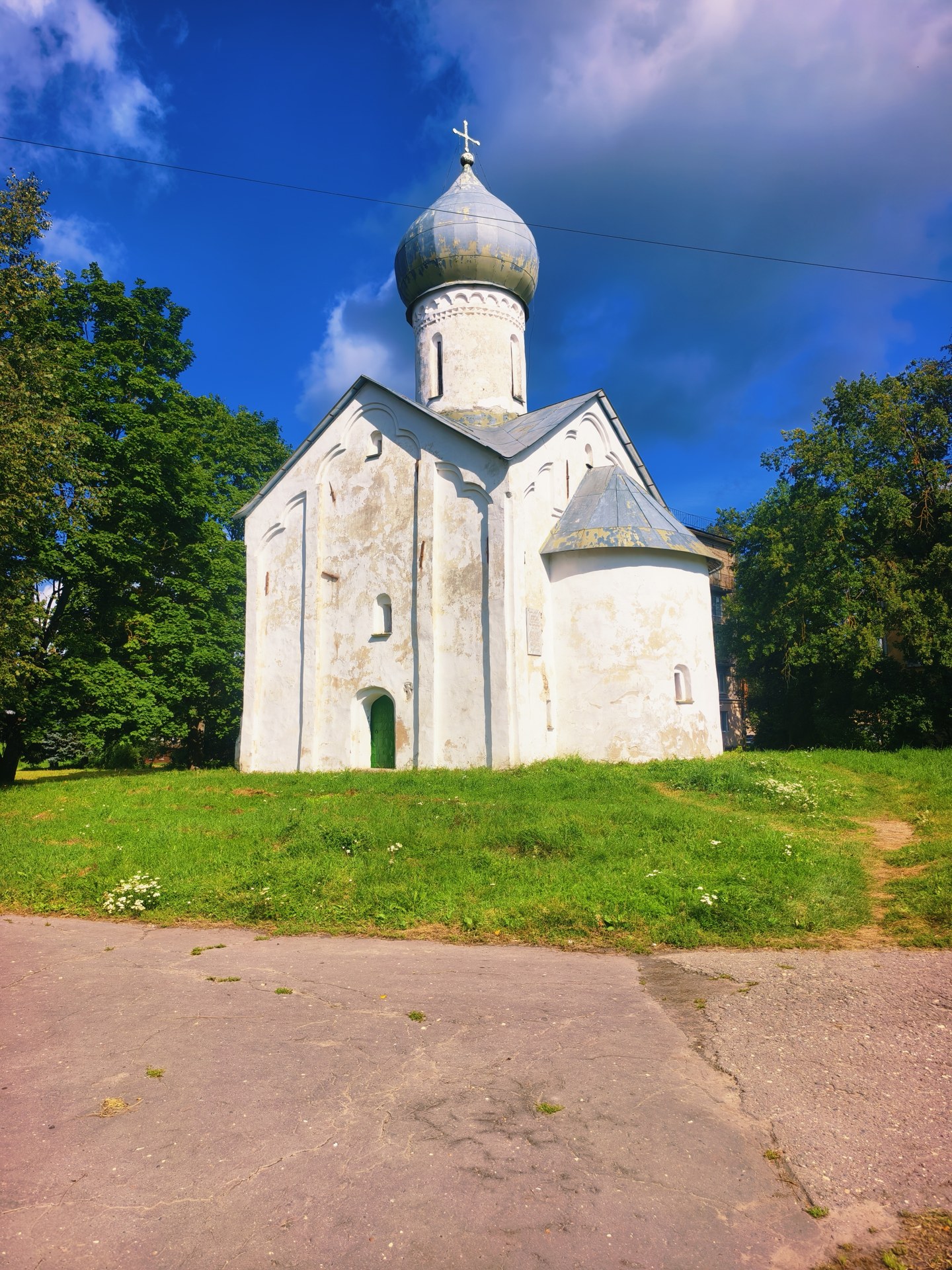
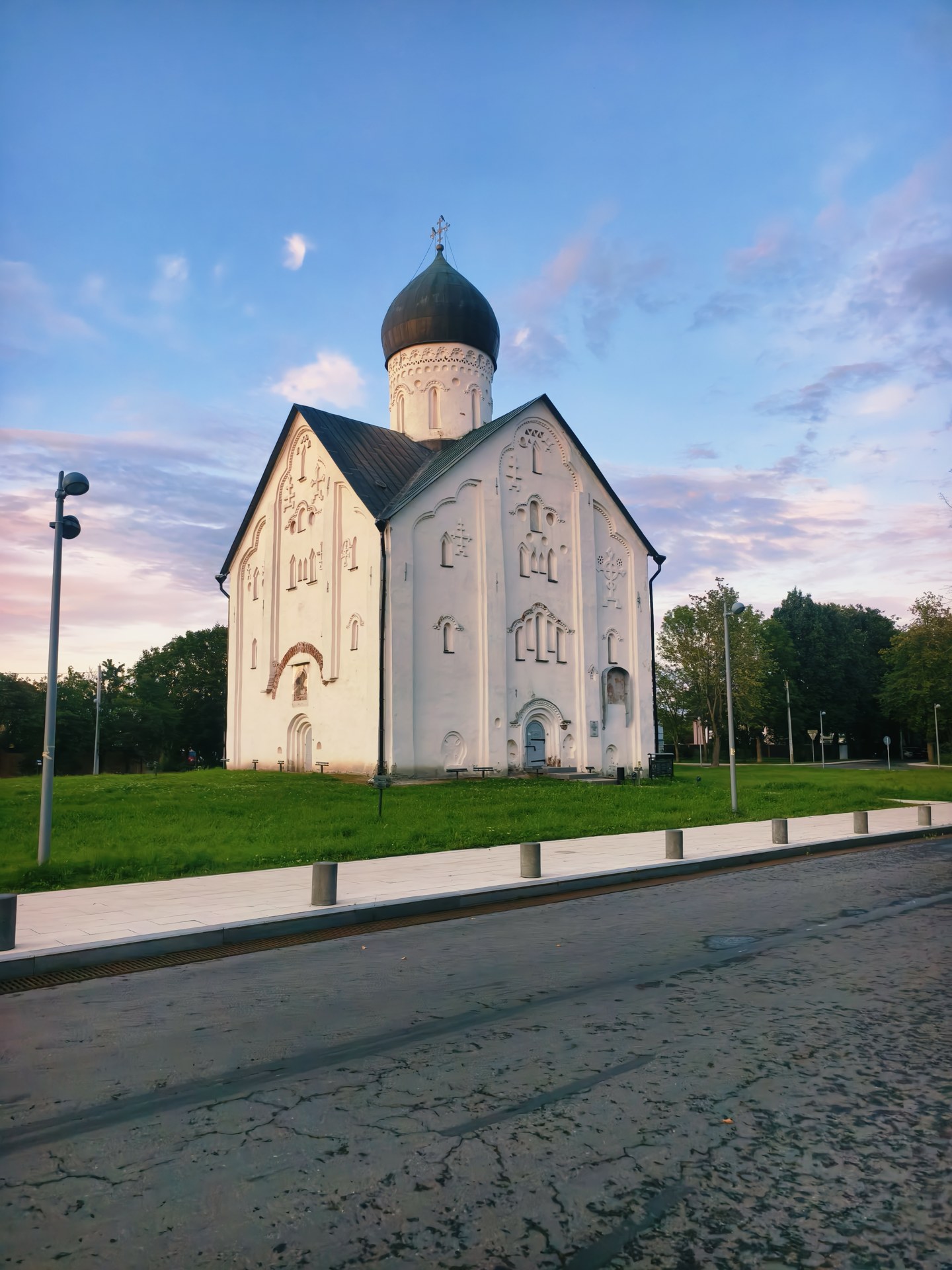
The frescoes. The main argument for coming here rather than "just looking at a kremlin": the Church of the Transfiguration on Ilyina Street, with paintings by Theophanes the Greek, and the Church of St Theodore Stratelates on the Brook. An important practical point — the monument churches holding wall paintings are closed in damp and cold weather, and in winter they are most often inaccessible. Plan them for the warm season and check locally.
The surroundings. St George's (Yuriev) Monastery on the bank of the Volkhov near Lake Ilmen, and next to it the Vitoslavlitsy museum of wooden architecture — log houses, chapels and windmills brought in from across the region. A city bus goes there, about twenty minutes. On the way is Rurik's Hillfort, the ruined site of the residence of the first princes; there is not much to see, but the spot is beautiful and empty.
Getting around
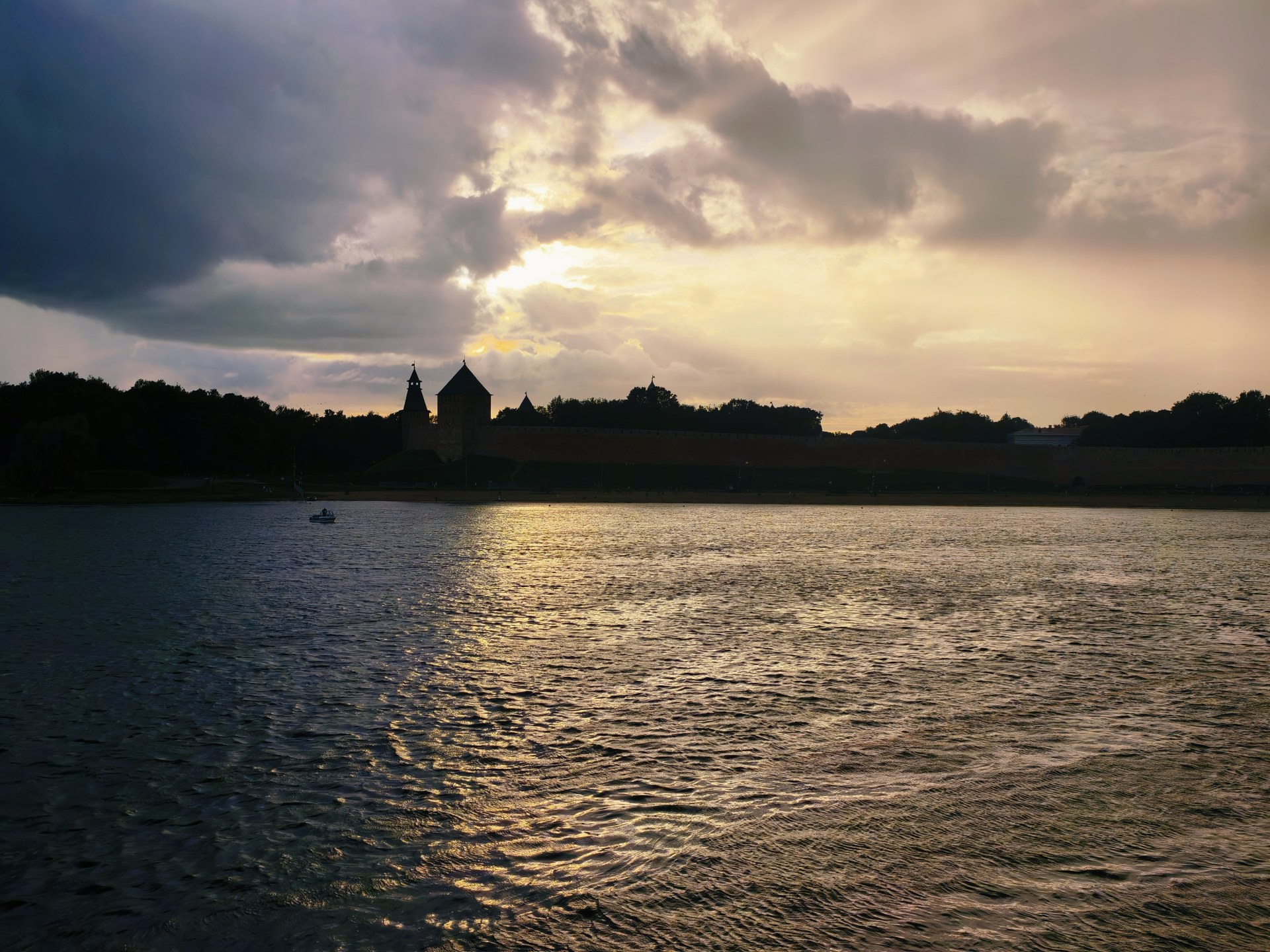
The centre can be walked in its entirety: ten minutes from the kremlin to Yaroslav's Court across the bridge. Buses are only needed to get out to Yuriev and Vitoslavlitsy. In summer there are bicycles and scooters for hire — along the ramparts and the embankments this is the most pleasant way to travel. Pleasure boats run from the landing by the kremlin along the Volkhov towards Lake Ilmen: an hour to an hour and a half shows you all the water around the city.
Where to stay
- The Sofia Side, by the kremlin — maximum convenience, everything within walking distance, more expensive.
- The Trade Side — quieter, cheaper, and walkable to the centre across the bridge; a good compromise.
- By the station — the most budget option, and still not far from the kremlin.
There are plenty of hostels and small hotels, but for the early-May public holidays and in July it is worth booking ahead, as the stock of rooms is small.
When to go
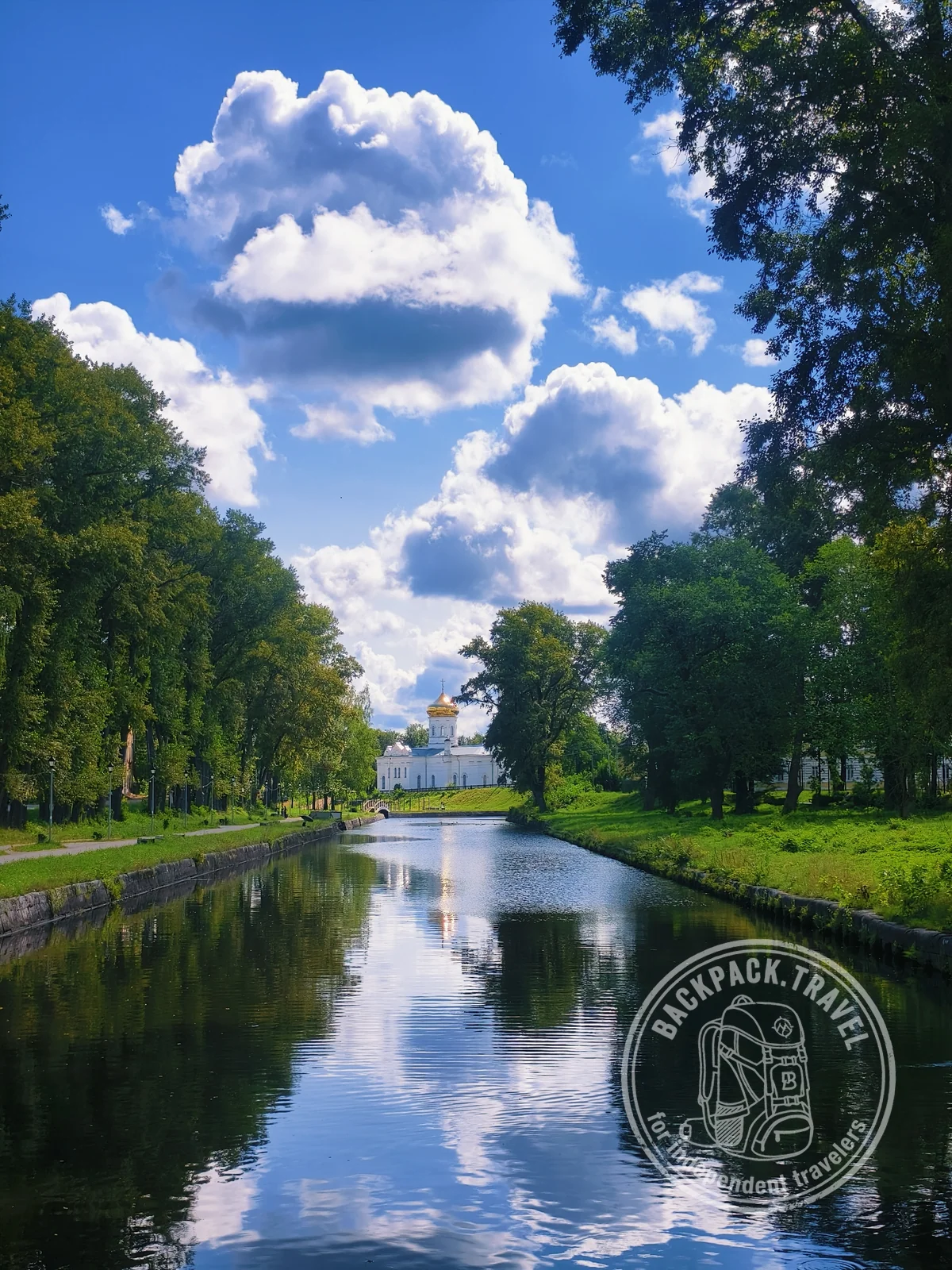
May to September. In June it is light almost round the clock, and evening walks along the ramparts are an experience in themselves. September is good for the absence of crowds. Winter is cold and damp and some churches are closed, though the kremlin looks striking in snow. The rainy shoulder seasons are the worst choice, precisely because the frescoes are inaccessible.
Food and prices
By Russian standards the city is inexpensive: lunch in an average café costs noticeably less than in St Petersburg. The local themes are fish from Lake Ilmen (pike-perch, bream) and medovukha, a light honey mead sold everywhere, though the quality varies. Venues cluster around the kremlin and on the Trade Side; a little away from the tourist spots prices drop appreciably.
Where to save
- A combined museum ticket is better value than single ones if you plan more than two sites.
- The night train from Moscow saves a hotel night.
- The kremlin grounds, the ramparts, the embankments and viewing the churches from outside are all free — half the impressions cost nothing.
Common mistakes
Coming for a day and seeing only the kremlin — that leaves the city as a set of walls. Not checking the weather before setting out for the frescoes. Counting on late dining: much closes early. And one more: do not confuse it with Nizhny Novgorod when buying tickets — a surprisingly common error. There are practically no crime risks, and walking the centre in the evening is fine.