Description
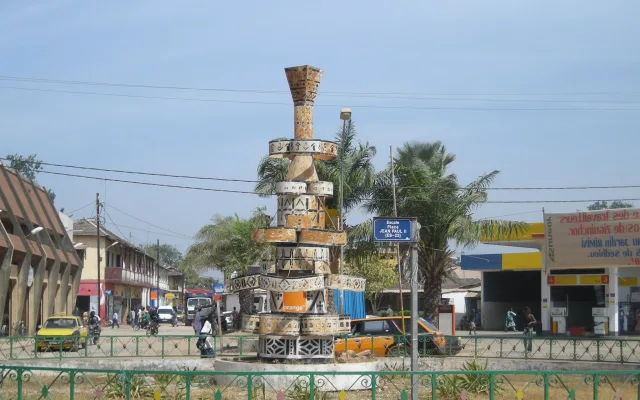
The gateway to Casamance — mangrove creeks, Diola villages and the distinctive culture of southern Senegal.
Wiki
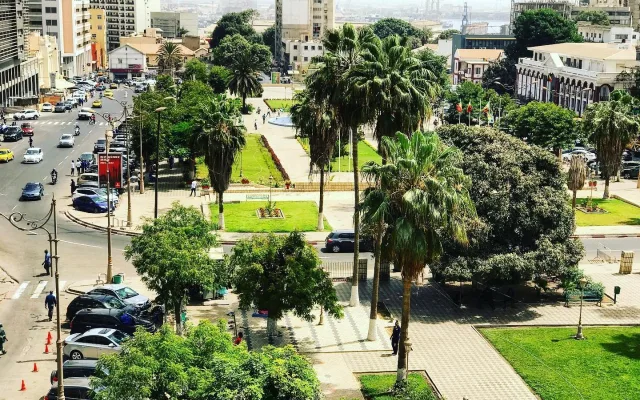
Ziguinchor is the most convenient starting point for Casamance, the green and unmistakably different south of Senegal, reached either by air or by ferry around The Gambia. The town itself is calm, low-rise and slow: you do not so much sightsee here as use it as a base for trips out to the mangrove channels, the Diola villages and the Atlantic beaches.
Is it worth coming, and for how long
Two days are enough to get a feel for Ziguinchor and make one or two excursions. A realistic plan for an independent trip:
- Day 1 — the town itself: Saint-Maurice market, the old colonial quarter by the river, the waterfront towards evening.
- Day 2 — a pirogue through the mangrove channels, or a run out to the island of Carabane.
If you have time, add two or three days and travel on — to the beaches of Cap Skirring or the drumming scene at Kafountine. Ziguinchor is not the destination but the junction: its strength is that the roads across Casamance all radiate from here.
What is actually worth seeing
- Saint-Maurice market — not a tourist attraction but the living centre of town. Come in the morning: Diola textiles, tropical fruit, cashews, woven baskets. Haggling is expected, but gently — the south is calmer than the north.
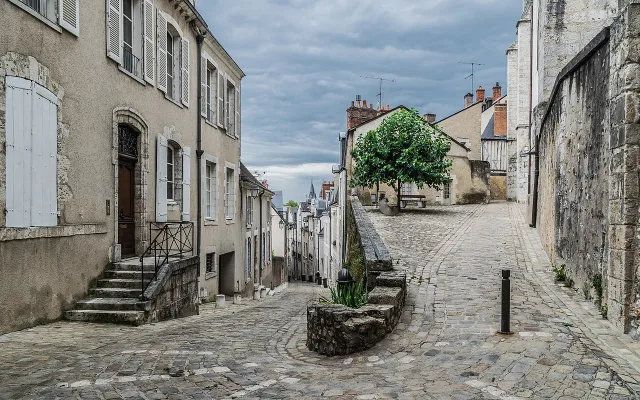
- The old colonial quarter — Portuguese and French heritage, the remains of a fort, shaded lanes by the river. An hour or so of walking rather than a sight in its own right.
- The mangrove channels — the main reason people come. A pirogue through narrow creeks between the roots, with herons, crabs and monkeys along the banks. Arrange it on the spot or through your guest house; agree the length of the trip and what is included beforehand.
- Île de Carabane — an island in the delta, once the colonial capital, with Creole houses and an abandoned church. An atmospheric, quiet half-day or day out.
Further afield, beyond a two-day trip: Cap Skirring (about 60 km, beaches and bungalows), Kafountine (a fishing village and a large drumming festival), the sacred Diola forests (ritual sites — do not go without a local escort) and the bird islands of the delta.
Getting there and getting around
Two realistic routes from Dakar:
- By air — Air Sénégal to Ziguinchor airport (ZIG), about an hour. Quick, and it removes the question of The Gambia, but it costs more and flights are few — book ahead.
- The ferry Aline Sitoé Diatta — an overnight sailing from Dakar of around 16 hours. Cheaper and full of atmosphere, with cabins and seats; buy tickets well in advance, especially in high season.
There is also an overland option through The Gambia (a shared sept-place taxi with the ferry crossing of the Gambia river), but it is slow and involves a border — for most people the plane or the boat is simpler.
Everything in town is close: the centre is walkable. For longer distances and in the heat, take a moto-taxi (fast and cheap) or an ordinary taxi — agree the fare before you get in, there are no meters.
Where to stay
The sensible place to stay is the centre, near the market and the river: almost everything is then within walking distance, and the pirogue jetty and the transport to Cap Skirring are not far. The choice runs from simple guest houses and campements to a couple of riverside hotels with terraces. Campements are often run by local families, who also organise the creek trips and can advise on onward transport.
Food and money
Casamance cooking is greener and more fish-based than that of the capital: thiéboudienne (rice with fish), yassa (chicken or fish in an onion and lemon sauce), okra, grilled captain fish and palm wine, bangui. Eat in the maquis, the local eating houses — cheaper and better than the tourist places; the riverside restaurants cost more but come with a view.
On spending: lunch in a maquis is markedly cheaper than dinner in a restaurant by the river; mangoes and cashews in season cost next to nothing; a moto-taxi is pennies and an ordinary taxi across town is cheap. Cash in CFA francs is essential: cards are rarely accepted, and although there are ATMs in the centre it is better to draw money in advance — there are none in the villages or on the islands.
Safety and practicalities
- Casamance has known a separatist conflict in the past, but Ziguinchor itself and the tourist routes are calm. Take the usual care: do not walk dark outskirts with valuables, and watch your bag in the market.
- Malaria — the region is tropical and humid. Repellent, long sleeves in the evening and prophylaxis on medical advice are essential.
- Season. The dry period, roughly November to May, is best: the roads are passable and the creeks good for pirogues. The rains flood the dirt roads and make excursions difficult.
- Languages. French will get you almost everywhere; in the villages, Diola and Mandinka. A couple of greetings noticeably warms the welcome.
Common mistakes
- Coming at the height of the rains and being surprised by washed-out roads and cancelled trips.
- Counting on cards and ending up without cash on an island.
- Not booking the ferry or the flight in advance and getting stuck in Dakar.
- Trying to "do" all of Casamance in two days. Ziguinchor is the gateway, not the region: allow time for the journeys to the beaches and the villages.