Chad
TDChad is a vast country in the heart of Africa where the Sahara meets the savannah. The Ennedi plateau with its otherworldly rock arches, some of the continent's finest safari in Zakouma, the shrinking Lake Chad and the Tibesti volcanoes make it a destination for true adventurers. But the country is deeply unstable: armed conflict, terrorism and weak infrastructure turn any trip into a serious undertaking. This is Africa unfiltered.
Where to go #
N'Djamena
The capital sits by the Cameroonian border where the Chari and Logone rivers meet. Go to the Central Market for the genuine article, or look in at the National Museum. The city is loud and dusty, but it is the one place where an independent traveller finds any comfort at all and cash machines that actually work.
Abeche
The ancient centre of the east was once the capital of the Wadai sultanate. Travellers stop here on the way to the Sahara to see the old markets and the ruins of the sultan's palace. Bear in mind how close the unsettled Sudanese border is when planning, and check current security reporting before you set out.
Moundou
The largest city of the south is completely unlike the arid north, with greenery everywhere and a humid climate. Come here to meet the Christian side of Chad and to try the famous local beer. It is also the practical base for the southern reserves if you are travelling without a group and can handle a rough minibus ride.
Faya-Largeau
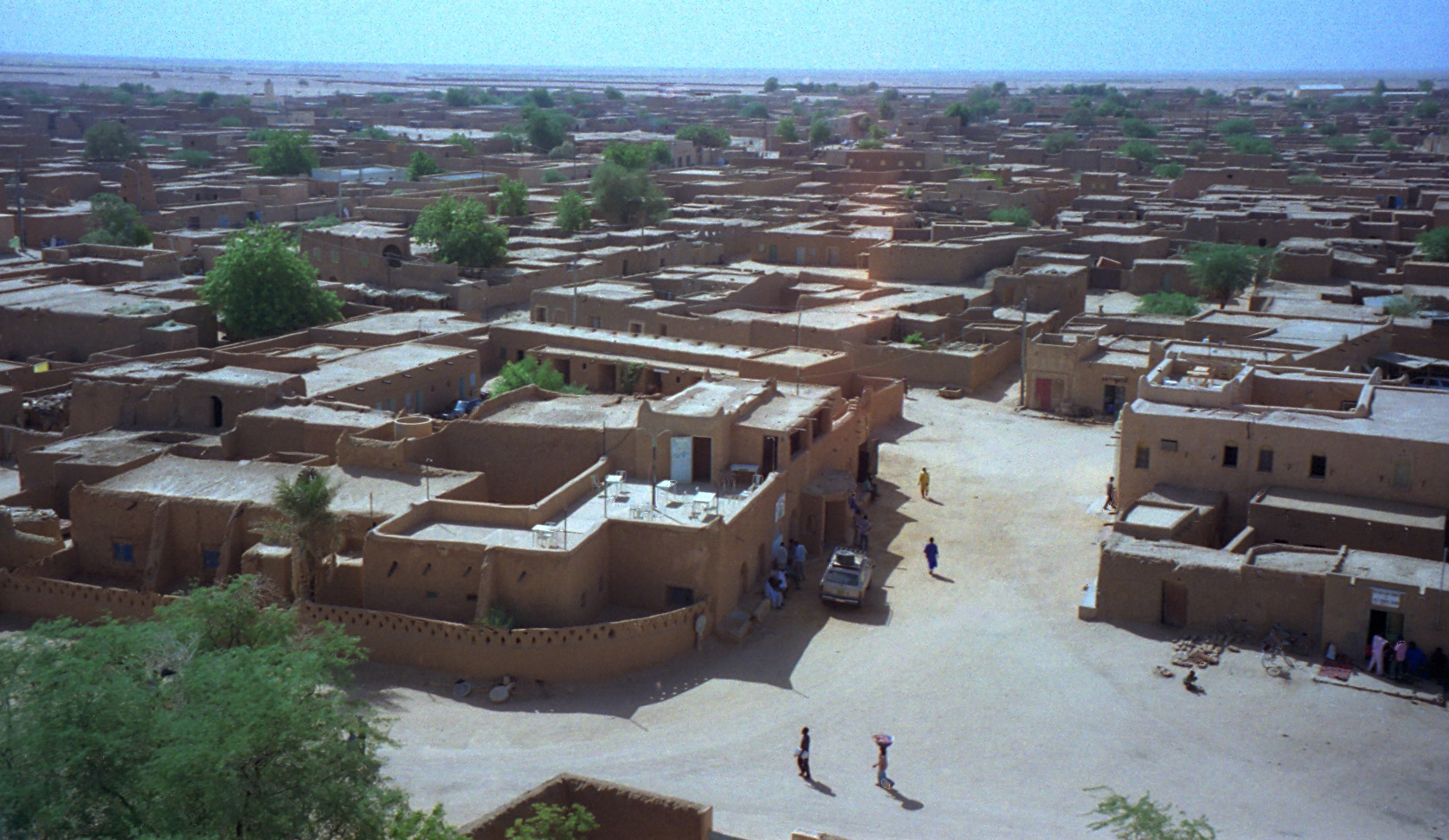
A genuine oasis in the endless sand of the north, greeting you with thick palm groves and shade. Getting here independently is a quest in itself given the logistics and the number of military posts on the roads. The town runs on the hard laws of the desert and draws only the most determined solo travellers.
Fada
A small settlement in the Ennedi mountains and the main base for anyone heading to the famous rock arches and caves. Stop here for water and supplies before disappearing into the canyons for several days. It looks utterly austere, and that is exactly why the sense of a world lost among the rocks is strongest here.
What to see #
Where to go: The Ennedi plateau is the country's main draw, thanks to its otherworldly rock formations and canyons. Somewhere in it stands the Aloba Arch, which is staggering in scale and ranks among the greatest natural arches on the planet.
What to see: Guelta d'Archei is a natural pool in a deep gorge where rare desert crocodiles still survive. Watching hundreds of camels come down to drink between sheer walls justifies every hardship of getting there.
Can you do it in a day: From the capital it is realistic to reach the shores of Lake Chad and see how the ecosystem of a rapidly shrinking lake still functions. A trip out in a fishing boat gives you a look at how the lakeside communities live.
Worth a trip: The Ounianga lakes out in the Sahara astonish people with water that ranges from bright red to turquoise. Swimming in cool Lake Boukou after a week in the sand feels like a small miracle and stays with you.
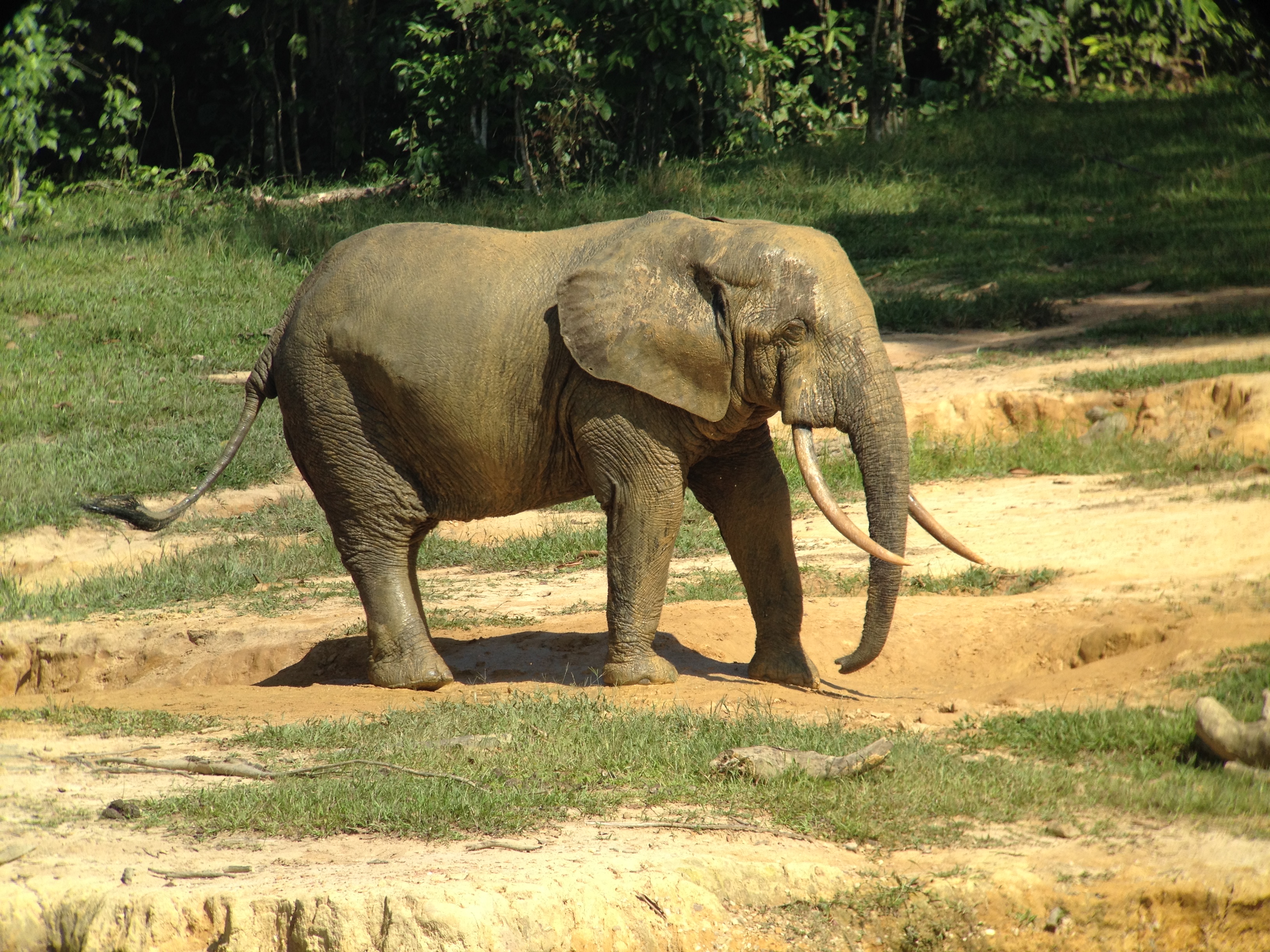
Where to go for wildlife: Zakouma National Park delivers the best safari in the region, with vast elephant herds and elegant giraffe. The wildlife here has been preserved in its original state and there are no crowds.
What to see underground: Ancient rock paintings in the caves of the Terkei plateau tell the stories of people who lived here thousands of years ago. The labyrinths of red rock hide genuine art galleries left by prehistoric communities.
Prices #
Local currency: The CFA franc is in use, pegged firmly to the euro. That makes prices easy to convert in your head, but bring euros in cash or crisp dollars for changing.
How you pay: Forget cards in shops or cafes; this is a cash country from top to bottom. Visa and Mastercard are accepted only in a couple of top-end hotels in the capital, and Amex nowhere at all.
Withdrawing money: ATMs are very scarce and frequently empty. Single-withdrawal limits are low and the fee can be an unpleasant surprise, so arrive with most of your budget in cash rather than counting on the machines.
Before you fly: A Wise or Revolut card is worth having to buy euros at a fair rate at home, not for spending here. Split your cash between two or three places in your luggage and keep small notes for markets.
Tipping: Local eating houses do not expect anything, but leaving the change in a N'Djamena restaurant is normal. Guides and drivers do expect a bonus for genuinely hard work.
| Item | Price (USD) |
|---|---|
| Litre of petrol | 1.2 |
| Lunch at a canteen | 4 |
| Bottle of water | 0.5 |
| Street kebab | 1 |
| Beer in a bar | 2 |
| Taxi across town | 3 |
| SIM card | 1 |
| Coffee at the market | 0.8 |
| Rice with sauce | 3 |
| Night in a guesthouse | 40 |
| Laundry | 2 |
| Four-wheel drive hire | 120 |
| Baguette | 0.3 |
| Kilo of mangoes | 1.5 |
Getting around #
Getting in: N'Djamena is the only international airport, reached most easily through Paris, Istanbul, Addis Ababa or Casablanca, which puts it one connection from most of Europe and two from North America. Schedules are thin, so build slack into your plans.
Hiring a vehicle: For any travel around the country you need a four-wheel drive and an experienced driver. It is expensive, but it is the only way to deal with the near-total absence of road surface.
City taxis: Yellow cars work N'Djamena and the fare has to be agreed in advance. There are no meters, so haggling is simply part of every journey.
Moto-taxis: The fastest and cheapest way to cover short distances. Bear in mind the accident rate and the complete absence of helmets among local riders.
Between towns: Elderly minibuses connect the larger settlements. They are always crammed to the roof, break down often and observe no timetable whatsoever.
Seasonal problems: From June to September the dirt tracks turn to impassable mud. Whole regions are cut off from everything for months at a time.
Roadside checks: Expect to be stopped at checkpoints frequently. Keep copies of your documents to hand along with any permits for travelling in the provinces.
Where to stay #
What you get: Accommodation is unjustifiably expensive for what is a fairly mediocre standard of service. Almost everything decent is concentrated in the capital.
Budget options: Cheap places are called auberges. You can expect a bed with a mosquito net and a fan, assuming the building has power that evening.
Upmarket hotels: International chain properties offer the familiar comforts with pools and security. They are also the only places with reliable current in the sockets and a hot shower.
Generators: Power cuts are constant, so having a generator on site is the single most important thing to check. Confirm it before you agree to stay at a city hotel.
Nights in the desert: For a trip to Ennedi or the Ounianga lakes you will be sleeping in tents. Some expedition operators offer fixed camps with beds and a shower instead.
Booking: The popular platforms cover only a couple of properties in N'Djamena. In the regions you will be negotiating with guesthouse owners face to face on arrival.
What to eat #
The staple: The everyday dish is boule, a thick millet porridge. It is served with fiery sauces built on meat, fish or local herbs and leaves.
Fish: Make a point of trying grilled Nile perch, known here as capitaine. It is cooked over coals straight from the catch and served with rice and vegetables.
Meat snacks: Kilishi is the popular one, thinly sliced dried meat rubbed with spices. In the evening the streets fill with small goat or beef kebabs going over the coals.
Tea: The shai tea ceremony is an important ritual of hospitality. You will be offered three glasses of strong sweet tea, and refusing them is considered rude.
Alcohol: In the Muslim north it is hard to find, but in the south and the capital the local Gala beer is sold openly. It is light and works well against the daytime heat.
Street food: Fried plantain and peanuts are sold on every corner. It is the cheapest way to eat on the road if you are relaxed about kitchen hygiene you cannot inspect.
Safety #
Crime: The crime rate in the capital is high, particularly after sunset. Do not wear an expensive watch or pull out a phone in crowded places such as markets.
In the sand: The northern territories are still littered with mines left over from past wars. Never leave the established tracks when travelling in the Sahara.
Terrorism: Radical groups are active in the border areas around Lake Chad. Visiting those districts without a specific permit and escort is entirely off limits, and you should read your own government's travel advisory before planning anything.
Health: Malaria is present throughout the country, so prophylaxis and mosquito nets are essential. Medical care is very poor even in the larger cities.
Political risk: Spontaneous protests flare up periodically and can turn into disorder. Avoid any gathering of people and do not discuss the government in public.
Photography: Photographing government buildings and anyone in uniform is forbidden. Ordinary passers-by may also react badly to a lens pointed at them.
Etiquette and culture #
A country in two halves: Chad is split between a Muslim north and a largely Christian south. The result is an unusual mixture of traditions, languages and ways of living.
Etiquette: Greeting is the most important part of any interaction, so always ask after health and family. Do not rush to the point until the formalities have been observed properly.
Dress: Choose covered clothing, especially for mosques or villages in the north. Women should keep shoulders and knees covered to avoid disapproval.
Ramadan: During the holy month life in the north slows right down and the rules tighten. Refrain from eating or drinking in public during daylight hours.
Hospitality: People may invite you into their home for a glass of tea. It is a mark of respect and the best way to understand how ordinary families actually live.
Hierarchy: Respect elders and traditional chiefs when visiting small settlements. Always ask the head of the community for permission before you start walking around a village.
Connectivity #
Networks: The main operators are Airtel and Moov Africa, and a SIM is bought with your passport. Coverage is limited to the larger towns and the roads between them.
Speeds: N'Djamena has 3G, though the connection drops frequently or crawls. In the outlying provinces you get voice calls and nothing more.
Digital detox: In the Sahara and on the Ennedi plateau there is no mobile signal at all. Expeditions there rely on satellite phones for any contact with the outside world.
eSIM: Virtual SIMs from international providers such as Airalo work if your device supports them. It is a convenient way to have data from the moment you land.
Hotel internet: Wi-Fi in hotels is usually either charged for or very weak. It handles messaging, but uploading video or photos becomes an endurance test.
Power: With constant electricity problems, always carry a substantial power bank. Charge everything whenever the opportunity appears, in a cafe or at your hotel.
English in practice: French and Arabic run the country, and English is spoken only by a handful of people in the capital. Learn some French or hire a guide who can translate.
Phrasebook #
| English | French / Arabic | Pronunciation |
|---|---|---|
| Hi | Salut | sah-LEW |
| How are you? | Ca va? | sah VAH |
| Thank you | Merci | mair-SEE |
| Please | S'il vous plait | seel voo PLAY |
| Yes | Oui | wee |
| No | Non | non |
| That's good | C'est bon | say BON |
| How much is it? | C'est combien? | say kom-BYEN |
| Help me | Aidez-moi | ay-day MWAH |
| Water | L'eau | loh |
| Food | La nourriture | lah noo-ree-TEWR |
| Market | Le marche | luh mar-SHAY |
| Too expensive | Trop cher | tro SHAIR |
| I don't understand | Je ne comprends pas | zhuh nuh kom-PRON pah |
| Foreigner (slang) | Nasrani | nahs-RAH-nee |
| Health, wellbeing | Laafia | lah-FEE-ah |
| My friend | Mon ami | mon ah-MEE |
| Wait | Attendez | ah-ton-DAY |
| Where is the toilet? | Ou sont les toilettes? | oo son lay twa-LET |
| Kebab | Chich-kebab | sheesh keh-BAB |
| Tea | Chai | shy |
| Goodbye | Au revoir | oh ruh-VWAR |
Good to know #
When to go: Plan for November to February, when the heat drops to something survivable. In spring the temperature routinely passes forty degrees in the shade.
Water: Drink bottled water exclusively and use it for brushing your teeth as well. Ice in drinks is the surest way to ruin a trip with an infection.
Electronics: Several socket types are in use, including the European ones. A universal adapter and a surge protector will keep your gadgets alive.
Insects: Repellent with a high DEET content and long sleeves are compulsory. Always check the mosquito net over your bed for holes before you settle in.
Documents: Make several paper copies of your passport and visa and keep them separate from the originals. You will hand them over at a great many roadside checkpoints.
Medical kit: Assemble a comprehensive one including antibiotics and something for diarrhoea. Provincial pharmacies may simply not stock what you need.