Colombia
COA country that will overturn every stereotype you hold. Forget Escobar — today's Colombia is Medellín, city of eternal spring and innovation, colonial Cartagena on the Caribbean, coffee farms in the Andes and unhinged salsa in Cali. Colombians are among the friendliest people anywhere, the food is generous and cheap, and the landscape astounds: Caribbean beaches, Amazon jungle and snow-capped volcanoes.
Where to go #
Bogotá
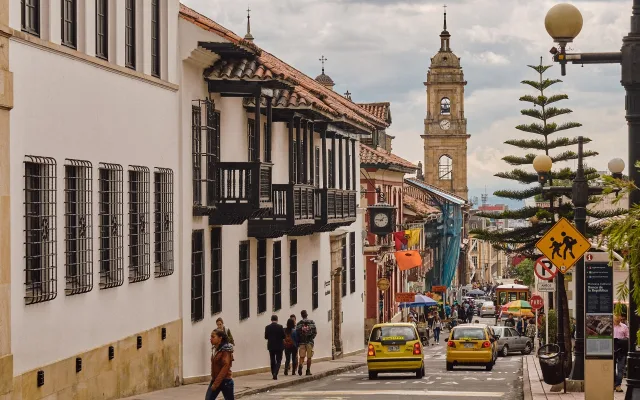
High-altitude capital at 2,600 m, home to the La Candelaria neighbourhood, the Gold Museum with 55,000 artefacts, and one of Latin America's best coffee scenes.
Medellín
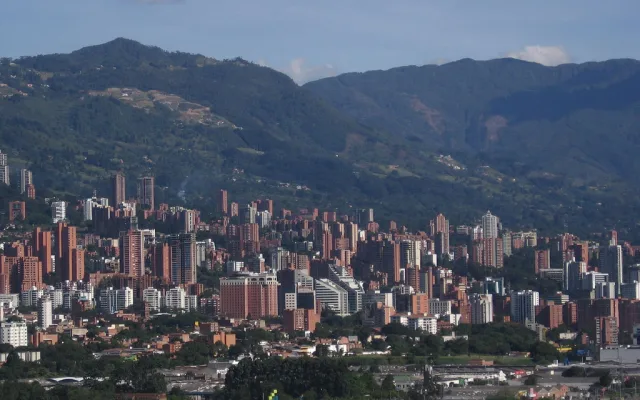
Latin America's city of eternal spring: a transformed metropolis with cable cars into hilltop communes, the Botero sculpture plaza, and some of the continent's best nightlife.
Cartagena
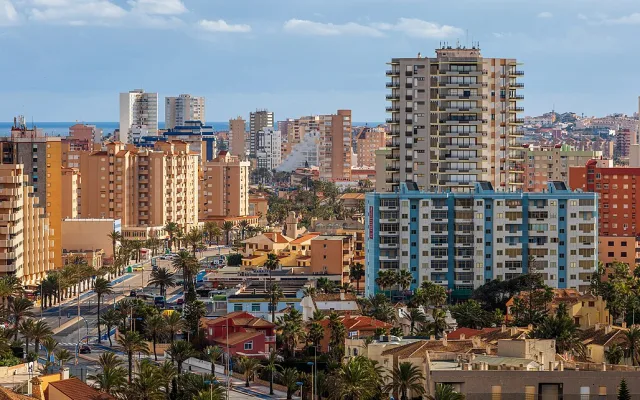
A colonial gem on the Caribbean coast, with colourful pastel palaces, the Castillo San Felipe de Barajas and the sunny beaches of the Rosario Islands.
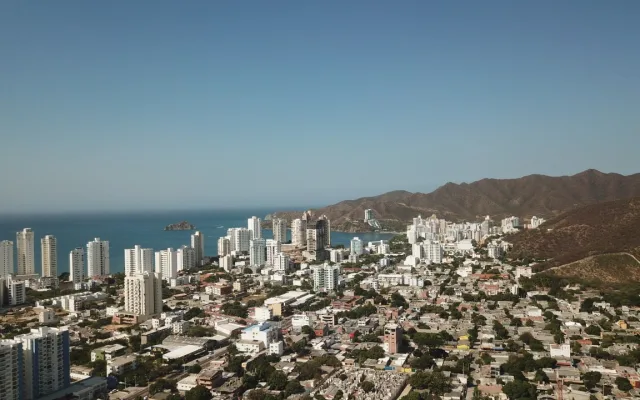
Santa Marta
Gateway to the Ciudad Perdida trek and Tayrona National Park, with stunning beaches and daily boat trips on the Caribbean.
What to see #
Cocora valley is the national symbol. Next to Salento, wax palms grow to 60 metres straight out of the mist. Entry costs 10,000 pesos ($3) and the full trek takes about five hours.
Comuna 13 in Medellin is unmissable. What were dangerous hillside barrios are now graffiti walls and street dancers. Guides work for a tip of 40,000-50,000 pesos ($11-14).
San Felipe fortress in Cartagena. For a dose of history, the fortress costs 33,000 pesos ($9) and gives you the whole colonial story of the Caribbean coast in one walk.
The Gold Museum in Bogota. Some 55,000 artefacts, and the single best thing to do in the capital on a wet afternoon.
The Lost City trek. If you want a real test, the four-day walk to Ciudad Perdida runs $250-350 through a licensed operator, and it can only be done with one.
Zipaquira salt cathedral. A vast underground church 180 metres down, powerful even if you are not remotely religious; the tour runs about $35.
Tayrona national park. Caribbean beaches such as Cabo San Juan, with entry for foreign visitors at 75,000 pesos ($20).
What is overrated. Playa Blanca gets called out for pushy vendors and small scams, so rent a boat out to the Rosario islands instead, around $80 with lunch included.
Prices #
Currency: the Colombian peso (COP) has been trading around 3,700-4,000 to the dollar through 2026, so prices in the thousands are normal and nothing to panic about.
Cards: Visa and Mastercard are accepted in shopping centres, mid-range restaurants and hotels, while Amex is rarely useful. Markets, taxis and small cafes are cash only, so pesos remain essential.
ATMs: withdraw at Banco AV Villas, Banco de Bogota or Banco de Occidente. The maximum is usually 2 million pesos per transaction with a local fee around 28,400 pesos, and always decline the machine's offer to convert into your home currency, which costs you several percent.
Cash and exchange: dollars and euros both change easily at licensed casas de cambio in the cities, while airport rates are frankly predatory. Check notes for counterfeits when you get change, since fakes circulate widely.
Budget: reckon on $25-45 a day travelling frugally, and $150 or more a day with comfortable rooms and restaurant meals.
| Item | Price (USD) |
|---|---|
| Menu del dia set lunch | 4 |
| Bandeja paisa | 6 |
| Arepa with cheese | 1 |
| Empanada | 0.6 |
| Tinto coffee | 0.4 |
| Specialty coffee | 2.5 |
| Fresh fruit juice | 1 |
| Shot of aguardiente | 1.5 |
| Hostel dorm bed | 12 |
| Private room | 30 |
| Three-star hotel | 55 |
| Hammock in Tayrona | 12 |
| Medellin metro ride | 0.8 |
| City ride with Uber | 3 |
| Flight Bogota to Cartagena | 70 |
| Bus Bogota to Medellin | 25 |
| Local SIM with data | 8 |
| Football match ticket | 10 |
Getting around #
Getting there. Bogota's El Dorado is the main gateway, with direct services from Madrid, Paris, London, Miami and New York, and Panama City works well as a regional connection for almost everywhere else in the Americas. Cartagena and Medellin also take international flights, which can save you a domestic leg entirely.
Domestic flights. Between cities, flying with Avianca, LATAM or the budget carrier Wingo is the sensible choice: Bogota to Cartagena costs $40-100 and takes ninety minutes instead of eighteen hours on the road.
Long-distance buses. Coaches are comfortable, air-conditioned and reclining. Operators such as Bolivariano or Expreso Palmira charge around 70,000-100,000 pesos ($20-30) between the capital and Medellin.
Medellin metro. The country's only metro, and riding it together with the Metrocable gondolas costs 2,850 pesos ($0.80) for the whole journey.
Bogota TransMilenio. The express bus network costs 3,000 pesos a ride and goes everywhere, though carriages are frequently packed to the doors.
Ride-hailing. Uber, DiDi and InDriver are cheaper and safer than flagging a yellow taxi, and a ride across the centre runs $2-5.
Two warnings. Skip overnight coaches on mountain switchbacks if you get travel sick, and where you can, avoid moving between cities after dark for safety reasons.
Where to stay #
Prices. A dorm bed runs $8-18 and a private room $20-40. Comfortable three- and four-star hotels sit between $35 and $75, while a boutique place inside Cartagena's walled centre goes from $100 to $500.
Medellin. Look at Laureles rather than the polished El Poblado; it is more authentic, cheaper and just as easy to get around from.
Bogota. Choose Chapinero over La Candelaria if you want modern infrastructure and streets you are comfortable walking in the evening.
Something different. Coffee farms, the fincas, take guests from $20 a night, and in Tayrona national park a hammock right on the beach costs $10-15.
High season. For December, January or Semana Santa in March and April, book three to six months out or watch the prices double.
Apartments. Renting through Airbnb, check whether the building has a doorman, and ask about the sockets, since the country runs on 110 volts with flat American type A and B plugs.
Language. Hostels and mid-range hotels handle English comfortably; family-run fincas often do not, so a translation app and a friendly manner cover the gap.
What to eat #
Bandeja paisa is the national plate. Rice, beans, egg, meat and crisp pork chicharron on one enormous platter for 15,000-25,000 pesos ($4-7), and it will hold you all day.
Regional dishes. In Bogota try ajiaco, a thick chicken soup made with three kinds of potato; on the coast, fish sancocho and coconut rice.
The cheapest way to eat well. The set lunch, menu del dia, gives you soup, a main and a juice for 12,000-18,000 pesos ($3-5) in any local cafe.
Street snacks. Arepas, corn flatbreads with cheese, cost 2,000-5,000 pesos, and fried empanadas 1,500-3,000.
Fruit you will not have met. Look for lulo, guanabana and mangosteen. A fresh juice at a market costs 3,000-5,000 pesos and is the best value in the country.
Coffee. A tinto, black and sweet, costs a symbolic 1,000-2,000 pesos, while a proper specialty cafe charges around 10,000 for serious arabica.
Drinking. With salsa in the evening, the drink is aguardiente, the anise spirit, at $1-2 a shot.
Street food. Go gently in the first few days rather than eating everything at once, and give your stomach time to adjust.
Safety #
The governing rule is no dar papaya. The phrase translates roughly as do not hand thieves an easy opportunity, and it shapes how locals behave. Leave the expensive watch at home and keep your phone in your pocket on busy streets in Bogota and Medellin.
Scopolamine. The drug, known locally as burundanga, is slipped into drinks or cigarettes to sedate people before robbing them. Never accept an offered drink, cigarette or sweet from a stranger, including a friendly one in a bar.
Taxis at night. Move around after dark only in cars booked through Cabify, DiDi or Uber, ordered from indoors rather than on the pavement.
Neighbourhoods. Do not walk into poorer barrios without a guide. In Bogota, stay away from Ciudad Bolivar and Patio Bonito.
If you are robbed. Hand things over without resistance, because the weapon is likely to be real and nothing you are carrying is worth more than you are.
Altitude. In Bogota and other highland spots, take altitude sickness seriously: drink plenty of water, eat lightly and skip alcohol for the first day.
Before you go. Check your own government's travel advisory for regions currently flagged, and make sure your insurance covers trekking if the Lost City is on your list.
Etiquette and culture #
Colombians are extraordinarily warm. People will happily teach a visitor to dance salsa, cumbia or reggaeton on almost no acquaintance. The word you will hear constantly is parcero, meaning friend.
Football is a religion. A match ticket in Medellin costs 20,000-60,000 pesos ($5-16) and is the fastest way to feel the local intensity for yourself.
Time works differently. Ahora, meaning now, and manana, meaning tomorrow, both cover a broad and flexible range. Getting annoyed about lateness marks you out and changes nothing.
Coffee is a point of national pride. Visiting a farm reads as a genuine gesture of respect for the culture, not just a tourist activity.
Tipping. Around 10% in restaurants, often already added to the bill as propina; you are within your rights to decline it.
Conversation. Steer away from drug trafficking, politics and religion, and do not photograph soldiers or police installations without asking.
Dress. Casual works everywhere, but pack a windproof jacket for Bogota, where the altitude makes evenings genuinely cold.
Connectivity #
Operators. Claro, Movistar and Tigo cover the country. Claro has the widest reach, which matters for the coffee region and the approaches to Tayrona.
Local SIM. A card with a 10 GB bundle costs 20,000-40,000 pesos ($5-11) and you need your passport to register it.
eSIM. Installing an eSIM from Airalo, Saily or a similar provider before departure is the smoothest option: 5 GB plans start around $5 and work the moment you land.
Where signal dies. Deep rural areas, the Amazon and the islands regularly lose coverage, so download offline maps before you leave the city.
Wi-Fi. Speeds in hotels and cafes in the cities are good, and nothing on the internet is restricted or blocked.
WhatsApp runs everything. Guides, drivers and guesthouse owners all communicate through it, so have it installed and your number working before you arrive.
Power. The grid is 110 volts with flat American type A and B sockets, so bring an adapter, since hotels never have enough to lend.
Phrasebook #
| English | Spanish | Pronunciation |
|---|---|---|
| Hello | Hola | OH-la |
| How's it going? | ¿Qué más? | keh MAS? |
| All good? | ¿Todo bien? | TOH-do BYEN? |
| Thank you | Gracias | GRA-syas |
| Please | Por favor | por fa-VOR |
| Yes / No | Sí / No | see / no |
| How much is it? | ¿Cuánto vale? | KWAN-to VA-leh? |
| The bill, please | La cuenta, por favor | la KWEN-ta, por fa-VOR |
| Where is...? | ¿Dónde queda...? | DON-deh KEH-da? |
| I don't understand | No entiendo | no en-TYEN-do |
| Friend, mate | Parce, parcero | PAR-seh, par-SEH-ro (slang) |
| Delicious | ¡Delicioso! | deh-lee-SYO-so |
| So good! | ¡Qué rico! | keh REE-ko (slang) |
| Awesome! | ¡Bacano! | ba-KA-no (slang) |
| Cool | ¡Chévere! | CHEH-veh-reh (slang) |
| Don't make yourself a target | No dar papaya | no dar pa-PA-ya (slang) |
| Help! | ¡Ayuda! | ah-YOO-da |
| Beer | Cerveza | ser-VEH-sa |
| Black coffee | Tinto | TEEN-to |
| Water | Agua | AH-gwa |
| Goodbye | Chao | chow |
| Cheers! | ¡Salud! | sa-LOOD |
Good to know #
Spanish is not optional. Outside big hotels and hostel front desks, very few people speak English, and menus and signs are Spanish only. A phrasebook app and fifty words of Spanish transform the trip.
Check-Mig. Every arriving and departing traveller must complete the online Check-Mig form on the migration service website, no earlier than 72 hours and no later than 24 hours before the flight. Do it again before you fly out, and carry a printed copy so you do not depend on a phone battery at passport control.
In an emergency. Dial 123 for the unified service, 112 for police and 125 for an ambulance.
Your embassy. Most countries have their mission in Bogota. Note the address and out-of-hours number before you travel, in case a passport goes missing.
Electricity. The grid runs at 110 volts. Check that your chargers and appliances handle it, or they will charge painfully slowly or not at all.
Drones. Flying is prohibited over military sites and restricted in several national parks, where you need a specific permit.
Measurements. The country is fully metric, so litres and kilometres behave exactly as you expect.
Yellow fever. The certificate is required when arriving from an endemic country or heading into the Amazon, and the shot must be given at least ten days before travel.