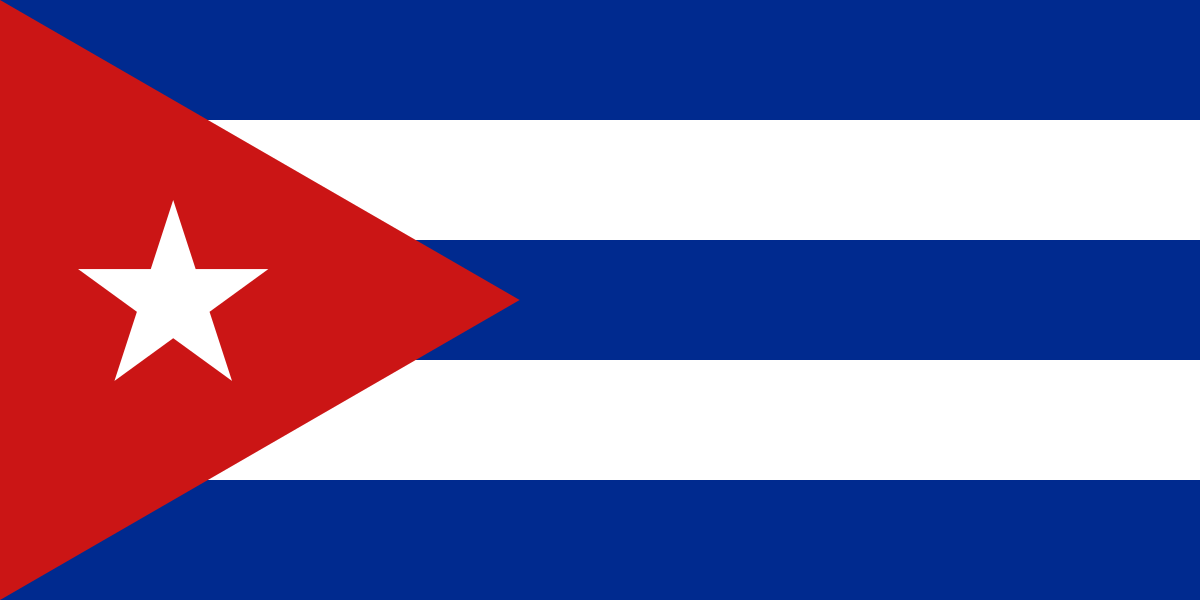
Cuba
CUAn island of vintage cars, salsa, rum and revolution — Cuba remains a unique place, caught between eras. Havana, with its peeling colonial palaces, is an open-air museum that people still live in. The tobacco fields of the Viñales valley, colonial Trinidad and the white sand of Varadero are all on the same island. The currency system is baffling, the internet weak and supplies unreliable — which is exactly what makes Cuba an adventure rather than a holiday.
Where to go #
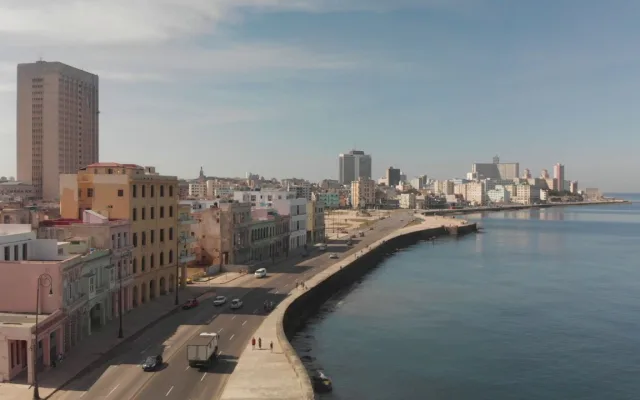
Havana
Cuba's capital frozen in the amber of the 1950s: pastel retro cars, the Malecón at sunset, rum at El Floridita, and salsa on every corner.
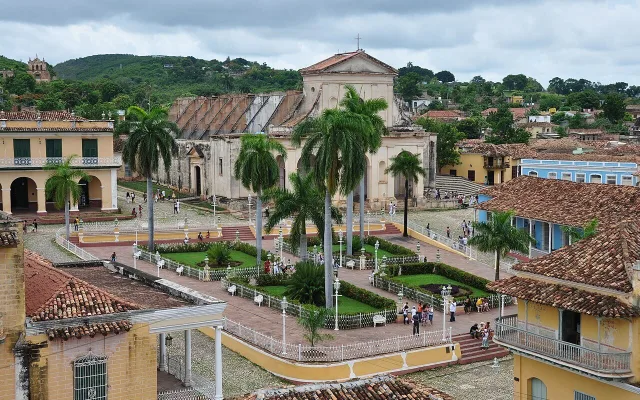
Trinidad
The jewel of colonial Cuba — a pastel-hued UNESCO city ringed by sugar plantations at the foot of the Sierra Escambray.
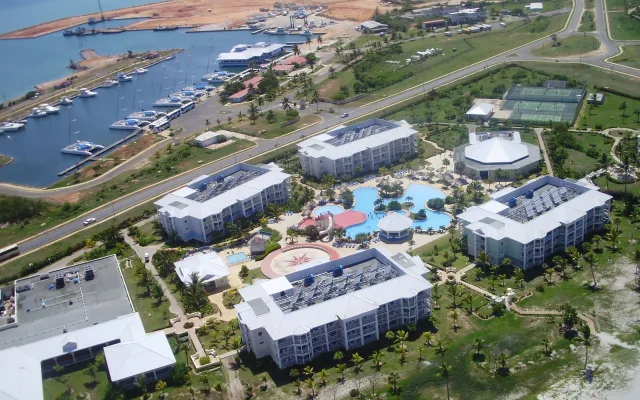
Varadero
The jewel of Cuba's resorts, with 20 km of white beaches, clear Caribbean water and plenty of all-inclusive hotels.
What to see #
Old Havana: Concentrate on the four main squares and the Capitolio. It is compact enough to do in a day on foot, and the detail is in the doorways rather than the museums.
The Malecón: Go at sunset, when the whole city comes out onto the sea wall. This is the one Havana experience you should not schedule around.
Classic car ride: An hour in a vintage convertible runs 30-50 dollars. It is unashamedly a tourist attraction, but the photographs justify it.
Viñales valley: Skip the Cueva del Indio at 5 dollars if you have seen caves before. Take a horseback ride out to the farms instead, where they demonstrate rolling and sell cigars at 5-8 dollars.
Trinidad: Climb the tower of the San Francisco convent for the view over the roofs, then take the 5-dollar bus out to Playa Ancón.
Valley of the Sugar Mills: Next to Trinidad, and the Iznaga tower is the thing to see. Entry costs a single dollar.
Playa Pilar: On Cayo Guillermo, often called the most beautiful beach in Cuba. Bring water shoes, because there are sharp rocks in places.
Prices #
The rate: Cuban money is a puzzle. Ignore the official bank and CADECA rate of roughly 410 pesos to the dollar. The real street rate in early 2026 sits at 500-520 CUP, and everything hinges on knowing that.
Bring cash: Carry euros in small notes, fives, tens and twenties. Euros hold their value better here and avoid the hidden charges sometimes applied to dollars.
Cards: Do not plan around plastic. US-issued Visa, Mastercard and Amex do not function on the island at all. Some European and Canadian cards work in state hotels, but at the official rate, which makes everything roughly twice as expensive.
Where to change: Change with your casa owner or a driver you already trust. Never change money with someone who approaches you in the street, where you risk withdrawn notes or outright forgeries.
Budgeting: Work out your whole trip in cash before you fly, and bring more than you think. There is no ATM safety net here worth relying on.
| Item | Price (USD) |
|---|---|
| Ropa vieja in a paladar | 8 |
| Lobster portion | 15 |
| Mojito in a tourist bar | 4 |
| Mojito in a local bar | 2 |
| Bottled water 1.5l | 1 |
| Breakfast at a casa | 6 |
| Casa particular per night | 25 |
| Viazul Havana-Varadero | 15 |
| Viazul Havana-Trinidad | 25 |
| Colectivo to Viñales | 25 |
| Airport taxi to central Havana | 28 |
| Car hire per day | 60 |
| Litre of petrol | 1.3 |
| Wi-Fi card, one hour | 1.5 |
| Hand-rolled cigars from a farm | 6 |
| Bottle of 7-year rum | 10 |
Getting around #
From the airport: A state taxi from Havana airport into the centre is a fixed 25-30 dollars or euros. Agree it before the doors close.
Viazul: Between cities the reliable option is the Viazul coach network. Havana to Varadero is around 15 dollars, Havana to Trinidad about 25. Book on viazul.com at least four to seven days ahead.
Colectivos: When Viazul is sold out, take a shared taxi. These are private cars that fill with four passengers, and Havana to Viñales works out at 20-35 dollars a head.
Almendrones: In Havana itself, try the old American cars running fixed routes like minibuses for 1-2 dollars. They are slow, loud and by far the best value.
Car hire: Expensive at 55-70 dollars a day plus 15 dollars insurance. Petrol is 1.3 dollars a litre, and rental cars have dedicated pumps without the queues.
Getting there: Havana is served from Madrid, Paris and Frankfurt in Europe, and from Toronto and Montreal in Canada, with regional connections through Mexico City, Cancún and Panama City. US citizens need to travel under one of the authorised categories, so check the current rules before booking.
Beginner's mistake: Never get into a taxi without settling the price and the currency first. Haggle, then confirm you are both talking about the same money.
Where to stay #
Casas particulares: The best option by a distance. These are private rooms in Cuban homes, marked with a blue anchor-shaped sign, and they cost 20-30 dollars upcountry and up to 50 in the smarter parts of Havana.
Why not hotels: State hotels are cleaner on paper but the service is frequently stuck in another century. A casa is warmer, better fed and better connected to whatever you need next.
Booking: International platforms list some casas, but the most reliable route is to message an owner on WhatsApp and pay in cash on arrival. In low season you can simply turn up and find something.
Havana: Base yourself in Vedado rather than the noisy centre. It is quieter, safer at night, and still a short ride from everything.
Varadero: Casas start around 30 dollars. If the budget allows, an all-inclusive at an Iberostar or Meliá runs 150-250 dollars a night.
Hostels: Dorm beds exist at 10-20 dollars, but a Cuban hostel is essentially a casa with more beds in the room rather than a different kind of place.
What to eat #
The basics: Cuban cooking is rice, black beans and meat, and it does those three things well. Ropa vieja, beef shredded and stewed in tomato, runs 5-10 dollars in a paladar.
Lobster: A portion costs 10-25 dollars and is the best-value plate on the island. Order it on the coast, and order it more than once.
Where not to eat: Avoid empty state-run restaurants. They may simply have no ingredients that day, and you will wait an hour to find out.
Markets: Buy mango at 70-100 pesos a kilo in season, April to May, along with pineapple. This is where the money goes furthest.
Drinks: A mojito costs 3-5 dollars in tourist spots and about 2 in ordinary bars. Also try guarapo, pressed sugar cane juice, which costs almost nothing and is genuinely refreshing.
Breakfast: For 5-8 dollars, a casa will put out an enormous plate of fruit, an omelette and strong coffee. It is usually the best meal of the day.
Water: Drink only bottled, at 0.5-1.5 dollars for a large bottle. Do not use tap water even for brushing teeth.
Safety #
Serious crime: Cuba is safe on that front. Violent incidents against visitors are genuinely rare, and walking at night in the cities is not a problem.
Jineteros: The real nuisance is street hustlers pushing "the best restaurant" or "a cigar festival on today only". Say "No, gracias" and keep walking without breaking stride.
Bar invitations: If new friends invite you for a drink, expect to be handed the bill for the entire table at the end of the evening.
Beaches: Do not leave bags unattended on the sand while you swim.
Medicine: Pharmacies here are chronically empty. Bring everything with you: antibiotics, plasters, antihistamines, rehydration salts and anything you take regularly.
Sun: The Cuban sun is vicious and you can burn through cloud cover. SPF 50 is a necessity, not a precaution.
Before you go: Check your own government's travel advisory, particularly for anything about entry categories and insurance requirements.
Etiquette and culture #
Music: It is everywhere, and it is paid work. If a band plays at your table in a restaurant, leave 1-2 dollars.
Salsa: In Trinidad, everyone dances on the steps of the Casa de la Música, and entry to places like that is free or close to it. Turning up is the whole strategy.
Cigars: The main symbol of the country, and 99% of what is offered to you in the street at a "special price from my friend at the factory" is banana leaf. Buy at La Casa del Habano shops only.
Rum: A bottle of seven-year rum costs 8-12 dollars and is the best souvenir you can carry home.
Tipping: It matters here more than almost anywhere. Ten per cent in a restaurant, or a dollar a day for the person cleaning your room, changes how you are treated.
Politics: Avoid discussing the government or criticising the system with people you have just met. It remains a sensitive subject for Cubans and puts them, not you, at risk.
English: English is patchy even in tourist areas, so a handful of Spanish phrases is worth more here than in most of Latin America.
Connectivity #
The situation: Internet in Cuba is still difficult, slow and metered. Plan around that rather than expecting to be online continuously.
ETECSA cards: The state monopoly sells Wi-Fi cards for one or five hours at 1-2.5 dollars. You activate them at a hotspot, usually a park or a hotel lobby.
Local SIM: A tourist Cubacel Tur SIM costs 15-35 dollars depending on the data allowance. The queue at an operator office can eat half a day.
eSIM: Far easier is arranging an eSIM through Airalo or a similar service before you fly, which connects over roaming the moment you land.
Speeds: Rarely more than 5-10 Mbps, and outside the cities the signal often disappears entirely.
Offline first: Download offline maps and an offline translator before arrival. Power cuts are routine, so a power bank in your day pack is a necessity for navigation, not a luxury.
Phrasebook #
| English | Spanish | Pronunciation |
|---|---|---|
| Hello | Hola | OH-la |
| Thank you | Gracias | GRA-syas |
| Please | Por favor | por fa-VOR |
| How much is it? | ¿Cuánto cuesta? | KWAN-to KWES-ta |
| That's expensive | Caro | KA-ro |
| Delicious | Rico / Sabroso | REE-ko / sa-BRO-so |
| The bill, please | La cuenta, por favor | la KWEN-ta por fa-VOR |
| Yes / No | Sí / No | see / no |
| Toilet | Baño | BA-nyo |
| No problem | No hay problema | no eye pro-BLEH-ma |
| Friend | Amigo | a-MEE-go |
| Mate (Cuban slang) | Asere | a-SEH-reh |
| What's up? (slang) | ¿Qué bolá? | keh bo-LA |
| Foreigner (slang) | Yuma | YOO-ma |
| Street hustler | Jinetero | hee-neh-TEH-ro |
| Local bus (slang) | Guagua | WA-wa |
| How beautiful | Qué lindo | keh LEEN-do |
| Water | Agua | AH-gwa |
| I don't understand | No entiendo | no en-TYEN-do |
| Cool, sorted (slang) | Está en talla | es-TA en TA-ya |
| Goodbye | Adiós | a-DYOS |
Good to know #
Power: The supply is usually 110 volts with US-style flat two-pin sockets. Bring a type A/B adapter, though modern casas often have universal outlets. Travellers with 230-volt-only devices need a converter, not just an adapter.
Photography: Do not photograph soldiers or police. It can turn into a genuine problem very quickly.
Smoking: Allowed almost everywhere outdoors, prohibited inside government buildings.
Customs: If you are taking rum and cigars home, check your own country's allowances. Cuba itself lets you export up to 50 cigars without receipts, and spirit limits depend on where you are flying to.
Packing: Bring bubble wrap or a soft towel for fragile market souvenirs and canvases. Nothing you buy will come wrapped.
Your embassy: Most diplomatic missions sit in Havana's Miramar district. Note down your own country's contact details before you travel, since looking them up online there is slow and awkward.