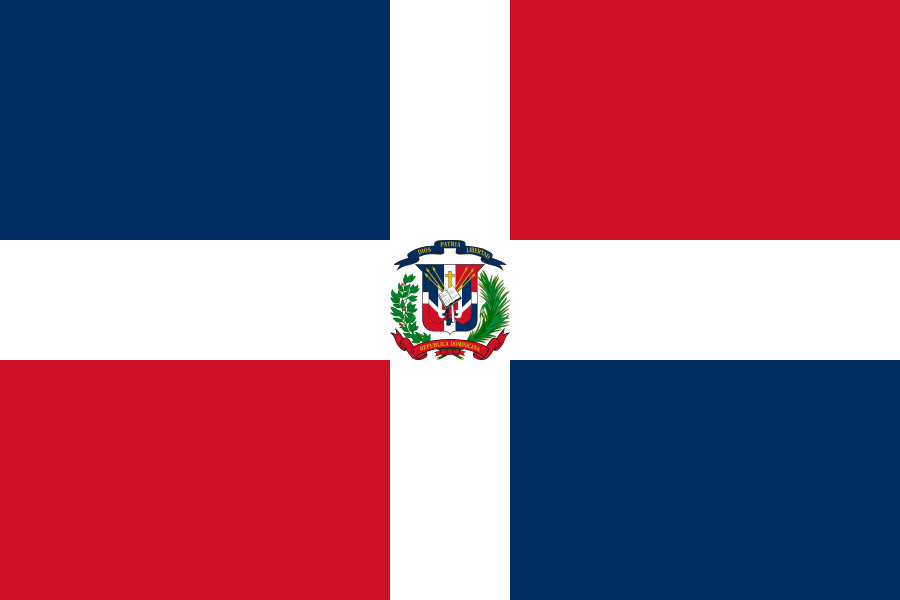
Dominican Republic
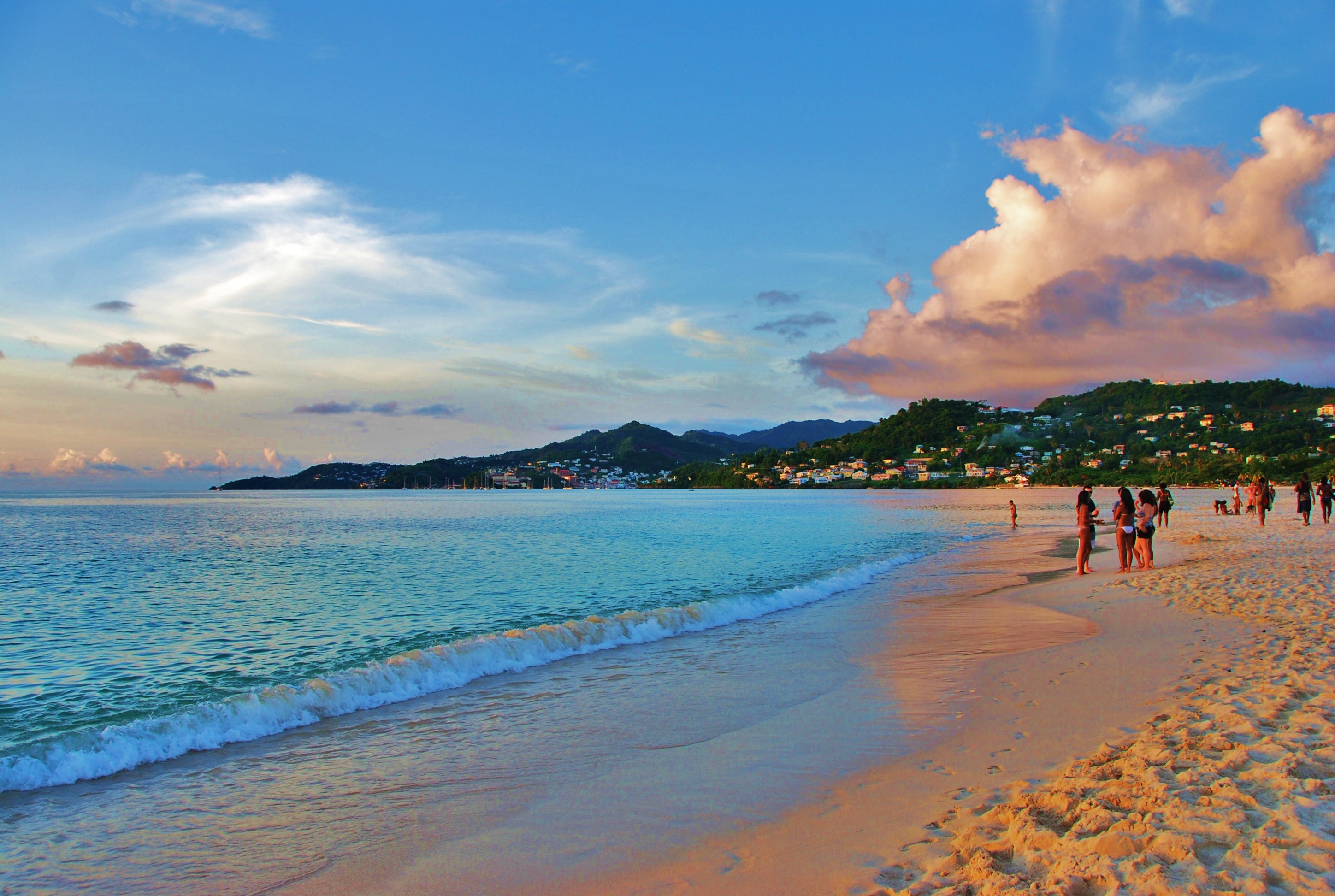
DOTurquoise sea, coconut palms and endless white beaches — in the Dominican Republic that is not advertising copy but the actual coastline. Punta Cana is the capital of all-inclusive, but beyond the resorts lie colonial Santo Domingo, the first city of the New World, the Cordillera Central range and the Samaná peninsula with its humpback whales and caves. The country is remarkably affordable by Caribbean standards.
Where to go #
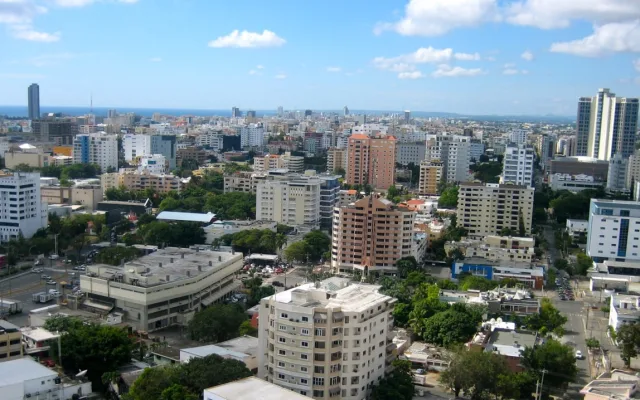
Santo Domingo
The first European city in the New World, with a UNESCO Colonial Zone, the Cathedral of Santa María — the first in the Americas — and merengue alive on the streets.
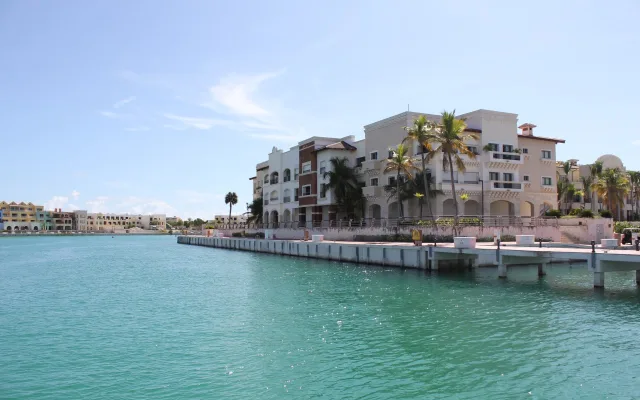
Punta Cana
Punta Cana has 50 kilometres of palm-lined beaches and coral reefs that draw snorkellers. All-inclusive resorts line the coast.
Samana
Samaná is a peninsula in the northeast of the Dominican Republic, famous for humpback whale migrations from January through March. The area is also home to El Limón waterfall and the island of Cayo Levantado.
What to see #
Saona Island: The headline natural attraction, reached by catamaran for 70-100 dollars including lunch. Perfect for photographs with starfish in the shallows, though expect an enormous number of people on the sand.
Humpback whales in Samaná Bay: Viewing runs strictly from January to March. A boat costs 50-70 dollars booked directly at the port in Samaná, and it is one of the strongest experiences the country offers.
27 Waterfalls of Damajagua: Near Puerto Plata and made for anyone who likes adrenaline. Fifteen dollars gets you a guide and equipment for jumping into the natural pools, with routes at different difficulty levels.
Los Haitises National Park: A reserve of mangroves and caves that still hold indigenous rock art. A boat trip among the limestone islets costs 50-80 dollars, best started from Samaná port.
El Limón waterfall: Hidden in the Samaná jungle, around 50 metres high. Trail entry is 5 dollars but the path is deep mud, so most people take a horse and handler for 20-30 dollars.
Alcázar de Colón: The Columbus family home in Santo Domingo, now a museum, at 3 dollars entry. The first cathedral in the Americas stands nearby and is free to enter if you cover your shoulders.
Columbus Lighthouse: A vast concrete cross on the capital's waterfront. Overrated: the building looks grim and is often closed, so seeing it from outside on a walk is quite enough.
Prices #
Currency: The Dominican peso (DOP), at roughly 60 to the US dollar in 2026. Shops and taxis will take dollars, but the change comes back in pesos at a poor rate, so use pesos.
Cards: Visa and Mastercard work in hotels, restaurants and supermarkets across the tourist areas. Amex is much less widely accepted. Outside the resorts, assume cash.
Exchange: Change dollar notes at official Casas de Cambio. Airport rates are typically 10-15% worse, so change only enough there to cover a taxi.
ATM fees: Local machines charge foreign cards 3-5 dollars per withdrawal and cap each one at around 15,000 pesos, which makes small withdrawals bad value. Take out larger amounts less often.
Taxes and tipping: Restaurant bills carry an extra 10% tax and 10% service. Even so, it is customary to leave the server another 5-10% in cash if you enjoyed the meal.
| Item | Price (USD) |
|---|---|
| Lunch in a comedor | 4 |
| Restaurant dinner for one | 25 |
| Mangú with salami breakfast | 3 |
| Presidente beer 0.5l | 3 |
| Bottle of Brugal rum | 8 |
| Coffee 250g | 2.5 |
| Mamajuana kit | 2 |
| Taxi across town | 10 |
| Guagua ride | 1.5 |
| Bus to Punta Cana | 10 |
| Car hire per day | 60 |
| 27 Waterfalls entry | 15 |
| Whale watching boat | 60 |
| Saona Island excursion | 85 |
| Hostel bed | 20 |
| Guesthouse room | 50 |
Getting around #
Intercity coaches: Caribe Tours and Metro are the best way to move around. The capital to Punta Cana costs 8-12 dollars. The air conditioning is glacial, so carry a jumper.
Guaguas: Small minibuses running within provinces at 1-2 dollars. No timetable, they leave when full. Cramped, but they reach remote beaches for almost nothing.
City taxis: In Santo Domingo, Uber costs a fraction of a street cab. Street drivers have no meters, so name the price before you get in or you will be handed an inflated one at the end.
Car hire: From 40 to 100 dollars a day. You need an International Driving Permit and a credit card for the deposit. Intercity roads are good, but provincial ones are full of potholes.
Driving style: Chaotic. Motorcyclists routinely ignore lights. The local convention is to use the horn to announce any manoeuvre, since indicators are treated as decorative.
Metro: Santo Domingo has two modern lines, the fastest way across the city without traffic. A ride is about 0.6 dollars and you need a rechargeable card to enter.
Motoconchos: Popular but genuinely dangerous moto-taxis for short hops at 100-200 pesos. Helmets are rarely offered and drivers weave, so use them only as a last resort.
Getting there: Punta Cana and Santo Domingo have non-stop flights from New York, Miami, Toronto, Madrid, Frankfurt and Paris, with charter capacity from across Europe in winter. Connecting through a US airport requires a valid US visa or ESTA even in transit.
Where to stay #
All-inclusive: The backbone of Punta Cana. A night in a five-star resort runs 150-250 dollars per person and covers food, alcohol and entertainment. Good value if you only plan to be on the beach.
Apartments: In Las Terrenas and Cabarete this is the smart choice. A flat in a gated complex costs 40-80 dollars a night, letting you live among expats and cook your own seafood.
Boutique hotels: For the history, book in the Colonial Zone of the capital. Hotels in sixteenth-century buildings cost 60-100 dollars. Avoid the business districts, which are noisy and less safe.
Budget guesthouses: Outside the big resorts you can find rooms for 30-50 dollars. Check the windows have mosquito screens, since mosquitoes are active year-round and carry disease.
Surf camps and hostels: Concentrated on the north coast, with dorm beds at 15-25 dollars and an easy social scene. Punta Cana has almost none, because the coastline is solid resort.
Booking: International platforms cover the country thoroughly. For small guesthouses in Samaná and the north, messaging the owner on WhatsApp often gets a better rate.
Power: Sockets are US-style flat two-pin at 110 volts. If your devices are 220-volt only they may not work at all, so check before you pack. Blackouts are common in cheap accommodation, so bring a power bank.
What to eat #
La Bandera: Rice, red beans and stewed meat. In a local comedor an enormous plate costs 4-5 dollars, and it is the cheapest filling meal an independent traveller will find.
Mangú: Mashed green plantain with fried onion, cheese and salami, eaten for breakfast at 2-4 dollars. Available in almost any café in the morning and it keeps you going until late.
Sancocho: A dense stew of several meats and root vegetables, traditionally cooked on Sundays. A bowl in a restaurant runs 7-10 dollars. Heavy, but culturally central.
Water: Never drink tap water here, not even in hotels. Use bottled for drinking and for brushing teeth. Ice in larger restaurants is generally safe.
Chicharrón: Pork skin fried until it shatters, sold at roadsides and markets for 1-2 dollars. Extremely rich, and Dominicans eat it with cassava flatbread.
Seafood: Buy fresh fish in the morning from fishermen or eat at the cafés in Samaná. A lobster dish costs 15-20 dollars, cheaper than in Punta Cana. Ask for it in tomato sauce.
Drinks: Presidente beer arrives in frosted bottles. A bottle of Brugal rum is 8 dollars in a supermarket. Try mamajuana, the herb-steeped rum locals treat as a natural aphrodisiac.
Fruit: Buy at markets only. A huge papaya or a hand of mangoes costs under 2 dollars, and the small bananas and local honey pineapples are the pick of the bunch.
Safety #
Resort areas: Bávaro and Punta Cana have a dedicated tourist police force, POLITUR. Walking around by day is entirely relaxed, since the state comes down hard on anything targeting visitors.
Motorcycle theft: In the capital, snatching from passing motorcycles is common. Never take your phone out next to a road and do not wear gold chains, which get ripped off at speed.
Beach theft: On public beaches, do not leave valuables on a towel. It is the single most common problem visitors have. In a hotel, put your passport and cash in the room safe.
Sanky-pankies: Be wary of locals pushing an insistent romance. In most cases it is a route to money, framed as helping a family or paying for a visa.
Sun: The Caribbean sun burns in fifteen minutes even under cloud, so SPF 50+ is compulsory. Use repellent for mosquitoes as well.
At night: Avoid unlit streets and poor neighbourhoods after dark. Call an Uber to get back rather than walking along a busy road.
Hurricane season: June to November brings storms, peaking in September. Modern hotels are built for it, but follow staff instructions during any warning.
Etiquette and culture #
Music: Merengue and bachata play everywhere. If you start moving to it in a supermarket queue, locals will approve rather than stare. Music is the main form of expression here.
Dominican time: Total relaxation about the clock. An hour late is not disrespect. Accept it as part of the mentality and stop planning back-to-back appointments.
Baseball: The national sport and a genuine passion. If you visit between October and January, go to the stadium in the capital. A 5-10 dollar ticket delivers more than any excursion.
Church etiquette: This is a conservative Catholic country. Men need trousers and women covered shoulders in churches. Swimwear belongs on the beach and in hotels only.
Talking: You will hear "¿Cómo estás?" dozens of times a day. A short, positive answer is what is expected. Dominicans are warm and will always offer advice.
Carnival: February brings vivid processions with the horned diablo cojuelo masks. It is the best time to see genuine folk culture that has not been adapted for visitors.
Pride: Locals are very patriotic. Never criticise the way of life in conversation. Praise the landscape, the coffee or the rum, and you will be welcome anywhere.
Connectivity #
Operators: Claro leads on coverage. Buy a SIM at an official office with your passport. A 10 GB data package costs 15 dollars and works reliably across the country.
eSIM: The most convenient option, activated before you land so you skip hunting for a SIM at the airport. Packages start around 12.5 dollars for 5 GB.
WhatsApp: The primary communication tool. Guides, restaurants and drivers all use it, and even market stalls often have a number for orders.
Navigation: Google Maps works fine, but drivers prefer Waze, which handles Santo Domingo traffic better and warns about potholes on rural roads.
Language: English is rarely understood outside hotels. Dominican Spanish is fast and swallows word endings, so download an offline translation pack before you need it.
Wi-Fi: Free in every hotel, but speeds are often too low for video calls. If you plan to work remotely, budget for mobile data on Claro, which delivers consistent 4G.
Phrasebook #
| English | Spanish | Pronunciation |
|---|---|---|
| Hello | Hola | OH-la |
| How are you? | ¿Cómo estás? | KO-mo es-TAS |
| What's up! (slang) | ¡Qué lo qué! | keh lo KEH |
| Please | Por favor | por fa-VOR |
| Thank you | Gracias | GRA-syas |
| How much is it? | ¿Cuánto cuesta? | KWAN-to KWES-ta |
| That's very expensive | Es muy caro | es mwee KA-ro |
| Make it cheaper | Más barato | mas ba-RA-to |
| Where is the toilet? | ¿Dónde está el baño? | DON-de es-TA el BA-nyo |
| The bill, please | La cuenta | la KWEN-ta |
| I don't understand | No entiendo | no en-TYEN-do |
| I need a doctor | Necesito un médico | ne-se-SEE-to oon MEH-dee-ko |
| Help! | ¡Ayuda! | a-YOO-da |
| Beer / Water | Cerveza / Agua | ser-VEH-sa / AH-gwa |
| So good! | ¡Qué rico! | keh REE-ko |
| Tomorrow / Now | Mañana / Ahora | ma-NYA-na / a-OH-ra |
| Beach | Playa | PLA-ya |
| Good | Bien | byen |
| Yes / No | Sí / No | see / no |
| Cool, sorted (slang) | Tranquilo | tran-KEE-lo |
| Goodbye | Adiós | a-DYOS |
Good to know #
Your embassy: Most missions are in Santo Domingo. Save your own country's address and out-of-hours number in case of a lost passport or a serious incident.
Dialling for help: 911 covers all services. In tourist areas it is often faster to call POLITUR directly on +1 809 200-3500, where staff speak English.
Electricity: 110 volts, with US-style type A and B flat-pin sockets. Devices rated only for 220 volts may not work at all, so check chargers before you pack.
E-Ticket: Complete the free immigration form on the official portal at eticket.migration.gob.do, no earlier than 72 hours before departure. Beware of lookalike sites charging 50-80 dollars for it.
Bus timetables: Check caribetours.com.do and metroserviciosturisticos.com. On popular routes over holidays, buy at the counter in advance.
Health: Take out comprehensive insurance. Private hospital treatment for visitors is very expensive and the public system is not equipped for emergencies involving foreigners.
Sun and water: SPF 50+ and bottled water are the two things that most often go wrong for first-time visitors. Buy both on day one.