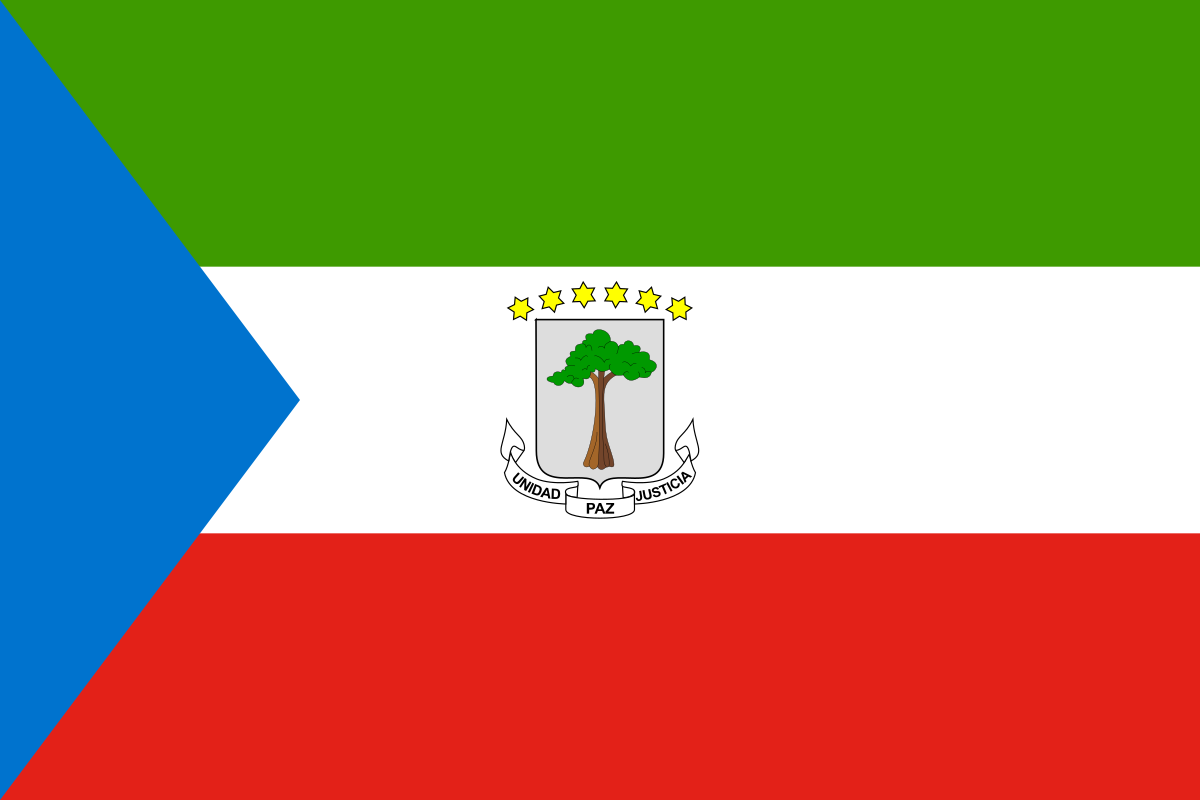
Equatorial Guinea
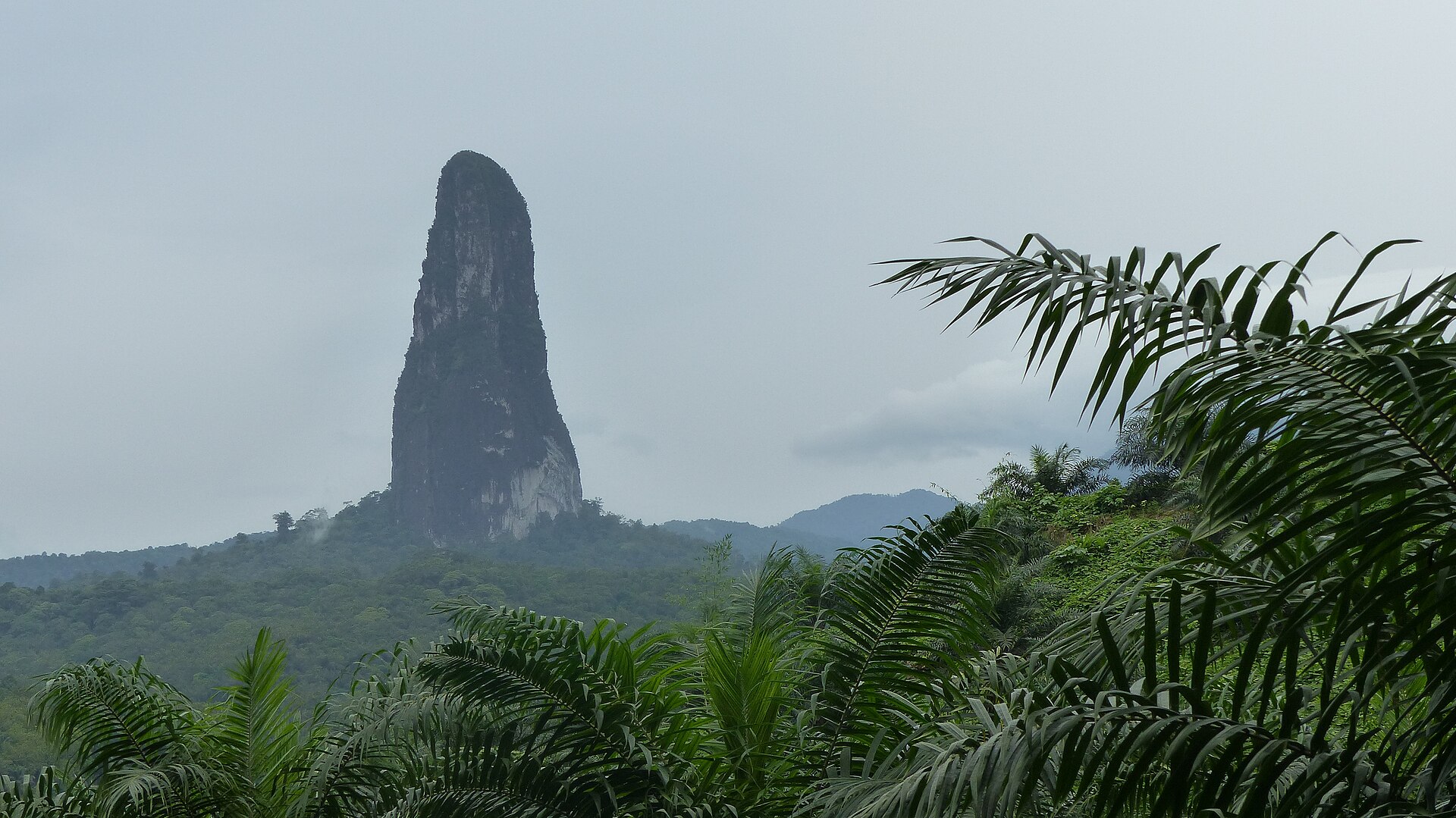
GQThe only Spanish-speaking country in Africa, and among the richest by GDP per head thanks to oil, yet also one of the most closed and least documented. Two worlds: the volcanic island of Bioko, with its cloud forest and endemic primates, and the mainland with the rainforest of Monte Alén. Authoritarian rule, almost no tourist infrastructure and high prices make it a destination for the most adventurous travellers only.
Where to go #
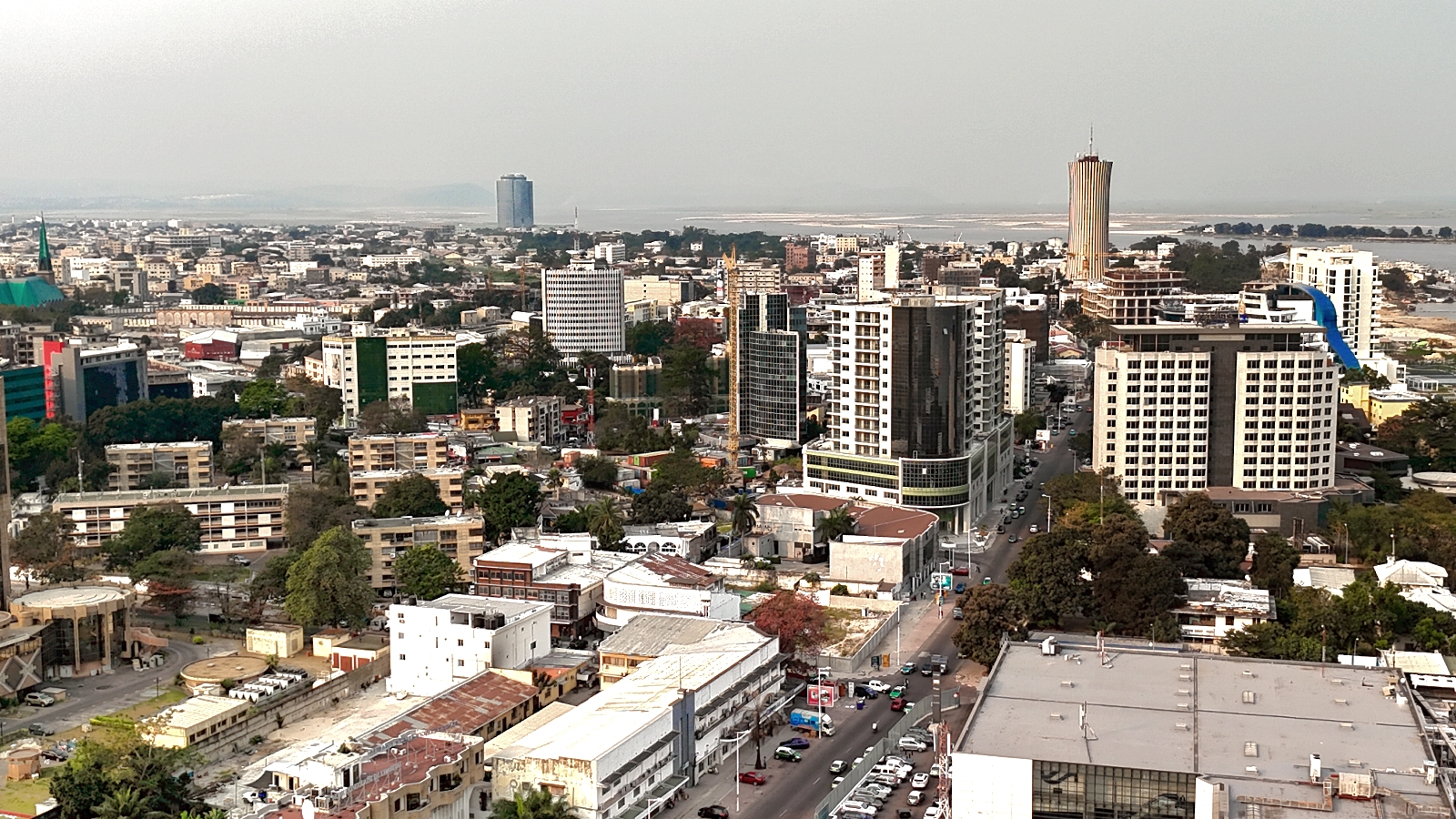
Malabo
The colonial capital on Bioko island, where the old centre survives with its neo-Gothic cathedral and narrow streets. Worth a trip for the strangeness of Spanish-speaking Africa and for walking the seafront among oil-money towers and parks. A few kilometres out, the Sipopo district shows you the country's ambitions for itself.
Bata
The busiest city on the mainland, where to go for the markets and the enormous seaport. It is a loud commercial hub with its own promenade and the natural launching point for long journeys into the Río Muni jungle. Old Spanish buildings sit alongside the gleaming twin towers of the national companies.
Ciudad de la Paz
The new capital, formally declared the country's main administrative centre in early 2026 in place of island-bound Malabo. Where to go if you want to see an ambitious megaproject in the middle of rainforest, with modern districts, golf courses and a university. It was built from nothing for security and to develop the interior.
Luba
A small port town in the south of Bioko, reachable in a day from the capital for a quiet break. Sleepy colonial buildings remain, and this is the gateway to the wildest and least touched beaches on the volcanic island. Guesthouse windows here often look straight onto forested mountain slopes.
Ebebiyín
A town at the junction of the Cameroonian and Gabonese borders, and a critically important transit and trading point. Travellers pass through if they are exploring the eastern regions or attempting the awkward overland crossing into a neighbouring country. Its market is among the cheapest in the country, piled with tropical fruit.
What to see #
Pico Basilé: The highest point on Bioko, worth climbing for the way the climate shifts from jungle to high mountain meadow. You need a special permit and a 4x4, but the views over the Gulf of Guinea repay the effort.
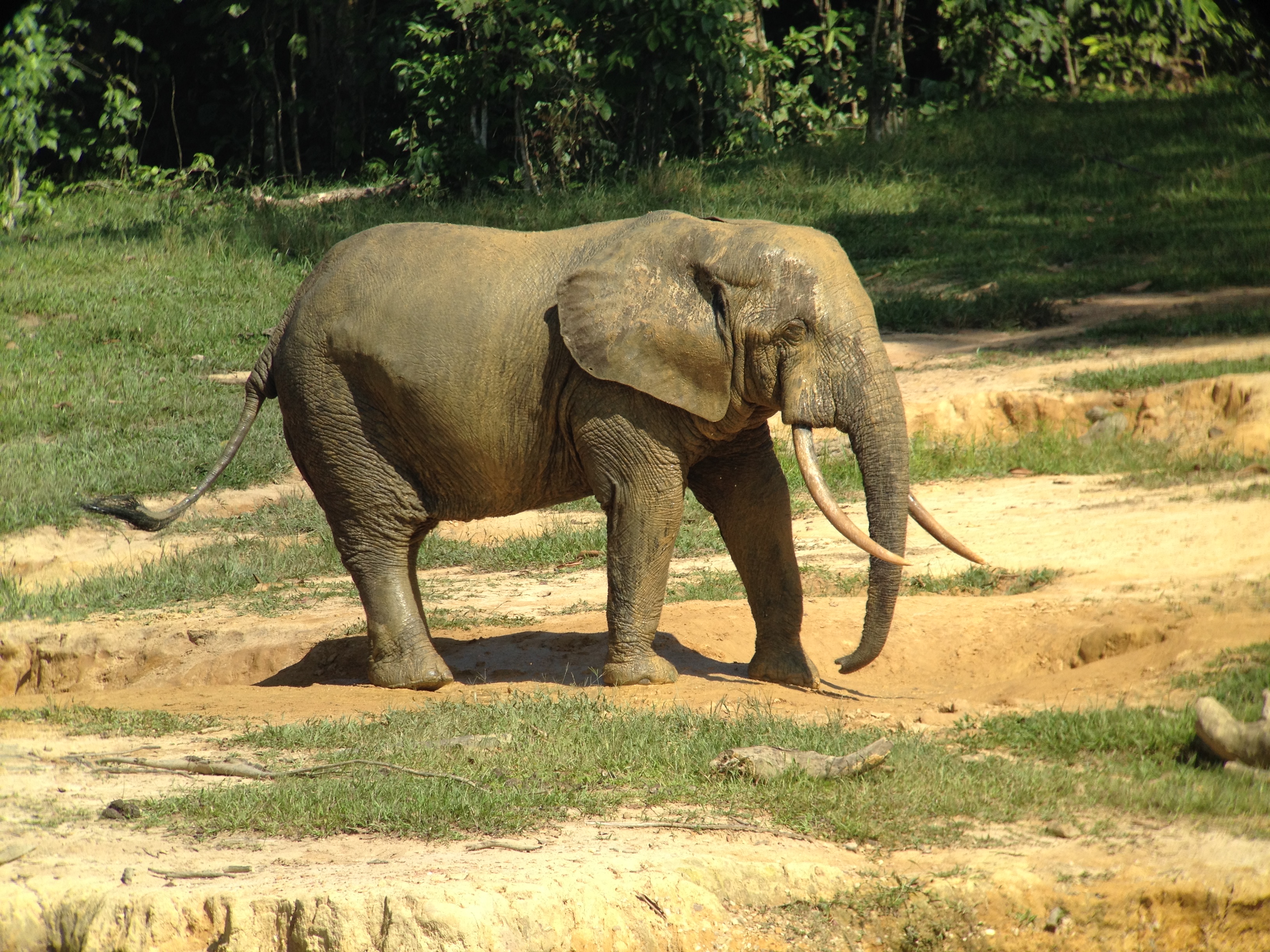
Monte Alén National Park: Where to go for genuine wilderness, forest elephants and gorillas. The infrastructure is spartan, so an experienced guide is essential and you should be ready for long walks through thick forest.
Arena Blanca: A rare white-sand beach near Luba, where thousands of butterflies gather in the dry season. It is an excellent stretch of ocean without any of the pretension of an expensive resort.
Ureca: The draw here is nesting sea turtles between December and February. To see it happening you need to arrange a night excursion with the conservation volunteers who work the beach.
Santa Isabel Cathedral: What to see first in Malabo is this elegant pink Spanish-style church. It looks genuinely surreal against the palms and anchors the whole old town visually.
Moka plateau: Cool highland country with waterfalls and crater lakes hidden in cloud forest. It is hard to do in a day, so plan an overnight trip to get the full lost-world effect.
Prices #
Currency: The country uses the Central African CFA franc, pegged hard to the euro. It is shared across six regional states, which makes it convenient if you are moving between neighbours.
Cash: Banking infrastructure is very thin, so bring euros or dollars in cash. Change them at bank branches in Malabo or Bata and steer clear of street changers entirely.
Cards: Visa and Mastercard are accepted at a handful of supermarkets and expensive hotels, but you cannot rely on it. ATMs frequently reject foreign cards or throw errors at the worst possible moment, so a Wise or Revolut card is of little help here.
Tipping: Five to ten percent in restaurants if the service genuinely deserved it. It is not the practice in taxis or markets, where rounding up is enough.
Haggling: Bargaining politely is both acceptable and expected at markets and when hiring a private driver. In pharmacies and larger shops prices are fixed and haggling simply looks odd.
| Item | Price (USD) |
|---|---|
| Lunch at a street stall | 5.00 |
| Dinner at a local cafe | 12.00 |
| Beer in a bar | 3.50 |
| Water 1.5 l | 1.50 |
| Taxi across town | 6.00 |
| Malabo to Bata flight | 160.00 |
| Guesthouse per night | 45.00 |
| Coffee in the centre | 2.50 |
| Kilo of mangoes | 2.00 |
| National park entry | 40.00 |
| Guide per day | 50.00 |
| SIM card with data | 8.00 |
| Pack of cigarettes | 4.00 |
| Rice with chicken | 9.00 |
| Motorbike taxi ride | 3.00 |
Getting around #
Getting there: Malabo takes direct flights from Madrid on Iberia and Ceiba, which is the main route from Europe. Ethiopian via Addis Ababa, Turkish via Istanbul and Royal Air Maroc via Casablanca all serve the country, plus short regional hops from Douala and Libreville.
Domestic flights: CEIBA connects the island with the mainland in about half an hour. It is by far the most dependable link between Malabo and Bata for an independent traveller.
City taxis: In the capital these are white cars with a yellow stripe, and they pick up additional passengers as they go. There are no fixed fares, so name and agree your price strictly before getting in.
Bush taxis: The standard way to move around the mainland between Bata, Ebebiyín and the smaller towns. These minibuses leave when full, offer minimal comfort and cost very little.
Ferry: A vessel runs between the island and the continent, taking around ten hours. The schedule shifts constantly for weather or mechanical reasons, so this only suits the genuinely patient.
Car hire: Driving yourself is risky given road conditions inland and the nature of police checks. It is far safer to negotiate a daily rate with a taxi driver for trips around the island or the coast.
On foot: Central Malabo is compact and easy to explore on foot if the humidity does not defeat you. The Paseo Marítimo along the ocean makes an ideal and safe evening walk.
Where to stay #
The market: Finding a room at a sane price here is a genuine challenge. Rates are inflated by demand from oil company staff, and the service frequently lags well behind what you paid.
Guesthouses: Malabo and Bata both have modest family-run guesthouses starting around thirty dollars a night. Expect a bed, a fan and occasional water interruptions, but it is the only real way to economise.
Booking: The big platforms show only a fraction of what exists, mostly the expensive chains. You often have to find small hotels on a map and message them directly.
Where to stay: On Bioko, base yourself near the historic centre or the seafront to avoid constant taxi fares. In Bata, choose the districts near the port, where the markets and cheap eateries are.
What to check: Even in respectable-looking places, confirm there is a generator and an intact mosquito screen on the windows. Power cuts happen and mosquito protection is genuinely a health matter here.
High season: During political summits and conferences every decent room in the country fills up. If your trip overlaps with one, book whatever you can get a couple of months ahead.
What to eat #
The basics: Cooking here rests on fish, root vegetables such as yam, and fried plantain. The food is filling and spicy, often thickened with rich sauces made from groundnuts or pumpkin seeds.
Pepesup: The most popular soup in the country, made from fresh fish with a punishing quantity of chilli. It turns up everywhere from market stalls to restaurants, and it wakes you up in the humidity.
Seafood: On the coast order grilled prawns or barracuda, cooked simply and extremely well. The Gulf of Guinea keeps the supply constant, so it is always fresh.
Spanish influence: The colonial past left a fondness for tortilla omelettes and even game paella. Malabo has plenty of places serving tapas, a reminder that you are in the most Hispanic corner of Africa.
Drinks: Try topé, the local palm wine, which is sweetish and low in alcohol. For something soft, the fresh juices from papaya, pineapple and ripe mango are excellent.
Street food: Fried cassava or goat skewers grilled in front of you make a good snack on the move. Pick the stall with a queue of locals, which is the reliable sign of freshness.
Safety #
Photography: This is the single biggest trap for a visitor. Photographing government buildings, ports and airports is absolutely forbidden, and even an ordinary promenade may be watched by plain-clothes officers ready to confiscate a camera.
Document checks: Police and military patrols stop foreigners in the street and at checkpoints outside the cities. Stay polite and calm and hand over your passport, which is normally enough to end the matter.
Health: Medical care is poor and state hospitals are badly equipped. Malaria remains a real threat, so use repellent and bring a supply of your own medicines.
Crime: Violent crime is not common, but pickpocketing in the Malabo markets happens regularly. Do not display large sums or expensive jewellery, particularly after dark.
Politics: Avoid discussing the government or making critical remarks in public. Society here is fairly closed and a careless comment can create problems with the authorities. Read your own government's travel advisory carefully before booking.
Walking alone: Women should not walk alone through empty areas after sunset. The country is broadly stable, but stick to transport you have arranged and decline offers from strangers.
Etiquette and culture #
Language: Equatorial Guinea is the only country on the continent where Spanish is the main language of daily life. Hearing Castilian in the heart of Africa is genuinely disorienting, and it simplifies logistics enormously if you speak it.
Religion: The overwhelming majority are devout Catholics, so Sunday mass is the event of the week. Attending lets you see people in their best clothes and hear the choirs, which are worth the early start.
Ethnic groups: The country divides between the Fang on the mainland and the Bubi on Bioko. Each has its own traditions, dances and crafts, most visible during national holidays and mask festivals.
Siesta: Spanish influence shows in the rhythm too, with many shops and offices closing through the hottest hours. Plan around it, since city life effectively stops until four in the afternoon.
Etiquette: Always greet someone properly before asking a question or for help. Respect for elders and a degree of formality with officials both count for a great deal here.
Oil contrasts: You will see ultramodern glass towers standing beside entirely traditional ways of living. Oil money changed how the cities look without dissolving the deep inequality underneath.
Connectivity #
Operators: GETESA and Muni dominate the market, and you buy a SIM with your passport at any official office. eSIM support has been rolling out through 2026, which makes life easier for short visits, though a physical SIM remains the safe choice.
Coverage: Connectivity in Malabo and Bata is stable, with 5G in the central districts. In the Río Muni jungle or on remote Bioko beaches the signal disappears entirely, so download offline maps first.
Messaging: WhatsApp is the primary tool for reaching hotels, guides and drivers. It is frequently the only way to book a room or arrange a transfer, since many businesses have no working website.
Wifi: Free access exists in the lobbies of expensive hotels and a couple of fashionable cafes in the capital. Budget guesthouses will not have it, so buy a generous data bundle instead.
Power: Standard European type C and E sockets. Voltage is stable in the cities but fluctuates in rural areas, so carry a power bank.
Language in practice: English is understood only in a few expensive capital hotels and is useless everywhere else. There are no English menus or road signs, so functional Spanish or a properly downloaded offline translator is not a nicety here but a requirement.
Phrasebook #
| English | Spanish | Pronunciation |
|---|---|---|
| Hi! | ¡Hola! | OH-la |
| How's it going? | ¿Qué tal? | keh TAL |
| Thank you | Gracias | GRA-syas |
| Please | Por favor | por fa-VOR |
| How much is it? | ¿Cuánto cuesta? | KWAN-to KWES-ta |
| That's very expensive | Es muy caro | es mwee KA-ro |
| Where is the toilet? | ¿Dónde está el baño? | DON-deh es-TA el BAN-yo |
| Help | Ayuda | a-YOO-da |
| The bill | La cuenta | la KWEN-ta |
| Water | Agua | AH-gwa |
| Beer | Cerveza | ser-VEH-sa |
| OK, fine | Vale | BA-leh |
| Mate (slang) | Brother | BRA-ther |
| White foreigner (Bubi) | Ndolo | n-DO-lo |
| Great, cool (slang) | Chévere | CHEH-veh-reh |
| Food | Comida | ko-MEE-da |
| I don't understand | No entiendo | no en-TYEN-do |
| Goodbye | Adiós | a-DYOS |
| Exit, way out | Salida | sa-LEE-da |
| Breakfast | Desayuno | deh-sa-YOO-no |
Good to know #
Entry permit: You need an e-visa arranged in advance through the official portal, costing around 75 dollars. Holders must arrive at Malabo international airport, since attempting a land crossing from Cameroon or Gabon on an e-visa can end in refusal.
Consular help: Very few countries maintain a mission here, and most cover Equatorial Guinea from Yaoundé or Libreville. Note the number down in advance and keep document scans in the cloud.
Adapters: The grid runs at 220 volts on ordinary European sockets, so continental visitors need nothing. A multi-way adapter is genuinely useful, since budget rooms often have a single outlet.
Water: Never drink from the tap, and use bottled water even for brushing your teeth. Buying five-litre containers at a supermarket works out far cheaper than small bottles.
Time zone: The country runs on UTC+1 with no daylight saving, so opening hours and transport schedules stay the same all year.
Daily rhythm: Plan your movements for the morning before the heat peaks. Cities come alive again in the evening, but intercity minibuses often stop running by four in the afternoon, so do not leave a departure late.