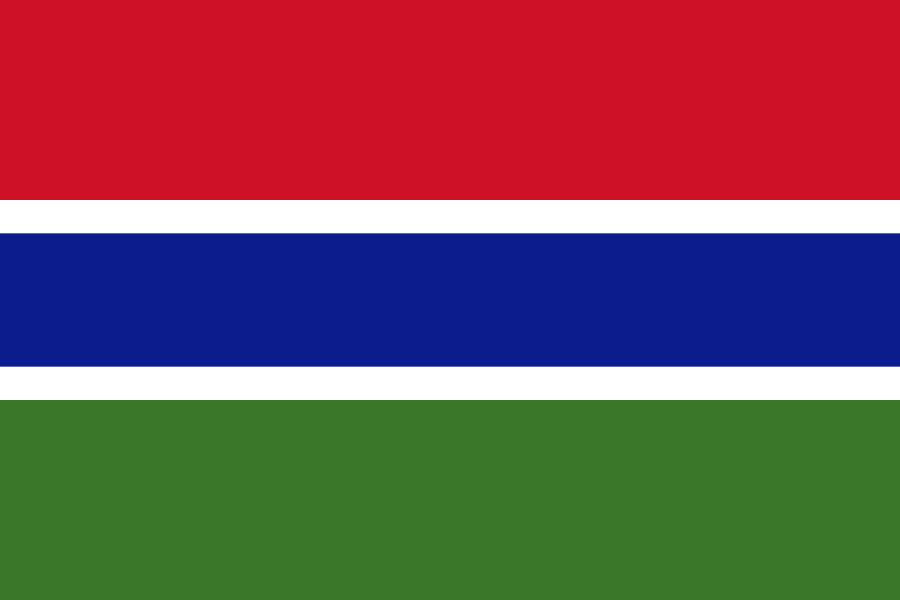
Gambia
GMThe smallest country on mainland Africa, a narrow ribbon along the river of the same name and surrounded by Senegal. The Gambia is the Smiling Coast of Africa: golden Atlantic beaches, 570 bird species, river cruises to the sacred crocodiles and the harrowing slave-trade history of Kunta Kinteh Island, a UNESCO site. English-speaking, friendly and remarkably cheap — the ideal gateway to West Africa for a first-timer.
Where to go #
Banjul
A quiet capital on an island, easily covered in a day. Climb Arch 22 for the view over the river and the Atlantic, then get lost in Albert Market among the spice sellers. The colonial bones are still here, but the energy has moved to the neighbouring towns.
Serekunda
The largest town in the country and the place to see genuine West African bustle. This is the commercial hub, where you can find any product and any shared taxi you need. Loud, crowded and permanently trading.
Bakau
Where to go for a fishing-village atmosphere combined with somewhere to sleep. The Kachikally sacred crocodile pool is here, along with the botanical garden, and the shore fills with boats bringing in the morning catch. A good first stop after landing.
Janjanbureh
This upriver town is worth a trip for the quiet and the history. It is the gateway to the ancient stone circles and to the national park, where chimpanzees and baboons live along the riverbanks. Rural and thoroughly unhurried.
Basse Santa Su
The furthest town east, and the place to see The Gambia without any tourist gloss. People come for the colourful markets and for the pirogue crossings. It is an important trading point on the Senegalese border.
Kololi
The heart of the coastal resort strip, with the widest choice of restaurants, bars and beach hotels. Convenient rather than authentic, but it makes a practical base for the first and last nights of a trip.
What to see #
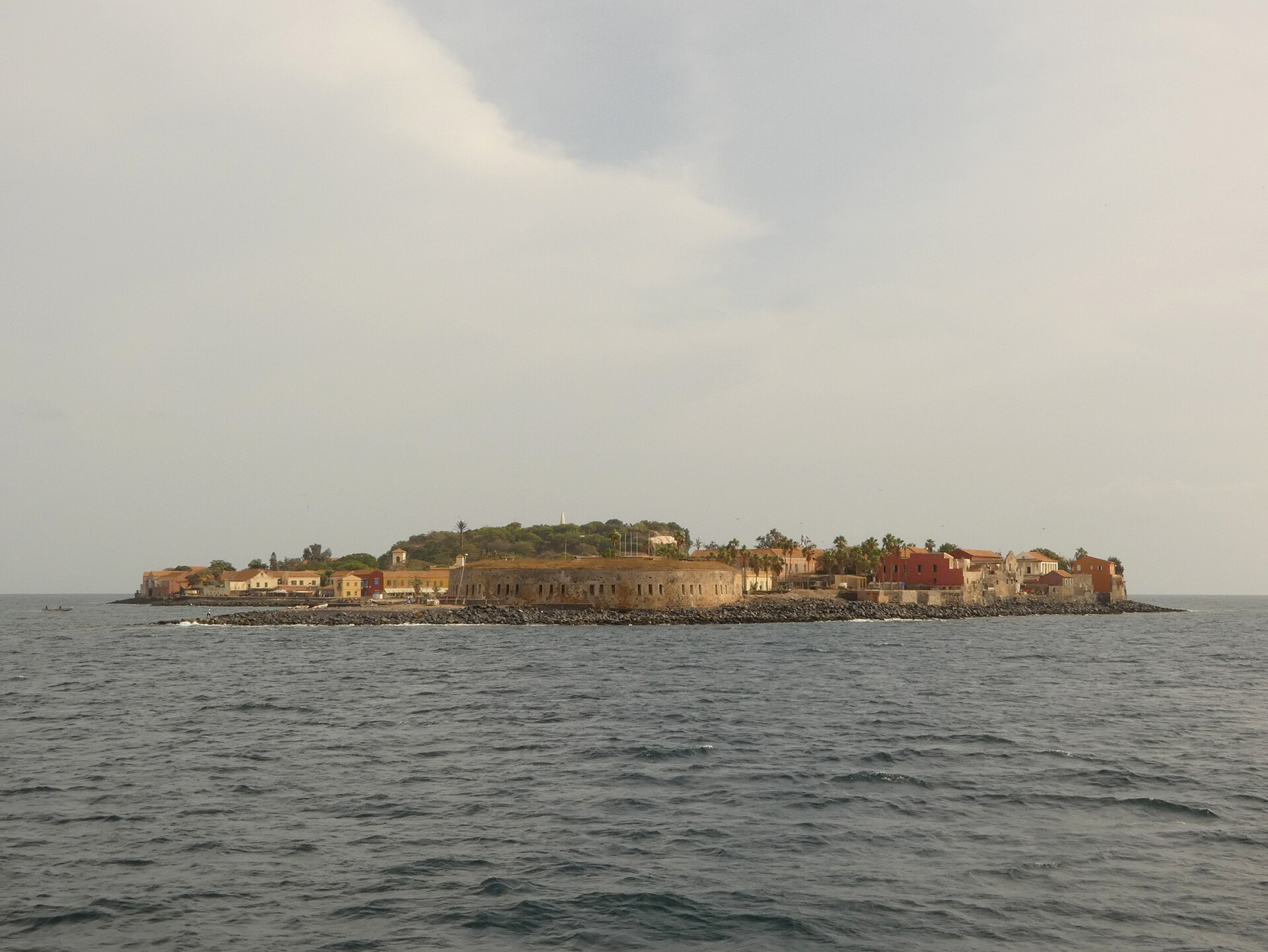
Kunta Kinteh Island: essential, and sobering. The ruined fort standing in the middle of the river carries the history of the slave trade, and the easiest approach is by boat from the village of Juffureh.
Wassu stone circles: more than a thousand years old and often called West Africa's answer to Stonehenge. They look genuinely strange in low evening light, and there is almost never anyone else there.
Kachikally crocodile pool: in Bakau, where you can touch a live crocodile under supervision. It is safe, it is odd, and it remains a real place of pilgrimage for Gambians rather than a set piece for visitors.
Bijilo Forest Park: the easy nature option, where monkeys come right up to the trail. An hour or two, close to the coastal hotels, and good for a first morning.
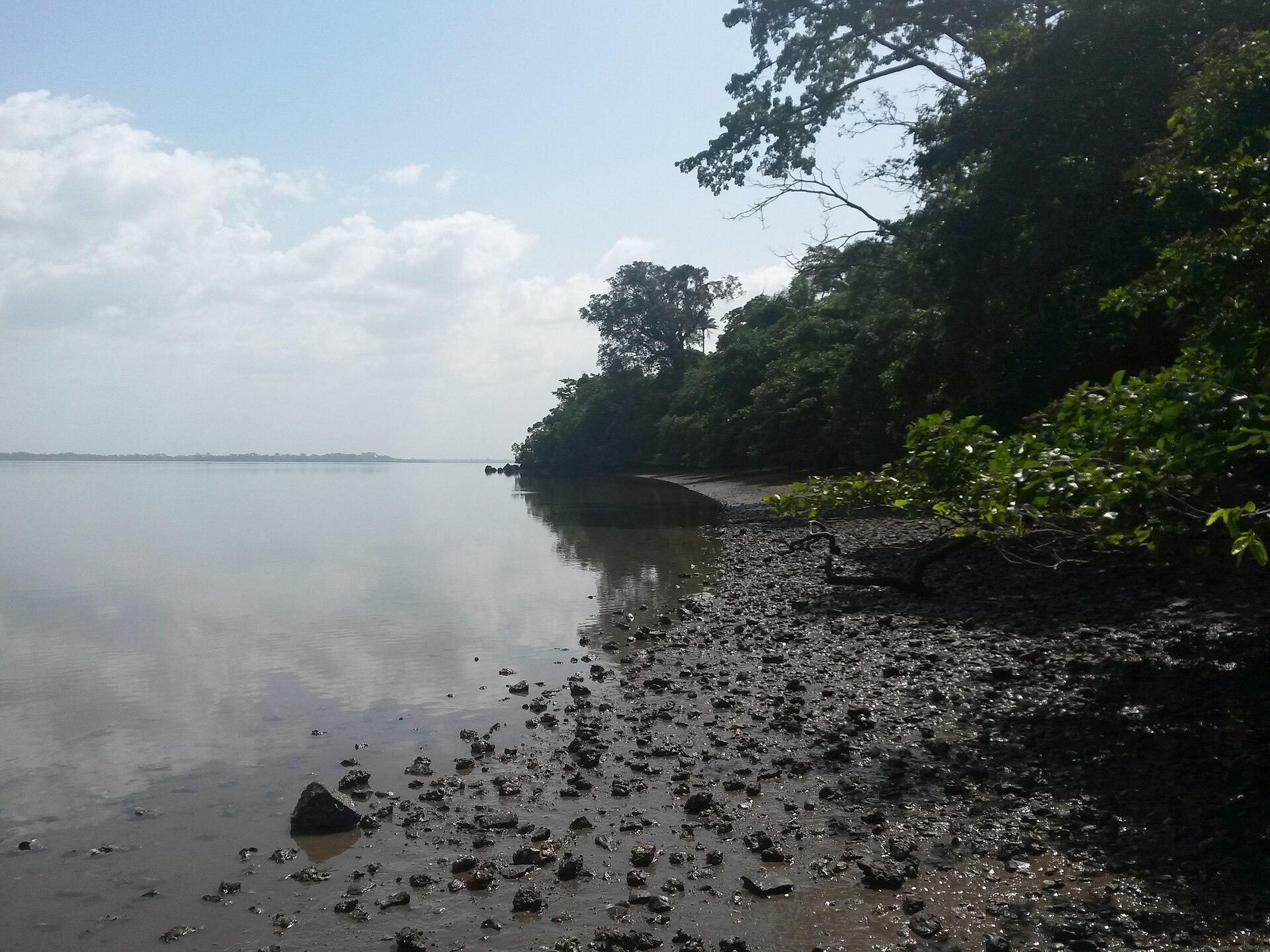
River Gambia National Park: famous for the chimpanzees reintroduced onto its islands. You can only watch from a boat, which is exactly why the animals behave naturally.
Makasutu: kayaking through mangrove creeks combined with an introduction to local traditions and craft. Book it as a day trip from the coast rather than trying to do it alone.
Birdwatching: the country punches far above its size, with hundreds of species along the river and in the creeks. Even non-birders end up impressed if they take a guided dawn walk.
Prices #
Currency: the Gambian dalasi, and you will carry a lot of paper. Small denominations matter, because change for a large note is a genuine problem outside the towns.
Cards: essentially useless here, accepted only at a couple of the most expensive hotels. Do not plan any part of the trip around plastic.
Cash to bring: US dollars or euros in newer, unmarked bills. Change them at a bank or a licensed bureau in Serekunda rather than with anyone who approaches you on the street.
ATMs: withdrawing on a foreign card is a lottery. Limits are low, fees are high, and machines run out at weekends, so treat any successful withdrawal as a bonus rather than a plan.
Tipping: about 10 percent in a cafe, and a couple of dollars for a birding guide after a walk. Guides here are usually excellent and paid very little.
| Item | Price (USD) |
|---|---|
| Lunch at a local cafe | 4 |
| Dinner for two | 12 |
| Street food | 1.5 |
| JulBrew beer | 1 |
| Water, 1.5 l | 0.4 |
| Guesthouse, per night | 20 |
| Taxi ride | 2 |
| Shared minibus | 0.3 |
| Boat tour | 25 |
| Museum ticket | 3 |
| Local SIM card | 3 |
| Airport security fee | 20 |
| Car hire, per day | 45 |
| Grilled fresh fish | 5 |
Getting around #
Yellow taxis: these work as shared taxis on fixed routes, which makes them cheap and quick. Wave one down at the roadside and say where you are going before you get in.
Town trips: if you want the car to yourself, ask for a "town trip" and agree the price before you sit down. Doing it afterwards is how arguments start.
Green taxis: the tourist taxis that wait outside hotels. More expensive, but the fares are printed on boards at the rank, so there is nothing to negotiate.
Between towns: look for the "garages", the yards where seven-seater sept-place cars wait. They leave when full and are the standard way to cover distance here.
Ferries: the Banjul to Barra crossing links the two banks of the river. The timetable is aspirational at best, so build waiting time into the day.
Gelle-gelle: old minibuses, always crowded, absurdly cheap, and the way most Gambians get around. Fine for short hops if you don't mind the squeeze.
Pirogues: wooden boats remain a real means of transport in the mangrove creeks of the south, and often the only one.
Where to stay #
In the towns: Serekunda and Bakau have plenty of budget guesthouses with simple, clean rooms. Look for one with a veranda, and check the mosquito nets before you agree to anything.
On the coast: ocean-front places cost more but come with infrastructure and working Wi-Fi. Kololi is the noisy end of the strip, while Sanyang still offers something close to solitude.
Eco-lodges: the riverbanks hold some atmospheric lodges built largely of bamboo. The best choice if you want to wake up to birdsong rather than a generator.
Booking: the global platforms list only a fraction of what exists. Message owners directly through WhatsApp, which is how the country does business.
Hot water: a rarity in budget places, and where it exists it is usually solar-heated, meaning warm in the evening and cold at dawn.
Power: upcountry, electricity can be switched off overnight. Keep a power bank charged and a torch within reach of the bed.
Longer stays: if you are staying a month, negotiate. A 40 percent discount off the nightly rate is a normal outcome rather than a cheeky ask.
What to eat #
Domoda: the dish to try first, a rich groundnut stew served over rice. Filling, cheap and available in any canteen in the country.
Benachin: rice cooked in tomato sauce with vegetables and the day's catch, sometimes called Jollof further along the coast. This is the Sunday-lunch dish of West Africa.
Yassa: chicken or fish marinated in lemon juice and slow-cooked under a mountain of onions. Sharper and lighter than the other staples, and the best thing on most menus.
Tapalapa: the crusty local baguette, sold by street vendors in the morning and eaten with butter or a chocolate spread. Breakfast for about thirty cents.
Water: drink bottled only, and avoid ice outside the larger restaurants. Peel fruit yourself rather than buying it pre-cut.
Drinks: wonjo juice from hibiscus flowers and the thick, nutty baobab drink are both worth seeking out. JulBrew, the local lager, is light and cheap and sold openly despite the country being largely Muslim.
Attaya: the tea ritual matters more than the tea. It is brewed and poured repeatedly until it foams, and being invited to sit through it is an invitation to talk.
Safety #
The general picture: The Gambia is among the calmest countries in the region and the friendliness is not an act. Solo travellers, including women, generally report an easy time here.
Bumsters: young men on the tourist beaches who approach offering friendship, guiding or anything else. A polite but firm no, repeated without embarrassment, is all that is needed.
Petty theft: don't leave belongings on the sand while you swim. Opportunistic theft happens on the busier beaches, though almost nowhere else.
Malaria: a serious risk here. Take the prophylaxis, use a DEET repellent and wear long sleeves in the evening, which is when the mosquitoes are working.
The ocean: currents are stronger than they look. Swim where locals swim, and treat an empty beach as a warning rather than a discovery.
After dark: in Banjul and Serekunda take a taxi rather than walking, since street lighting is largely absent.
Checkpoints: police posts on the roads are routine. Carry a copy of your passport, stay relaxed, and check your own government's travel advisory before the trip.
Etiquette and culture #
Islam: almost the whole country is Muslim and the call to prayer sets the rhythm of the day in town. Dress modestly away from the beach and it will be noticed and appreciated.
Peoples: the Mandinka and Wolof are the largest groups, each with its own language and traditions, and the mix is part of what makes the country feel bigger than it is.
Music: djembe drums start up in the villages most evenings. They are the centre of any celebration, and visitors are usually welcome to stand and watch.
Greetings: saying hello here is a long process involving questions about your family and your health. Don't rush it. Rushing it is the one reliable way to be rude.
The right hand: pass money and food with your right hand only. The left is considered unclean and using it is a real breach.
Photography: ask before you point a camera at anyone, particularly in markets. Most people say yes after a short conversation.
Time: the pace is slow and punctuality is a loose concept. Fighting it wastes your holiday; adjusting to it is most of the point.
Crafts: the country is known for woodcarving and batik cloth, made in small workshops you can visit and watch.
Connectivity #
English: the official language, spoken in schools, offices and by almost everyone in tourism. You will not have a communication problem here.
Local languages: at home people switch to Mandinka or Wolof. Learning even two greetings in either changes how you are received.
Mobile data: coverage is solid along the coast, and Africell is generally the best operator for visitors. Bundles are cheap.
Buying a SIM: available at the airport or in any town, with your passport for registration. The seller will set the data connection up for you.
Upcountry: 4G thins out and drops to something much slower. Download maps and anything you need to read before heading east.
WhatsApp: how the country arranges everything, from a room to a taxi to a boat trip. Get numbers rather than email addresses.
Dialling: the country code is +220. Save it before you need it.
eSIM: an international eSIM works on the coast and saves the first-day queue, though a local SIM is far better value for anything longer than a few days.
Phrasebook #
| English | Mandinka & Wolof | Pronunciation |
|---|---|---|
| Peace be with you | Salaam malekum | sah-LAHM mah-LEH-koom |
| And with you (reply) | Malekum salaam | mah-LEH-koom sah-LAHM |
| How are you? | Na gadef? | nah gah-DEF |
| I'm fine | Jama rek | JAH-mah rek |
| Thank you | Abarka | ah-BAR-kah |
| Yes | Haa | hah |
| No | Hani | HAH-nee |
| How much? | Jelu le? | JEH-loo leh |
| That's expensive | A sara le | ah sah-RAH leh |
| Water | Jio | JEE-oh |
| Food | Domoroo | doh-moh-ROH |
| Help me | N dema | n-DEH-mah |
| Friend | Terimaa | teh-ree-MAH |
| Goodbye | Fo naata | foh NAH-tah |
| Foreigner (slang) | Tubaab | too-BAHB |
| Beautiful | A bettia | ah BET-tee-ah |
| Bird | Kono | KOH-noh |
| Crocodile | Bambo | BAM-boh |
| Good morning | Sumolen | soo-MOH-len |
| Let's go | Nga dem | ngah dem |
Good to know #
Getting there: in winter, charter and scheduled flights run to Banjul from London, Brussels, Amsterdam and the Nordic capitals, which is the cheapest way in. Year-round, connect through Istanbul with Turkish Airlines or Casablanca with Royal Air Maroc; from Dakar you can also come overland by shared taxi.
When to go: November to May, the dry season, when the heat is manageable and the upcountry roads are passable. The rains start around June and turn many dirt tracks into mud.
Medical kit: bring what you need, including rehydration salts and antibiotics for stomach infections, since pharmacy stock is thin outside the coast.
Consular cover: many countries handle The Gambia from Dakar in Senegal rather than from Banjul. Find out who covers your passport before you travel.
Plugs: British three-pin type G sockets, so bring an adapter unless you are coming from the UK or Ireland.
Clothing and repellent: natural fabrics only, since synthetics are unbearable in the humidity, and a repellent with a high DEET content. The mild stuff does nothing here.
Haggling: in markets, expect to negotiate down to a half or a third of the opening price. This is a normal conversation, not a confrontation.