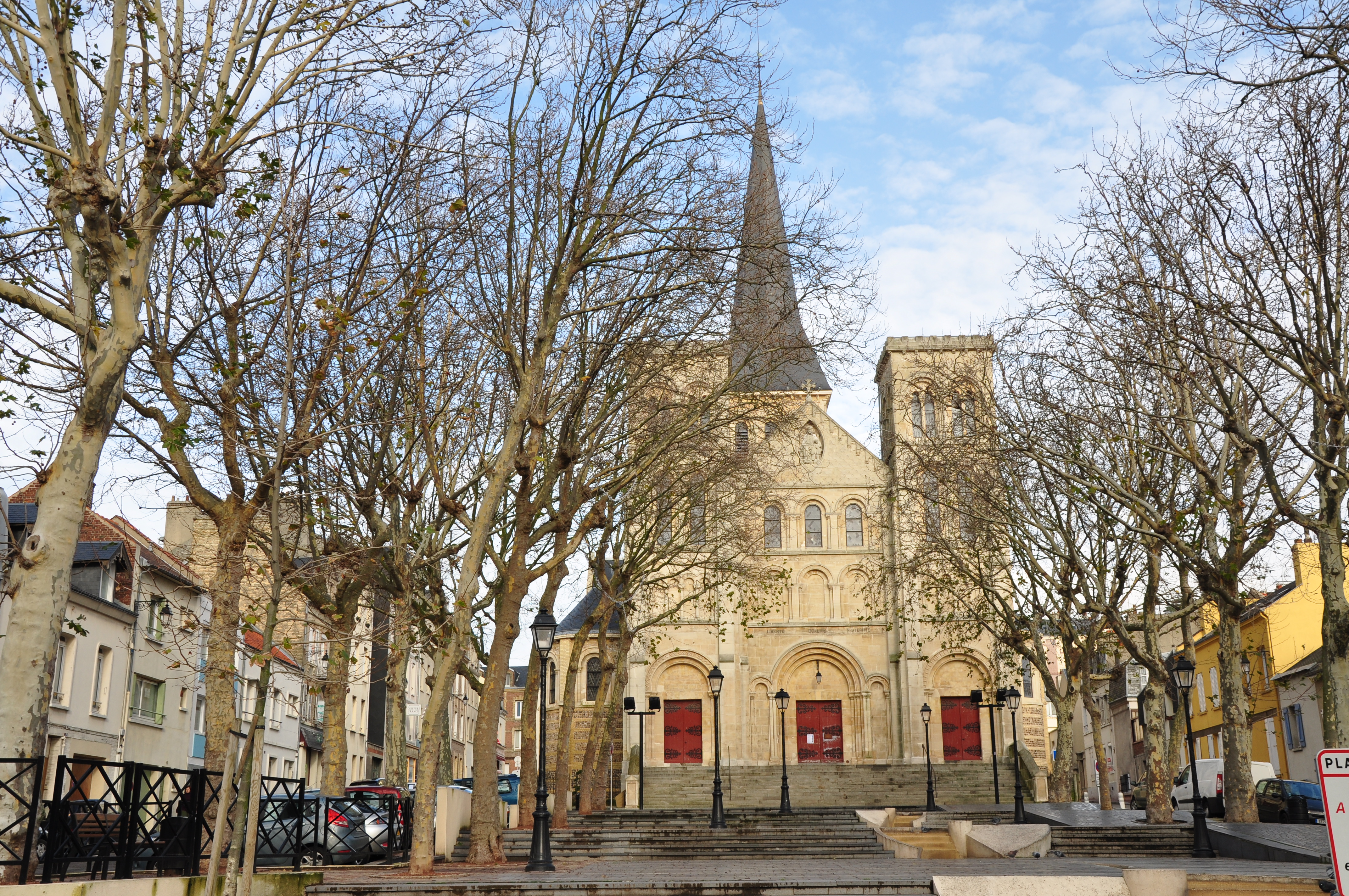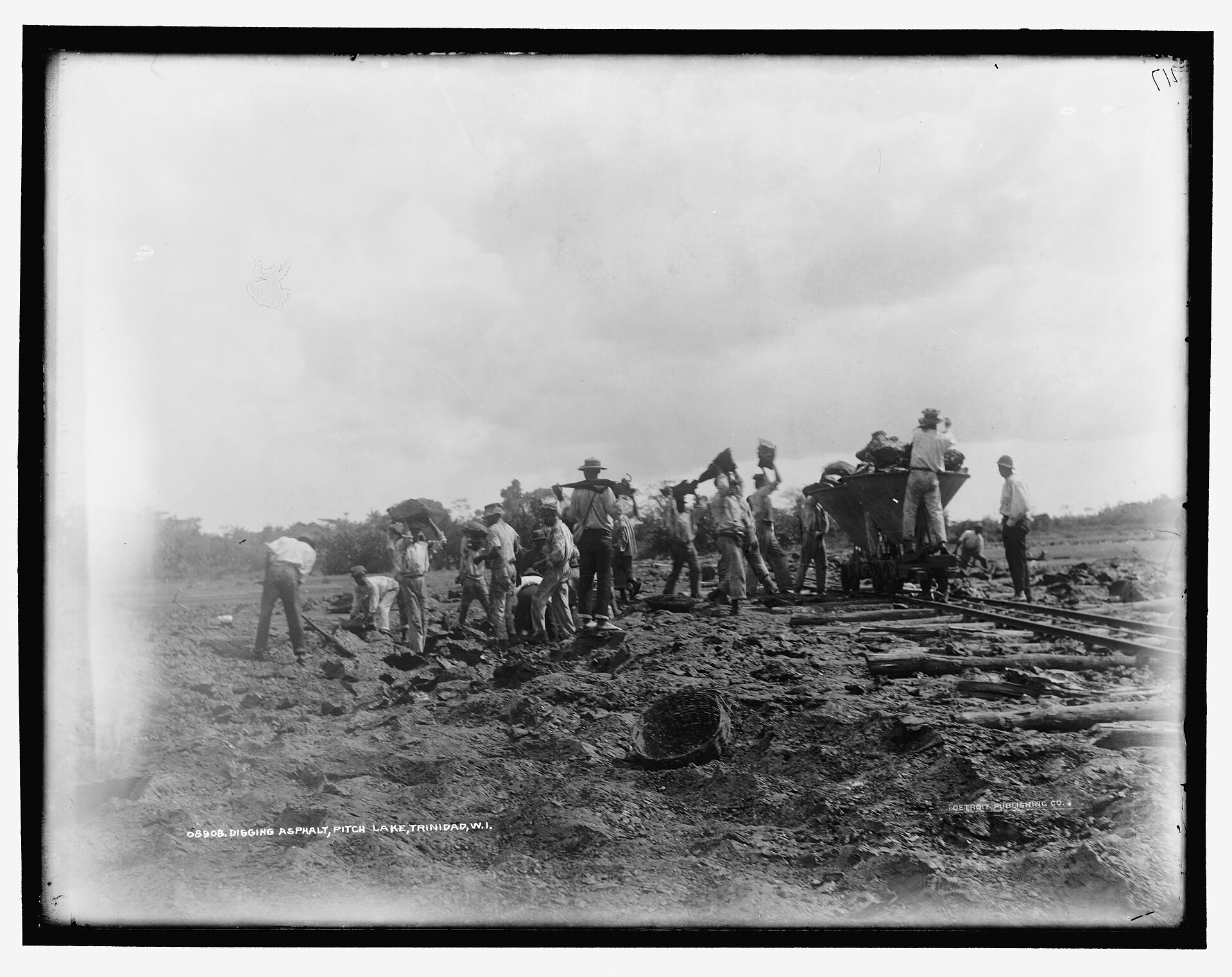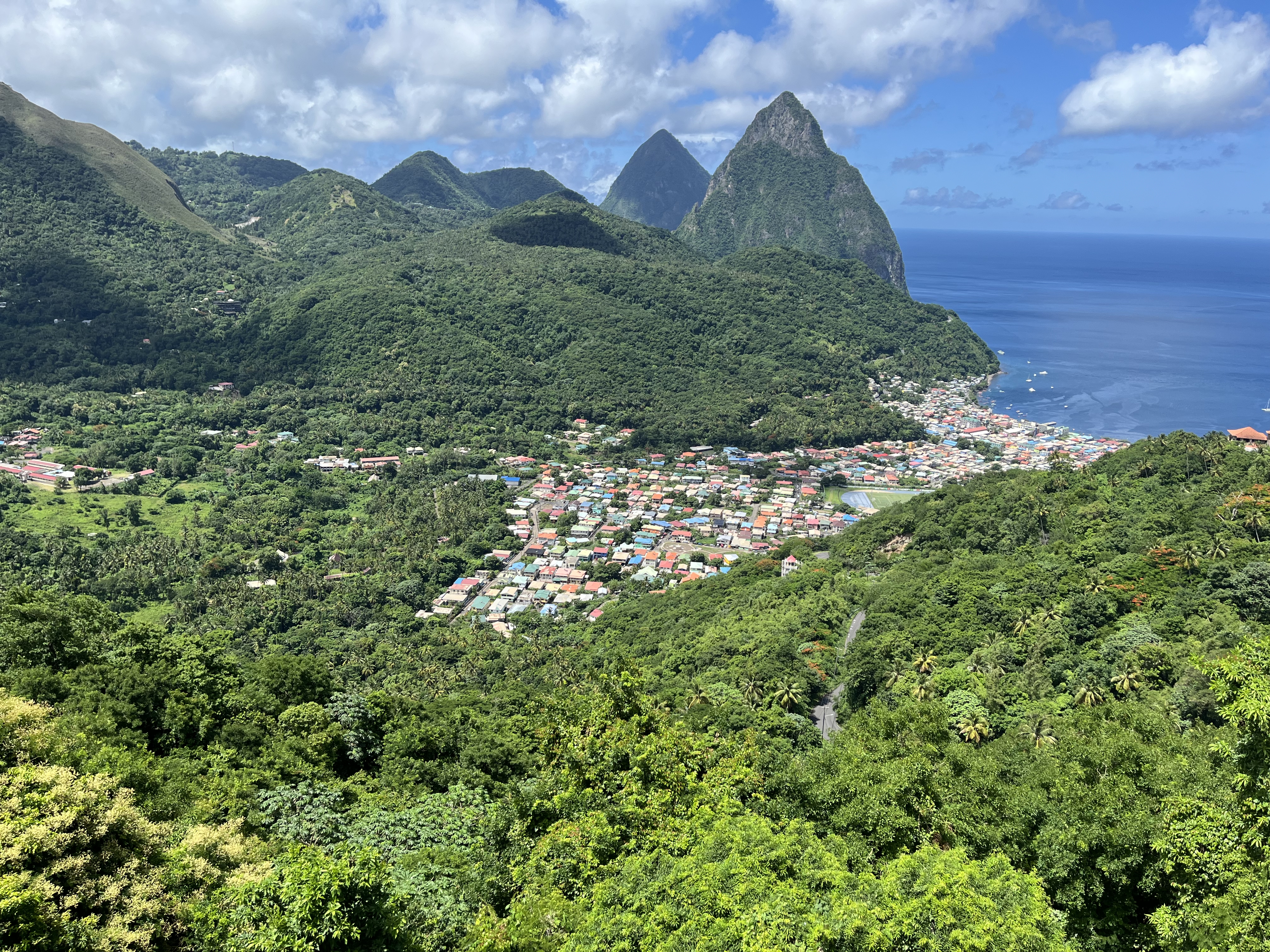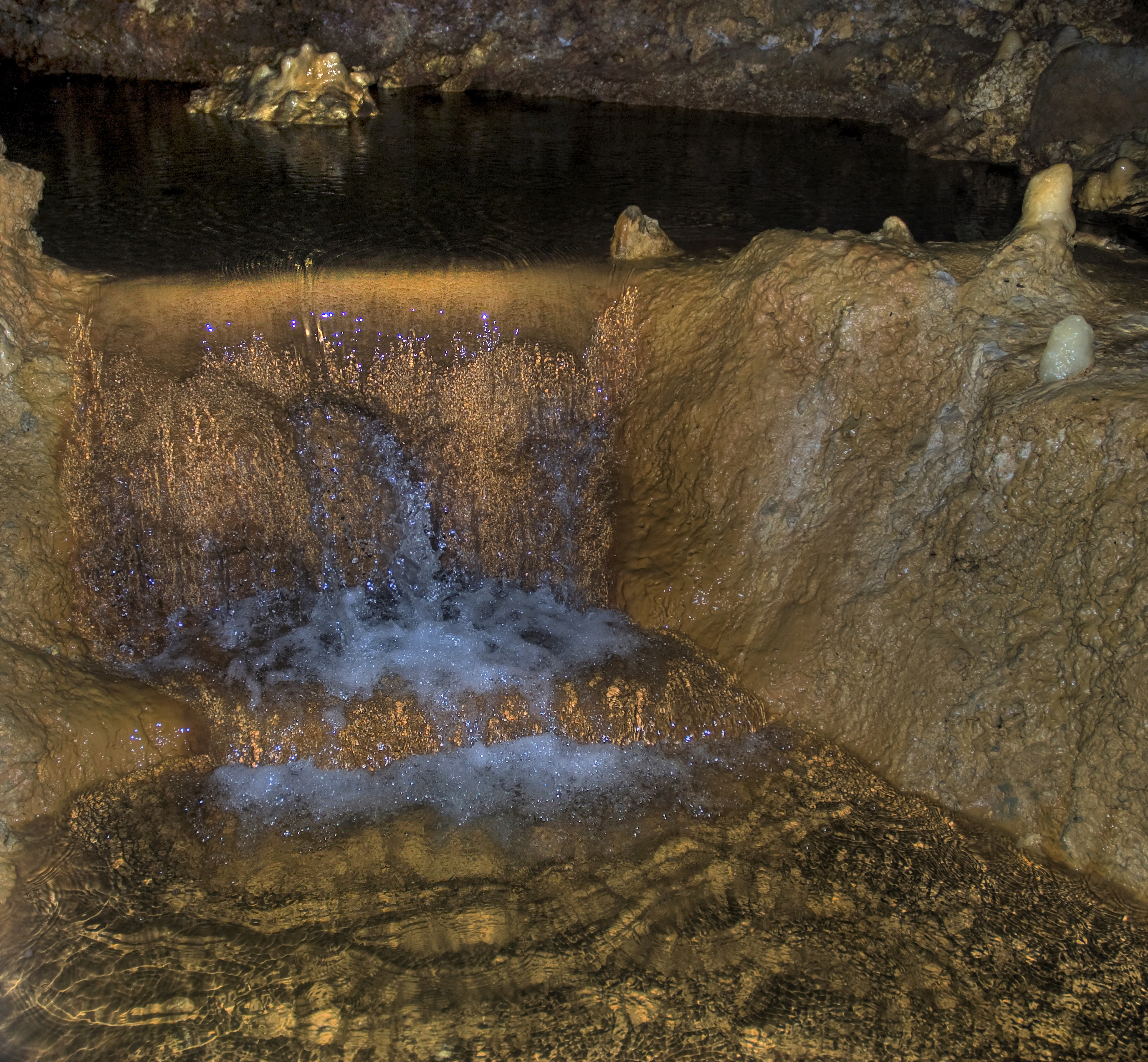

The spice island of the Caribbean — Grenada smells of nutmeg, cinnamon and cocoa, all of which grow here in quantity. It holds the world's first underwater sculpture park and one of the finest beaches in the region, Grand Anse. Rainforest waterfalls, crater lakes and the colourful capital, St George's, with its painted houses stacked up the hillside, make the island unlike anywhere else nearby.
Where to go
#St. George's
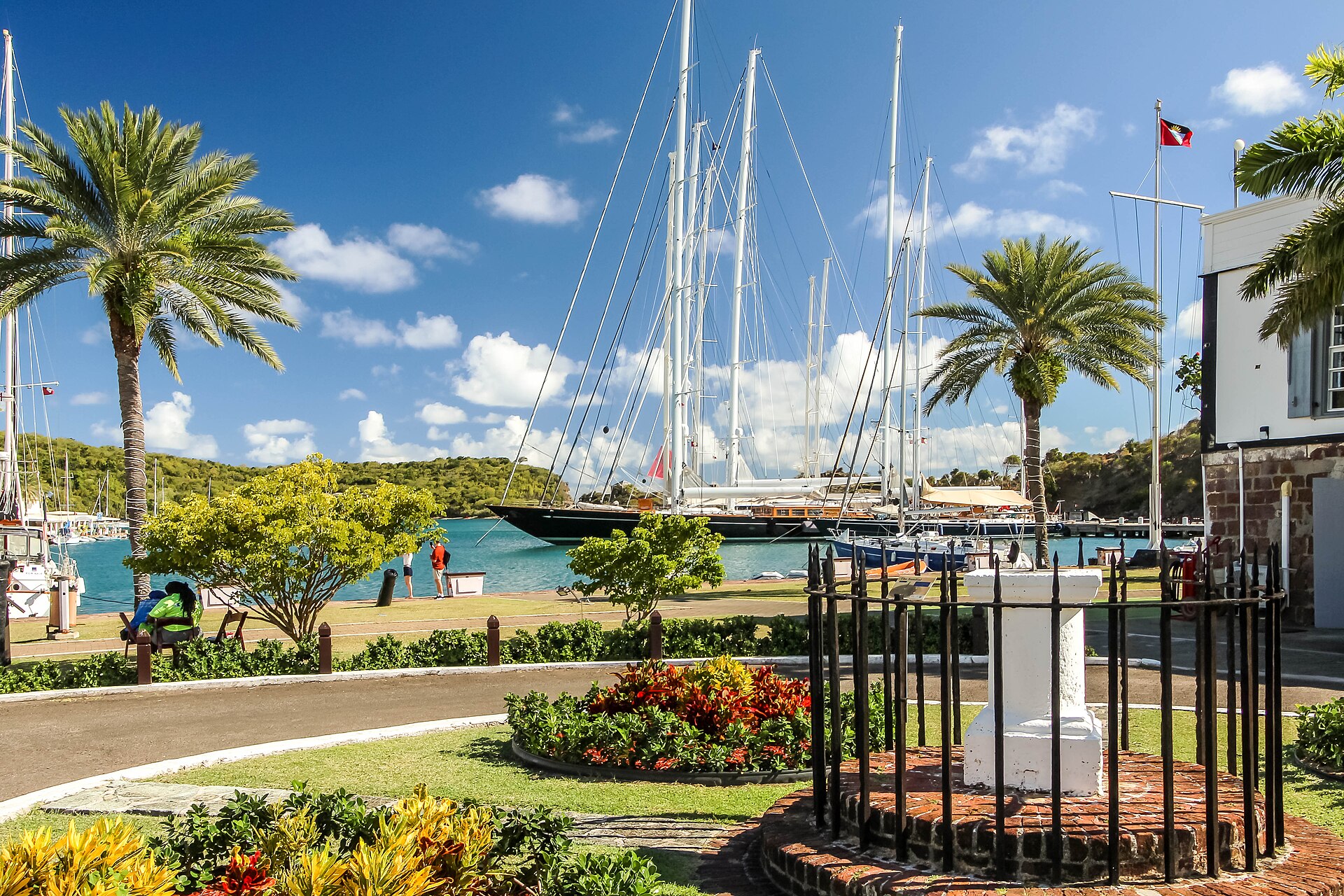
The capital curls around a horseshoe harbour with painted houses stacked up the hillsides, and it is the obvious place to start. Walk the Carenage waterfront, then climb to the old fort and its rusting cannons for the view back over the bay.
Grand Anse
The island's main resort strip, built around its best beach and the most developed tourist infrastructure. If you want turquoise water plus easy bus connections to the rest of the island, this is where to go.
Grenville
The second-largest town, over on the east coast, pulls in people looking for a less polished Grenada. Come on a Saturday for the market, where spices sell for the cheapest prices anywhere on the island.
Gouyave
A fishing town built around nutmeg processing plants, and one of the better places to watch chocolate actually being made. Friday night is when the street food festival takes over the main road.
Hillsborough
The quiet hub of Carriacou, with near-empty beaches and coral reefs just offshore. Worth a trip if you want to get away from the bustle and the cruise ships entirely.
Petite Martinique
A tiny island of fishermen and boat builders. You can walk the whole thing in a day, which is rather the point: silence, and seafood that came out of the water that morning.
What to see
#Underwater sculpture park: The museum in Molinere Bay was the first project of its kind anywhere in the world. It is worth a trip for the concrete alone, now furred over with coral, where cast human figures are slowly turning into a living reef.
Beach classic: Grand Anse is reckoned the best swimming spot on the island thanks to its white sand and calm water. Can you do it in a day? Easily, and still have time to walk over to the market for nutmeg.
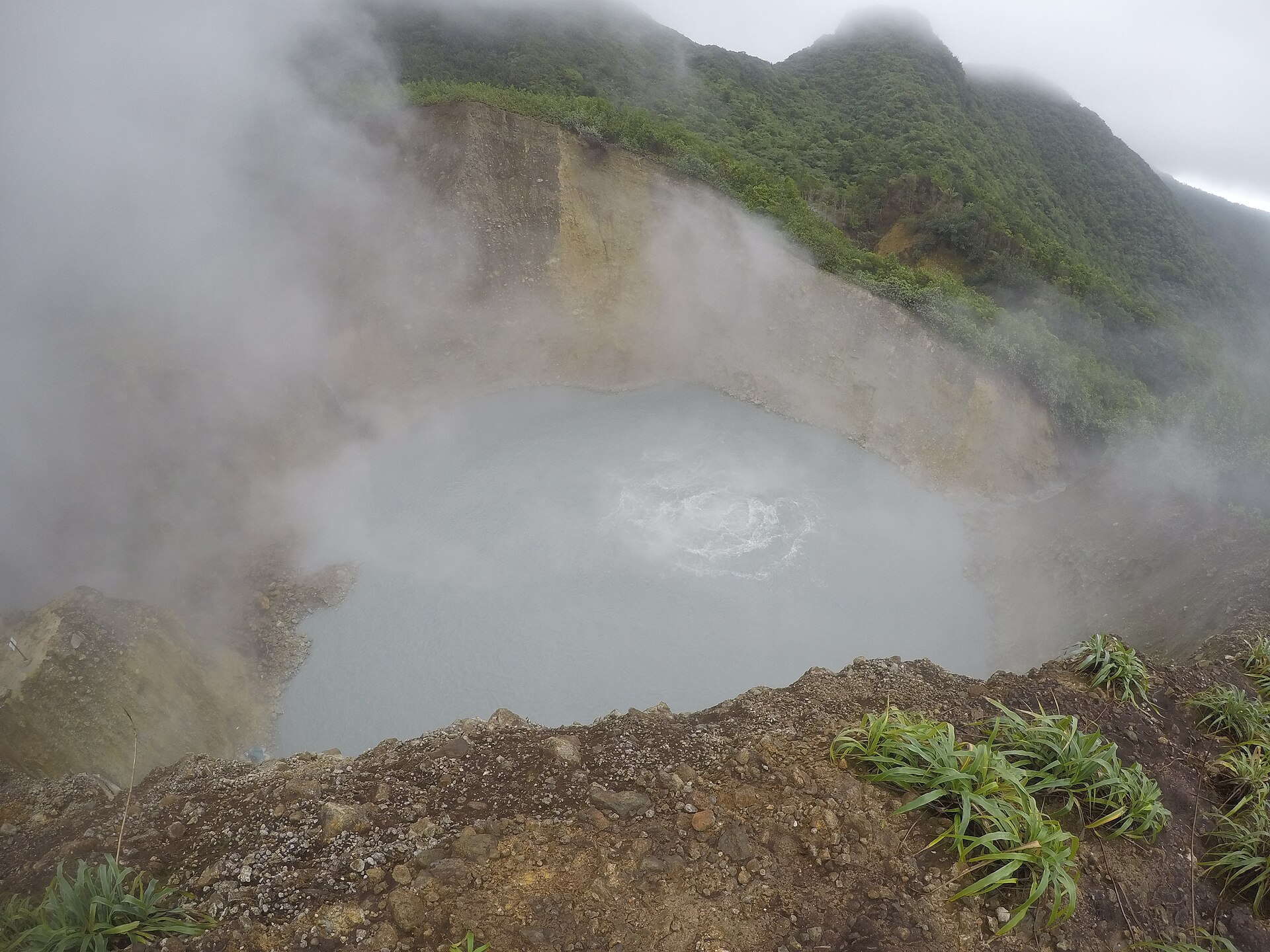
Jungle interior: Grand Etang is a highland park built around a crater lake, with wild monkeys in the trees. If you want trekking, the centre of the island is where to go, with damp forest hiding cascading waterfalls and rare birds.
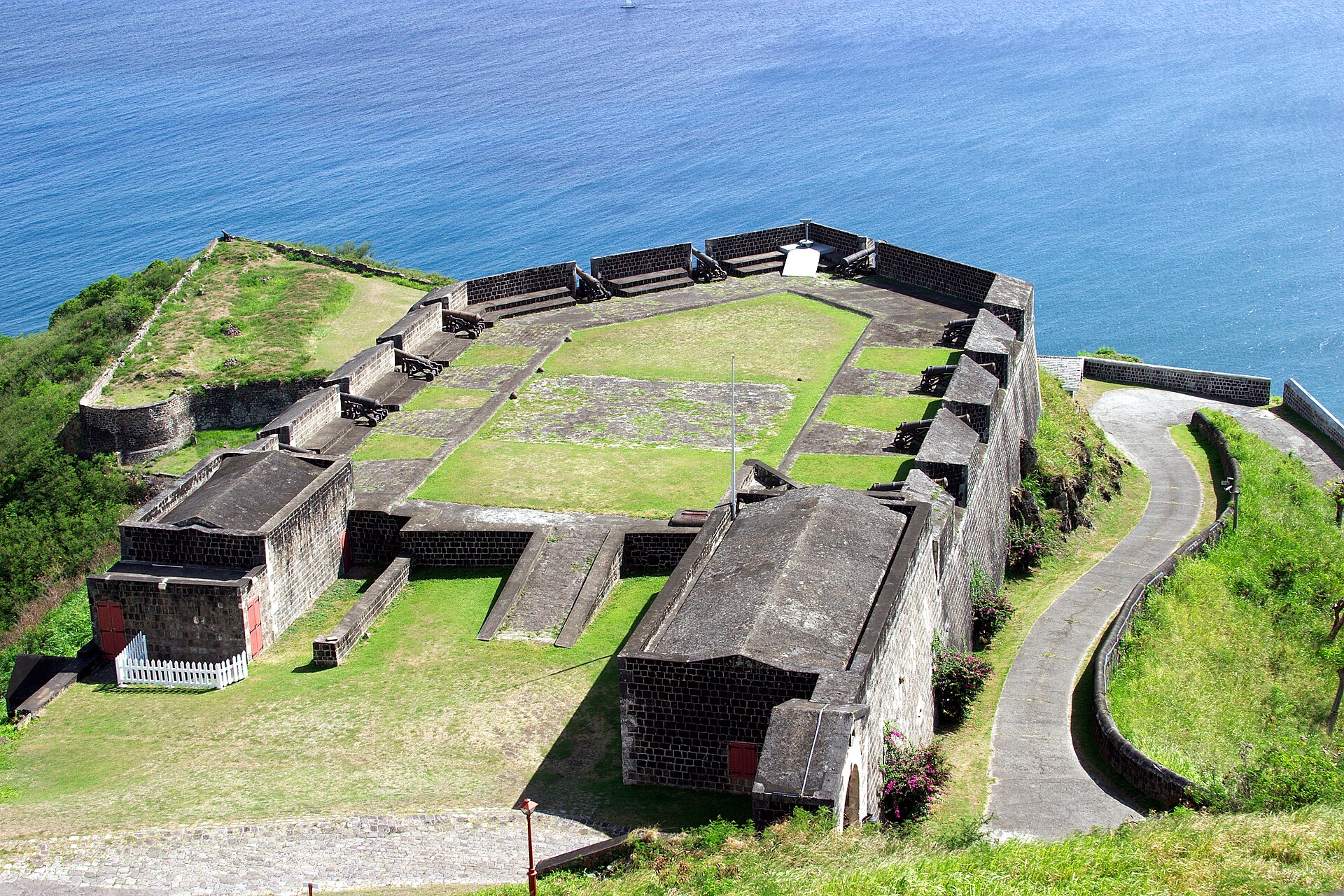
The fortress: Fort George has loomed over the capital since 1705 and still keeps its old cannons in place. What to see if you like history is the harbour panorama from the upper bastions.
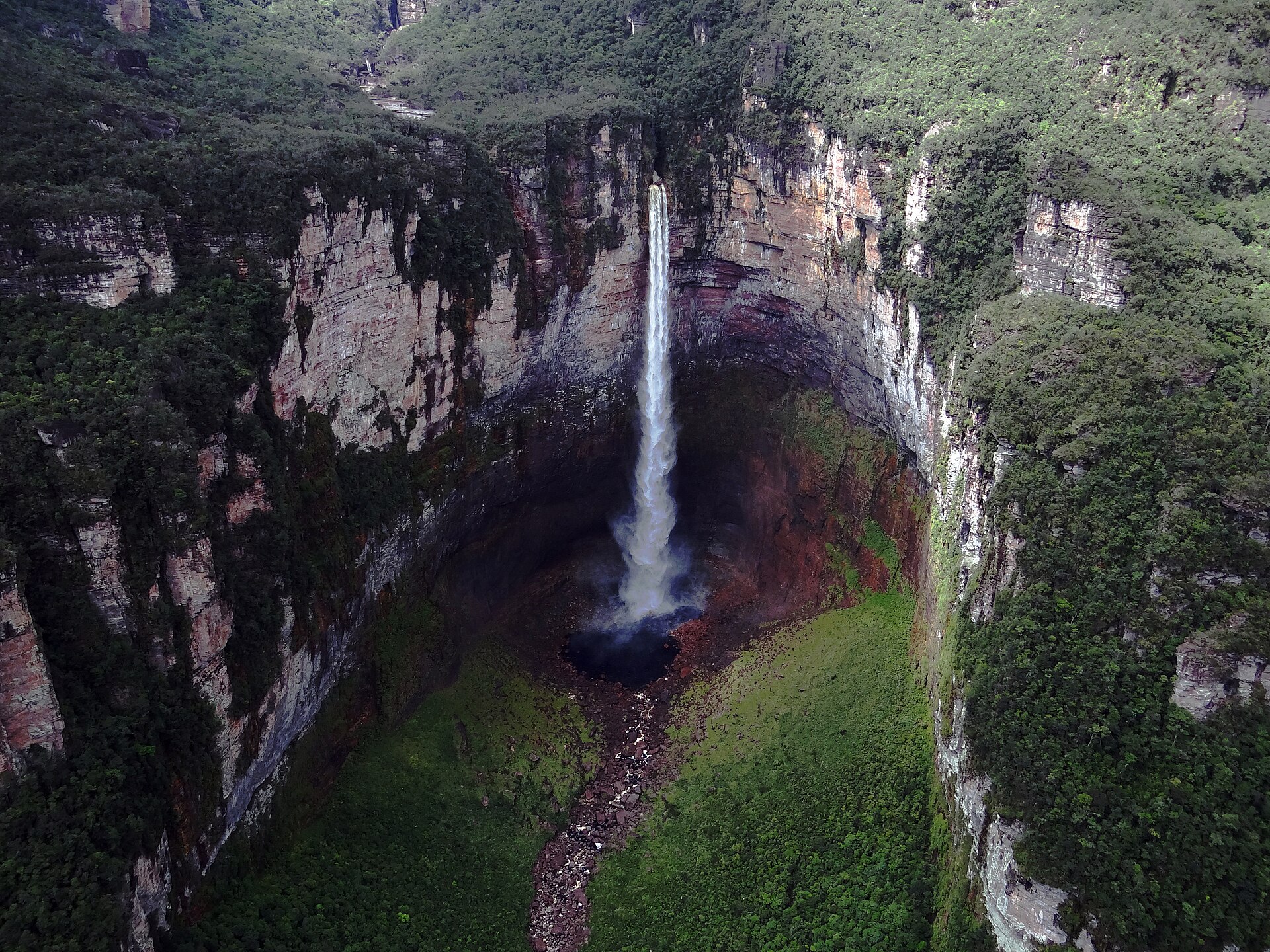
Waterfalls: The Seven Sisters is a complicated cascade deep in the forest, reached by a winding trail. Set aside a couple of hours for the walk through the ferns and the swim in the clear natural pool at the end.
Plantations: Belmont Estate is living chocolate history running back to the eighteenth century. Staff walk you through the whole route from cacao bean to finished bar and finish with a tasting of local varieties you will not find at home.
Prices
#Currency: The local money is the East Caribbean dollar, and its rate is pegged hard to the US dollar. One US dollar is always 2.70 EC, which makes mental arithmetic refreshingly simple.
Cards: Visa and Mastercard work in chain supermarkets, town hotels and larger restaurants; Amex is far less widely taken. Buses and market stalls are cash only, so always carry small EC notes.
Exchange: US dollars are accepted almost everywhere, but your change will come back in EC dollars at a rate that is rarely in your favour. Better to withdraw cash once from a bank ATM in town; a Wise or Revolut card keeps the conversion cost down.
Tipping: Restaurant bills often already include a ten per cent service charge. Where they do not, it is normal to round up, and taxi tips are entirely at your discretion.
| Item | Price (USD) |
|---|---|
| Lunch at a local cafe | 9 |
| Dinner for two with wine | 75 |
| Bottle of water 0.5l | 1 |
| Local beer 0.33l | 3 |
| Cappuccino in the capital | 4 |
| Street food (roti) | 5 |
| Minibus ride | 1.5 |
| Taxi from the airport | 15 |
| Night in a guesthouse | 50 |
| Car hire per day | 60 |
| Underwater sculpture tour | 60 |
| Bar of chocolate | 6 |
| Waterfall entry | 5 |
| Ferry to Carriacou | 30 |
Getting around
#Getting there: Maurice Bishop International sits very close to both the capital and the main beaches, so you are at the sea within half an hour of landing. From Europe the usual routing is a seasonal service or connection through London; from North America you change at a US gateway airport. An airport departure tax applies on the way out, though it is normally already inside your ticket price.
Minibuses: Brightly painted minivans are what most people use to get around. They tear along the island's roads from early morning until about eight in the evening, stopping for a raised hand or any other signal you care to give.
Paying: You hand the money to the driver or conductor as you get off, and the fare depends on how far you went. Expect loud music and a tight squeeze, but you will reach your beach fast and for almost nothing.
Taxis: Cars with an H on the plate work to fixed rates and have no meters. Agree the price before you set off, or better still photograph the tariff board in the arrivals hall.
Car hire: A car buys you freedom, but remember that traffic drives on the left and the mountain roads are narrow and twisting. You need a temporary local driving permit, which any of the bigger rental desks will sell you.
Between islands: A large fast ferry runs twice a day between the main island and Carriacou. It takes an hour and a half and can be genuinely rough in a swell, so bring tablets if you are prone to seasickness.
Island hops: Tiny local aircraft link the airfields on Grenada and Carriacou. It costs about three times the ferry fare, but the whole trip is twenty minutes over very blue water.
Where to stay
#Where to base yourself: Independent travellers do best around St. George's or Grand Anse bay. That is where the choice of rooms is widest, buses are frequent and shops are within walking distance.
Guesthouses: This is the most popular format for anyone watching their budget and wanting a bit of real island life. Plenty of owners let out a floor of their own house with a separate entrance and a kitchen you can cook in.
Hotels: The towns have small hotels that are perfectly fine for a night or two. If you are after seclusion, look along the south coast, where affordable private apartments are thick on the ground.
Booking: Use the usual booking sites, but read the reviews specifically for mentions of air conditioning. Grenada is humid, and decent ventilation in the room makes the difference between sleeping and not sleeping.
Prices: Budget rooms in private homes cost sensible money, but cheap beds thin out badly at the height of the season. Start looking months ahead, especially if your trip overlaps with carnival.
Location: If you plan to travel by bus, stay near the main road. Otherwise every evening ends with a long walk uphill along unlit streets, which wears thin after a full day out.
What to eat
#National dish: Oil down is a thick stew of breadfruit, meat and coconut milk. It is cooked slowly in an enormous pot and it is the most filling, most authentic thing you can eat on the island.
Street food: Roti is a flatbread wrapped around curried meat or chickpeas. It is the perfect stop for anyone who does not want to lose an hour in a restaurant and just wants something hot for a couple of dollars.
Seafood: Port towns always have fresh fish and grilled lambi conch. Grenada is an island, so what comes out of the ocean is genuinely fresh, though it can cost more than the usual chicken.
A warning: Some street food is fiercely hot thanks to the local red pepper. If a burning mouth is not your idea of a good time, ask the cook to go easy or order something rice-based instead.
Sweet things: Nutmeg ice cream is the island's calling card and should not be skipped. Try the local dark chocolate too, made up in the hills on the old plantations themselves.
Drinks: Grenadian rum punch is treacherous: it goes down easily and then takes your legs out from under you, because the rum behind it is strong. Tap water is not recommended for drinking, so buy bottled from the small shops.
Safety
#The general picture: Grenada counts as one of the calmest places in the region, with genuinely friendly people. You can walk around by day without worrying, as long as you keep normal awareness about you.
Theft: Do not leave valuables, phones or cash on the sand while you swim. Petty theft happens even on quiet bays, so a waterproof pouch you can take into the water with you is a sound investment.
Nature: The real risks here are not people but the tropical sun and strong currents. Use high-factor sunscreen and do not swim far out at unfamiliar wild beaches where nobody is watching.
Camouflage ban: Wearing camouflage clothing of any colour is strictly illegal on the island, tourists included. Anything that reads as military kit can get you fined or held while your identity is checked.
Hurricane season: June to November is when the weather can turn sharply for several days at a stretch. Follow local news and forecasts closely during those months, and check your own government's travel advisory before you fly.
Wildlife: Grenada's forests hold no deadly snakes, only a lot of persistent insects. Save the local rescue and ambulance numbers into your phone on arrival so you are not looking them up in a hurry.
Etiquette and culture
#Carnival: Spicemas in August is the event of the year and turns the whole island into one continuous party. Dancers smeared in black paint and oil parade through the streets to booming soca rhythms.
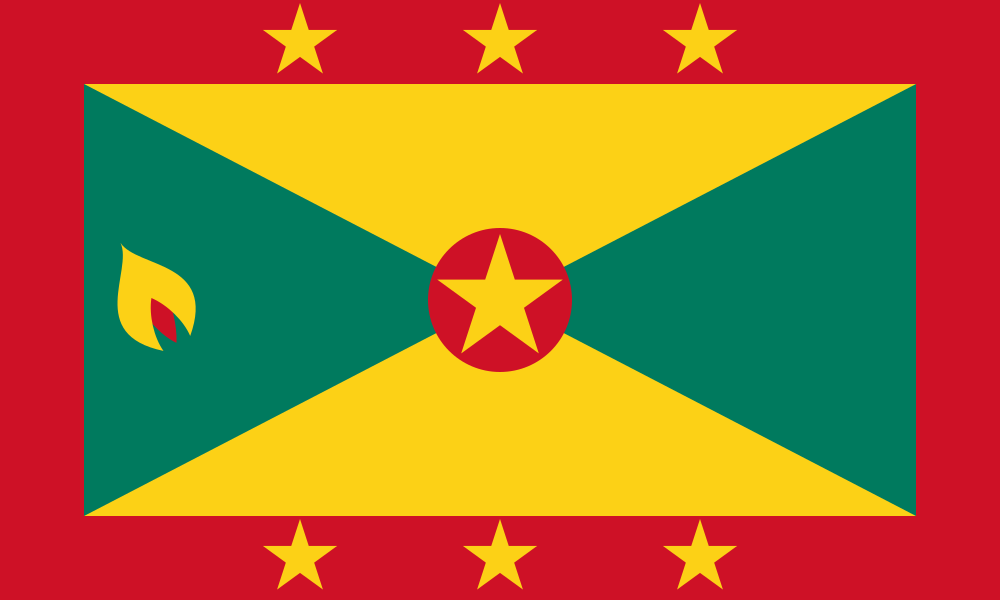
Spice: Nutmeg is close to a cult here and appears on the national flag itself. The island supplies a huge share of the world market, and the smell follows you around wherever you go.
Regatta: July and August bring traditional sailing races to Carriacou. It is an old tradition that draws boatbuilders from across the Caribbean and always comes with cheerful street celebrations attached.
Religion: Most islanders are devout Christians, so Sunday is a quiet day. Many shops shut and the buses run far less often than during the week.
Chocolate: Cocoa production is having a real revival, with several working factories on the island. Grenada takes pride in making chocolate only from its own beans, following old local recipes.
Etiquette: Greeting people as you enter a shop or board a bus is expected, and politeness counts for a lot here. Away from the sand, do not wander about in swimwear; it reads as disrespectful to locals.
Connectivity
#Networks: Two large mobile operators cover the island, Digicel and Flow. Both sell prepaid tourist bundles with enough data to see you through a holiday without extra charges.
Buying a SIM: Go to an official shop in the capital and bring your passport. The paperwork takes about ten minutes and data starts working on your phone straight away.
Coverage: 4G is solid in the towns and along the coast, though the signal drops out in the mountains. Carriacou is a little weaker but still fine for messaging apps.
eSIM: If your phone supports eSIM you can buy a plan before you travel through services such as Airalo. It costs slightly more than a local SIM, but you are online the moment you land.
Wi-Fi: Free Wi-Fi turns up in plenty of cafes and hotels, but speeds are unpredictable. For work or calls home, mobile data is the more reliable option and the prices are reasonable.
Language and apps: English is the official language, so signs, menus and conversations present no barrier at all, though the local creole takes an ear. Taxi drivers and hosts are usually reachable through the standard messaging apps, so save the numbers you need before you set off.
Phrasebook
#| English | Grenadian Creole | Pronunciation |
|---|---|---|
| Hello, what's happening? | Wha' happenin'? | wah HAP-nin |
| Thank you | Tanks | tanks |
| Yes / No | Yeah / Nah | yeah / nah |
| How much is that? | How much dat? | how much dat |
| Where is it? | Weh deh? | weh deh |
| Everything's great | Real good! | real good |
| Cool, excellent | Irie | EYE-ree |
| Friend, mate | Bredren | BREH-dren |
| It's delicious | It sweet! | it sweet |
| Help! | Help! | help |
| I don't understand | Me nah understand | me nah on-der-STAND |
| Beautiful | Real nice | real nice |
| Goodbye | Walk good | wok good |
| See you later | Lata | LAH-ta |
| That's expensive | It dear | it deer |
| Food | Food | food |
| Water | Wata | WAH-ta |
| Rum | Rum | rum |
| Stop here | Stop! | stop |
| Spices | Spices | SPY-siz |
Good to know
#Health: The main public hospital is in St. George's and will handle first aid and emergencies. Given how far the island sits from any mainland, insurance that covers an air ambulance transfer is worth paying for.
Plugs: Grenada uses the British three flat pin standard at 230 volts. Buy an adapter before you fly or ask your host for one on the first day.
Power: Short outages happen, particularly in the rainy season or after a thunderstorm. It is nothing dramatic, but keep a charged power bank in your bag for your phone and camera.
Information: The official national tourism portal keeps up-to-date schedules for festivals and regattas. Check the dates early, because holidays push prices up and rooms disappear.
Consular cover: Very few countries keep a permanent mission on Grenada, and most handle it from an embassy elsewhere in the region. Look up which post covers your nationality and note the emergency contacts down in case you lose your documents.
Airport: Maurice Bishop International is unusually close to both the capital and the main beaches. That means very little of your holiday is spent in transit after the flight.
Frequently asked questions
#The official currency is the East Caribbean dollar, pegged to the US dollar at 2.70. US dollars are accepted nearly everywhere, but your change comes back in EC dollars at the official rate.
Grenada is considered one of the safest countries in the Caribbean, with low crime levels. Ordinary precautions cover it: do not leave valuables unattended and avoid unlit streets at night.
Privately run minibuses link the capital with every sizeable town and beach on the island. They are cheap, frequent from early morning until evening, and will stop anywhere a passenger asks.
The dry season from December to May is the sweet spot, with minimal rainfall. The sea stays calm and the weather suits both swimming and walking in the rainforest.
Camouflage clothing is illegal for civilians in Grenada, and that includes visitors. It applies to any garment or accessory in a military pattern, and the penalty is a fine.
A fast ferry leaves the port in St. George's daily and takes an hour and a half. There are also short domestic flights that cover the same distance in twenty minutes.
The Saturday market in Grenville and the spice market in the capital have the best prices on fresh spices. Chocolate is cheaper bought straight from the plantations and factories, Belmont Estate among them.
About a week covers the main island comfortably: the beaches around Grand Anse, Grand Etang and its crater lake, the Seven Sisters waterfalls and a chocolate estate. Add three or four more days if you want to cross to Carriacou and Petite Martinique properly.
Yes, but with restrictions. Registration is mandatory for a drone of any weight. The drone must be registered before the first flight; no pilot licence is needed. Rules for other countries are in the drone ranking by country.
Updated
The data on this page goes out of date. Visa rules and permitted stays, border requirements, prices and budgets, transport and local conditions all change fast, and we do not re-check every page every day. We show the date of our last check where we have one, but before you travel, verify with official sources: the country’s consulate, its immigration service, its e-visa portal and your carrier.