
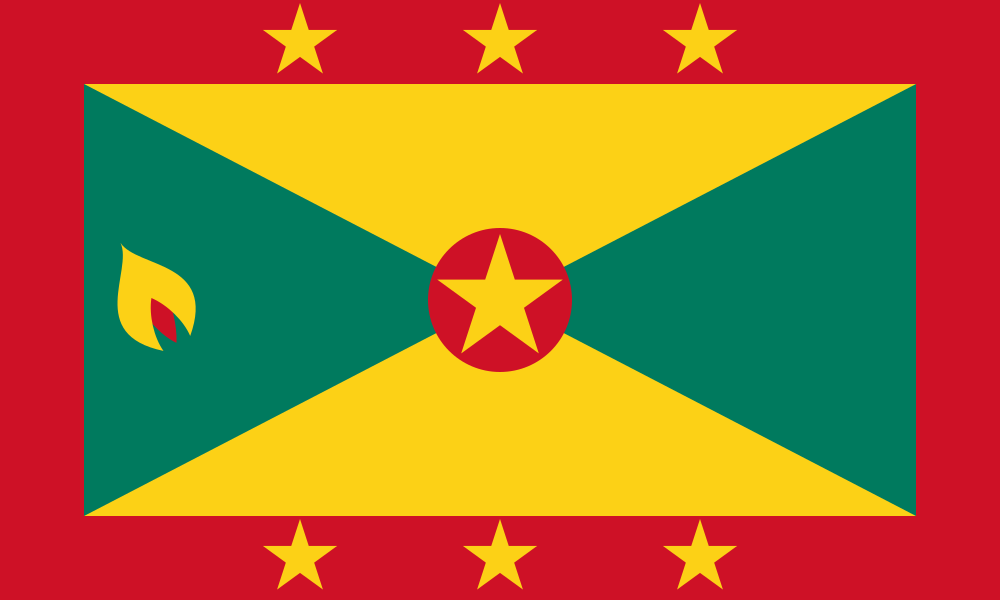
Safety in Grenada
A rating built from four independent indices, plus scams, laws and what to do when something happens
Rating calculated from the indices below
Indices checked on 10.08.2026
Position in global indices
Save these before you fly
The general picture
The general picture: Grenada counts as one of the calmest places in the region, with genuinely friendly people. You can walk around by day without worrying, as long as you keep normal awareness about you.
Theft: Do not leave valuables, phones or cash on the sand while you swim. Petty theft happens even on quiet bays, so a waterproof pouch you can take into the water with you is a sound investment.
Nature: The real risks here are not people but the tropical sun and strong currents. Use high-factor sunscreen and do not swim far out at unfamiliar wild beaches where nobody is watching.
Camouflage ban: Wearing camouflage clothing of any colour is strictly illegal on the island, tourists included. Anything that reads as military kit can get you fined or held while your identity is checked.
Hurricane season: June to November is when the weather can turn sharply for several days at a stretch. Follow local news and forecasts closely during those months, and check your own government's travel advisory before you fly.
Wildlife: Grenada's forests hold no deadly snakes, only a lot of persistent insects. Save the local rescue and ambulance numbers into your phone on arrival so you are not looking them up in a hurry.
How tourists get scammed
Grenada, the "spice island", is among the calmest in the Caribbean. Crime against tourists is low.
St George's. Petty theft on cruise ship days and theft from beaches. Nights are broadly calm.
Vendors on Grand Anse. Spices, jewellery, excursions. Persistent but polite.
Taxis. Fares are fixed by zone and published. Confirm the price and the currency.
Car hire. A local permit is required, issued by the rental firm. Driving is on the left and roads are mountainous and narrow.
Spices. Nutmeg, cinnamon and cocoa are genuine and of good quality. Haggling is moderate; the St George's market is the best place to buy.
Currency. The East Caribbean dollar is pegged to the US dollar, which is accepted.
What gets you fined or jailed
Camouflage is prohibited for civilians, as on the other Eastern Caribbean islands. It is confiscated at customs.
Drugs. The law is strict and the airport is screened.
Weapons and ammunition. Importing them is a criminal matter.
Drones. Permission is required.
Driving on the left. Mountain roads and hairpins make night driving difficult.
The underwater sculpture park. At Moliniere, a protected area visited through licensed operators.
Marine life. Collecting coral and shells is restricted, and taking lobster out of season is prohibited.
Hurricanes. The season runs June to November. Grenada suffered Hurricane Ivan in 2004 and Beryl in 2024; the island lies south of the main belt, but hits occur.
Health: vaccines, medicines, care
Vaccinations. None mandatory; a yellow fever certificate is required from arrivals out of endemic countries.
Dengue, chikungunya and Zika. Present, with outbreaks.
Water. Tap water in St George's is treated and broadly safe, but visitors are better off with bottled.
The sea. Grand Anse and the southern beaches are calm. The Atlantic east coast has heavy surf.
Manchineel. The poisonous tree grows on the beaches and is usually marked. Do not shelter under it or touch the fruit.
Sun. Tropical UV.
Diving. Good sites, including the underwater sculpture park. There is no hyperbaric chamber on the island — the nearest are in Trinidad or Barbados. Diving insurance is essential.
Healthcare. The hospital in St George's is basic. Anything serious means evacuation to Barbados, Trinidad or the US. Insurance is needed.
Emergency numbers: 911; 434 for ambulance.
Police: how to handle them
Grenada is a calm country with low crime.
Police. Correct, and English is official.
Reporting theft. Reports are taken and certificates issued.
What actually happens. Theft from beaches and hire cars, and petty theft from rooms.
At night. The Grand Anse tourist area and St George's are calm, but unlit stretches are best avoided.
Traffic police. Enforcement is moderate, but the roads demand attention in themselves.
What actually matters. Grenada's main risks are the sea on the east, mountain roads, and the absence of a hyperbaric chamber for divers. The island is reckoned among the safest in the region.
Emergency number is 911.
What else to check
The rating is built from open international indices and foreign-ministry advisories; links to the primary sources are in the cards above. Conditions change faster than annual reports come out — check current travel advice before you go.