Ireland
IEThe Emerald Isle at the edge of Europe — green hills, dramatic cliffs, medieval castles and the friendliest pubs on the planet. Ireland is a pint of Guinness by the fire, live music every night, the wild Atlantic coast and a literary history running from Joyce to Wilde. Hard on the wallet, generous to the spirit.
Where to go #
Dublin
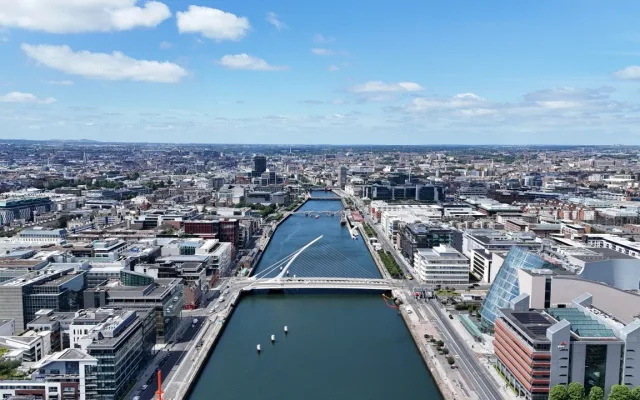
Dublin is the capital of Ireland, known for its ancient castle and historic Trinity College, home to the Book of Kells. The city also has a lively pub scene centred on the Temple Bar quarter.
Cork
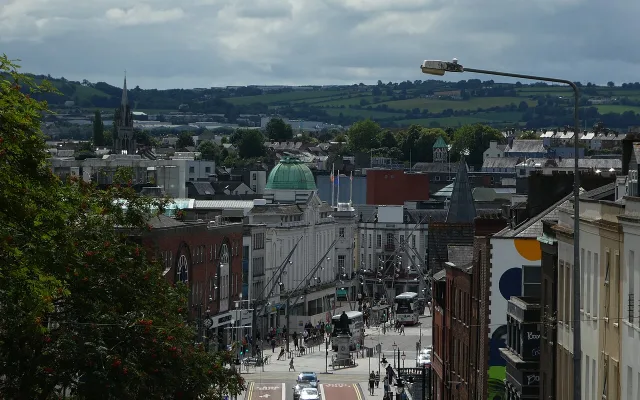
Cork is Ireland's second city, built on an island in the River Lee. Visit the historic English Market and catch live traditional music in the pubs.
Galway
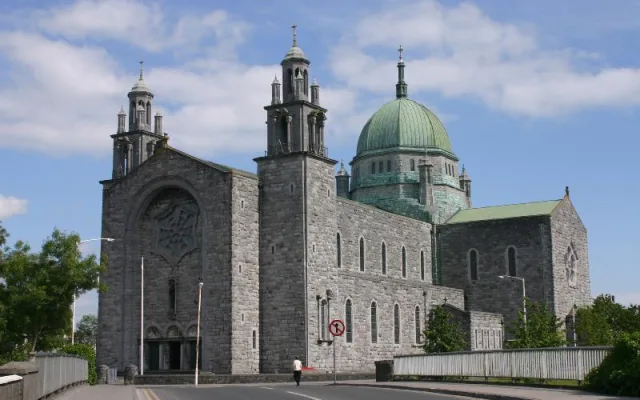
Galway is a city on Ireland's west coast, known for its street musicians, medieval walls and lively festivals. It sits at the gateway to the Wild Atlantic Way, with the Cliffs of Moher a short drive to the south.
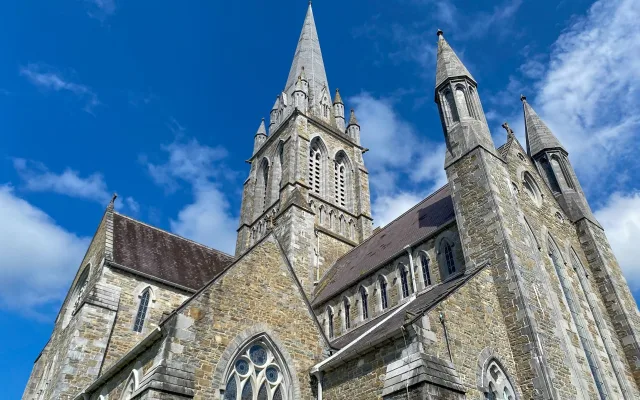
Killarney
Killarney is a tourist hub in Ireland, known for its natural scenery: the lakes and MacGillycuddy's Reeks mountains, and the Ring of Kerry route.
What to see #
What to see: The most recognisable view in the country is the Cliffs of Moher, dropping two hundred metres straight into the Atlantic. Go at sunset, when the low light picks out every ledge and fold in the rock.
Where to go: If you want wild landscape without the crowds, take the Ring of Kerry route. Three days gives you time for the old stone forts and the white beaches of the Iveragh peninsula.
Can you do it in a day: In Dublin the Guinness Storehouse with its rooftop panorama bar is the standard fixture. Book online well in advance, because walking up at a popular hour will get you nowhere.
Hidden gems: The Kerry Cliffs live in the shadow of Moher, though they are taller and far less crowded. Skellig Michael, the rock island with its sixth-century monastery, is astonishing but only reachable in good weather.
Deep history: The megalithic tomb at Newgrange predates the Egyptian pyramids and the precision of the Celtic engineering is startling. Book through the official site to get inside the passage chamber.
The literary mile: Trinity College holds the Book of Kells, the masterpiece of medieval illumination. The old library upstairs looks like a film set for a story about magic and forgotten knowledge.
Prices #
Currency: Everything runs in euros. Ireland is one of the more expensive countries in Europe, so build slack into the budget for accommodation and for eating out.
Cards: Plastic works everywhere, from the supermarket chains to tiny pubs up in the hills. Cash is really only useful for small tips and for buying things at farmers' markets in the countryside.
Tipping: Around 10 to 12 percent is normal in restaurants if a service charge has not already been added. At a pub bar you do not tip on top of the round, and nobody expects you to.
Saving money: Use a Leap Card for public transport and every journey drops by 30 to 40 percent. Once you hit the daily or weekly cap, everything after that is free.
ATMs: Withdraw from the machines of the big banks such as AIB or Bank of Ireland. Euronet units in tourist areas tend to bury fees in the transaction and offer a poor conversion rate, so decline their currency conversion if you use one.
| Item | Price (USD) |
|---|---|
| Breakfast in a cafe | 18 |
| Pub lunch, hot main | 22 |
| Dinner for two with wine | 75 |
| Pint of Guinness | 8 |
| Latte | 5 |
| Fish and chips takeaway | 13 |
| Taxi from the airport | 35 |
| Bus fare with Leap | 1.8 |
| Museum ticket | 20 |
| Litre of petrol | 2 |
| Souvenir magnet | 4 |
| Aran sweater | 120 |
| Bottle of whiskey, 0.7l | 28 |
| Hostel dorm bed | 45 |
| Three-star hotel room | 180 |
Getting around #
Getting in: Dublin is the main gateway, with dense connections from across Europe and direct flights from a long list of North American cities. Shannon and Cork airports are useful if you are starting on the west or south coast.
Around the city: Dublin runs Luas trams, DART commuter trains and double-decker buses. The cheapest and least fiddly way to pay for all of them is a contactless, top-up Leap Card.
The Luas: Tap your card on the platform validator both when you board and when you get off. Miss the second tap and the system charges you the maximum possible fare for that journey.
Rail: Irish Rail runs comfortable trains between the larger cities. Buy online in advance, because the walk-up price at the station ticket desk on the day can be double.
Buses: The state Bus Éireann network reaches the whole country, including villages you would struggle to find on a map. For short hops into the countryside it is the most reliable and cheapest option.
Taxis: Use Free Now or Bolt to call a car. Uber operates in Ireland only through licensed taxi drivers, so the price is the same as any other metered ride.
Car hire: You need a car for the Wild Atlantic Way. Remember that driving is on the left, and that rural roads are extremely narrow, often walled in by high stone hedges with no verge to escape to.
Where to stay #
What to book: The Irish classic is the Bed and Breakfast. Staying in a private house with a home-cooked breakfast and chatty hosts is a far better experience than any anonymous chain hotel.
Timing: In summer the good locations in Dublin are gone three or four months out. If your trip falls over St Patrick's Day, start looking six months ahead or the prices will be absurd.
Where to stay: In the capital, pick Smithfield or Portobello if you value sleep. Temple Bar is badly overrated, loud with crowds and bar music running until dawn.
Budget beds: The standard of cheap places in central Dublin is generally high, and many throw in breakfast and free walking tours. It works well for solo travellers trying to keep costs down in 2026.
Castles: For a special occasion you can book a night in a genuine medieval castle. It costs a lot, but you get antique furniture, an unrepeatable atmosphere and grounds to wander.
Countryside: In small places like Waterville or Sneem, rooms are cheaper and warmer in character. It is easy to find a guesthouse looking out over the Atlantic or over the endless green of Kerry.
Arrival: Many small B&B owners will ask you to confirm your exact arrival time in advance. They usually live in the same house and come to the door to meet every guest personally.
What to eat #
Breakfast: The Full Irish means bacon, sausages, eggs, beans and both kinds of pudding. One of these in a pub will comfortably carry you through to the evening without a hint of hunger.
Seafood: On the west coast order fresh oysters and a thick, creamy chowder. The best versions come from small fishing villages on the ocean, Portmagee among them.
Meat: Irish stew made with tender lamb is the simple, filling classic. Boxty is worth trying too, a traditional potato pancake served with a range of meat or vegetable fillings.
Cheap and fast: Convenience chains like Centra and Spar run hot food counters and sandwich bars. It is the best way to eat properly for eight to ten euros when the restaurant budget is tight.
Beer: A pint of Guinness genuinely does taste better here than anywhere else. Local custom says you wait for the head to settle completely and the glass to turn coal black before you touch it.
Baking: Soda bread, made with buttermilk and no yeast, arrives with salted butter alongside almost any order. For dessert, look for homemade apple tart or a hot pudding under custard.
Dinner: Pub kitchens tend to shut early, often by eight or nine in the evening. After that you will struggle to order anything hot, and it is drinks only.
Safety #
Overall: Ireland is one of the safest countries in Europe for independent travel. Visitors are treated well, and locals will stop what they are doing to give you directions.
Pickpockets: In Dublin stay alert on O'Connell Street and in the crush of Temple Bar. Dense crowds and drunk groups are exactly the conditions petty street thieves work in.
Driving: The real hazard is left-hand traffic combined with very narrow country roads. Do not rush blind corners, because sheep and cattle wander onto the tarmac regularly.
Weather: Heavy rain can arrive out of an entirely clear sky. On the sea cliffs the gusts are genuinely life-threatening, so never step past the barriers for a photograph.
Bikes: If you hire a bicycle, always lock it to something fixed with a serious lock. Bike theft is common in the bigger Irish cities.
At night: Central Dublin is well lit and regularly patrolled. Loud groups after closing time are usually harmless, but there is nothing to gain from arguing with them.
Getting help: Dial 112 for police, ambulance or mountain rescue. Coverage generally works even in the hills, which matters if you lose the marked trail on a hike.
Etiquette and culture #
Pubs: These are not simply places to drink; they are the community's front room, where most local business gets settled. Striking up a conversation with a stranger is normal rather than intrusive.
Music: Traditional sessions happen in pubs, free and largely unplanned. The musicians sit down in a corner and play for their own pleasure, which is why it feels like a living tradition and not a show.
Session etiquette: While the music is playing, do not talk loudly over it or interrupt the players. Clap between tunes, and do not request songs the way you might from a covers band.
Craic: This uniquely Irish word covers fun, good company and general atmosphere all at once. "What's the craic?" is the standard way of asking someone how they are.
St Patrick's Day: On 17 March the whole country turns green. The parades are enormous, but accommodation and transport for that week need booking half a year out.
Language: Everyone speaks English, but the Gaeltacht regions in the west still use Irish as a daily language. Road signs across the country are written in both official languages.
Pace: Irish people dislike unnecessary hurry and rate the ability to enjoy the moment. Do not expect instant service in a country cafe, where rushing is seen as a character flaw.
Connectivity #
Getting online: The easiest option is an eSIM from an international provider such as Airalo. You land already connected and skip the hunt for a shop on your first afternoon.
Local operators: The main networks are Three, Vodafone and Eir. A prepaid month of data costs roughly 20 euros and any phone shop will set it up for you.
Wi-Fi: Free access is standard in pubs, city cafes and hotels. Trains and intercity buses usually have it too, though the speed comes and goes.
The accent: Irish English can take a day or two to tune into. In rural Kerry or Donegal the pronunciation is especially distinctive, and asking someone to repeat themselves causes no offence at all.
Manners: "Sorry" is used constantly here, for everything from a collision to getting someone's attention. Polite, open conversation opens doors and solves problems faster than anything else.
Plugs: Ireland uses British type G plugs with three rectangular pins. You will need an adapter for anything brought from mainland Europe or North America.
Apps: Install TFI Live for real-time public transport tracking. The Leap Top-up app lets you add credit to your travel card instantly over NFC.
Phrasebook #
| English | Irish / local slang | Pronunciation |
|---|---|---|
| Hello | Dia duit | DEE-a ghwit |
| Thank you | Go raibh maith agat | guh rev MA a-gut |
| Cheers! | Sláinte! | SLAWN-cha |
| Goodbye | Slán | slawn |
| How are you? | What's the craic? | wots the crack |
| I'm fine | It's grand | its grand |
| Lovely | Lovely | LUV-lee |
| Toilet | The jacks | the jax |
| A pint of Guinness | Pint of plain | pynt of playn |
| That guy | Yer man | yer man |
| Damn / rubbish | Feck | feck |
| Light drizzle | Soft day | soft day |
| A hundred thousand welcomes | Céad míle fáilte | kayd MEE-la FAWL-cha |
| Fun, good atmosphere | Craic | crack |
| Very good | Deadly | DED-lee |
| A large amount | A fair whack | a fair wack |
| Yes | Sea | shah |
| No | Ní hea | nee ha |
| Excuse me | Sorry | SOR-ee |
| Help | Cabhair | KOW-er |
| Food | Bia | BEE-a |
| Where is the pub? | Cá bhfuil an teach tábhairne? | kaw will on chakh TAW-ir-na |
Good to know #
Transport planning: The Transport for Ireland portal has live timetables for every bus and train in the country. It will also price a journey between any two points on the island before you commit.
Discount travel: If you plan to move around a lot, buy the Leap Visitor Card for three or seven days. It gives unlimited travel on all city transport and pays for itself quickly.
Hiking: For national park walks or the Kerry cliffs, use AllTrails. It shows current routes, difficulty ratings and recent reports from people who have just walked them.
Cheap food: The Too Good To Go app lets you collect unsold food from cafes for a token price at the end of the day. It is one of the better ways to cut costs in expensive cities.
Electricity: The supply is 230 volts at 50 hertz. If you forgot an adapter, any large supermarket such as Dunnes Stores sells them for a couple of euros.
Paperwork: Keep a photo of your passport and your travel insurance policy on your phone and in your email. If anything goes missing, it makes replacing documents far quicker.