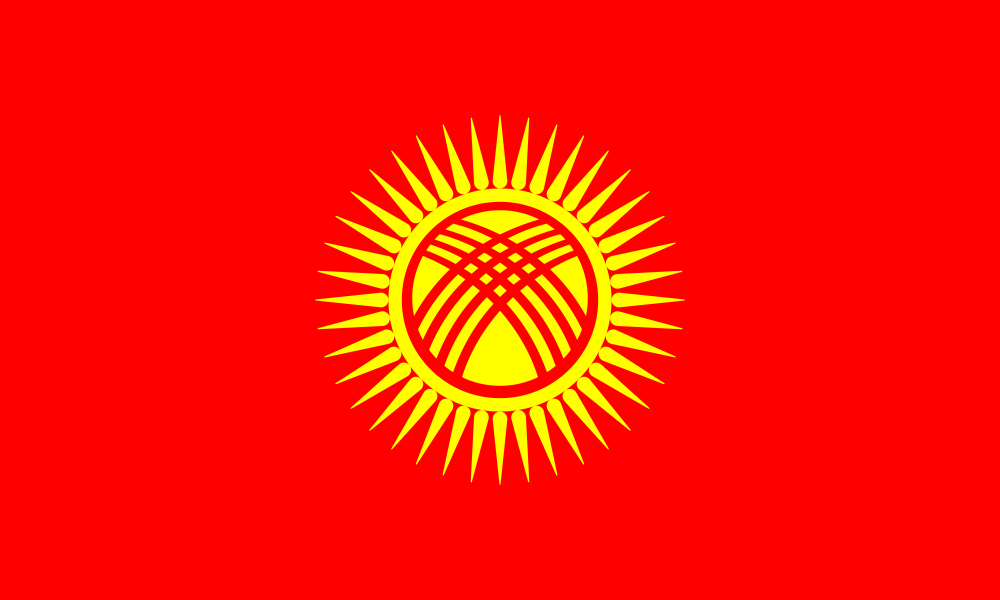
Kyrgyzstan
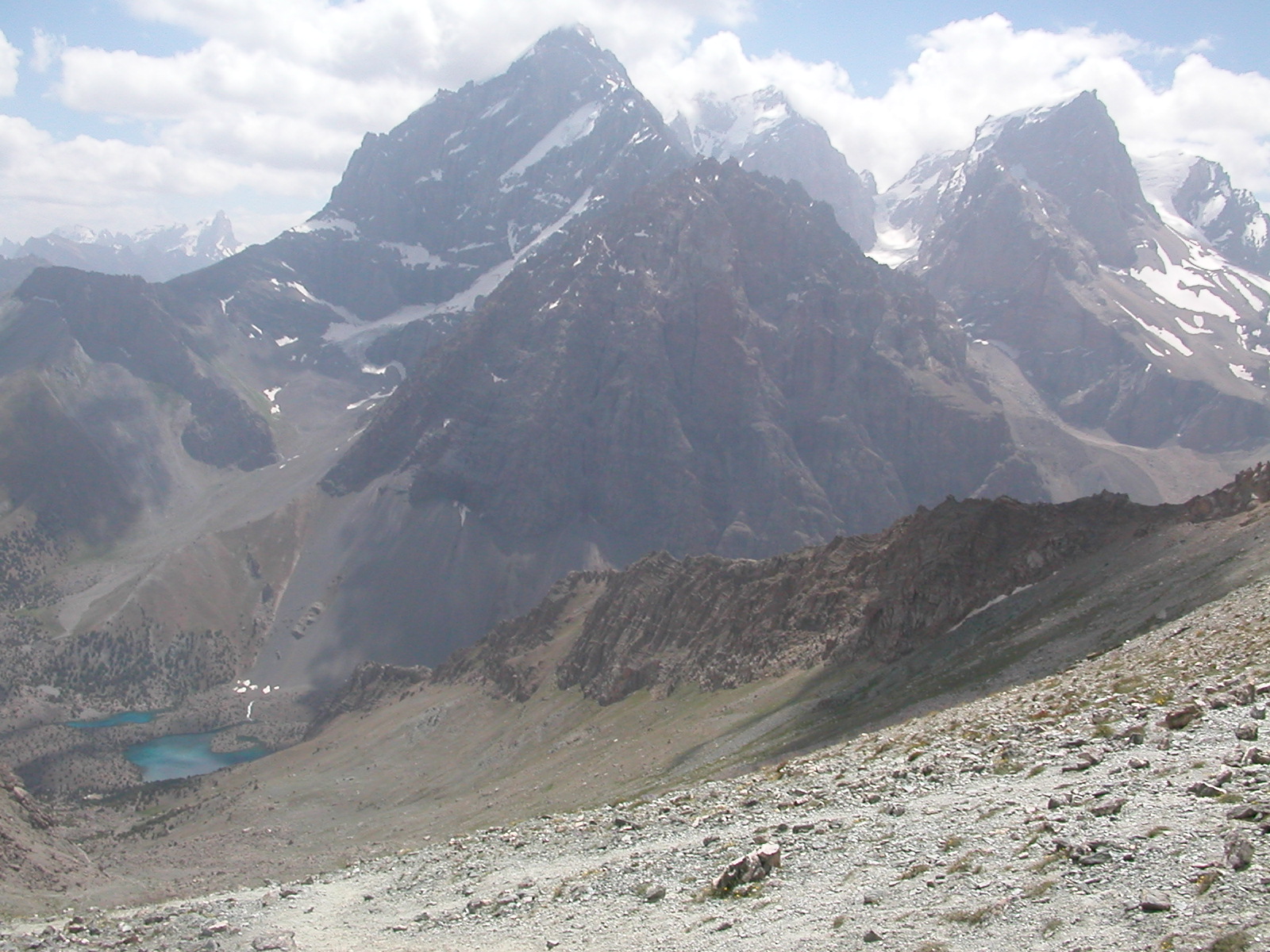
KGA mountain country at the heart of Central Asia, where 94% of the land lies above 1,000 metres. Kyrgyzstan is alpine Lake Issyk-Kul, the snow-capped seven-thousanders of the Tian Shan, nomad yurts on the high summer pastures and some of the cheapest trekking anywhere in the world. Russian is an official language alongside Kyrgyz, and citizens of many countries need no visa.
Where to go #
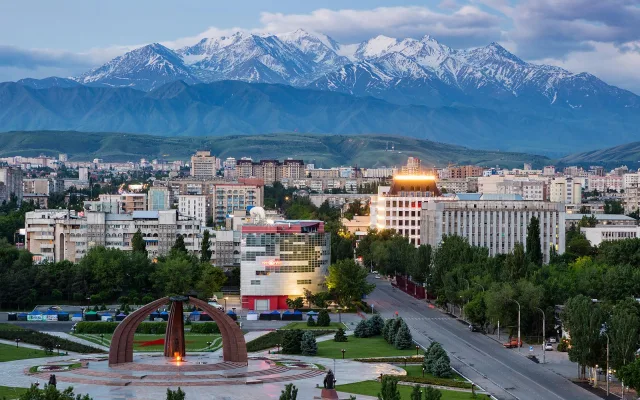
Bishkek
The Kyrgyz capital and the main staging post for the Tien Shan: Ala-Too Square, Osh Bazaar and Ala-Archa National Park an hour away.
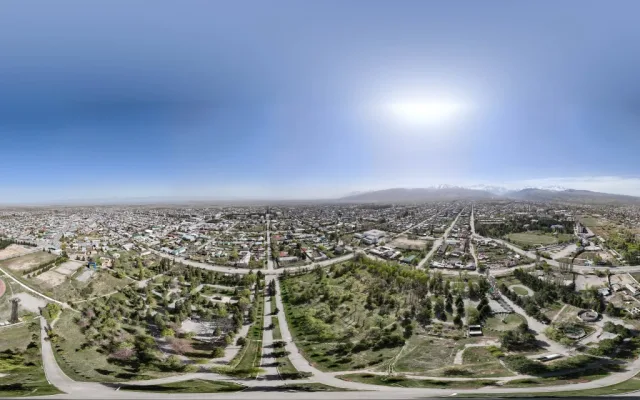
Karakol
Karakol is a base at the foot of the Tian Shan on the eastern shore of Issyk-Kul: the Dungan Mosque, the Holy Trinity Cathedral, the hot springs of Altyn-Arashan and the red rocks of Jeti-Oguz.
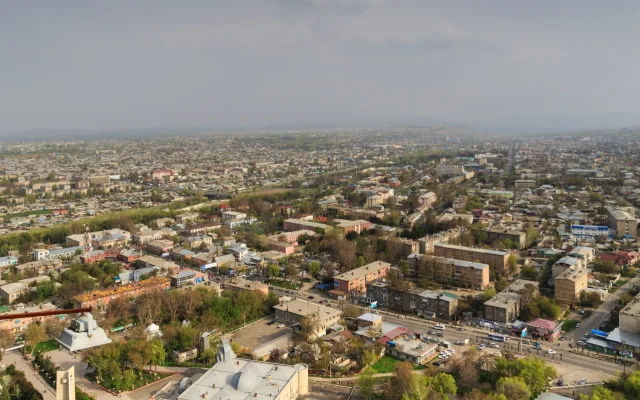
Osh
Osh is Kyrgyzstan's second city, known for the sacred mountain of Sulaiman-Too on the UNESCO World Heritage list and for its strong Uzbek cultural character.
What to see #
Issyk-Kul: An enormous warm sea sitting high in the mountains that never freezes over. The southern shore is wild and empty; the northern one is busy and set up for visitors, so pick according to what you want.
Song-Kul: The high-altitude jewel at 3,000 metres, and where to go for a night in a yurt. It is only accessible in summer, when the herders bring their animals up to the jailoo pastures.
Tash Rabat: A fifteenth-century stone caravanserai lost in the mountains of Naryn province. Worth the detour for anyone who cares about the history of the caravan routes.
Arslanbob: Relict walnut forests and powerful waterfalls in a dead-end mountain village. Spend a day walking the trails and buy walnuts directly from the people who grew them.
Jeti-Oguz: The famous red rock formations known as the Seven Bulls and the Broken Heart, near Karakol. The scenery suits easy and very photogenic hiking.
Sulaiman-Too: The sacred mountain in the middle of Osh, with caves and a full panorama over the city. It is the first thing to see in the southern capital.
Altyn-Arashan: A valley with hot springs that you reach on foot or in a seriously capable 4x4. It is a genuine test and the reward is soaking in hot water surrounded by peaks.
Prices #
Currency: The som is the local currency, with notes up to 5,000 and coins that are barely used. Prices are low by any standard, which is a large part of why the country works so well for a long trip.
Exchange: Bring US dollars or euros in cash. The best rates are always at the exchange booths in central Bishkek; the airport and anywhere in the mountains will be substantially worse.
Cards: Visa and Mastercard are accepted in supermarkets and the larger hotels in the capital and in Osh. In any village or lakeside guesthouse, only cash exists, so plan your withdrawals around your route.
ATMs: Machines are reliable in the cities and dispense som on foreign cards without difficulty. Take out enough for the whole mountain leg before you leave the tarmac.
Tipping: A service charge of 10 to 15 percent is often already on the bill in cafes. Where it is not, leaving small change is appreciated but not expected.
| Item | Price (USD) |
|---|---|
| Lunch in a chaikhana | 4 |
| Dinner in a restaurant | 12 |
| Lagman or plov | 3 |
| Samsa from the tandyr | 0.5 |
| Cappuccino | 2 |
| Beer, 0.5l | 1.5 |
| Hostel bed | 10 |
| Night in a yurt | 25 |
| Taxi ride | 2 |
| Marshrutka ticket | 0.2 |
| Litre of petrol | 0.8 |
| 4x4 hire per day | 80 |
| SIM card | 2 |
| Museum entry | 1 |
Getting around #
Marshrutkas: Shared minibuses are how locals move between towns. They leave the bus station when full and operate on no fixed timetable worth relying on.
Shared taxis: A driver collects four passengers heading the same way and sets off. Much faster than a marshrutka and far more comfortable for the long transfers.
Car hire: For the mountain passes you want a properly equipped 4x4 and nothing less. The tracks up to lakes like Song-Kul destroy ordinary cars and the nerves of ordinary drivers.
Domestic flights: Bishkek to Osh or Jalal-Abad takes 40 minutes and costs very little. It saves an entire day of grinding over the passes.
City taxis: Yandex Go works well in the capital and in Osh. Prices are low and you never have to negotiate with a driver on the street again.
Rail: The railway is minimal and painfully slow. The one genuinely useful service is the summer train from Bishkek down to Balykchy on the shore of Issyk-Kul.
Hitchhiking: Normal practice in rural areas, though drivers usually expect payment, roughly what a marshrutka would have cost. It is how a lot of people get around where no bus runs.
Getting in: Bishkek Manas is the main international gateway, connected to Istanbul, Dubai and several European and Asian cities. Osh has its own international flights, which is useful if you plan to travel the country from south to north.
Where to stay #
Guesthouses: The warmest option in the remote regions. You get a room in an ordinary family home and a substantial home-cooked breakfast, usually for very little.
Yurts: On the high pastures this is the only accommodation there is. Conditions are spartan, with mattresses called toshok on the floor and facilities outside, but sleeping under that sky is the point.
The CBT network: Community Based Tourism associations arrange village accommodation across the country. Booking through them guarantees a fixed, fair price and a proper welcome.
City hotels: Bishkek has everything from modest rooms to international chains. Book through the aggregators so you can see the review history before committing.
Camping: You can pitch a tent almost anywhere for free. It is the natural choice for anyone who wants complete independence and does not mind the cold at altitude.
Sanatoria: Issyk-Kul still has a lot of Soviet-era health resorts. They offer treatments and an atmosphere of preserved nostalgia that is worth experiencing once.
Hostels: Bishkek and Karakol hostels are where backpackers from everywhere meet. It is the easiest place to find people to share a 4x4 or a difficult trek with.
What to eat #
Meat: The cuisine is heavy and fairly fatty, so be ready for a lot of mutton. An unaccustomed stomach may object, so travel with something in your bag for that.
Beshbarmak: The ceremonial national dish of finely chopped meat and dough. It is traditionally eaten with the hands and washed down with the rich broth from deep bowls.
Lagman: Hand-pulled noodles with meat and seasonal vegetables, served either as a soup or fried. Most visitors end up preferring the fried version.
Street food: Juicy samsa from the tandyr and fresh flatbread are sold everywhere. It is the quickest and cheapest way to eat during a long day of walking.
Kumys: Fermented mare's milk with a sharp, unmistakable sourness. Approach it carefully, because the effect on an unprepared digestive system is unpredictable.
Maksym: Barrels of this fermented grain drink stand on street corners all over the country. It quenches thirst remarkably well and gives you a lift in the summer heat.
Ashlyan-fu: A cold, spicy noodle soup with soft pieces of starch jelly. The definitive version is at the eastern market in Karakol, and it is worth the trip.
Safety #
General picture: The country is welcoming and generally calm for visitors. People are open, will point you in the right direction and will step in if you are in trouble.
Mountains: Weather at altitude changes in minutes and there is usually no signal. Never set off on a solo hike without registering your route with the emergency service first.
Theft: Pickpocketing happens in the crush of the bazaars and at bus stations. Keep valuables secure and do not carry all your cash in one place.
Police: Officers are relaxed with foreigners but may check documents. Carry a decent copy of your passport and your entry paperwork at all times.
Roads: Driving in the cities is chaotic and on the highways livestock is a constant hazard. Take particular care on the steep switchbacks, where overtaking decisions are made optimistically.
Animals: There are snakes in the mountains and very large shepherd dogs on the pastures. The dogs are protecting the herd and can be aggressive towards any stranger, so give flocks a wide berth.
Hygiene: Drink only bottled or boiled water, and wash market fruit thoroughly before eating it.
Etiquette and culture #
Hospitality: A guest in the house is sacred and you will always be given hot tea. Refusing outright is not done, so at least take a sip of whatever is offered.
Bread: Never place a flatbread face down or throw it away. Bread is always broken by hand, and using a knife on it is considered crude.
Ak-kalpak: The traditional white felt hat is a symbol of male honour. It is treated with real respect, so do not pick one up or try it on as a joke.
Tunduk: The image of the crown of a yurt appears on the national flag itself. It stands for home and the connection between generations, and you will see it everywhere.
Kok-boru: A ferocious equestrian game played with a goat carcass instead of a ball. If you happen on a match, you will see horsemanship of a standard that is hard to believe.
Religion: Most people are Muslim but the country is firmly secular. There is no strict dress code, though revealing clothing is best avoided in villages.
The chaikhana: More than a cafe, it is the centre of social life. People sit on the raised platforms for hours over endless bowls of tea, and business gets done there.
Connectivity #
Language: Kyrgyz and Russian are both in daily use, and Russian is what you hear most in the cities. English is spoken by younger people in Bishkek, in hostels and by guides, but rarely in villages, so keep a translation app on your phone.
Local SIMs: Cards from O!, Beeline or MegaCom are sold everywhere. Registration requires your passport and data costs almost nothing by any international standard.
Signal in the mountains: Coverage disappears as soon as you leave the larger settlements. Download offline maps before heading to the lakes so you do not end up guessing at a junction.
eSIM: The modern option is to activate Airalo or Yesim before departure, which is convenient if you would rather not look for a phone shop on arrival.
Wi-Fi: Hotels and the better Bishkek cafes have fast, stable connections. In a yurt camp there is nothing, which is arguably the entire appeal.
Messaging: WhatsApp is the main channel for reaching hosts, guides and drivers. Most arrangements in this country are made by text message rather than a phone call.
Phrasebook #
| English | Kyrgyz | Pronunciation |
|---|---|---|
| Hello (formal) | Саламатсызбы | sa-la-mat-SYZ-by |
| Hi | Салам | sa-LAM |
| Thank you | Рахмат | rakh-MAT |
| Thank you very much | Чоң рахмат | chong rakh-MAT |
| How are you? | Кандай? | kan-DAI |
| Good | Жакшы | zhak-SHY |
| How much is it? | Канча турат? | kan-CHA tu-RAT |
| Give me a discount | Арзандатып бериңиз | ar-zan-da-TYP be-ri-NIZ |
| Expensive | Кымбат | kym-BAT |
| Yes / no | Ооба / Жок | OH-ba / zhok |
| I don't understand | Мен түшүнбөйм | men tu-shun-BOYM |
| Where is the toilet? | Ажаткана кайда? | a-zhat-ka-NA kai-DA |
| Water | Суу | soo |
| Very tasty | Абдан даамдуу | ab-DAN daam-DOO |
| Goodbye | Жакшы калыңыз | zhak-SHY ka-ly-NYZ |
| Older brother (polite) | Байке | bai-KE |
| Older sister (polite) | Эже | e-ZHE |
| Okay | Макул | ma-KOOL |
| Great (slang) | Сонун | so-NOON |
| Help! | Жардам бериңиз! | zhar-DAM be-ri-NIZ |
Good to know #
Navigation: Download 2GIS for the cities, which has the most accurate transport routes. For the mountains, Maps.me or Organic Maps with the country preloaded is what you want.
Taxis: Use Yandex Go or Namba Taxi in Bishkek. It removes the haggling and stops you paying three times the going rate.
Health: Pack a kit with rehydration salts and something for altitude sickness. Pharmacies exist everywhere but rarely stock the specific brand you are used to.
Plugs: Standard European type C and F sockets at 220 volts. No adapter is needed from mainland Europe; visitors from the UK, North America or Australia will need one.
Time: The whole country runs on a single time zone, UTC+6, with no daylight saving. Factor it in when booking connecting flights.
CBT offices: Look for them in every sizeable village. They will arrange a guide, horses or a yurt bed at a published price, which removes most of the negotiation from a trip.
Registration: Stays beyond a month require registration with the migration service, so keep any entry paperwork you are given safe until you leave.