

Lithuania
LTThe largest of the Baltic states, with the UNESCO-listed baroque old town of Vilnius, the self-declared Republic of Užupis and one of the few European capitals where hot-air balloons drift over the rooftops. Lithuania is the Curonian Spit, crusader castles, an amber coast and prices that are remarkably low for the eurozone. The country is compact enough to cover in a week. Older Lithuanians often understand Russian; younger ones speak excellent English.
Where to go #
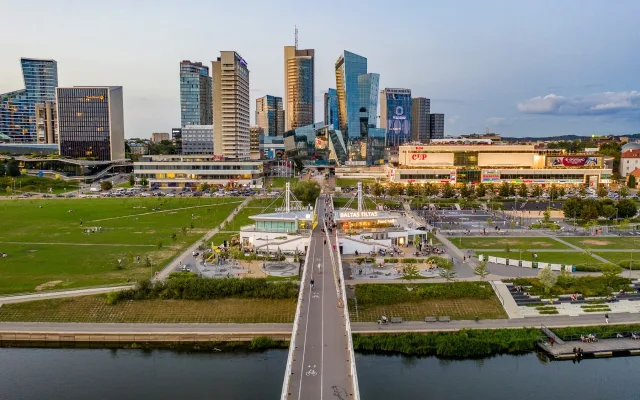
Vilnius
Baroque capital with the largest Old Town in Northern Europe, the Republic of Užupis, and a thriving street-art scene.
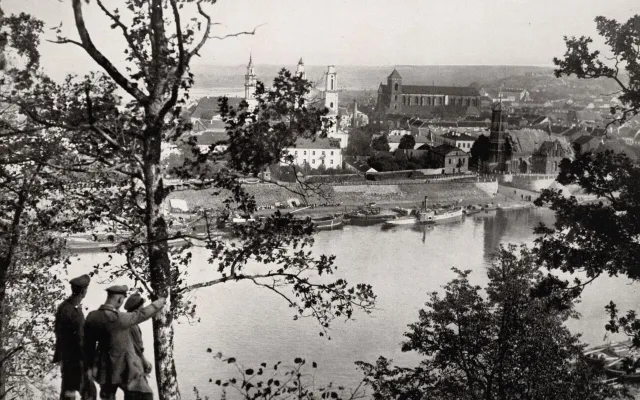
Kaunas
Lithuania's second-largest city — interwar modernist architecture and a medieval Old Town.
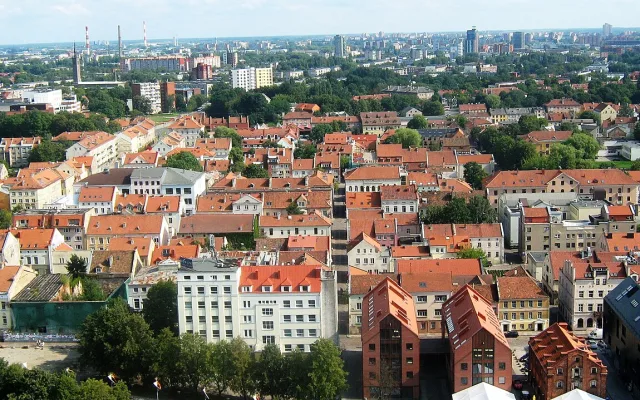
Klaipeda
Lithuania's main Baltic Sea port and gateway to the Curonian Spit.
What to see #
Vilnius Old Town: Worth a trip for the largest historic centre in northern Europe, with the astonishing filigree brickwork of St Anne's church at its heart. Give it two unhurried days rather than one.
Trakai Castle: You can do the region's only island fortress in a day, since it sits barely half an hour from the capital. The approach across the bridge is the shot everyone comes for.
The Curonian Spit: What to see first here are the "dead" dunes and the pine forest separating the open sea from the lagoon. It is one of the strangest landscapes on the Baltic.
The Hill of Crosses: If you want to feel something, go to the mound outside Šiauliai where hundreds of thousands of crosses have been planted. The sound of them moving in the wind is the part nobody forgets.
The Republic of Užupis: A bohemian quarter with its own constitution mounted on a wall, and a required stop for anyone chasing a sense of freedom. Wander into the courtyards rather than sticking to the main street.
Gediminas Tower: The best view over Vilnius is from up here, and it is at its best at sunset when the roofs go copper.
Lithuanian Sea Museum: Housed in the old Kopgalis fort in Klaipėda, with dolphins and the history of the fleet under one roof.
Palanga: Worth a detour for the long pier walk and the amber museum installed in a former palace among the park's old trees.
Prices #
Currency: Lithuania uses the euro. Prices are noticeably lower than in western Europe, which makes it good value for a Baltic trip, though the capital is dearer than the rest of the country.
Cards: Visa and Mastercard are accepted virtually everywhere, from cafés to market stalls, and contactless phone payment is the default. Amex is patchier. Lithuania is close to cashless, so you can genuinely travel here without touching a note.
Cash and ATMs: Keep a small amount of euros for rural guesthouses, ferries and the occasional market seller. ATMs are plentiful in towns but thin on the ground on the Curonian Spit, so draw money before you cross.
Tipping: Around ten percent of the bill in cafés and restaurants is normal if you were happy with the service. Nobody chases you for it and rounding up is perfectly acceptable.
| Item | Price (USD) |
|---|---|
| Lunch in a café | 12.00 |
| Set business lunch | 14.00 |
| Cappuccino | 4.00 |
| 0.5L beer | 5.00 |
| Dinner for two | 55.00 |
| Bus ticket | 1.15 |
| Litre of petrol | 1.90 |
| Taxi per km | 0.70 |
| Hostel night | 15.00 |
| Hotel room | 80.00 |
| Bottle of wine | 10.00 |
| One kibinas | 3.00 |
| Museum ticket | 10.00 |
| Train journey | 18.00 |
| Loaf of bread | 1.50 |
Getting around #
Coaches: Lux Express, Kautra and Ecolines link every significant town with comfortable services that have wifi on board. Fares are low and the buses actually run to timetable.
Trains: LTG Link's fast services are the best way to get from Vilnius to Kaunas or out to the coast at Klaipėda. Book online and you will usually pay less than at the counter.
City transport: In Vilnius the Trafi app handles route planning and buys trolleybus tickets on your phone, which saves working out the ticket machines.
Taxis: Bolt operates in every city, so you can order a car through the app at a transparent fare rather than negotiating anything.
Car hire: The roads are good and traffic outside the capital is calm, which makes renting a car a genuinely pleasant way to reach the spit and the smaller towns.
Ferries: Smiltynė is reachable from the port only by ferry, which carries foot passengers and vehicles alike. Check the timetable rather than turning up hopefully.
E-scooters: Through summer, app-based scooter rental is available on more or less every corner of central Vilnius and Kaunas.
Cycling: Excellent paths run along the coast and across the spit, letting you cover tens of kilometres through pine forest without touching a road.
Where to stay #
Booking: The usual international platforms cover Lithuania thoroughly, with everything from city flats to spa complexes. Prices are reasonable by European standards outside the July and August peak.
Where to stay in Vilnius: The Old Town gives you atmosphere and puts everything in walking distance. Near the station is less charming but useful if you have early coaches to catch.
Nida and Palanga: In high summer, coastal rooms need booking months ahead because domestic holidaymakers fill them completely. Prices roughly double for those weeks.
Guesthouses: In smaller towns this is the most characterful way to sleep, and owners will usually point you at the best cheap places to eat nearby.
Apartments: Renting a flat is often better value than a hotel room and gives you a kitchen, which matters if you are buying at local markets.
One quirk: Many budget places occupy historic buildings without lifts, which is worth knowing if you are travelling with heavy luggage.
Payment: If you book without prepayment, confirm the property takes cards on arrival, since a handful of rural guesthouses still want cash.
What to eat #
Cepelinai: The heavy artillery of Lithuanian cooking, enormous potato dumplings stuffed with meat and served with thick sour cream and pork crackling. One portion defeats most people.
Cold beet soup: Bright pink šaltibarščiai, made on kefir with beetroot, is the thing that saves you in summer heat, and it always arrives with a side of hot potatoes. Do not be alarmed by the colour.
Kibinai: These juicy pastries filled with chopped meat should be eaten in Trakai itself, where they are made to recipes from the old Karaim community.
Šakotis: An unusual cake baked on a spit so it comes out shaped like a spruce tree. It travels well and makes an excellent souvenir.
Beer: Lithuanian craft brewing has a reputation well beyond the country, particularly the styles from small family breweries around Biržai.
Dark bread: Dense rye bread with caraway is the pride of local bakers, and it stays fresh and good for a remarkably long time.
Cheese: Try the white apple cheese, a firm dessert made from reduced juice that goes perfectly with tea.
Bar snacks: Fried bread with garlic and cheese sauce is the standard accompaniment to an evening drink in any city bar.
Safety #
Overall: Lithuania is a calm country with low crime, and walking alone in the evening does not normally give anyone pause.
Pickpockets: Watch your wallet in the crowds on Cathedral Square in Vilnius and on packed buses heading to the station. It is the only common problem visitors report.
Alcohol rules: Sales are tightly regulated. Shops can sell alcohol only until eight in the evening, and on Sundays only until three in the afternoon, which catches people out constantly.
At night: After dark in the capital it is worth avoiding the darker back streets of the Naujininkai district, where drunk groups can turn aggressive.
Ticks: On the Curonian Spit, ticks are active in long grass and woodland. Use repellent and check your clothing after any walk through the dunes and forest.
Getting help: In any emergency, dial 112 for police, fire or ambulance. Operators speak English and the response is quick.
Documents: Carry a copy of your passport and leave the original and most of your cash in the hotel safe or somewhere well hidden.
Conversation: Visitors are treated correctly and politely, but starting political arguments in public is best avoided, as it is anywhere.
Etiquette and culture #
Basketball: This is the country's second religion, and going to a Žalgiris match will give you more of a feeling for the place than any standard tour.
Balloons: Vilnius is unusual in that dozens of hot air balloons drift straight over the tiled roofs of the old quarters on most calm evenings.
Amber: Baltic gold is everywhere, from tiny souvenirs on market stalls to serious pieces and artworks in the smarter galleries.
Užupis: The artists' republic runs by its own rules, celebrating its independence day on the first of April and inviting everyone into its courtyards.
Festivals: The Kaziukas fair in early March turns the centre of the capital into an enormous market of woodwork, ceramics and straw crafts.
Roots: Lithuanians hold onto their heritage carefully, which shows in the love of folk singing and in how traditional homesteads are kept.
Language: Lithuanian is one of the oldest living languages in Europe, and locals genuinely appreciate a visitor who has learned a couple of words.
Architecture: The combination of baroque and austere northern modernism gives the cities a look worth studying slowly rather than ticking off.
Connectivity #
English: Younger Lithuanians speak good English almost universally, and so does anyone working in hospitality. The older generation is more likely to have Russian or Polish, so English works best in cafés, hotels and shops.
Internet: The country has some of the fastest wireless speeds in Europe, and free access is common in parks and cafés as well as hotels.
SIM cards: You can buy a data SIM at a Narvesen kiosk or a supermarket without showing a passport, which makes it a two-minute errand.
Tariffs: Prepaid packages from Tele2 or Pildyk are cheap and give solid coverage across the whole country, including the coast.
eSIM: If your phone supports it, an Airalo-style plan loaded before departure works fine and saves the kiosk trip entirely.
Navigation: Google Maps handles routing well here, while Trafi is the tool for tracking city buses and trolleybuses in real time.
Everything is an app: Bike hire, parking, tickets and much else have moved onto mobile apps, so having data matters more than carrying cash.
Post: Postcards of Vilnius are still genuinely popular, and you can send one home from any Lietuvos paštas branch.
Phrasebook #
| English | Lithuanian | Pronunciation |
|---|---|---|
| Hello | Labas / Sveiki | LA-bas / SVAY-kee |
| Thank you | Ačiū | AH-choo |
| Please | Prašom | PRA-shom |
| Sorry | Atsiprašau | at-si-pra-SHOW |
| How much is it? | Kiek kainuoja? | kyek kai-NWO-ya |
| Yes / No | Taip / Ne | tayp / neh |
| I don't understand | Aš nesuprantu | ash ne-su-pran-TOO |
| Where is the toilet? | Kur yra tualetas? | koor ee-RA too-a-LE-tas |
| Help! | Padėkite! | pa-DEH-ki-te |
| The bill, please | Sąskaitą, prašau | SAWS-kai-taw, pra-SHOW |
| Beer | Alus | a-LOOS |
| Water | Vanduo | van-DWO |
| Goodbye | Viso gero | VEE-so ge-RO |
| Delicious! | Skanu! | ska-NOO |
| Good | Gerai | ge-RAI |
| Hi (slang) | Privietas | pri-VYE-tas |
| Awesome! (slang) | Jėga! | yeh-GA |
| Slacker (slang) | Bimbalas | BIM-ba-las |
| Coffee | Kava | ka-VA |
| Bread | Duona | DWO-na |
Good to know #
Official guide: The lithuania.travel portal carries current information on events, festivals and new walking and cycling routes across the country.
Train tickets: Buy in advance at ltglink.lt so you are not queueing at a station counter, particularly on summer weekends.
Intercity coaches: The autobusubilietai.lt portal aggregates every operator, which makes planning a route between towns straightforward.
Consular help: Most countries keep an embassy in Vilnius, and it is worth saving the address and phone number in case you lose your documents.
Emergencies: One number covers police, fire and ambulance: 112, reachable from any phone including one with no SIM.
Vilnius Pass: This card includes free public transport and entry to dozens of museums, which pays for itself quickly if you are working through the capital.
Ferries: Check the current sailing schedule from Klaipėda to the spit and back at the official keltas.lt rather than relying on printed timetables.
Weather: The climate is changeable, so even in summer carry a light waterproof and check the forecast before setting out on the dunes.