
Niger
Niger is a huge desert country at the heart of the Sahel, with ancient caravan towns, the extraordinary landscapes of the Aïr and Ténéré and one of the last giraffe herds in West Africa. Since July 2023 it has been governed by a military junta, and much of the territory is extremely dangerous because of terrorism and armed conflict. Travelling here demands thorough preparation, current security information and a readiness for extreme conditions — for the most experienced travellers only.
Where to go
#Niamey
The capital sits on the bank of the great river, its life running to the rhythm of African markets and street cafes. Two days here is enough to see the giraffes on the city's edge and watch the sunset from the Corniche. It is the one place in the country where you can feel relatively at ease at any hour.
Agadez
The legendary gateway to the Sahara, built from red mud and saturated with the spirit of the old caravan trade. Travellers come for the maze of the old town and for contact with Tuareg culture. The town is the launching point for the boldest expeditions into the desert.
Zinder
The former capital, which has kept the grandeur of the sultan's palace and the authenticity of its Hausa quarters. You can spend hours in the market examining local craftwork and absorbing the atmosphere of an older Africa. The architecture here is unlike anywhere else in the region.
Tahoua
A town at the junction of nomadic routes and an important rest stop before the push north. You see typical Sahel building here and get thrown into the bustle of regional trade. It works well as a short pause to restock and change transport.
Ingall
A small settlement that becomes the centre of the world once a year during the nomads' festival. It is worth a trip in September to see thousands of camels and the ceremonies of the Sahel peoples. The rest of the year it is a quiet place living off salt extraction and herding.
Iferouane
A remote oasis surrounded by harsh mountains, where the green of the gardens sets against the orange sand of the desert. Only the most persistent get here, for the silence and the extraordinary views of volcanic peaks. It offers a rare look at how people live in total isolation from the outside world.
What to see
#National Museum: The museum in Niamey is reckoned one of the best in the region, holding dinosaur skeletons alongside traditional dwellings from each of the country's peoples.
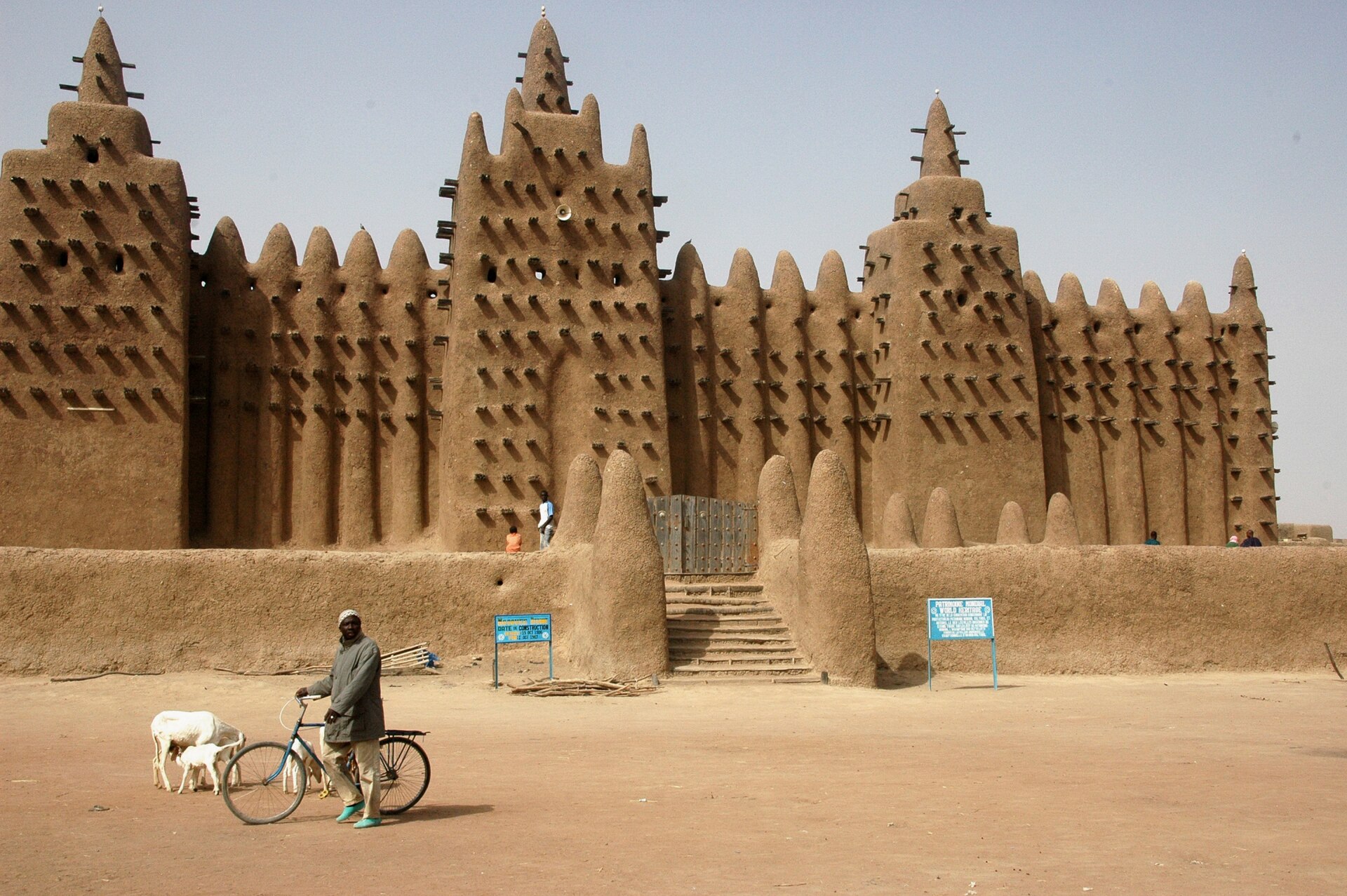
Agadez mosque: The mud-brick mosque with its improbable minaret is the national symbol, visible from many kilometres out across the plain.
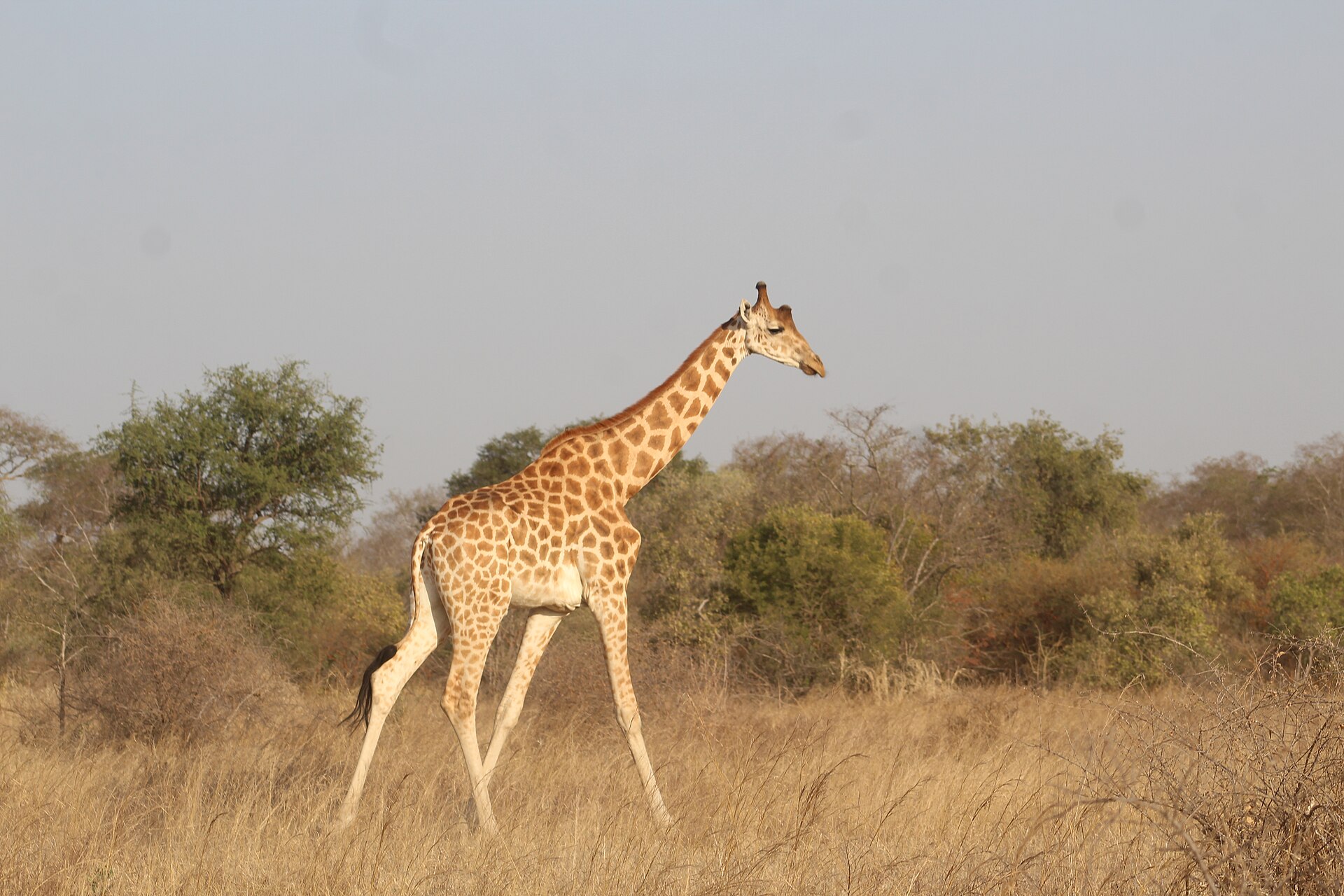
Koure giraffes: The trip out to Koure shows you the last wild giraffes in West Africa, and it sits barely an hour from the capital, which makes it easy to do in a day.
Sultan's palace: The palace at Zinder impresses with its massive mud walls and interior halls that still convey the standing of the rulers who built them.
Grand Marche: The main market in Niamey is the place to plunge into the living chaos of African trade and to load up on souvenirs.
Air and Tenere: The Air mountains and the sands of the Tenere offer fantastic desert scenery with rock art and enormous dunes, when the security situation permits access at all.
Gerewol: The Gerewol festival is a unique chance to watch the Wodaabe men's beauty contest, with its hypnotic dancing, vivid face paint and elaborate costume.
Prices
#Currency: The CFA franc is used here and it is pegged to the euro, which makes it easy to work out what you are spending in your head.
Cash: Bring euros or US dollars in cash, both of which are readily exchanged at banks or the larger hotels in the capital. Euros generally get the cleaner rate given the currency peg.
ATMs: Machines are scarce, frequently out of order and often refuse foreign cards, so do not count on them once you are on the road.
Cards: Visa and Mastercard work only at a couple of the most expensive hotels in Niamey; everywhere else wants crisp banknotes. A Wise or Revolut card is worth carrying purely as an emergency backup rather than a payment method.
Tipping: Leaving small change in a cafe is customary, and guides and drivers deserve around ten percent on top for genuinely hard work.
| Item | Price (USD) |
|---|---|
| Street food | 1.5 |
| Lunch in a cafe | 4.0 |
| Dinner in Niamey | 15.0 |
| Bottle of water | 0.3 |
| Local beer | 2.0 |
| Taxi across town | 2.5 |
| Night in a guesthouse | 25.0 |
| Good hotel | 100.0 |
| Museum entry | 2.0 |
| Trip to the giraffes | 20.0 |
| Portion of kilishi | 1.0 |
| Cup of tea | 0.2 |
| Motorbike taxi | 0.7 |
| SIM card | 1.0 |
| Guide for a day | 40.0 |
Getting around
#Getting here: Niamey's airport is served through Casablanca, Istanbul, Addis Ababa and Paris, and travellers from Europe or North America connect at one of those. Total journey time from Europe runs around twenty hours depending on the layover, and schedules change at short notice, so confirm before you fly.
Taxis: In the capital these are the practical way to move, and you always agree the price with the driver before you get in.
Motorbikes: Kabu-kabu riders rescue you in heavy traffic, but the ride is a dubious pleasure given how little regard anyone shows for road safety.
Coaches: SNTV and Rimbo run services between the main towns, and tickets are best bought at the station on the morning of departure.
Bush taxis: These are old vehicles packed with people that travel slowly and to no schedule at all, but they cost almost nothing and will get you to any village.
Flights and roads: Domestic flights to Agadez are infrequent and the schedule is deeply unstable, which makes planning a route by air very risky. The road from the airport into central Niamey costs about ten dollars in a hotel car or a private vehicle, highways are broken in places, and in the rainy season many tracks to the oases become impassable even to a prepared 4x4.
Where to stay
#Guesthouses: In Niamey you can find modest fan-cooled rooms, the standard choice for budget travellers and for staff on various missions.
Districts: The best areas to stay are the Plateau quarter near the embassies or along the riverfront, where the air is fresher and the evenings much calmer.
Booking: The big platforms cover the capital only. In the provinces you will be arranging things by phone or simply turning up and asking.
Utilities: Cheap places suffer regular water and power interruptions, so a hotel with its own generator is worth a great deal.
Mosquito nets: Always check that the net over the bed is intact, because mosquitoes here carry malaria and this is not a corner worth cutting.
Provinces: In Agadez or Zinder accommodation is as simple as it gets, so be ready for austere conditions, heat and no service in any familiar sense.
Camping: On a desert expedition your only option is a tent, which you carry with you along with your own food and water supply.
What to eat
#Kilishi: This is thin spiced dried meat, sold on every corner, and it is an excellent thing to snack on while travelling.
Maafe: A peanut sauce with beef and vegetables served over rice, filling and popular right across the country.
Millet porridge: Thick millet doume is the staple of most people's diet, eaten with the hands by dipping pieces into various sauces.
River fish: Capitaine caught in the Niger is grilled superbly, usually served with tomato, onion and very hot pepper.
Street snacks: When buying fried bean cakes, watch the cleanliness of the stall, because stomach upsets among foreigners are a constant here.
Drinks: Degue, soured milk with millet grains, is refreshing and does a real job on thirst in extreme heat.
Tea: Tuareg tea is brewed slowly and poured from a great height to build the foam, and the ritual is a cornerstone of hospitality and friendship.
Safety
#The situation: Conditions remain extremely tense, the military controls key nodes, and borders with neighbouring countries can close without warning. Check your own government's travel advisory before you consider a trip.
Armed groups: Radical groups are active in the border regions, so any travel to the north or east of the country carries real risk.
Convoys: Foreigners leaving Niamey are frequently required to travel with an armed escort, which makes any independent journey dramatically more expensive.
Photography: Photographing government buildings, bridges, airports or anyone in uniform is strictly forbidden and can lead to arrest.
Theft: In busy parts of Niamey watch your pockets, because street crime thrives in a poor country, particularly after dark.
Health: Malaria is present everywhere, and heat approaching fifty degrees can be fatal to an unacclimatised body.
Registration: On arrival in the capital, it is sensible to let your own country's consular service know where you are staying and how long you plan to be there.
Etiquette and culture
#Religion: Almost the entire population is Muslim, so a conservative dress code matters: covered shoulders and knees for everyone.
Greetings: Greeting someone is a long process of mutual enquiries about health and family, and skipping it reads as serious disrespect.
Tuareg: The Tuareg, known as the blue men of the desert, take deep pride in their freedom and in traditions they have kept for centuries.
Wodaabe beauty: This people has its own canon of beauty, and at festivals the men paint their faces and dance the yaake to impress prospective brides.
Alcohol: Drink is not formally banned, but consuming it in public view is not done, and respecting that costs you nothing.
Crafts: The country is known for leatherwork and for the silver crosses of Agadez, each design of which identifies exactly where its wearer comes from.
Family: Life revolves around the clan, and a guest in the house is a sacred figure who will be offered the very best of whatever there is.
Connectivity
#Mobile: Buy a SIM from Airtel or Moov, and bring your original passport, which the shop will require to register the line.
Internet: Connection speeds in the cities leave a lot to be desired, and beyond the larger settlements the network often disappears entirely.
Access: The authorities may restrict messaging apps during periods of unrest, so install a working VPN on your phone before you arrive.
Language: English is barely understood in Niger. You will need basic French to get anything done, and a few words of Hausa go a long way in the markets and villages.
Power: Carry a heavy-duty power bank, since electricity in homes and small hotels is cut regularly and for unpredictable stretches.
Maps: Download the offline version of the region you need in advance, because satellite navigation works but loading map data on the move will not.
Off the grid: Deep in the Sahara only a satellite phone is any use, and an ordinary smartphone becomes a useless piece of plastic.
Phrasebook
#| English | French | Pronunciation |
|---|---|---|
| Hello | Bonjour | bon-ZHOOR |
| How are you? | Ça va? | Sah VAH? |
| Thank you | Merci | mair-SEE |
| Please | S'il vous plaît | Seel voo PLAY |
| Yes / No | Oui / Non | Wee / Nohn |
| How much is it? | C'est combien? | Say kom-BYEN? |
| That's expensive | C'est cher | Say SHAIR |
| Water | L'eau | Loh |
| Food | La nourriture | La noo-ree-TOOR |
| Where is the market? | Où est le marché? | Oo eh luh mar-SHAY? |
| Foreigner (slang) | Toubabou | too-bah-BOO |
| Good, fine (slang) | C'est bon | Say BOHN |
| No problem | Pas de problème | Pah duh pro-BLEM |
| Let's go (slang) | On y va | On ee VAH |
| Help! | Au secours | Oh suh-KOOR |
| Goodbye | Au revoir | Oh ruh-VWAR |
| Friend | Ami | ah-MEE |
| Tomorrow | Demain | duh-MEN |
| Market (Hausa) | Kasuwa | ka-SOO-wa |
| Hello (Hausa) | Sannu | SAN-noo |
| How's it going? (slang) | Ça gaze? | Sah GAHZ? |
| I don't understand | Je ne comprends pas | Zhuh nuh kom-PRON pah |
Good to know
#Consular cover: Very few countries maintain a full embassy in Niamey, and most handle Niger from a mission in a neighbouring state. Find out which post covers your nationality and note the duty number before you travel.
Health: Beyond the compulsory vaccination, start malaria prophylaxis in advance and drink only sealed bottled water.
Medical kit: Bring a broad range of antibiotics and remedies for intestinal infections, since genuinely reliable medicine is hard to source locally.
Time: The country runs on GMT+1 year round, which is the same as continental Europe in winter and an hour behind it in summer.
Friday: Offices work a short day, and after lunch life stops as people head to the mosques for prayer.
Plugs: Sockets are mostly European type C and E, with occasional British-style outlets, so a universal adapter is a sensible thing to pack.
Restrictions: Do not attempt to bring in anything that would offend religious sensibilities, and observe the rules on exporting antiquities strictly.
Frequently asked questions
#Yes, virtually every nationality needs a visa arranged in advance at a Nigerien embassy, and there are relatively few of them worldwide. A valid international certificate of yellow fever vaccination is also compulsory to cross the border. Check your own passport's current requirements early, because processing is slow.
The situation remains difficult because of political instability and armed group activity in the border regions. Independent travel outside the capital carries real risk and frequently requires an official military escort.
You will be connecting at least once, most often through Casablanca, Istanbul, Addis Ababa or Paris. Total travel time from Europe is around twenty hours depending on the layover, and from North America you add a transatlantic leg on top.
Yellow fever is the only compulsory vaccination, and without the international certificate you will be refused entry. Doctors also strongly recommend hepatitis, typhoid and meningitis cover.
Practically not. Cards are accepted at a handful of top-end hotels in Niamey and nowhere else, so bring cash euros or dollars for everything. ATMs are scarce and unreliable, which makes carrying a physical reserve essential rather than optional.
The best window is the cool season from November to February, when the punishing heat eases to something manageable. For much of the rest of the year temperatures exceed forty-five degrees, which makes moving around the country genuinely unpleasant.
Locals often react badly to being photographed without permission, so always ask politely before taking out a camera. Photographing military installations, airports, bridges and anyone in uniform is absolutely forbidden.
The most popular things are Tuareg silver jewellery, good handmade leatherwork and the famous crosses of Agadez. Kilishi, the local dried spiced meat, is also worth taking, since it keeps for a long time without refrigeration.
Yes, but with restrictions. Registration is mandatory for a drone of any weight. Registration or authorisation is mandatory for foreign visitors. Rules for other countries are in the drone ranking by country.
Updated
The data on this page goes out of date. Visa rules and permitted stays, border requirements, prices and budgets, transport and local conditions all change fast, and we do not re-check every page every day. We show the date of our last check where we have one, but before you travel, verify with official sources: the country’s consulate, its immigration service, its e-visa portal and your carrier.