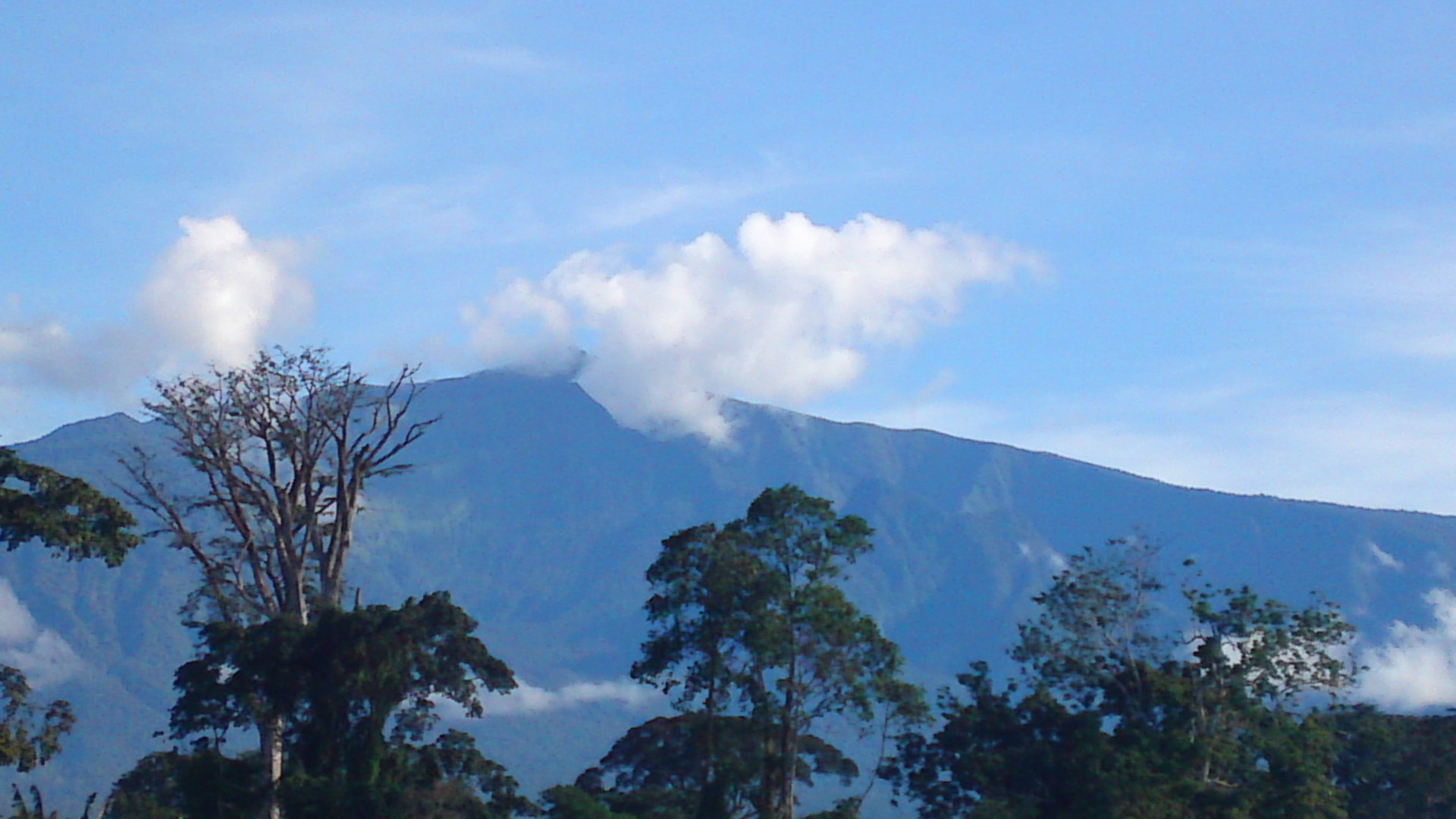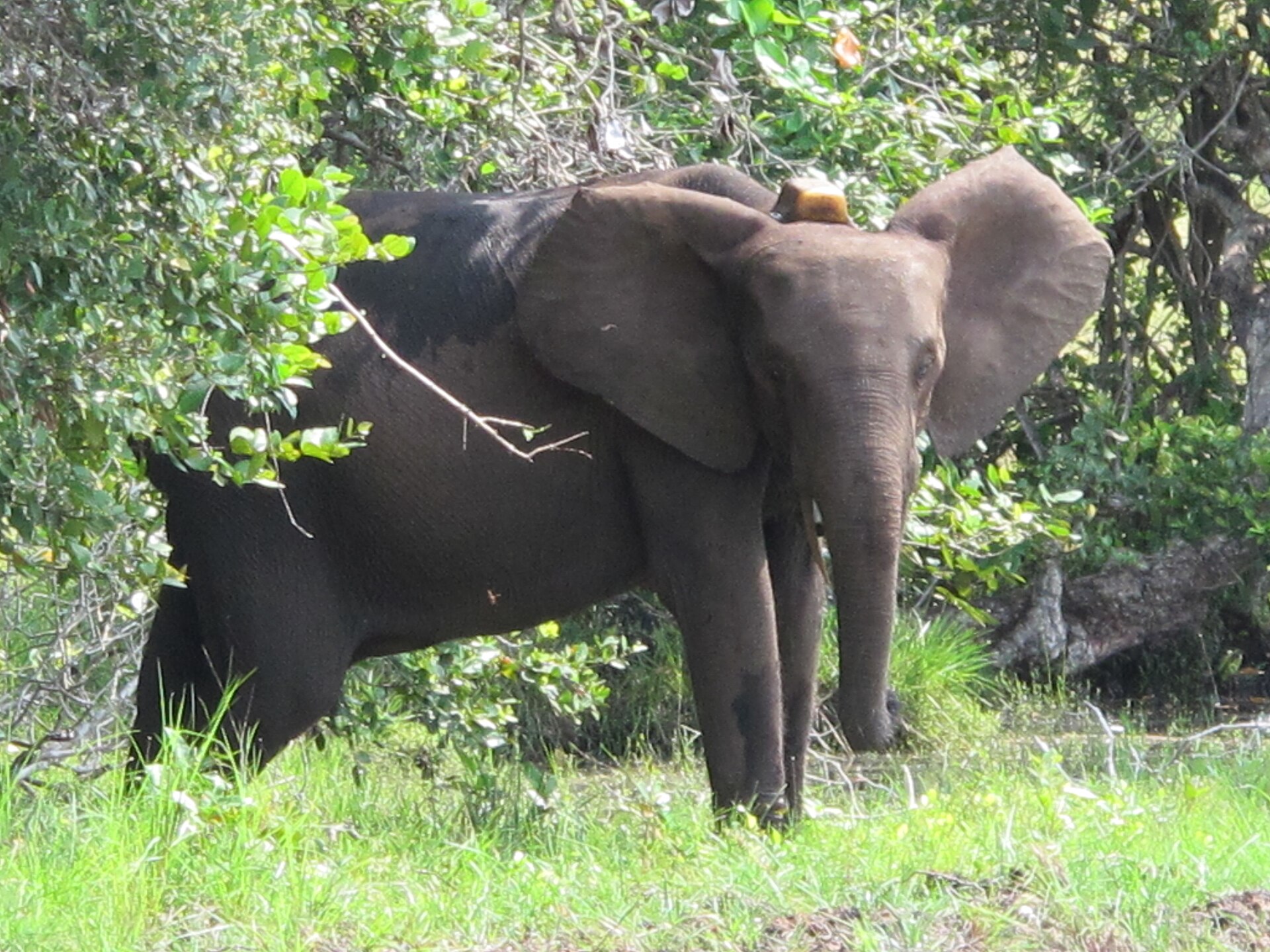

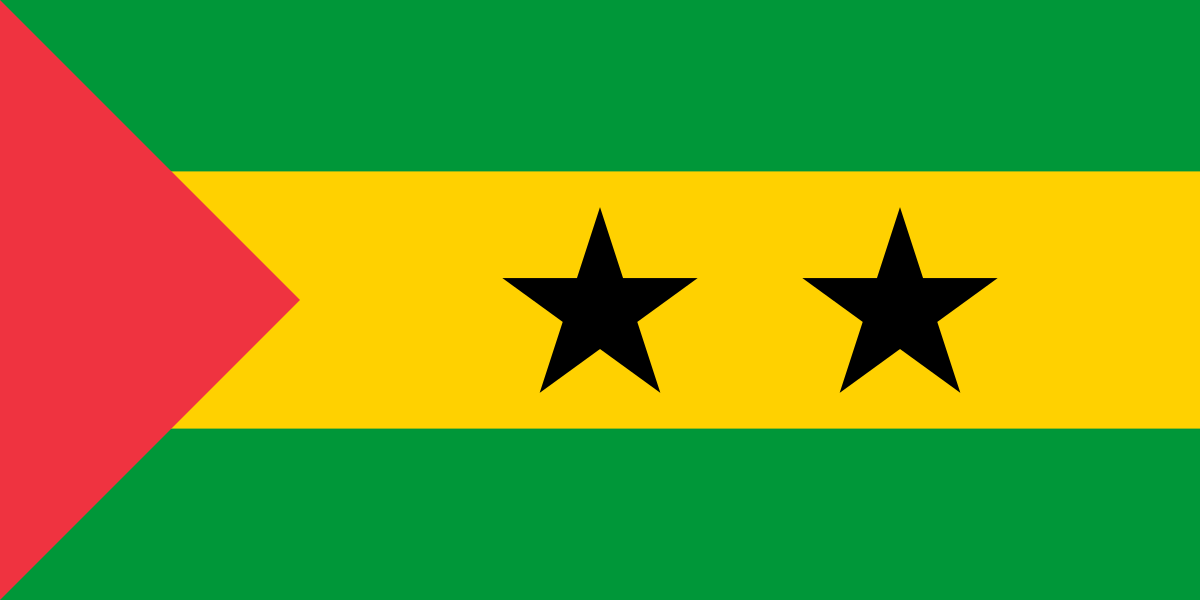
A tiny island state on the equator in the Gulf of Guinea — one of the smallest and least visited countries in Africa. Volcanic peaks under rainforest, empty black-sand beaches and former cocoa plantations, the roças, converted into atmospheric eco-lodges. São Tomé and Príncipe is Africa without the crowds, with Portuguese colour, chocolate and equatorial sun all year round.
Where to go
#Sao Tome
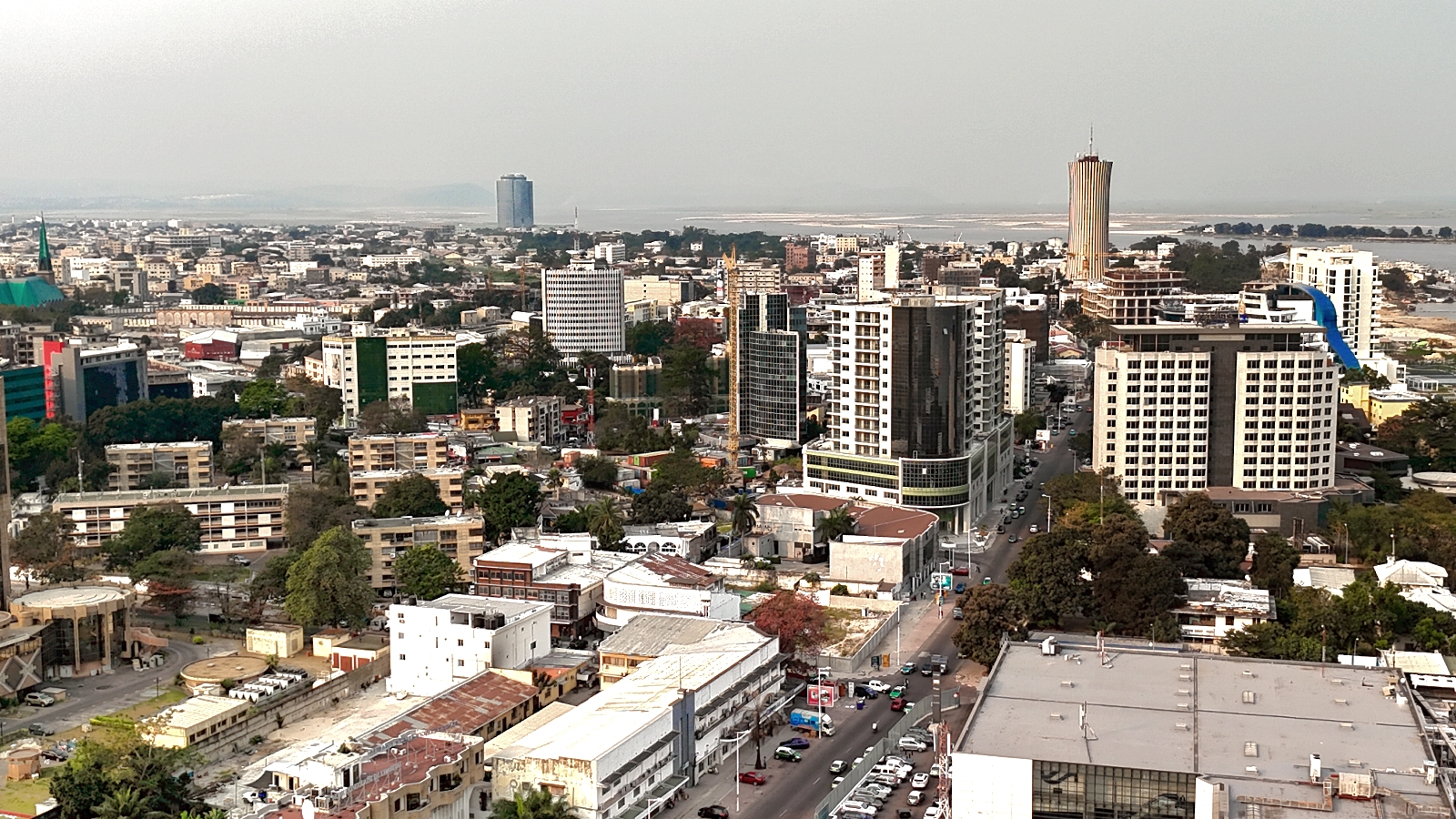
The capital is worth a full day of your time. Walk the colonial centre, look over Fort Sao Sebastiao, and lose an hour in the loud market with its heaps of jackfruit. It is also the only place in the country with banks, decent supermarkets and real restaurants.
Santo Antonio
The only town on Principe, quiet and thoroughly charming. Come here for the sense of a place that time forgot, and for the trailheads that lead out to wild, empty beaches.
Neves
A fishing village on the west coast of Sao Tome. It makes a good base for exploring the cocoa plantations and for doing nothing much in the shade of the coconut palms.
Trindade
The gateway to the wild southern shore. From this area you can fit the old roca estates into a day and get a proper feel for how island life actually works.
Santo Amaro
Boats to the equator line leave from here. Worth a trip for the snorkelling and for the photograph beside the marker monument on Ilheu das Rolas.
Guadalupe
A calm place on the east side with historic ruins and old churches. It is an easy spot to see genuine island life without any tourist polish on it.
What to see
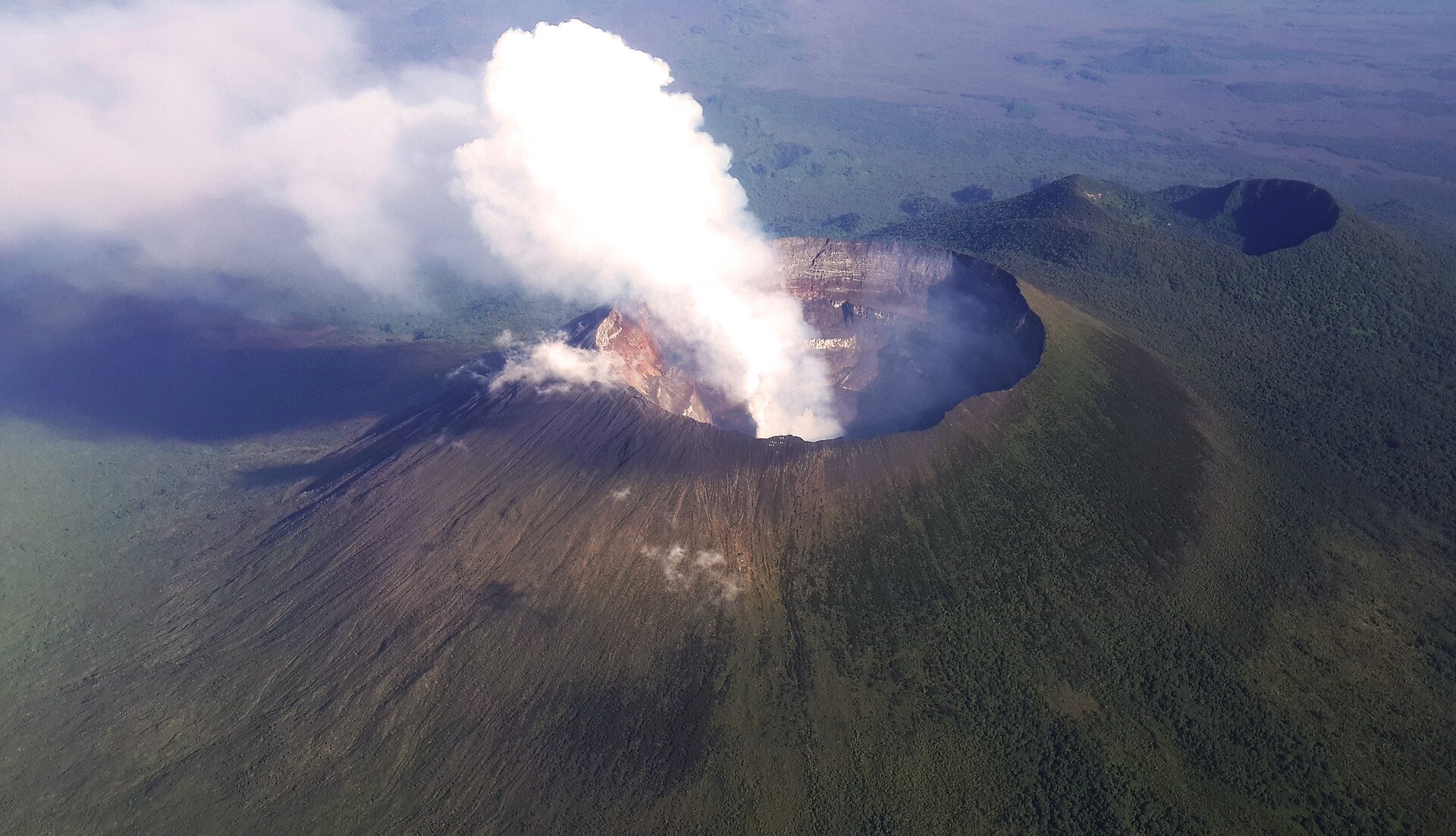
#Pico Cao Grande: This vast volcanic needle rising straight out of the jungle is the most photogenic thing in the country. You can see it from the southern road, and the bolder option is the trek through rainforest to its base.
Ilheu das Rolas: Go here to stand with one foot in each hemisphere. The equator is marked with tiling and a small monument, and the water around it offers excellent snorkelling.
Cocoa plantations: The old Portuguese rocas are living colonial history. Agua Ize and Monte Cafe are the two to visit, where you see chocolate being made and drink some of the best coffee in the world on the spot it grew.
Praia Banana: One of Africa's most beautiful beaches, on Principe, curved into a perfect crescent. Turquoise water and coconut palms deliver exactly the view people fly to the end of the earth for.
Blue Lagoon: Ideal for flying a drone and for swimming in genuinely clear water. Baobabs and dramatic rock ring the lagoon, and at sunset the colour contrast is unreal.
Sao Nicolau waterfall: A popular spot in the middle of the island, drowning in greenery. You get a natural hydro-massage in cool water and some excellent photographs in the tropical grotto.
Prices
#Currency: The local dobra is pegged to the euro, which makes euros by far the best thing to bring and change. US dollars are accepted too, but shops apply a less generous rate.
Cash: Plan to arrive with the whole trip's budget in euro cash. ATMs are scarce and frequently refuse foreign cards, and only a couple of hotels in the capital take plastic at all.
Cards: Do not build any plan around Visa or Mastercard here, and forget Amex entirely. Card acceptance is limited to a handful of upmarket places in Sao Tome town, so treat any successful card payment as a bonus rather than an expectation.
Exchange: Change money at banks, or with the street changers who give a good rate. The parallel market operates openly here and is generally considered safe for visitors.
Tipping: Around 5 to 10 per cent in restaurants is normal if you enjoyed the service. Local guides also appreciate something for their trouble.
| Item | Price (USD) |
|---|---|
| Lunch at a cafe | 8 |
| Dinner for two | 25 |
| Cup of coffee | 2 |
| Bottle of beer | 1.5 |
| Water, 1.5l | 1 |
| Taxi ride | 4 |
| Moto-taxi | 2 |
| Car hire per day | 50 |
| 4x4 with driver | 80 |
| Litre of petrol | 1.3 |
| Flight to Principe | 80 |
| Bar of chocolate | 4 |
| Ferry ticket | 25 |
| Guesthouse per night | 35 |
| Airport departure fee | 20 |
Getting around
#Colectivos: Yellow minibuses run between towns with no timetable at all. They leave the central markets once they fill up, and they are the cheapest way to move around.
Moto-taxis: Handy for short hops around town or out to nearby beaches. Agree the fare first, and expect no helmet, which makes the ride more exciting than it needs to be.
4x4 hire: For the wild south of Sao Tome a four-wheel drive is not optional. The roads there are broken up badly enough that an ordinary car will bury itself in the first deep hole between plantations.
Flights: STP Airways connects the two islands in about 30 minutes. Seats sell out fast and online booking often fails, so buy at the airline office as far ahead as you can.
Ferry: A vessel runs between Sao Tome and Principe, but the schedule depends heavily on the weather and the state of the ocean. It is cheaper than flying and can take a long, rough time.
Hiring a driver: You can negotiate with a taxi driver for a whole day, which runs 60 to 100 dollars including fuel. That buys you all the main sights without waiting around for lifts.
Where to stay
#Guesthouses: The best option for anyone travelling independently. Owners often cook dinner for guests and help sort out transport, and the rooms are perfectly comfortable.
Roca estates: The most atmospheric places to sleep are rooms in the old plantation houses. You fall asleep to jungle noise and wake up to coffee grown a few metres from the door.
Town hotels: Sao Tome has properties with air conditioning and Wi-Fi, though those comforts rarely travel beyond the capital. Book ahead by email, since online systems are patchy.
Principe lodges: Choice on the smaller island is limited and prices are higher. It runs from very rustic beachside options to eco-resorts costing hundreds of dollars a night.
Booking: Many budget places are not listed online at all. You often end up finding somewhere on arrival, or messaging owners directly if you manage to track down a contact.
What to expect: Power and water cuts are routine. On these islands that is simply normal life, which is why a guesthouse with its own generator is a serious selling point.
What to eat
#Calulu: The national dish and the one to order first. It is a thick stew of fish or meat with vegetables and palm oil, cooked down until everything falls apart.
Water: Drink only bottled water from sealed bottles. The tap supply will wreck your stomach, and it is worth using bought water for brushing your teeth as well.
Seafood: Fresh tuna, octopus and red snapper cost almost nothing here. Fishermen grill the catch right on the sand and serve it with fried plantain or mashed breadfruit.
Claudio Corallo chocolate: Arguably the purest and best chocolate made anywhere. Do the tasting in the capital to understand how far a real product sits from a supermarket bar.
Fruit: The markets overflow with jackfruit, sugar apples, papaya and dozens of banana varieties. It all costs very little, and tree-ripened fruit tastes like a different food entirely.
Drinks: The local Rosema beer comes in unlabelled bottles that you return when you are done. Palm sap is popular too, along with poncha, a strong cane spirit cut with lemon juice.
Safety
#Crime: The country is very calm, with almost no violent crime. Walking around in the evening is fine, though watch your pockets in the capital's markets where petty theft does occur.
The ocean: Be careful swimming off the southern beaches, where currents are often strong. Do not go far out if you cannot see locals in the water, because the sea here is far more dangerous than the people.
Sun: Equatorial sun burns skin in minutes, even under cloud. Use maximum-factor cream and keep your head covered to avoid heatstroke.
Health: The main threat is malarial mosquitoes. Use repellent from dusk onward and always check the mosquito net over your bed, which is the most effective protection there is.
Yellow fever: A vaccination certificate is required of everyone arriving, so sort that out well before you fly. Doctors also commonly recommend hepatitis A and typhoid cover for this trip.
Roads: Driving here is a test. Enormous potholes, no street lighting and livestock wandering into the road make night journeys genuinely risky.
Animals: The street dogs look rough but are not remotely aggressive toward people. Insects in the forest are the real concern, so wear closed shoes on any jungle walk, and check your own government's travel advisory before booking.
Etiquette and culture
#Heritage: Island culture is an odd and appealing blend of Portuguese tradition and African roots. People are very religious, and on Sundays everything stops while the whole country goes to church.
Leve-leve: The governing philosophy of the islands is not hurrying. Everything happens slowly, calmly and without fuss, and most travellers stop fighting it around day three.
Music and dance: The traditional ussua rhythms come out during local festivals. It is live, energetic music that whole villages dance to in the main squares.
The rocas: The plantations were never simply farms but centres of communal life with their own schools and hospitals. Many buildings are ruins now, but the atmosphere of that era is still all over them.
Photography: People are generally friendly, but always ask before raising a camera. That goes double for women and children in the smaller fishing villages.
Language: Portuguese is the working language, while Forro creole is what you hear between locals. A couple of basic Portuguese phrases opens doors immediately, and English is not widely spoken outside a few hotels and guides.
Connectivity
#Operators: Two providers work here, CST and Unitel. You can buy a SIM at the airport on arrival or in their town offices, and you will need your passport.
Mobile data: Quality is acceptable in the towns but the signal drops in the hills. 4G is reliable in Sao Tome, while Principe is noticeably slower.
WhatsApp: This is the main channel for everything on the islands. Guesthouse bookings, boat hire, guides and schedule checks all happen through it.
Wi-Fi: Hotel and cafe Wi-Fi is usually very slow. Do not count on it for work, and buy a local 3 to 5GB data bundle instead.
Offline maps: Navigation apps get things wrong here and GPS wanders under heavy forest canopy. Download your maps before you set out so the maze of dirt roads does not defeat you.
Language help: English is thin on the ground outside the tourist trade, and menus are usually in Portuguese only. A translation app that works offline is genuinely useful here.
Phrasebook
#| English | Portuguese | Pronunciation |
|---|---|---|
| Hello | Ola | oh-LAH |
| Good morning | Bom dia | bohn DEE-ah |
| How's it going? | Tudo bem? | TOO-doo BAYN |
| Thank you | Obrigado | oh-bree-GAH-doo |
| Yes | Sim | seen |
| No | Nao | now |
| Please | Por favor | poor fah-VOR |
| How much is it? | Quanto custa? | KWAN-too KOOSH-tah |
| That's too expensive | E muito caro | eh MWEE-too KAH-roo |
| I'd like to buy | Eu quero comprar | eh-oo KEH-roo kom-PRAR |
| Where's the toilet? | Onde e a casa de banho? | ON-deh eh ah KAH-zah deh BAHN-yoo |
| Water | Agua | AH-gwah |
| Delicious | Delicioso | deh-lee-see-OH-zoo |
| The bill, please | A conta, por favor | ah KON-tah poor fah-VOR |
| Help | Ajuda | ah-ZHOO-dah |
| Take it easy (slang) | Leve-leve | LEH-veh LEH-veh |
| Foreigner, white person | Branco | BRAN-koo |
| Cool (slang) | Fixe | FEE-sheh |
| Let's go (slang) | Bo bora | boh BOH-rah |
| All right | Esta bem | shtah BAYN |
| Goodbye | Adeus | ah-DEH-oosh |
| Fish | Peixe | PAY-sheh |
Good to know
#Getting there: Lisbon is the main gateway, with the Portuguese carriers running the most convenient service, and from London, Frankfurt, Paris or Amsterdam you connect there. Flights also come in from Libreville in Gabon and from Luanda in Angola, though those fares tend to be higher and harder to find. From North America you route via Lisbon, which usually means an overnight in the city.
Departure fee: Be ready to pay an airport fee of around 20 dollars when you leave. It has to be cash in hard currency, since cards are not taken.
Electricity: Sockets are European type C and F, so no adapter is needed if you are coming from the continent. Voltage is standard but surges are frequent, so protect your electronics.
What to pack: Bring a torch, because there is no street lighting once you leave the middle of the capital. Closed shoes matter too for walking in wet jungle.
Drones: Flying is permitted, but respect the usual safety rules and people's privacy. The best footage comes from Pico Cao Grande and the Blue Lagoon in good light.
Season: June to September is the driest window and the easiest time to move around. The roads are more passable and the humidity drops noticeably.
Frequently asked questions
#Many nationalities can enter visa-free for short tourist stays, while others apply for a cheap e-visa online in advance. You will need a passport valid for at least six months, an onward ticket and proof of accommodation, so check your own passport's rules before you book.
An international yellow fever vaccination certificate is required of everyone arriving. Doctors also strongly recommend hepatitis A and typhoid cover, plus malaria prophylaxis.
The fastest way is the STP Airways flight, which takes about thirty minutes. Ferries also run between the islands, but the schedule is unreliable and dictated by the weather.
Bring euro cash, since the dobra is pegged to the euro at a fixed rate. US dollars can be changed as well, but they are harder to spend directly in shops.
Yes, the risk exists on both islands all year round because of the tropical climate. Take prophylactic medication and use repellent from dusk onwards.
Yes, hire desks operate in the capital, and an international driving permit is required for driving yourself. For the southern districts and the plantations, book a four-wheel drive rather than a saloon.
It is one of the calmest and safest countries in Africa, with very low crime. Take basic precautions and avoid walking alone deep into the jungle without a guide.
June to September is the most favourable window, when the dry season sets in. Rain is less frequent, the roads become passable and the humidity eases.
Updated
The data on this page goes out of date. Visa rules and permitted stays, border requirements, prices and budgets, transport and local conditions all change fast, and we do not re-check every page every day. We show the date of our last check where we have one, but before you travel, verify with official sources: the country’s consulate, its immigration service, its e-visa portal and your carrier.