
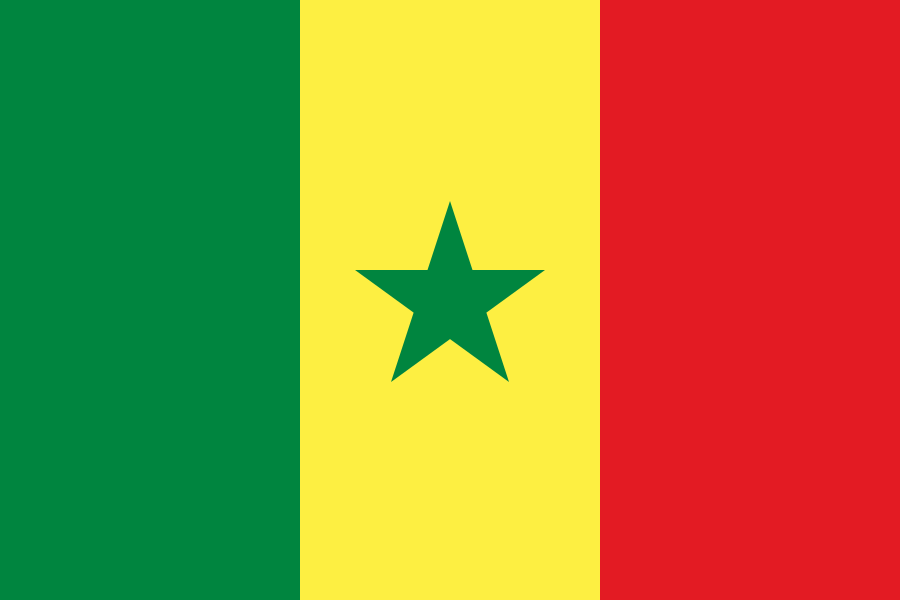
Senegal
The West African country of teranga — hospitality in Wolof — where Saharan dunes meet the Atlantic and mbalax rhythms play on every corner of Dakar. Gorée Island is a sombre UNESCO-listed memorial to the slave trade, and the pink Lake Retba changes colour with the light. Senegal is one of the steadiest countries in Africa, with a rich musical culture and superb cooking built on fish and rice.
Where to go
#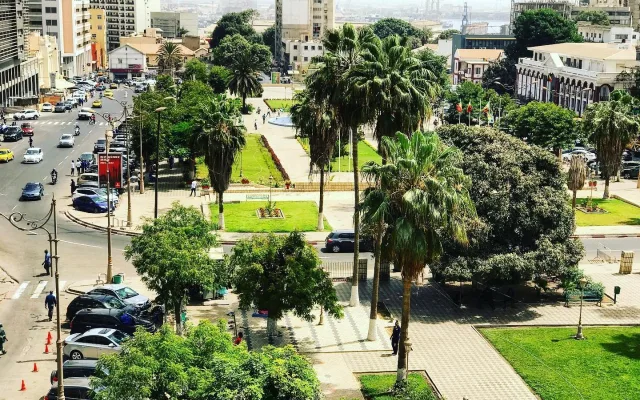
Dakar
The westernmost point of Africa — UNESCO-listed Gorée Island, the Sandaga market, live music and Atlantic beaches.
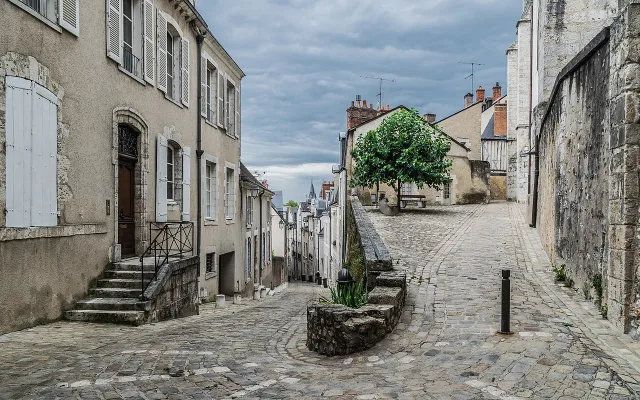
Saint-Louis
An island city on the UNESCO list — colonial buildings, a jazz festival and the birds of the Djoudj reserve.
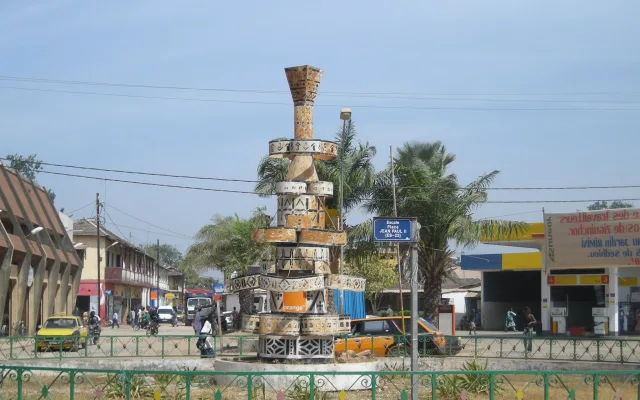
Ziguinchor
The gateway to Casamance — mangrove creeks, Diola villages and the distinctive culture of southern Senegal.
What to see
#Goree Island: The former slave-trading post, and an easy day trip on the ferry from Dakar port. Today it is a quiet place of brightly painted houses and the House of Slaves, which has become an important memorial.
Lake Retba: The pink lake is a genuine natural oddity, shifting colour with the season and the light. Salt is still harvested by hand here, and the water is dense enough that you float on the surface.
Niokolo-Koba: The largest reserve in the country, out east, where you can see hippo, antelope and lion. Getting there is a serious drive, but the wildlife justifies it.
Djoudj: A paradise for birdwatchers near Saint-Louis, where pelicans and flamingos nest. Winter is the time to come, when thousands of migrating birds arrive.
African Renaissance Monument: The giant bronze statue in the capital gives you the best panorama in the city. A long staircase climbs to it and there is a small museum inside.
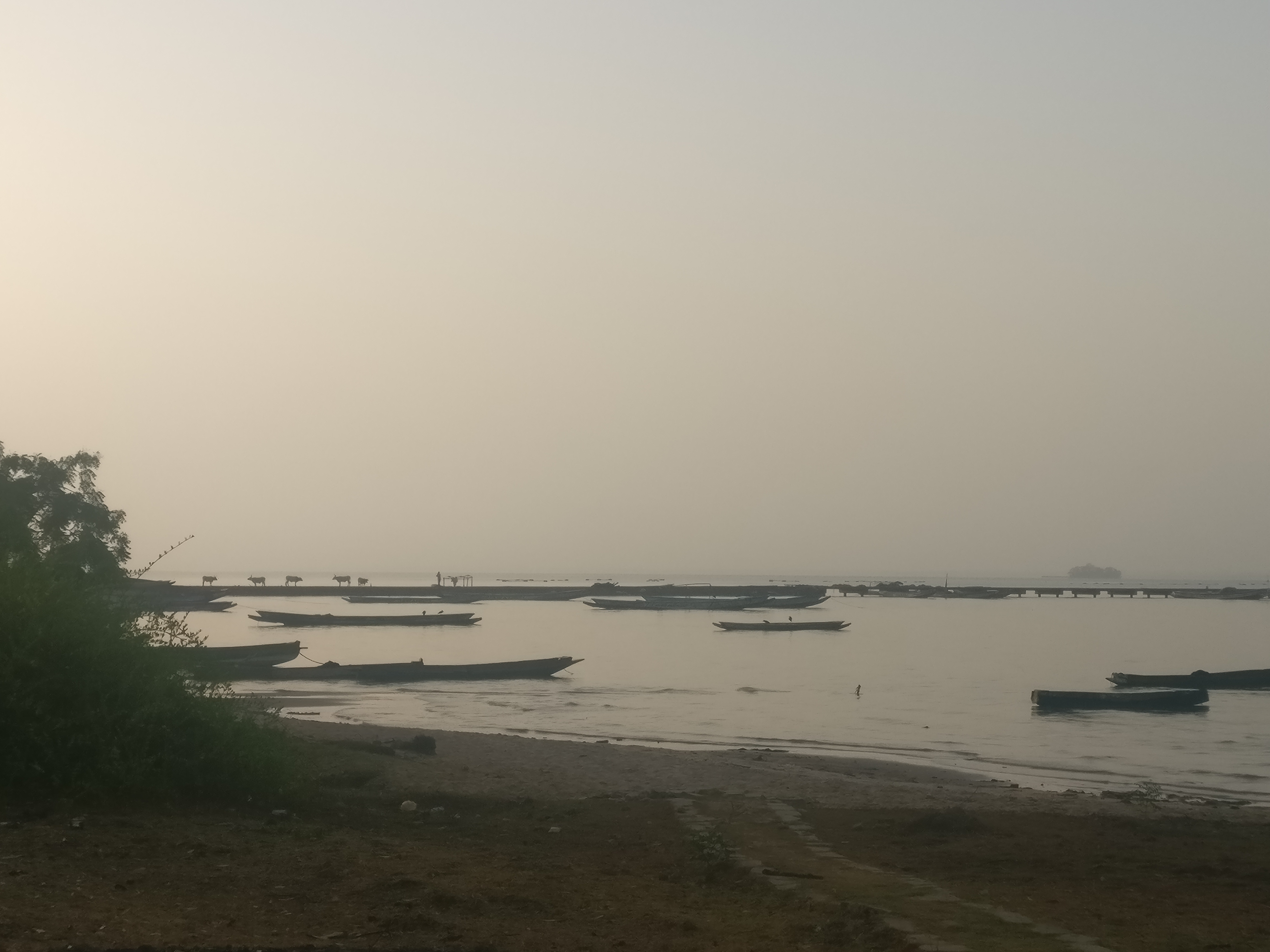
Sine-Saloum Delta: A maze of mangroves and islands best explored by traditional pirogue. It is an excellent place for slow contemplation and for watching how the fishing villages actually work.
Prices
#Currency: Senegal uses the West African CFA franc, hard-pegged to the euro. That makes euros the best currency to bring, since dollars usually get a less generous rate.
Cash: Outside the capital and the main tourist areas, cash is the only thing that works. Always carry small notes for markets and transport.
Cards: In Dakar, Visa and Mastercard are taken in chain supermarkets and pricier restaurants, while Amex is rarely useful. ATMs are widespread but transaction fees can be steep, so a Wise or Revolut card is worth setting up before you fly.
Exchange: Banks and licensed bureaux give the fairest rates, and euros change everywhere without fuss. Keep some cash in reserve for regions where machines are scarce.
Tipping: Around ten per cent in cafes if the service was good. In taxis and markets the price is fixed beforehand, so nothing extra is expected.
| Item | Price (USD) |
|---|---|
| Lunch at a local cafe | 4 |
| Dinner at a restaurant | 25 |
| Street sandwich | 1.5 |
| Cup of Touba coffee | 0.3 |
| Bottle of water, 1.5l | 0.5 |
| Night in a guesthouse | 35 |
| Taxi across Dakar | 6 |
| Trip to Saint-Louis | 10 |
| Goree ferry ticket | 9 |
| Litre of petrol | 1.3 |
| Local SIM card | 3 |
| 5GB data bundle | 5 |
| Gazelle beer | 2 |
| National park entry | 15 |
Getting around
#Sept-places: The famous seven-seat shared taxis remain the standard way to cover distance. They leave the station only when full, but once moving they get on with it.
City buses: Dakar has the DDD network, which gets you around the districts cheaply. Traffic being what it is, a journey can stretch out indefinitely.
BRT: The new bus rapid transit system genuinely changes things, skipping the jams in dedicated lanes. It is the fastest way to move along the capital's main arteries.
Ferry: The boat between Dakar and Ziguinchor is a fine alternative to the long overland route. The ocean crossing takes a night and the standard of comfort is decent.
Car hire: Driving yourself is only for the confident, given how chaotic the traffic is. Platforms like Carol Rent list cars from around 12 dollars a day with payment in cash.
Car Rapide: The old painted minibuses are a cultural icon but extremely cramped inside. For a visitor they are an experience to have once rather than a daily commute.
Where to stay
#The Plateau: Central Dakar is convenient for walking to the port and the museums. Plenty of old buildings have been converted into city hotels, though noise levels can be high.
Beach districts: Almadies and Ngor suit anyone who wants to be near the ocean and the surf breaks. These are smart neighbourhoods full of restaurants, and they come alive in the evening.
Residential areas: Mermoz and Sacre-Coeur are chosen for calm and authenticity, especially for longer stays. Decent apartments and rooms in family houses are easy to find at moderate prices.
Colonial Saint-Louis: The best places to stay are the old mansions on the island itself. These guesthouses have kept the atmosphere of the past, with shaded interior courtyards.
Eco-lodges: In the Sine-Saloum delta and Casamance, cabins built from natural materials are the norm. They put you as close to the landscape as possible, waking to the ocean or the mangroves.
Finding rooms: The standard booking sites work, but the best deals are often arranged over WhatsApp. Many small guesthouses are not online at all and are found on foot by their signboards.
What to eat
#Thieboudienne: The foundation of the cuisine, a dish of rice, fish and vegetables under a thick sauce. It is cooked in enormous pots and served on a shared platter in every household.
Chicken yassa: Tender poultry marinated in lemon juice with a great deal of slow-cooked onion. It is the country's signature dish and worth ordering in any local place you pass.
Mafe: A rich peanut stew built on thick groundnut paste with meat and root vegetables. The flavour is intense and the calories serious, so one portion usually does two adults.
Street snacks: Pastels, fried pastries stuffed with fish, are sold on every corner for almost nothing. Perfect for a quick lunch on the road or during a long walk through town.
Drinks: Bissap, the bright red hibiscus juice, is exactly what you want at midday. Ginger juice is also worth trying, though be ready for a sharp and genuinely fiery aftertaste.
Touba coffee: Coffee spiced with black pepper and cloves, drunk in small servings. It is sold from street trolleys and is the best way both to wake up and to start a conversation.
Safety
#Overall: Senegal is one of the calmest countries in the region, with a famously peaceable population. There are no serious internal conflicts and attitudes toward foreigners are warm.
Petty theft: In the crowded Dakar markets and on the popular beaches, keep an eye on bags and phones. Pickpockets work fast and rely on the bustle and your distraction.
Touts: Persistent unofficial guides and souvenir sellers approach visitors constantly. A polite but firm no in French usually ends the conversation without any friction.
Water: Do not drink from the tap, not even for brushing your teeth. Buy bottled water and avoid iced drinks from stalls you are not sure about.
Malaria: Prophylaxis matters here, particularly in the rainy season and on trips south. Use repellent and sleep under a net in cheaper accommodation wherever one is provided.
At night: Avoid unlit outer districts of the capital after dark. Take a taxi instead, since they run around the clock in Dakar and cost very little. Check your own government's travel advisory before you book, particularly for the Casamance region.
Etiquette and culture
#Teranga: This word describes a genuine impulse to help a guest and share food. Do not be surprised when a stranger invites you to eat with them at a shared bowl.
Religion: Despite the secular constitution, Muslim tradition is strong and respected. Cover shoulders and knees when visiting mosques or holy cities like Touba.
Greetings: The ritual exchange of questions about health and family can run for several minutes. This is not a formality but the way respect is shown before any business begins.
Right hand: Eating, handing over money and most other significant gestures are done with the right hand only. The left is considered unclean and using it can cause genuine offence.
Photography: Always ask before pointing a camera at someone. Senegalese take real pride in how they present themselves, but plenty of people object to being photographed without consent.
Laamb: Senegalese wrestling fills stadiums and matters more than football. It is a spectacle of dance and ritual as much as sport, and it tells you more about the country than any museum.
Connectivity
#SIM cards: Orange leads the market and has the best reception even in remote villages. Buy at the airport or any phone shop, presenting your passport.
eSIM: For instant connectivity, an eSIM from Airalo or a similar provider is the simplest option. You buy the data allowance before you fly and it activates on landing.
Speeds: 4G is stable in the larger cities and handles maps and video without complaint. In rural areas it drops to 3G, so download offline maps in advance.
WhatsApp: This is the main channel of communication across the whole society. Hotels are booked, drivers arranged and bus times confirmed through it.
Language: French is the official language, while Wolof is what people actually speak day to day. English is understood only in the more expensive Dakar hotels, so a basic set of French phrases is genuinely essential here.
Mobile money: Orange Money lets you pay in shops without cash changing hands. For a traveller it is a convenient way to avoid carrying wads of notes on long trips.
Phrasebook
#| English | French | Pronunciation |
|---|---|---|
| Hello | Bonjour | bon-ZHOOR |
| Thank you | Merci | mehr-SEE |
| How much is it? | C'est combien? | say kom-BYEN |
| That's expensive | C'est cher | say SHEHR |
| Give me a better price | Fais un prix | fay uhn PREE |
| How's it going? | Ca va? | sah VAH |
| I'm fine | Ca va bien | sah vah BYEN |
| Where's the toilet? | Ou sont les toilettes? | oo son lay twah-LET |
| Help me | Aidez-moi | eh-day MWAH |
| Water | Eau | oh |
| Beer | Biere | BYEHR |
| Food | Nourriture | noo-ree-TEWR |
| The bill, please | L'addition, s'il vous plait | lah-dee-SYON seel voo PLEH |
| Mate (slang) | Mon gars | mon GAH |
| Foreigner, white person | Toubab | too-BAHB |
| That's fire! (slang) | C'est le feu | say luh FUH |
| No problem | Pas de souci | pah duh soo-SEE |
| See you tomorrow | A demain | ah duh-MAN |
| Sorry | Pardon | par-DOHN |
| Goodbye | Au revoir | oh ruh-VWAHR |
| Peace be with you (Wolof) | Salaam aleekum | sah-LAAM ah-LAY-kum |
| Thank you (Wolof) | Jerejef | JEH-reh-jef |
Good to know
#Getting there: Dakar's airport takes direct flights from Paris, Brussels, Madrid, Lisbon and Istanbul, and from New York and Washington on the North American side. From London or Frankfurt you connect through Paris, Lisbon or Casablanca, and low-cost options appear on the European routes outside the winter peak.
Climate: November to May is the window, with dry, comfortable weather. Summer brings the rains and heavy humidity, which can seriously complicate travel.
Electricity: Sockets are the standard European type C and E with two round pins. Adapters are usually unnecessary, though voltage in cheaper buildings can fluctuate.
Health: For anything serious, use the private hospitals in Dakar, where standards are higher. A yellow fever vaccination and insurance with solid coverage are the baseline here.
Markets: Haggle everywhere except pharmacies and chain supermarkets. You can bring the opening price down by half or more with patience, good humour and a few words of French.
Souvenirs: Buy wooden masks and craftwork at the end of your trip in Dakar, where the choice is widest. Postcards from Saint-Louis take about a month to reach Europe from the central post office.
Frequently asked questions
#Many Western passports enter visa-free for tourist stays of up to 90 days. You need a passport valid for at least six months and, usually, a confirmed accommodation booking, so check your own passport's rules before you fly.
Senegal is one of the most stable countries in Africa, with low levels of violent crime. The main risks are petty theft in markets and persistent touts rather than anything more serious.
Travelling frugally, 40 to 50 USD a day covers food and transport comfortably. With better hotels and a rental car, plan on 100 USD a day or more.
November to April is ideal, with no rain and heat that is easier to handle. It works equally well for the coast and for trips inland to the national parks.
Orange 4G is reliable in the cities and a SIM takes minutes to buy with your passport. An international eSIM is the easy alternative if you would rather arrive already connected.
Only if you are a confident driver, given Dakar's chaotic traffic and poor roads in the provinces. Hiring a car with a driver for the day is often cheaper and far less stressful.
Bring euro cash, since the CFA franc is fixed against the euro. Dollars change everywhere too, but banks give slightly worse terms for them.
No, tap water is not drinkable and you should use bottled water only. In cheaper guesthouses, use bottled water for washing fruit and brushing your teeth as well.
Yes, but with restrictions. Registration is mandatory for a drone of any weight. You need an ANACIM import licence and written flight approval before arrival — without them the drone will not be let through. Rules for other countries are in the drone ranking by country.
Updated
The data on this page goes out of date. Visa rules and permitted stays, border requirements, prices and budgets, transport and local conditions all change fast, and we do not re-check every page every day. We show the date of our last check where we have one, but before you travel, verify with official sources: the country’s consulate, its immigration service, its e-visa portal and your carrier.